




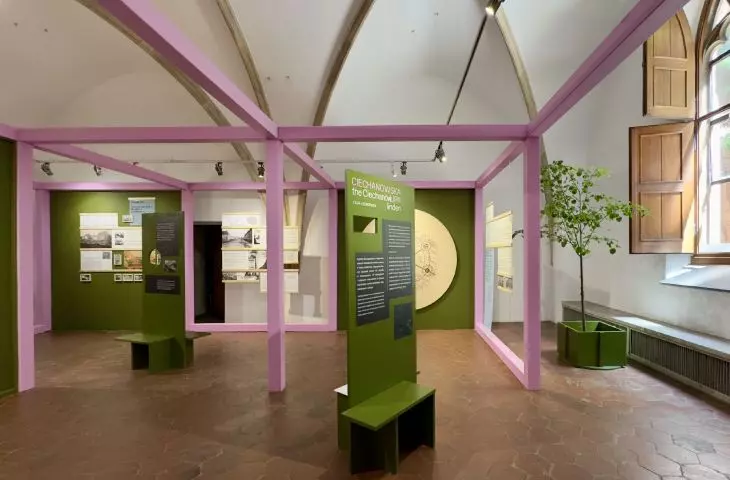
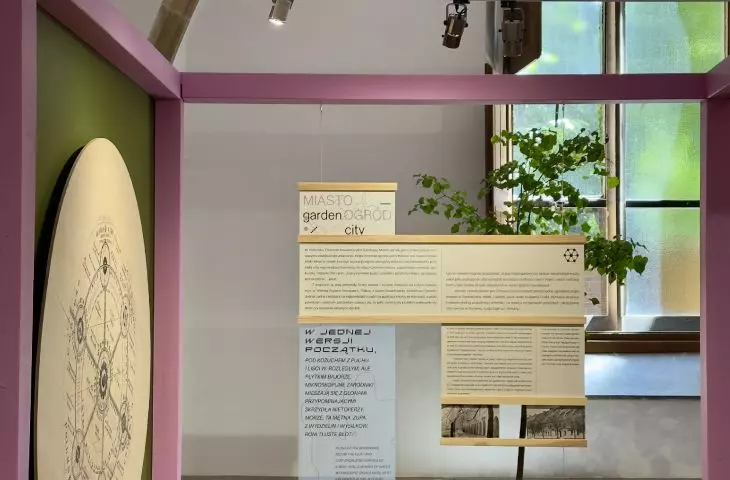
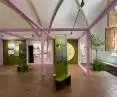



"Herstoria" is a story described from the perspective of women, "Plantstoria" gives voice to plants. About the role and fate of greenery in one of Ciechanow's housing estates and whether nature likes straight lines, tells the exhibition "Plantstoria" in the Museum of Architecture in Wroclaw, whose author is Barbara Nawrocka, an architect from Miastopracownia and co-founder of the Bal Architektek.
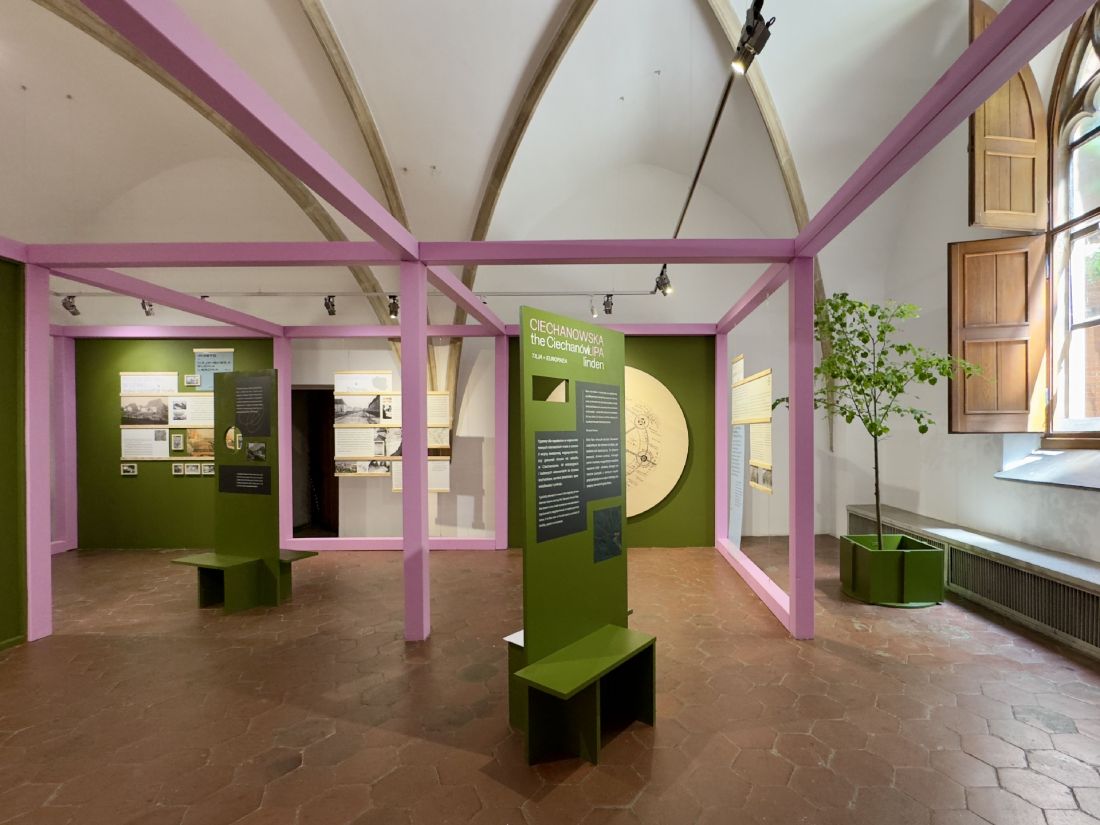
"Plantstoria" exhibition at the MA in Wroclaw
photo: Jakub Certowicz | © Museum of Architecture in Wroclaw
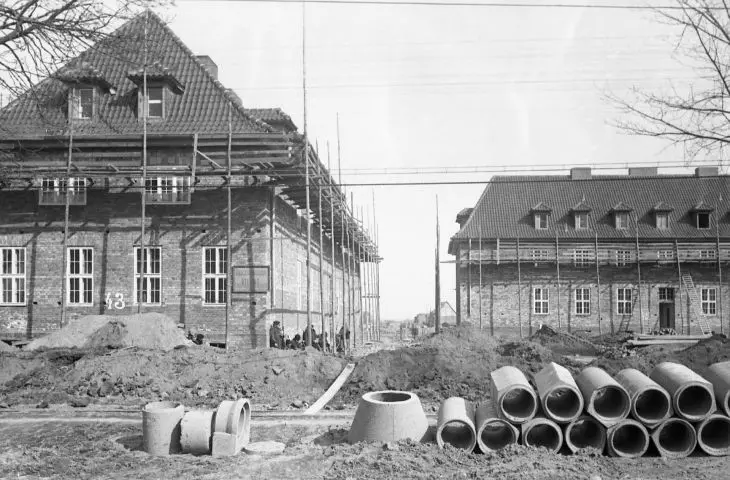
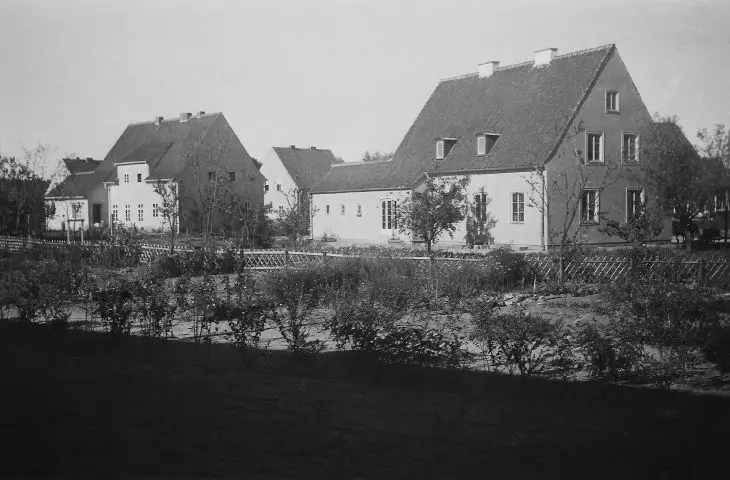
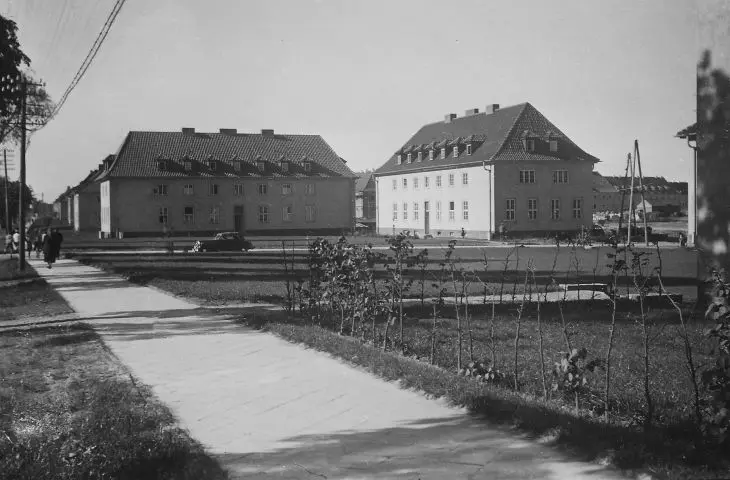
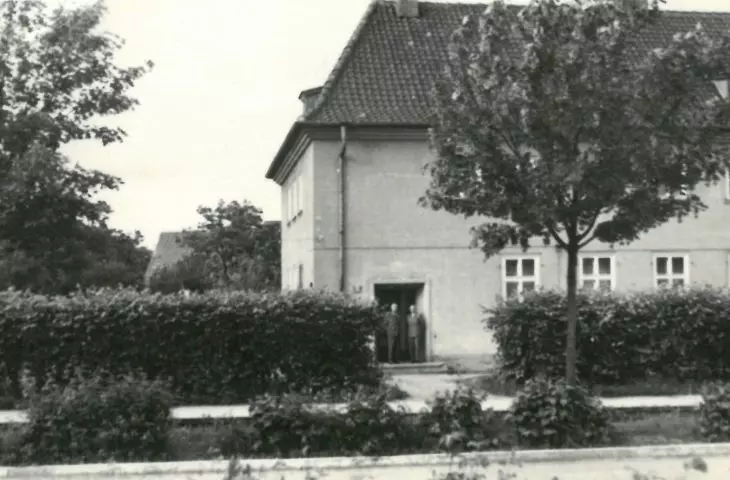
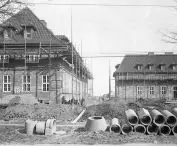
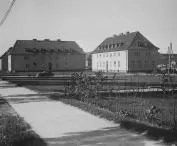
During World War II - parallel to operations at the front - in Ciechanow, Mazovia, the Third Reich was building the Gartenvorstadt (now the Bloki estate) - a suburban settlement inspired by Ebenezer Howard's utopian vision of a garden city. In less than two years, more than a hundred low-rise residential buildings with classic gabled roofs were built here - an idyllic settlement combining the qualities of city and village, intended for new settlers and officials of the just-established East Prussian Regency, of which Ciechanow became the capital. The gauleiter in charge of this administrative unit, Erich Koch, aimed to create a new, orderly development in the area, and thus a propaganda tool for colonization.
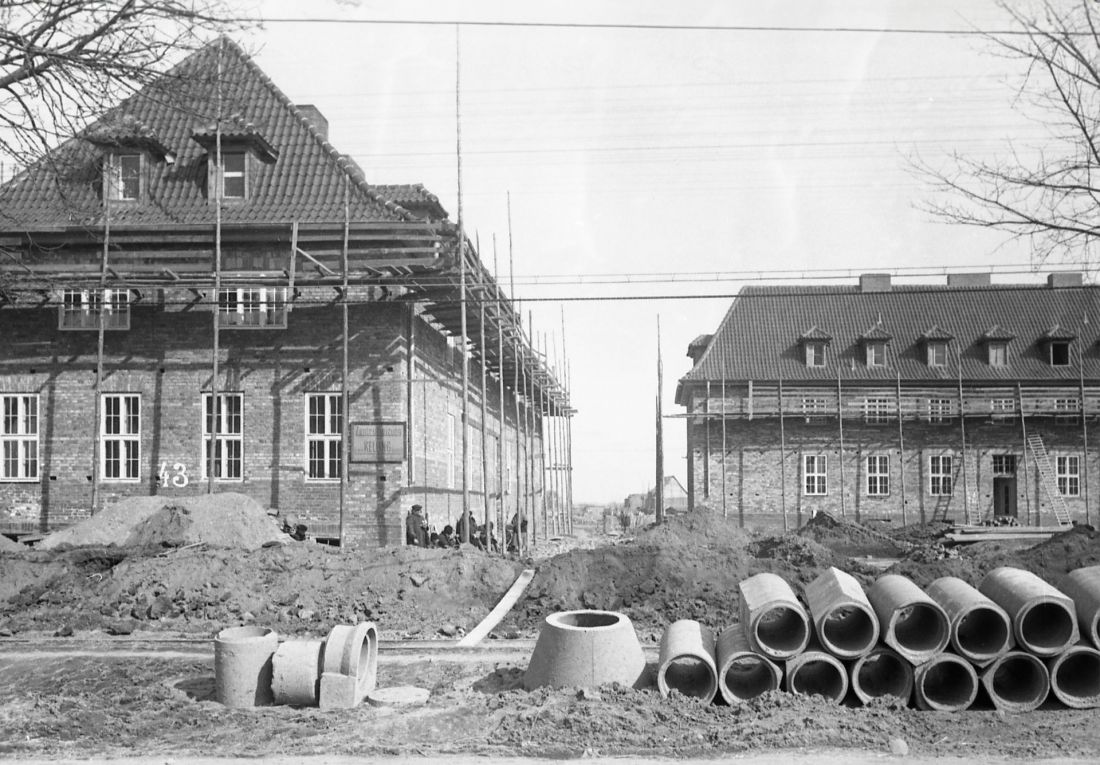
Poland, Zichenau - erection of new houses in place of previously demolished buildings
photo by Ludwig Knobloch, 1941, PK 689, Bild 101I-133-0730-16, from the collection of the Bundesarchiv | Illustrations provided courtesy of the MA in Wrocław.
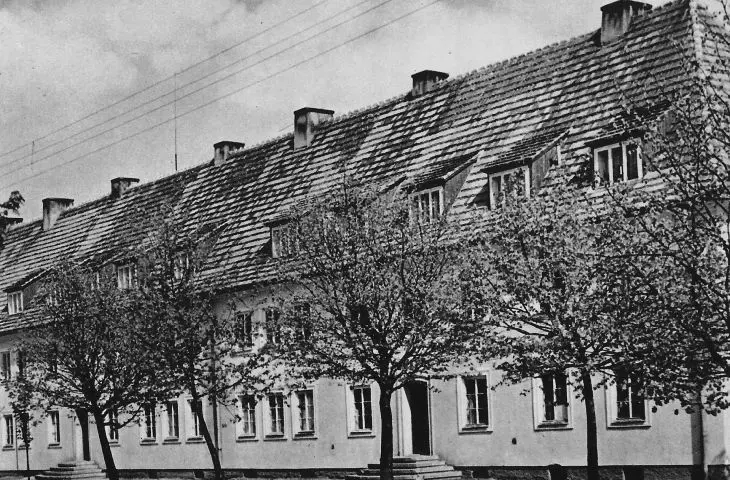
The landscape was coherently designed, with lush greenery planned alongside urban planning and stylized architecture consisting mainly of three-story brick buildings, completing the idyllic picture.
As noted by Barbara Nawrocka, curator of the "Plantstoria" exhibition, when telling the story of the post-German heritage, we focus on urban layouts and architecture, but exclude greenery from this narrative, yet it too was part of this ideology.
This is a story about a settlement in my hometown. About the troubled legacy, and above all, about the local vegetation and its political entanglement in shaping the landscape of the conquered lands. About the history of the suburb-garden from the perspective of nature, the introduction of the "German order" and what eludes attempts at colonization
- explains the architect.
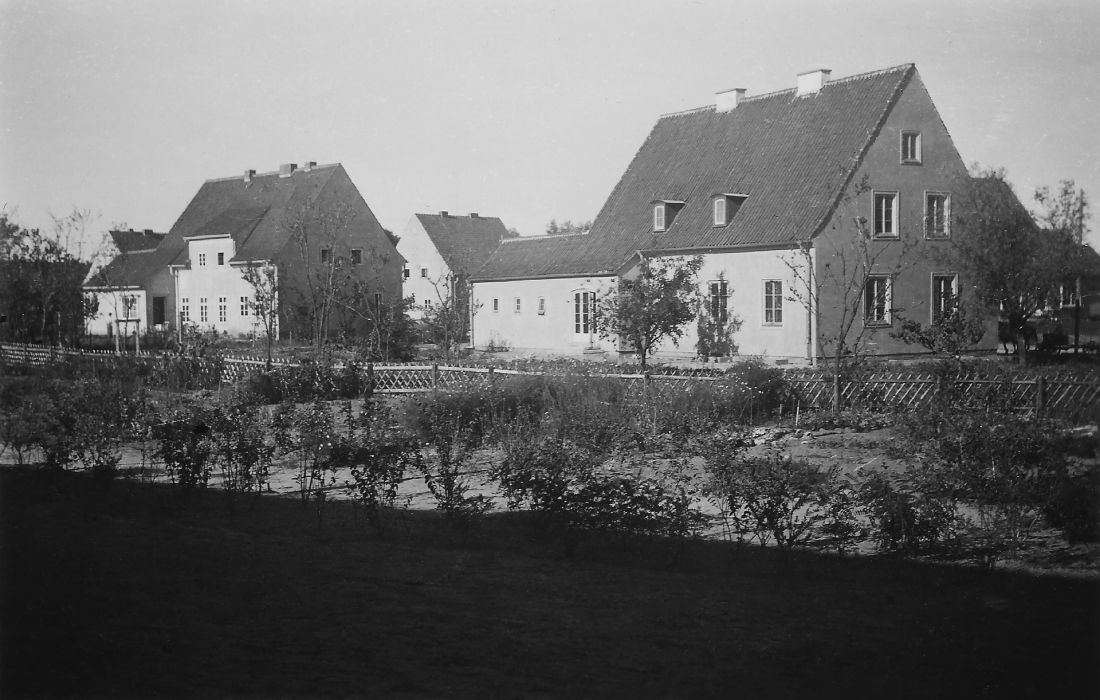
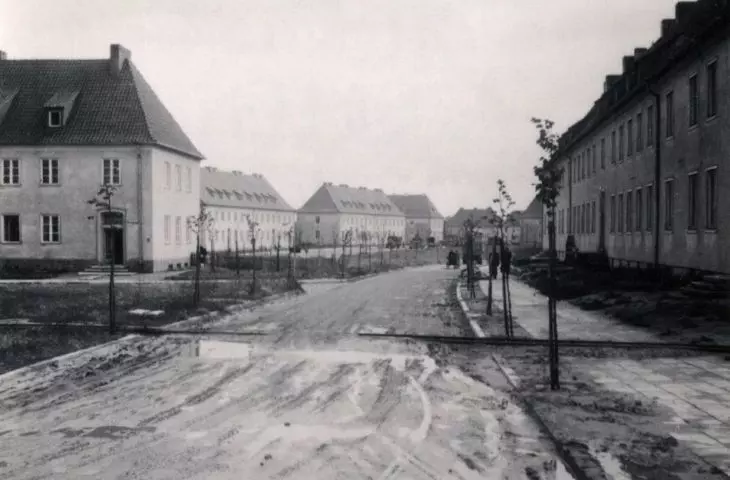
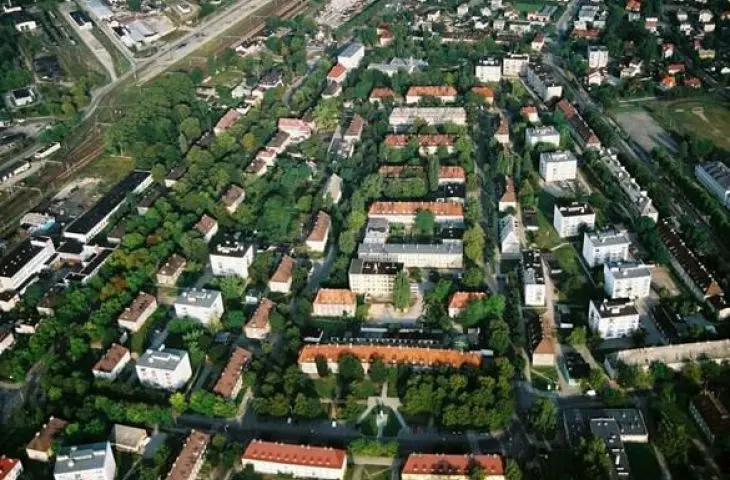
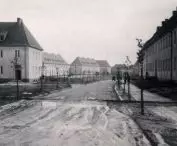
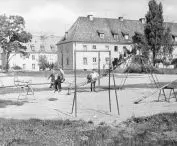
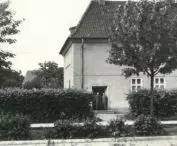
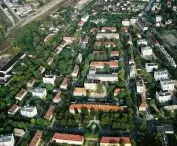
Gartenvorstadt Zichenau (later the Bloki estate in Ciechanow), 1940s
From the private collection of Waldemar Smolinski | Illustrations courtesy of the MA in Wrocław.
Is vegetation easier for us to tame than historically difficult heritage? And yet, with the help of greenery it is also possible to spread propaganda, as exemplified by the Germanic oak that appears in the exhibition:
the most important species in Germanic mythology and the symbolism of the Third Reich. A sacred tree, a symbol of stability, longevity and strength. The motif of oak leaves and acorns was repeatedly used in Nazi ornamentation, but there is no indication that these trees were planted on the Ciechanow estate
- reads the exposition.
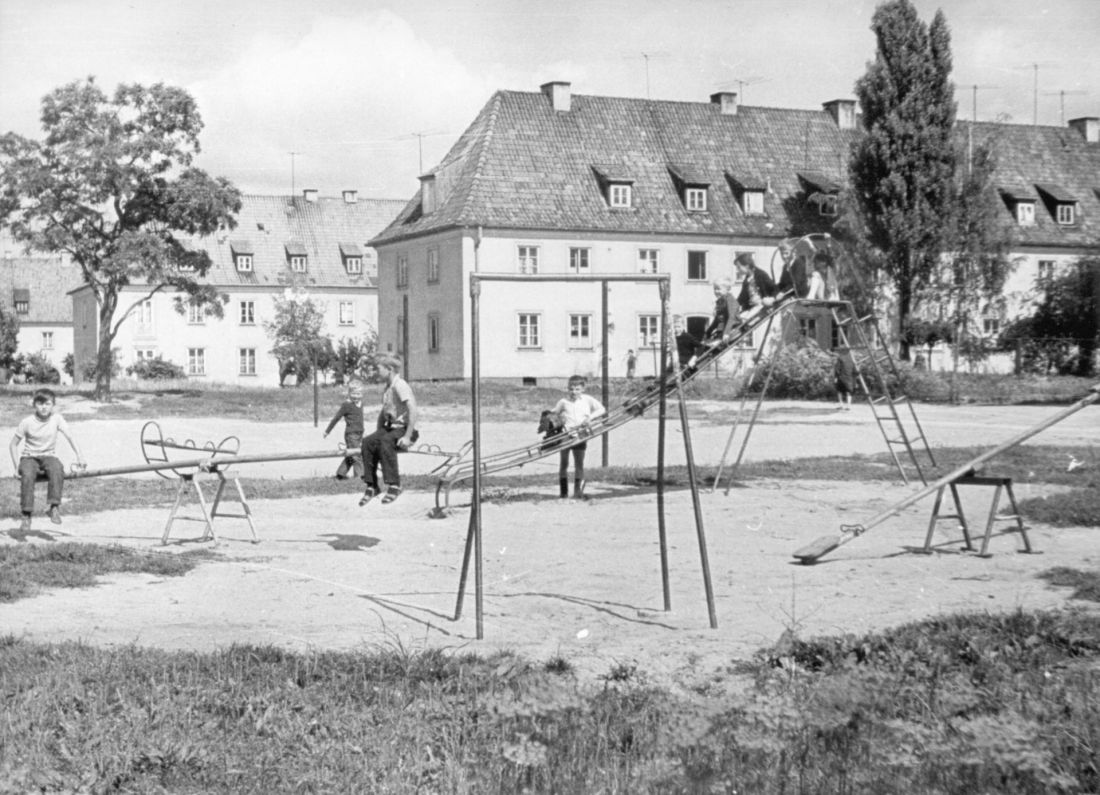
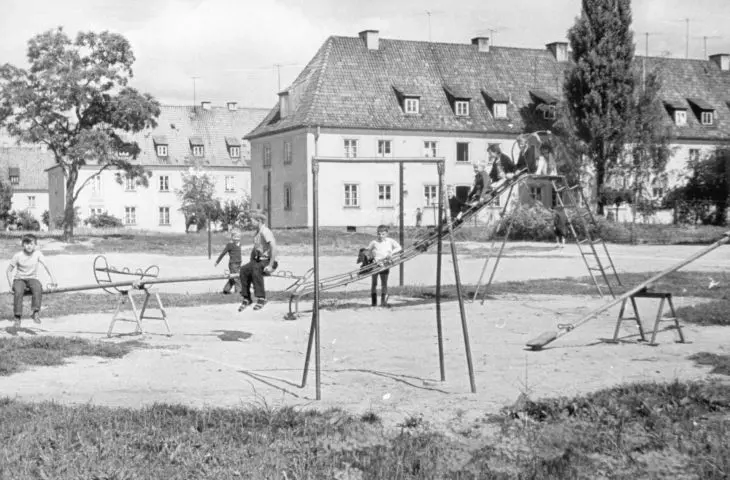
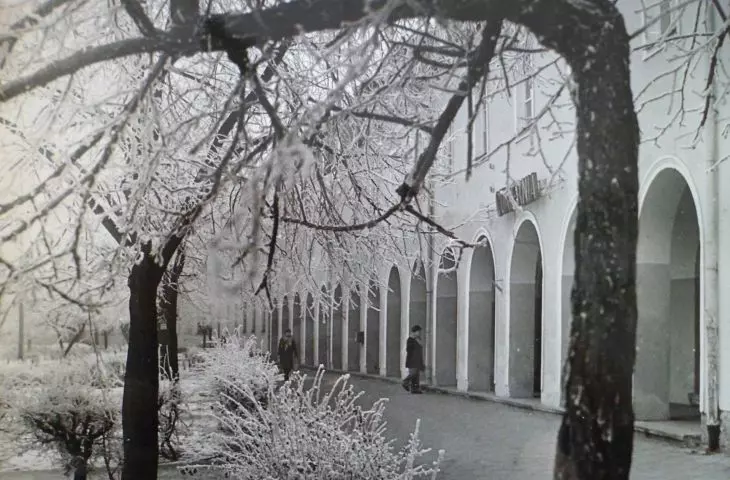
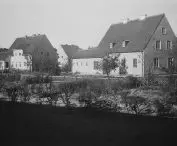
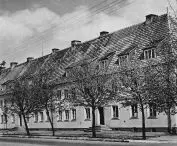
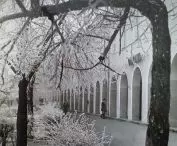
Estate Blocks in Ciechanow (formerly Gartenvorstadt Zichenau), 1950s
photo by J. Korzybski, from the collection of the Society of Lovers of the Ciechanow Area | Illustrations provided courtesy of MA in Wrocław.
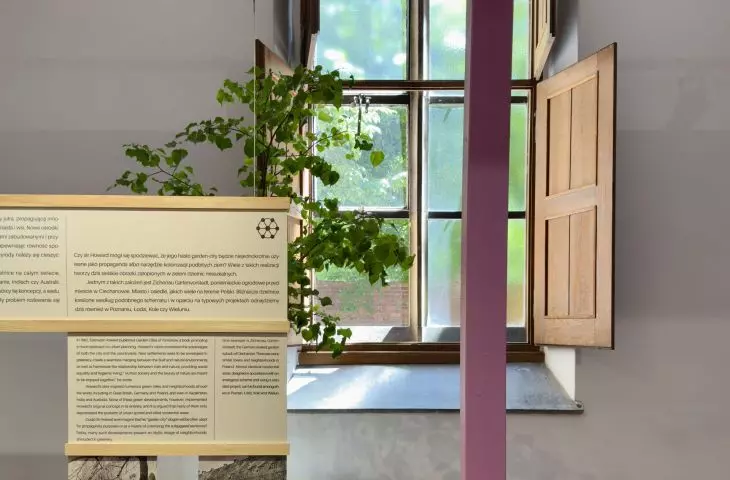
The author, in addition to presenting the history of the establishment of the Ciechanow housing estate (not the only one of its kind in Poland), gives voice to the plants growing between the buildings. She creates a kind of herbarium, an intimate "green" diary, and shows us a variety of species that we probably all know from our backyards, with their medicinal qualities - appearing here, among others, the common nettle (increases immunity, but also parches), the blue eryngo, the common viper's bugloss or the spotted thistle (good for the liver).
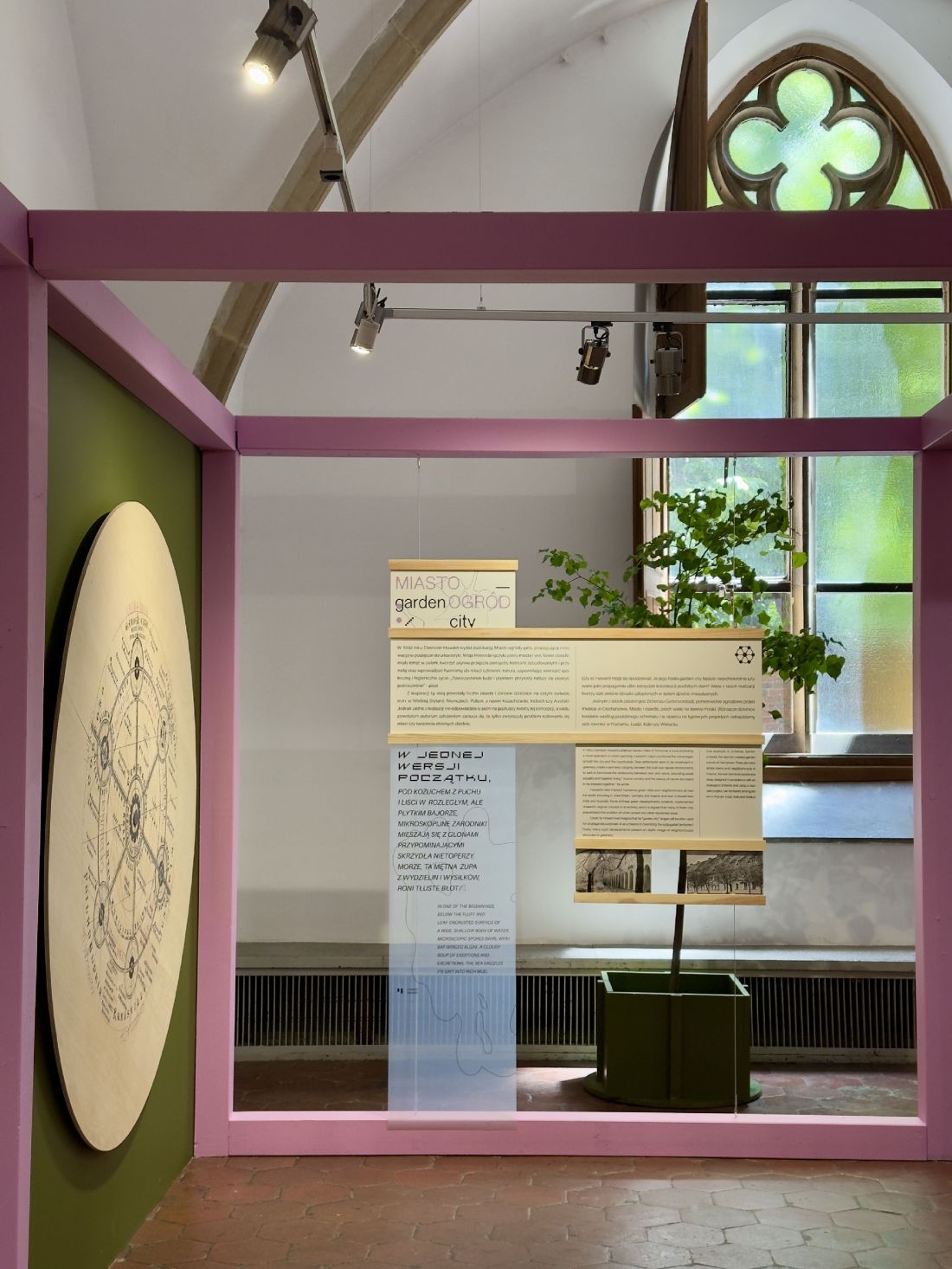
"Plantstory" exhibition at MA in Wroclaw
Photo: Jakub Certowicz | © Museum of Architecture in Wroclaw
This is not the first time Barbara Nawrocka has given voice to plants. In the installation "Greenhouse Silent Disco" (curators: Malgorzata Devosges-Cuber, Michal Duda; exhibition architecture: Barbara Nawrocka, Dominika Wilczynska) presented at the 23rd Triennale Milano, the team literally listened to the plants - keeping track and recording everything they "said," i.e. how they reacted to human presence, for example.
Read more: Disco in the world of plants. Polish pavilion at the Triennale Milano
The "Plantstoria" exhibition, presented so far in Ciechanow and Gdynia, can be seen at the Museum of Architecture in Wroclaw until September 7, 2025.