













Patricia Olech and Maria Bogus -.
podcast #31 of the series "Foundations"
The episode and the entire series are also available on Soundcloud and Spotify:


In the latest episode of the Foundations podcast, we give voice to those who have only recently entered the world of landscape architecture and... immediately collided with reality.
Our interviewees are Maja Bogus and Patrycja Olech, landscape architecture graduates from the Warsaw University of Life Sciences, who talk candidly about what the first step in the profession looks like - between the ideal vision from design classes and the chaos of real-life investments. It's an episode about surprises, hard lessons, first highs and painful lows. About what no textbook explains, and what turns out to be crucial when you come face to face with a client, a contractor and a site that never looks like it does on a map.
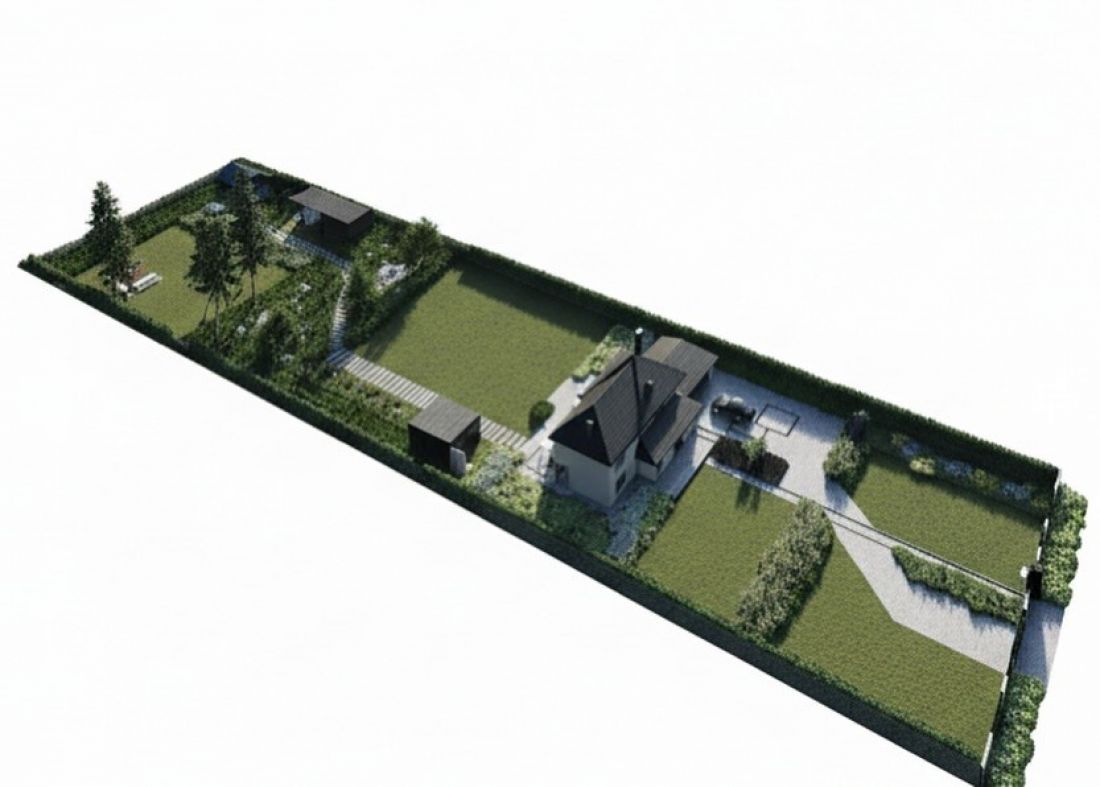
© Patrycja Olech, Maja Bogus
studies give you the basics, the market verifies everything else
At the university we learn how to design," says Maja. We learn about plant species, the history of gardens, create concepts, sections, visualizations. We get a solid theoretical foundation that allows us to think like a designer.
The problem is that the first order doesn't ask how a Japanese garden differs from a French garden, only:
-
can you prepare a bid,
-
how you will price the project,
-
whether you can handle the office,
-
and whether you can talk to a client who "saw something beautiful on Instagram."
Patrycja was most surprised by what was absent from her studies: procedures, construction law, permits, agreements - everything that in practice takes up a huge part of a landscape architect's work.
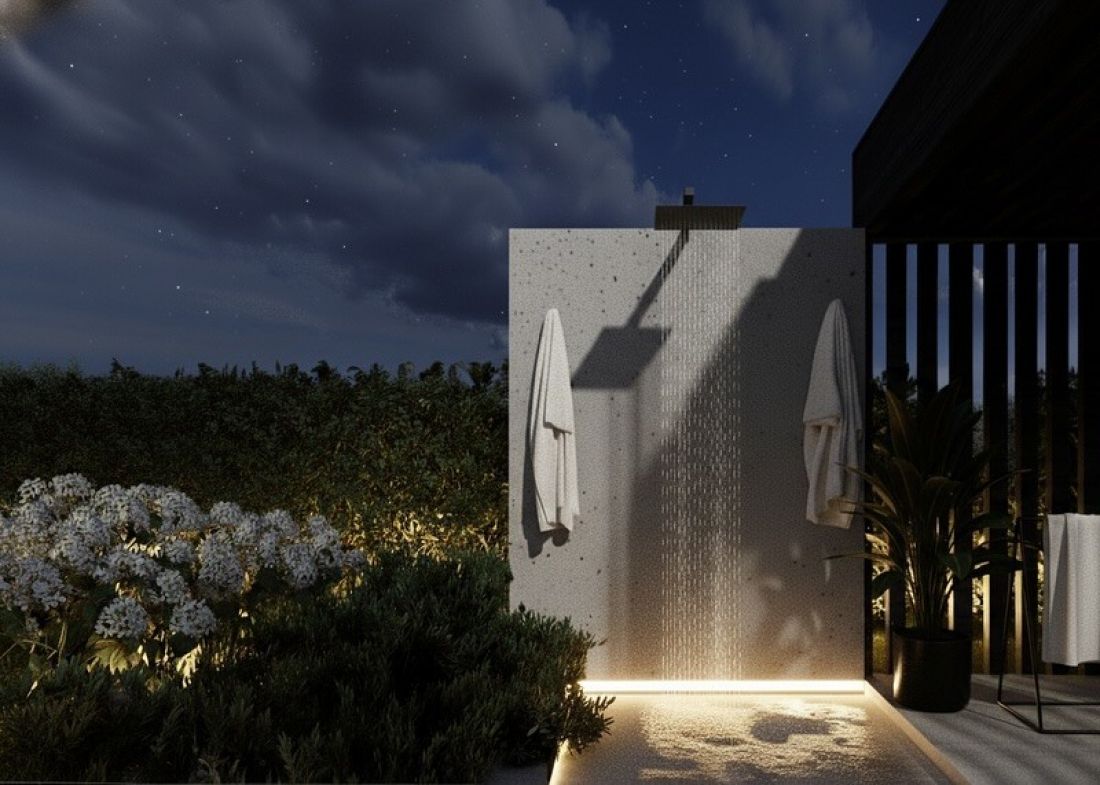
© Patrycja Olech, Maja Bogus
"Going to the office for the first time is a baptism of fire."
The first real projects quickly expose gaps in knowledge: how to read documentation, how to fill out applications, with whom to consult solutions and why nothing is obvious in the office. Then there is the issue of pricing. In college, almost no one talks about money, and it is the client's budget that becomes one of the most difficult parts of the job - because a mispricing always reflects on the designer.
Software, licenses and tools - the gray area of education
University software is sometimes outdated, limited or unavailable off campus.Young designers often get their first exposure to professional tools... only after graduation, and at their own expense. This is an additional entry threshold that is rarely mentioned.
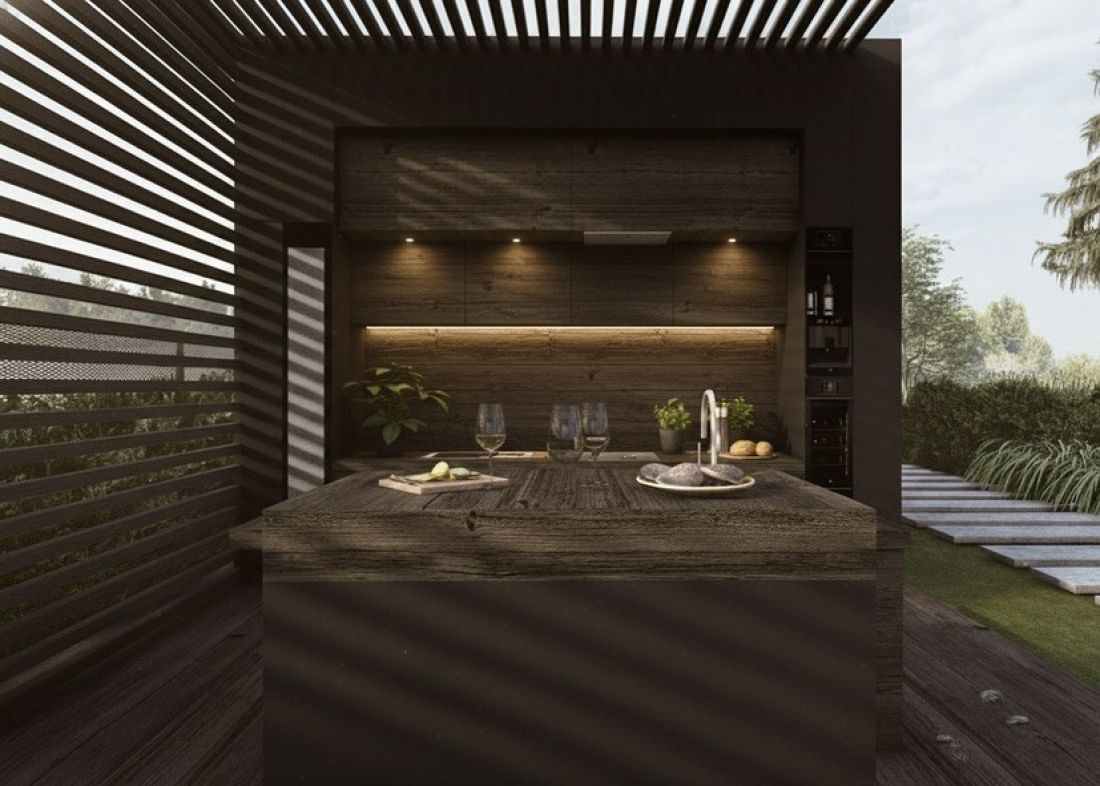
© Patrycja Olech, Maja Bogus
the ideal project versus the real world
The biggest shock comes in the field. Maja recalls her first realization: a design perfected to perfection, beautiful visualizations... and then it turned out that half of the plants could not be obtained from any nursery in the area.
Sometimes the terrain has a different slope than on the map. Sometimes there is infrastructure underground that no one mentioned. Sometimes the contractor has a different opinion than the design. And sometimes the client suddenly changes the concept because... the neighbor has a nicer cube. These are the moments when a young designer has to learn flexibility, quick decision-making and assertiveness. And this, as the girls agree, no design studio teaches.

© Patrycja Olech, Maja Bogus
pinterest, Instagram and gardens from California to Mazovia
Social media today is an endless source of inspiration - and problems. A customer comes with a beautiful photo of a garden from California and wants... exactly the same one at home. What he doesn't understand is that the climate, soil or sunshine is a completely different world. And here begins the role of the educator - the designer must explain, straighten expectations and make him aware of the difference between a garden "from the Internet" and a garden that will live for real.
field work - a school of survival
Studies are sterile studios, desk and computer work. The reality is mud, rain, heat, construction, wellingtons and conversations with the excavator operator who digs "a little too deep."
It also includes:
-
learning about live materials,
-
contacting contractors,
-
verifying what can be done and what only looks nice on a drawing.
It is on the construction site that the young architect learns the most - and the most painfully.
The pressure, responsibility and loneliness of a budding designer
After graduation, the safe space of consulting with professors suddenly disappears. What's left is the client, the budget and decisions that someone has to make - usually right away.Then there's the pressure of creativity on call, creative blocks and imposter syndrome, which gets you especially at the beginning. This is not talked about either, and it is one of the most difficult emotional barriers in the profession.

© Patrycja Olech, Maja Bogus
how to enter the profession to make it hurt less? Practical advice
Maja and Patrycja leave listeners with some valuable tips:
1. internships and placements - as early as possible
Every project, every experience, every field trip - is an investment in the future.
2. training and continuous learning
The industry is changing rapidly. New technologies, retention, materials, environmental solutions - you need to stay up to date.
3. business is not taboo
Pricing, contracts, customer communication - these are skills as important as plant knowledge.
4. mentor and network
An experienced designer can save a young one years of mistakes.
5 Understanding that a diploma is only the beginning
Real design starts only when you leave university.
Aleksandra Skorupa
Maria Cipinska
Listen also to other podcasts
from the "Foundations" series:
26. architecture for the people. Oliwia Blaszczak on the social role of space.
29. Zofia Fedorów on working in Polish architectural offices
30. Maja Mawusi on her internship at Henning Larsen and work on the Imperial Shipyard
31. Zuzanna Polak on interior architecture, intuition, travel and maturing into a profession