







Julia Margas -
podcast #33 of the series "Foundations"
The episode and the entire series are also available on Soundcloud and Spotify:


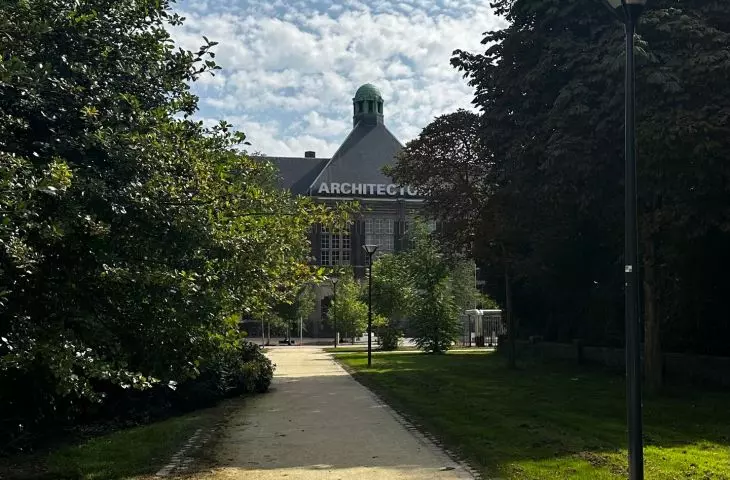
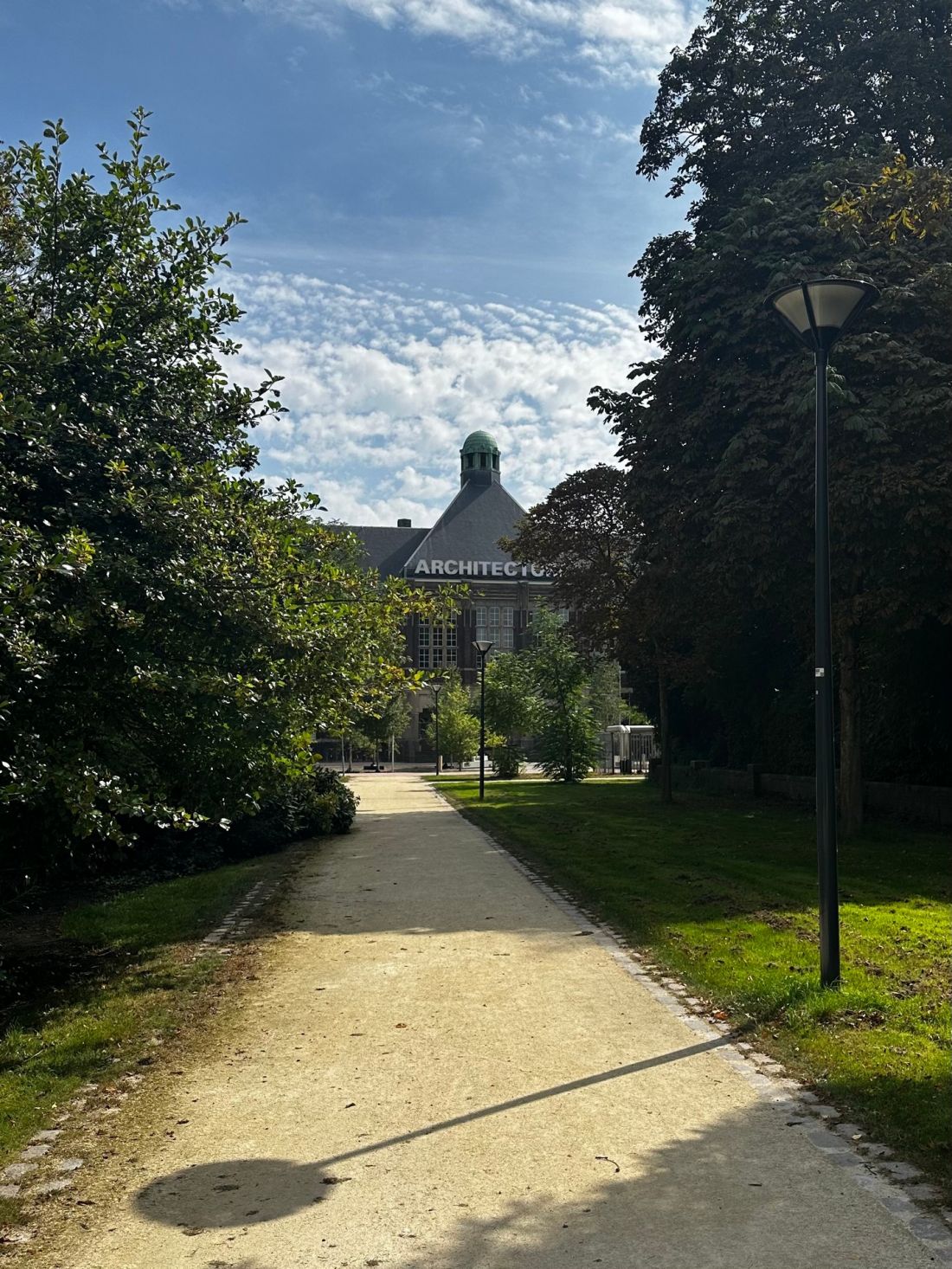
In the latest episode of the Foundations podcast, we take you to Rotterdam - a city of modernist architecture, design experiments and a place where the next generation of creative artists is being educated. Our guest is Julia Margas, a graduate of the Willem de Kooning Academy of Fine Arts in Rotterdam with a specialization in heritage and design from TU Delft's Faculty of Architecture.
© Julia Margas
Julia talks about her path to study abroad, recruitment, the realities of life in the Netherlands and what everyday life is like at one of Europe's most famous art universities. It's a story of early dreams, courage, portfolio work and consistency that led her to an international career.
a story that began at age 10
While most children dream of becoming an actress, a veterinarian or a firefighter, Julia decided at the age of 10 that she would become an architect. In her own words:
One day I just got up and said: I'm going to design spaces. And that's how it stayed.
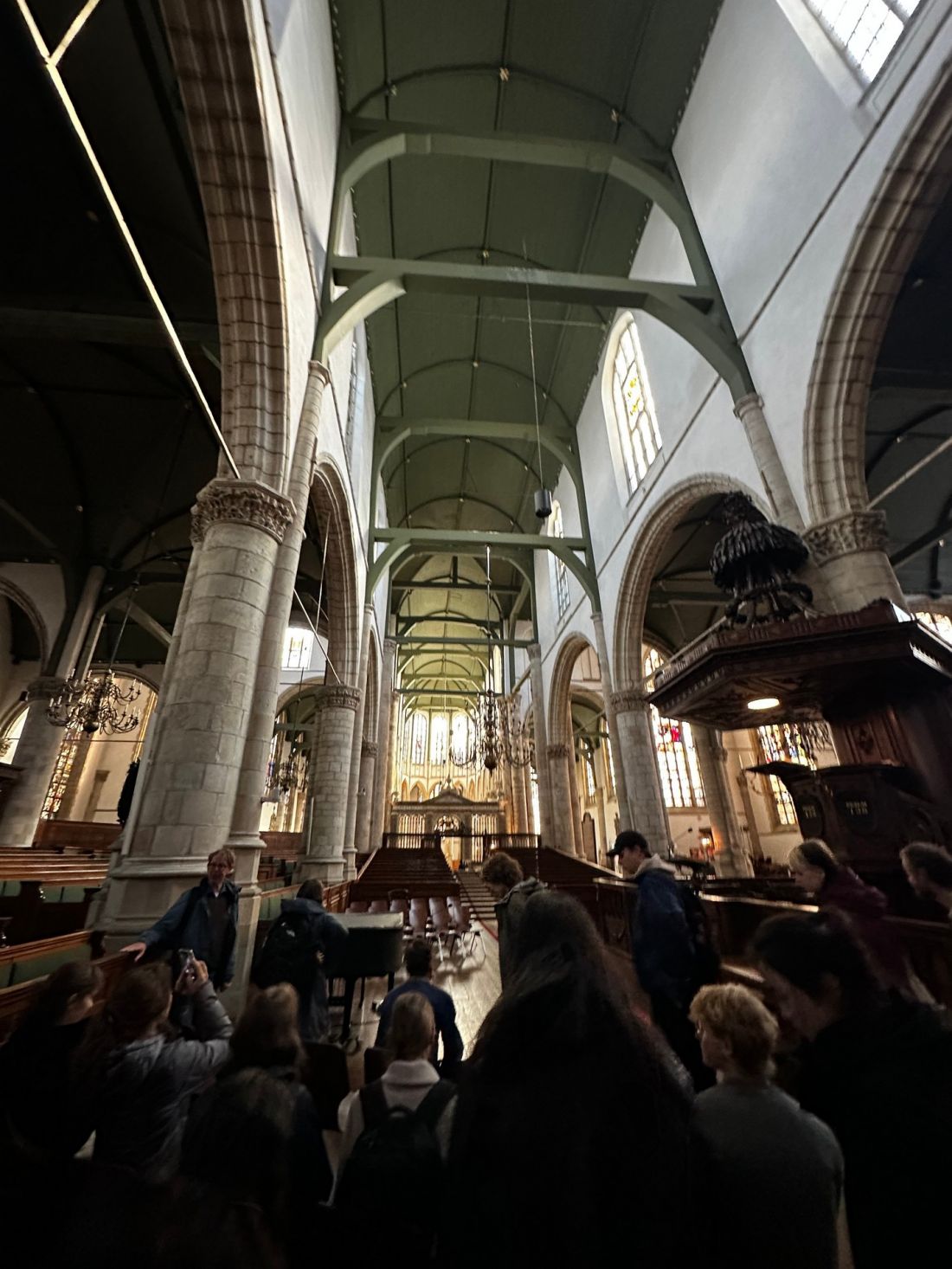
Her fascination did not come from nowhere. As the daughter of an engineer, from childhood she observed construction sites, technical processes and the creation of buildings from the foundation to the roof. Her mother, an archaeologist, on the other hand, instilled a love of history, monuments and heritage. Growing up in Torun, whose medieval old town is a living museum, only reinforced this curiosity about space, memory of place and architecture.
© Julia Margas
studying abroad - a dream that took real shape
The next big dream came a little later: studying in English. Initially Julia planned to apply to the UK, but Brexit significantly complicated the situation. The alternative? The Netherlands - a country where:
-
almost everyone speaks English,
-
universities are world-class,
-
design culture is part of everyday life,
-
and teaching methods focus on the process, not just the end result.
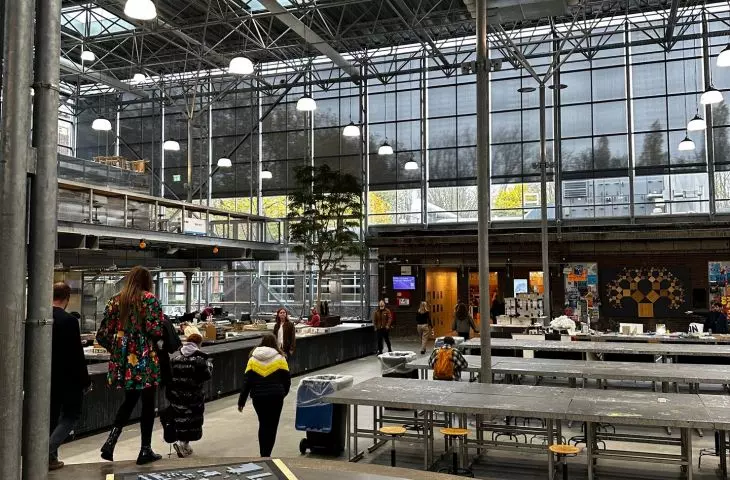
That's how she ended up at the Willem de Kooning Academy - one of the most renowned design academies in Europe.
Recruitment: no exams, but a lot of work
Although the application process to Dutch art schools is seemingly simpler than to Polish ASPs, it requires just as much effort. There are no entrance exams, but a portfolio is required, which:
-
must show the process,
-
must tell the designer's story,
-
must be diverse,
-
and requires many months of work.
Julia prepared hers throughout her matriculation year - which, she says today, was a crazy decision:
I wouldn't recommend anyone to do a high school diploma and a portfolio at the same time. It's a tremendous amount of work. If I had to do it a second time, I would start a minimum of a year earlier.
Dutch schools especially value:
-
sketches,
-
mock-ups,
-
research,
-
experiments,
-
analysis and documenting the path from idea to solution.
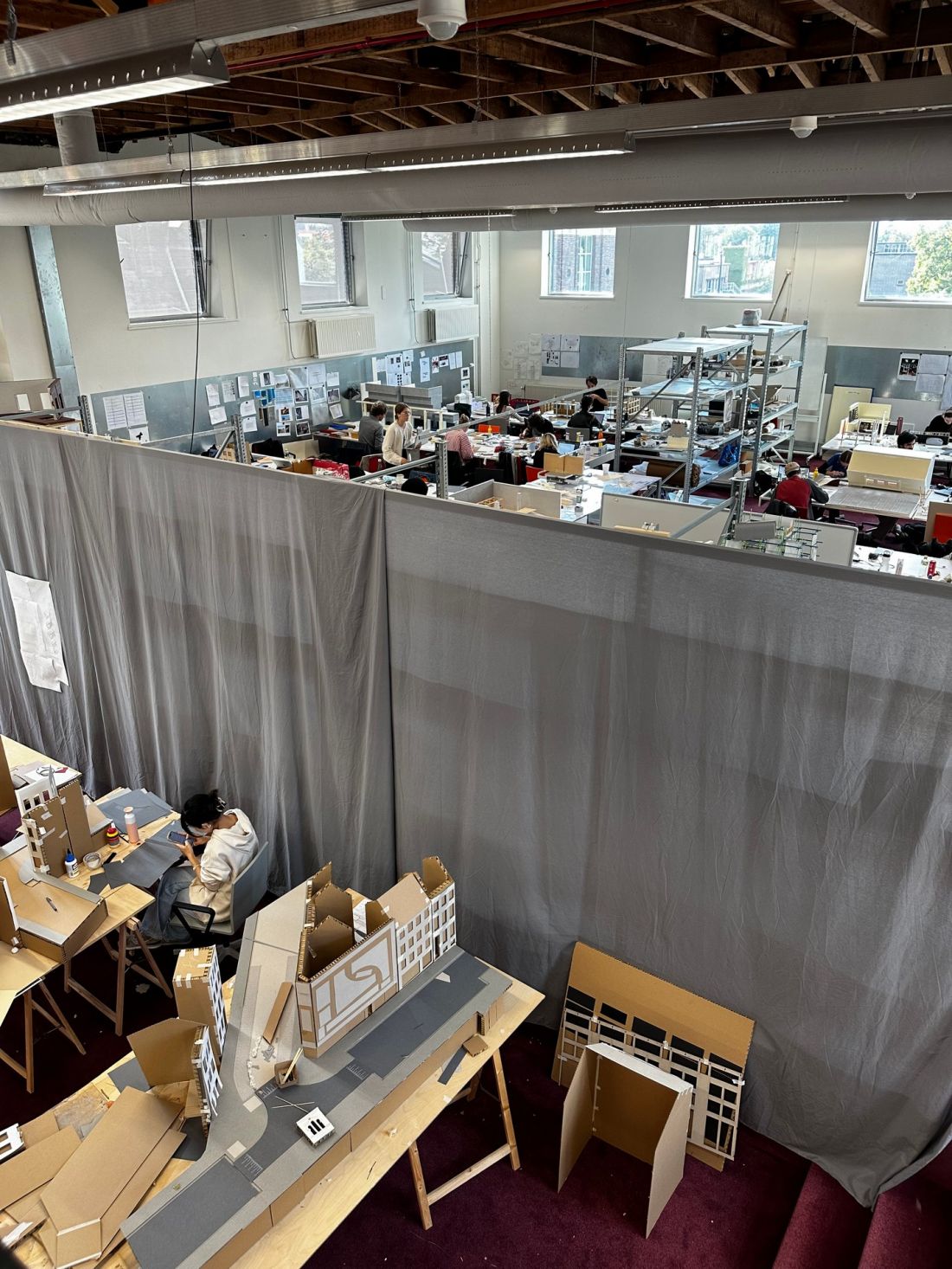
This is why their methodology is often referred to as: "designing by doing" or "designing by making." The thinking is more important than the final cast or render.
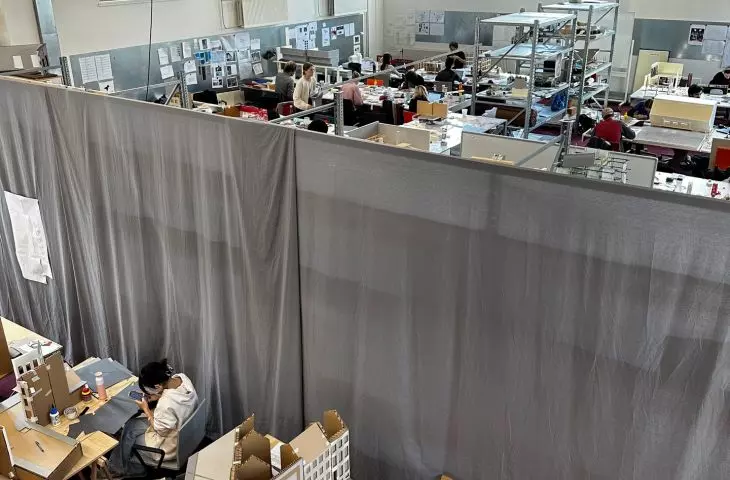
© Julia Margas
Everyday life at Willem de Kooning Academy: process, not lecture
The academy operates quite differently from typical design schools in Poland.
It dominates:
-
design work,
-
consultations with tutors,
-
classes in studios,
-
interdisciplinary assignments,
-
outings to cultural institutions,
-
visits to design and architectural offices.
The schedule still includes lectures, but it is the projects - often conducted in parallel - that are the center of learning.
Students have access to:
-
professional studios,
-
material libraries,
-
mock-up spaces,
-
tutors, mentors, consultation,
-
and an environment where everyone is a maker.
It's learning by doing - and great freedom, but also great responsibility.
TU Delft - more technical, more engineering
In parallel, Julia realized a minor at TU Delft that was:
-
more technical,
-
more specialized,
-
full of lectures, analysis, documentation,
-
and conducted in a polytechnic style.
Despite the differences, both systems focused on the ability to act independently - students are treated as adults who manage their own time and projects.
Working, living and living in the Netherlands - or what is the hardest part
Studying takes four years, but you can combine it with work. Julia started in her second year and worked two days a week.
The biggest problem in the Netherlands, however, is not the intensity of the studies - it's the housing. Renting is:
-
expensive,
-
intensely competitive,
-
and difficult to find.
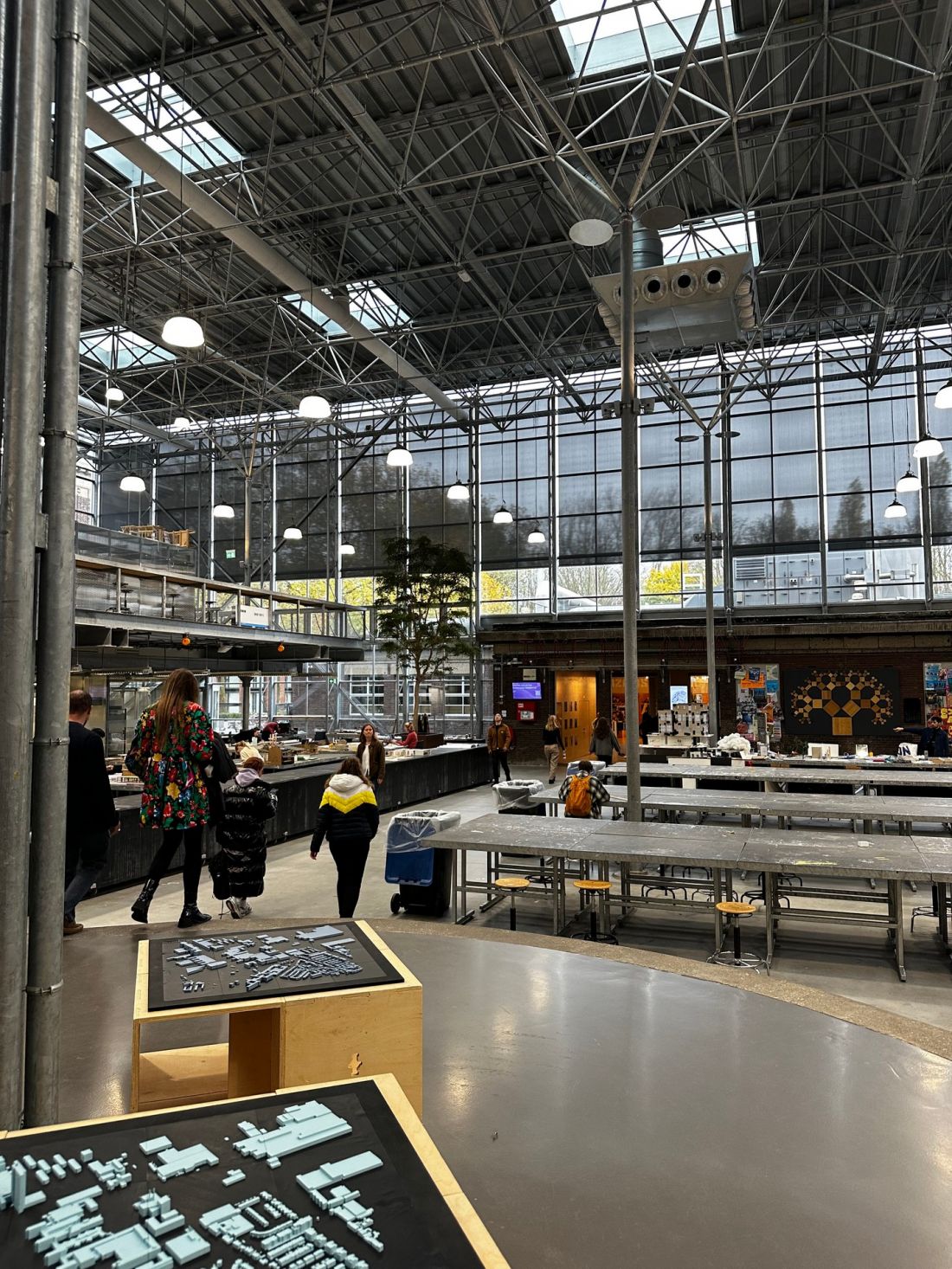
Many students start with dorms or short-term rooms. The same is true of the internship and job market - competition is fierce, so a portfolio (again: portfolio!) is key. On the other hand, the environment is extremely international, and the Dutch communicate effortlessly in English.
© Julia Margas
is it worth it?
Studying abroad is not a fairy tale. There is longing, fatigue, a sense of loneliness, lack of Polish cuisine and language.
But it is also:
-
tremendous learning of responsibility,
-
development of courage,
-
humility,
-
openness,
-
building independence,
-
and the opportunity to see the world from outside one's own bubble.
It's also a path to new competencies and a new outlook on design - more informed, more investigative, firmly rooted in the culture and context of the place.
Aleksandra Skorupa
Listen also to other podcasts
From the "Foundations" series:
26 Architecture for the People. Oliwia Blaszczak on the social role of space
29. Zofia Fedorów on working in Polish architectural offices
30. Maja Mawusi on her internship at Henning Larsen and work on the Imperial Shipyard
31. Zuzanna Polak on interior architecture, intuition, travel and maturing into a profession
32 Start in the landscape architecture profession. What doesn't college really teach?