



Janusz Komurkiewicz, member of FAKRO's board of directors, is interviewed by Malgorzata Tomczak
From Nowy Sacz to the world! FAKRO builds windows, doors and... relationships. You enter the production hall in Nowy Sacz and you can see right away that not only are windows and doors made here, history is being made here. People know each other by name, everyone has a place in the company family, and at the same time FAKRO is developing globally. From the first export in 1992, through modern factories in Europe and the United States, to innovative products, a story of courage, innovation and how to combine tradition with technology, local values with markets around the world is being created. In an interview with Malgorzata Tomczak, Janusz Komurkiewicz, Member of the Board of Directors for FAKRO Marquetry, talks about difficult decisions, challenges and what it really means to run a company with passion, reason and heart.
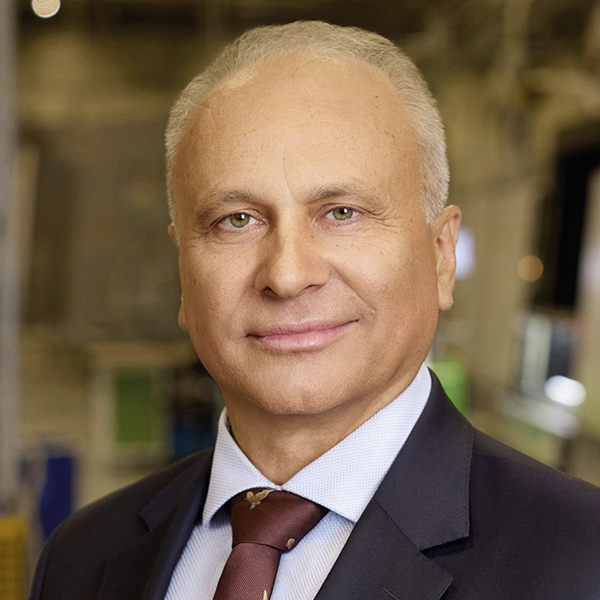 Janusz Komurkiewicz - FAKRO Board Member. A graduate of the Cracow University of Technology and the School of Business in Nowy Sacz. After graduation he worked as an engineer at POLGRAPH in Nowy Sacz, and since 1994 he has been employed at FAKRO. He belongs to the close team of its creators. He started as head of the Promotion and Advertising Department, and in 2008 became Marketing Director Poland. Since 2008, he has served as President of the Board of the Association of Polish Windows and Doors - an organization of manufacturers, suppliers and distributors of woodwork. Thanks to the joint efforts of FAKRO and the Association of Polish Windows and Doors under his leadership, the woodwork industry has been recognized as a Polish export specialty and has been included in a special program of the Ministry of Economy - the Industry Promotion Program.
Malgorzata Tomczak: FAKRO is celebrating its 35th anniversary this year, and you have been with the company almost from the beginning. If you were to try to point out one breakthrough moment - one that determined that the company not only survived, but also developed to its current scale - what would it be?
Janusz Komurkiewicz: This is a very interesting question and at the same time one that is not easy to answer. Indeed, I have been at FAKRO since 1994, so you could say almost from the beginning. And one thing was evident from the beginning: the company was focused on development. But was it a single moment? Rather not. It was the sum total of decisions, consequences and many actions that formed a coherent whole.
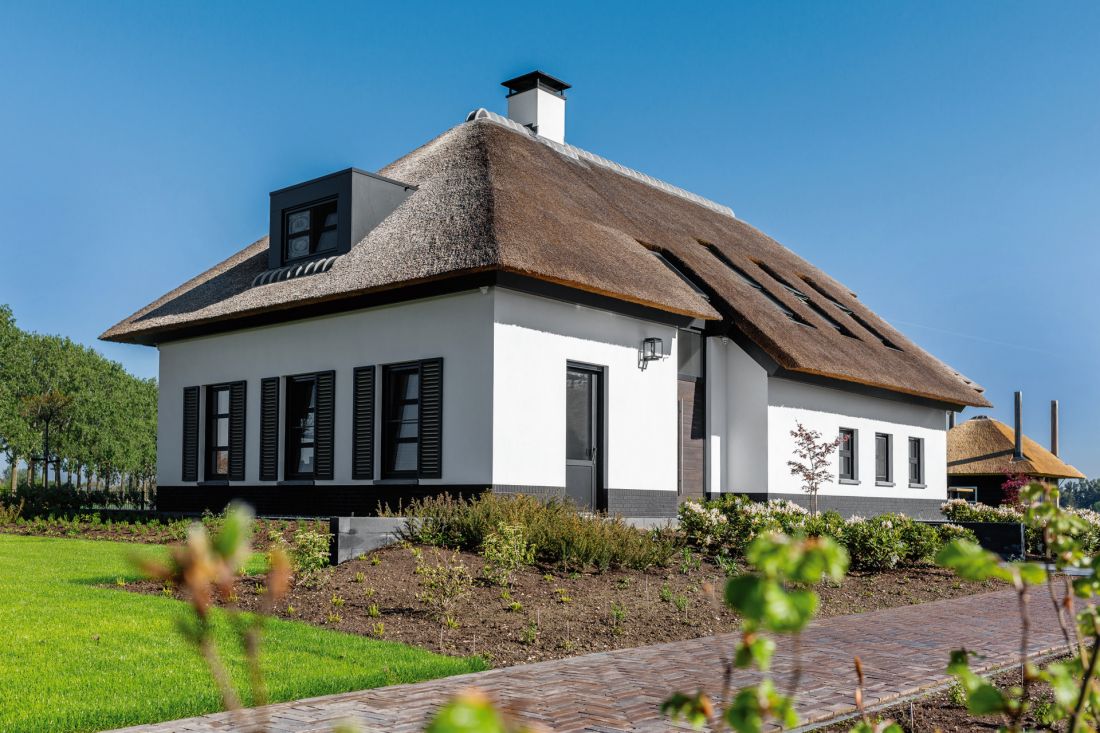
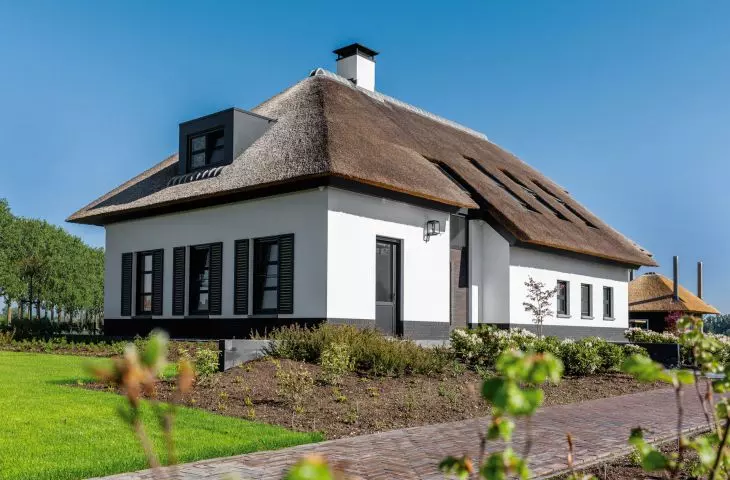
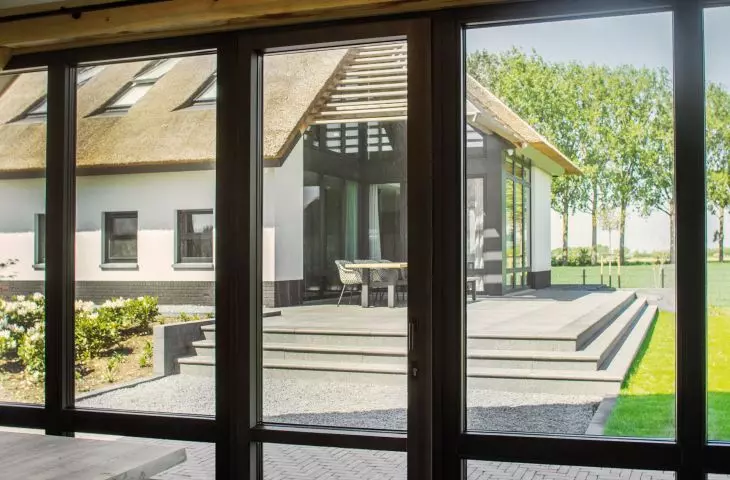
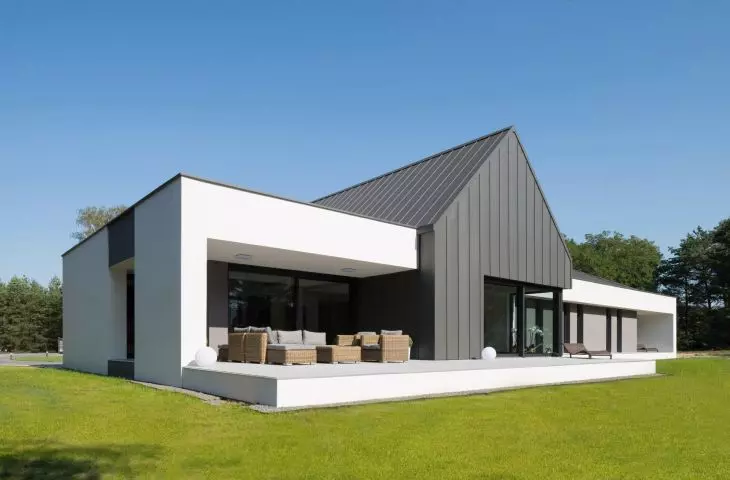
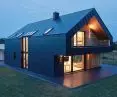
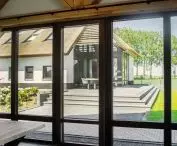
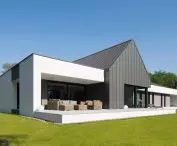
FAKRO INNOVIEW HS, FNP, FDY-V windows - Persingen settlement, the Netherlands.
© FAKRO
Malgorzata Tomczak: So a process rather than a watershed moment?
Janusz Komurkiewicz: Yes, if I had to point to a foundation, it was the vision.
Malgorzata Tomczak: Did this vision immediately presuppose such a large scale of operation, a wide entry into the global market and a high level of quality?
Janusz Komurkiewicz: Definitely. And this was the vision of Ryszard Florek - the founder of the company. She did not come from nowhere. It was shaped over the years: during his studies and later his internship in Germany. There he saw something that didn't actually exist in Poland yet: roof windows as a standard construction element. And more importantly, he saw that this solution answered a very specific, common need.
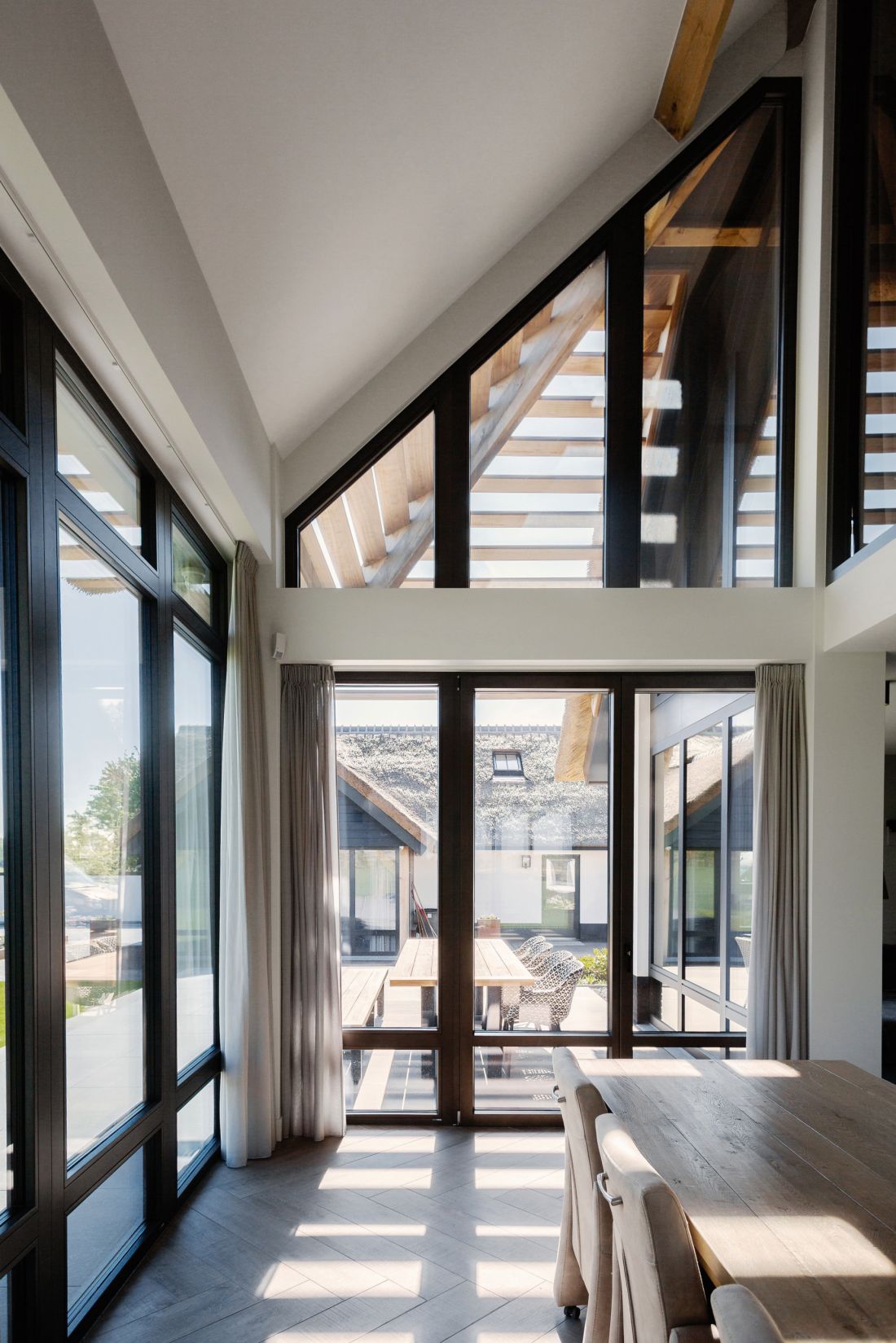
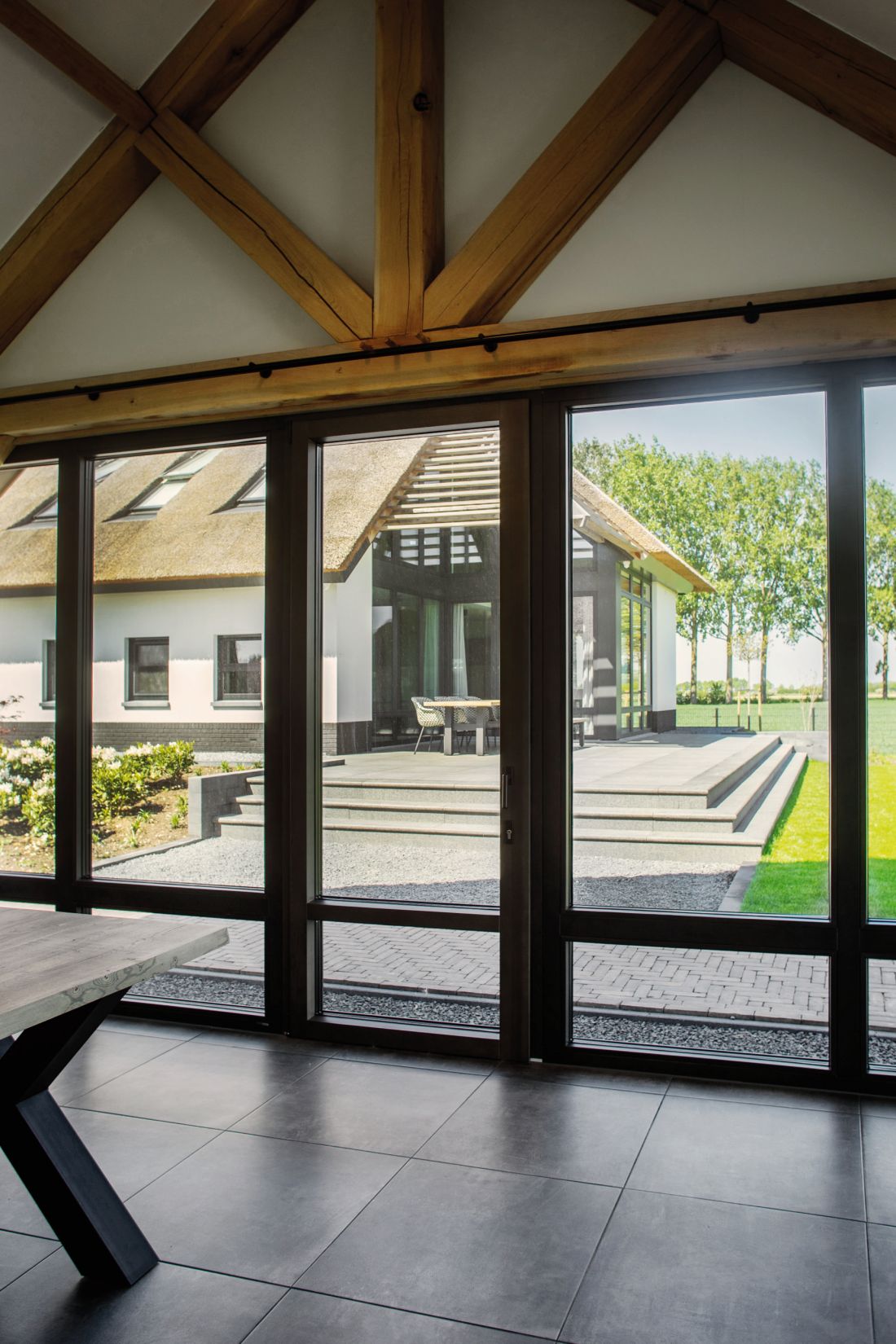
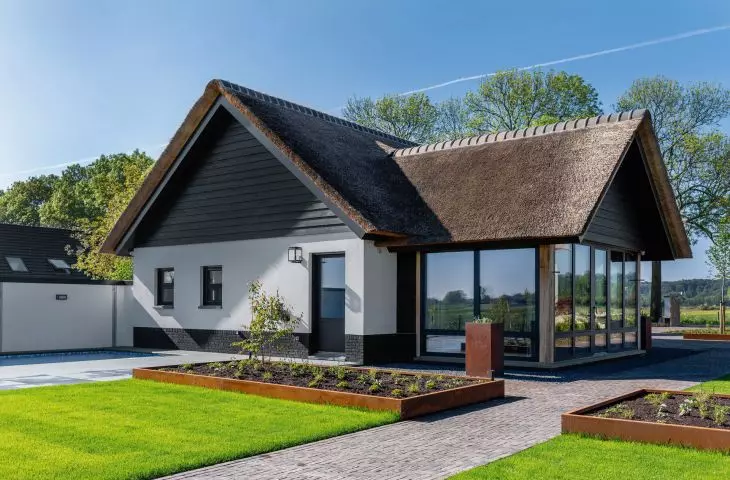
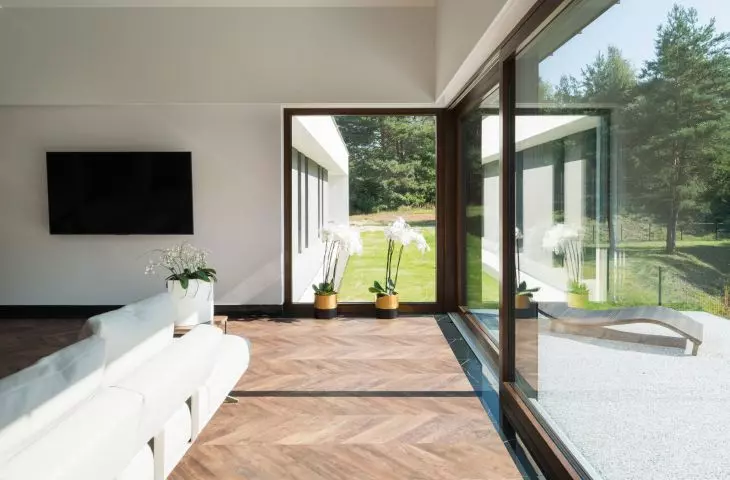
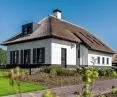
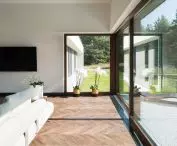
FAKRO INNOVIEW HS, FDY-V windows - Persingen settlement, Netherlands.
© FAKRO
Malgorzata Tomczak: Which one? The lack of housing?
Janusz Komurkiewicz: Yes, although it was about something more. Also about space that already existed, but remained unused. In the 1990s, most attics in Poland simply stood empty. And yet their adaptation was not particularly complicated. In practice, three basic elements were sufficient: a skylight, insulation, i.e. wool, and gypsum board. A simple set that suddenly allowed to turn the attic into a full-fledged living space. And that's why its potential was so great. In the early 1990s, this solution was practically unknown in Poland, so the scale of the need was huge. And since the product solves a real problem, there is naturally a place for it in the market, and not only locally.
Malgorzata Tomczak: It sounds like a very rational and thoughtful business decision.
Janusz Komurkiewicz: Yes, and a very personal one. The chairman often recalled that as a child he used to play in the attic, a space that was interesting, but dark and underexposed. Light came in only through individual glass tiles. Even then, he felt that something here was not working as it should. Later, as an engineer, he saw that in other countries this problem had been solved systemically. In Poland - not yet. This experience was met with an artisanal background. Well, the Chairman comes from a carpentry family, his father was a carpenter. He himself started with a company producing traditional woodwork: windows, doors, gates. This was an important experience, but over time it became clear that the real potential lay elsewhere. The decision to make the roof window the main direction of development was crucial. It was the one that gave the company momentum and allowed it to think more broadly, and the company's location in Nowy Sacz, actually in the center of Europe, only strengthened this perspective.
Malgorzata Tomczak: The 1990s were a time of tremendous change. The transformation and the emerging market were a jump into deep water for many companies. I wonder how you approached risk then? Was it accompanied by analysis and calculation, or did you rather act intuitively, learning everything on the go?
Janusz Komurkiewicz: It was a very different way of thinking than today. Today we have toolkits, risk management methodology, procedures. We were learning, and learning very intensively. Not only how to run a company, but also how to look at the market more broadly, how to export, how to expand outside of Poland. This applied to every industry. The risks were, of course, considerable, mainly related to technology and product quality. On the one hand, exporting opened up huge opportunities, but on the other hand it also meant a lot of responsibility. If a window ended up on a roof in Germany or Spain and something went wrong, the cost of complaints, service, logistics could be a huge burden for a small company. That's why we put so much emphasis on quality, on making sure the product was perfected in every detail: from design, through production, to packaging and transportation. Here the experience and tradition of carpentry, from which the CEO came, helped a lot. Of course, a roof window is a different product than a classic window or door, but the materials and a certain approach to craftsmanship remain similar.
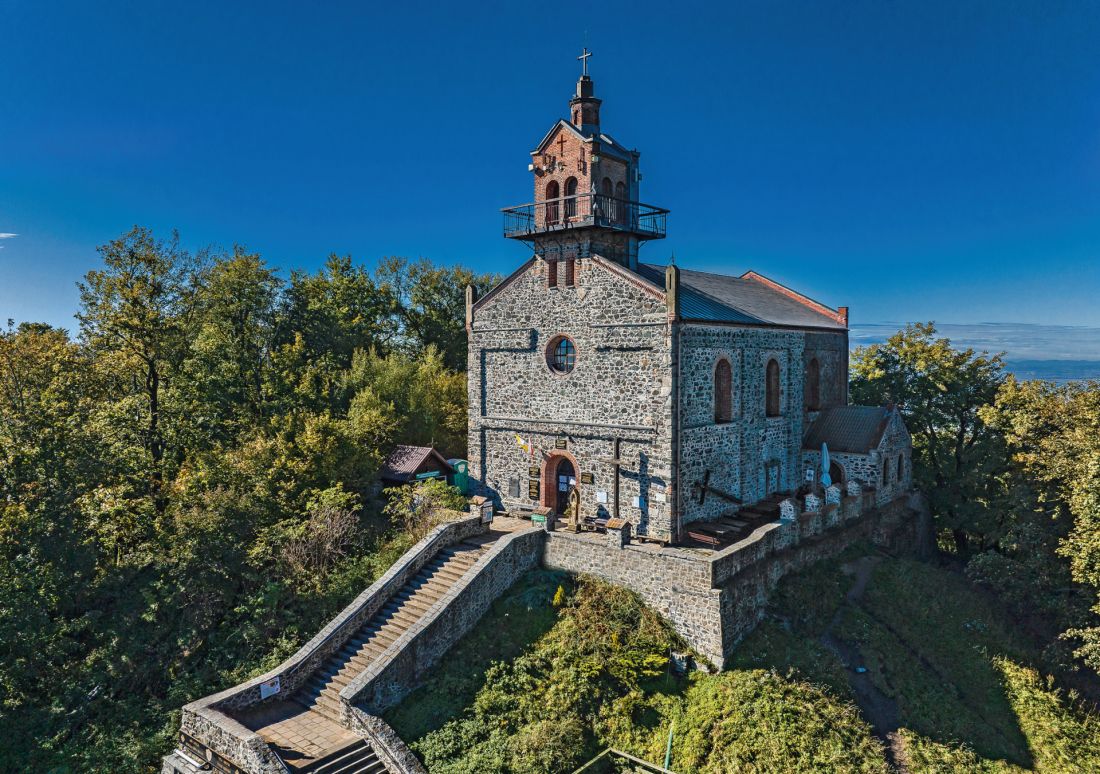
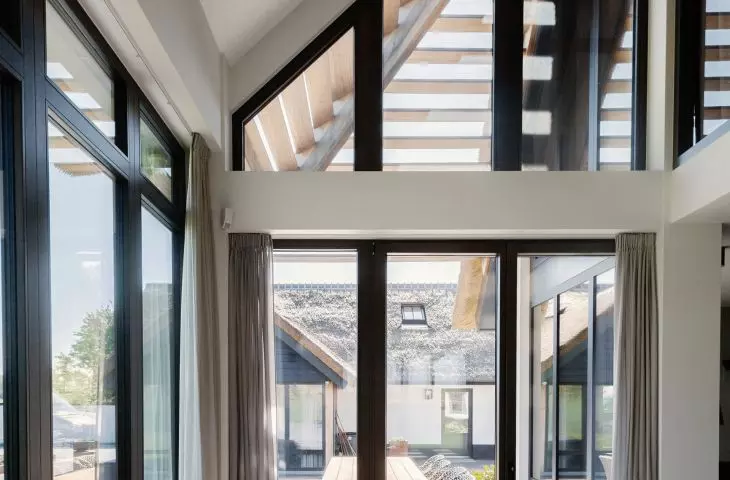
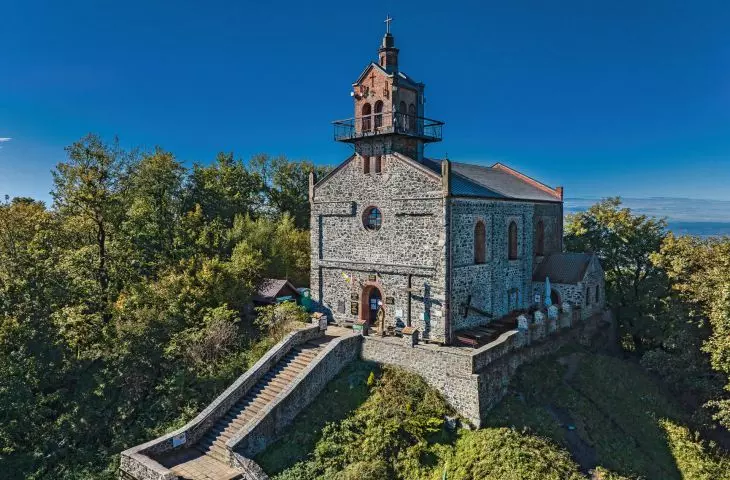
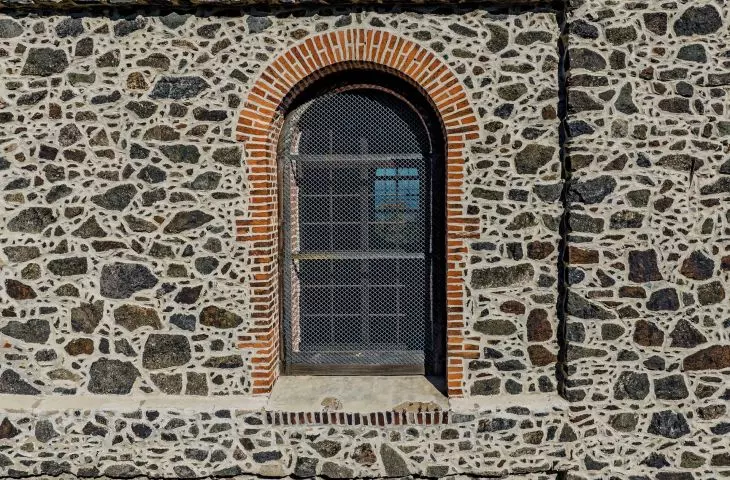
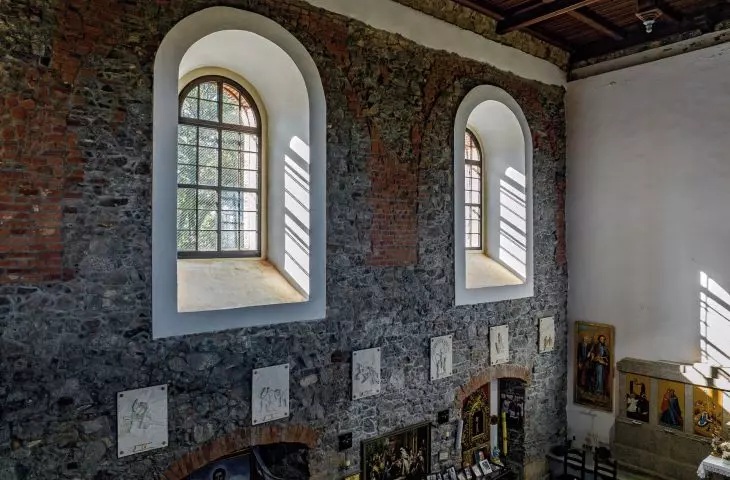
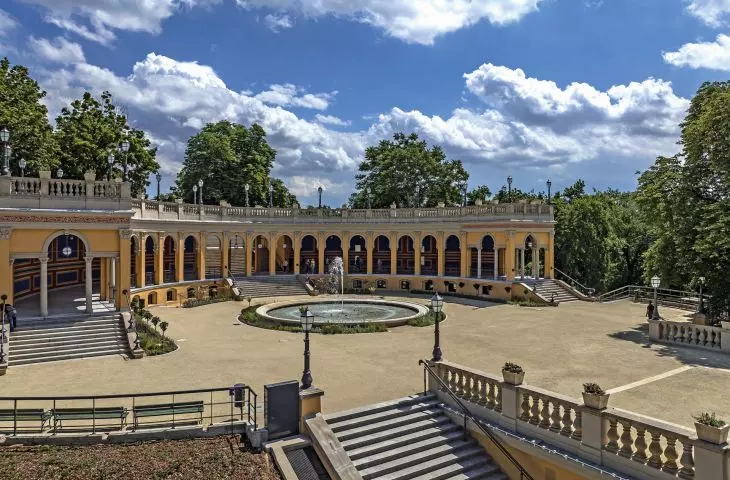
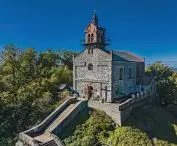
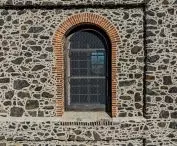
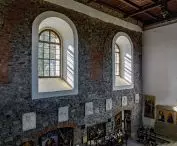
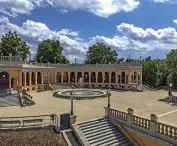
FAKRO INNOVIEW windows - the historic Church of the Visitation of the Blessed Virgin Mary on Sleza.
© FAKRO
Malgorzata Tomczak: So the biggest risk was not to fail on the level of product quality?
Janusz Komurkiewicz: Yes, because that could have shaken the company at the very beginning. And you have to remember that we were operating in a very unstable environment.
Malgorzata Tomczak: Were there moments when there was concern that the company might not survive?
Janusz Komurkiewicz: Such moments did happen, although they resulted not so much from the market as from the realities of the time. We are talking about the early 1990s, a country in transition, where the state system simply could not keep up with the changes. On the one hand, private entrepreneurship was being born, while on the other, mechanisms and habits from the previous system were still in place. This created tensions. There were difficult situations, including in dealing with the administration. The chairman repeatedly stressed that there were all sorts of pressures or expectations with which he did not want to reconcile himself. From the beginning, he adopted the principle that the company would operate honestly, without any compromise in this regard. And that sometimes meant real risks. At the time, officials had a lot of power, and the system was sometimes unpredictable. Examples of companies that did not survive, despite their potential, such as Optimus, were a clear warning sign. We managed to get through it, and it got easier with time. As the scale of operations grew, so did brand credibility. One of the most important moments at that time was the awarding of the Teraz Polska Emblem in 1996. This was not only prestigious, but also a signal to the market that we were a stable, trustworthy company.
Malgorzata Tomczak: If you look at the development of the company in practice, do you remember such contracts that proved to be breakthroughs for the company's development?
Janusz Komurkiewicz: Several were indeed of that nature. In Poland, we developed very systematically, building a distribution network, step by step gaining the trust of partners. This, by the way, is still important for us today, which is why we celebrate our anniversary under the slogan "35 years together". In export, meanwhile, there were leapfrogging moments. One of them was cooperation with the German company Braas, a large roofing manufacturer. They were looking for a partner for roof windows, saw us at a trade fair in Munich and invited us for talks. It was a huge opportunity, but also a huge challenge. They set very high requirements for us then: technological, logistical, quality. We had to adjust production, expand facilities, organize processes. It was a real development leap. The second such moment was the cooperation with Leroy Merlin in France. We were noticed at a trade fair in Paris, the combination of quality and competitive price worked, which was our big advantage at the time. These experiences shaped us a lot. They showed that we are able to compete in demanding markets and that it is worth thinking boldly.
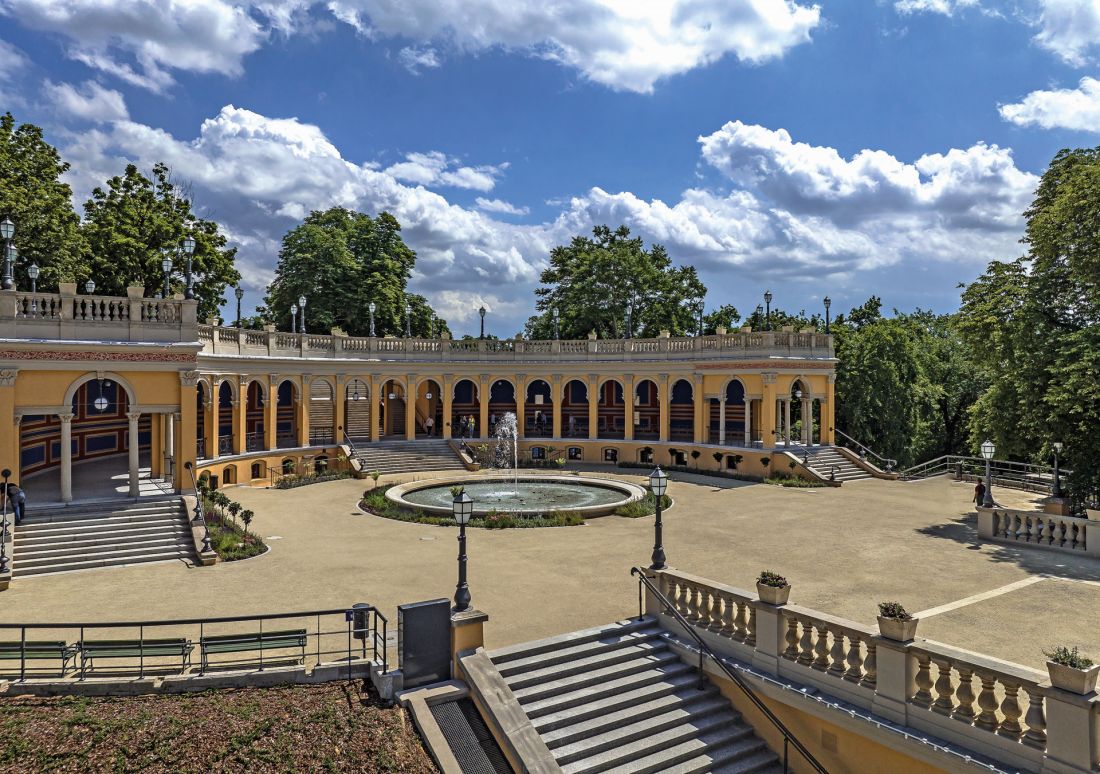
FARKO DXF windows - Sakwowy Bastion, Wroclaw.
© FAKRO
Malgorzata Tomczak: At that time, what was the most difficult thing about competing with Western companies?
Janusz Komurkiewicz: First of all, the mentality of customers. You have to remember that in the 1990s we entered Western markets as a company from Poland, and there the natural choice was always a local product.
Malgorzata Tomczak: So the Polish origin was more of a hindrance than a help?
Janusz Komurkiewicz: Yes, it was not an asset, on the contrary. Customers in the West simply did not trust Polish products. It was a matter of social capital and habits: they chose what was their own, proven. In order for someone to reach for a product from Poland, he had to be absolutely sure of the quality, but also of the service. He had to know that he would not be left alone with the product, that if necessary someone would come, repair it, deliver the missing parts. That, along with price, was key.
Malgorzata Tomczak: What is more important and competitive: trust flowing from quality or price?
Janusz Komurkiewicz: Both, but at that time price was a condition for entry. If our products had cost the same as German or French ones, we would have had no chance. The quality had to be comparable and the price clearly lower. This changed only after Poland joined the European Union. Then there was a mental breakthrough, a Polish product became an EU product. And this changed a lot. Today we are in a completely different place. Polish woodwork is synonymous with quality - we are one of the largest manufacturers in Europe and a leading exporter in the world. But it took years to get there.
Malgorzata Tomczak: So how did you build that trust in the beginning?
Janusz Komurkiewicz: Very directly. We invited our future partners to us, to Nowy Sącz. Distributors, roofers, sometimes architects too. They spent several days with us. We showed them everything: production, materials, logistics, how to organize work. Without embellishments. We wanted them to see how we really function. It wasn't a presentation from a brochure, but a live experience. They saw the machinery, the finished products, the way we pack, the preparation of transportation. They saw that there was a real organization behind it. And it worked. They came back not only with knowledge, but also with the conviction that we were trusted partners. They became our ambassadors. When a customer in Germany or France asked: "Is this a window from Poland?", they could answer: "Yes, I was, I saw with my own eyes how it is made". And they often added - taking responsibility for it - that they could recommend the product. This was the most effective way to gain trust.
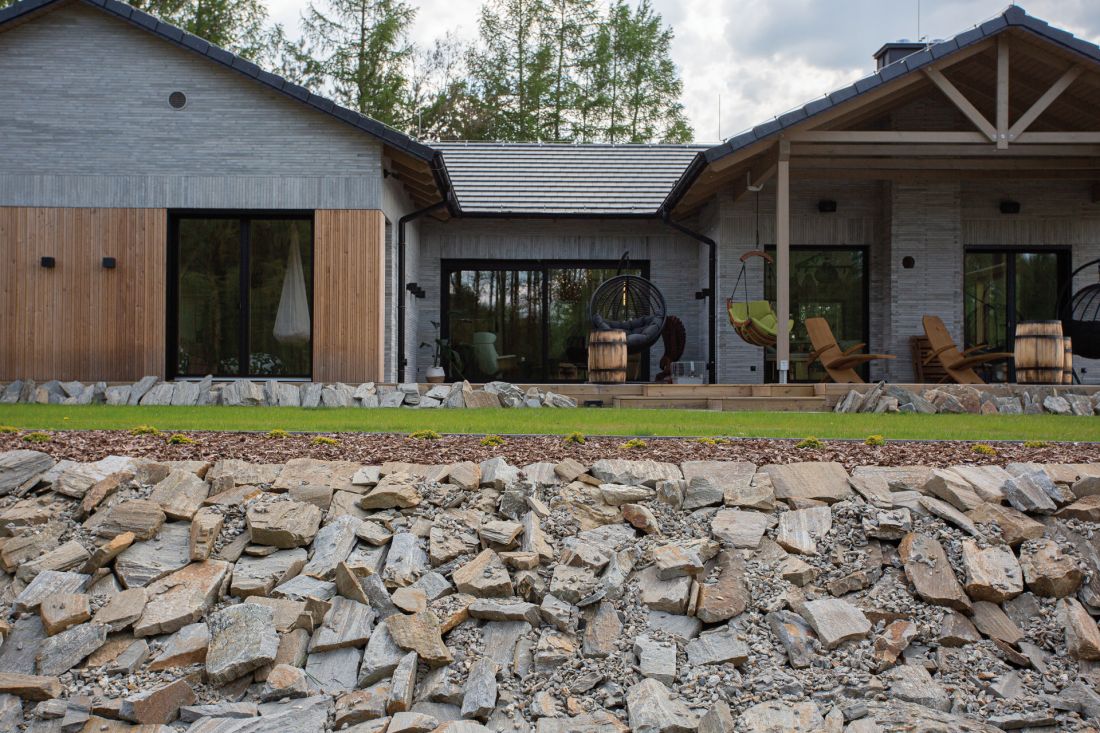
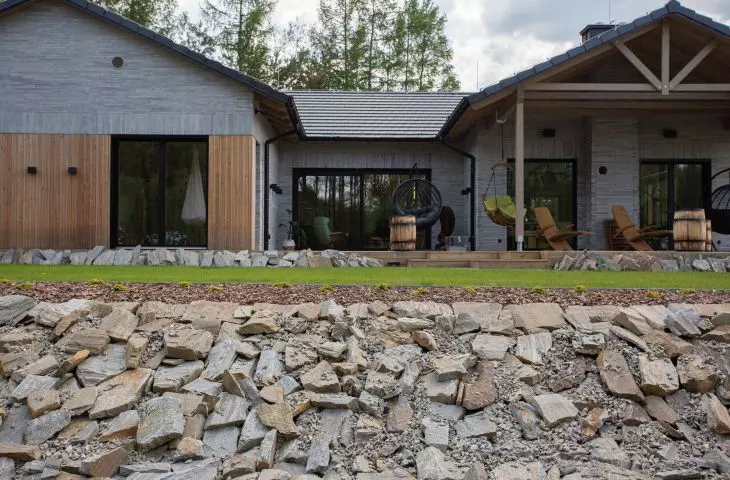
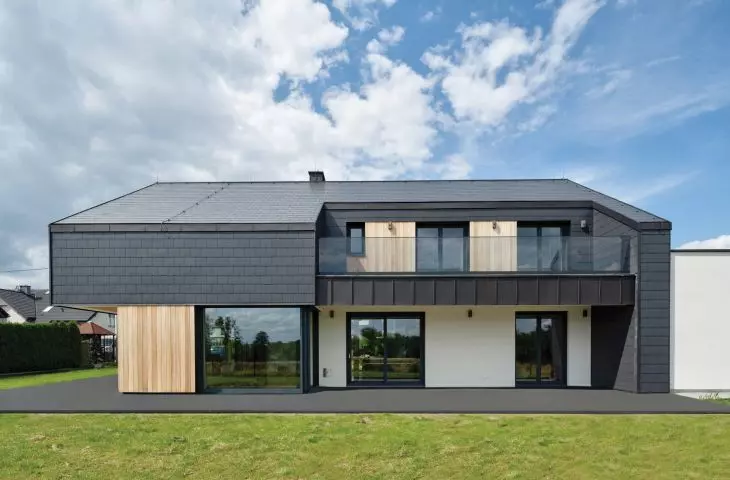
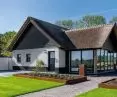
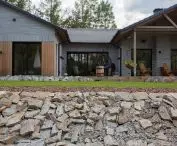
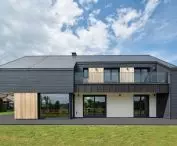
FAKRO INNOVIEW windows - house, Kobylec
© FAKRO
Malgorzata Tomczak: Which decision was the most important in the company's history?
Janusz Komurkiewicz: There were two most important decisions. The first was the courageous opening to export practically from the very beginning. The company was founded in 1991, and as early as 1992 we moved into foreign markets. This allowed us to grow quickly and set the company on a global path right away. We had to understand regulations, technologies and construction requirements in different countries, this required flexibility and a willingness to learn. The second decision was to bet on innovation. Roof windows already existed, but we wanted to differentiate our products. At one of the first fairs in Europe, we showed a tempered glass package that you could walk and jump on. Placed on the glass, a huge stone weighed less than 60 kilograms. This was a demonstration of the strength and safety of our windows. In addition, the innovative hardware and method of opening made our windows more than a standard product. Export and innovation - these two factors drove and built FAKRO.
Malgorzata Tomczak: And the most difficult decisions?
Janusz Komurkiewicz: Probably the most difficult decision was to go with production outside of Poland. A few years ago, we had blocked permits to expand our halls in Nowy Sacz, and orders, especially from the American market for attic stairs, were growing. We could not expand production locally. We had no choice, if we wanted to grow, we had to build a factory in the United States. It was a difficult decision, because foreign investment always carries risks, and at the time no one was talking about Trump's trade policy yet. Today we see that it was a strategic decision that allowed us to enter the US market and grow globally, without local restrictions.
Malgorzata Tomczak: How do you relate to the smart home trend?
Janusz Komurkiewicz: We treat it as a natural direction for the development of the industry and consistently adapt FAKRO's offer to it. We equip our products - roof windows, blinds, awnings or gates - with solutions that allow them to be integrated with popular smart home systems, including through wireless technologies such as Z-Wave or Wi-Fi. They can work with various types of sensors, rain, smoke or wind, increasing the comfort and safety of users. We don't create our own smart home systems, but we make sure that our solutions are fully compatible with them and easy to use.
Malgorzata Tomczak: What will the home of the future look like from FAKRO's perspective?
Janusz Komurkiewicz: It's a space that combines comfort, safety and advanced technology with concern for the environment. It will be energy-efficient, quiet and intelligent, providing users with maximum comfort on a daily basis. At the same time, the architecture will be increasingly harmonious with nature - using materials such as wood and stone. This combination of naturalness and modernity will make houses visually discreet, but technologically very advanced.
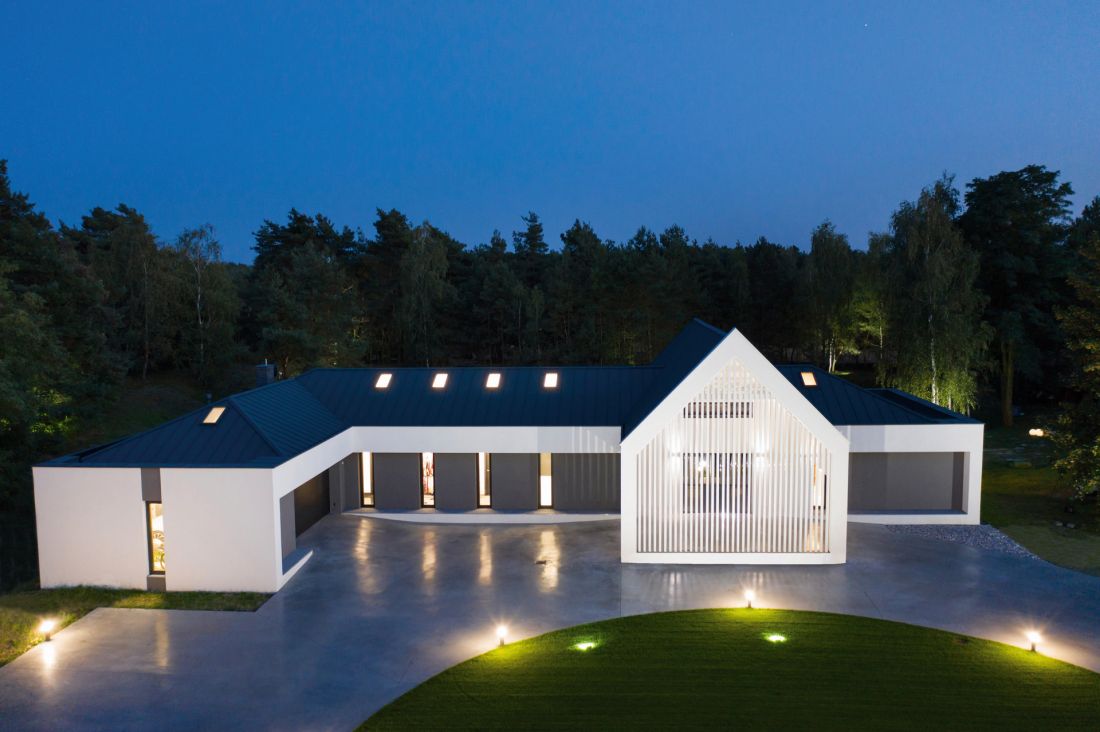
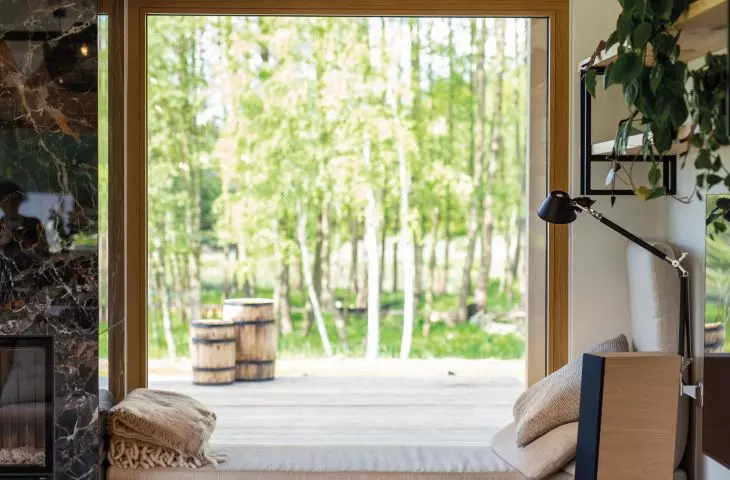
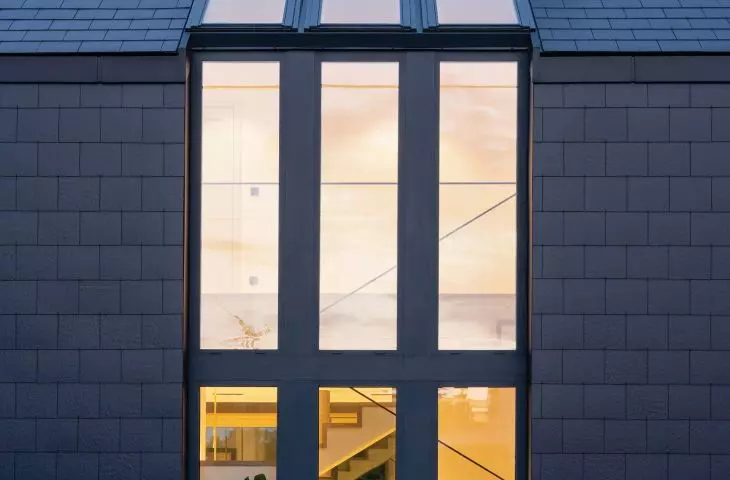
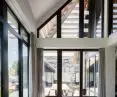
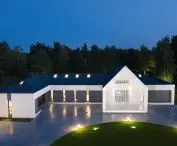
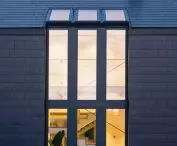
FAKRO FTP-V windows - house, Kozminek
© FAKRO
Malgorzata Tomczak: Now let's talk for a moment about the people thanks to whom FAKRO exists and develops. Despite its global development, can the company still be seen as family-owned?
Janusz Komurkiewicz: Definitely yes. This is our distinguishing feature. From the beginning, CEO Ryszard Florek had a family approach to employees. To this day, when he walks through the hall and says hello, he speaks to people by name, he knows them. This shows how connected the company is with its employees and how this family spirit works for us.
Malgorzata Tomczak: What makes people stay at FAKRO for years?
Janusz Komurkiewicz: There are many reasons. We are the largest employer in Nowy Sacz, a stable company that is developing and offers good working conditions. We compete with other companies in the region, but we constantly make sure that we are attractive to employees and job candidates. We operate in seventy markets around the world, and we need people with different competencies, so there is something for everyone. We also offer additional benefits: tickets to matches of the Polish national team, cultural events, health programs, events that unite the FAKRO community and their families. All this makes people feel that it's worth staying here.
Malgorzata Tomczak: What does FAKRO management look like now, and what did it look like in the beginning?
Janusz Komurkiewicz: The company was established as a civil partnership, founded by three co-owners: Ryszard Florek, his wife Krystyna and his cousin Krzysztof Kronenberger. This already shows that from the beginning it had a family character. Later, when the company was transformed into a limited liability company, the owners established a board of directors composed of both employees and managers. Today the board of directors consists of eight people. We are still operating as a limited liability company, because we are growing based on our own financial resources, but we did not want to go public.
Malgorzata Tomczak: How many people work at FAKRO?
Janusz Komurkiewicz: When I joined in 1994, I was the fortieth employee. Today it's almost 4,000 people: 2,500 in Nowy Sacz, the others work in twelve production plants and seventeen distribution companies in Europe, the United States, China or Ukraine. The head office manages everything from Nowy Sacz.
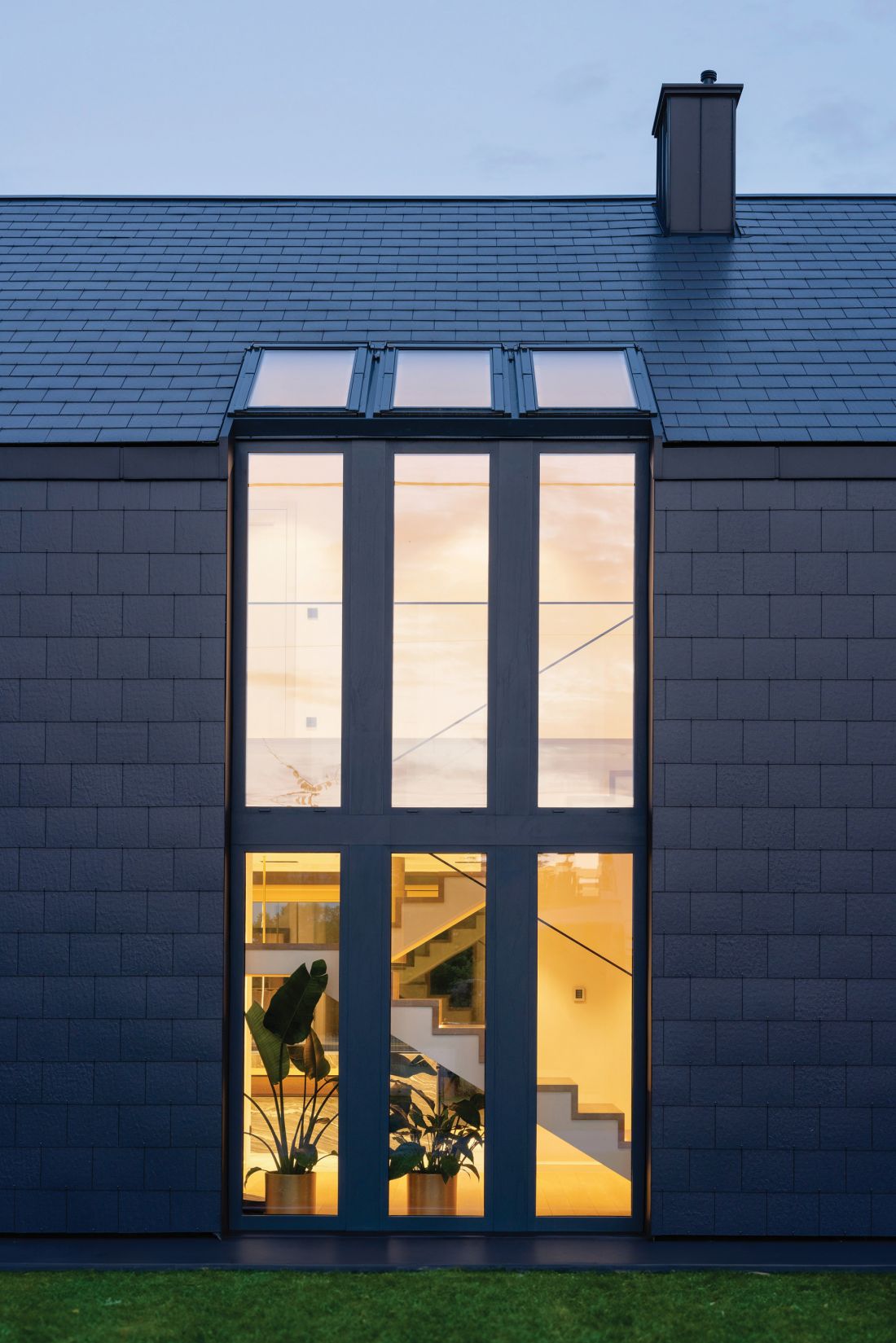
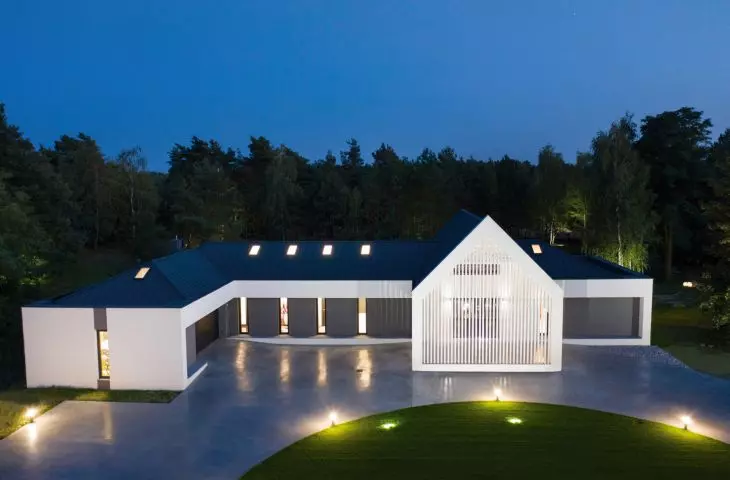
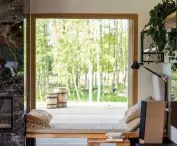
FAKRO INNOVIEW windows, home, Bibice - home, Bibice
© FAKRO
Malgorzata Tomczak: And the windows? How have they changed over the years?
Janusz Komurkiewicz: The leading product is constantly roof windows. They have gone through a real evolution at FAKRO in thirty-five years. We have developed them in line with growing market demands and changing regulations, focusing on ever-increasing energy efficiency, durability and comfort. Today we use advanced technologies, such as laminated wood, modern glazing packages or solutions to improve thermal insulation. At the same time, we are constantly expanding our offer with vertical joinery, attic stairs and a wide range of accessories and automation. As a result, we provide customers with comprehensive home solutions that complement each other.
Malgorzata Tomczak: What is the price of building such a company?
Janusz Komurkiewicz: Building such a company is a process that requires a lot of commitment and consistency over many years. In the case of FAKRO, the most important things were passion, determination and hard work, but also a willingness to subordinate many life decisions to the development of the company. It was an intense road, full of challenges, on which there was no shortage of difficult moments. Success is not obvious - especially in an industry where many companies have not stood the test of time - so we appreciate all the more where we are today. Nowadays, you can also see a generational change, with an increasing focus on work-life balance.
Malgorzata Tomczak: What are you most proud of?
Janusz Komurkiewicz: Of our FAKRO community. Of the employees who are involved in the development of the company. We are happy that it has been possible to maintain the family nature of the company and close, partner relations.
Malgorzata Tomczak: Finally, if you could give advice to Polish entrepreneurs, what would you tell them?
Janusz Komurkiewicz: I would say that it is worth building friendly relationships - with employees, suppliers, customers. Business has to be real and quantifiable, but trust and looking to the future together allows you to survive more difficult moments. Thirty-five years together is precisely the result of this approach.
Malgorzata Tomczak: Thank you very much for the interview!
interviewed by: Małgorzata Tomczak
Editor-in-chief of A&B magazine and website. Architecture critic, initiator and co-author of Pact for Space, expert on urban development and contemporary architecture.
Photo: © FAKRO
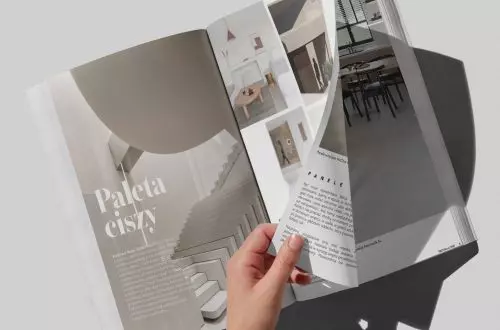
more: A&B 5/2026 - Ecology,
download free e-publications of A&B