





The choice of roof tile affects not only the durability of the roof but also the appearance of the entire house. The flat Dutch tile and the S-shaped tile share a common origin but differ primarily in profile depth and visual effect. Both are elegant, weather-resistant, and available in many colors. Which one should you choose? Find out how they differ and what to look for before buying.
“Esówka” and the flat Dutch-style tile—similar, but not the same
The “S-shaped” tile, also known as the “Dutch-style” tile, is a classic roof tile that has been used in construction for about 500 years. Its modern variant is the flat Dutch-style tile, which retains the characteristic profile of its predecessor but features gentler ridges. Both models combine traditional aesthetics with functionality, which is why they work well on both new homes and during the renovation of older buildings.
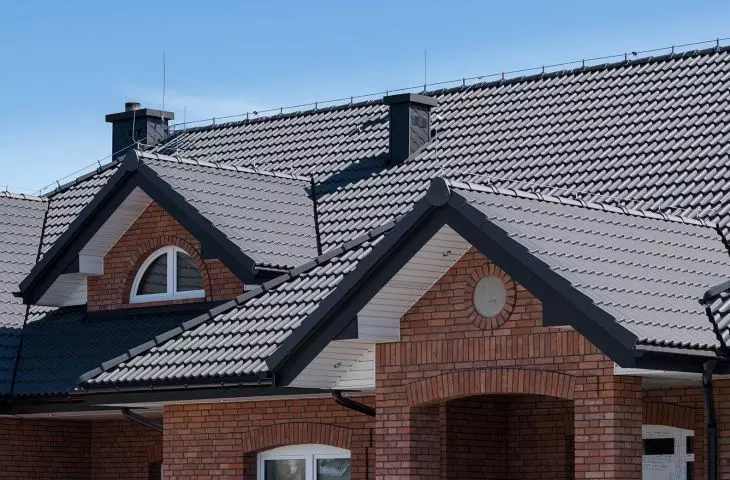
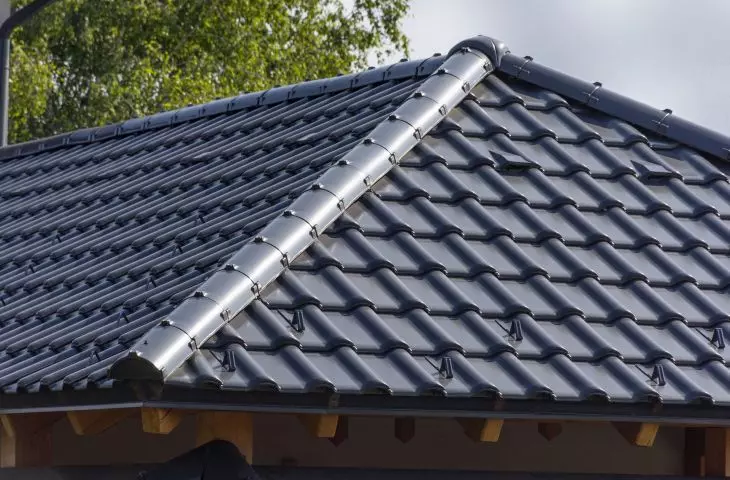
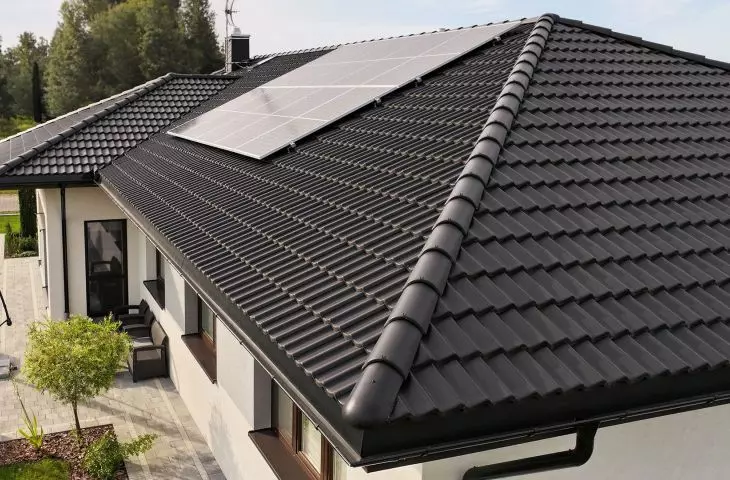
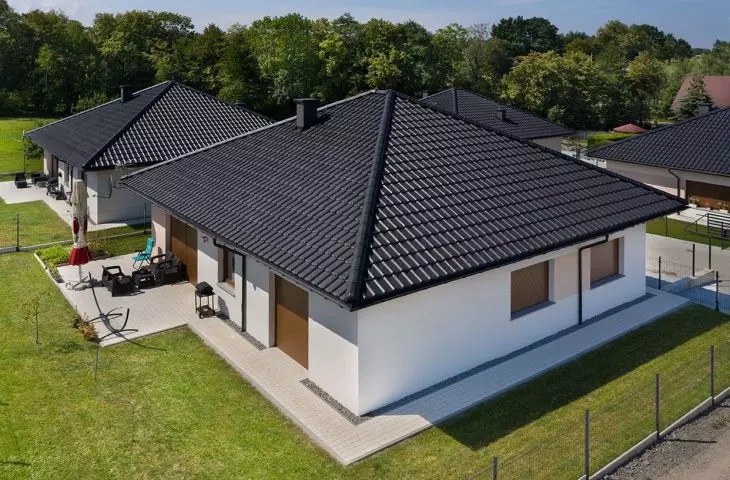
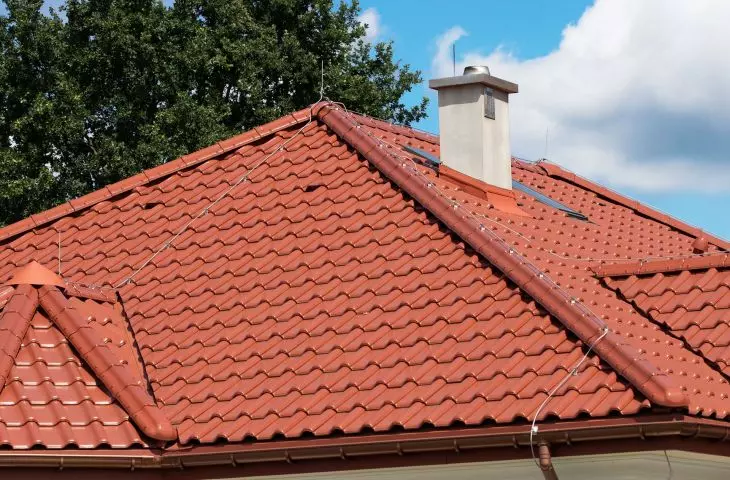
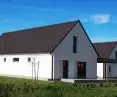
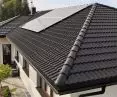
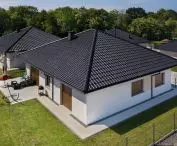
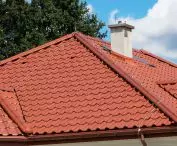
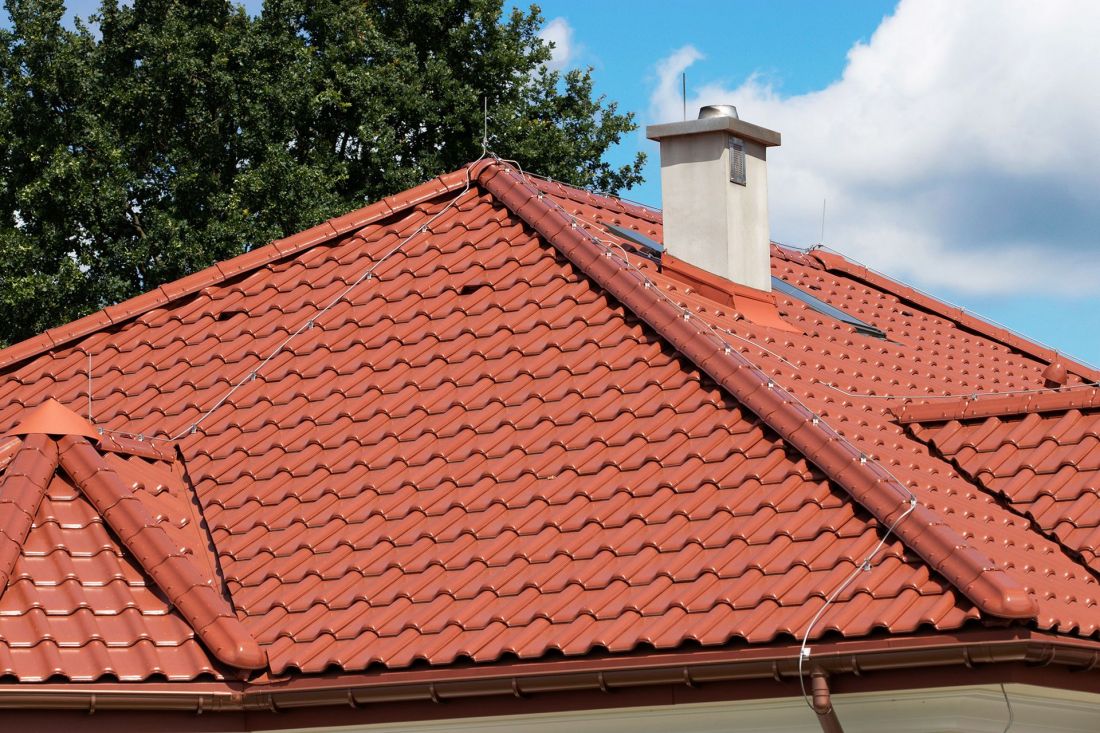
The differences are well illustrated by swissporTON roof tiles. An example of an “S-shaped” tile is the cement model GÖTEBORG, while TITANIA and BALANCE are ceramic flat Dutch-style tiles. Each of them creates a slightly different effect on the roof surface.
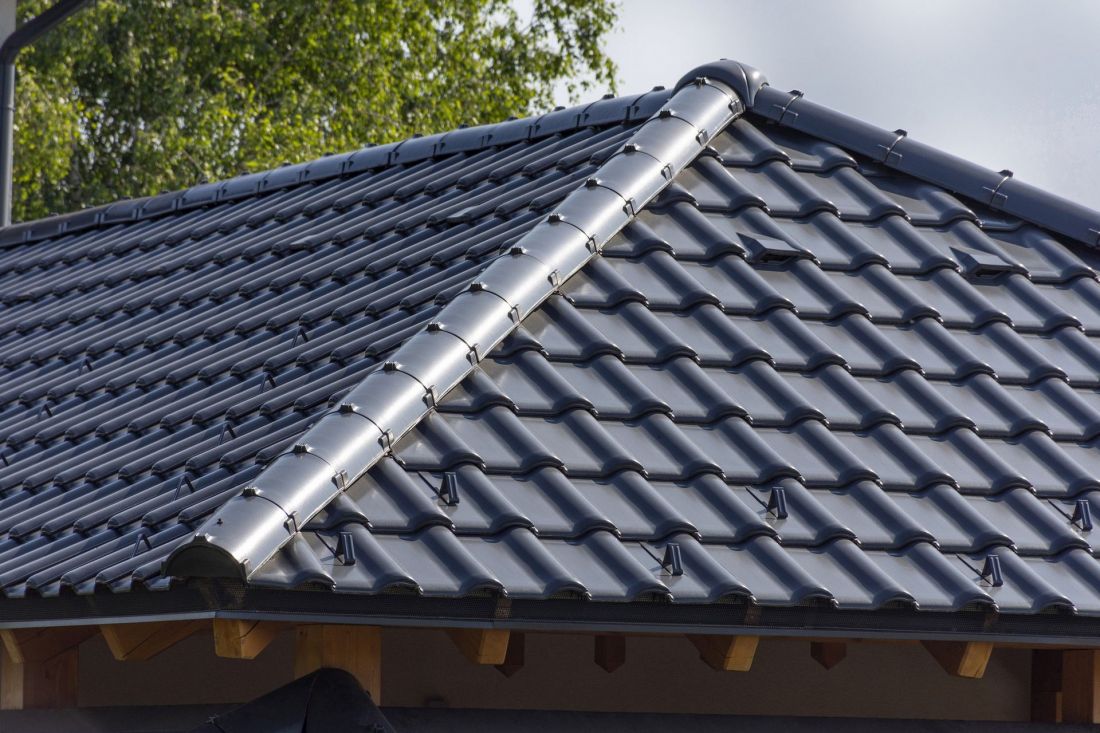
Flat Dutch-style tile or S-shaped tile—learn the differences
© swissporTON
Where does the S-shaped tile come from?
The history of the S-shaped tile dates back to the 15th century. This tile originated in Flanders, a region located on the border of present-day Belgium, the Netherlands, and France. In those days, roof tiles were considered a luxury building material, and their use was a sign of the owners’ wealth. The distinctive profile quickly gained popularity and eventually made its way to Poland as well.
The name “Holenderka” became widespread due to its associations with the Netherlands. Today, both terms are used interchangeably to refer to the classic “S”-shaped tile. The flat “Holenderka,” on the other hand, is a more modern interpretation of the tile, designed to meet the needs of contemporary architecture.
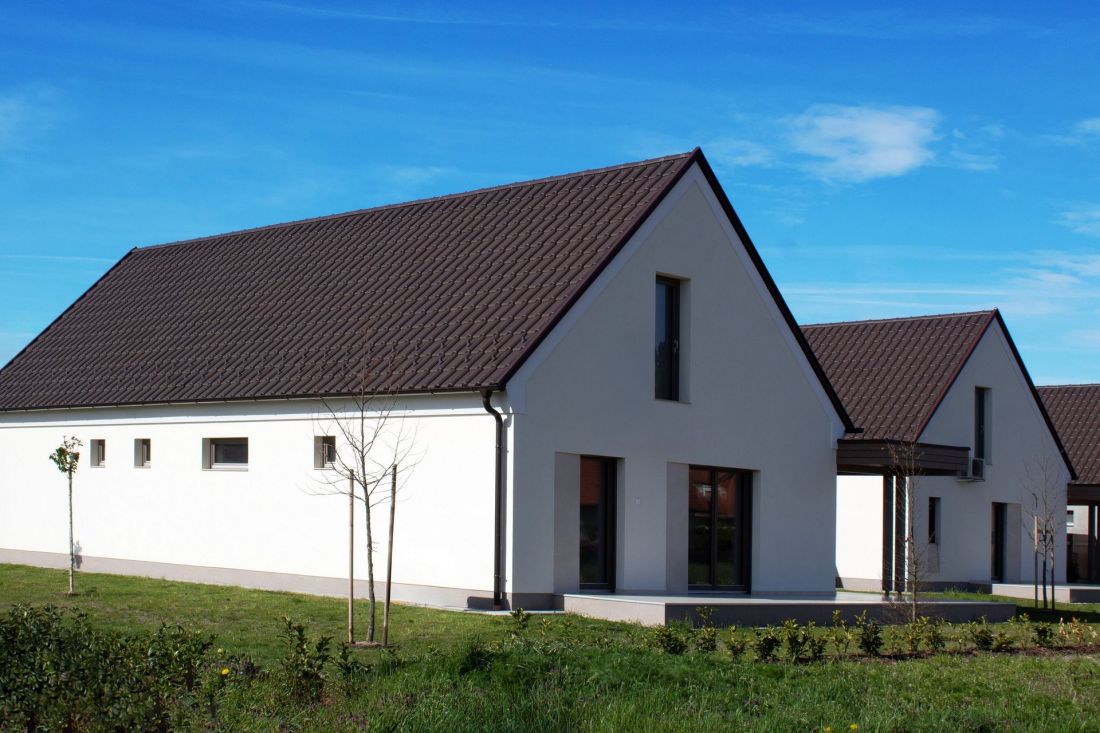
Flat gable roof or “S-shaped” roof—learn the differences
© swissporTON
The most important difference: the roof’s appearance
The “S-roof” has a cross-section resembling the letter S and creates a distinct, undulating pattern on the roof. Deep corrugations create a dynamic interplay of light and shadow across the roof surface. The effect changes depending on the time of day, sunlight exposure, and the angle of the sun’s rays. As a result, the roof becomes a striking decorative element of the building.
The flat Dutch-style tile also has an S-shaped profile, but its waves are shallower and more subtle. The roofing has a calmer appearance, and the interplay of light and shadow is less intense. This is the ideal solution for those who appreciate the classic character of roof tiles but prefer a more subdued aesthetic.
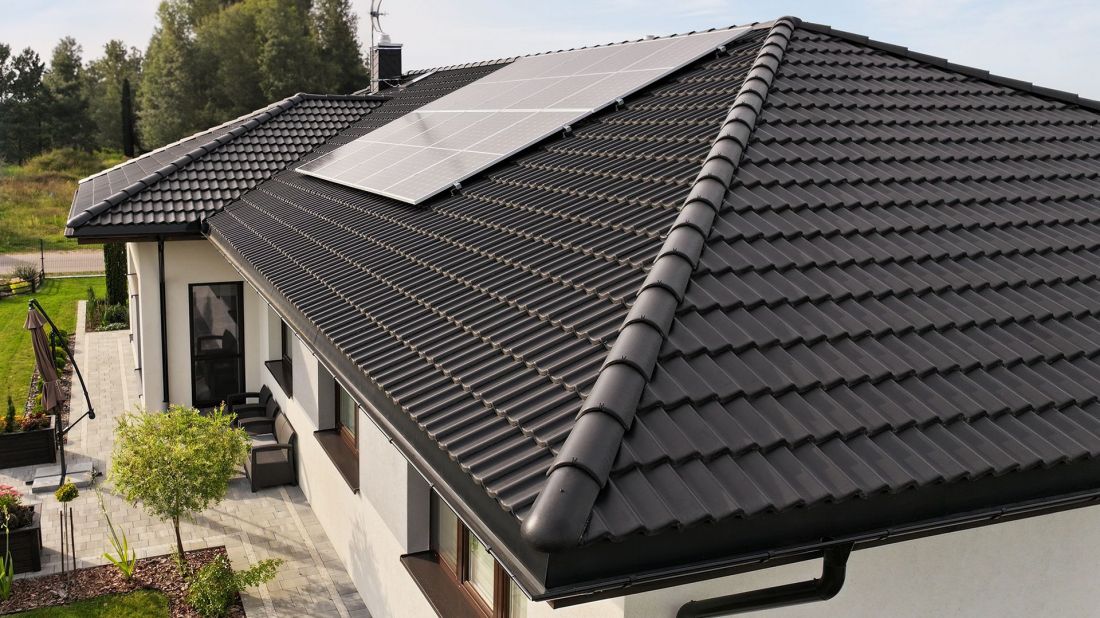
Flat Dutch Tile or S-Shaped Tile—Learn the Differences
© swissporTON
Ceramic or concrete? Durability and properties
S-shaped and flat Dutch-style roof tiles are manufactured from ceramic or concrete. Ceramic roof tiles are primarily made from properly prepared clay, while concrete roof tiles are made from cement, quartz sand, water, and pigments. Both types of roofing are highly resistant to frost and changing weather conditions.
A properly selected and installed roof tile can last up to 100 years. SwissporTON offers a 50-year warranty on ceramic roof tiles and a 30-year warranty on cement roof tiles. Cement models are typically less expensive, partly due to a less energy-intensive production process. However, it’s important to remember that roof tiles are a heavy material, so the roof structure must be properly designed.
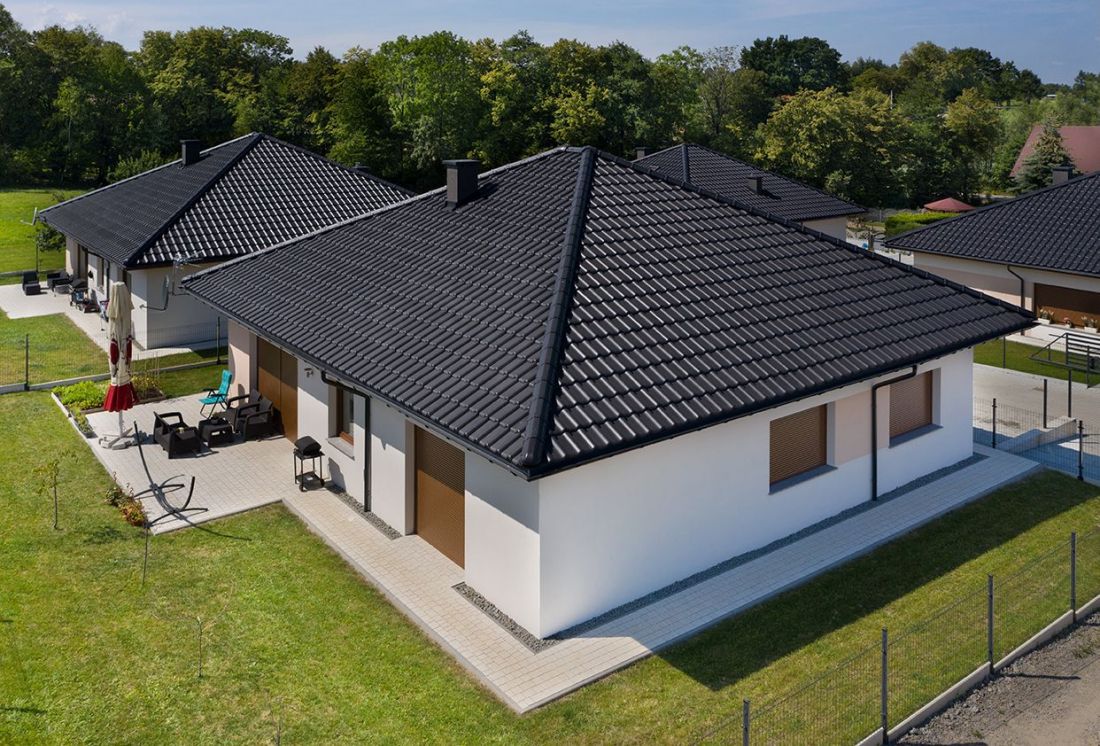
Flat Dutch-style or S-shaped—learn the differences
© swissporTON
Which model suits which type of house?
The “S-shaped” tile best highlights the character of traditional, classic, and rustic buildings. It is also frequently used in the renovation of historic buildings, such as townhouses, manors, palaces, town halls, and religious structures.
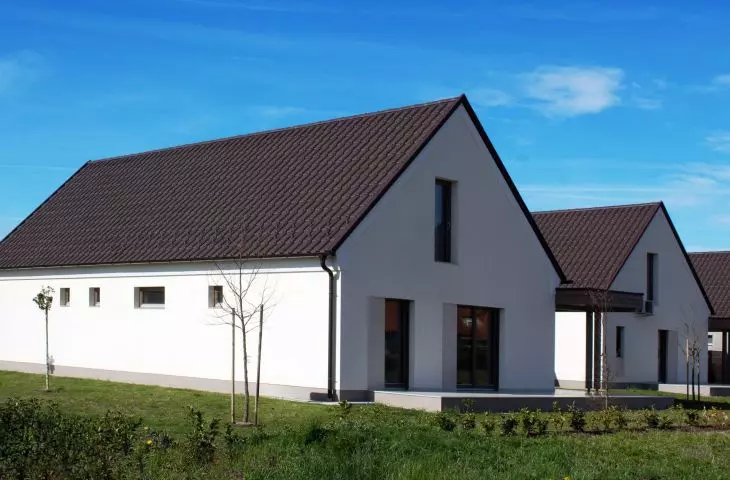
The flat Dutch-style roof complements both traditional and modern homes well. Its more delicate profile provides a timeless look that easily adapts to various architectural concepts. Both models can be used on single-slope, double-slope, and multi-slope roofs, as well as mansard roofs, provided the technical requirements of the specific application are met.
Pitch and installation matter
Before purchasing, check the minimum roof pitch allowed for the selected model. It depends not only on the type of roof tile but also on the underlayment used and the roof construction method. For swissporTON models, such as GÖTEBORG, TITANIA, and BALANCE, properly designed solutions may allow for installation on roof slopes with a pitch of 10 degrees or more. However, this does not mean that every layout will be suitable under such conditions.
The batten spacing is also important and varies depending on the model. For the GÖTEBORG cement S-tile, it is 310–345 mm; for the BALANCE flat ceramic Dutch-style tile, it is 406–431 mm; and for the TITANIA, it is 380–420 mm. These specifications should always be verified in the manufacturer’s technical documentation.
Flat Dutch Tile or S-Shaped Tile—Learn the Differences
© swissporTON
Colors and finishes to match the facade
Both types of roof tiles are available in a variety of colors, ranging from classic red and copper to browns, graphite, and black. Ceramic models can be finished with engobe or glaze, while cement tiles feature special coatings that enhance their appearance and help reduce dirt buildup. When choosing a color and finish, it’s worth considering the shade of the facade, window frames, and other roof elements.
Flat Dutch-style or S-shaped—which to choose?
Both solutions combine durability with timeless aesthetics. The “S”-shaped tile creates a deeper, more distinctive pattern and emphasizes the traditional character of the building. The flat Dutch-style tile provides a more understated effect, which also complements modern architecture. The final choice should be based on the style of the house, the structural specifications, and the installation conditions. This will ensure that the roof is not only visually appealing but also functional for many years to come.
For more information, visit the {tag:Manufacturer} website on the PdA portal.