











For Aldona Banasiuk-Suchorzewska, design begins where preconceived schemes end. Her interiors combine a bold use of color, a passion for art and vintage style, with timeless materials and a keen awareness of people’s needs. An architect who has been creating homes, apartments, and residences tailored to their residents for years, she now shares her experience as an Ambassador for Deante Design Studio. We talk about why a good design begins with attentive listening, the role that details and emotions play in architecture, and why the best interiors do not follow trends but remain close to those who live in them.
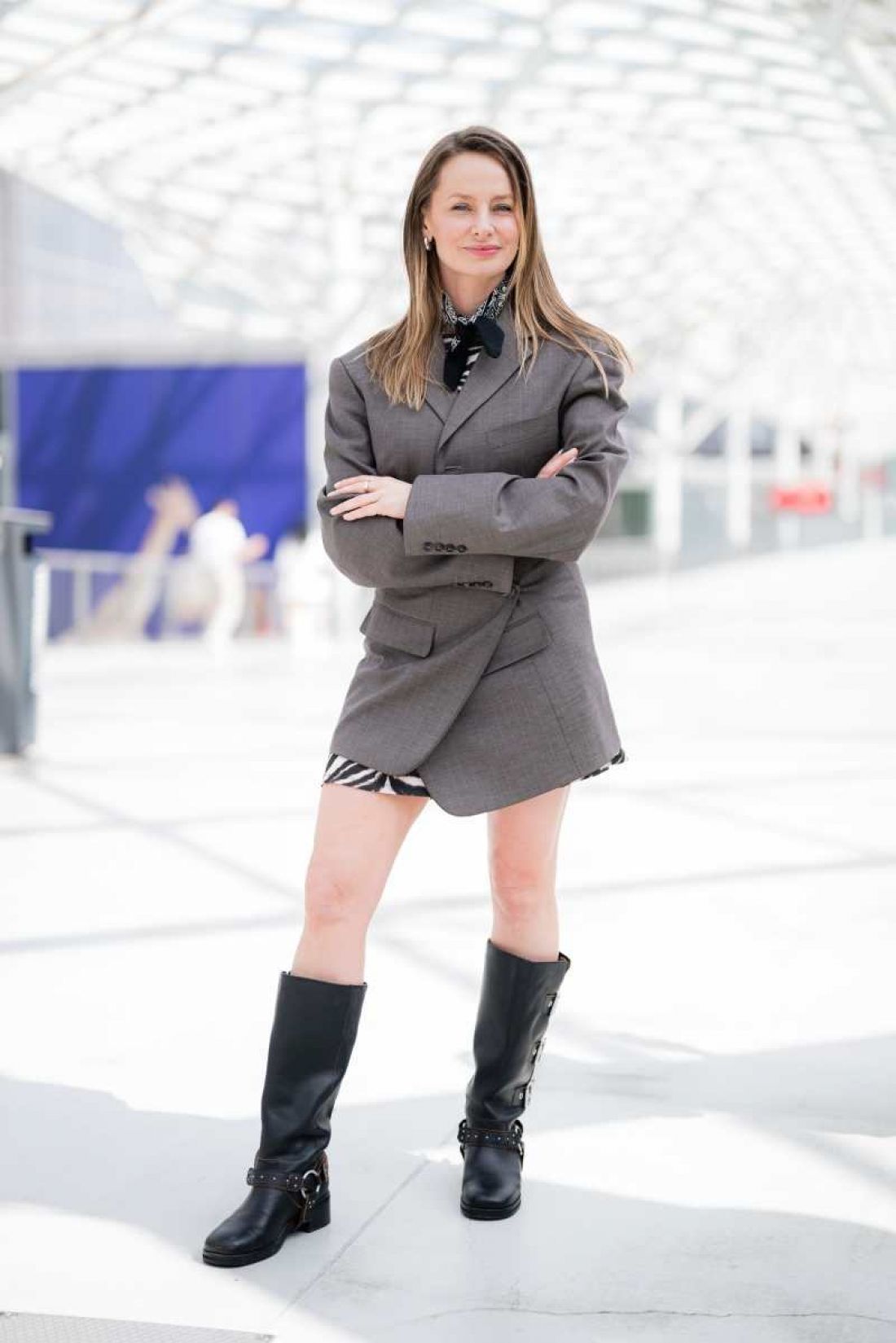
Aldona Banasiuk-Suchorzewska
Photo: Radosław Kaźmierczak
You’ve been designing private interiors—houses, apartments, and residences—for years. What fascinates you most about creating spaces that become someone’s everyday living environment?
Aldona Banasiuk-Suchorzewska: What fascinates me most is that I’m not just designing interiors, but above all, my clients’ everyday lives. Home is where we begin and end each day, raise our children, relax, and celebrate important moments. A well-designed space has a real impact on quality of life, well-being, and relationships among household members.
I like to think of design as creating a stage set for life. Aesthetics are very important, but functionality, light, proportions, and the emotions an interior evokes are equally crucial. The moment that gives me the greatest satisfaction is when clients tell me that, even after several months, they’re still discovering just how well everything was thought out.
You draw inspiration from art, vintage aesthetics, and Bauhaus ideas. What does the process of translating these inspirations into contemporary, highly personalized interiors look like?
Aldona Banasiuk-Suchorzewska: I never copy ready-made solutions. For me, inspirations are a starting point, not an end in themselves. Art teaches me to be bold with color and composition; the Bauhaus reminds me that form should always follow function; and vintage design brings authenticity and timelessness to interiors.
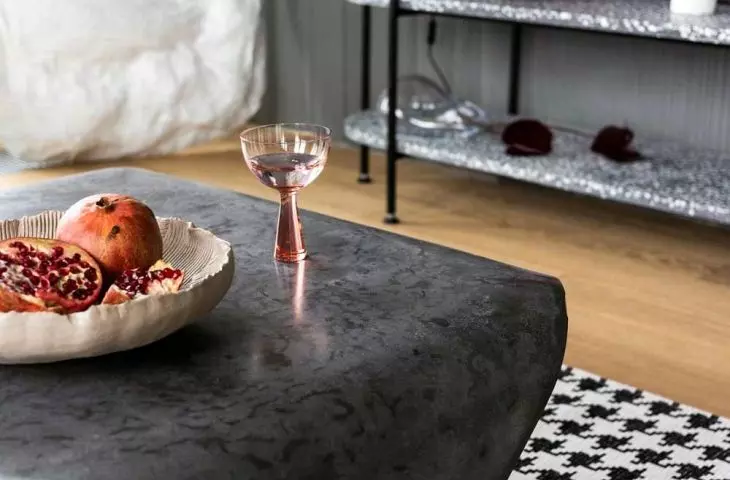
The most interesting results, however, emerge when these influences meet contemporary solutions and the specific needs of an individual. I don’t want to create interiors that look as if they’re stuck in a single era. I focus on contrasts, unexpected combinations, and selecting elements in such a way that the whole is cohesive yet still has an element of surprise. I often pair high-end pieces with more affordable ones, because I believe that the value of an interior doesn’t stem solely from the price of the furnishings, but above all from the ability to create thoughtful and cohesive compositions. Items with soul, unique accents, and solutions that give an interior character and keep it relevant for years to come play an important role for me. At the same time, every project is a response to the client’s personality and lifestyle, which is why my projects are never mere replicas of a single template.
Aldona Banasiuk-Suchorzewska
Photo: Radosław Kaźmierczak
Every client brings their own needs, dreams, and habits to a project. What does the beginning of a collaboration look like, and what is most important to you in creating a truly “tailor-made” interior?
Aldona Banasiuk-Suchorzewska: The first meeting is, above all, a conversation. Of course, we discuss functionality and budget, but just as important are daily routines, how they spend their time, favorite places, art, travel, or even childhood memories. Often, it’s precisely this seemingly insignificant information that gives rise to the best ideas.
I always say that a good design starts with the ability to listen. Only when I truly get to know the client can I design an interior that will be beautiful, but above all, will feel natural and comfortable for them.
One of your most recognizable projects was your original container house. Can you tell us more about this project—what were the biggest challenges? What did you learn from this project, and has it influenced the way you approach design today?
Aldona Banasiuk-Suchorzewska: It was a very personal project because I designed it for my own family. We wanted to see if it was possible to create a fully functional, comfortable, and aesthetically pleasing home from a seemingly limited structure.
The biggest challenge was thinking about space in a completely different way—every centimeter mattered, and the structure imposed certain limitations. Paradoxically, it was precisely these limitations that sparked creativity.
This project reinforced my belief that good architecture doesn’t depend on square footage or budget, but on the quality of the idea. To this day, I find myself asking, “Is this solution really necessary?” more often than “Does it look impressive?” I believe that simplicity requires the greatest design discipline.
In your projects, you place great emphasis on detail. Are there any design elements that—though often underappreciated—have the greatest impact on how an interior is perceived and on comfort?
Aldona Banasiuk-Suchorzewska: Definitely. Most often, these are elements that aren’t noticed at first glance—the proportions of lighting, the height of countertops, how cabinets open, the quality of fixtures, handles, or appropriately selected materials and textures.
It’s the details that make an interior intuitive and comfortable. You can create a beautiful visual design, but it’s only well-designed details that ensure you’ll still enjoy living in that space years down the road. They’re what build everyday comfort.
Aldona Banasiuk-Suchorzewska
Photo: Radosław Kaźmierczak
Color is one of the most powerful tools in interior design. How do you convince your clients that it’s worth stepping outside the safe palette of whites, beiges, and grays?
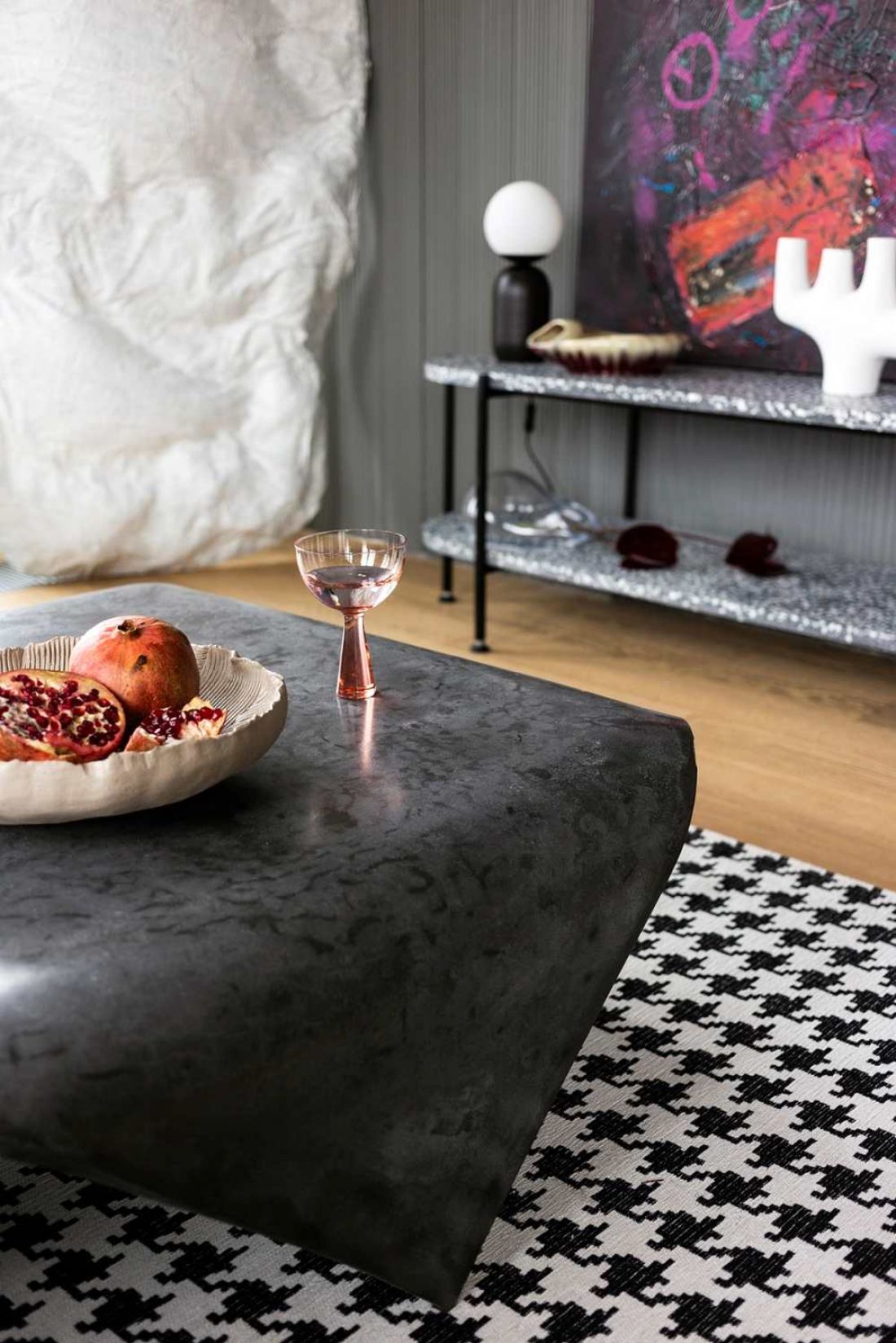
Aldona Banasiuk-Suchorzewska: I never force my views on anyone. I try to show that color doesn’t have to mean bold hues on every wall. It can appear subtly—in art, fabrics, stone, or individual pieces of furniture.
I get the impression that we’re increasingly moving away from interiors that all look the same. Clients are looking for spaces with character and emotion. A well-chosen color makes an interior more personal, warmer, and memorable. It’s not about following trends, but about finding colors that you truly enjoy living with.
Your clients also include public figures, such as Agnieszka Kaczorowska. Does designing interiors for celebrities differ from working with other clients? How do you build relationships and trust in such collaborations?
Aldona Banasiuk-Suchorzewska: In reality, every client expects the same thing—trust, discretion, and the feeling that they’re being listened to. Public figures often value privacy even more, which is why the designer’s responsibility is particularly great here.
I never treat these projects any differently. I strive to create an atmosphere of partnership where the client feels that we’re creating the design together. I think that’s precisely why many of my collaborations are based on referrals and long-term relationships.
You are an ambassador for Deante Design Studio—a space created with architects and designers in mind. What made you decide to get involved in this project, and how important are places today that foster the exchange of experiences, education, and networking within the design community?
Aldona Banasiuk-Suchorzewska: In our profession, professional development doesn’t end after college. Design is changing very rapidly—new technologies, materials, and solutions are emerging—which is why places that facilitate the exchange of knowledge and experiences are so important.
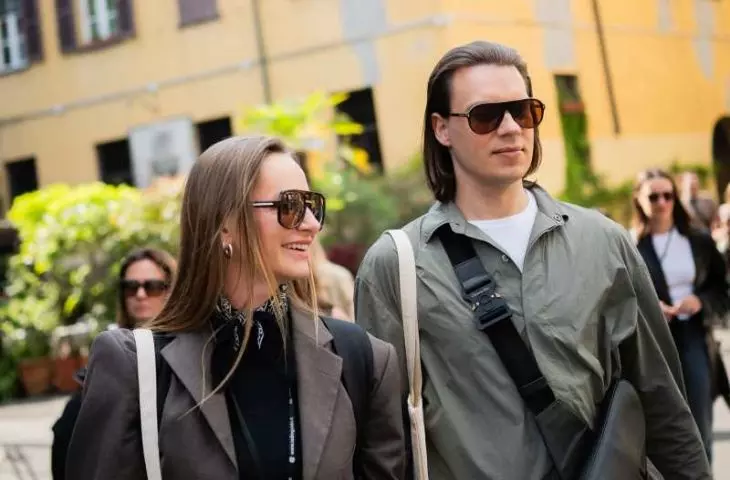
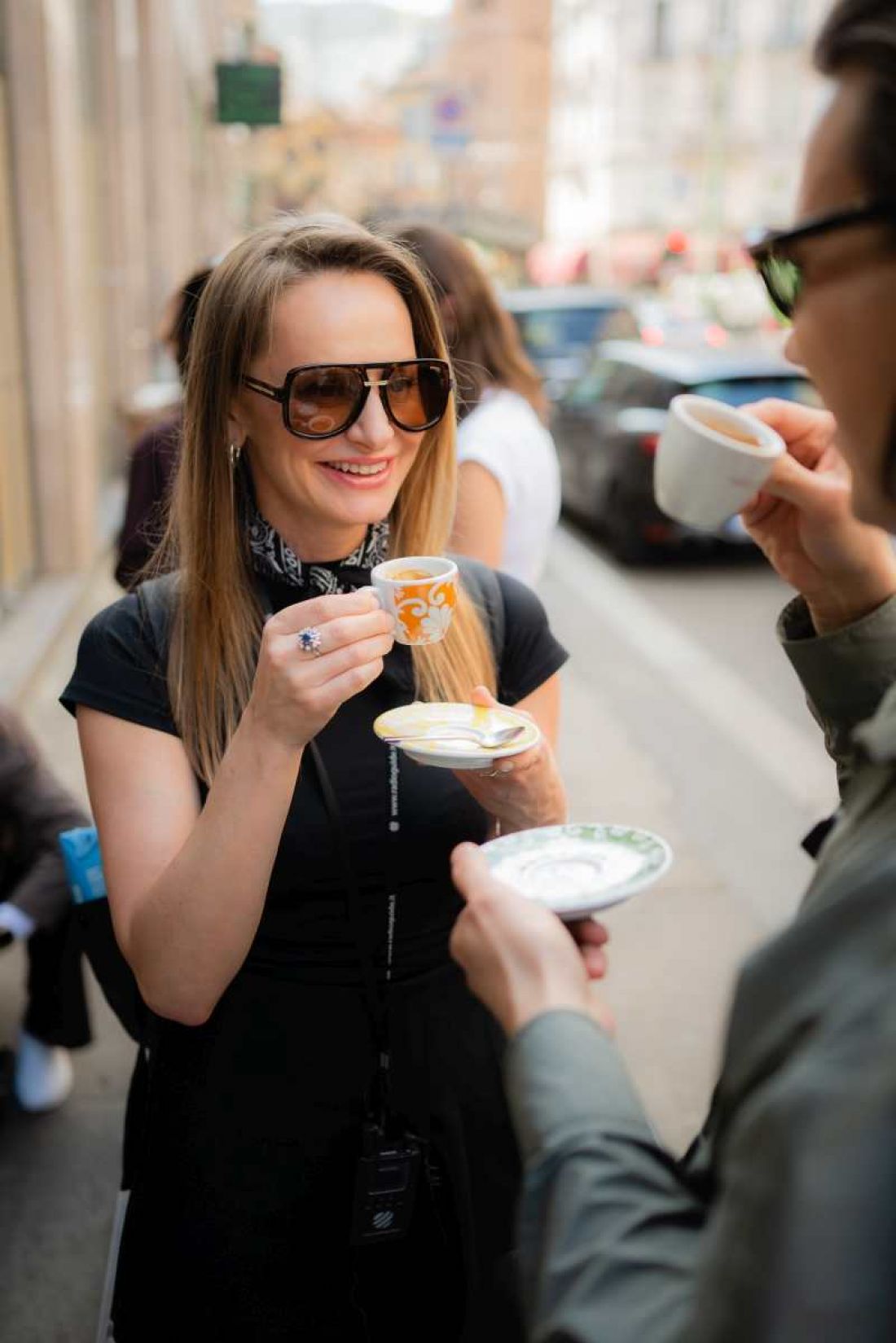
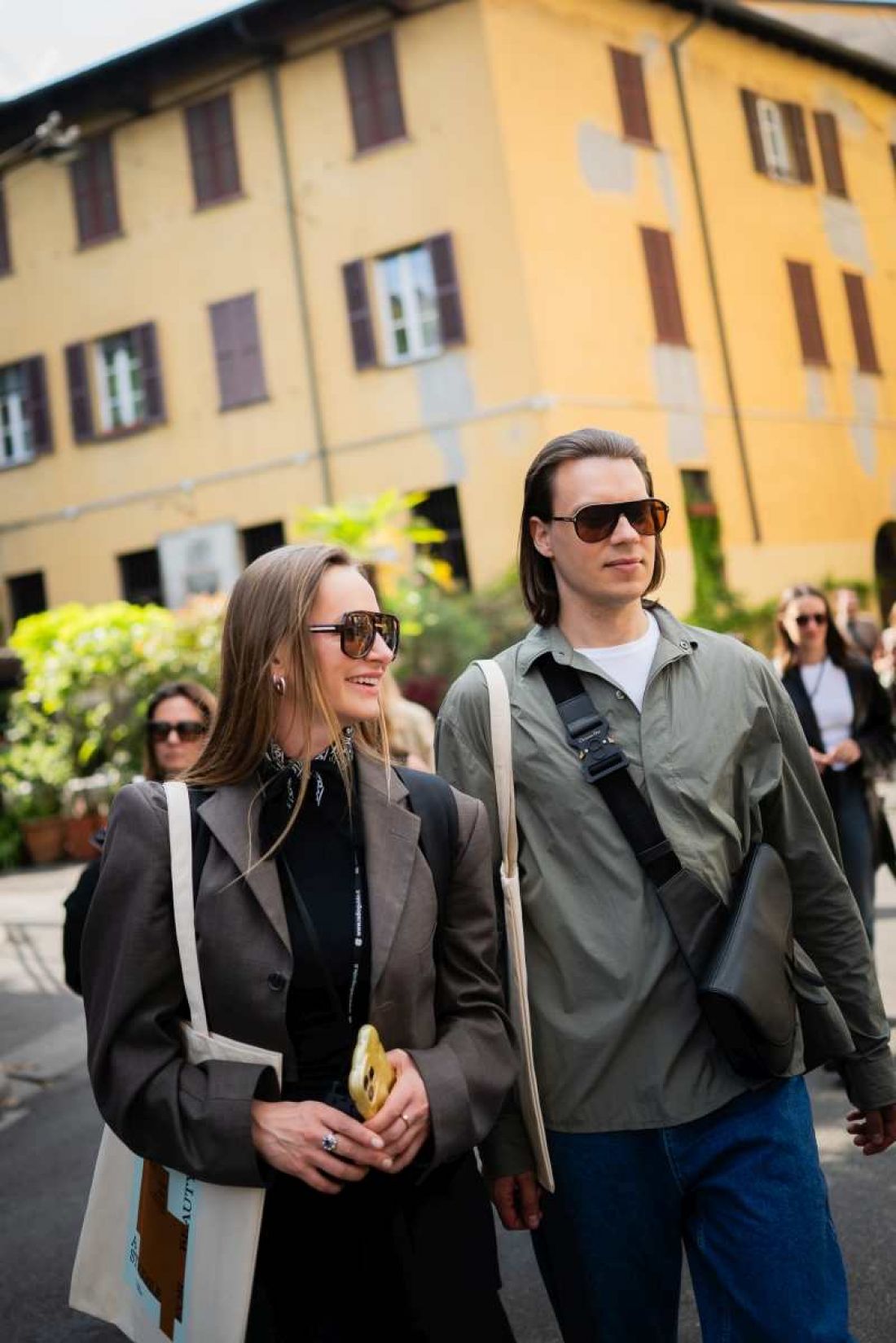
That’s exactly why I got involved in the Deante Design Studio ambassador program. I believe that good architecture isn’t created solely at a design desk, but also through conversation, collaboration, and openness to new perspectives. It’s a partnership based on dialogue and mutual inspiration. We had the opportunity to participate together in a trade show in Milan, talk with designers and technologists responsible for product development, learn about the process of creating new collections, and exchange experiences with other architects.
Design by Aldona Banasiuk-Suchorzewska_photo by Martyna Rudnicka_styling by Anna Salak (4).jpg
Photo by Martyna Rudnicka
I’m part of a small group of designers with whom we regularly discuss design, materials, and the challenges of our work. I believe that such relationships are extremely valuable today because they allow us to view design from different perspectives and grow not only through our own projects but also by exchanging experiences.
For me, good collaboration with a manufacturer doesn’t end with selecting a product for a project. The greatest value lies in the opportunity to get to know the people who create it, understand the technology, and work together to find the best solutions for our clients.