




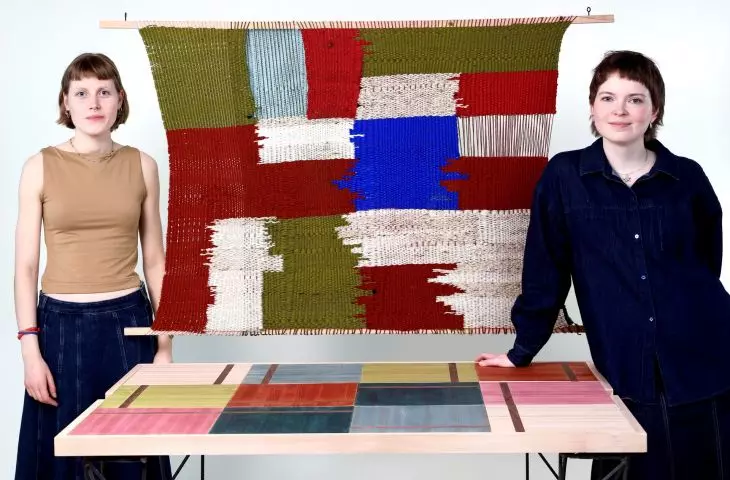
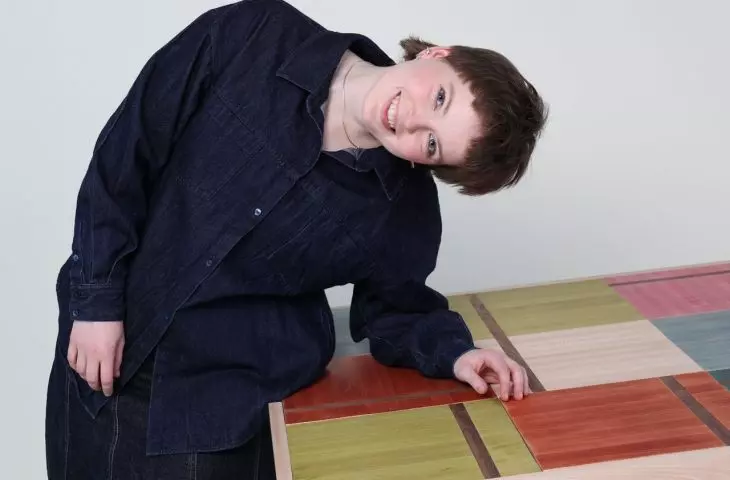


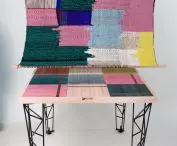
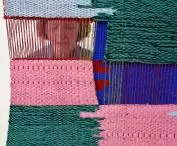
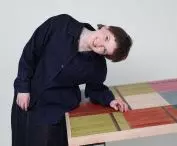



“Szczastle” shows that it’s possible to tell a story about a city without recreating its streets and buildings. Klara Arrowsmith and Helena Szulc, design graduates from the School of Form at SWPS University, examined how personal experiences influence the way we remember spaces. Szczecin and Newcastle upon Tyne served as the starting point for research on memory, color, and the fragmentary nature of urban experiences.
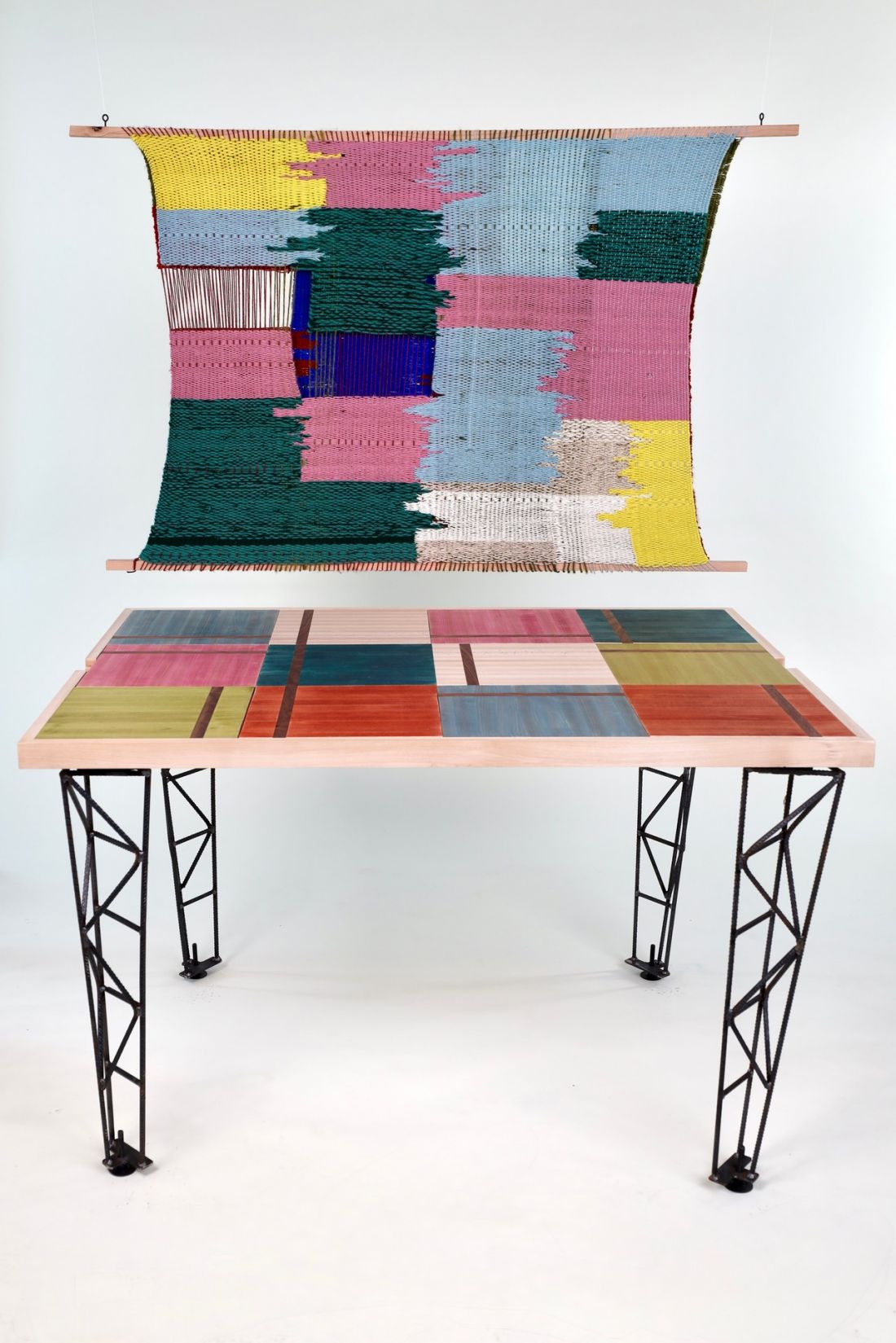
© Klara Arrowsmith, Helena Szulc
Two Cities, Many Personal Maps
They were interested in what remains in residents’ memories—places, colors, routes, and details. The design process began with research among current and former residents of Szczecin and Newcastle. The conversations focused on significant places, events, and visual elements that had left the strongest impression on their memories. The interviews were supplemented by drawing maps from memory. These became subjective records of the experience of space.
© Klara Arrowsmith, Helena Szulc
Analysis of the materials revealed that memories of the city do not form a single, coherent narrative. They are selective and subject to change. Specific colors, fragments of routes, or individual details remain in memory, while other places fade over time. The gaps and fragmentary nature of memory became one of the project’s most important themes.
Joint trips to Szczecin and Newcastle were a key stage of the project. These exploratory walks allowed the authors to compare residents’ stories with the actual character of both cities. The authors observed the architecture, color schemes, and details.
© Klara Arrowsmith, Helena Szulc
a table that can be transformed
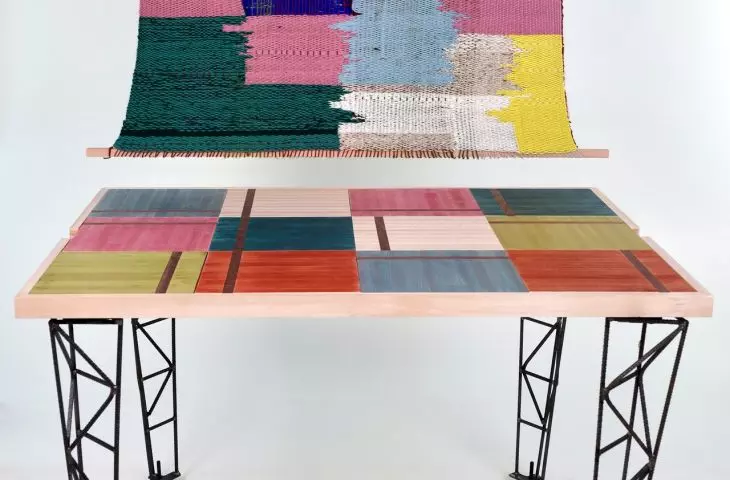
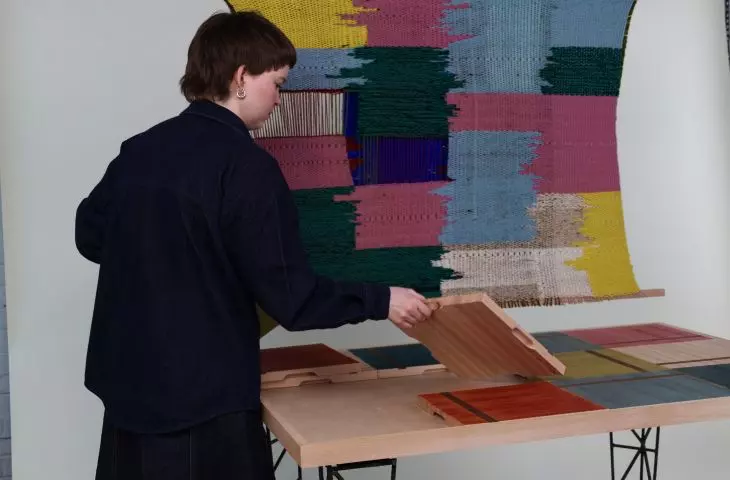
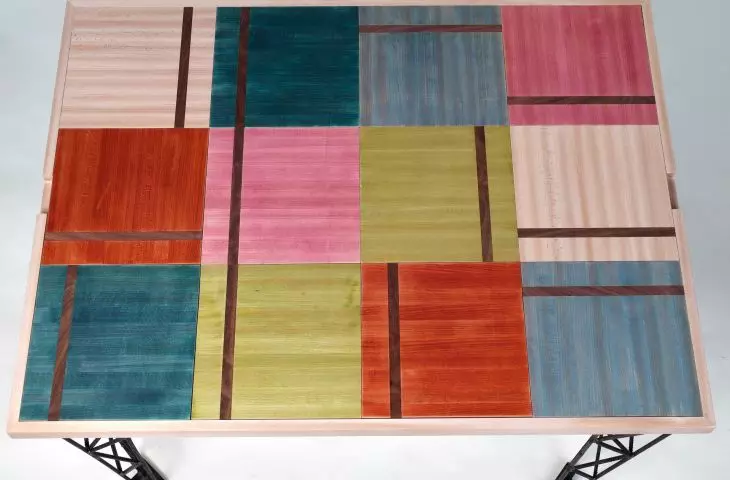
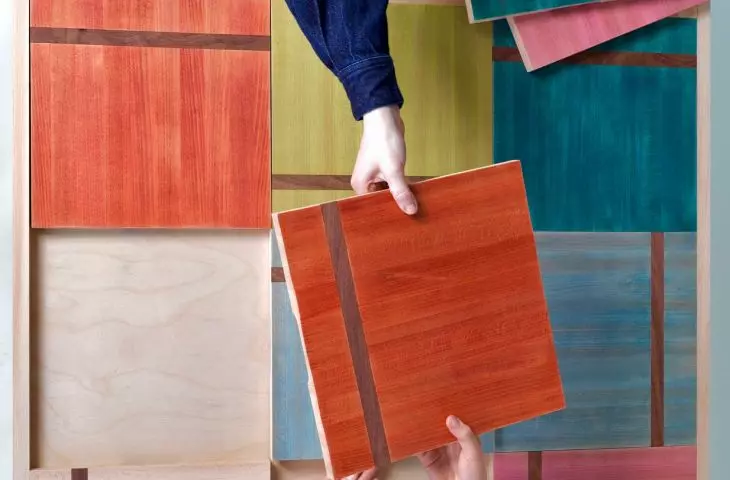
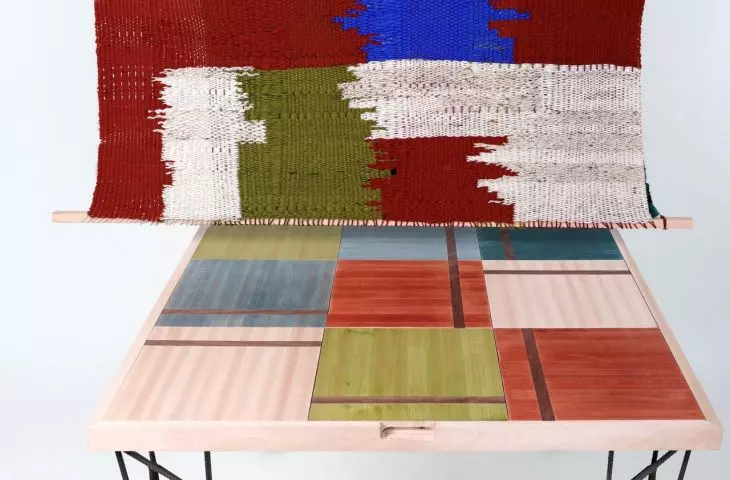
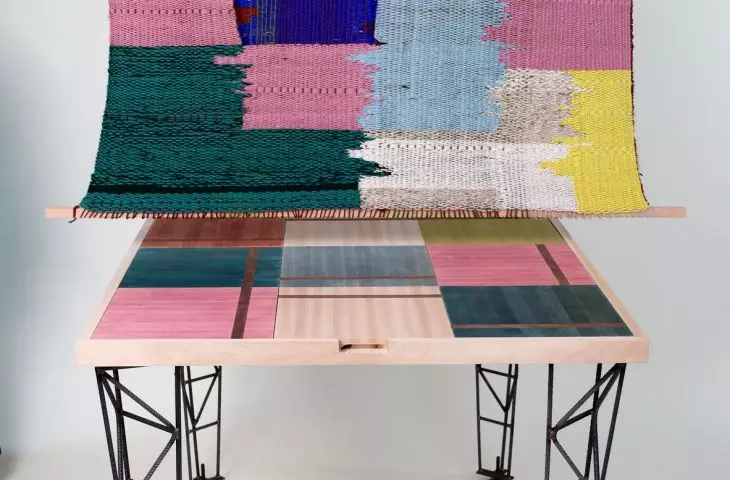
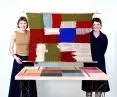
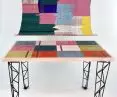
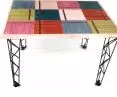
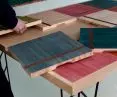
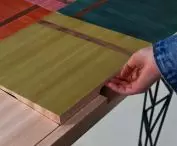
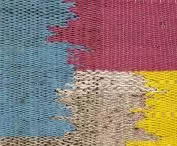
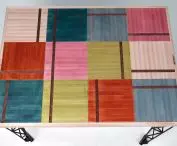
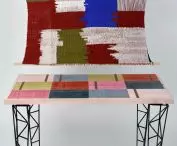
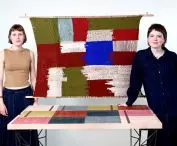
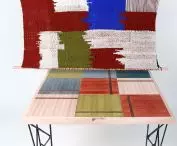
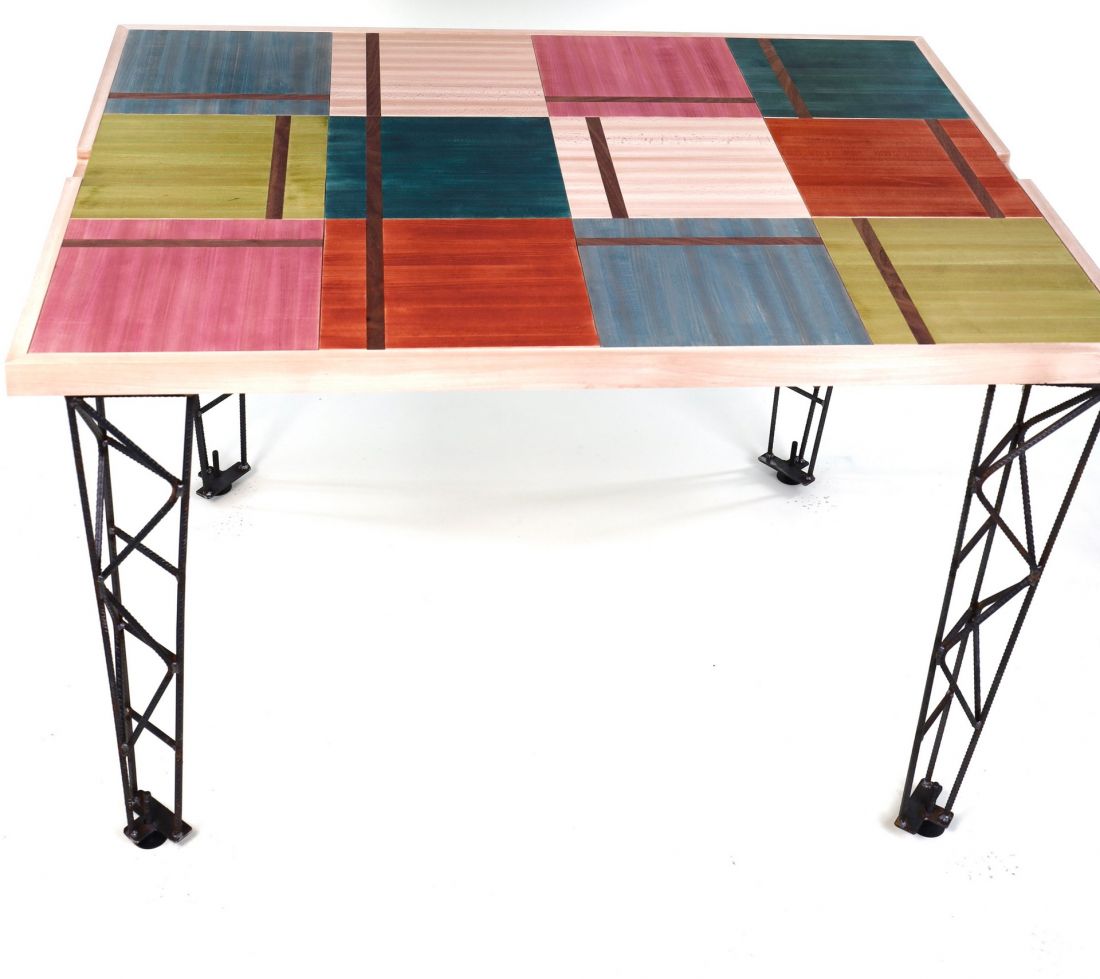
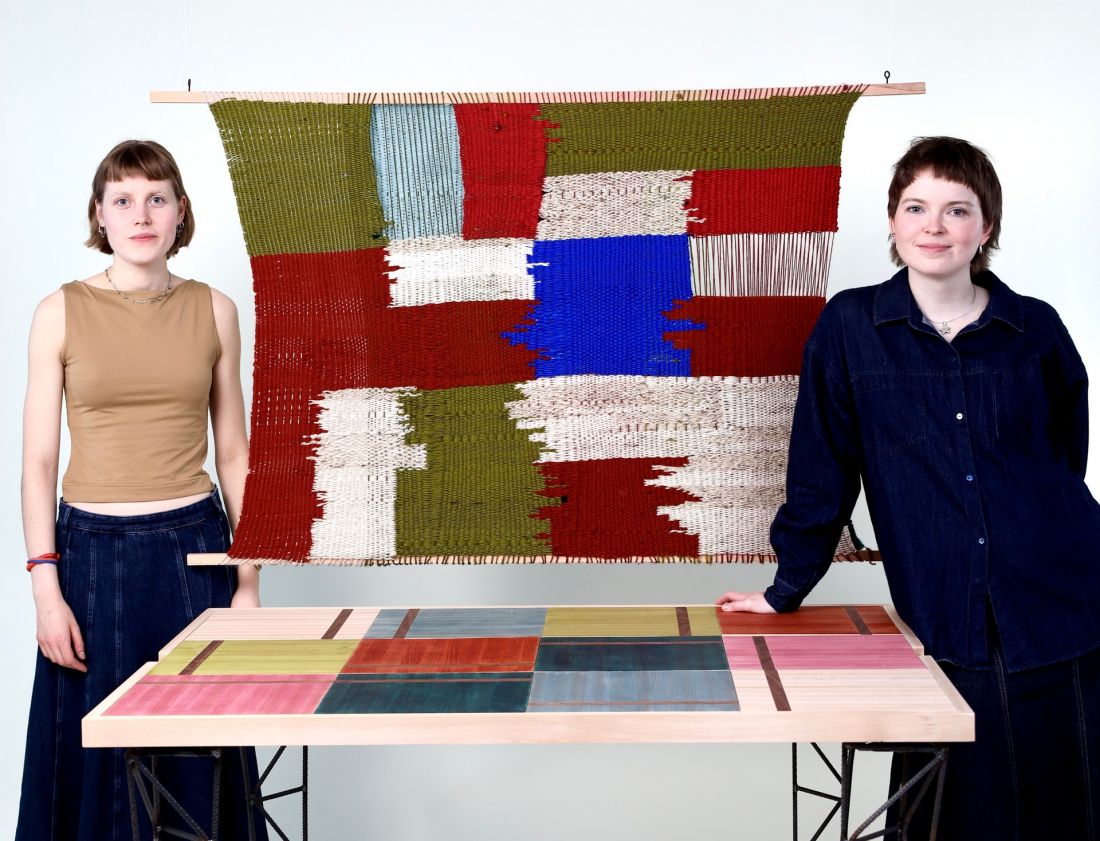
The result of the thesis project is two complementary objects—a table designed and crafted by Klara Arrowsmith and a fabric designed by Helena Szulc. Their common language is a modular arrangement of squares drawn from a color map and patterns inspired by the lines in the residents’ drawings.
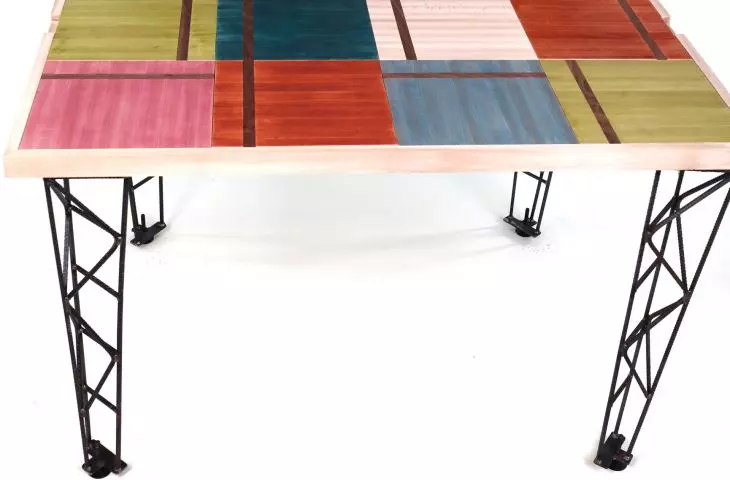
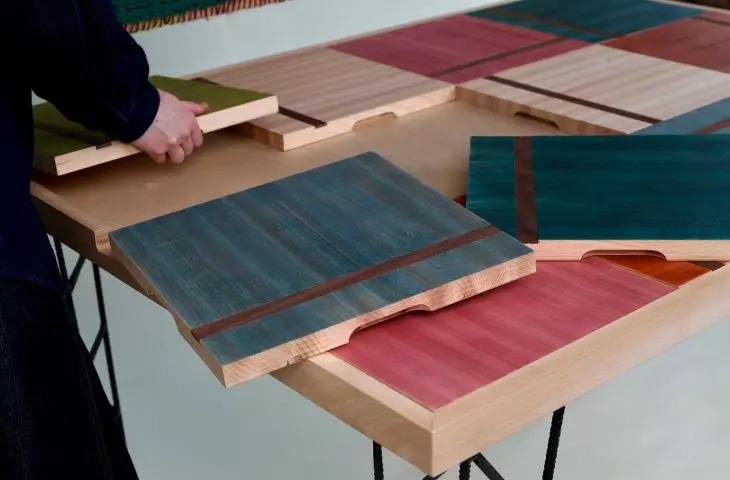
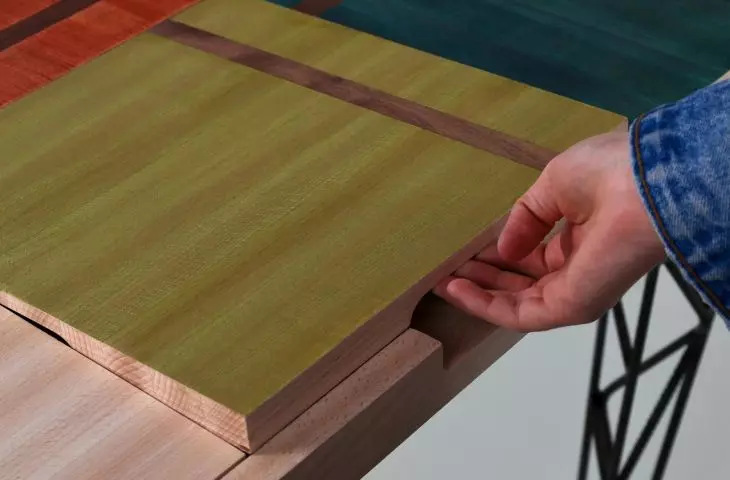
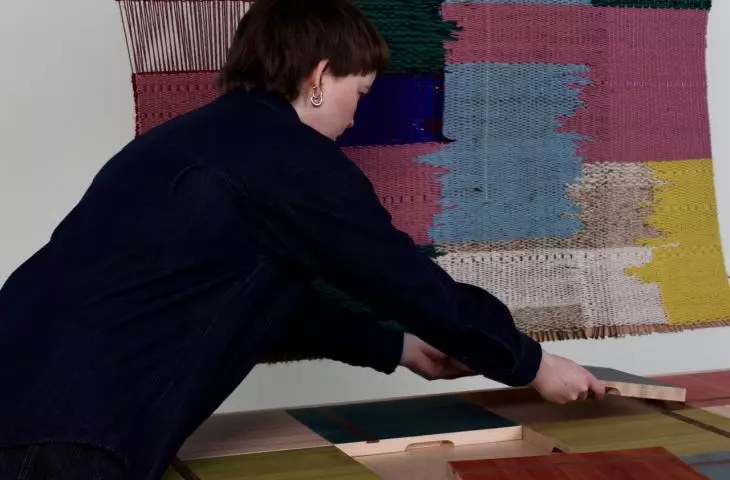
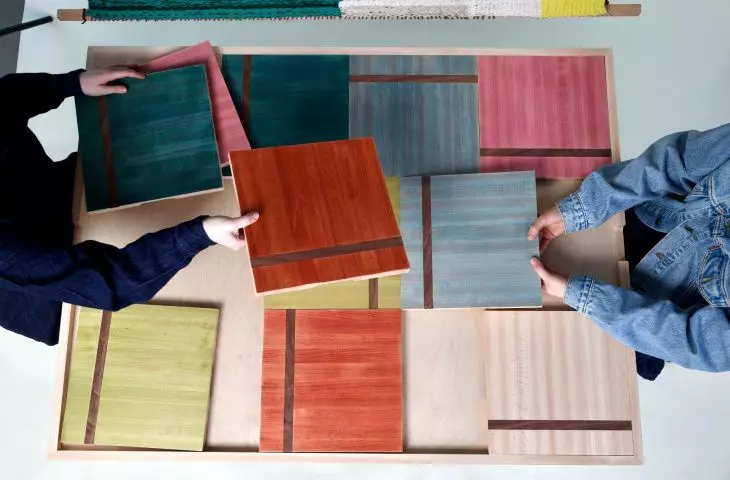
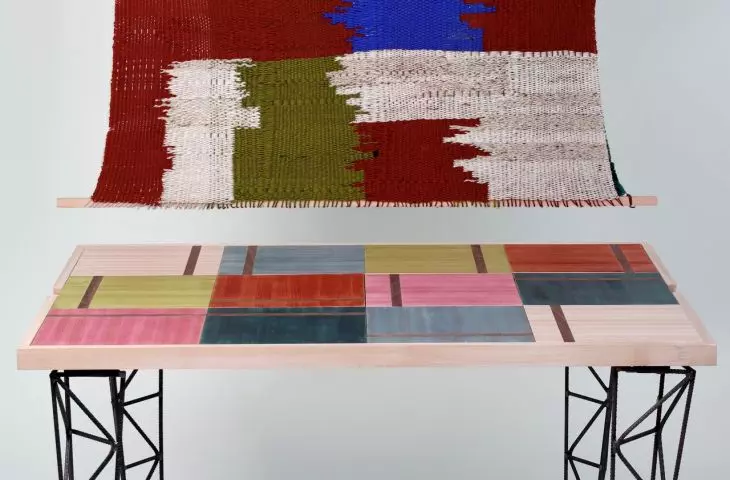
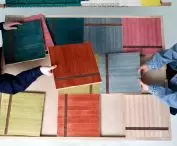
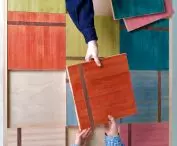
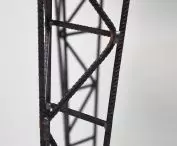
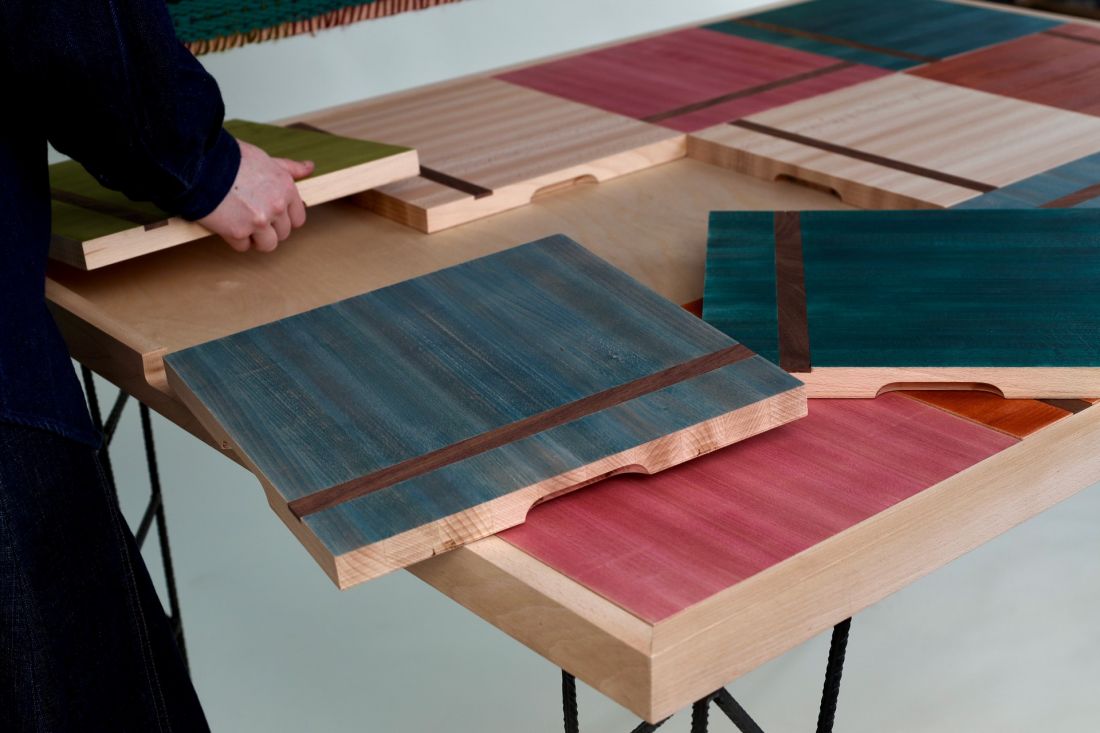
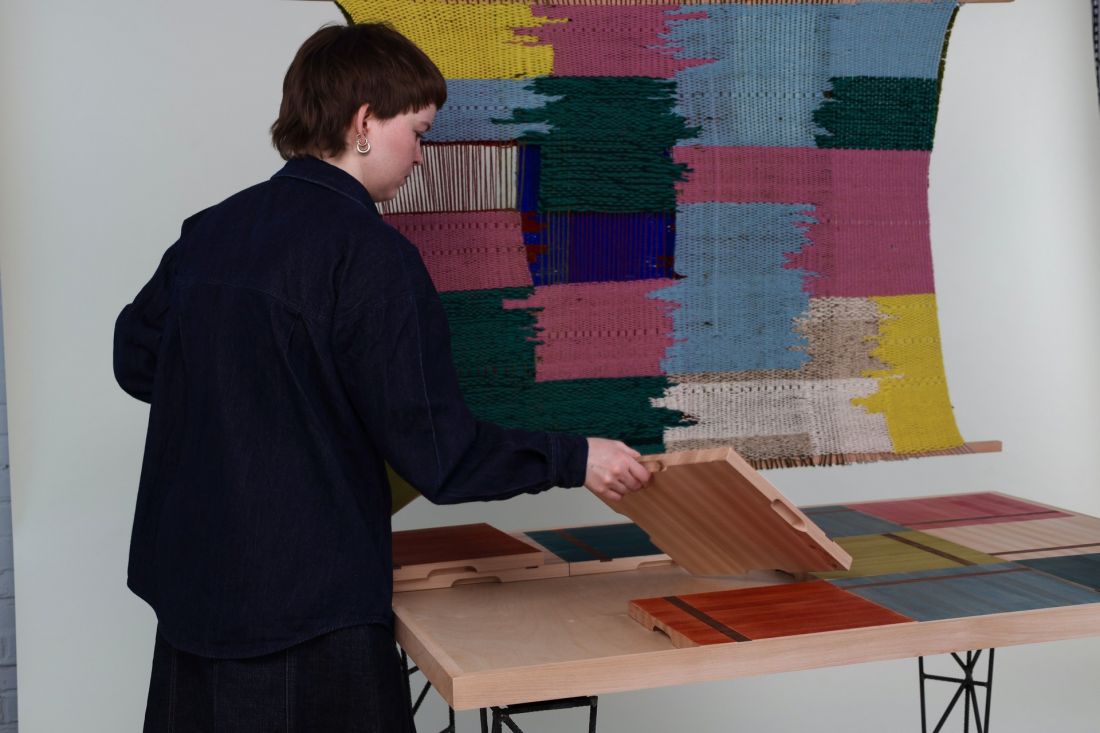
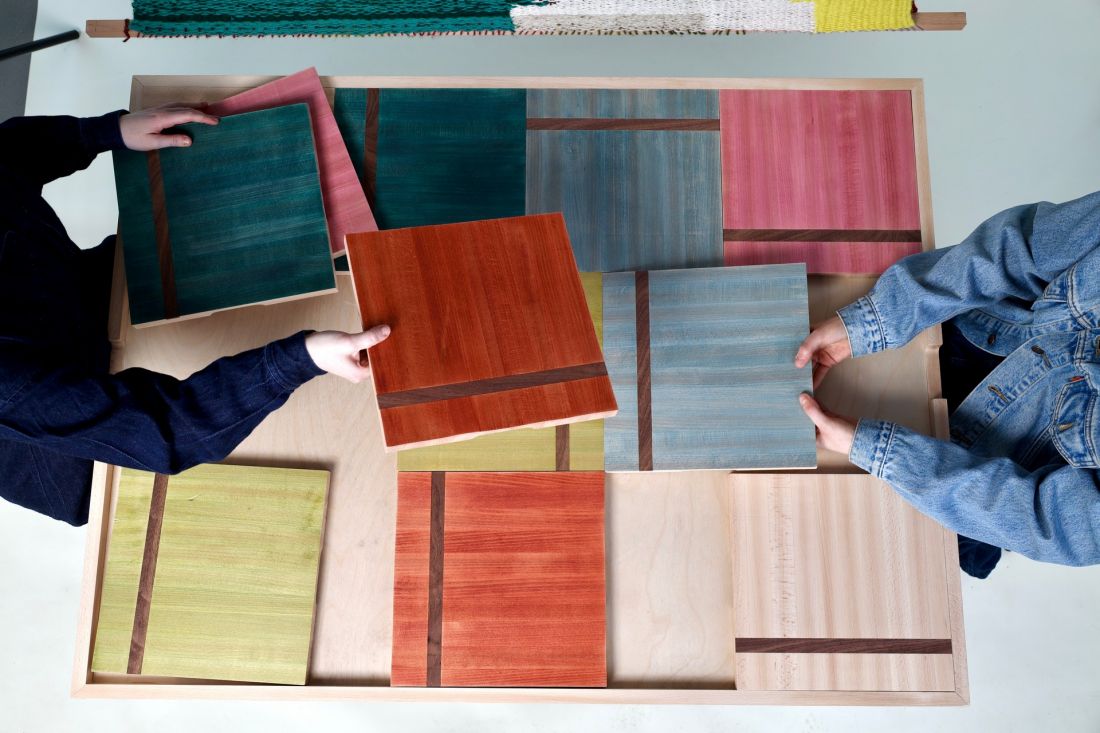
The table consists of twelve movable elements made of beech wood. The modules can be rearranged, changing the layout of colors and inlays that reference the paths marked on the memory maps. The ability to transform the composition reflects the nature of memories, which, too, are not static.
© Klara Arrowsmith, Helena Szulc
Fabric as a Boundary and Memory
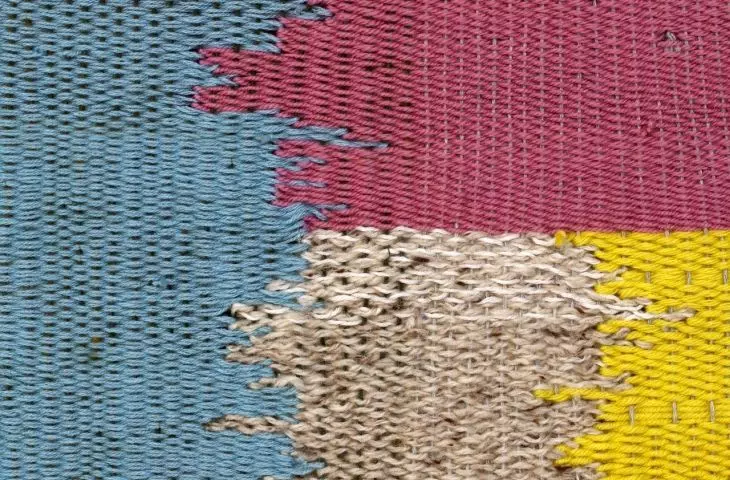
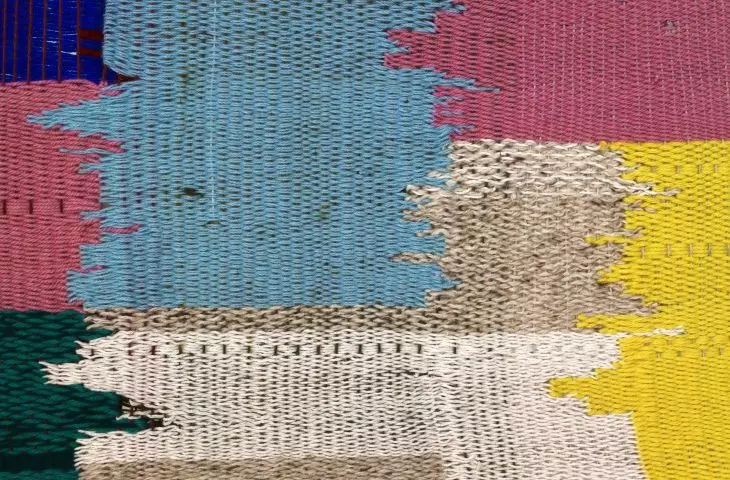
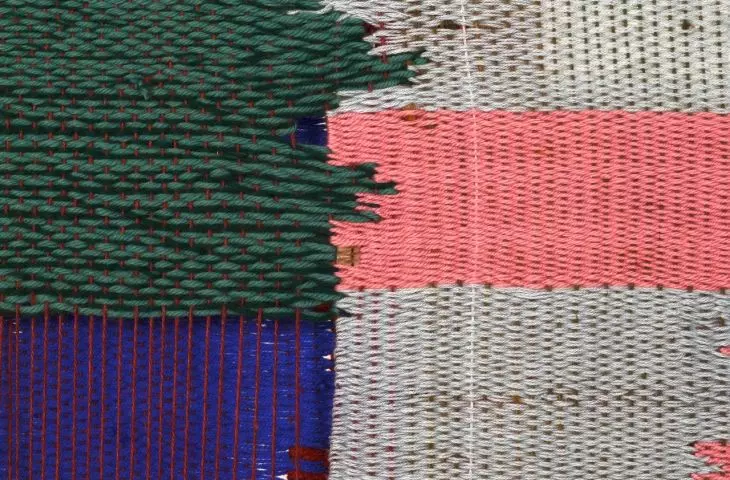
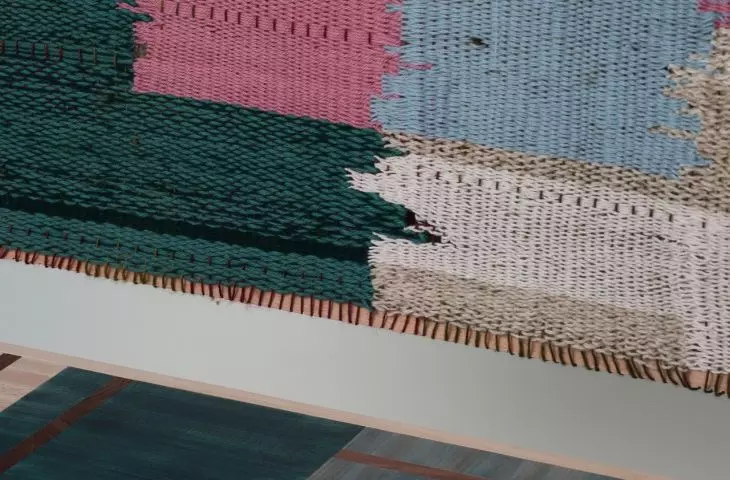
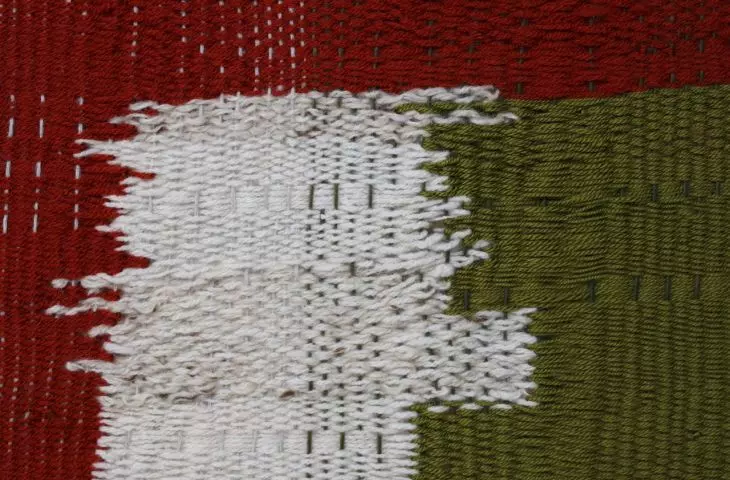
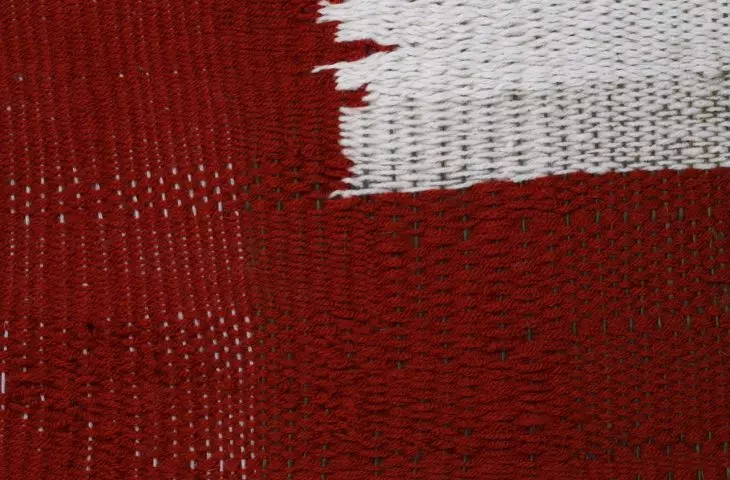
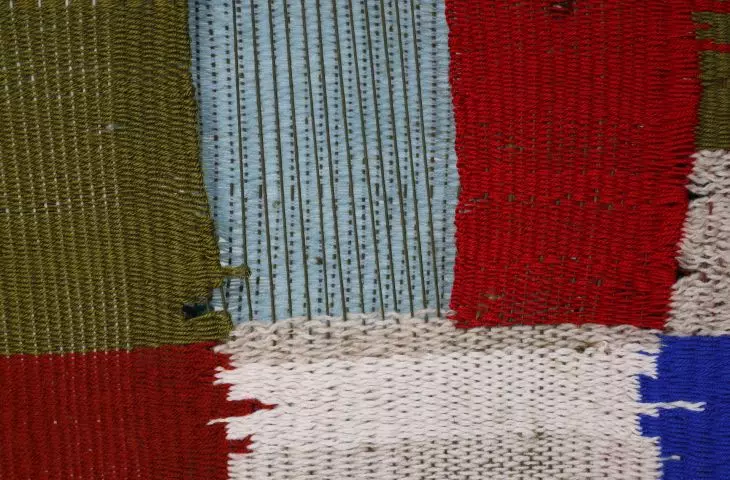
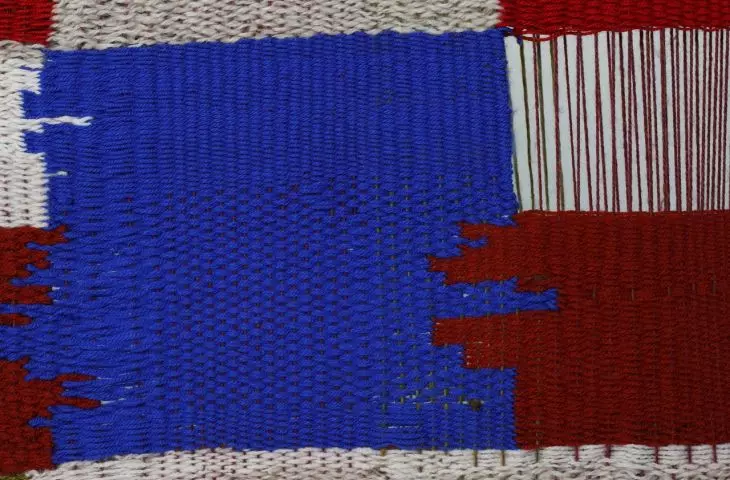
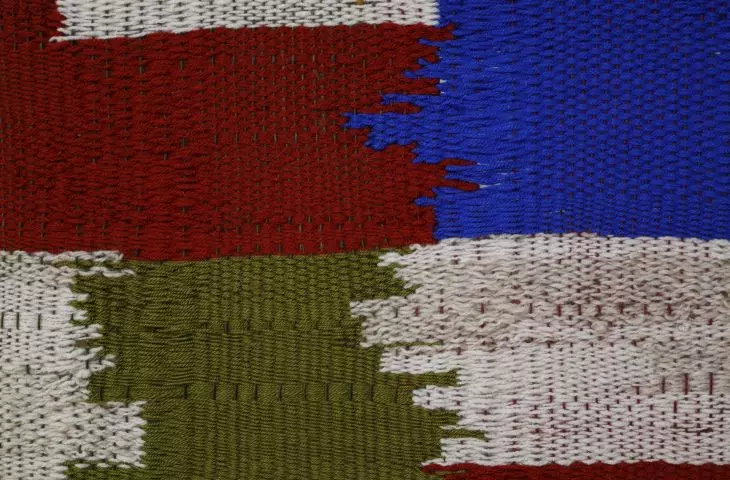
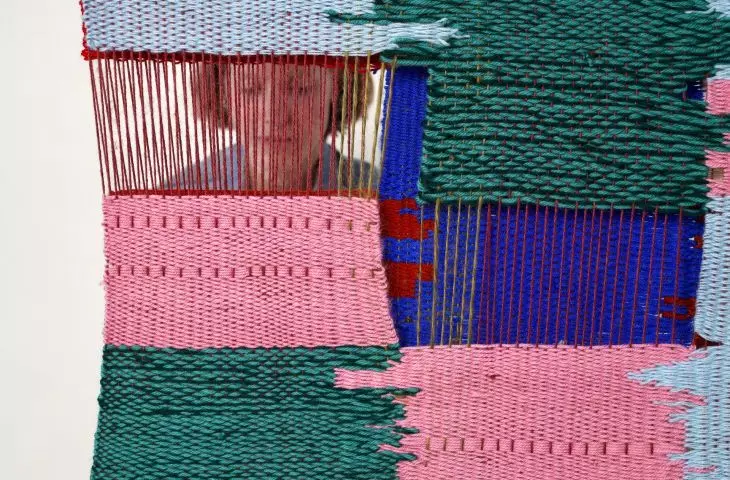
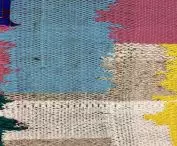
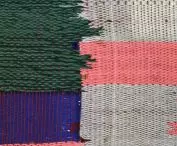
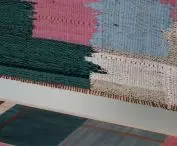
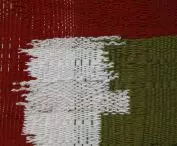
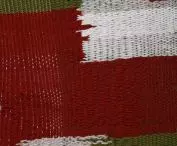
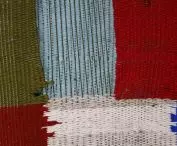
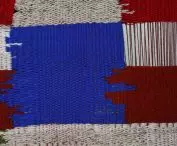
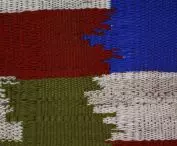
The fabric is also based on a composition of squares. On the one hand, it refers to the colors remembered by the interviewees; on the other, to the colors present in the spaces of both cities. The gaps and visible warp threads emphasize the incompleteness of memories and their susceptibility to fading.
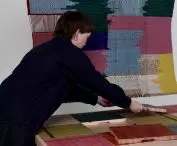
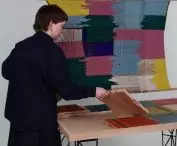
The object can be suspended above the table in various configurations. It can create a more intimate space or divide the shared tabletop into two parts.
© Klara Arrowsmith, Helena Szulc
design rooted in relationships
The theme of community recurred throughout the research. The strongest memories were linked to encounters and relationships. That is why the table has become a symbol of shared experience, while the fabric further helps define boundaries and create privacy.
© Klara Arrowsmith, Helena Szulc
“Szczastle” does not recreate Szczecin or Newcastle, but rather creates a subjective interpretation of them composed of colors, traces, stories, and associations. The project demonstrates that design can translate intangible experiences into tangible objects. This joint thesis project is the result of the convergence of two distinct sensibilities. Klara is interested in wood, metal, and traditional crafts, while Helena focuses on organic forms and textiles. Both share an interest in color and social design. It is a story about how memory becomes the material for their work.