














What is the daily work of an architect after graduation? When is the moment to start your own studio? How to combine design ambitions with the realities of the market, which are not always conducive to quality? These questions were answered by Karol Nieradka of Maxberg and Wojciech Kotecki ofBGGK Architects during meetings of the "Business of the Young Architect" series, held at the Faculty of Architecture of the Gdansk University of Technology and the Faculty of Architecture of the Warsaw University of Technology. At the center of the conversation was a topic rarely present in university curricula - the business dimension of the architectural profession and the practice of working in a design office.
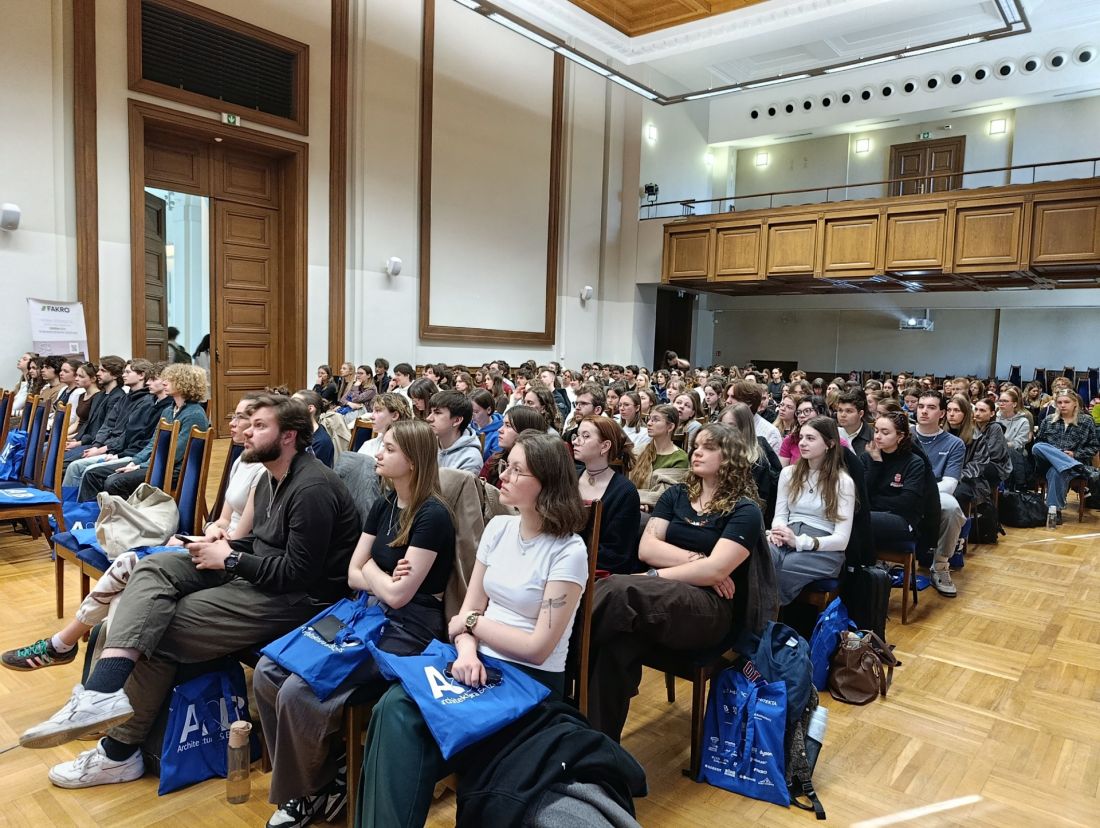
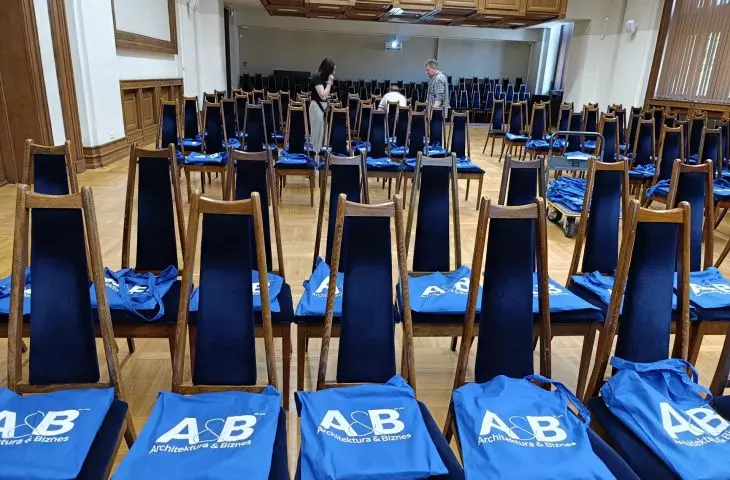
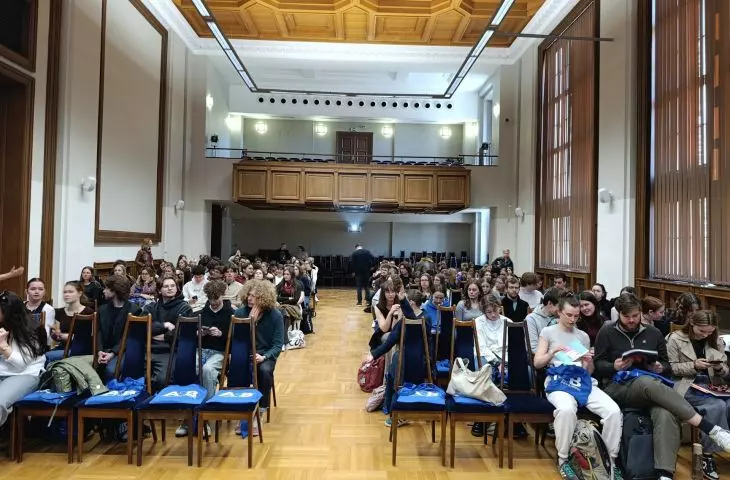
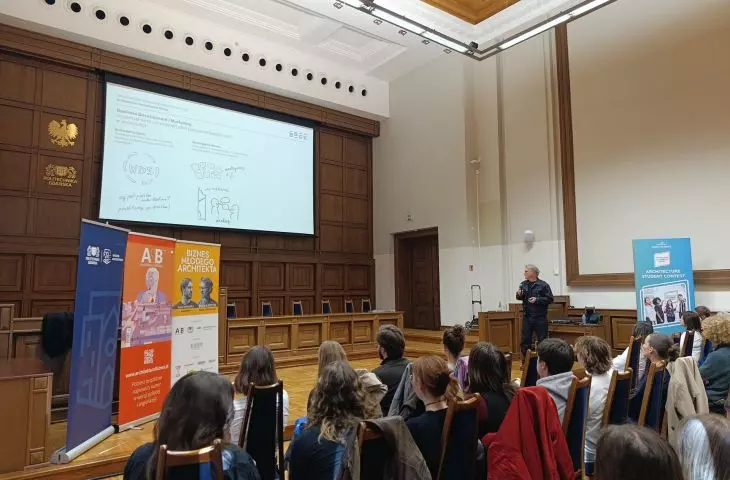
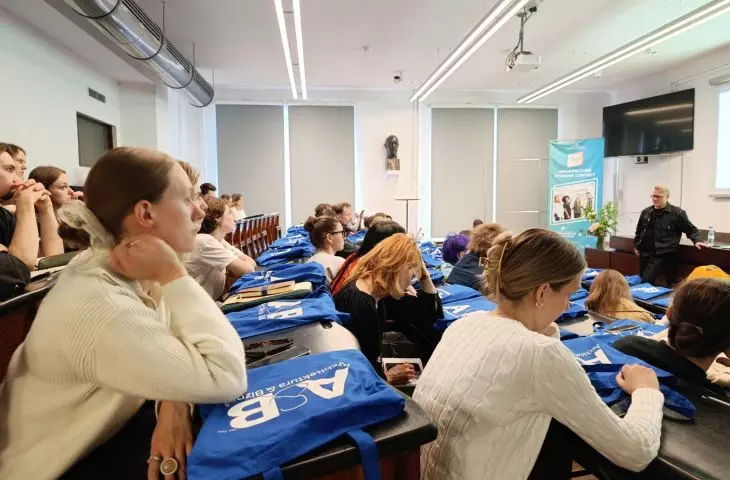
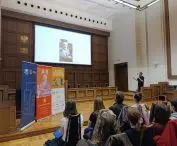
A full room at the Gdansk University of Technology
Photo by Aleksandra Skorupa
architecture begins with a decision
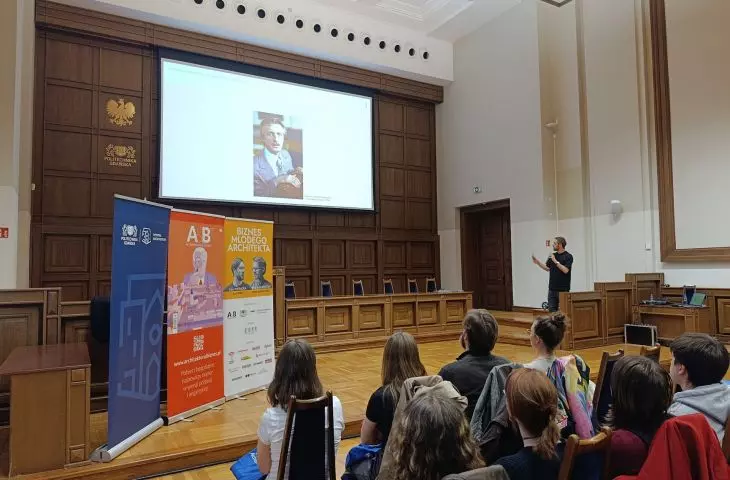
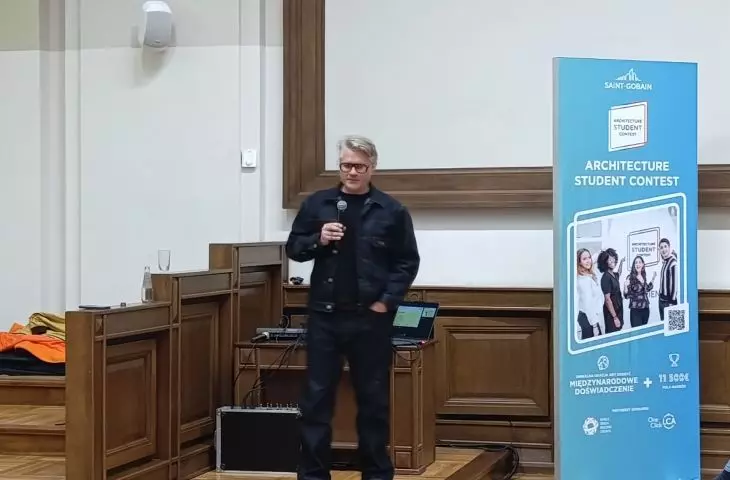
It was clear from the first slides that this would not be a classic lecture on design. Karol Nieradka started with stories from outside the world of architecture - athletes, entrepreneurs, people who worked for years without spectacular results before achieving success. The common denominator? Time, consistency and work, often invisible to others. There were simple but strong messages: get organized, compete with each other, enter competitions - and lose them to success. Because it is the process, not a single success, that builds competence.
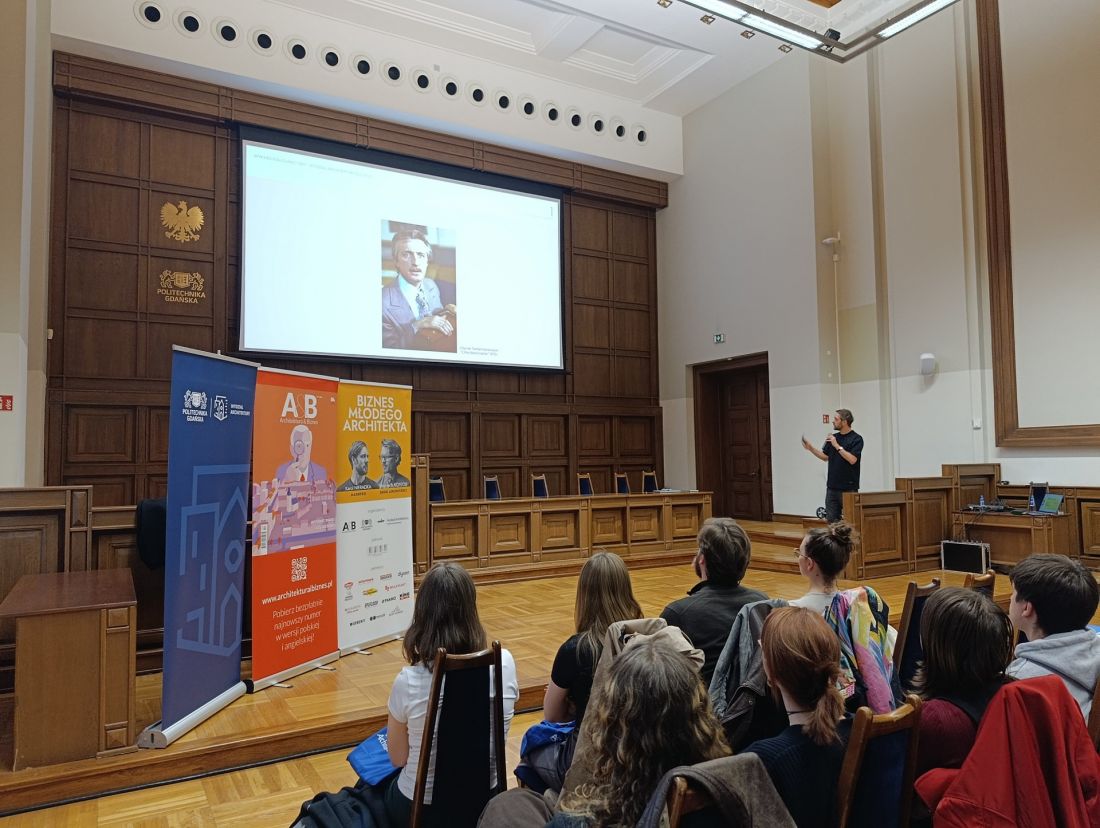
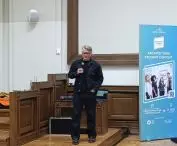
Karol Nieradka
Photo by Aleksandra Skorupa
The story of the beginnings - improvised studios, working nights, first teams - showed that the road to one's own office is rarely orderly. It starts with an experiment rather than a business plan.
a profession that must be learned twice
The second part of the meetings moved the conversation to everyday practice. Wojciech Kotecki spoke about the scale and responsibility of projects carried out in a large studio - about teamwork, processes and decisions that have real financial and social consequences. The common conclusion of both speeches was simple: architecture is a profession that needs to be learned twice. First as a designer, then as an entrepreneur. Because running a studio is not just designing. It's also pricing the work, negotiating with the client, managing the team, taking risks Design is only a fragment of the whole process.
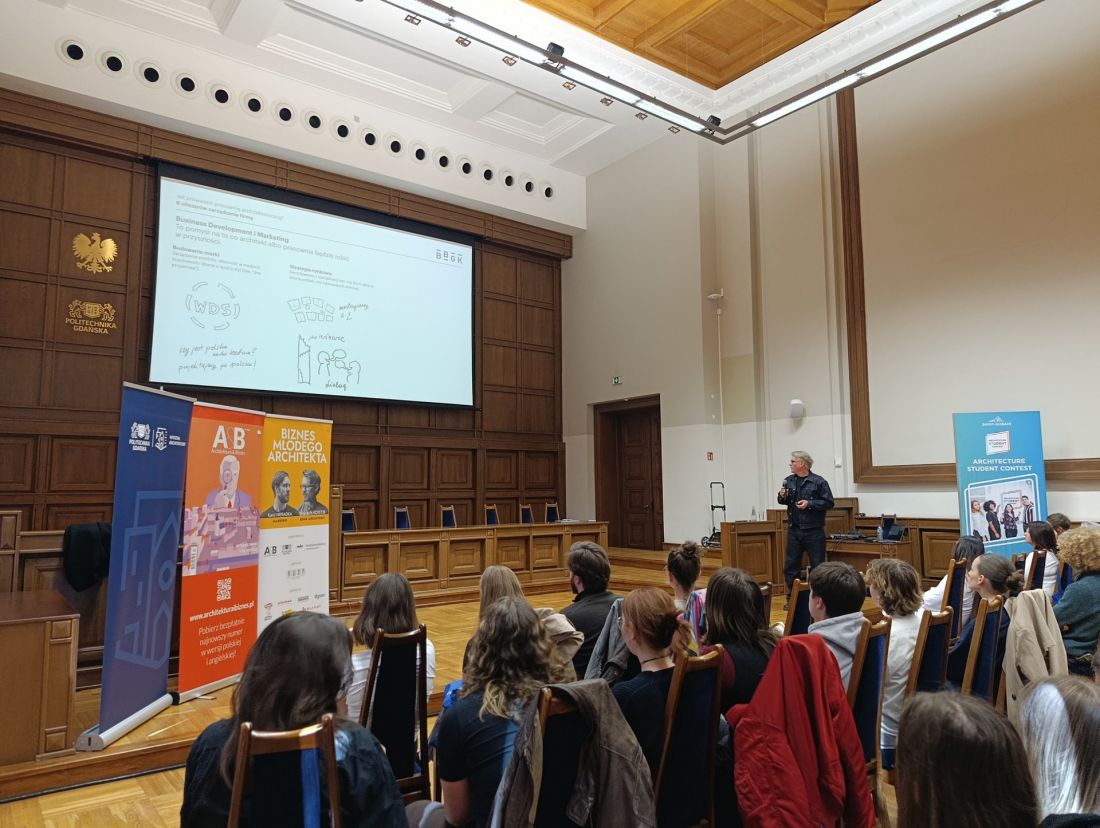
Wojciech Kotecki
Photo by Aleksandra Skorupa
questions that don't get asked in class
The discussion part was the most intense. Male and female students asked questions without filters - exactly the kind of questions that arise just before entering the market:
- how to make a good resume?
- how much money do you need to start a studio?
- when does it make sense?
- how to get your first orders?
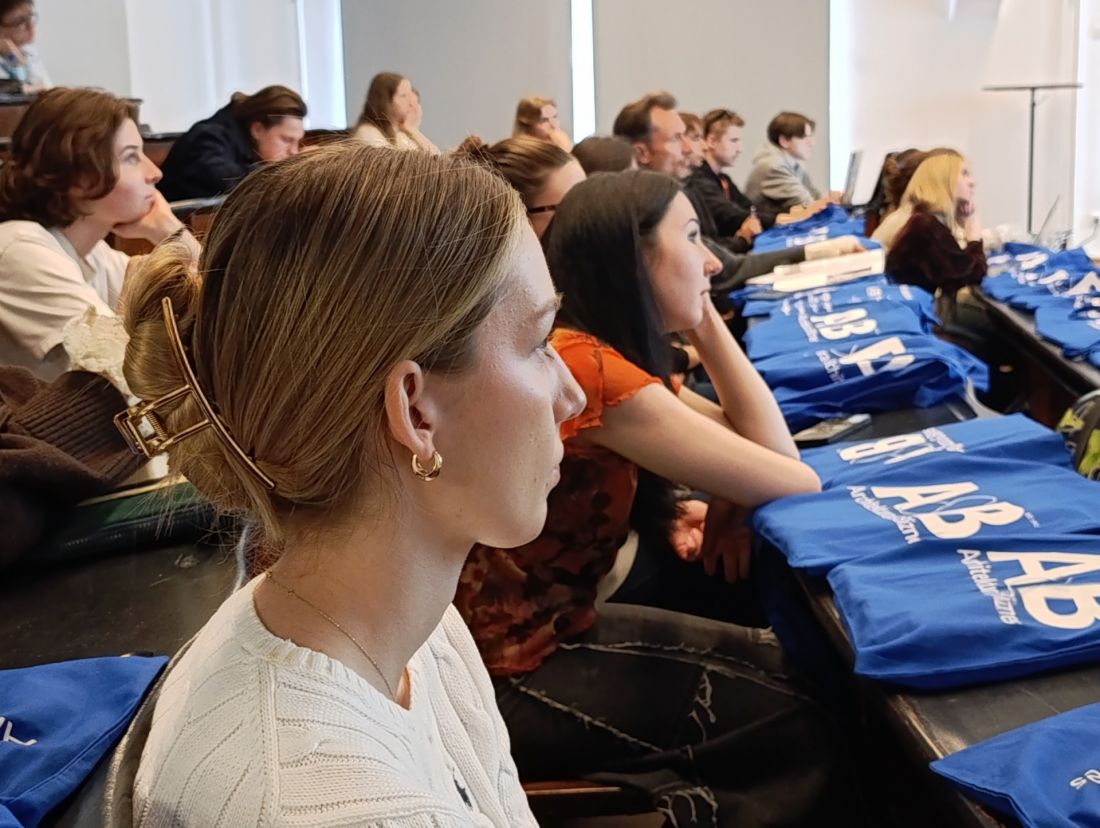
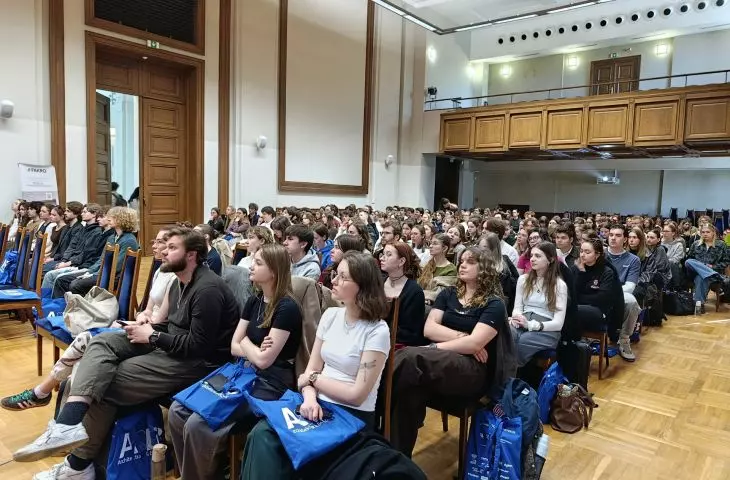
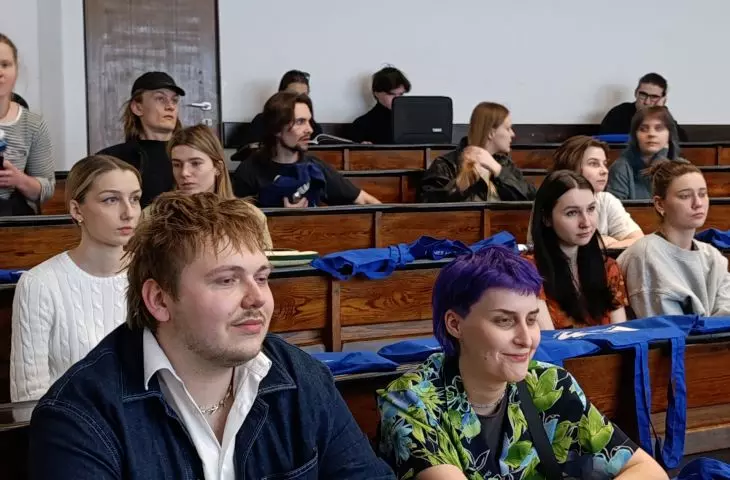
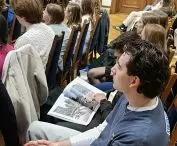
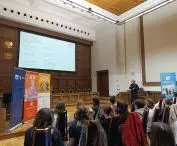
Students of the Warsaw University of Technology
Photo: Aleksandra Skorupa
The answers were not universal, but one thing was consistently repeated: you don't start with money, but with people and experience. Relationships, cooperation and professional environment appeared as a foundation - often more important than start-up capital.

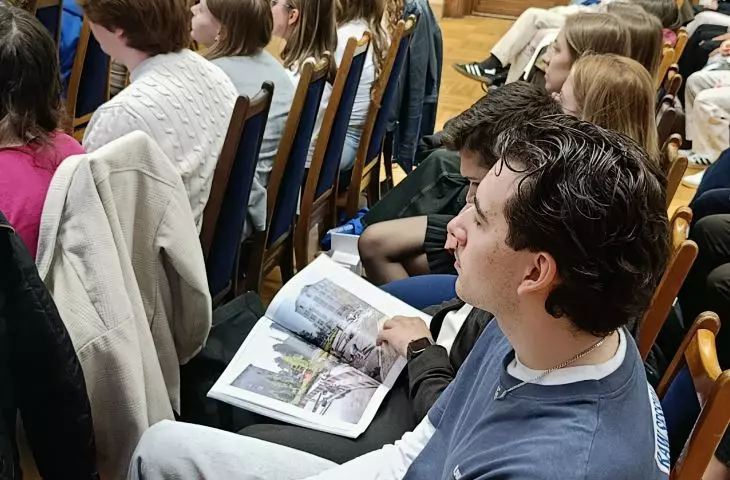
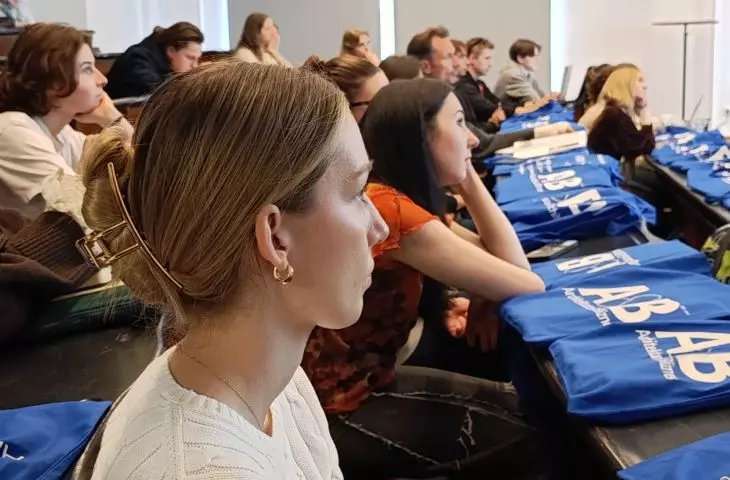
Gdansk University of Technology student
Photo by Aleksandra Skorupa
from lecture to practice
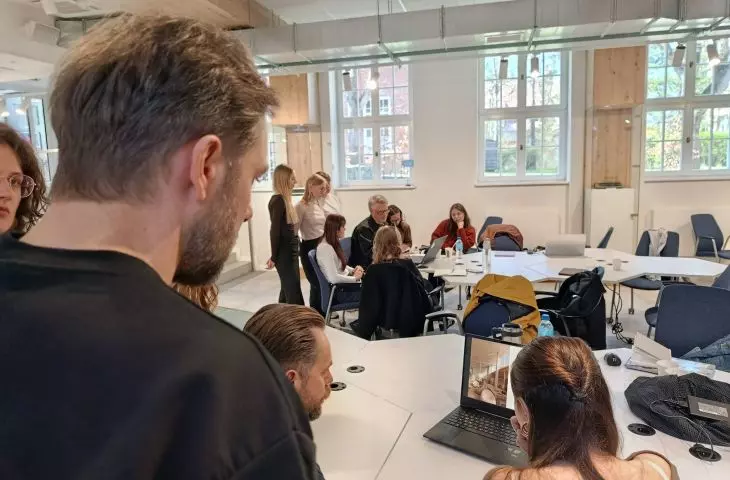
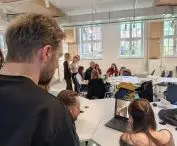
A particularly important moment was the meeting at Gdansk University of Technology, where, after the official part, male and female students invited the presenters to a portfolio review. Conversations then moved to a completely different level - from general principles to specific projects, decisions and individual paths.
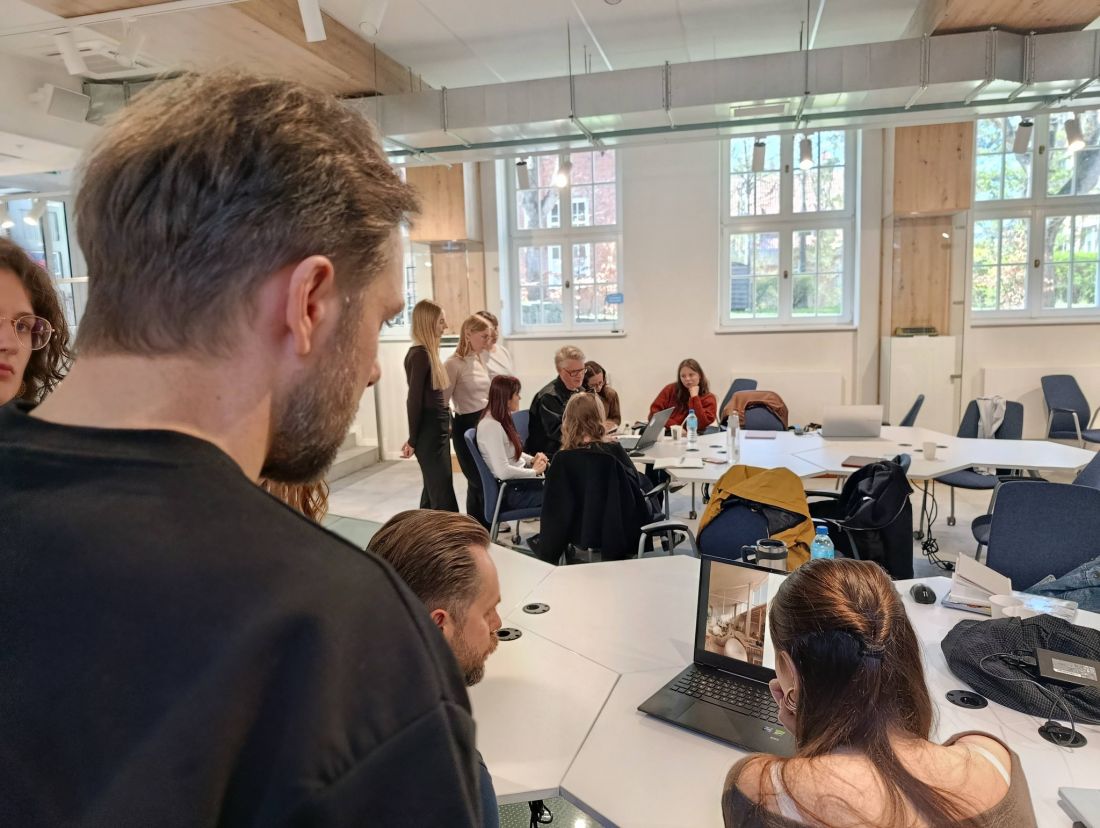
Portfolio Review
Photo by Aleksandra Skorupa
It was there that the point of the whole series was most clearly seen - not as a series of lectures, but as real support in entering the profession.
Aleksandra Skorupa
***
Lecture partners are:
The content partners of the lectures are:
- Faculty of Architecture, Gdansk University of Technology
- Faculty of Architecture, Warsaw University of Technology
Patronage:
- SARP Krakow Branch