




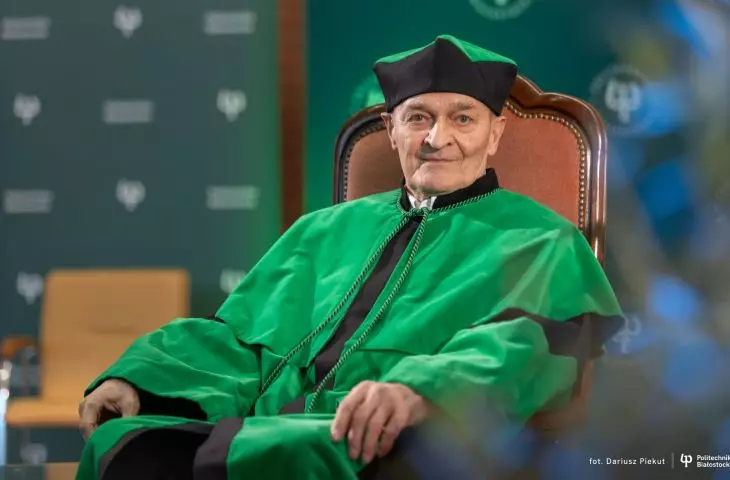
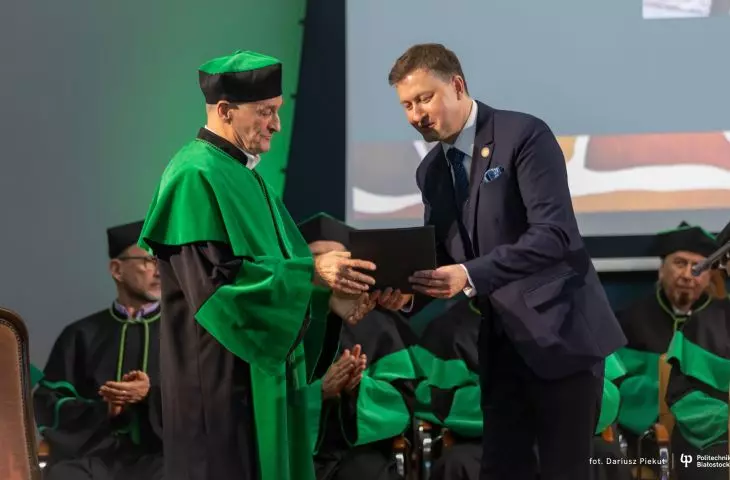
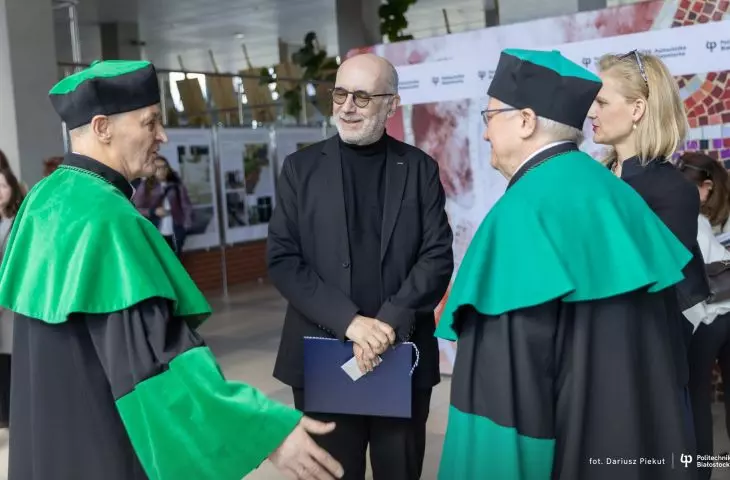
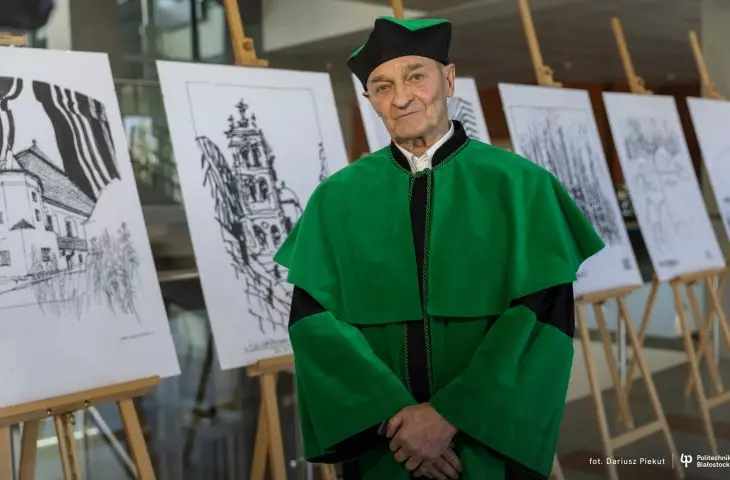
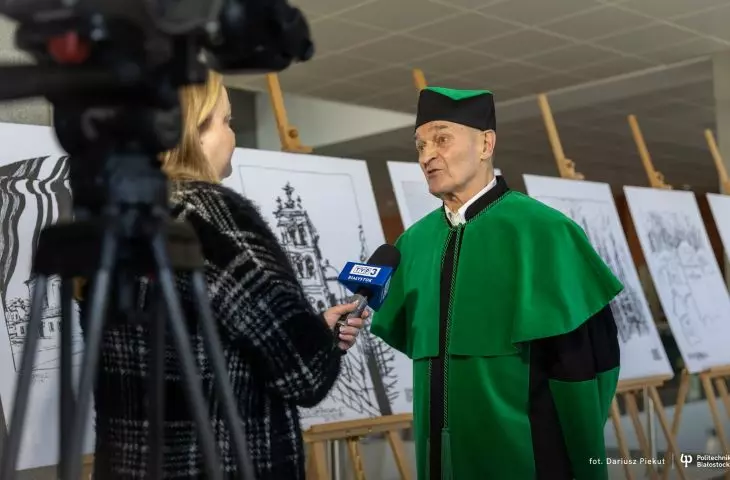
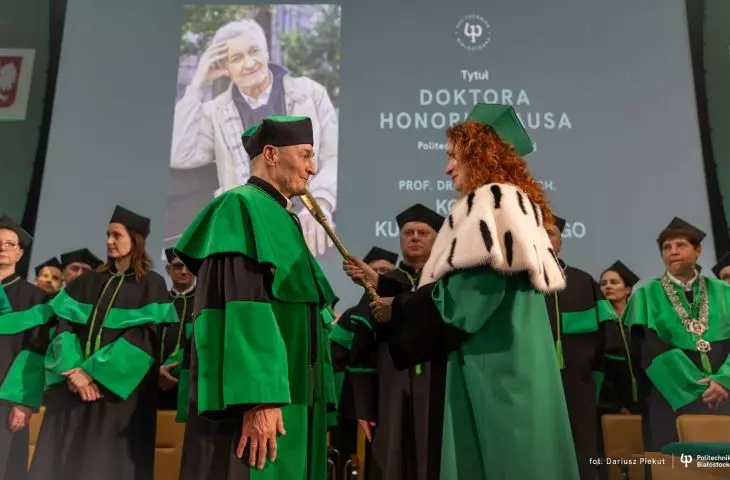
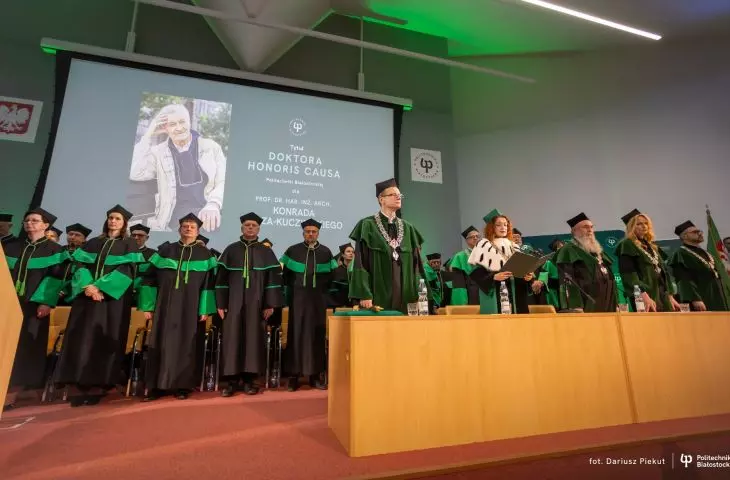
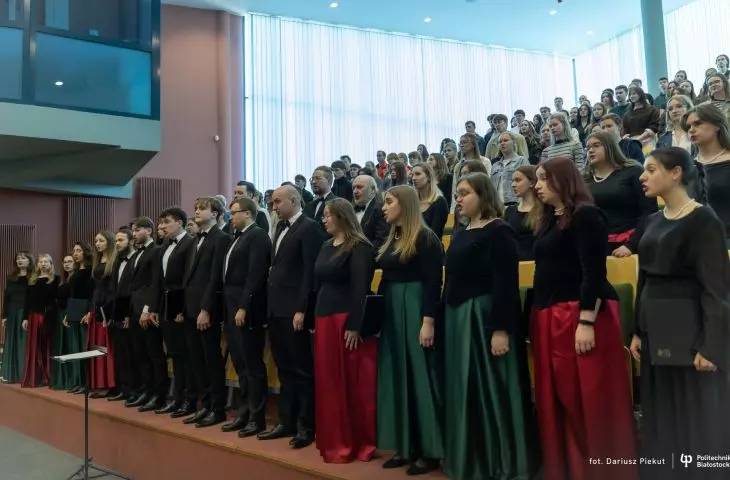
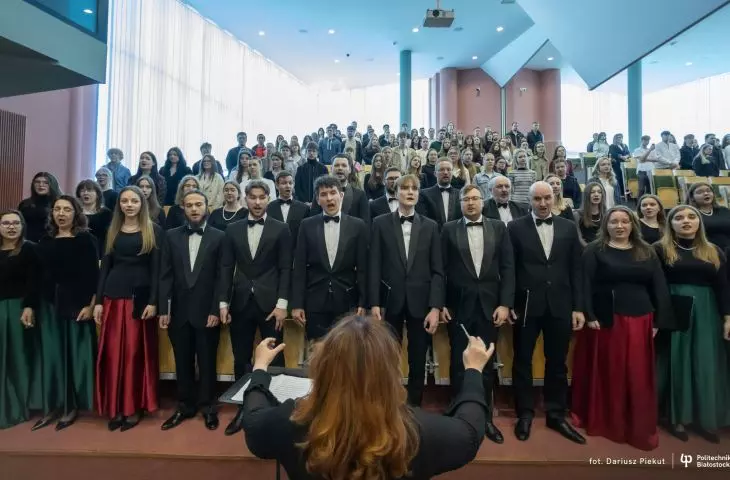


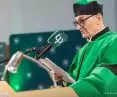
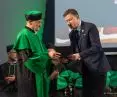
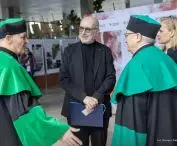
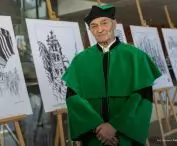


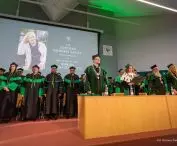
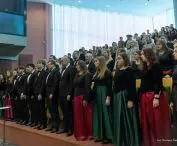



On April 23, 2026, during a ceremonial meeting of the Senate of the Bialystok University of Technology, the title of Doctor Honoris Causa was conferred on Prof. Konrad Kucz-Kuczynski. The event brought together representatives of the world of science, culture and public authorities, emphasizing the importance of the achievements of the scholar, who for decades has been co-creating Polish architecture. The university's rector, Prof. Marta Kosior-Kazberuk, stressed that the award recognizes work that combines architecture, ethics and responsibility for space. The professor thus joins the group of 13 most outstanding people honored by the Bialystok University of Technology.
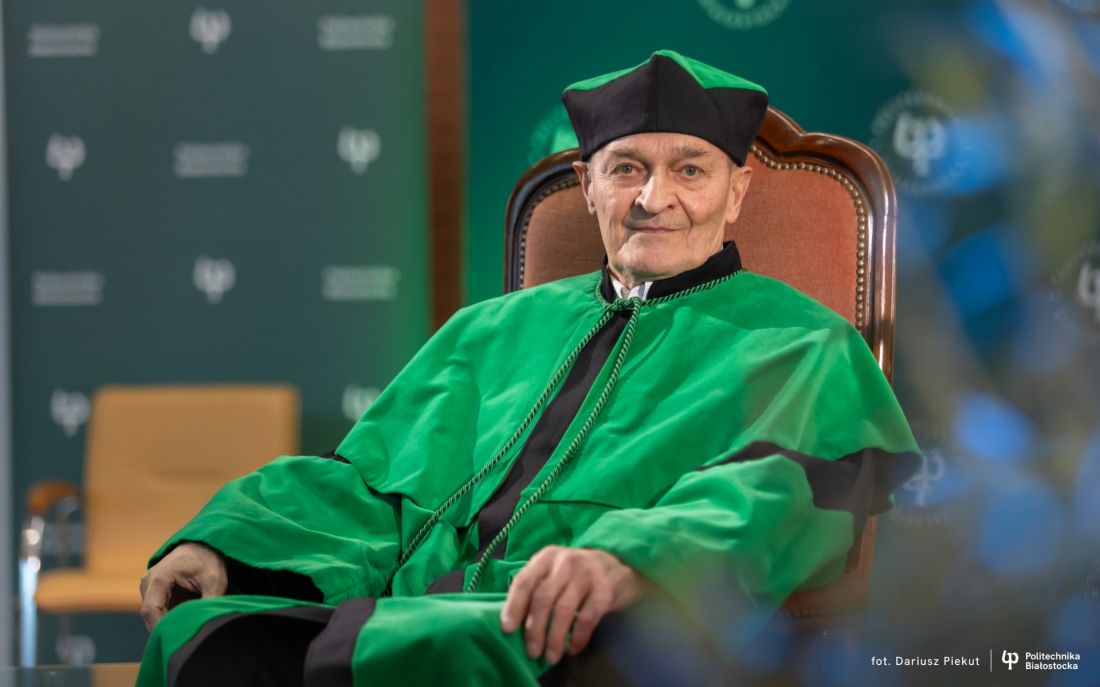
Photo by Dariusz Piekut
sacred architecture and humanistic sensitivity
Professor Konrad Kucza-Kuczynski is one of the most important figures in contemporary Polish architecture. His oeuvre includes more than 120 projects, including more than 20 sacred projects that have become a permanent part of the Polish landscape.
Among the best known are the Church of the Conversion of St. Paul the Apostle in Warsaw and the Church of the Divine Mercy in Lomza. His work combines engineering precision with deep humanistic reflection, which makes it unique against the background of contemporary architecture.
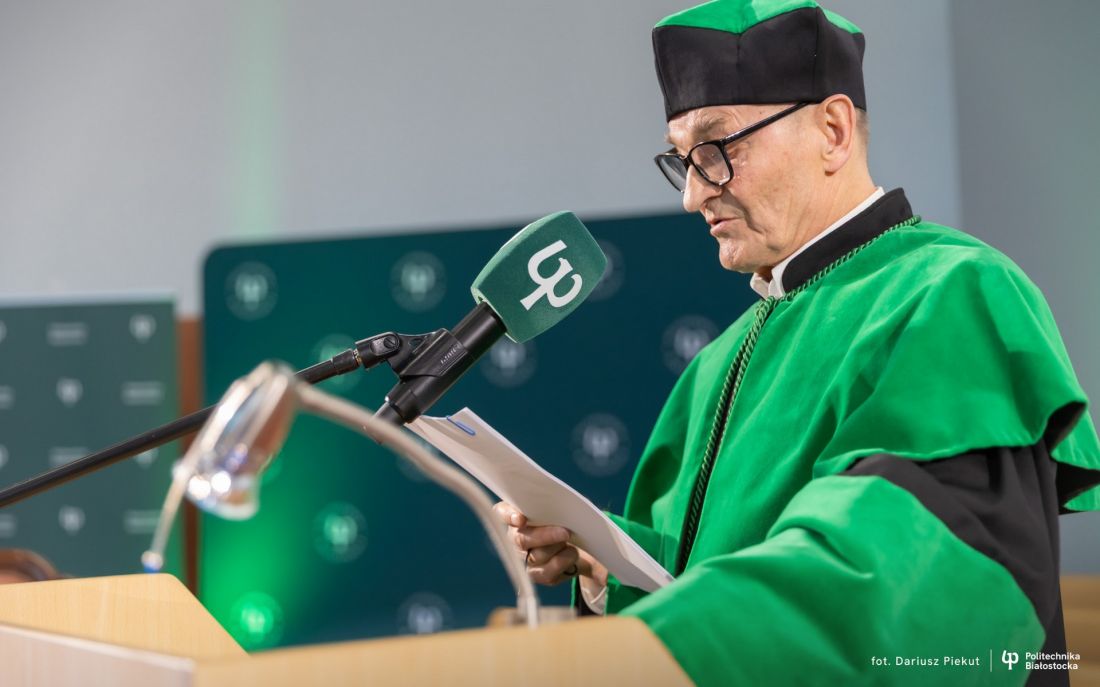
Photo by Dariusz Piekut
Teacher, researcher and "eternal pilgrimage" to the sources of architecture
The professor's academic path began at the Warsaw University of Technology in 1958. He recalls that he had the opportunity to learn from the pre-war elite of architects, who shaped his work ethos. For him, an architect was not just a technician, but a creator responsible for culture and people.
A key experience was his work on Jasna Góra under the direction of Michal Glinka, which began his long-standing fascination with the architecture of the sacred. The professor is the author of monographs such as "New Churches in Poland" and "The Fourth Dimension of City Architecture," and the founder of the "Spiritual Places" group at the UIA.
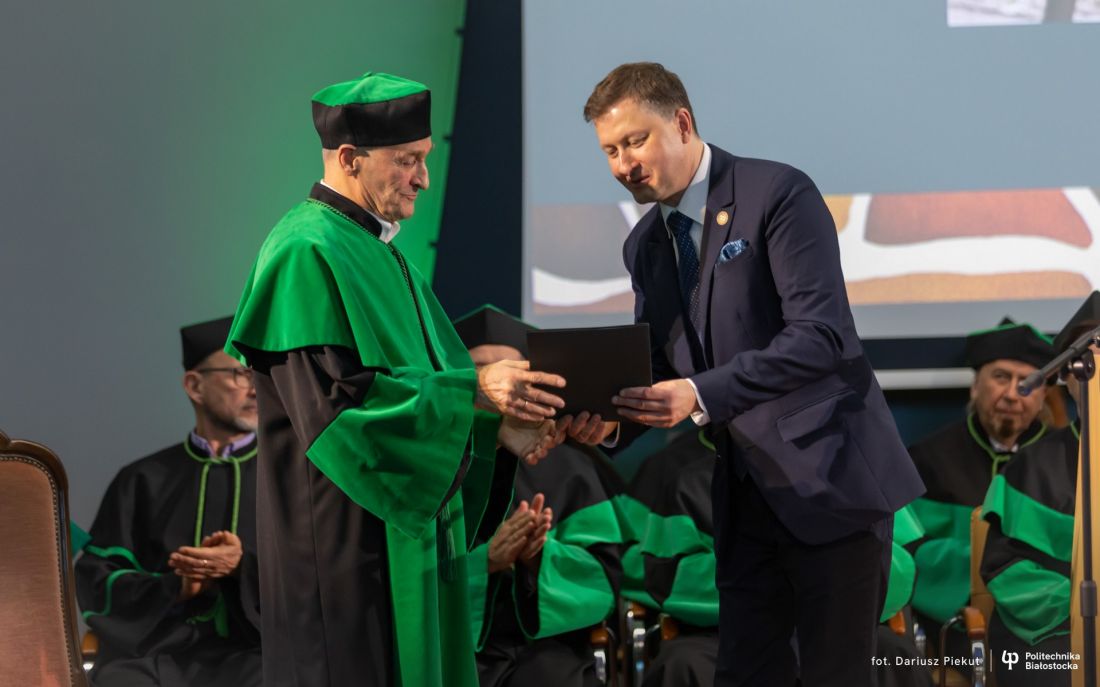
Photo by Dariusz Piekut
Bialystok University of Technology - a place of dialogue and ethics
The professor's relationship with Bialystok Technical University began in 1981 and continues to this day. It was here that he created the pioneering lectures on the ethics of the architectural profession, which he later transferred to other universities.
As emphasized during the ceremony, his influence on the development of the Faculty of Architecture is enormous - from his scientific activities, to his participation in conferences, to the formation of young staff. Among other things, he promoted five PhDs who today hold important academic positions.
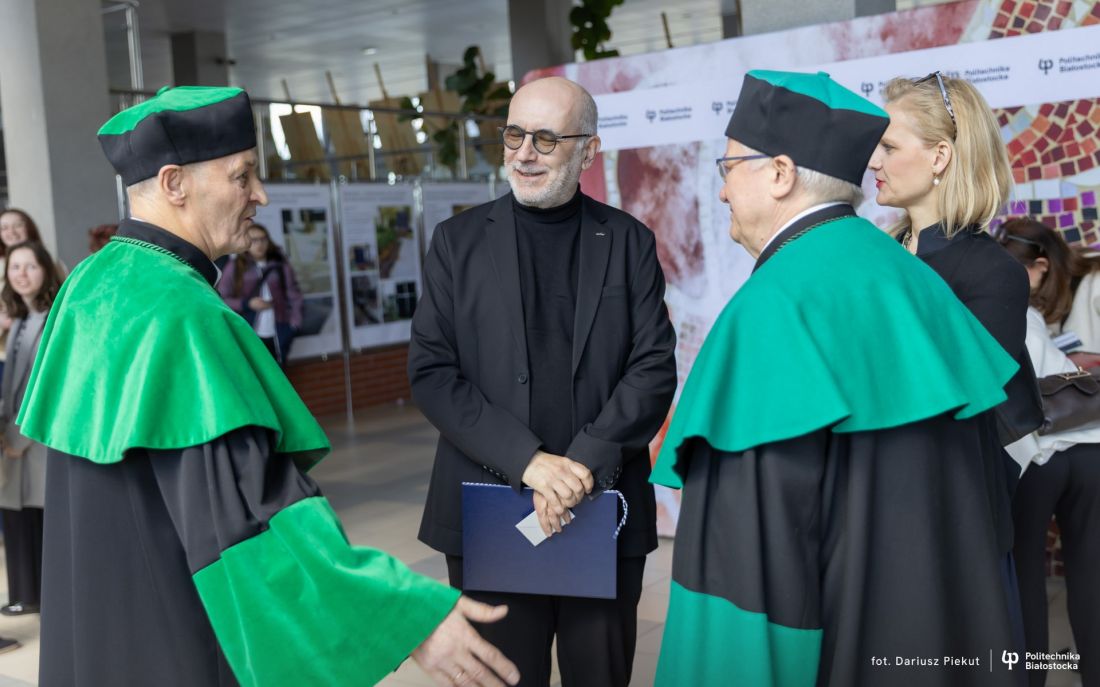
Photo by Dariusz Piekut
This cooperation also has a personal dimension - for the professor, Bialystok has become a place of academic community and intellectual dialogue.
bojary, identity and conflict of values
An important strand of his activity remains his concern for cultural heritage, especially the Bialystok Bojary. The professor described them as "an emotionally beautiful rural space in the middle of the city," emphasizing their unique character.
At the same time, he draws attention to contemporary threats to urban planning. As he says, today there is a "battle between money and beauty," in which aesthetic and cultural values often lose out to economics.
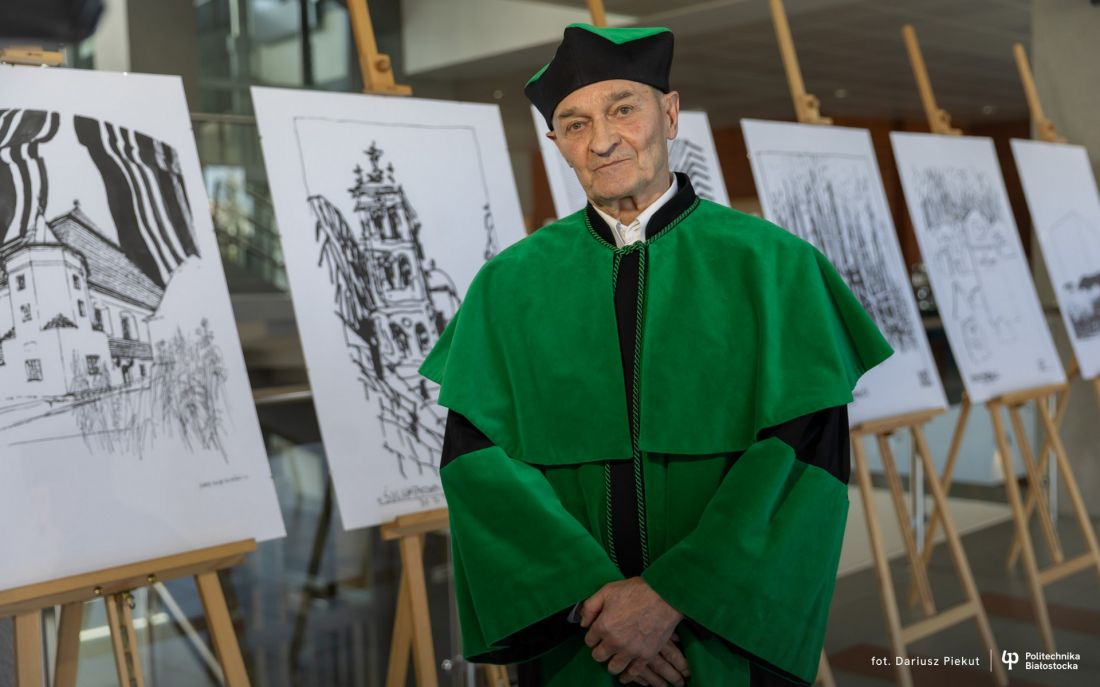
Photo by Dariusz Piekut
laudations and voices of the scientific community
The promoter of the doctoral thesis was Prof. Dr. hab. arch. Jerzy Uścinowicz, who emphasized that the professor combines theory and practice in a unique way. The reviewers pointed to his role as a "promoter of the morality of architecture" and an authority on the dialogue of cultures.
The dean of the faculty, Prof. Tatiana Misijuk, noted that cooperation with the professor is of great value to the entire academic community.
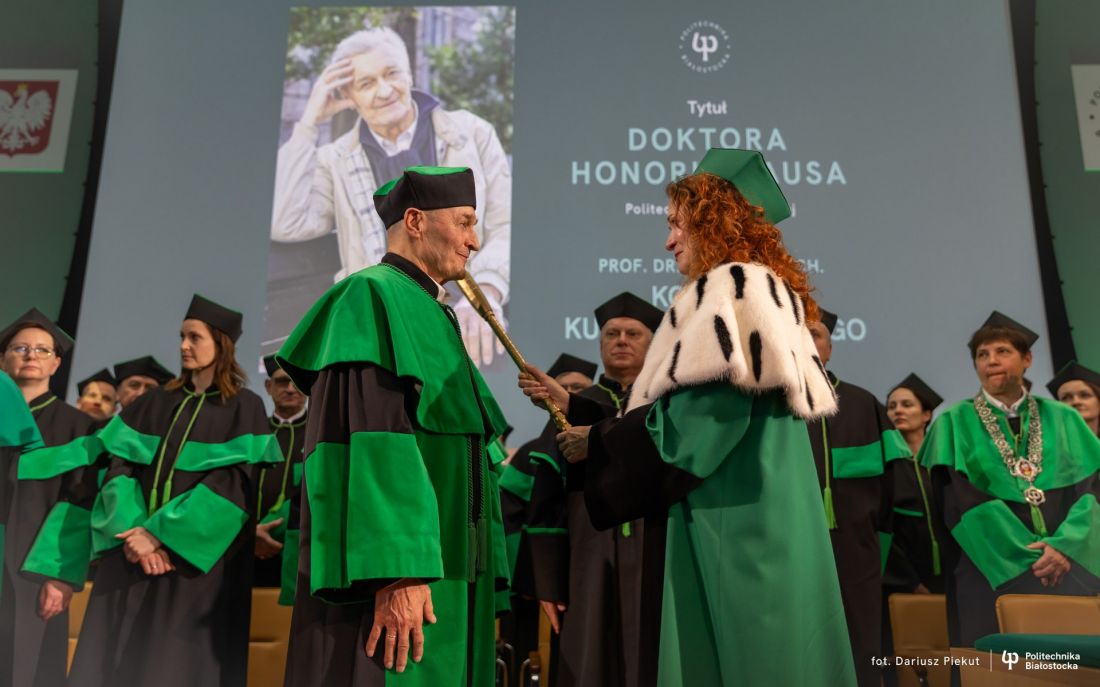
Photo by Dariusz Piekut
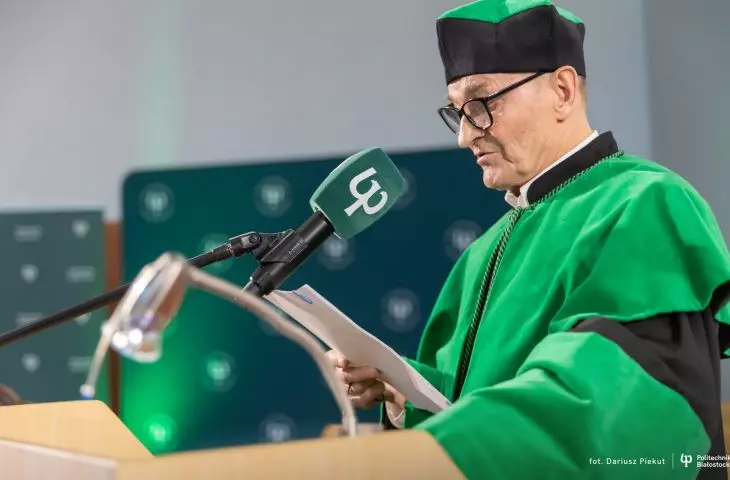
The culmination of the ceremony was the professor's lecture entitled "Sensitive Architecture," in which he emphasized the importance of the relationship between man and space and spiritual values in design. For the professor, the title of Doctor Honoris Causa is not only an honor, but also a symbolic summary of his scientific and professional path.
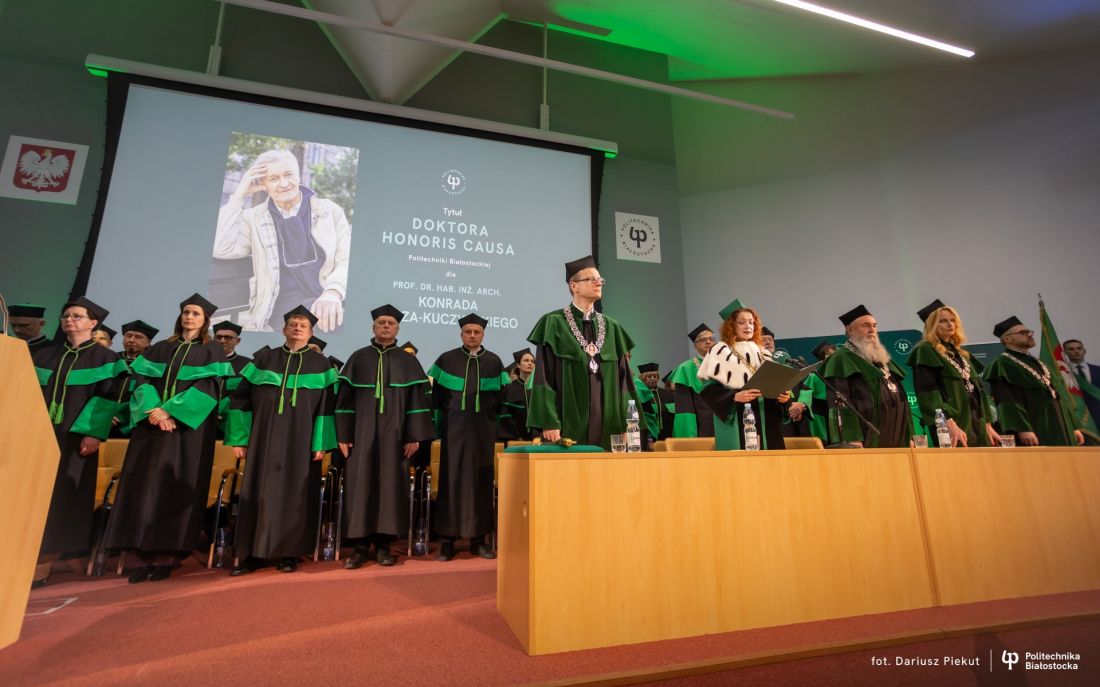
Photo by Dariusz Piekut
As he stressed, architecture remains for him a form of responsibility for the world and people, and not just a profession.