






Behind the concept "YELLOWKNIFE, YEAR - ROUND MOBILITY AND CYCLING INFRASTRUCTURE" is a team of young architectural engineers fromthe Institute of Architecture and Urban Planning at the Technical University of Lodz: Mateusz Bajer, Kamila Berbeć, Adam Dębny and Tomasz Pietrzak, working under the direction of Dr. Eng. arch. Adriana Cieślak-Arkuszewska. The essence of this study is not only its momentum, but above all its international character and deep embedding in the local context, achieved through cooperation with Canadian experts - architect Becca Denley and urban planner Agnieszka Makuch. It was this synergy of academic knowledge and field experience that made it possible to create a project that goes beyond theory and becomes a real answer to the challenges of the far North.
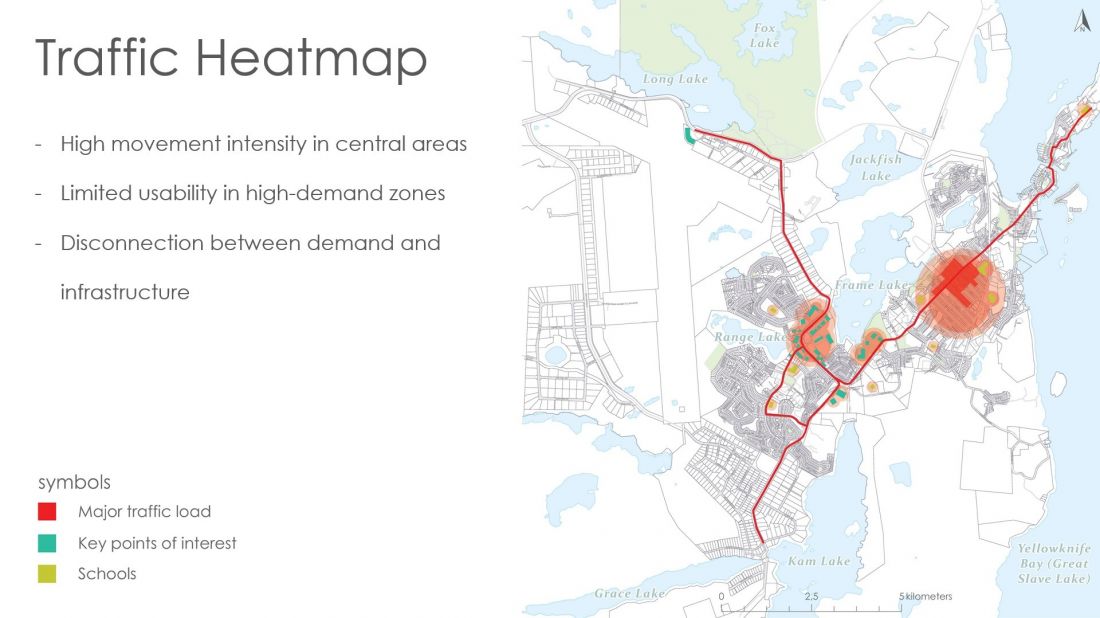
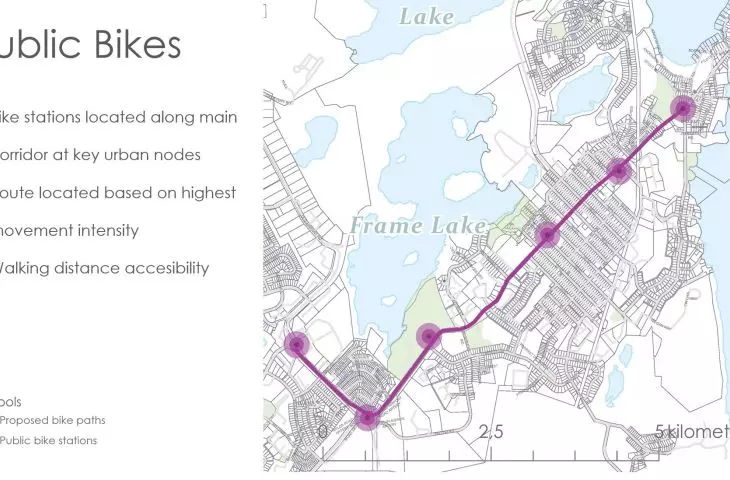
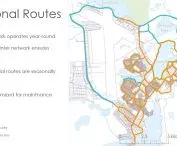
map
© Adriana Cieślak-Arkuszewska, Mateusz Bajer, Kamila Berbeć, Adam Dębny, Tomasz Pietrzak
a city that tests the boundaries of design
Yellowknife is a space where climate is not the background, but the main actor. Extreme winters, snow and wind have determined the city's development for decades, leading to the dominance of automobile transportation. Under such conditions, active mobility was seen as marginal and even unrealistic. However, the project addresses this challenge with the bold thesis that the bicycle can become a year-round and safe means of transportation even in subarctic climates.
This premise forces a complete departure from traditional infrastructure thinking. Instead of designing individual paths, there is a vision of the city as a cohesive organism, where mobility is an integral part of the urban structure.
visualization
© Adriana Cieślak-Arkuszewska, Mateusz Bajer, Kamila Berbeć, Adam Dębny, Tomasz Pietrzak
from fragments to system
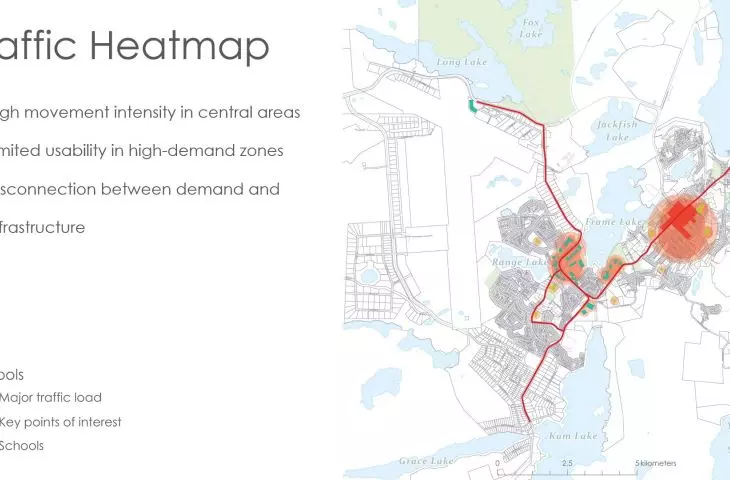
One of Yellowknife's key problems is the fragmented nature of the existing bicycle infrastructure. The lack of continuity of routes and the need to join car traffic create both real dangers and strong psychological barriers that effectively discourage residents from cycling.
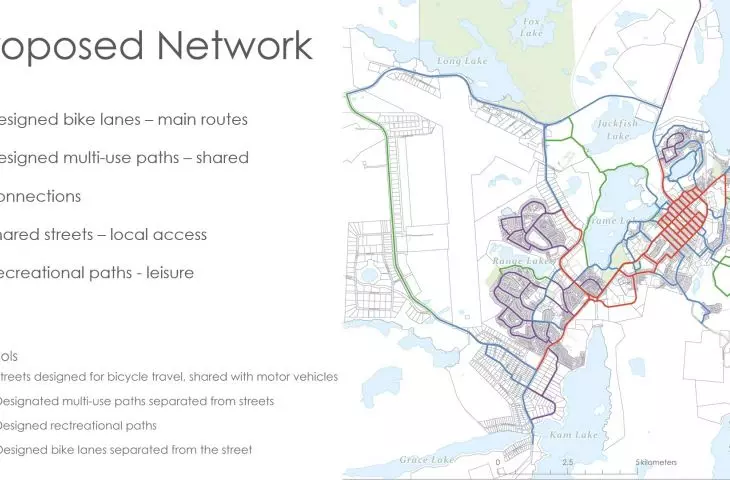
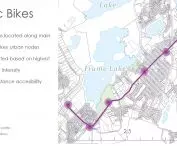
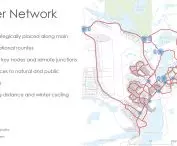
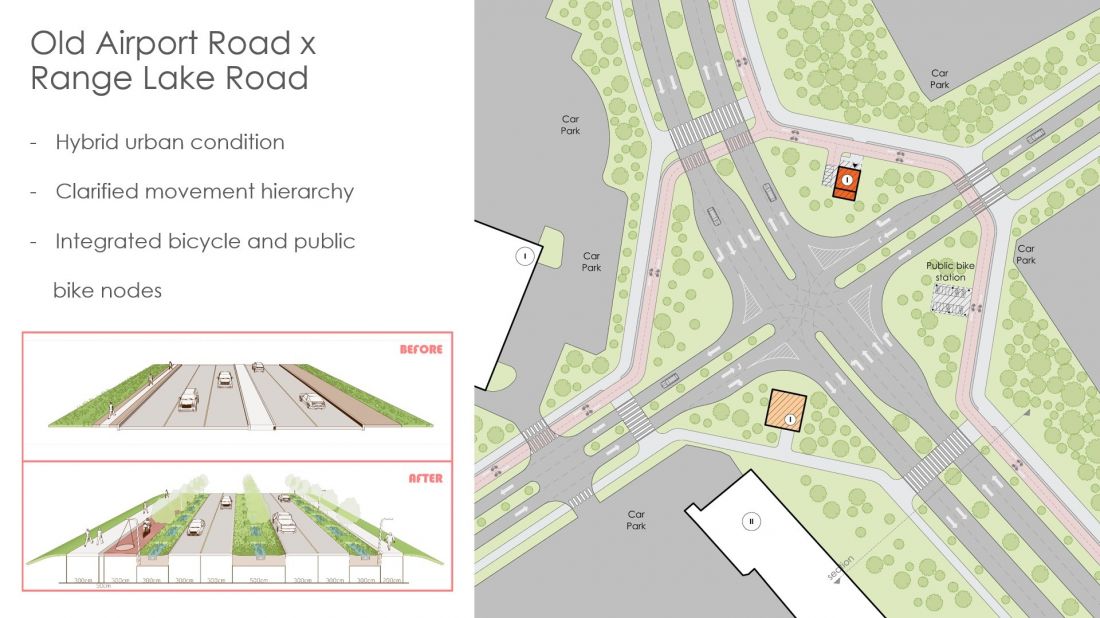
The project addresses this problem by creating an integrated, multi-layered mobility system that connects the city's most important areas - from residential zones to places of work and recreation. This network acts as a bloodstream, providing traffic flow and a viable alternative to automobile transportation. What becomes crucial here is not only the connection of spaces, but also their legibility and predictability.
visualization
© Adriana Cieślak-Arkuszewska, Mateusz Bajer, Kamila Berbeć, Adam Dębny, Tomasz Pietrzak
The street as an environmental system
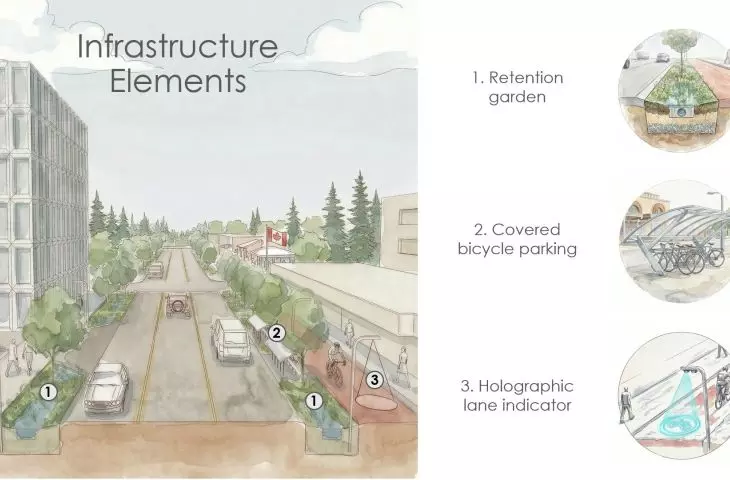
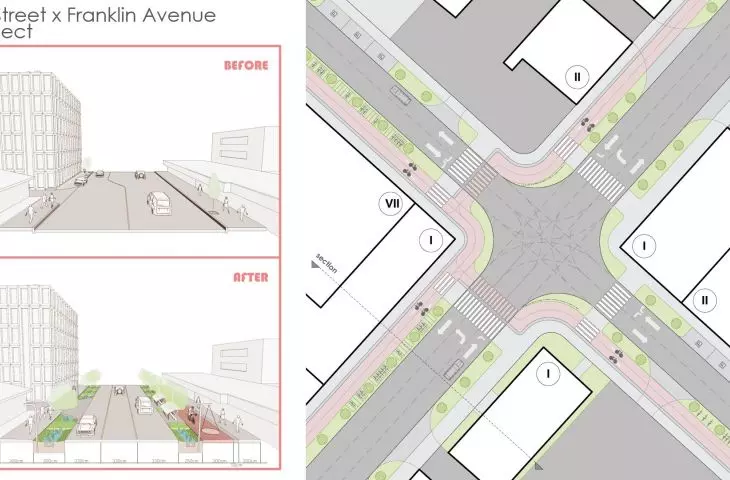
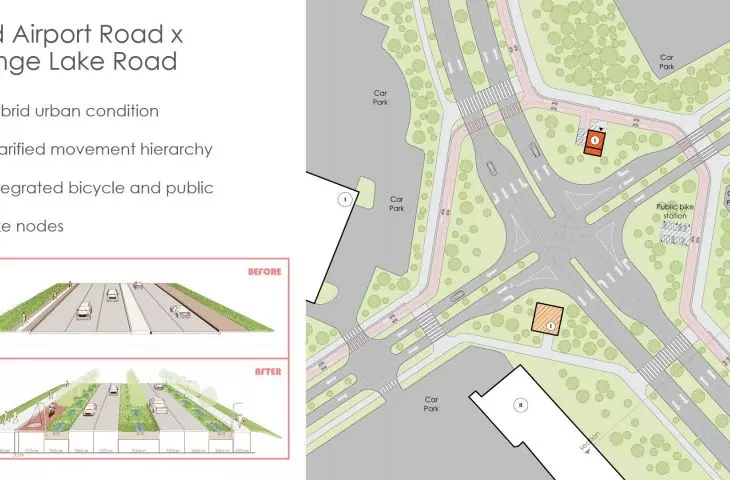
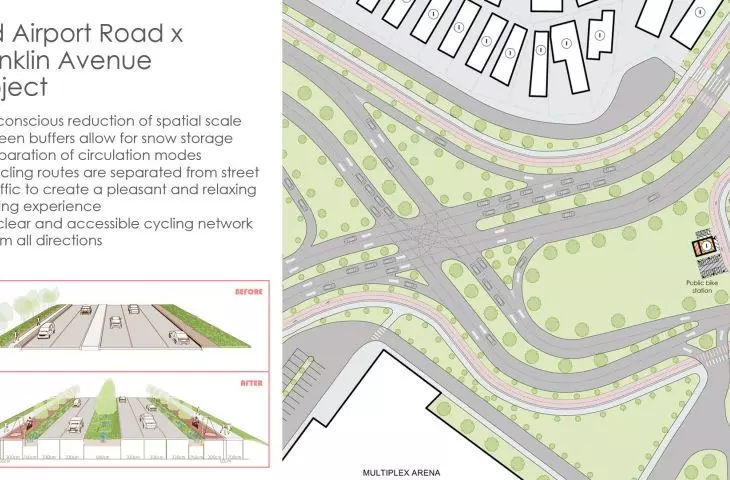
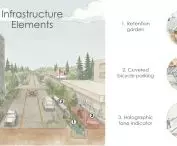
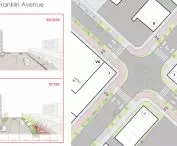
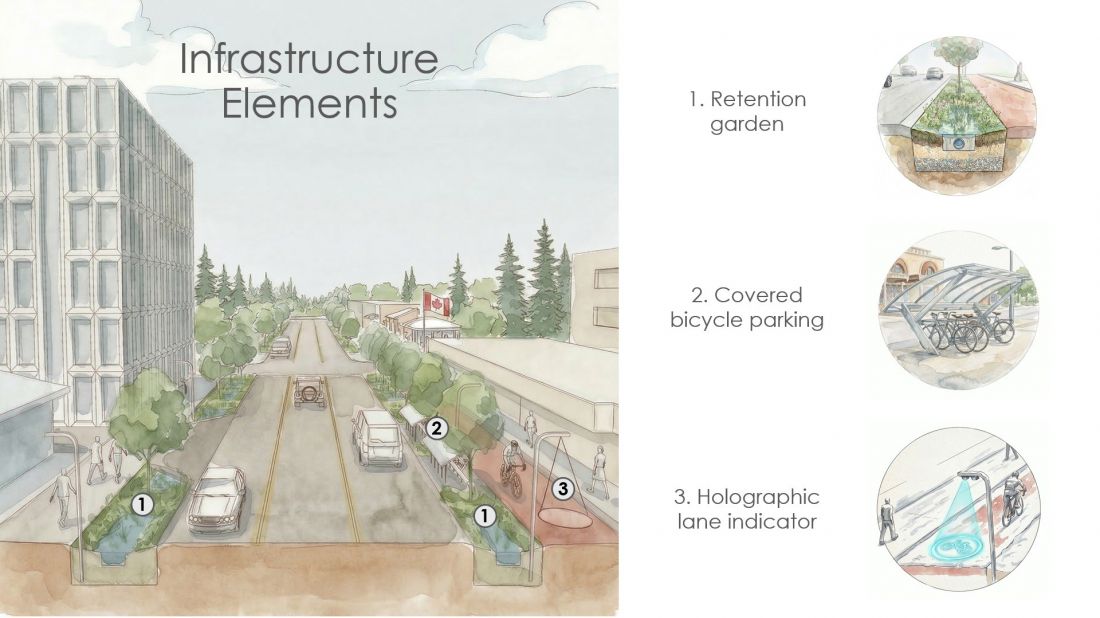
In subarctic conditions, street design cannot be limited to the transportation function. It becomes an element of environmental management, where water, snow and temperature processes are as important as traffic. The design uses blue-green infrastructure solutions to allow controlled drainage of snowmelt water and reduce the risk of icing.
Raised street profiles, retention systems and appropriate pavement gradients create a system that not only enhances safety, but also fits into the natural hydrological cycle. As a result, road infrastructure becomes a tool for climatic adaptation, not just a traffic carrier.
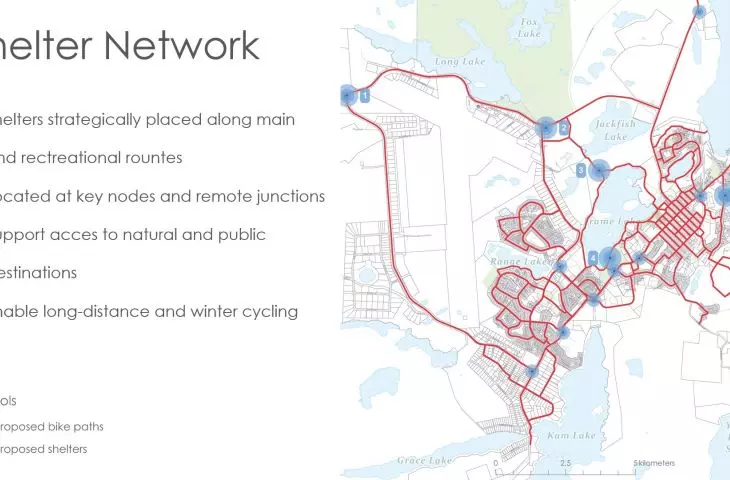
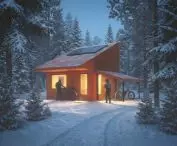
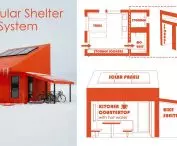
modular shelter network
© Adriana Cieślak-Arkuszewska, Mateusz Bajer, Kamila Berbeć, Adam Dębny, Tomasz Pietrzak
year-roundness as a strategy, not a statement
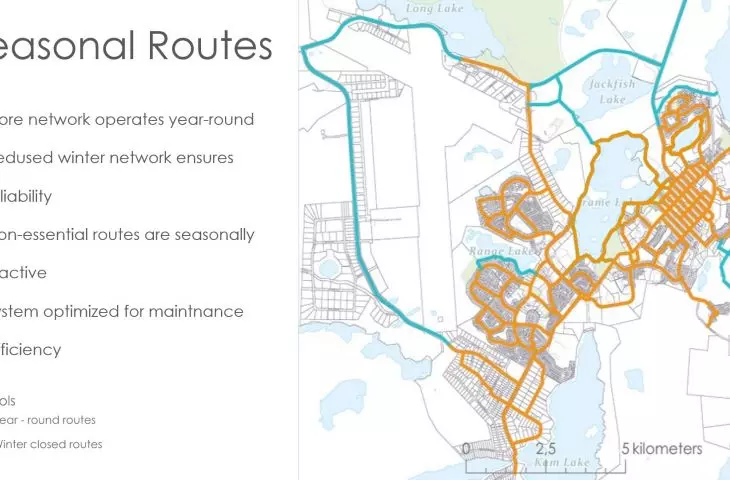
One of the most pragmatic elements of the project is the introduction of a division between year-round and seasonal routes. This approach allows us to focus resources on maintaining key connections in the winter, while developing a full network in the warmer months. In this way, bicycle mobility ceases to be a seasonal add-on and becomes a stable component of the transportation system.
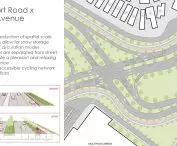
The variety of street cross-sections - from dedicated bicycle lanes to pedestrian/bicycle routes and recreational trails - meets the needs of different user groups. It is this flexibility and adaptation to the context that helps to overcome the fear of moving around in difficult conditions.
architecture that protects and integrates
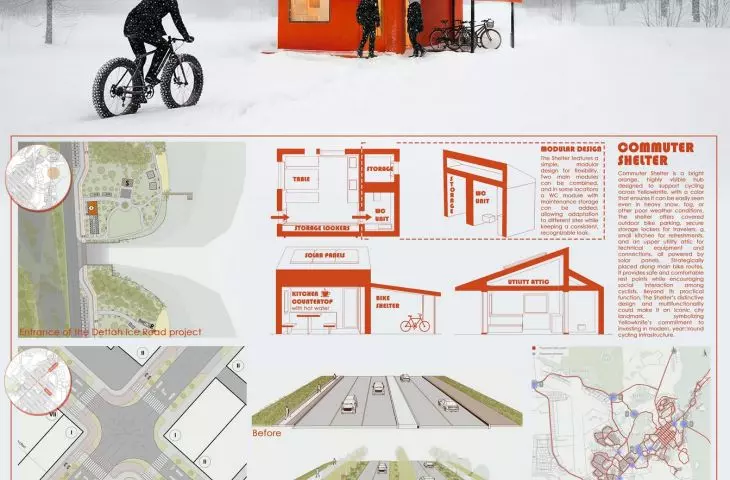
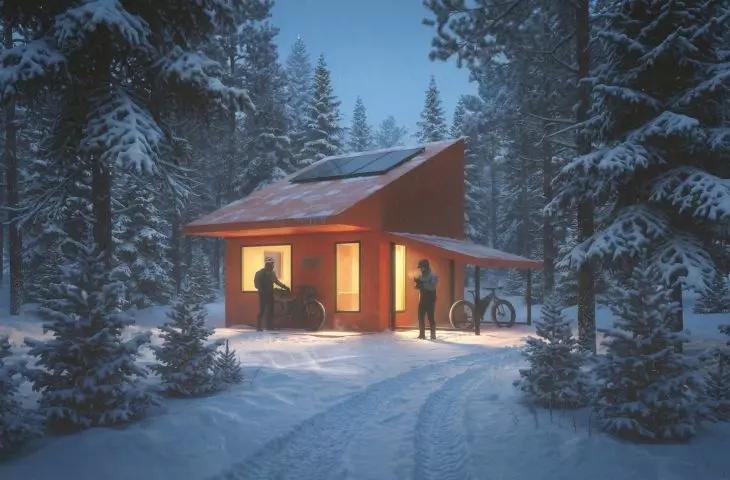
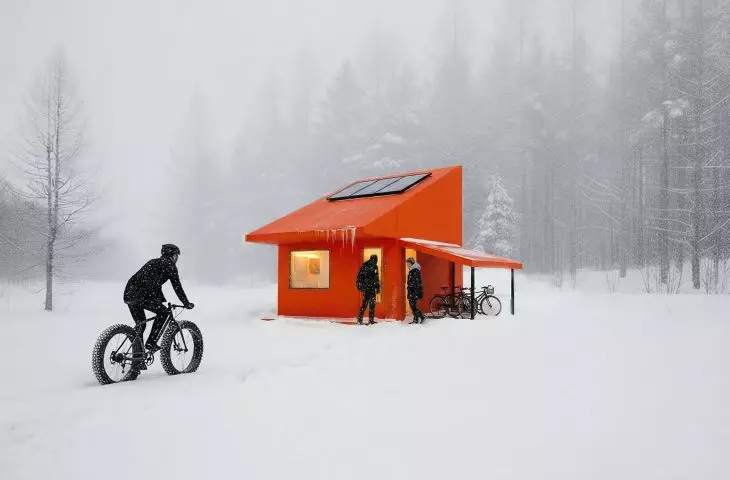
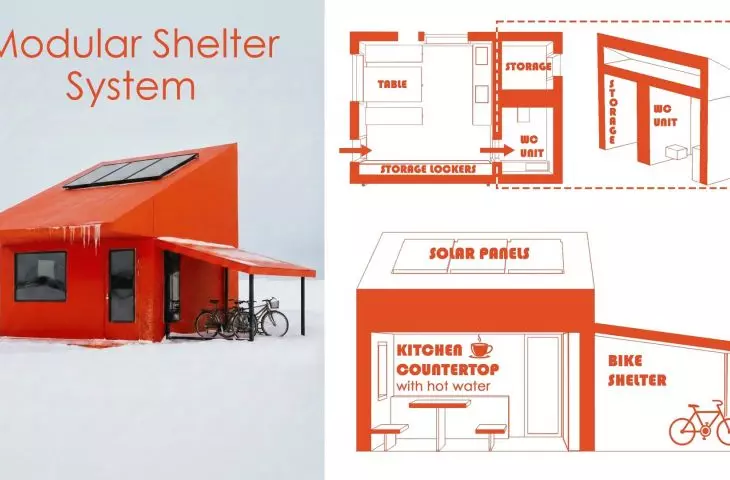
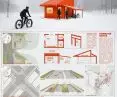
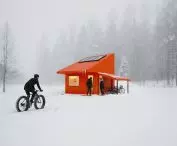
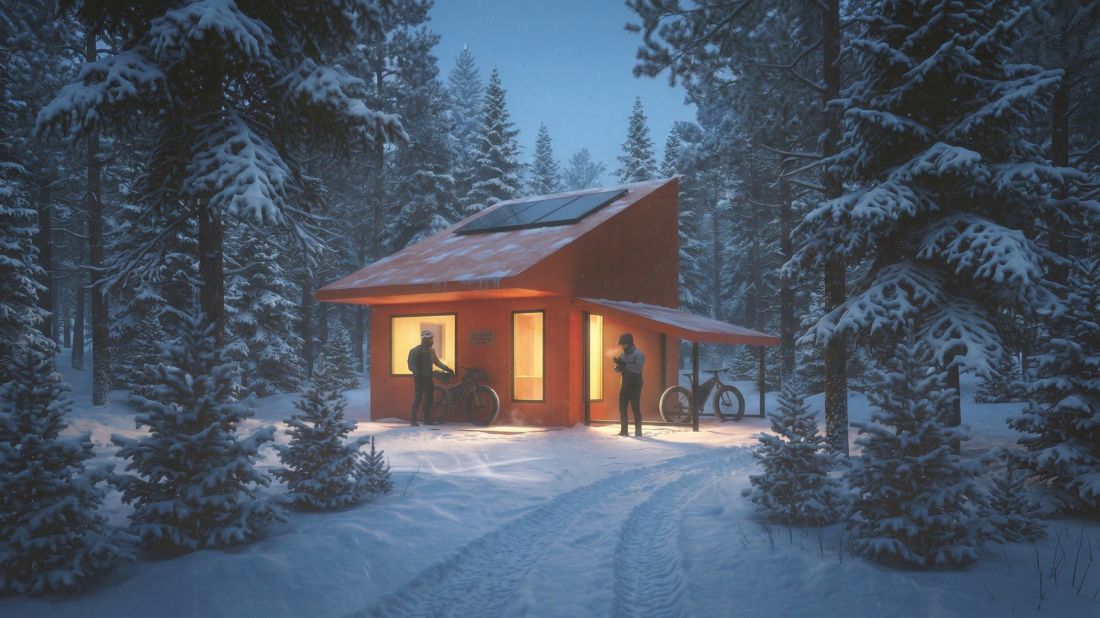
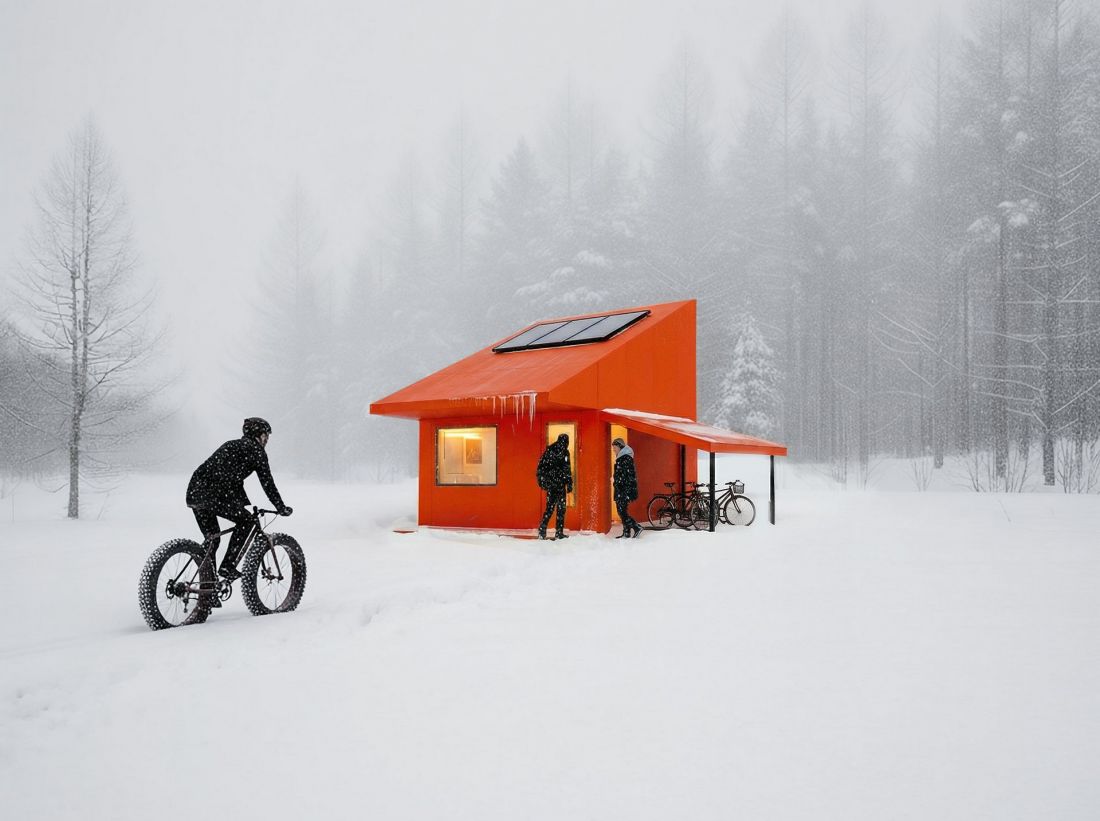
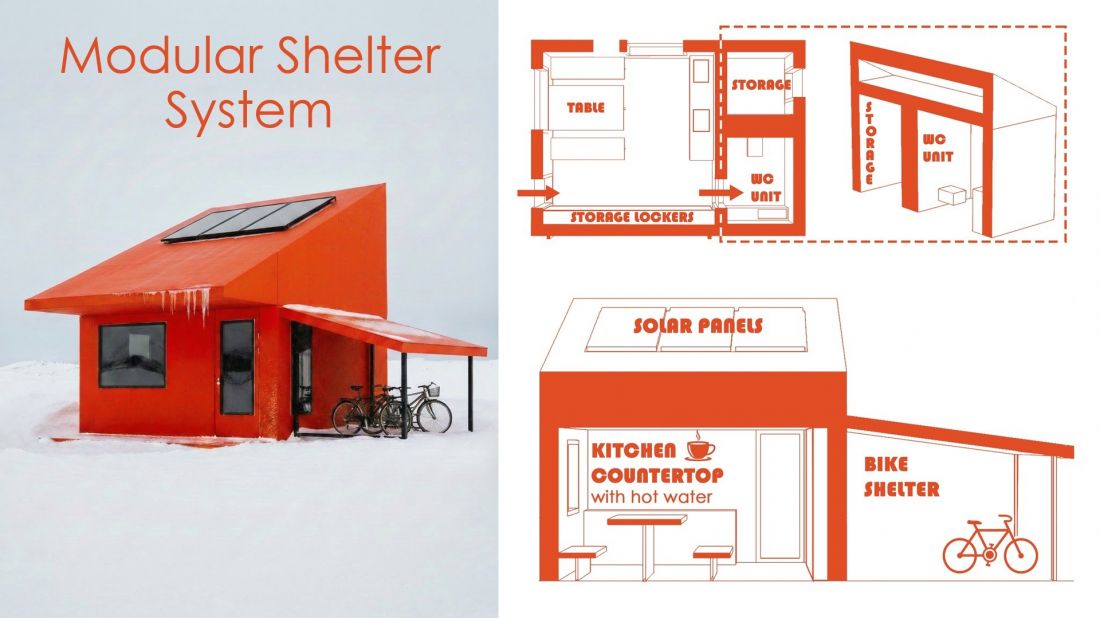
A special element of the project are the "Commuter Shelters," which redefine the concept of transportation infrastructure. They are not just bus stops, but multifunctional support spaces for users, offering shelter from the cold, opportunities for rest and basic functional facilities.
Their distinctive form and colors improve visibility in harsh weather conditions, and their modular design allows flexible adaptation to different locations. As a result, they become not only an element of infrastructure, but also new landmarks and meeting places, enhancing the social functioning of the city.
infrastructure elements
© Adriana Cieślak-Arkuszewska, Mateusz Bajer, Kamila Berbeć, Adam Dębny, Tomasz Pietrzak
mobility as a developmental impulse
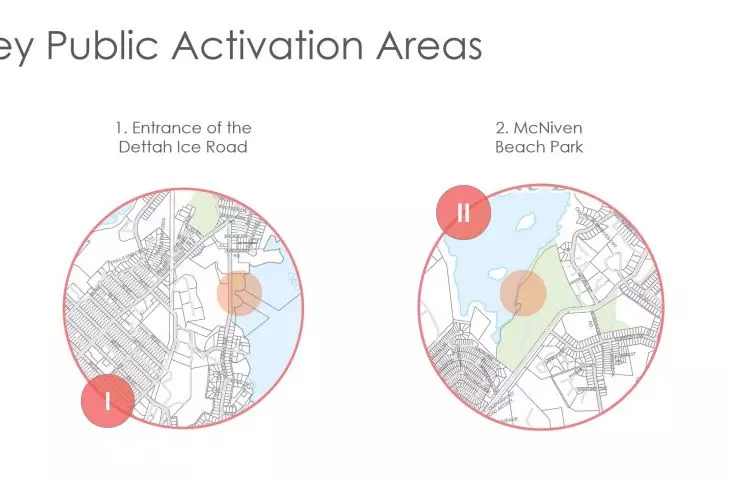
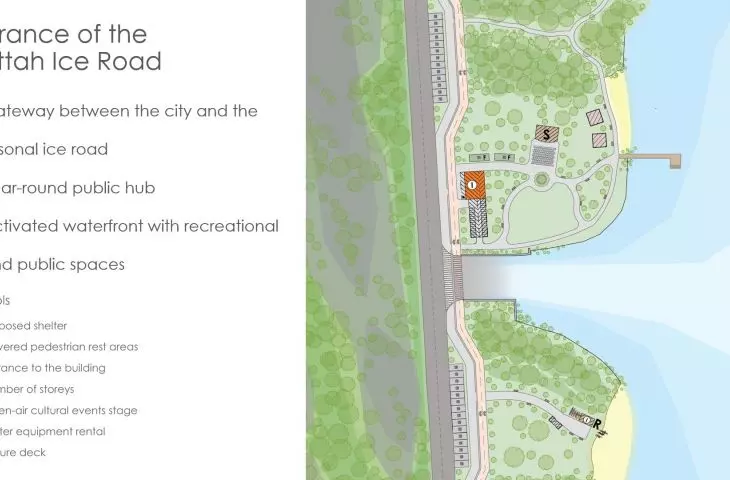
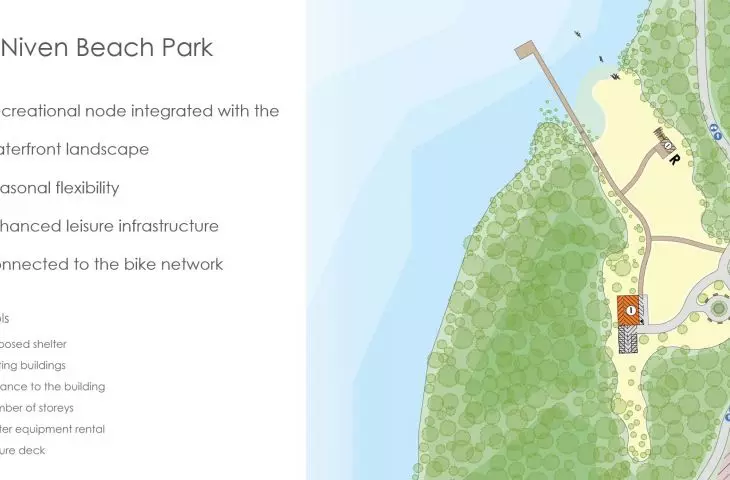
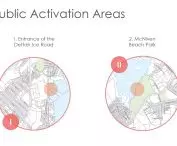
The project goes beyond transportation, showing that infrastructure can be a tool for social and economic activation. Spaces such as the area around McNiven Beach Park or trails through frozen lakes gain a new function, changing with the seasons. In winter they become transportation corridors, in summer - spaces for recreation and tourism.
This approach creates a flexible, year-round use system for the city that increases its attractiveness and supports the development of the local economy. At the same time, it promotes active lifestyles and strengthens residents' relationship with the surrounding landscape.
new paradigm of northern urbanism
The project by a team from the Technical University of Lodz is an important voice in the discussion about the future of cities in the face of climate change. It proves that even the most challenging conditions can become an impetus for innovation rather than a barrier to development.
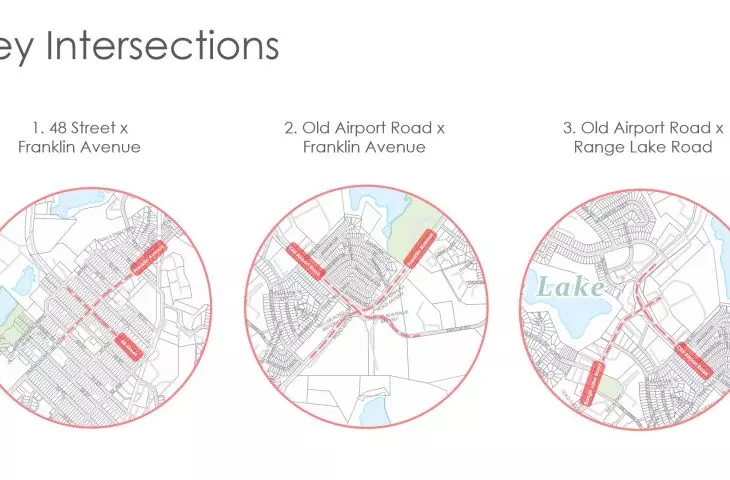
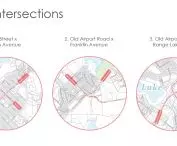
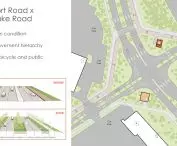
Old Aiport Road x Range Lake Road
© Adriana Cieślak-Arkuszewska, Mateusz Bajer, Kamila Berbeć, Adam Dębny, Tomasz Pietrzak
The most important conclusion of the concept is that sustainable mobility is not an addition to the city, but its foundation, especially where the environment makes the highest demands. In this view, Yellowknife becomes a laboratory for new solutions that can inspire designers around the world.