






The office market today is undergoing a marked transformation that is changing both tenant expectations and the strategy of building owners. Companies are increasingly reducing square footage, but at the same time they are looking for offices that offer quality space, a good location and a collaborative environment. In response, owners and managers are developing buildings to offer much more than just a place to work. The best office buildings are no longer emptying after 5pm, but are increasingly becoming multifunctional work and meeting environments. Proptech is also playing an increasingly important role in realizing this change.
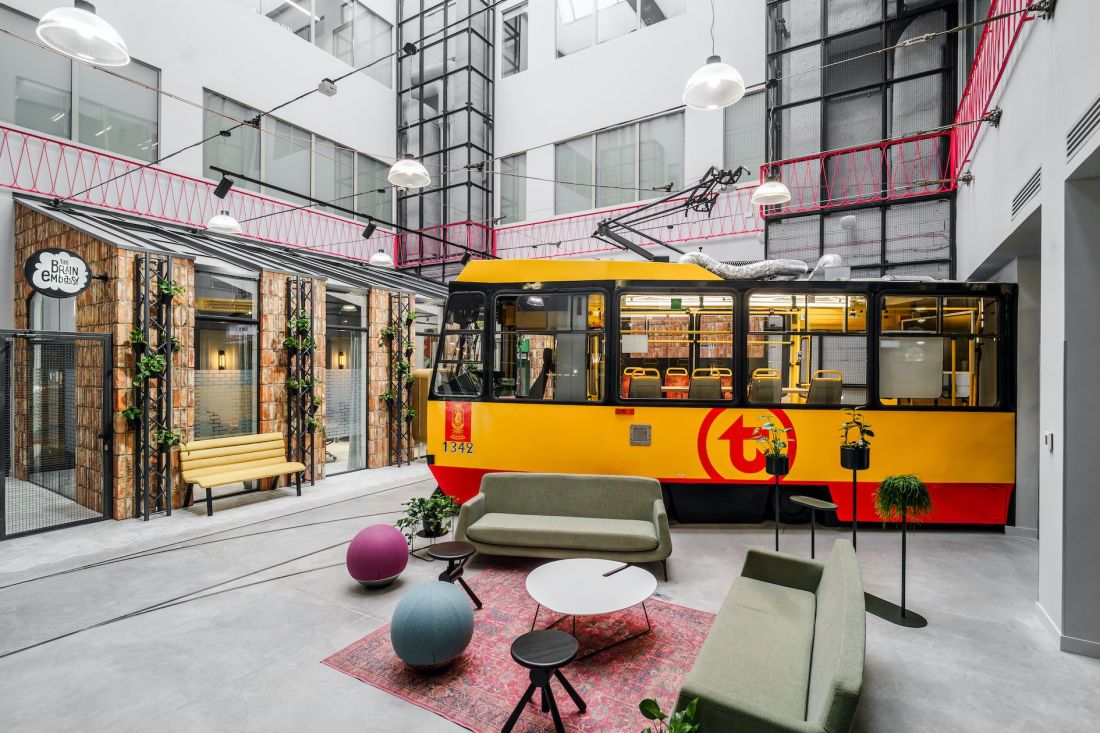
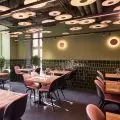
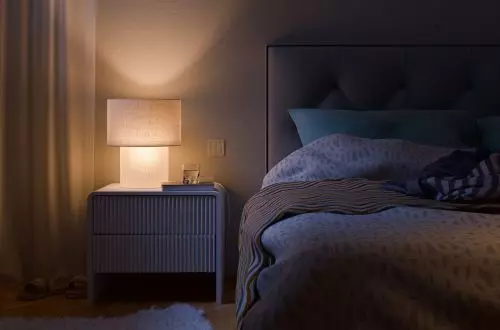
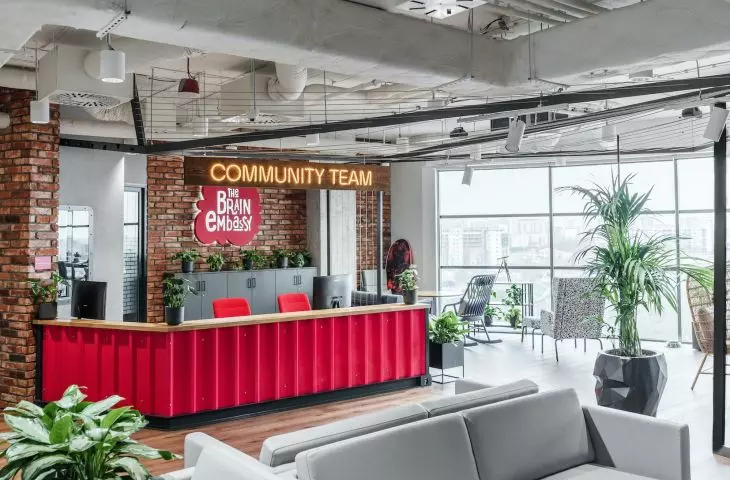
BE Mlynarska living room
© BLUE BOLT
The commercial real estate market is undergoing a profound transformation. With the proliferation of hybrid work, not only the use of offices during the day is changing, but also their role outside standard working hours. Savills data shows that the average employee presence in European offices today is around 60%, while before the pandemic it was around 70%[1]. This means that a significant amount of office space remains unused for part of the week, as the data shows this is especially the case on Mondays and Fridays. In response, building owners are beginning to look for new ways to activate space.
The biggest challenge for the commercial market today is changing the pattern of office use. We are seeing a rapid increase in the activity of these spaces outside of standard business hours. Yoga classes, workshops, community meetings or corporate events are taking place in offices. The scale of such activities is growing month by month," says Maciej Grabowski, founder of Blue Bolt .
Office building as a life ecosystem
The change applies not only to the time of use of buildings, but also to their functions. Increasingly, the office is being designed as a multifunctional space combining work, recreation and social activities.
The 9-17 model is becoming a thing of the past. The modern office building is a complex ecosystem, where work is seamlessly combined with regeneration in the yoga studio or gym available in the building." - says Daria Stefaniak, Sales Strategy Manager at Brain Embassy. As she points out, coworking plays a key role in this model, as it enables events, meetings and activities beyond traditional office work. "The office is becoming an extension of the lifestyle - a place where you can not only work, but also attend workshops, take care of your well-being or develop business relationships," he stresses.
A similar trend is evident in major metropolises in Europe and the US, where office buildings are increasingly functioning as multifunctional activity centers.
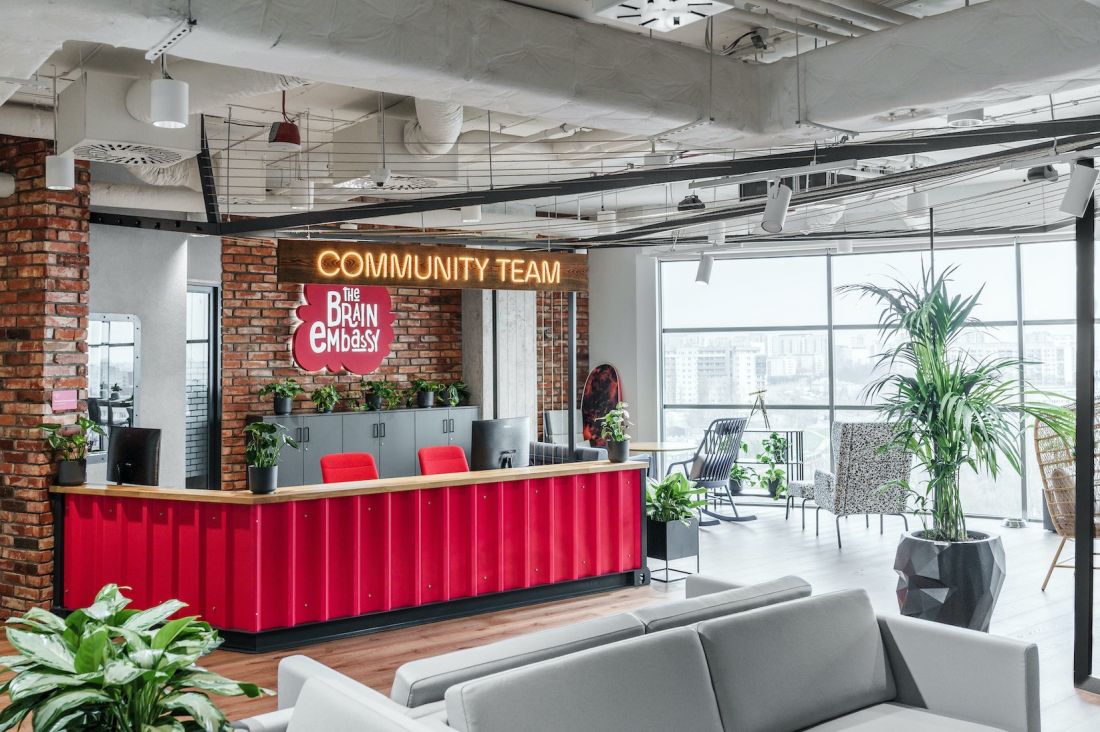
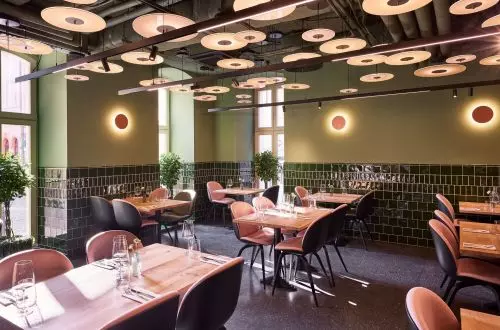
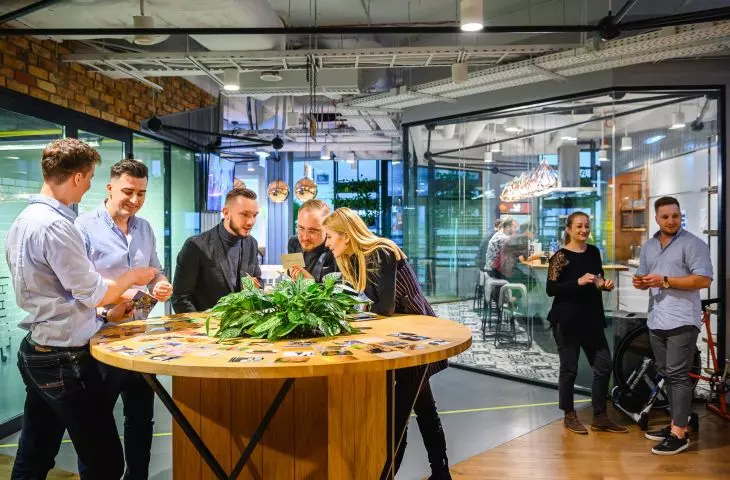
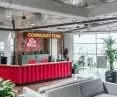
BE Rzymowski community desk
© BLUE BOLT
Buildings are opening up to local communities
The change in the function of office buildings is also associated with their greater openness to their surroundings. Increasingly, the infrastructure of buildings is being used not only by tenants, but also by residents of the surrounding neighborhoods, helped by new technologies and applications, which at the beginning of their operation served only to control access to the building and today are being enriched with other functions.
The boundaries between residential and office functions are blurring. Residents and employees can, through the same app, sign up for an event, use coworking or book participation in activities taking place in the building, adds Maciej Grabowski.
This approach strengthens the integration of buildings with the local community and increases the use of space.
We see a clear change in the expectations of tenants, who treat the office building not just as a place to work, but as a space that supports their daily needs. Increasingly, users are returning to the building after hours to use services or sports facilities," says Martyna Czarnota, Senior Asset Manager at Adgar Poland.
Community as an element of business strategy
Building a community of building users by opening up to the needs of employees, tenants or local residents also plays an important role in the new model. Providing bicycle infrastructure with places to leave unicycles, locker rooms or showers is nowadays often a standard in new investments, as is enriching functionality with services such as kindergartens or catering, but also meetings organized outside traditional working hours.
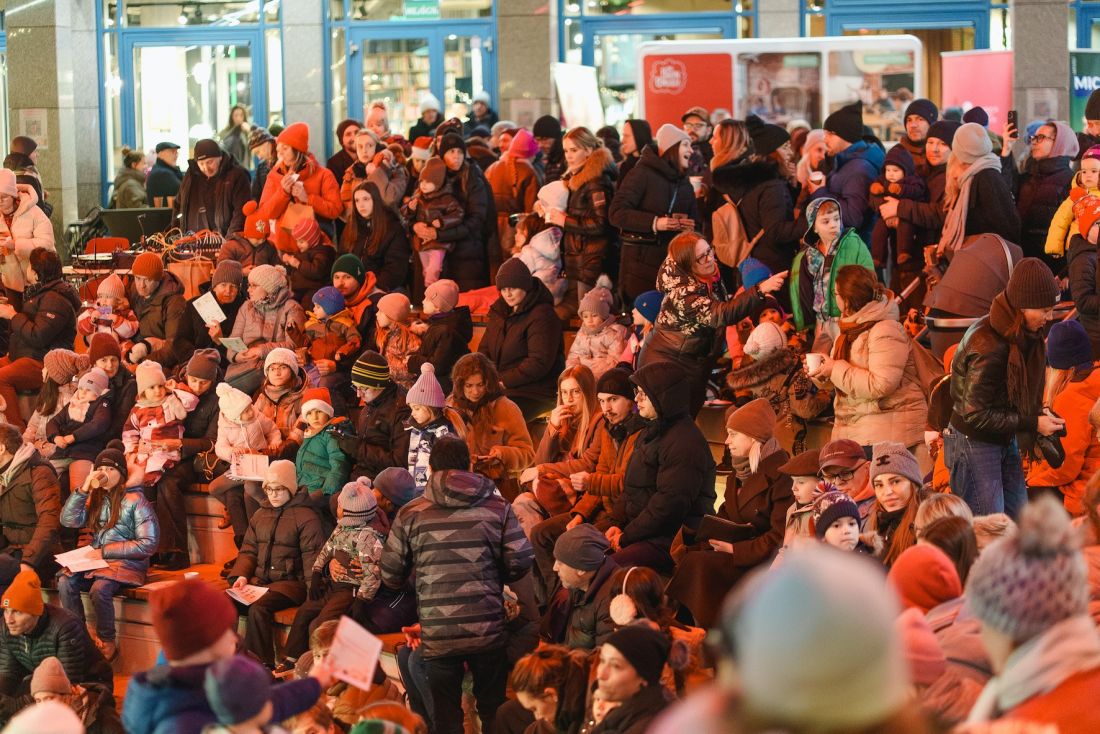
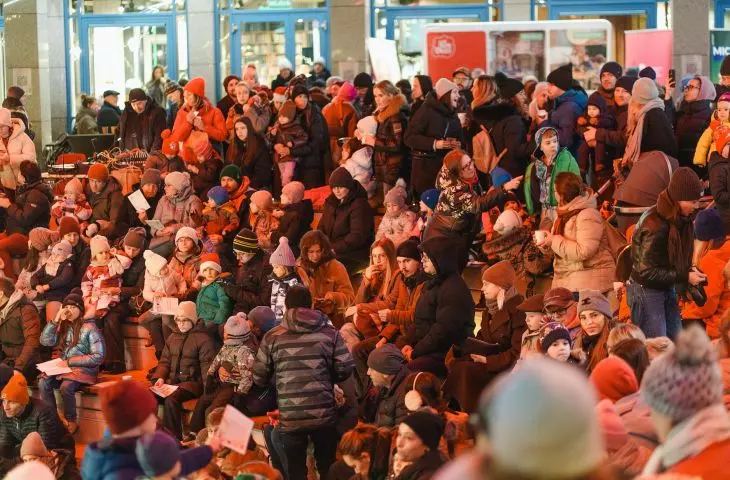
Brain Embassy amphitheater
© BLUE BOLT
Building an engaged community is a key part of our business strategy. It is after standard working hours that the heart of the office beats - during workshops, cooking together or networking sessions," says Daria Stefaniak of Brain Embassy.
Office buildings are also increasingly organizing events open to residents. Here, an example is the initiatives implemented in Adgar complexes, from sports and family events to workshops that develop employees' hobbies.
We integrate office space with services, from cafes and restaurants to fitness clubs or kindergartens, building a complete ecosystem. This makes the buildings alive throughout the day and strengthens the relationship between users," adds Martyna Czarnota of Adgar Poland.
Technology enables a new operating model
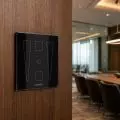
However, the growing number of users and activities makes building management much more complex. The solution is modern applications that allow, among other things: mobile access to the building, reservation of rooms and desks, or parking management, but also inviting guests and generating access codes.
Tenants, event guests, residents of surrounding neighborhoods and external partners all come together in one place. Without technology that can easily and effectively integrate this, such a scale of activity would be organizationally unsustainable. Users can enter the building, book a room or invite a guest using their phone. With 24/7 access to all solutions and a virtual reception desk, the building can also function in the evenings and on weekends, without increasing administrative staff," emphasizes Maciej Grabowski.
Technology also makes it possible to analyze the real use of space and manage resources more efficiently.
The future: smart and multifunctional office buildings
Real estate experts agree that the transformation is just getting started. This is confirmed by market data compiled by the consulting firm Colliers, according to which office buildings with shared spaces such as cafes, gardens and event spaces have a vacancy rate 3 times lower than traditional offices.
The office building is becoming a service and social platform, not just a place to provide work, Martyna Czarnota concluded.
As buildings take on more functions, from workspace to social events, technology that integrates all processes: access, booking, communication and space management, is playing a key role.
The future of the commercial market is smart, integrated buildings that combine multiple functions, particularly work and social functions, adds Maciej Grabowski.
Increasingly, it is the after-hours activity that determines whether an office building remains just a place to work - or becomes a living part of the city, which also translates into results for leased space.
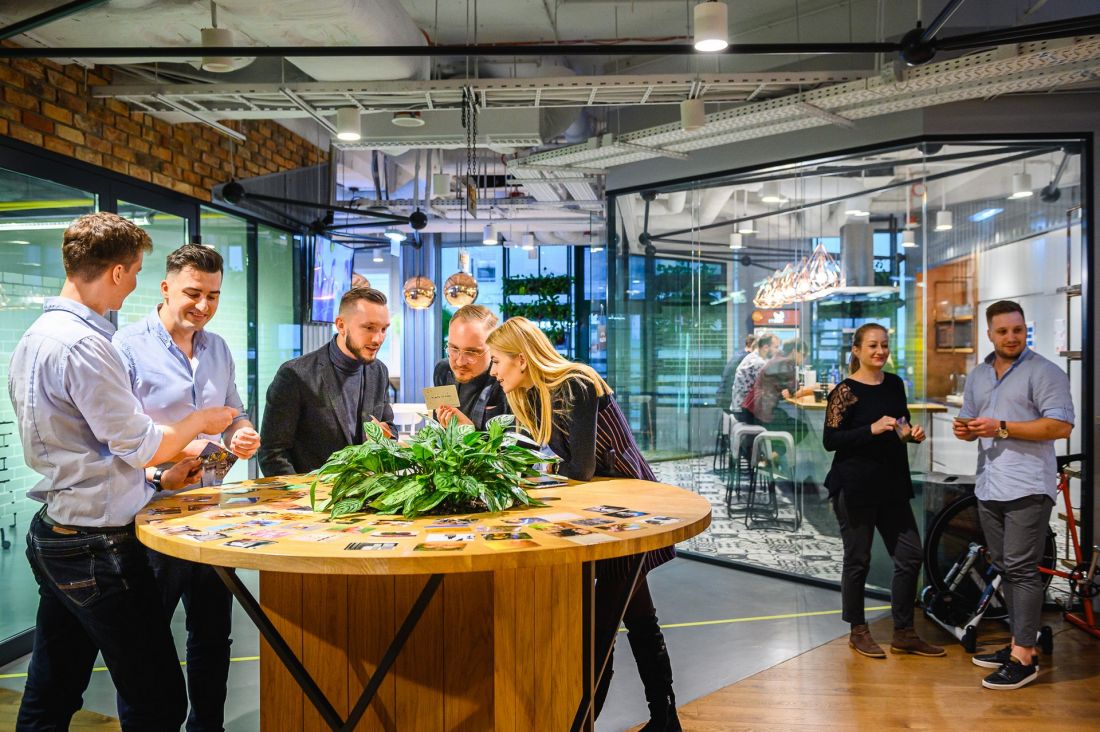
Brain Embassy
© BLUE BOLT
For more information, visit the company's BLUE BOLT page on the A&B portal.