
















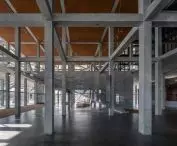



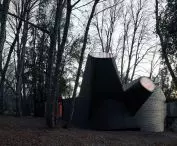


The 55th Pritzker Prize winner is Smiljan Radić Clarke! The Chilean architect of Croatian origin designs buildings in which engineering precision and construction craftsmanship hide behind the austerity of matter and the use of elementary forms. What did the chapter award him the "architectural Nobel" for?
The Pritzker Prize jury argues the choice of this year's laureate this way:
For reminding us that architecture is an art because it touches the very core of human nature; for enabling the discipline of architecture to embrace imperfection and fragility, offering quiet refuges in a world shaped by uncertainty, without the need to be louder ormore spectacular; for creating buildings whose hybrid nature reflects the contemporary blurring of boundaries between disciplines and which do not speak for people, but allow them to find their own voice - Smiljan Radić Clarke was awarded the Pritzker Prize 2026
- This is the summary of the jury's opinion, which awarded the Pritzker Prize 2026 to Smiljan Radić Clarke.
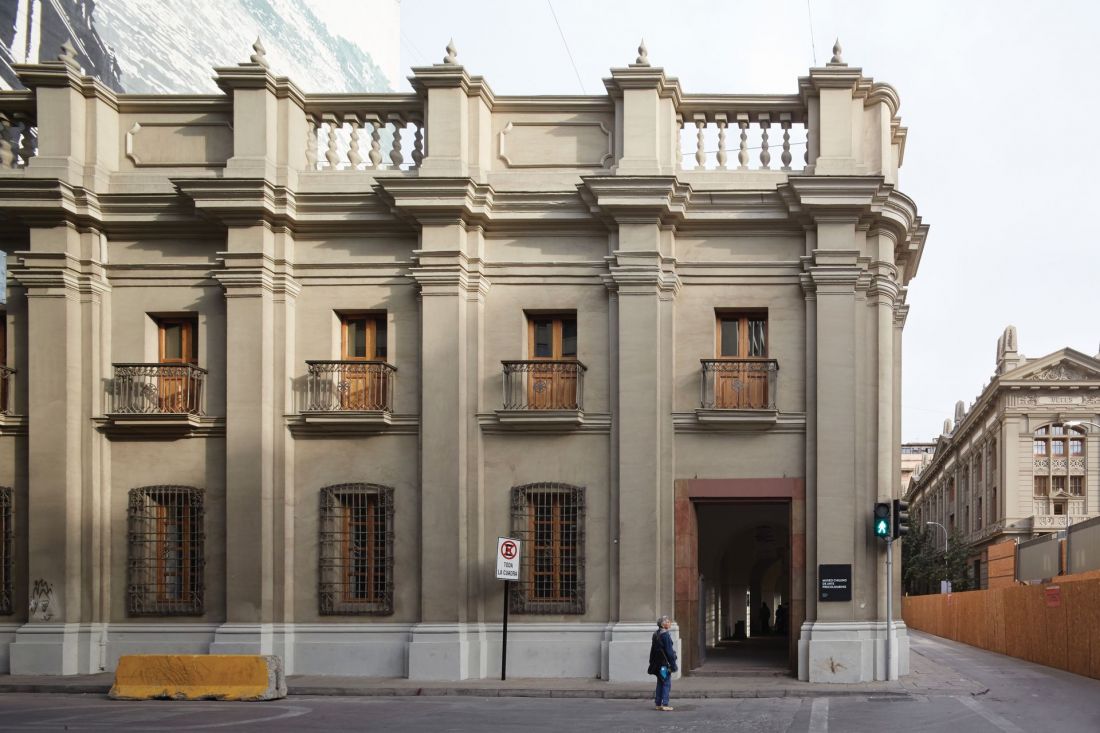
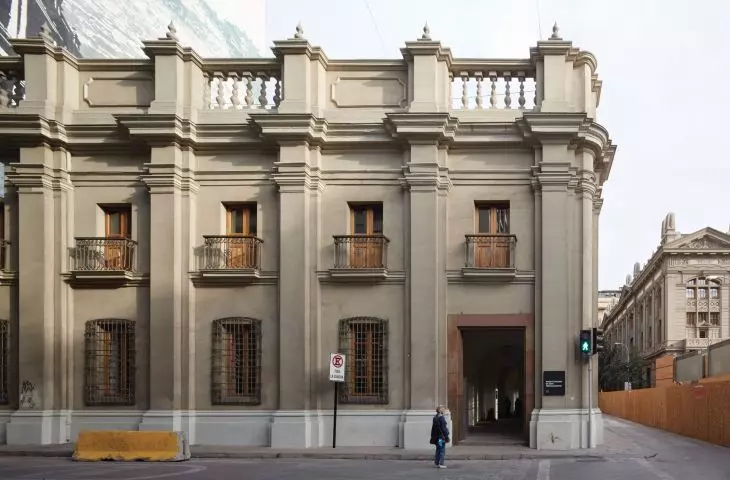
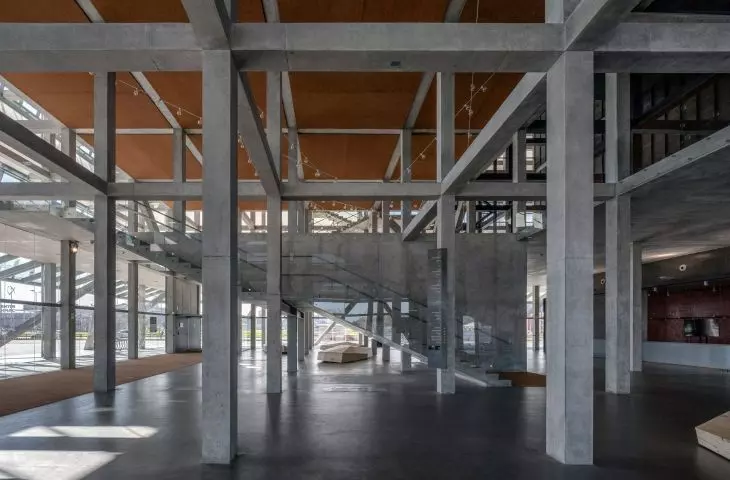
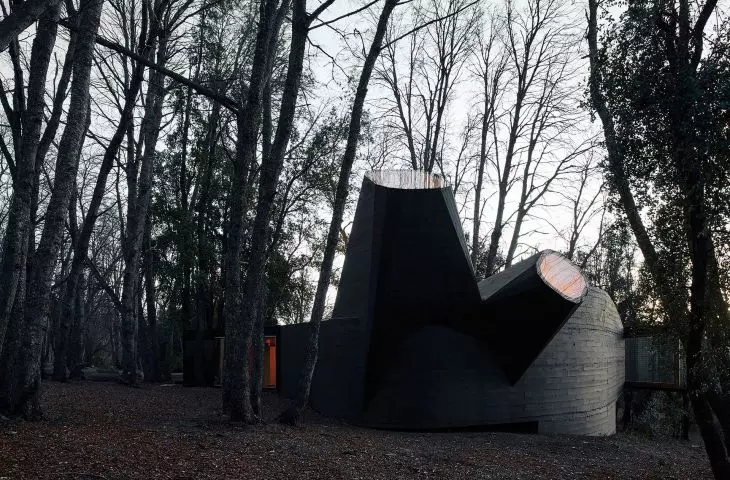
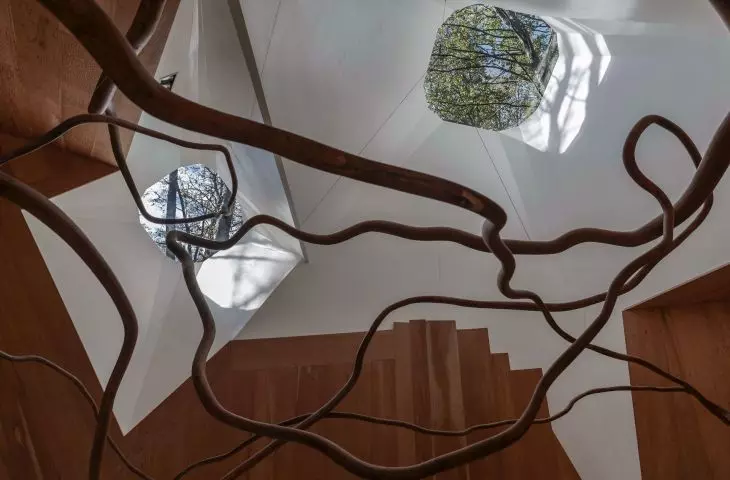
Chile Antes de Chile, extension of the Chilean Museum of Pre-Columbian Art, Santiago, Chile, 2013.
photo: Christobal Palma
The jury of this year's Pritzker Prize was chaired by Alejandro Aravena, who talks about Smiljan Clarke's work in the following words:
In each project he is able to respond with radical originality, making the unobvious obvious. He returns to the most basic, irreducible foundations of architecture, while exploring boundaries that have not been touched before. Developing his work in the context of unforgiving conditions, at the edge of the world, running a studio with only a few collaborators, he is able to bring us to the deepest core of the built environment and human nature.
- comments Alejandro Aravena, winner of the 2016 Pritzker Prize.
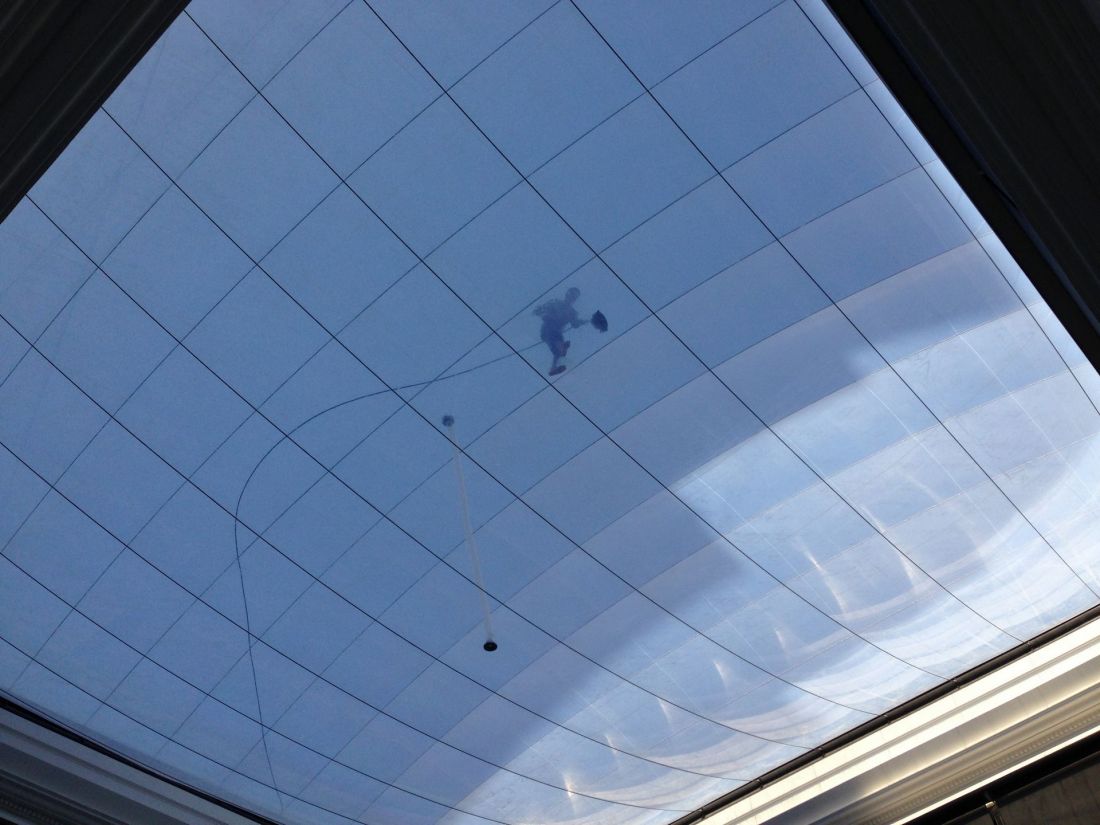
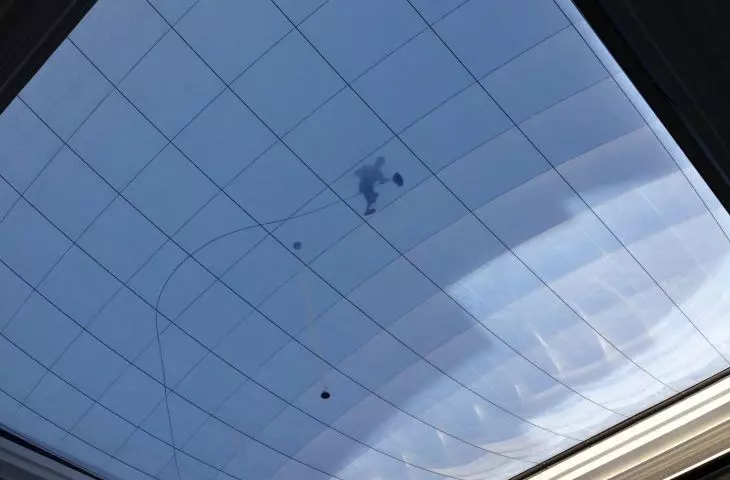
Chile Antes de Chile, extension of the Chilean Museum of Pre-Columbian Art, Santiago, Chile, 2013.
photo: Smiljan Radic Clarke
Who is Smiljan Radic?
Smiljan Radić is an architect of Croatian descent, active in Chile. Born in Santiago de Chile in 1965, he graduated in 1989 with a degree in architecture from the local Catholic University, which he then continued by studying history at the University Institute of Architecture in Venice. After completing his education, he traveled for several years, finally opening an original architectural studio in Chile in 1995.
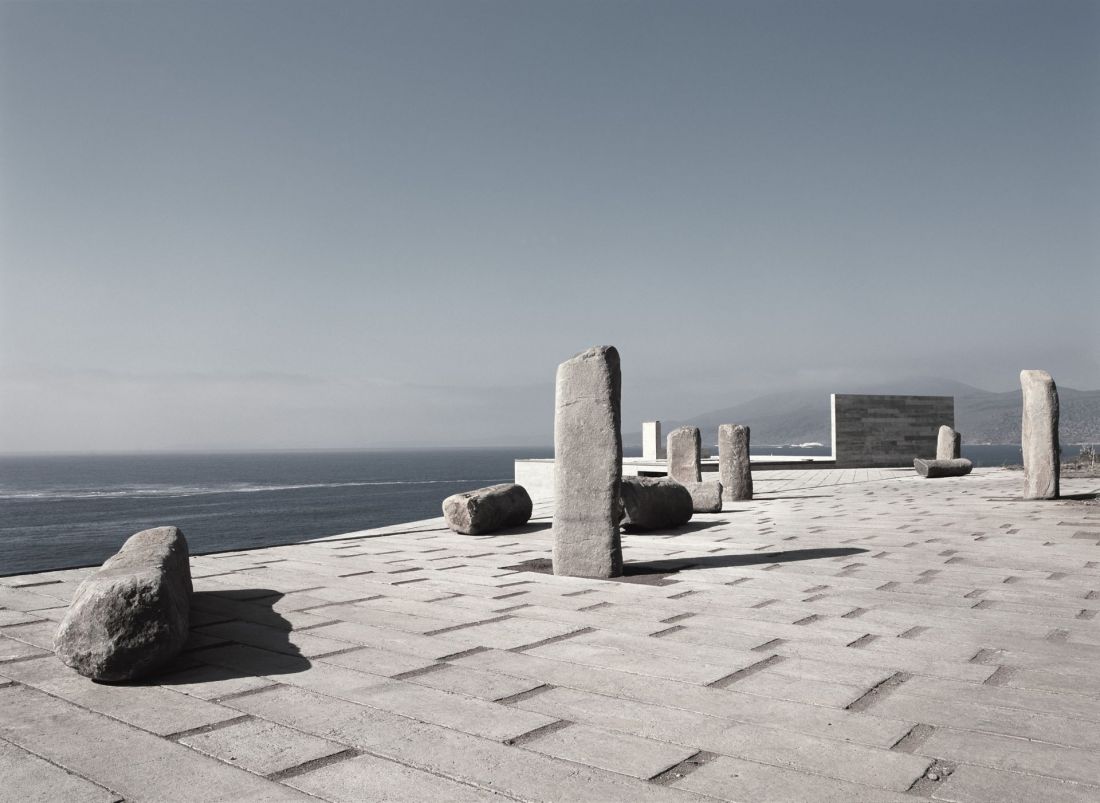
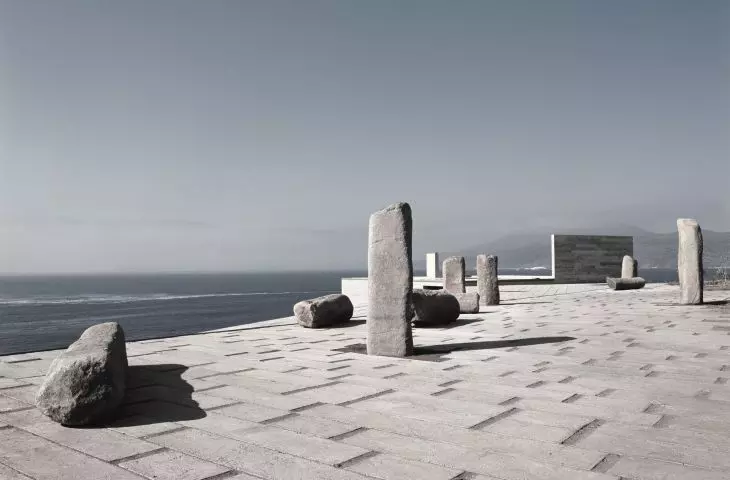
Pite house, Papudo, Chile, 2005
photo: Cristobal Palma
His rich oeuvre spans between small-scale volumes of temporary shelters and single-family homes, striking silhouettes of commercial buildings, and representative public edifices, built both on bare ground and through adaptations. However, they are always buildings in which the unconventional form, the austerity of consciously used materials and the fusion with the landscape create places conducive to contemplation of space and the matter that defines it.
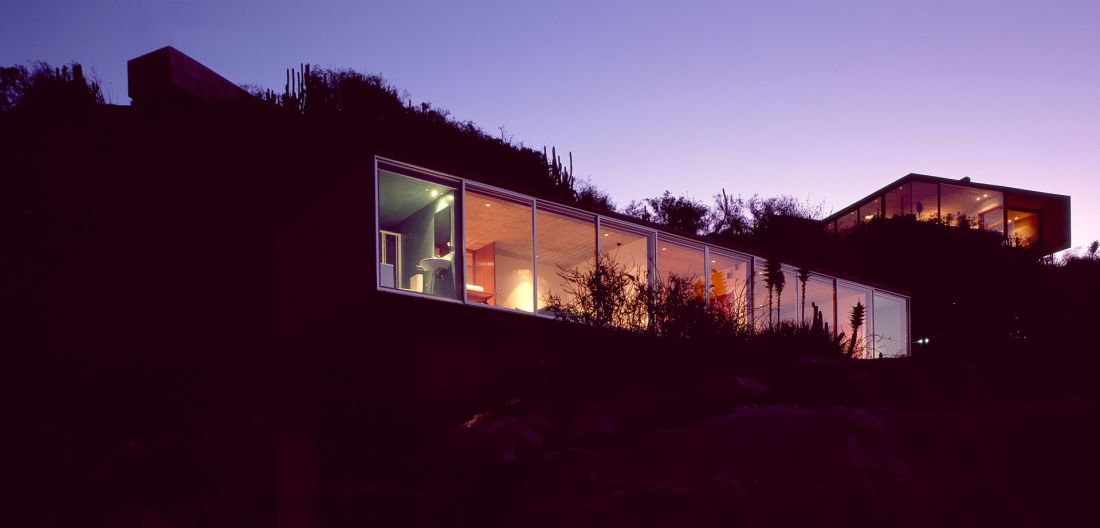
Pite House, Papudo, Chile, 2005
photo: Erieta Attali
[...] what begins as an individual encounter expands into a broader, collective resonance. Perhaps this is the nature of true art: it addresses each of us as individual beings, one on one, and at the same time pushes us toward a common source - an atavistic place that transcends race, gender or culture. Such a capacity takes on special significance in times of polarization and dehumanization, and can represent the true value of an architect whose work can be described without hesitation as profoundly original: the art of architecture conceived as a constant attempt to reconnect all people to a deeper source.
- reads the opinion of the Pritzker Prize Chapter.
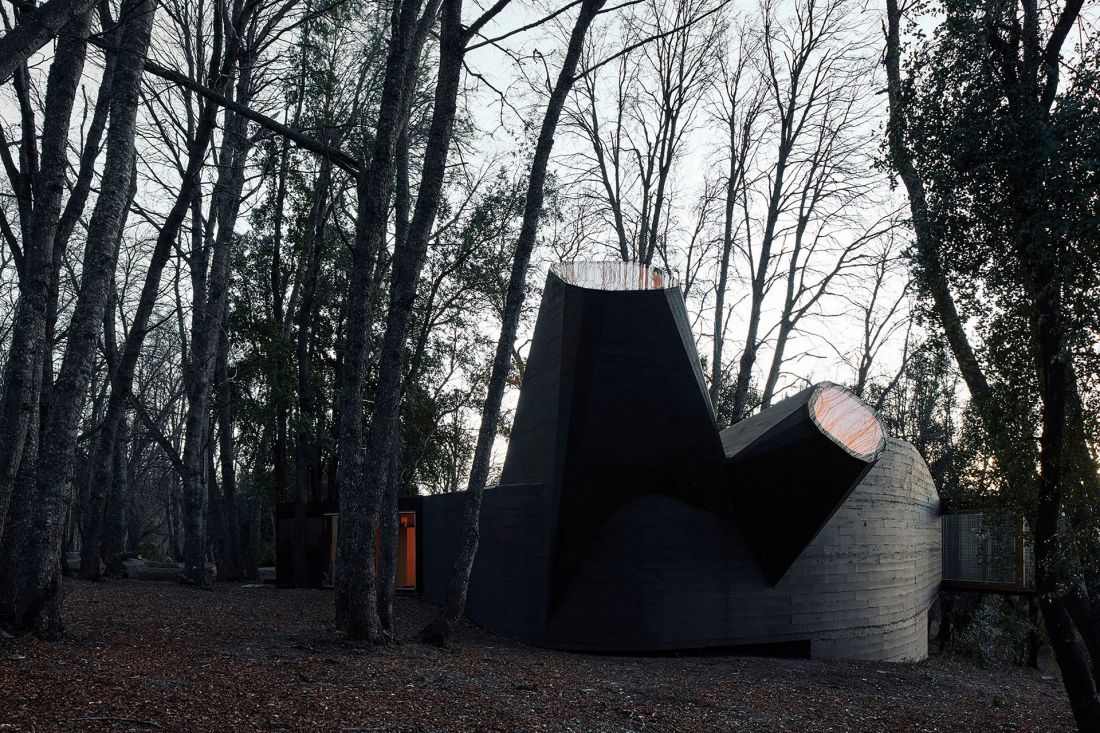
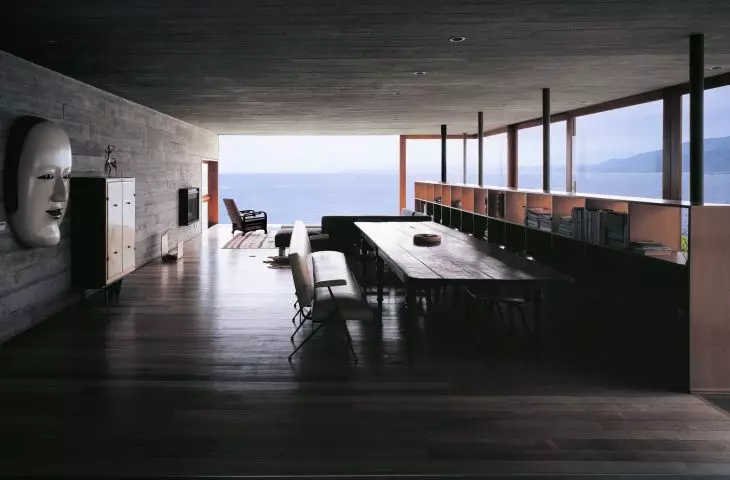
House of the Right Angle Poem, Vilches, Chile, 2013
photo: Smiljan Clarke
iconoclast of architecture
Smiljan Radić's architecture is heavily sculptural, which should come as no surprise given that his partner - both in life and profession - is Chilean artist Marcela Correa, known for her compositions using natural, raw materials encased in organic angles.The house of the Right Angle Poem, which incidentally houses Correa's sculptures, escapes all typologies meant to suggest ties to traditional single-family architecture.
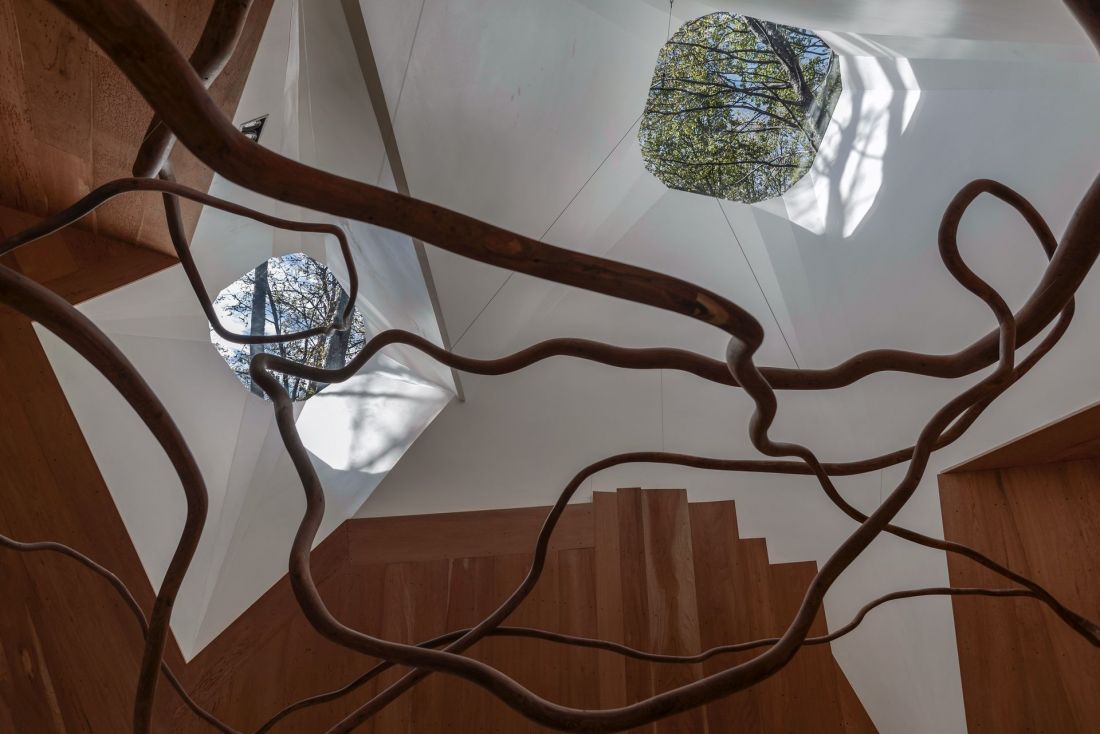
House of the Right Angle Poem, Vilches, Chile, 2013
photo: Gonzalo Puga
His unorthodox approach to design may at first seem unusual, unexpected - even rebellious - but rather than creating a sense of alienation, his anti-canonical stance seems fresh and unprecedented. It carries with it the distinct impression of an encounter with something new.
- reads an excerpt from the opinion of the jury that awarded the 2026 Pritzker Prize to Smiljan Radić Clarke.
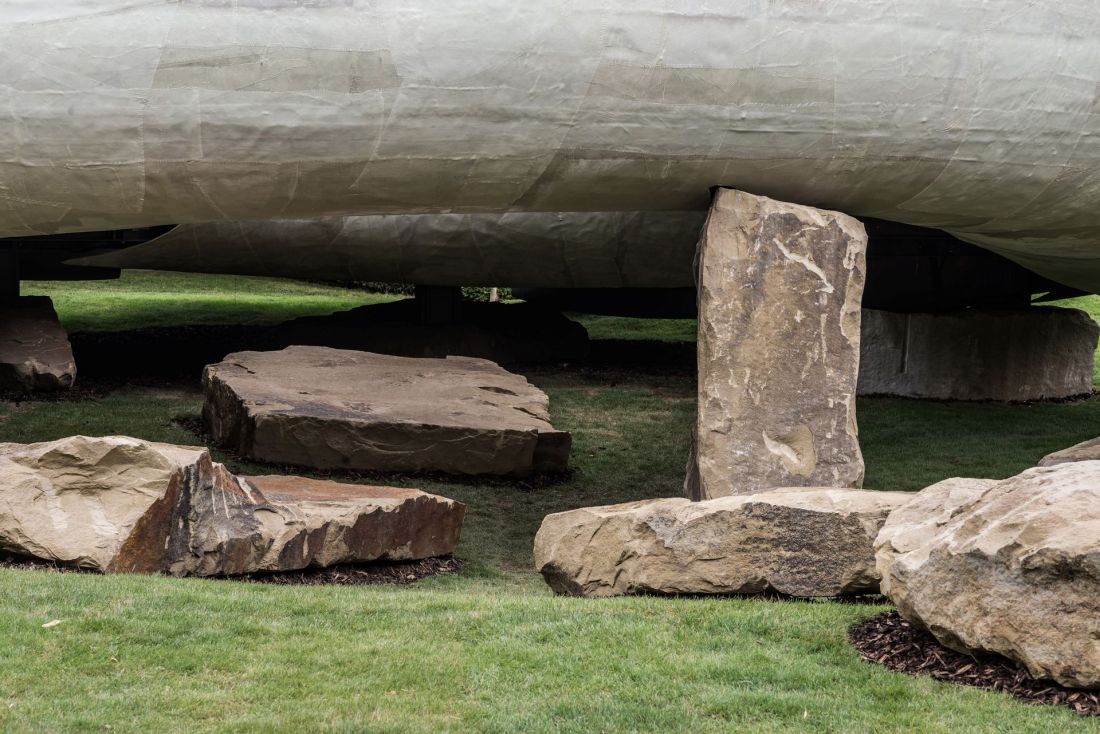
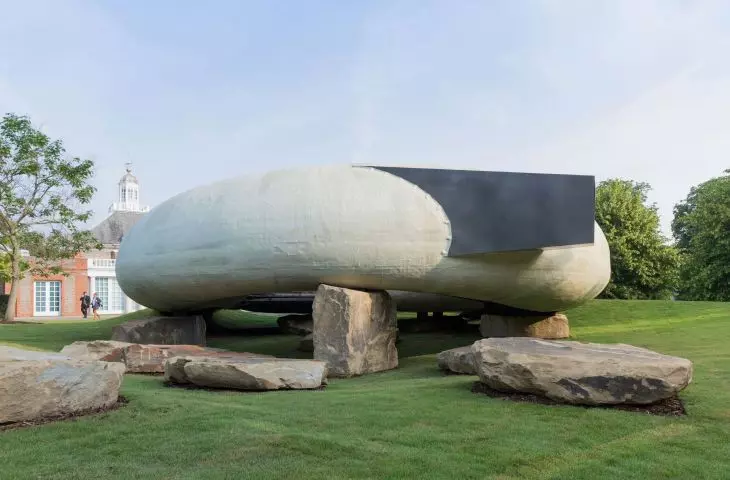
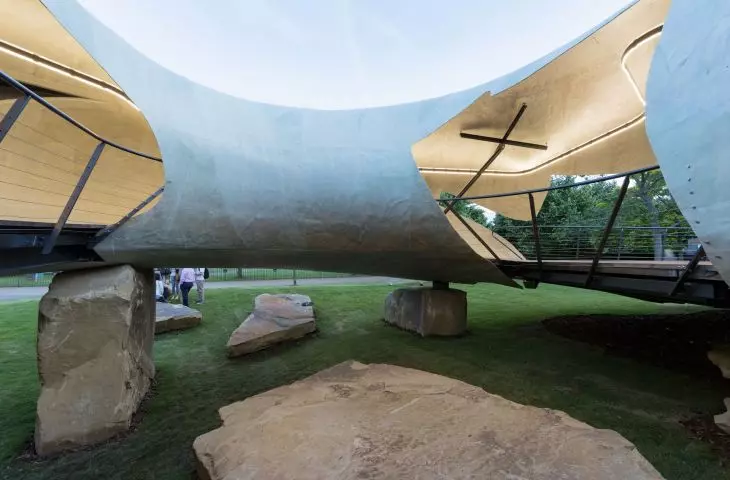
Serpentine Gallery Pavilion, London, 2014
photo: Gonzalo Puga
a house built on a rock
The non-obviousness of the Chilean architect's compositions in many cases stems from the apparent deprivation of buildings of one of the basic properties of architecture - the impression of tectonics. As in the case of the Serpentine Gallery Pavilion in London, which Smiljan Radić designed in 2014, many of the Chilean architect's buildings appear to be temporary, mobile structures, surface-bound to the ground. Radić's buildings:
They are not firmly anchored to the ground; rather, they rest gently on its surface, often hovering slightly above the ground and only occasionally penetrating it. Any permanent interference with the site is carefully avoided, as if the buildings could be removed at any time and the ground restored to its original state. Taking inspiration from the powerful yet seismic context of the Chilean environment and moving away from the logic - often implicit in construction - of domination and ownership in favor of coexistence, Radić presents architecture as a guest rather than the master of a place, recognizing the primacy of landscape and thus collective memory and shared territory over individual authorship.
- reads the chapter's opinion.
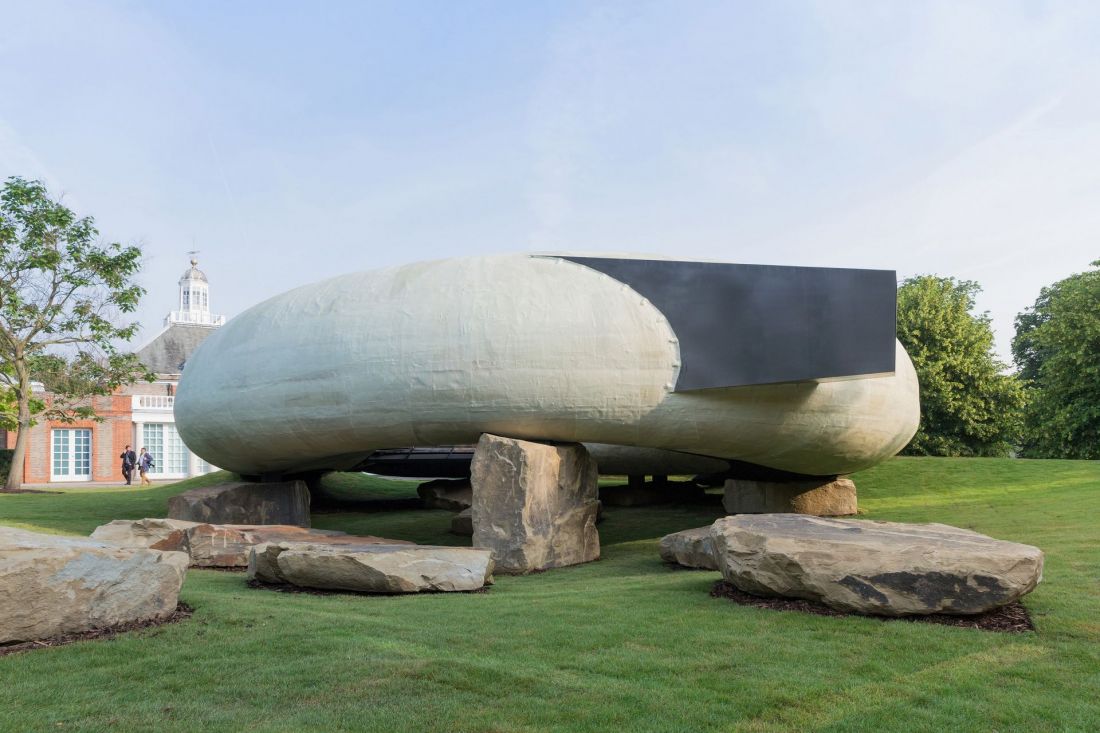
Serpentine Gallery pavilion, London, 2014
photo: Ivan Baan
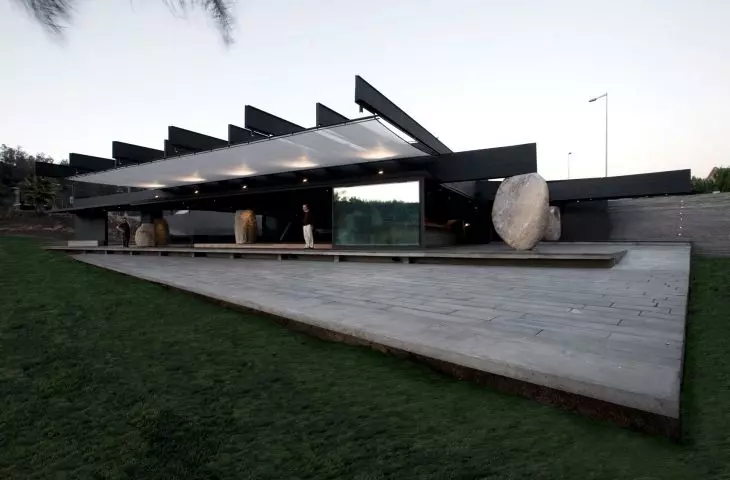
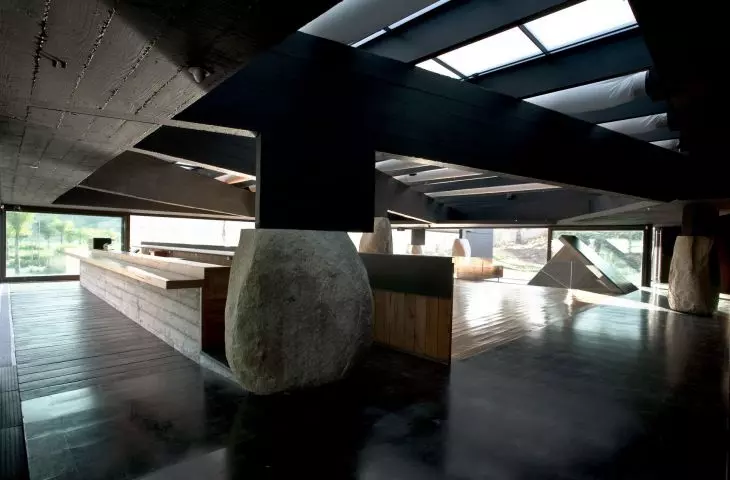
In a similar way, Radić constructs the facades and interiors of the Mestizo Italia restaurant, where the beams and ceilings seem to be supported not by solid pillars, deeply dug into the ground, but by huge boulders, taken vividly from the landscape of Chilean mountain ranges.
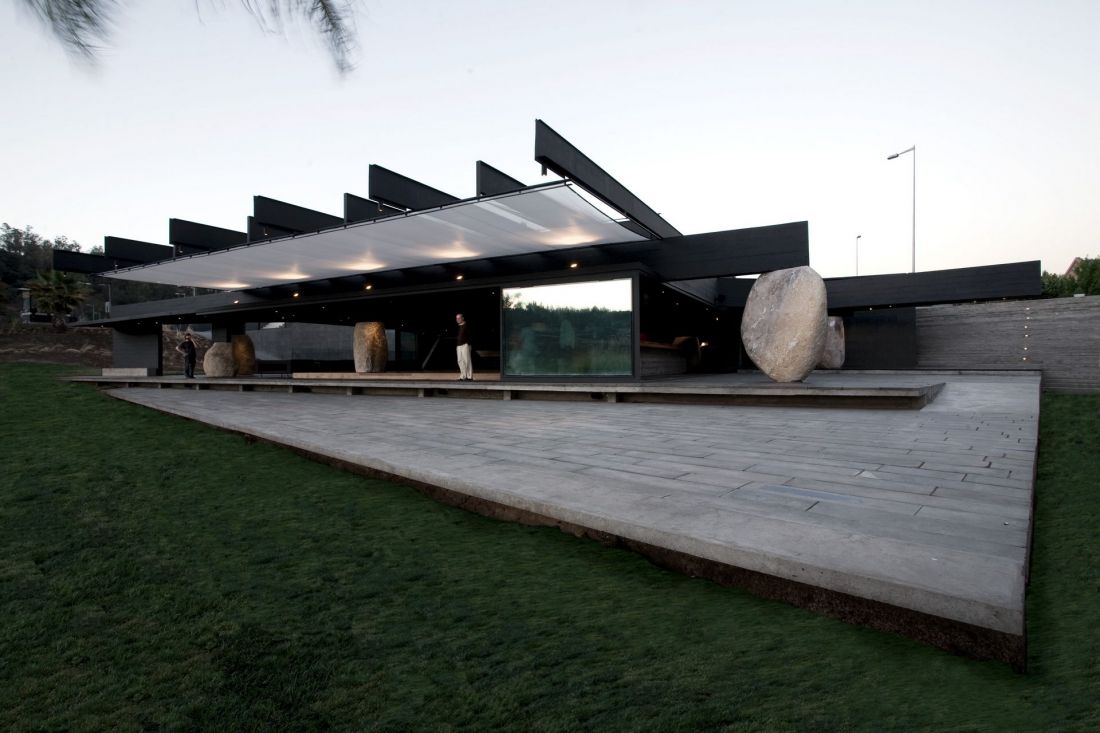
Mestizo Restaurant, Santiago, Chile, 2025
photo: Gonzalo Puga
Architecture exists between large, massive and enduring forms - structures that stand in the sun for centuries, waiting for our visit - and smaller, fragile structures - ephemeral as the life of a fly, often lacking a clear purpose in the light of conventional perception. In tense times, we strive to create experiences that carry emotional presence, encouraging people to stop and reconsider a world that so often passes them by indifferently.
- Says Smiljan Radić Clarke, winner of this year's Pritzker Prize.
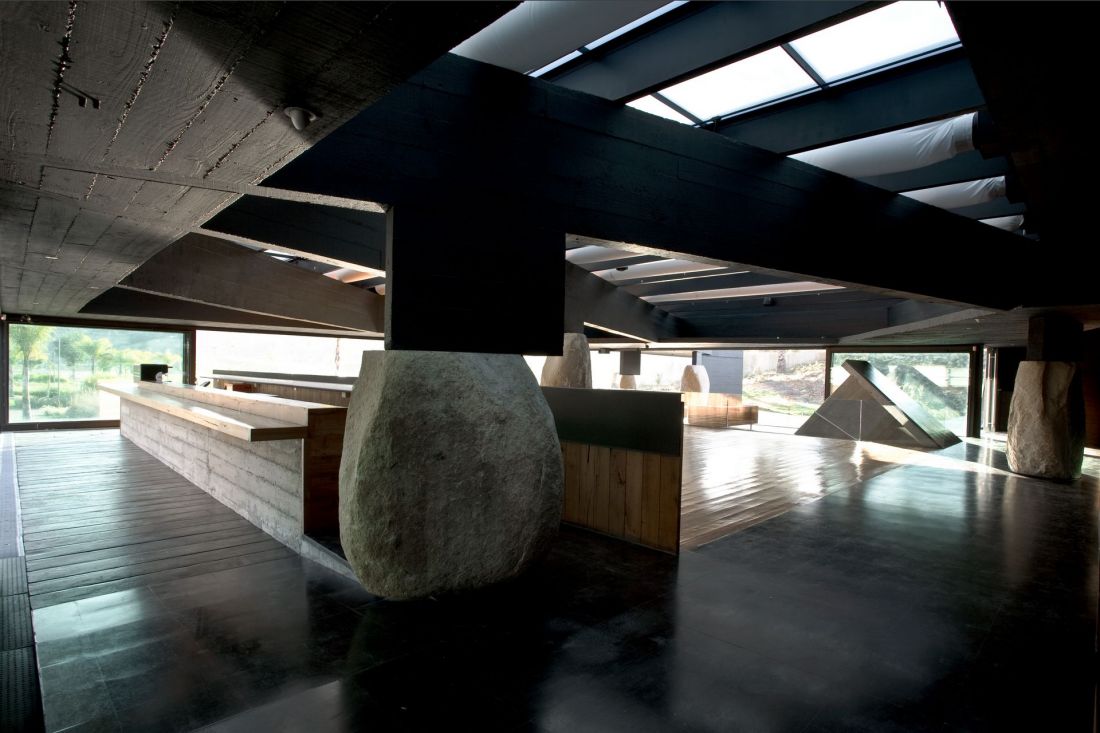
Mestizo Restaurant, Santiago, Chile, 2025.
photo: Gonazalo Puga
In a career spanning more than 30 years, Smiljan Radić has received numerous awards and honors - as early as 2001, the College of Architects of Chile named him the best architect under 35, fourteen years later he received the Croatian Oris Award, and in 2019 and 2021 he was awarded the Versailles Prize. His buildings can be found in more than a dozen countries in Europe and the Americas.
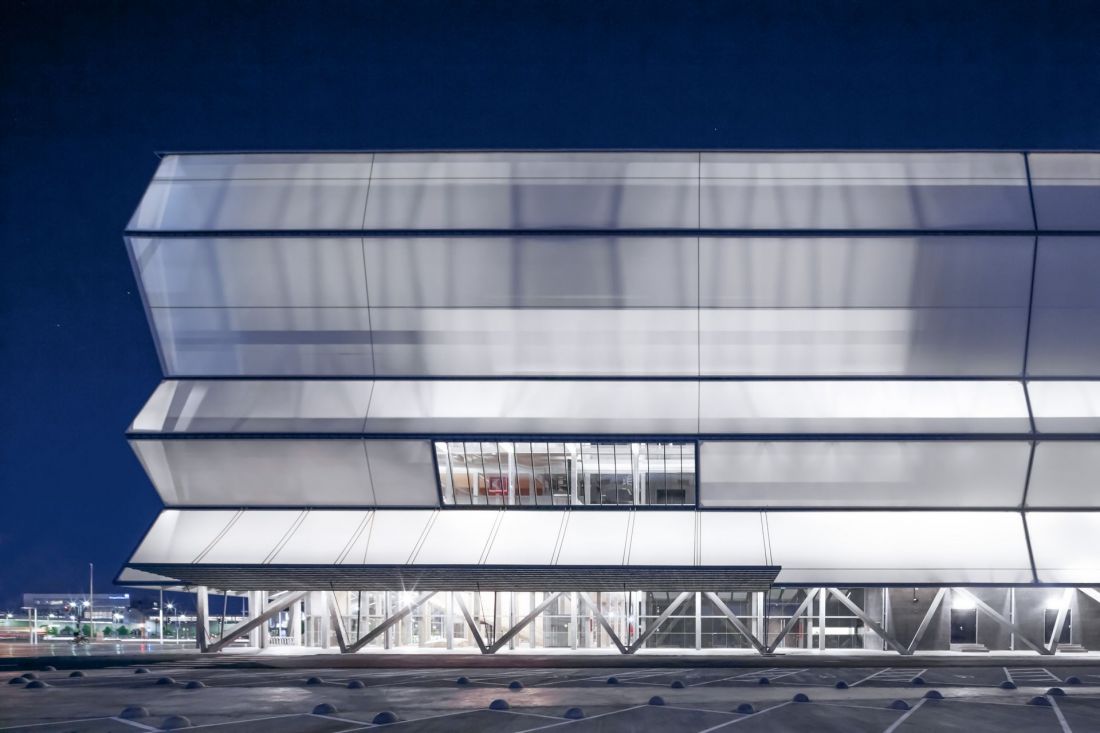
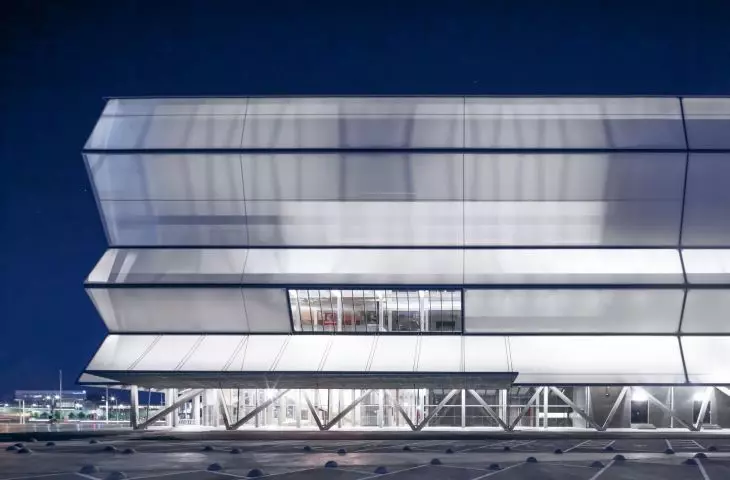
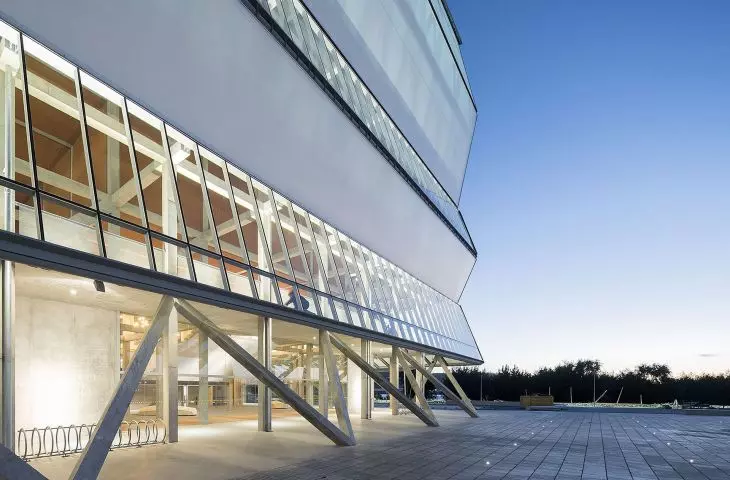
Teatro Regional del Biobío, Chile, 2018
photo: Cristobal Palma
Pritzker on file with Epstein
The high-profile scandal over the release of batch after batch of Jeffrey Epstein's files has not escaped the world of architecture, and among the names linked to the American criminal is Thomas Pritzker, son of Jay and Cindy Pritzker, the founders of the "architectural Nobel" and also chairman of the Hyatt Foundation that funds the prize. Although Thomas Pritzker denies ever having met Epstein in person, the released documents show that he maintained regular contact with the millionaire, including after 2008when the man pleaded guilty to charges related to soliciting minors for prostitution, moreover, he regularly invited him to award ceremonies since 2012.
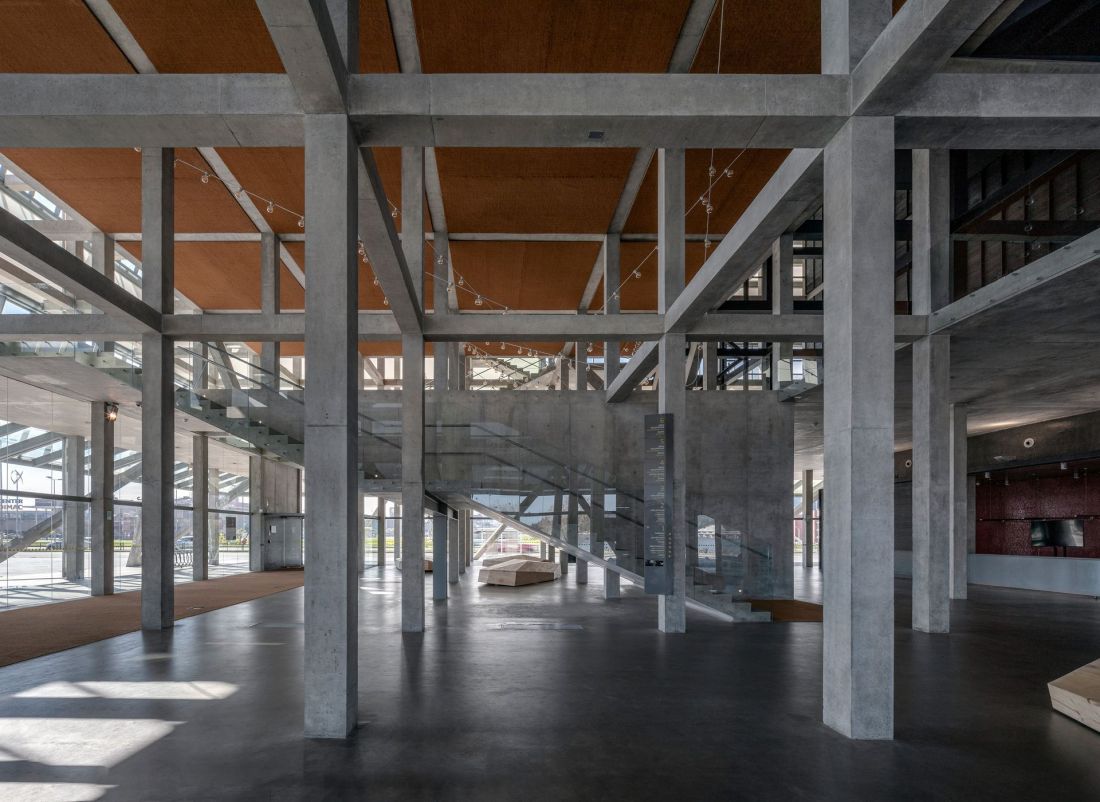
Teatro Regional del Biobío, Chile, 2018
photo: Hisao Suzuki
Following the disclosure of the files, Thomas Pritzker resigned as chairman of the Hyatt hotel chain, and the Pritzker Prize chapter announced that the announcement of this year's laureate would be delayed due to the situation. The information about the Pritzker's contacts with Jeffrey Epstein did not go unnoticed. An unequivocally negative opinion of the Hyatt Foundation chairman's ties with Jeffrey Epstein was expressed by the group Bal Architects, which recalled that in the more than fifty-year history of the Pritzker Prize, only six women have been winners, and the new architectural Nobel should become the Jane Drew Prize - the prize awarded to Barbara Busar in this year's edition.