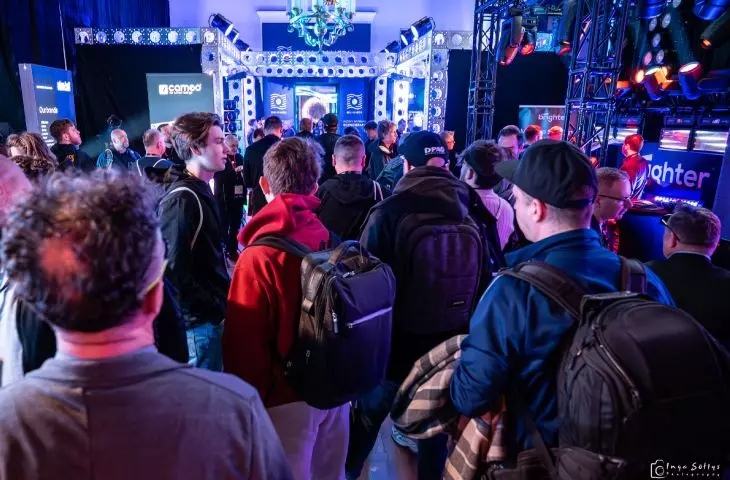





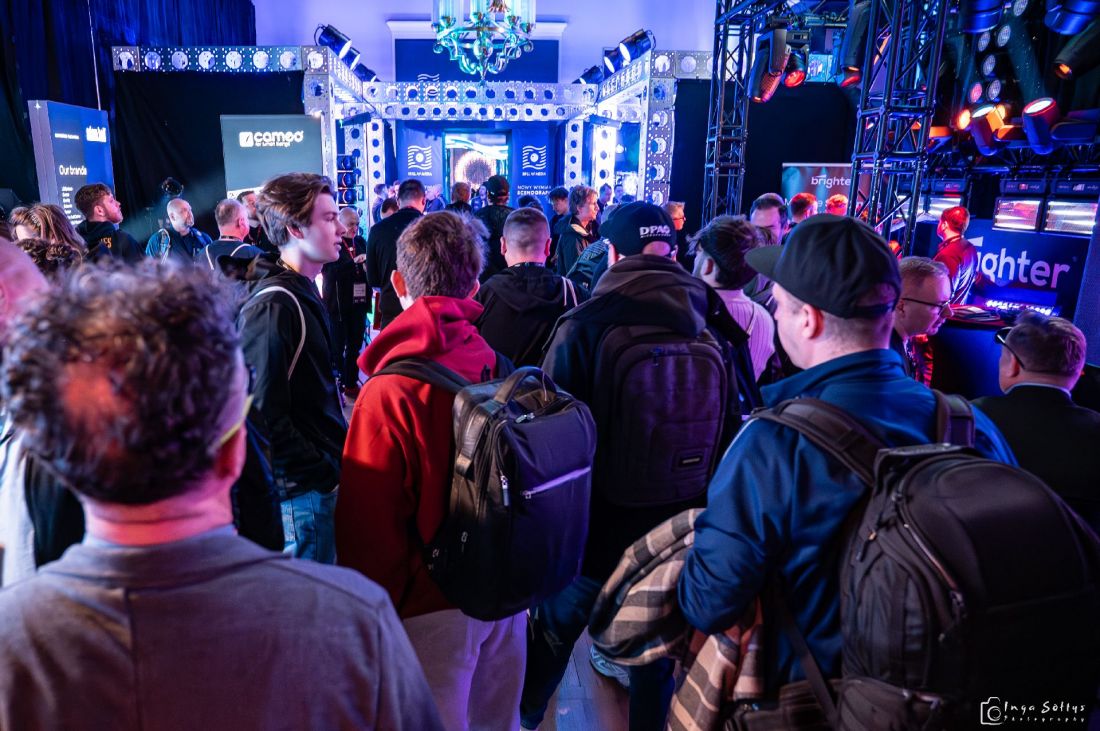
On April 13 and 14, 2026, Warsaw once again became a meeting place for the worlds of art, technology, and business. The eighth edition of the Scena Jutra conference drew nearly two thousand attendees, reaffirming its status as one of the key events for Poland’s performing arts and creative industries.
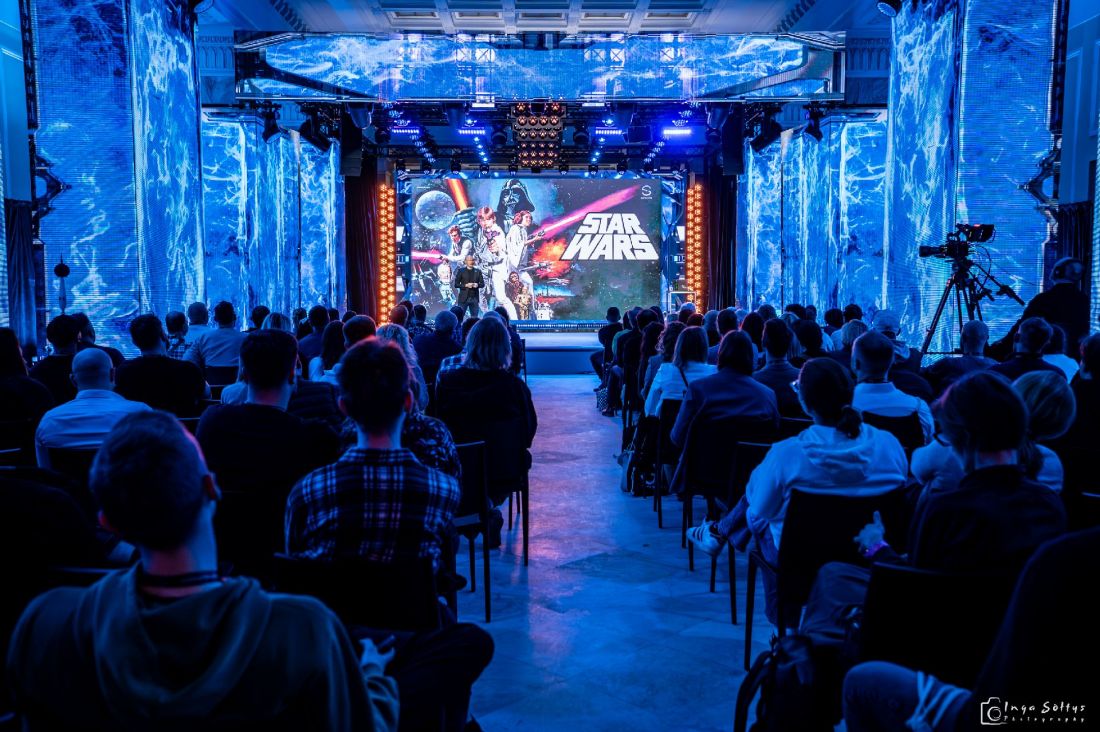
Scena Jutra 2026: Technology, Emotions, and People at the Heart of the Experience
Photo: Inga Sołtys | © Illustrations courtesy of the organizers
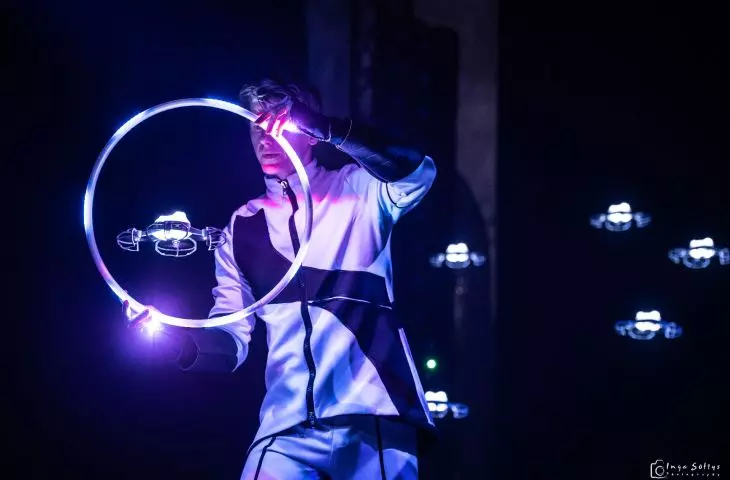
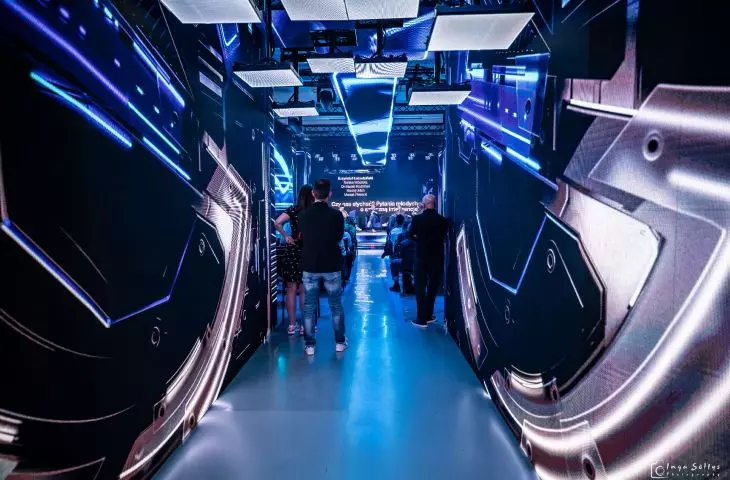
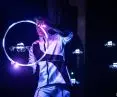
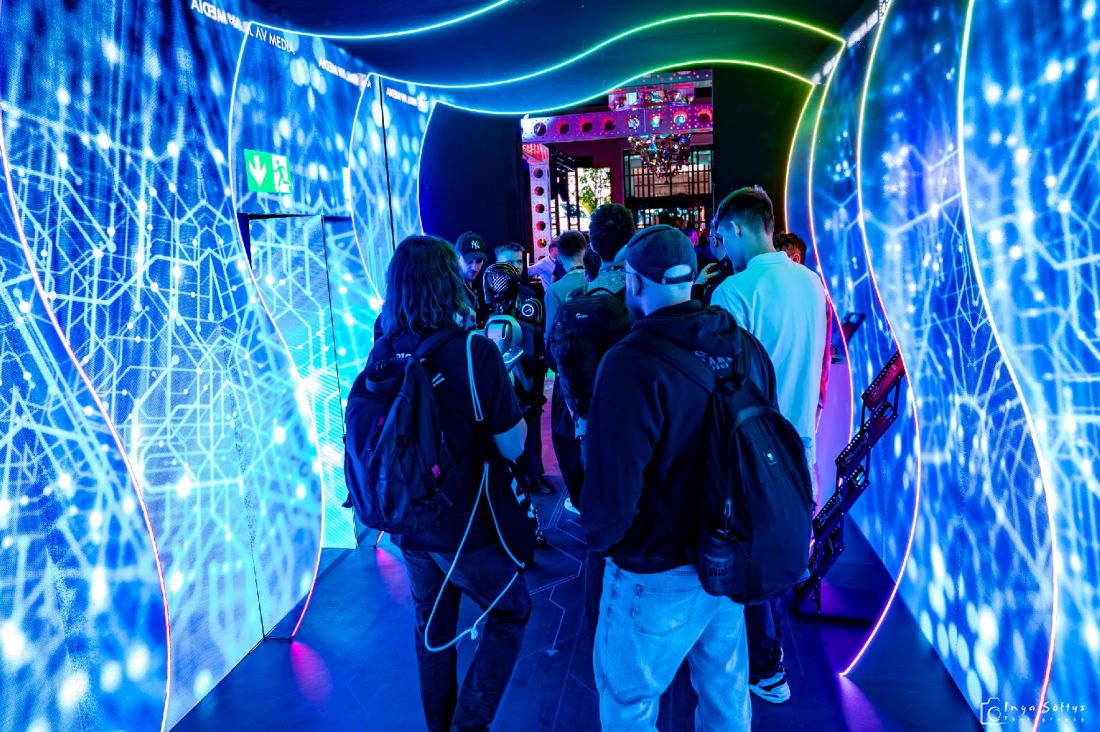
Each day of the conference opened with the spectacular “Drone Intro” — a show prepared by ASTRANATE. The indoor drone show transformed the conference space into a dynamic stage of light and movement, combining precise choreography with advanced technology. It was not only a spectacular start to the day but also a symbolic introduction to what Scena Jutra is today — a place where technology becomes an experience.
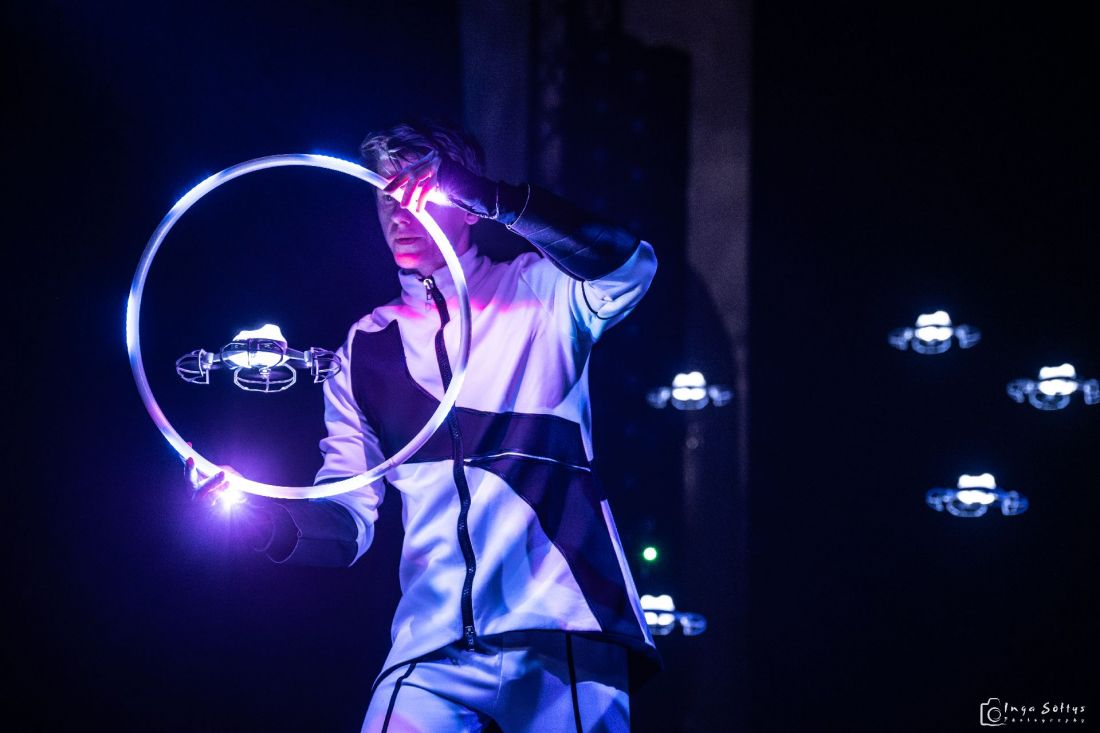
Stage of Tomorrow 2026: Technology, Emotions, and People at the Heart of the Experience
Photo: Inga Sołtys | © Illustrations courtesy of the organizers
Three Stages, Three Perspectives
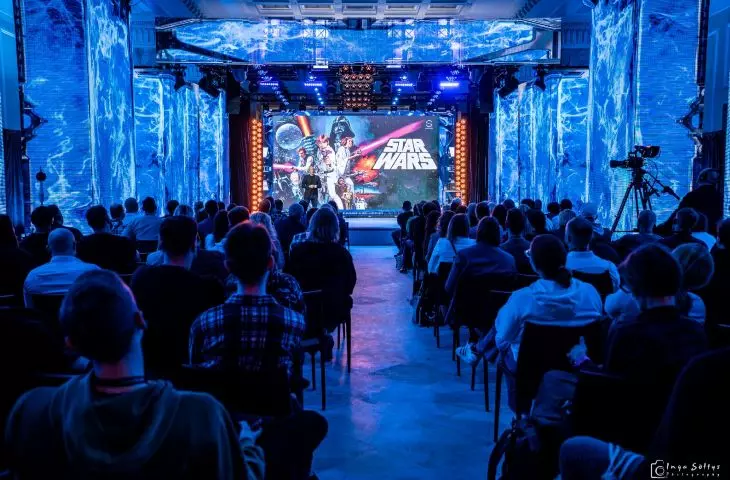
As in previous editions, the event’s program unfolded simultaneously across three stages: Inspiration, Discussions, and Academy — and each fully embodied its own character.
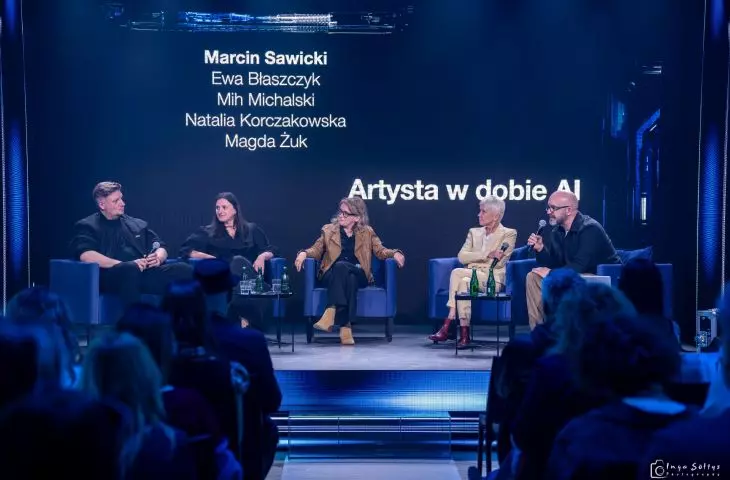
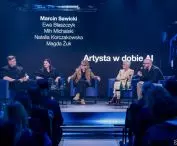
The Inspiration Stage served as a space for innovative, inspiring presentations and projects that pointed the way forward for the industry. The Discussions Stage was a venue for lively, often very candid conversations about the challenges, changes, and future of the industry, art, culture, and humanity in general. The Academy Stage, in turn, provided concrete, technical knowledge — substantive presentations for practitioners and specialists.
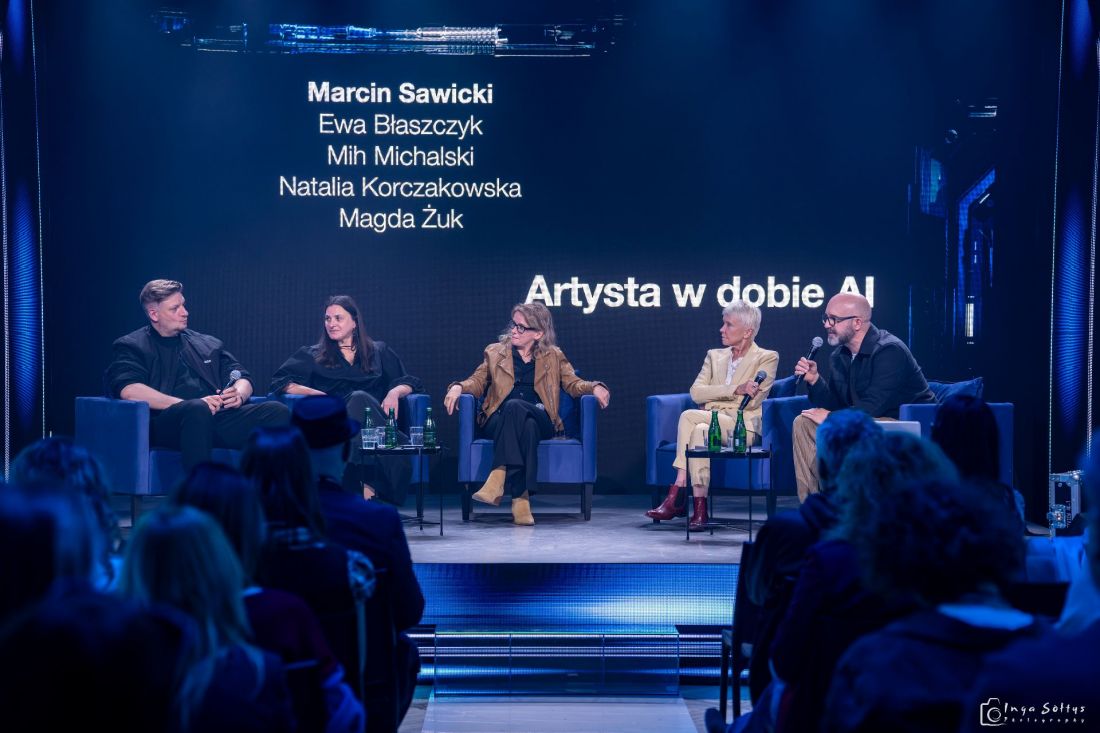
Tomorrow 2026 Stage: technology, emotions, and people at the heart of the experience
Photo: Inga Sołtys | © Illustrations courtesy of the organizers
From Technology to Experience Design
The conference program centered on the evolving language of the stage and new ways of experiencing culture. Artificial intelligence, light, image, and sound are no longer merely tools to support creators. They are tools for designing emotions and entire experiences.
The topics discussed clearly illustrated the direction of change: from event production to the conscious design of experiences.
A thrill as a shared experience
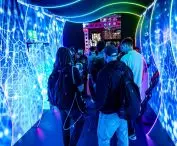
One of the most compelling thematic threads was a reflection on emotions and their biological basis. Presentations such as “The Biology of Thrills” showed that large-scale spectacles function as modern rituals — they engage the nervous system, synchronize reactions, and build a sense of community.
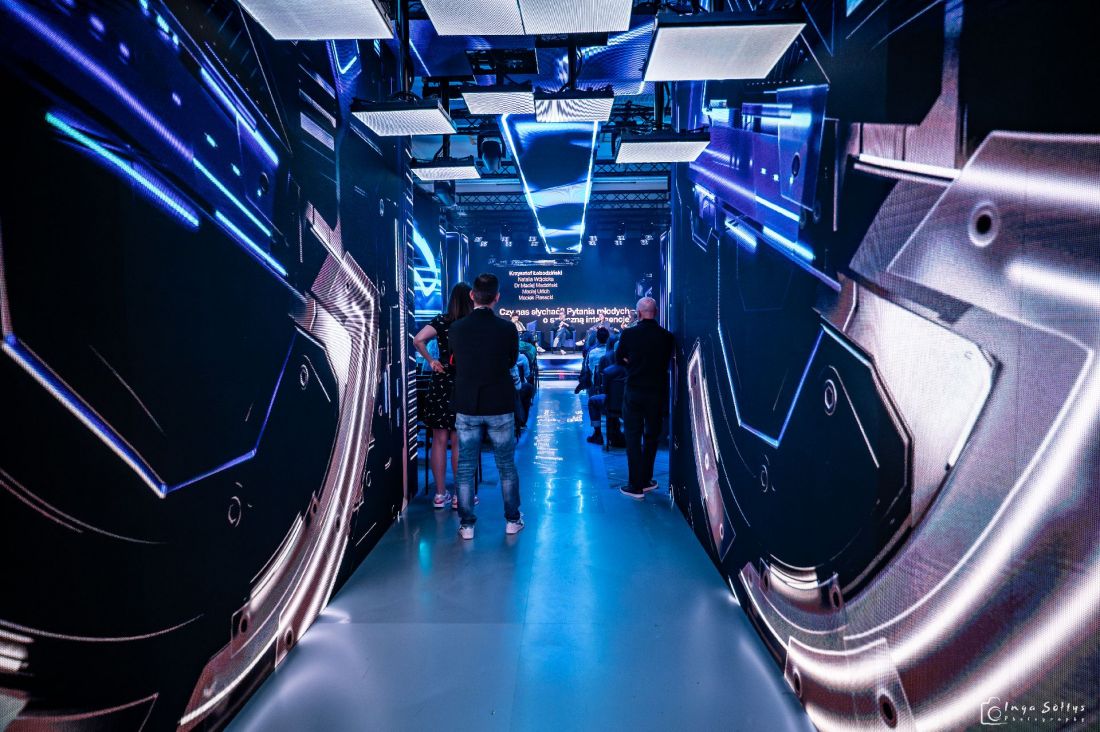
Scene of Tomorrow 2026: Technology, Emotions, and People at the Center of the Experience
Photo: Inga Sołtys | © Illustrations courtesy of the organizers
That is precisely why we are willing to travel hundreds of kilometers to feel intense emotions in a crowd, even if only for a moment. In a world dominated by individual screen experiences, collective wonder is becoming one of the most precious values.
Between Intensity and the Need for Calm
At the same time, Scena Jutra 2026 clearly highlighted the other side of this phenomenon. In a world of sensory overload, there is an increasingly frequent need for calm, a return to simple experiences, and a redefinition of well-being.
This is also confirmed by data from the online broadcast. The most-watched presentations focused precisely on emotions, the body, and the quality of experience. This is a clear signal: alongside our fascination with technology, there is a growing need to understand its impact on people.
a community that shapes the future
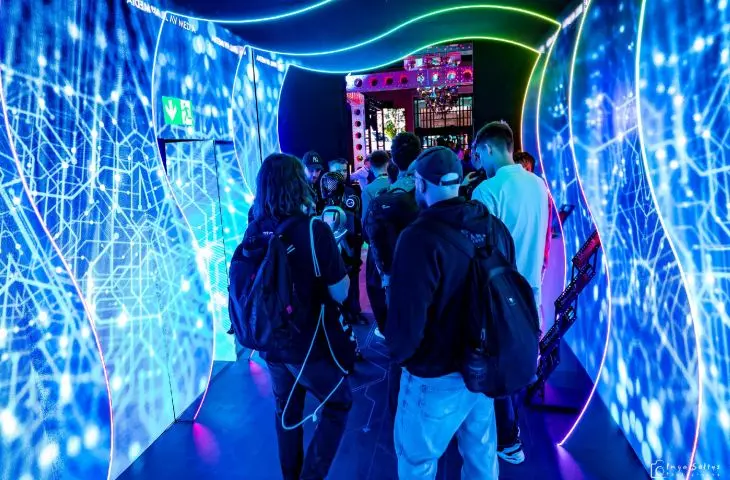
Scena Jutra is not just a conference, but above all a community of people who want to actively participate in change. The high level of participant engagement in the mobile app and the number of connections made show that the event genuinely fosters the exchange of knowledge and experiences.
It’s a space for those who don’t just want to react to the future, but want to consciously shape it — at the intersection of art, technology, and business.
Scena Jutra 2026: Technology, Emotions, and People at the Heart of the Experience
Photo: Inga Sołtys | © Illustrations courtesy of the organizers
The Next Step
This year’s Scena Jutra confirmed what has been evident for some time amid the flood of topics related to AI development — the future of the stage will not unfold solely at the level of technology, but it also won’t happen without it. It is precisely the tools, lighting, sound, visuals, and increasingly advanced solutions that determine how powerfully we can engage the senses and create experiences.
At the same time, it’s becoming increasingly clear that technology alone isn’t enough. Its power is only revealed when it’s consciously designed with people in mind — their emotions, their perceptions, their need for intensity, but also their moments of calm.
Scena Jutra 2026: Technology, Emotions, and People at the Heart of the Experience
Photo: Inga Sołtys | © Illustrations courtesy of the organizers
This signifies a shift in approach: not “technology or people,” but a combination of the two. On the one hand, precise tools that allow for the creation of increasingly complex and engaging spectacles. On the other — a deeper understanding of how the audience responds: when a thrill arises, what builds tension, and what brings a sense of relief. The future of the stage will unfold precisely at this point of balance — where technology enhances the experience rather than replacing it.
We’d like to invite you today to next year’s Stage of Tomorrow, which will take place on April 13–14, 2027.