









People have gathered around the hearth for hundreds of thousands of years. Sitting together around the campfire not only allowed people to prepare meals, but also developed a social life and provided a sense of security after dark. ULU, a new venue on Gdansk's Granary Island, is returning to these primordial rituals.
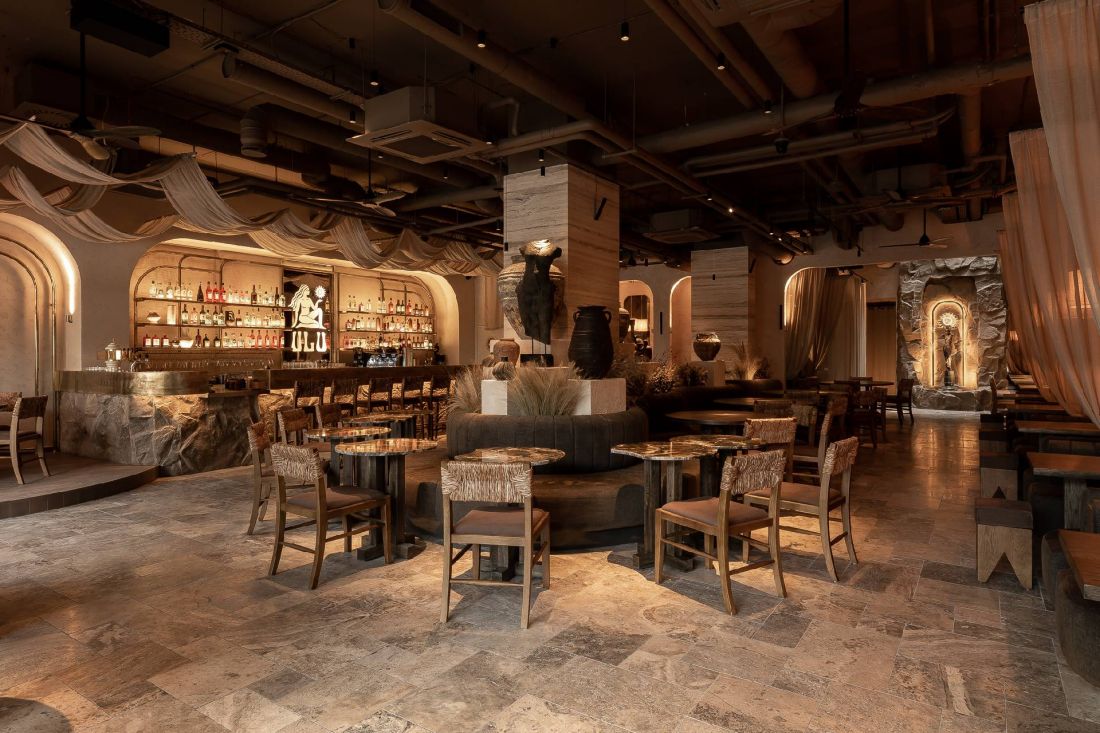
ULU in Gdansk; the venue is located on Granary Island
photo: Pietruszka Fotografia
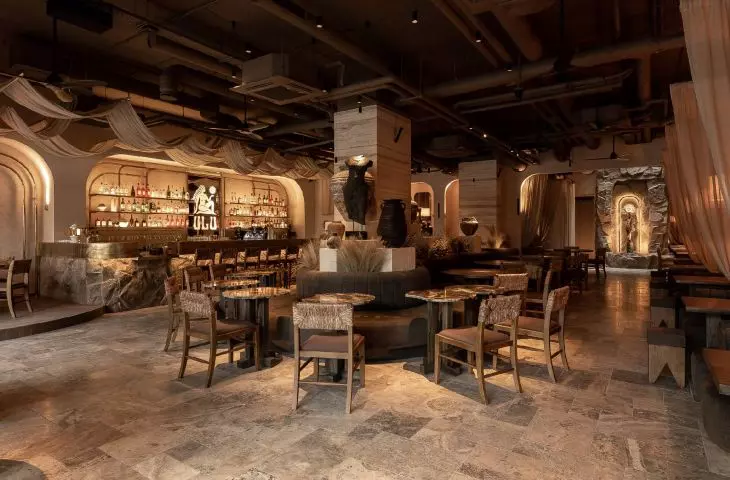
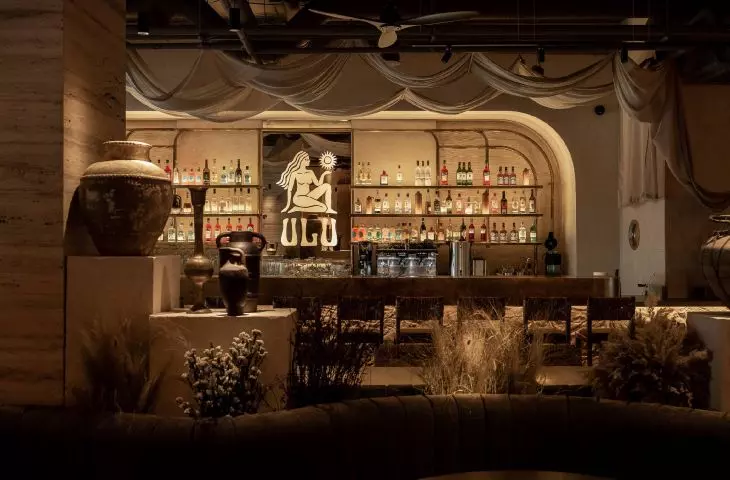
On the first floor of the Deo Plaza hotel building Wyspa Spichrzów (design: KD Kozikowski Design), over two hundred square meters of space has become home to an establishment whose patroness is the sun goddess ULU. Although it is in vain to look for this mysterious figure in mythology, her symbolic guardianship of the space brings to mind a certain primordiality, sensuality, natural warmth and Mediterranean atmosphere.
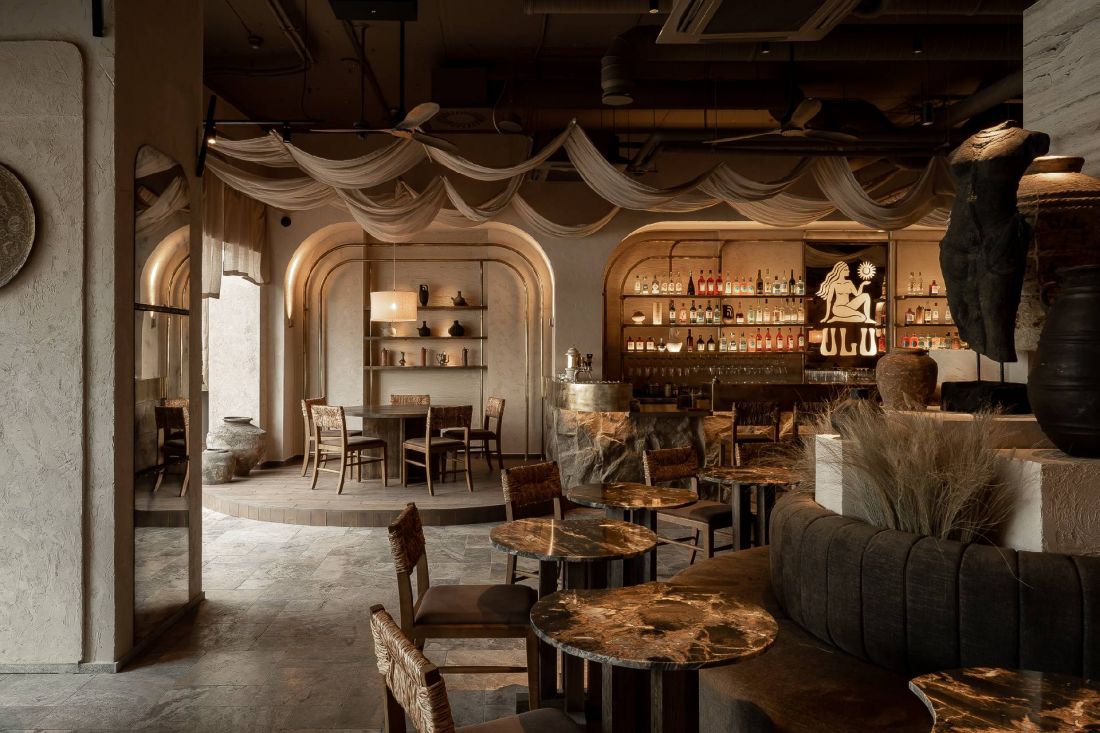
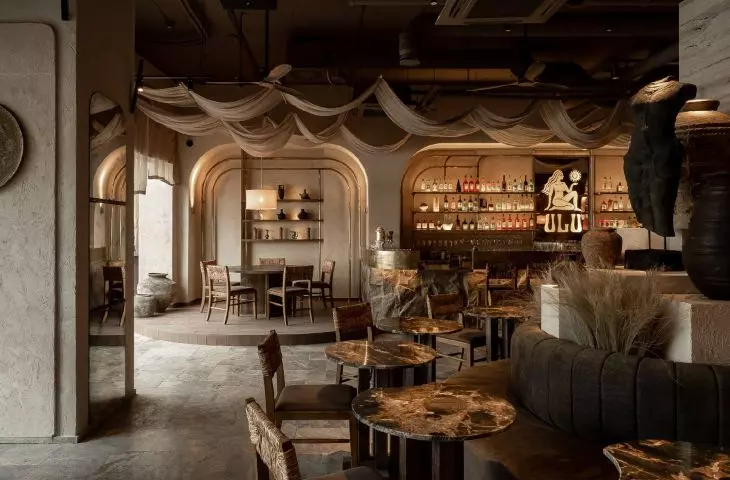
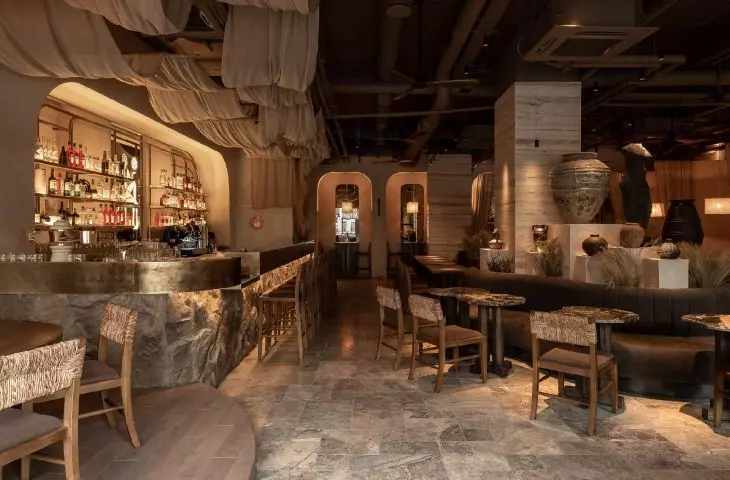
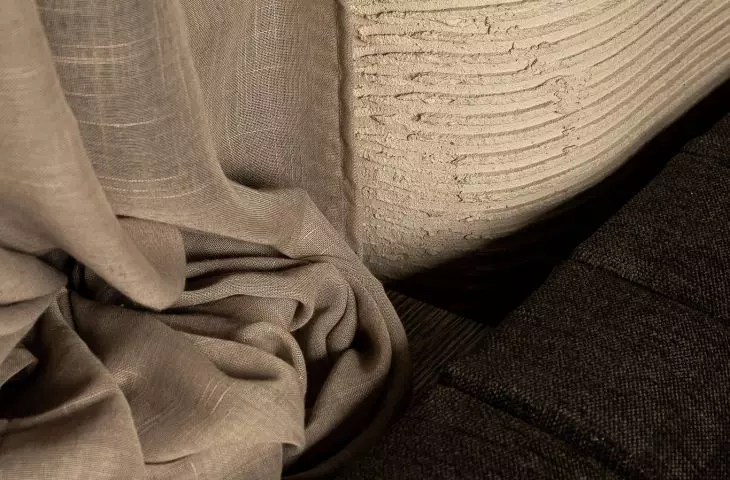
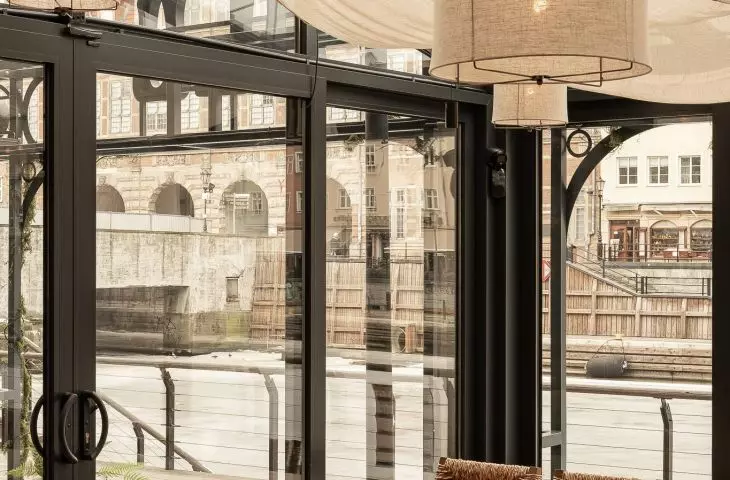
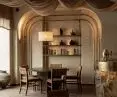
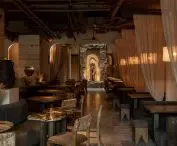
Soft fabrics are suspended from the ceiling
photo: Pietruszka Fotografia
We wanted the space to be earthy, warm and authentic. So that it wasn't perfect in the design sense, but real - with texture, history and light. ULU was to resemble an old temple a bit, a museum a bit, but in a modern, light-hearted way, as a lively, accessible and warm place. In a world that is constantly rushing, we wanted to create a space where you can stop. To simply eat well, drink wine and be together
- says Diana Sadlowska, author of the concept.
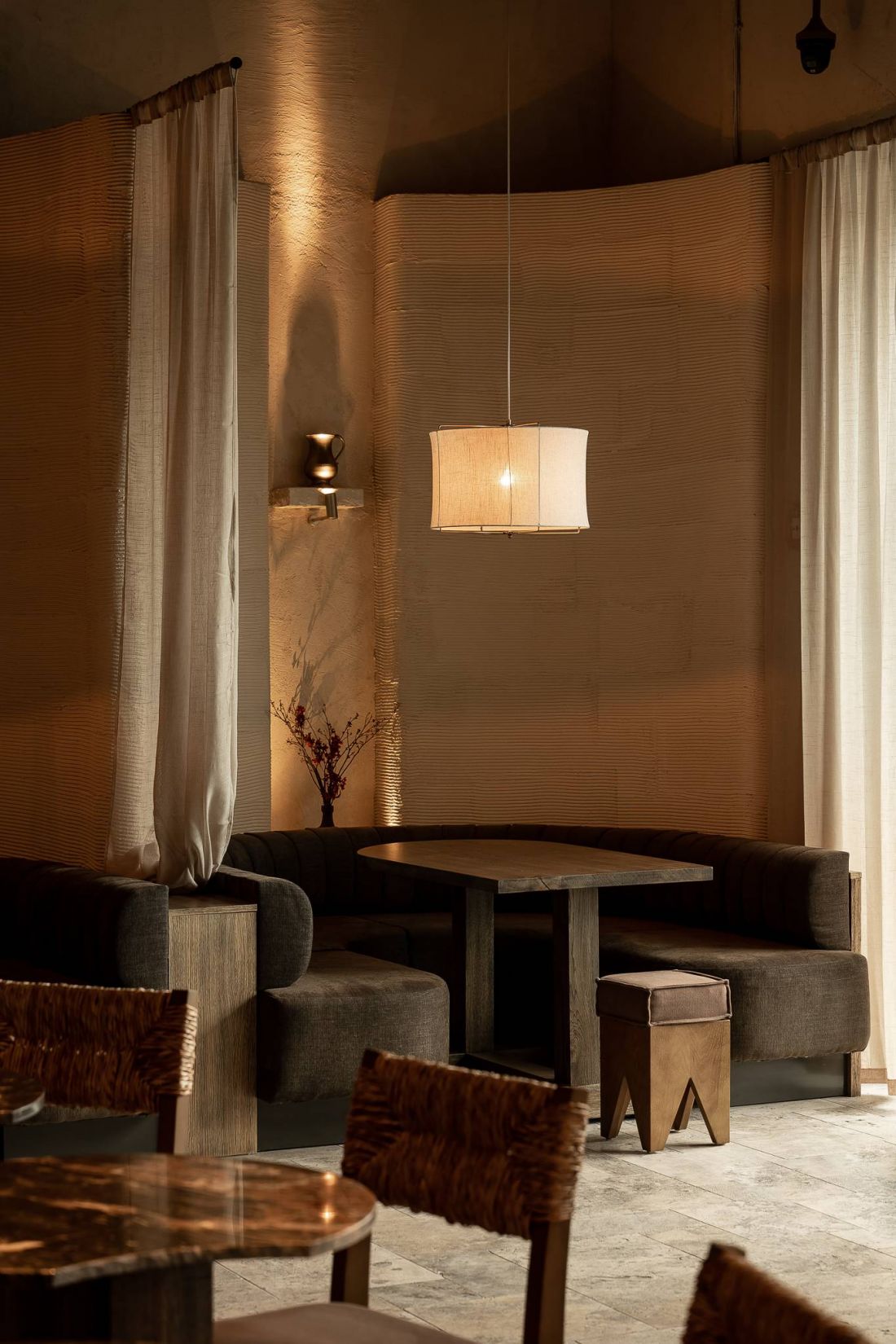
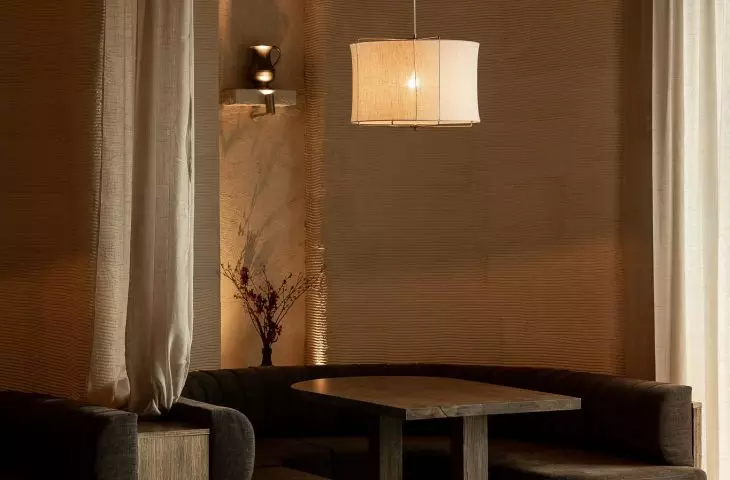
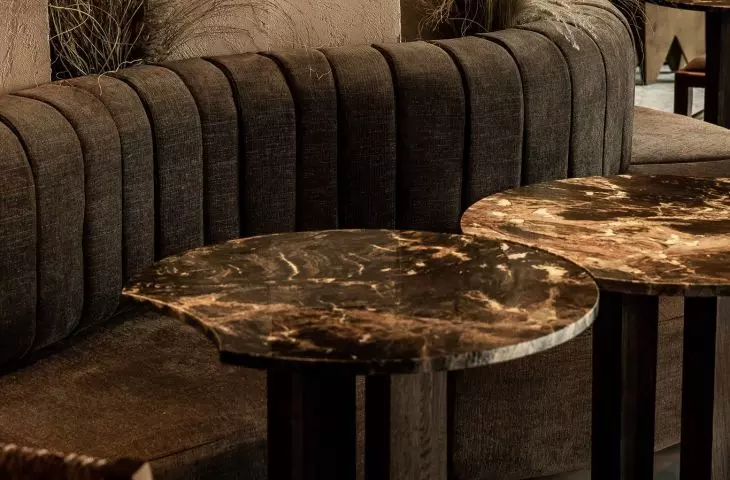
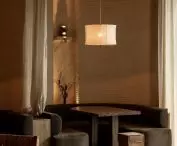
A cozy alcove with a semi-circular seat
photo: Pietruszka Fotografia
The investors had a vision for this place in their minds from the beginning. They invited a team from the Wroclaw studio CUDO to help them dress the idea into a coherent, intriguing interior. The starting point was the elements - earth and fire, they influenced a certain rawness, naturalness of the interior.
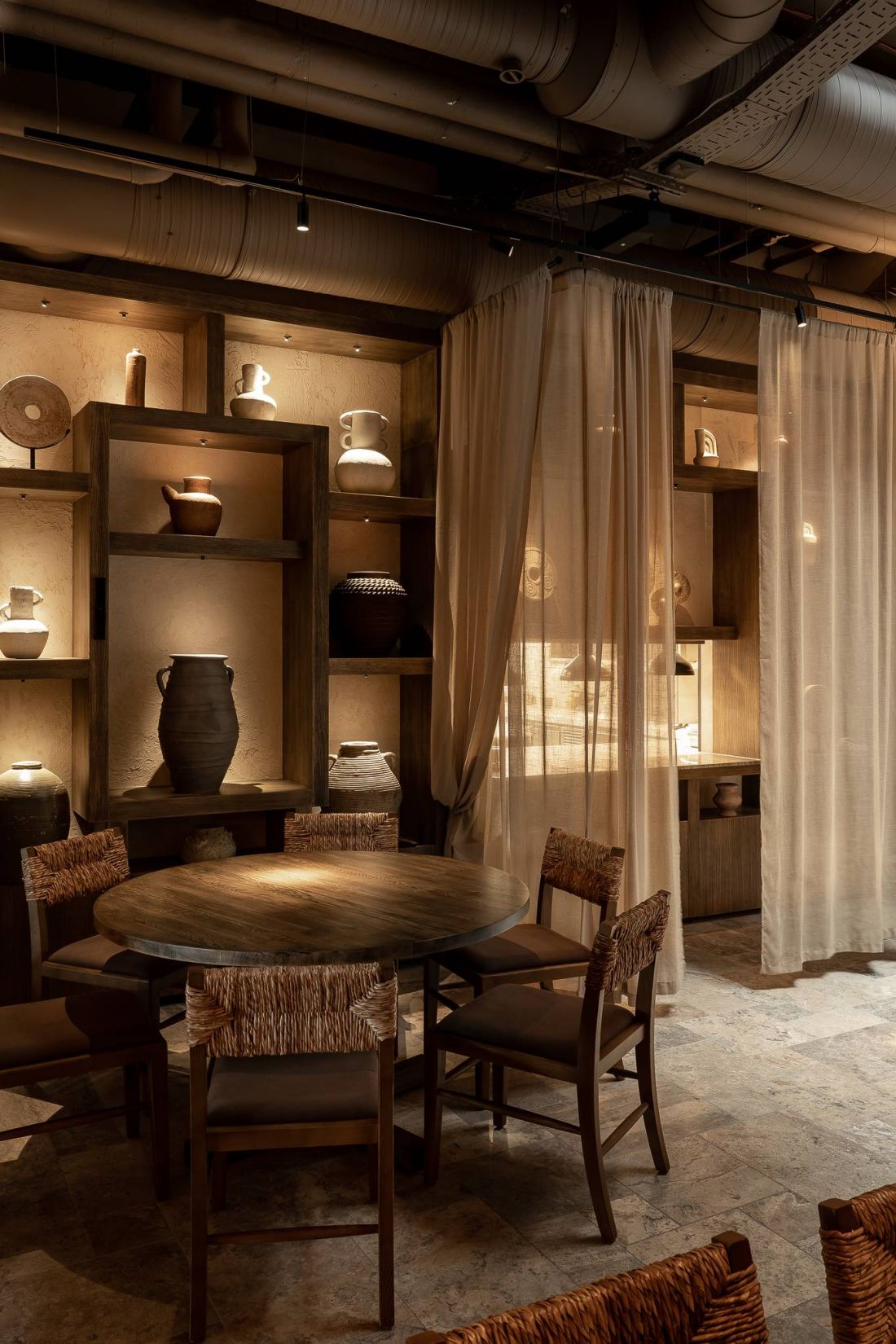
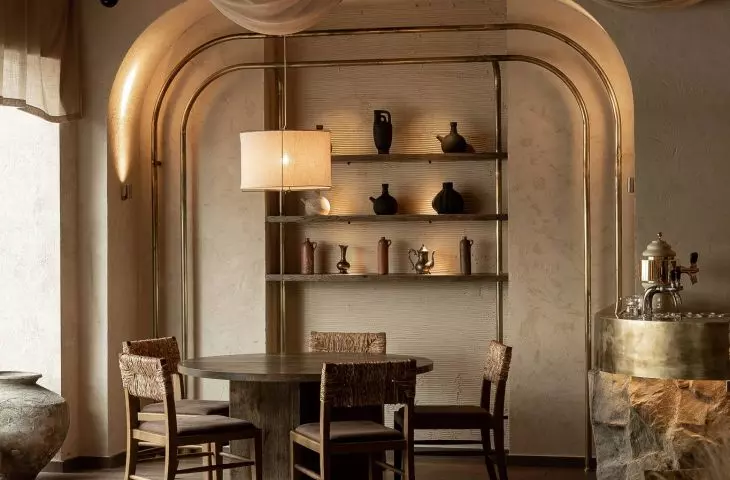
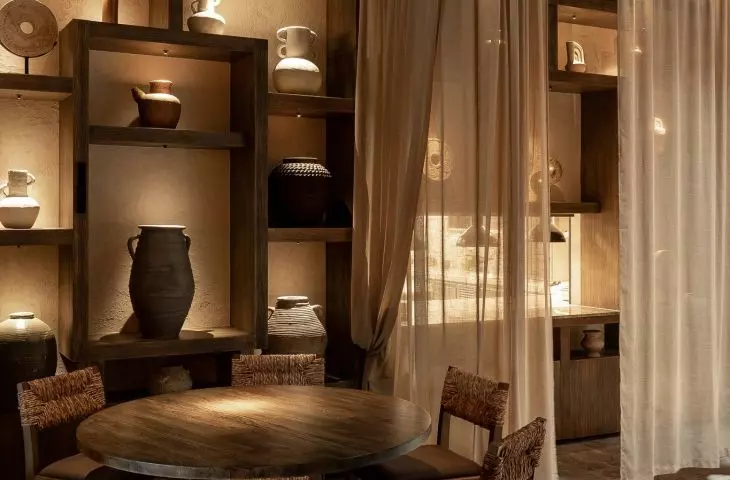
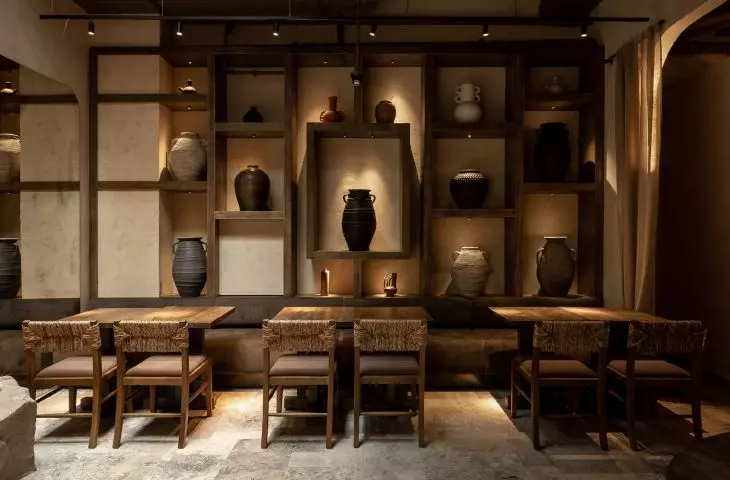
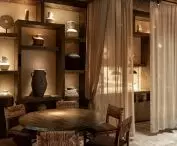
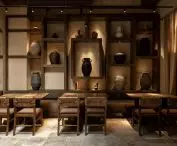
Bookcase with ceramic vases; interior details
photo: Pietruszka Fotografia
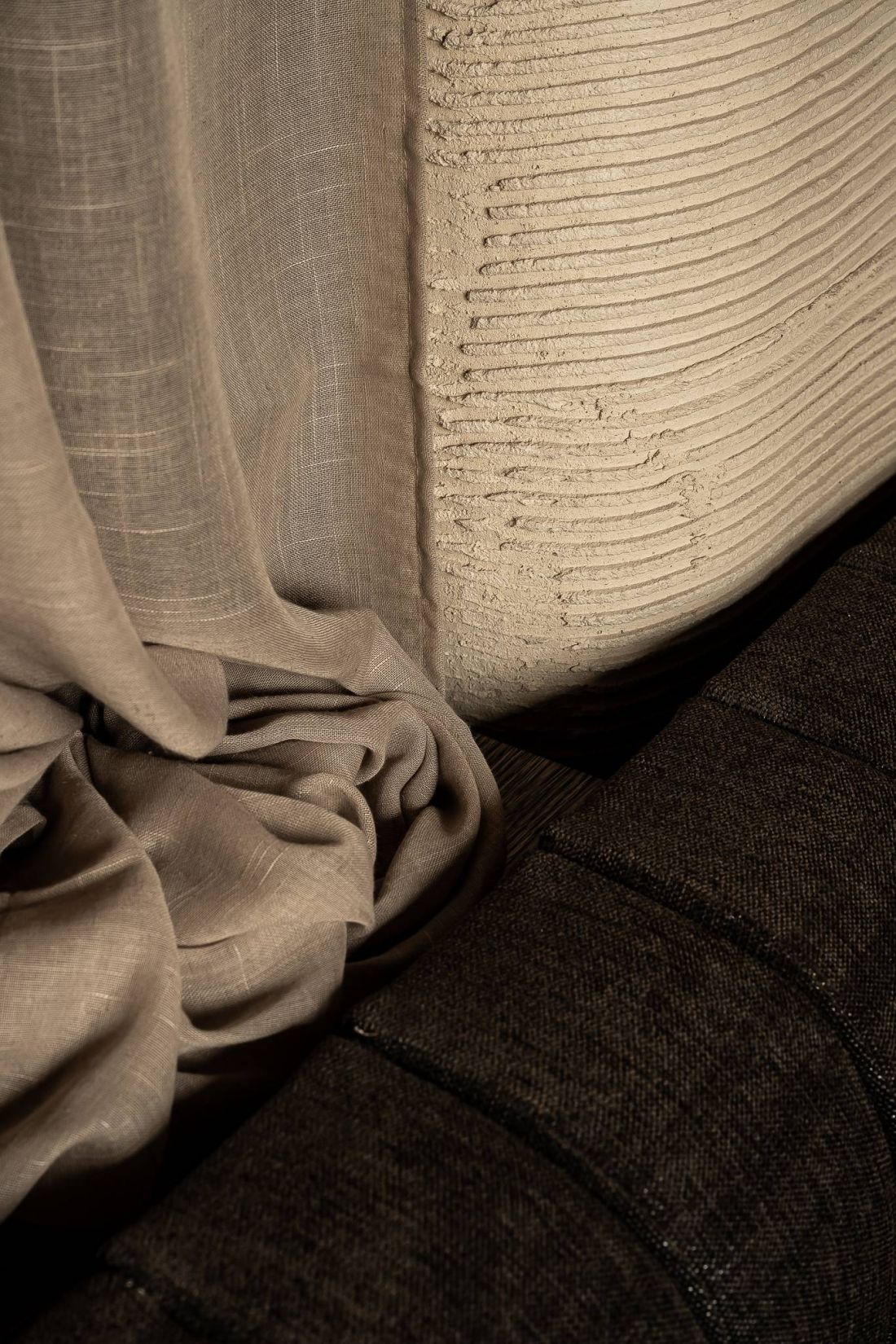
Wood, stone, natural plaster, braided upholstery, brass and linen create an interior that is authentic, full of depth and craftsman's honesty. [...] The most important element of the project is light - it builds tension, guides the eye and "paints" the frames of the space. Lighting not only exposes key zones, but acts as an aura, wrapping the interior and giving it a sense of intimacy
- reads the project description.
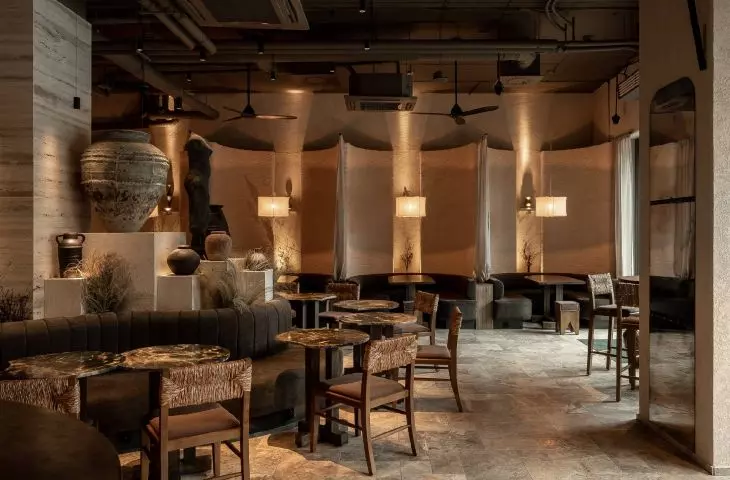
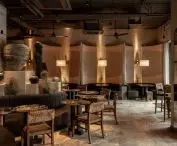
How did the architects build the atmosphere of the interior? Although there is no hearth burning inside, the idea was to symbolically cluster guests in varying locations, depending on the degree of privacy of the meetings - in a central lodge or grotto-like symmetrical alcoves with arched seating.
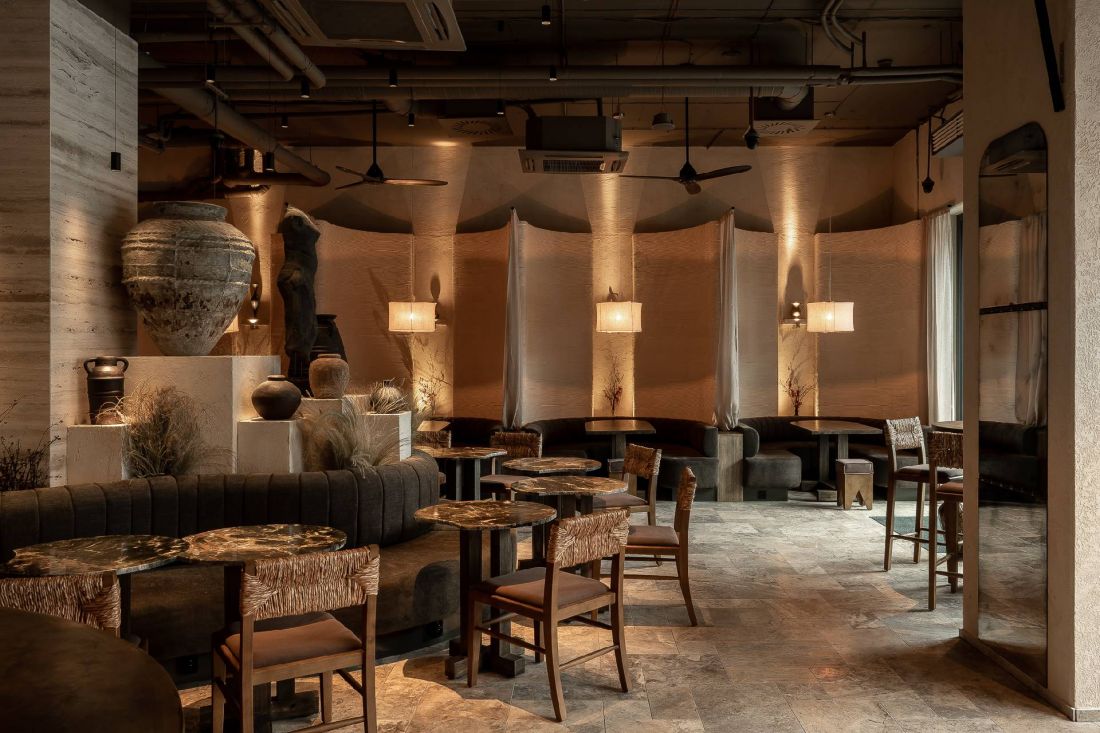
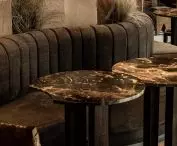
ULU in Gdansk; larger groups can sit in grotto-like symmetrical alcoves with arched seats
photo: Pietruszka Fotografia
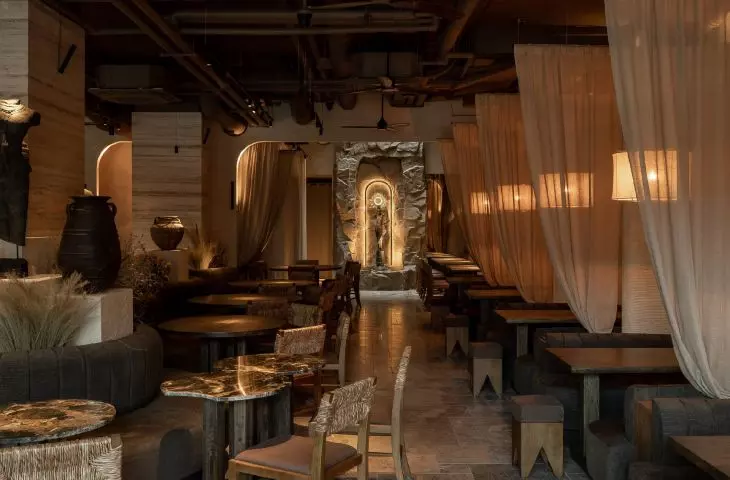
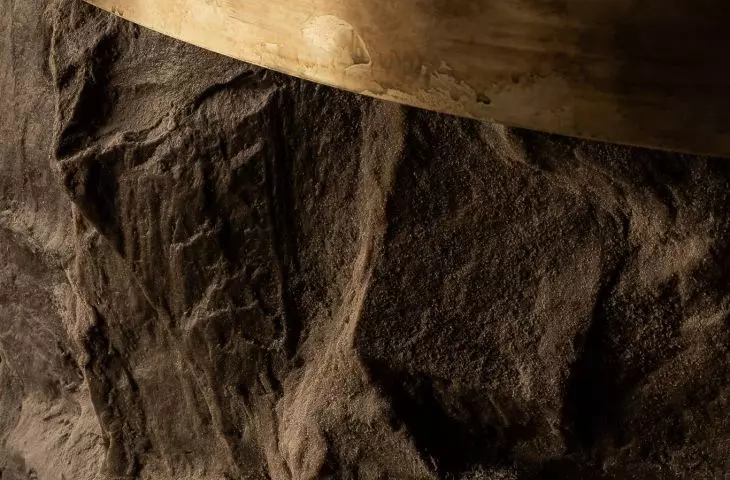
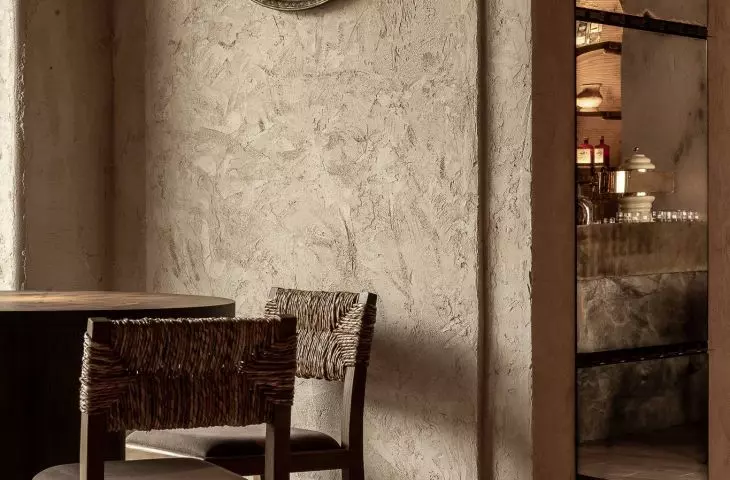
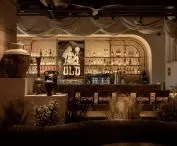
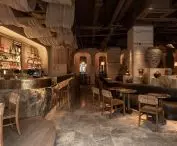
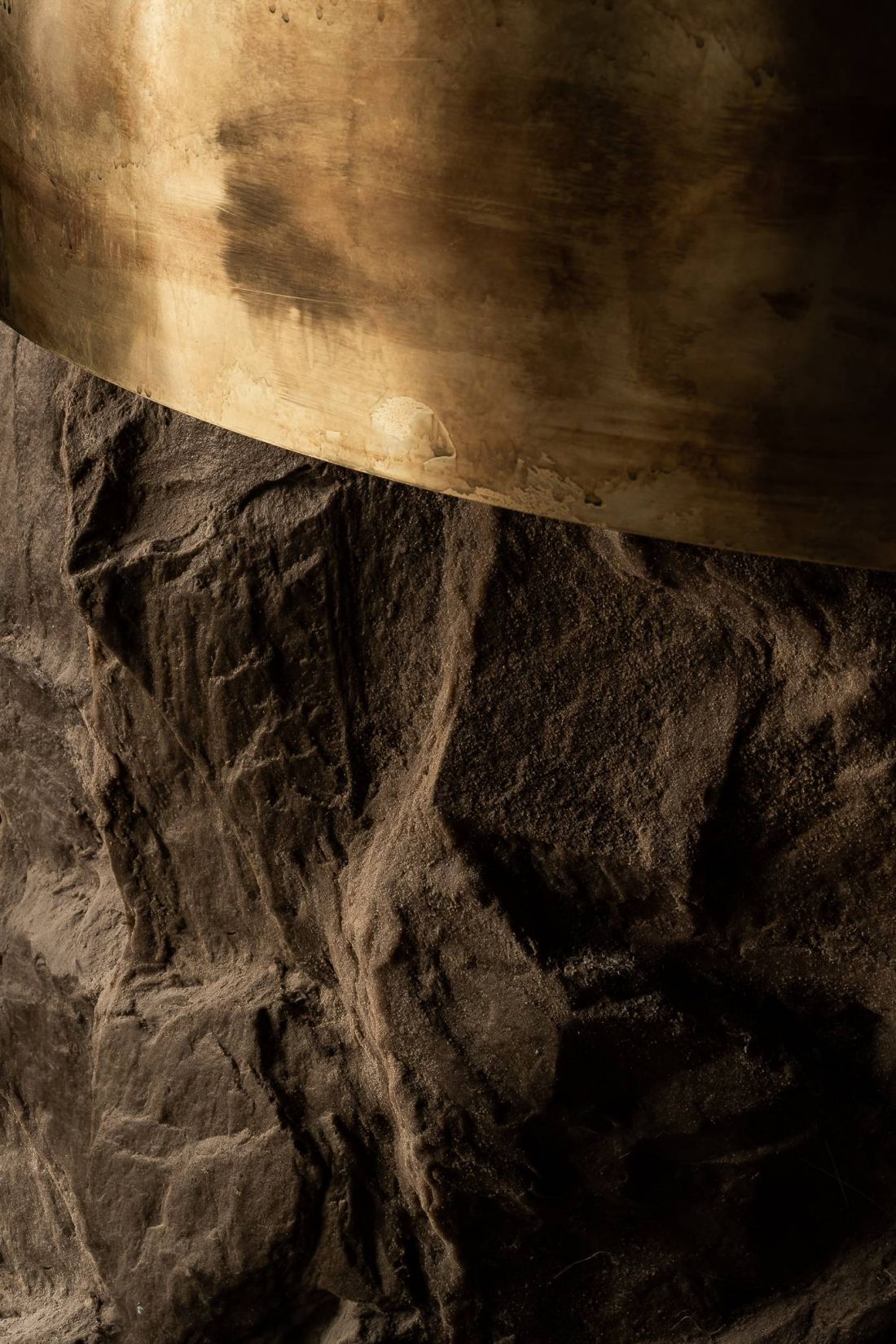
The entire interior, though monochromatic at first glance, is varied by a variety of materials and textures - from smooth floors and columns, to rough walls, wicker chair backs, wooden furniture, ceramic vases andsoft fabrics suspended from the ceiling to the rough stones with which the bar is clad and the niche located on the axis of the entrance with the statue of the restaurant's patroness.
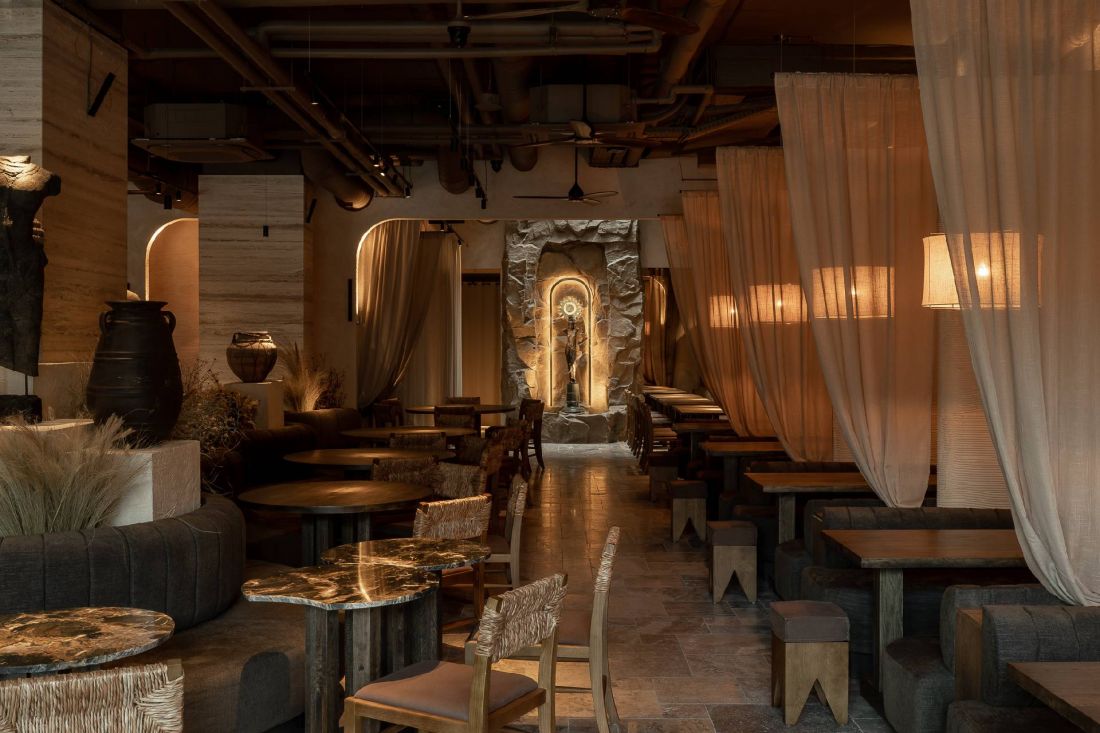
On the axis of the entrance there is a niche with a statue of the restaurant's patroness
photo: Pietruszka Fotografia
I searched for a long time for a sculpture that could symbolize our ULU goddess. Most of the replicas were too "new" for me, I depended on something that carried the time. So we decided on an authentic 19th century sculpture from Spain. Its non-ideality, small losses and traces of history are beautiful to me, reminding me that the real value is in authenticity
- Sadlowska adds.