



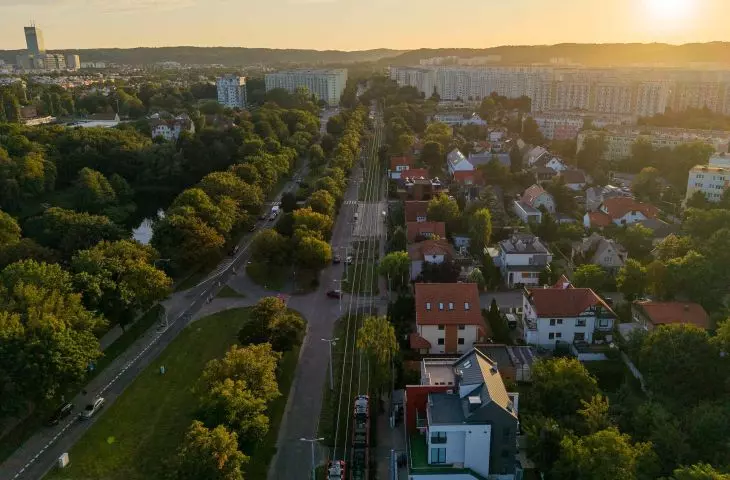
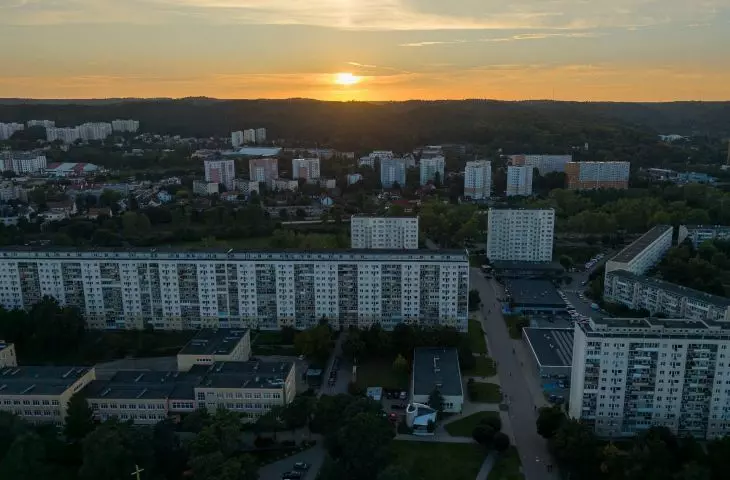
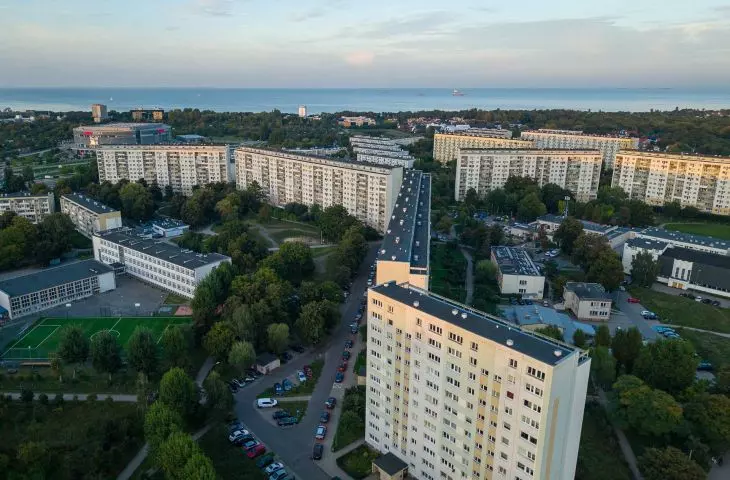
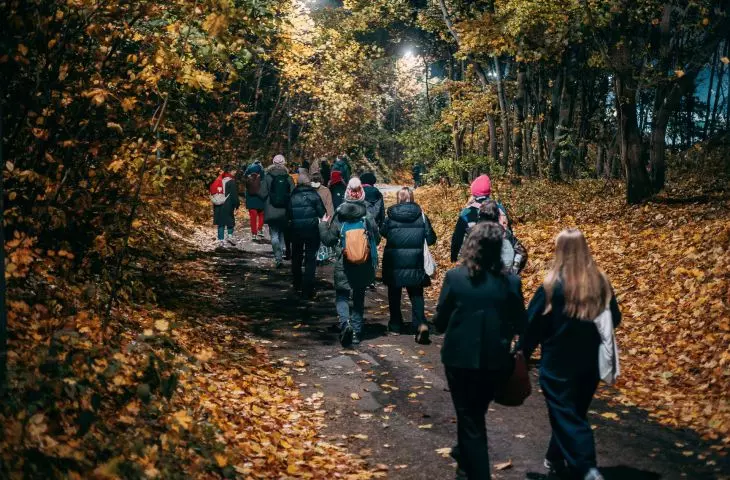
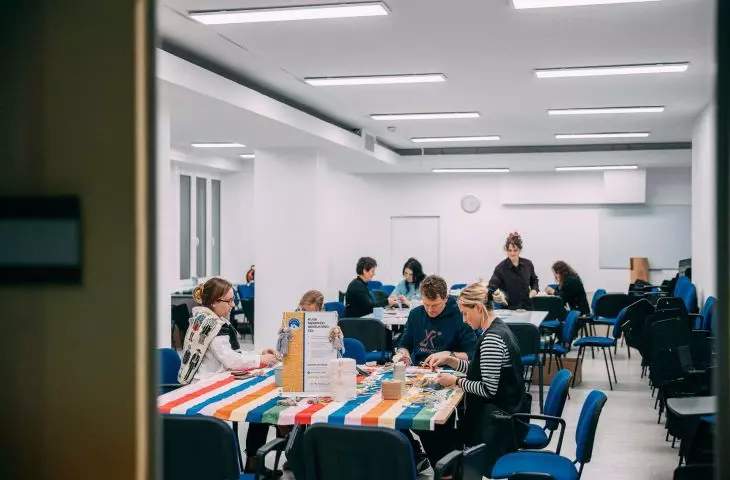
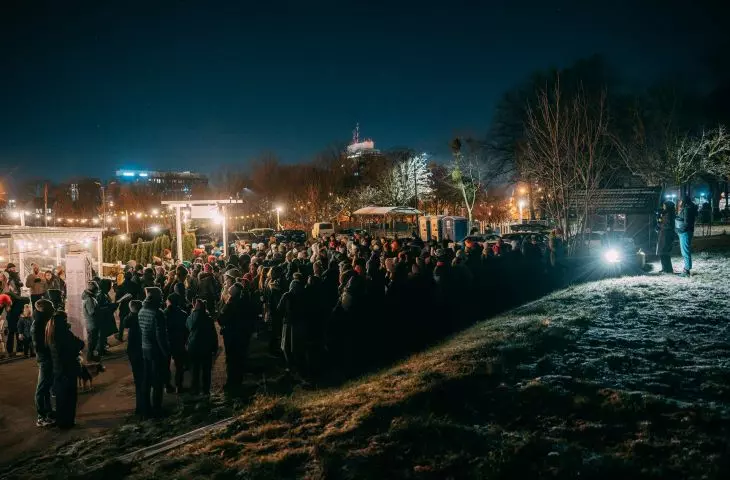
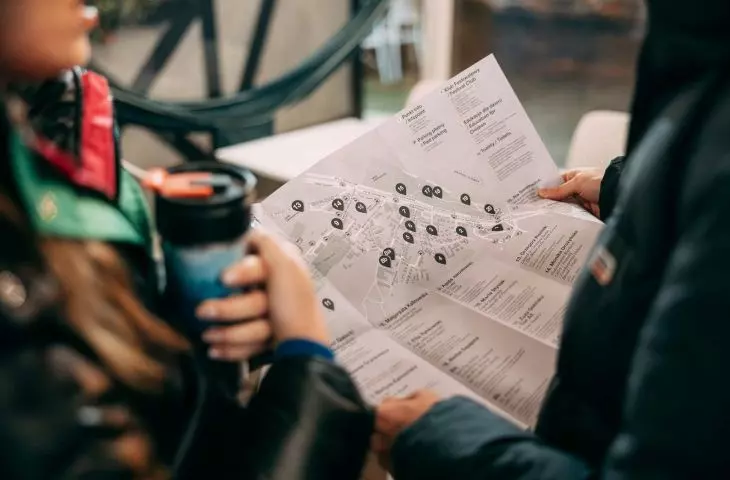
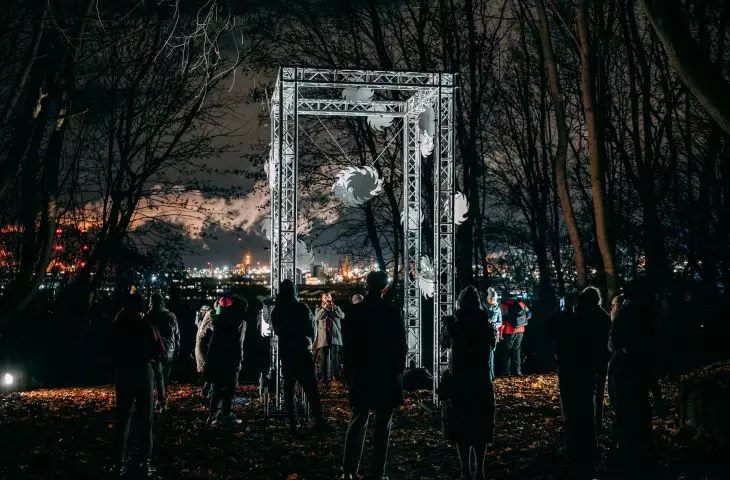

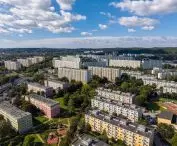
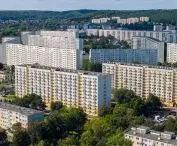
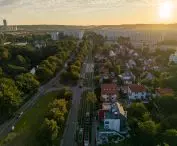
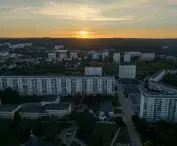
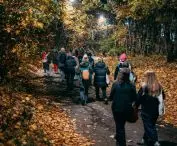
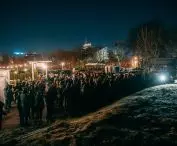
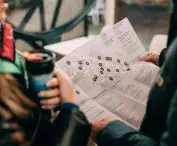
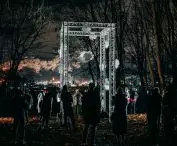

In the fall, Gdańsk has its own special ritual. When the weather turns cool and darkness falls earlier, thousands of people set out on a long walk through one of the city’s neighborhoods. But they aren’t just going for a walk. They’re looking for art. This is one of the most distinctive features of NARRACJA. The festival doesn’t require you to step foot inside a gallery or museum. Art appears where everyday life unfolds: between apartment buildings, in public squares, near pavilions, and along neighborhood paths. This year, the route runs through Żabianka-Wejhera-Jelitkowo-Tysiąclecia. On October 23 and 24, the neighborhood will be filled with installations, interventions, and activities created specifically for this location.
Narratives
© Institute of Urban Culture
A Neighborhood Like a Conglomerate
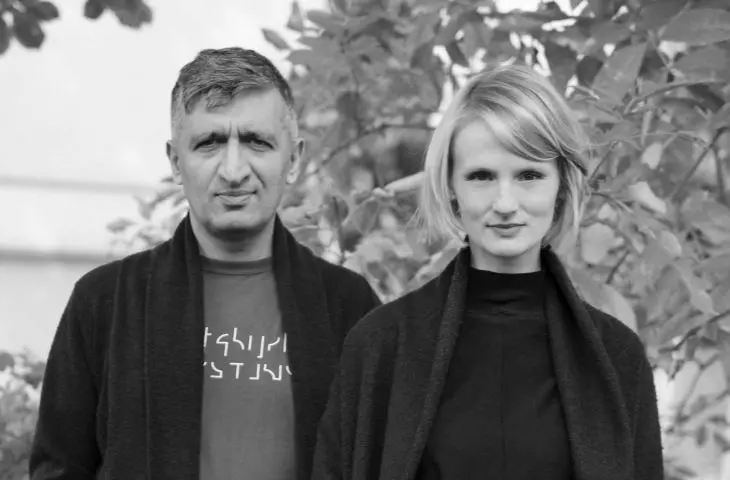
Sylwia Szymaniak and Sarmen Beglarian are responsible for this year’s 17th edition. They had previously collaborated on NARRACJE in 2019, when they curated the festival in Gdańsk’s Siedlce neighborhood. This year’s venue, however, called for a different perspective.
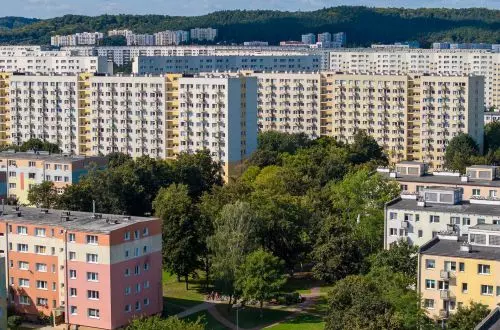
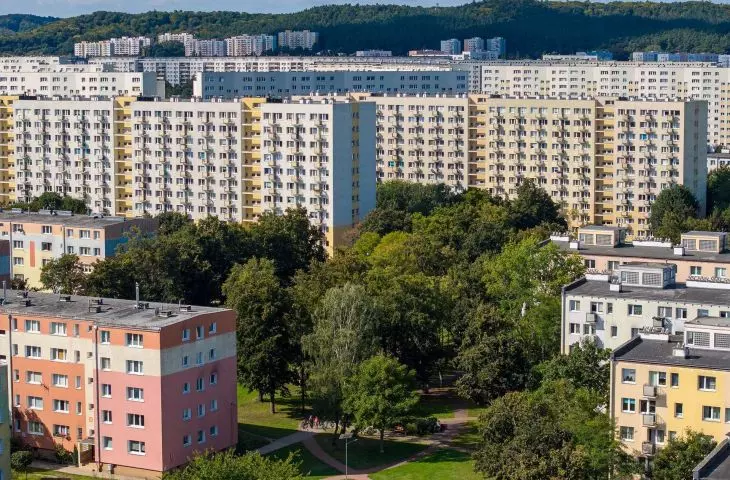
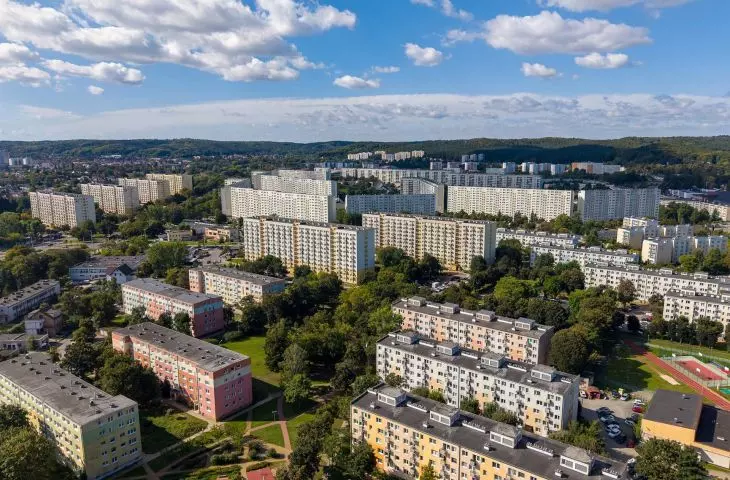
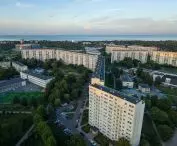
Although Żabianka-Wejhera-Jelitkowo-Tysiąclecia is administratively a single district, its individual parts have their own histories and distinct characters. Jelitkowo has a much older history than the Żabianka, Wejhera, and Tysiąclecia housing estates, which were built in the 1960s and 1970s and emerged in a different era and according to a different vision for the city.
However, administrative boundaries do not always correspond to how a place is embedded in the consciousness of its residents. This is illustrated by a story recounted by artist Mikołaj Biberstein-Starowieyski. When he asked residents of the Tysiąclecia housing estate about life in their neighborhood, they told him they lived in Przymorze. In their everyday mental map, the neighborhood and Przymorze Park—with which they had long associated their area—proved more important than the official division.
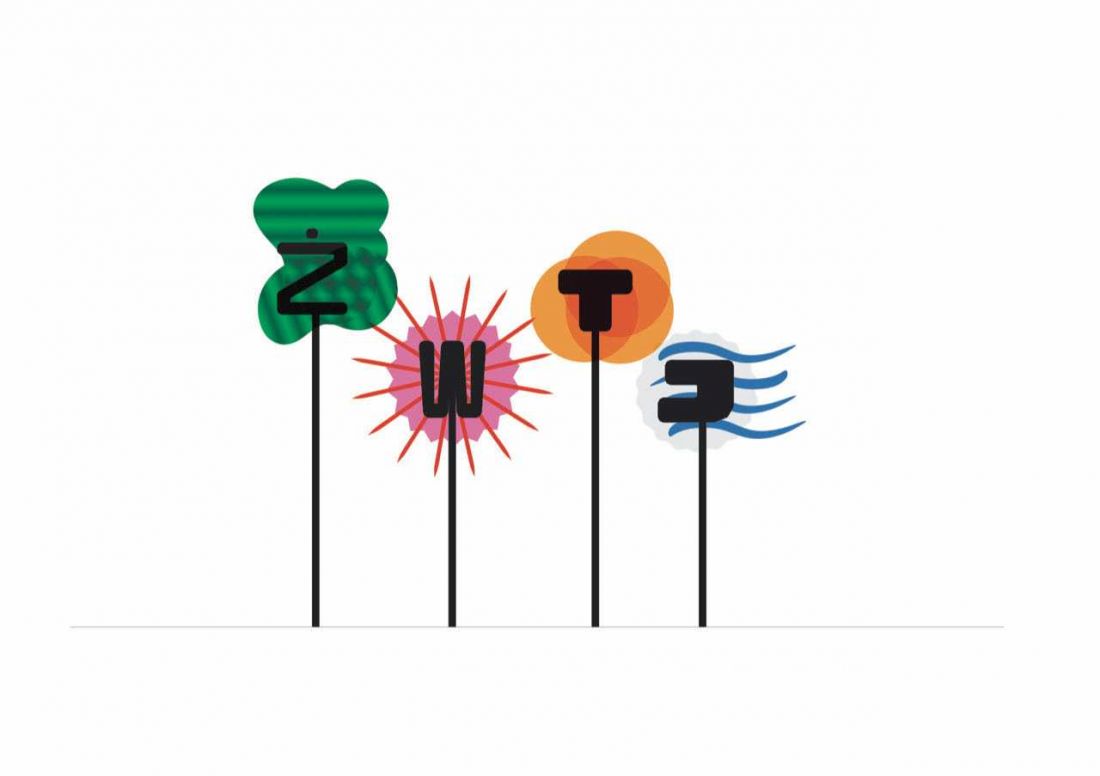
Bersz narratives
© Institute of Urban Culture
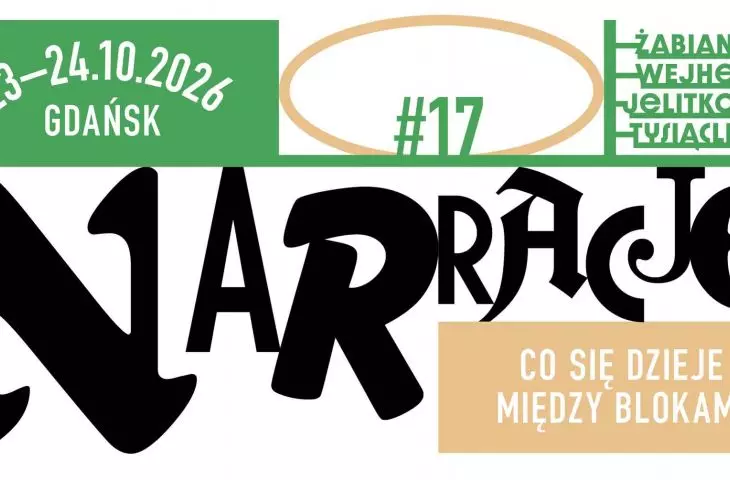
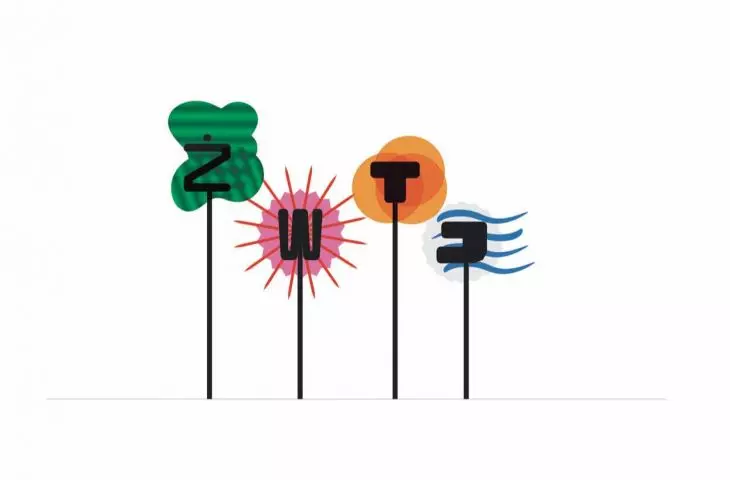
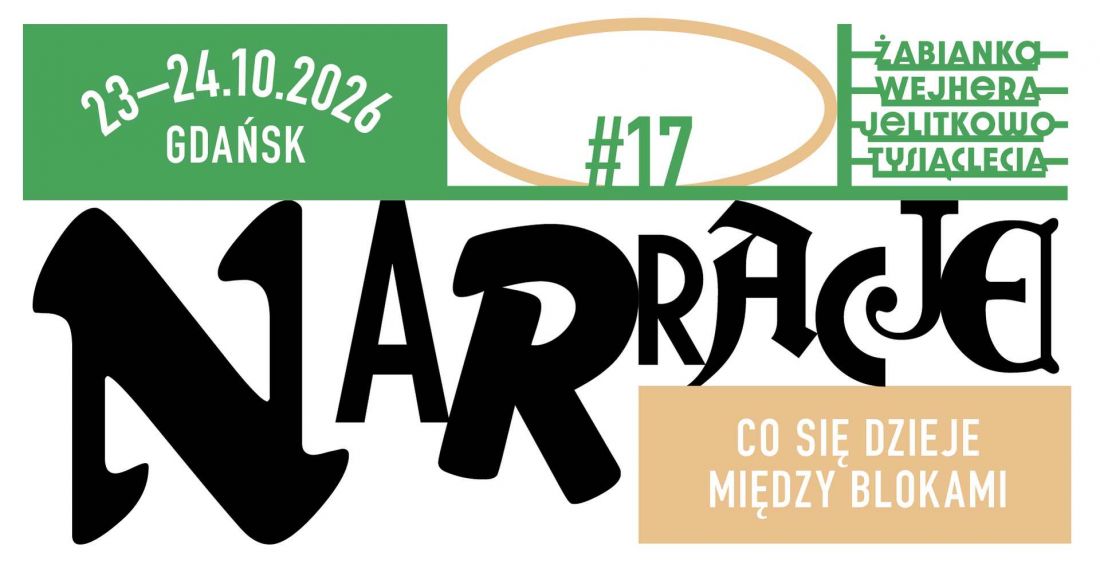
The diverse layers of the neighborhood are also reflected in the visual identity of this year’s NARRACJE. It was created by graphic designer Jakub Pionty Jezierski. While working on the project, he examined the area’s literature and architecture, as well as local landmarks, both from the distant past and more recent times.
The concept of a conglomerate served as inspiration. In the designer’s interpretation, the neighborhood’s space functions in a similar way: In geology, a conglomerate is a sedimentary rock composed of gravel grains bound together by a cement. The festival district is precisely such a spatial conglomerate—historic remnants and pastel-colored apartment blocks are connected here by parking lots, streets, pedestrian walkways, and park greenery. This year’s festival branding is also a conglomerate, inspired by local elements: metalwork welded from scraps of sheet metal and rebar, the vernacular lettering of eateries, and fan graffiti.
More Than Just a Prefab Housing Estate. A Neighborhood Designed for People
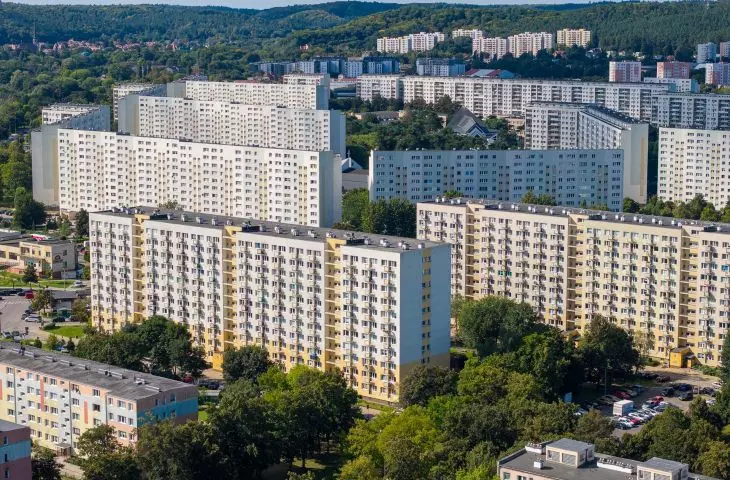
Żabianka can easily be described using a few familiar words: the 1960s and 1970s, prefabricated concrete slabs, prefabrication, housing estate. Such a description, however, says little about how the place—where the lives of thousands of people were to unfold over the coming decades—was planned.
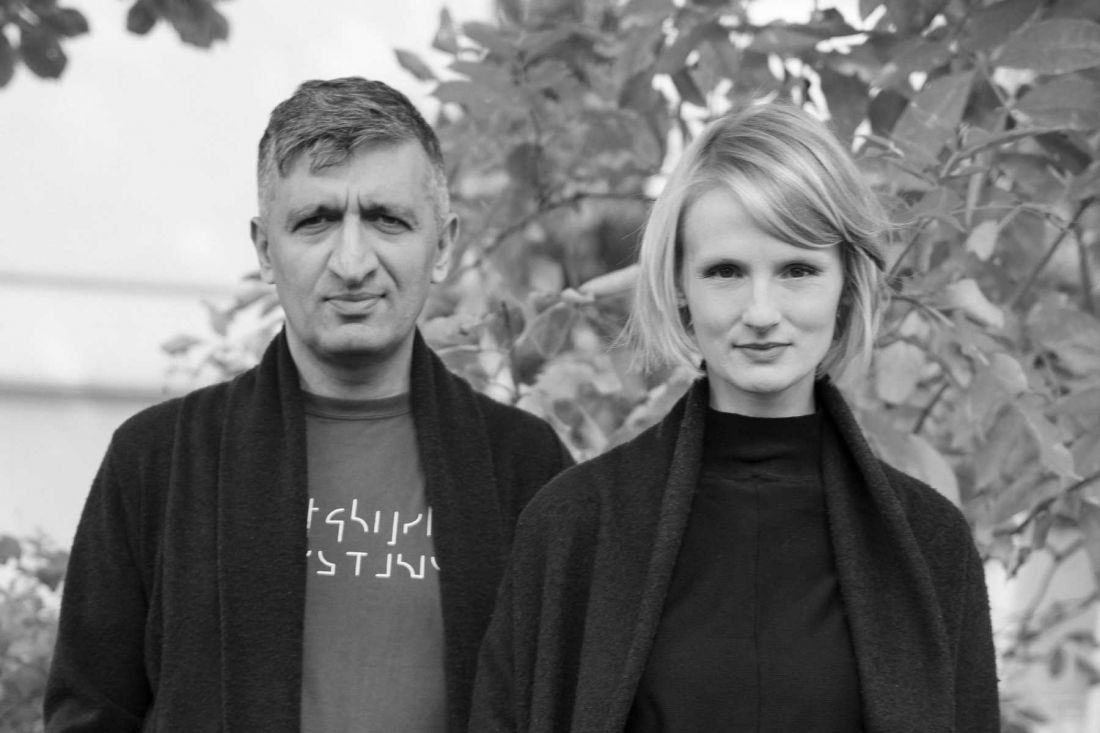
Sarmen Beglarian, Sylwia Szymaniak
Photo: Michał Moniuszko
During the design process, emphasis was placed on the development of the spaces between the buildings. In addition to apartments and pedestrian walkways, plazas and green spaces were planned. Żabianka was built according to a consistent vision for the housing estate, in which residents were to have not only a home but also space for living and relaxation. This is precisely why the term “block of flats” does not capture the character of this place.
Art played a special role in the design concept. Żabianka is a large-panel housing estate in Gdańsk where artists were invited to collaborate as early as the planning stage. From the very beginning, artistic installations were intended to be an integral part of the space.
Sylwia Szymaniak and Sarmen Baglarian highlight works of art that, over the decades, have become so deeply ingrained in the housing estate that they have become almost invisible. Among them are works by the so-called Kadyna Group, whose concept took shape during the “Ceramics for Architecture” plein air workshops in the early 1970s. Ceramic sculptures and reliefs by Svetlana Zerling in the form of naked human figures imprinted in clay, “Sea”—a bas-relief by Jacek Krenz—and the “Earth” fountain by Edward Roguszczak, whose form was inspired by cracked earth.
Over the years, some of the works have been destroyed, altered, or have disappeared. Jacek Krenz’s ceramic bas-relief “Sea,” originally made of naturally colored stoneware, has been painted white and blue. Other works have been covered in graffiti in places. These changes, which may seem minor, have affected the way their original intentions can be interpreted today.
Preserving Memory
It is most difficult to preserve something that was not designed as a work of art and was not properly documented. Żabianka once featured themed playgrounds designed by architect Jacek Krenz: “Strumyk,” “Wioska indiańska,” and “Robinsonada,” which attracted children even from outside the immediate vicinity. The wooden structures deteriorated over time and were removed. Reconstructing their appearance based on what remains in the space is nearly impossible. The histories of these places are preserved in , private photo albums, family stories, and the memories of people who recall the site from several decades ago.
However, the memory of a place does not have to mean merely recalling what is no longer there. The curators and artists of this year’s NARRACJE demonstrate how contemporary art can interpret existing images, symbols, or associations and then rework them anew.
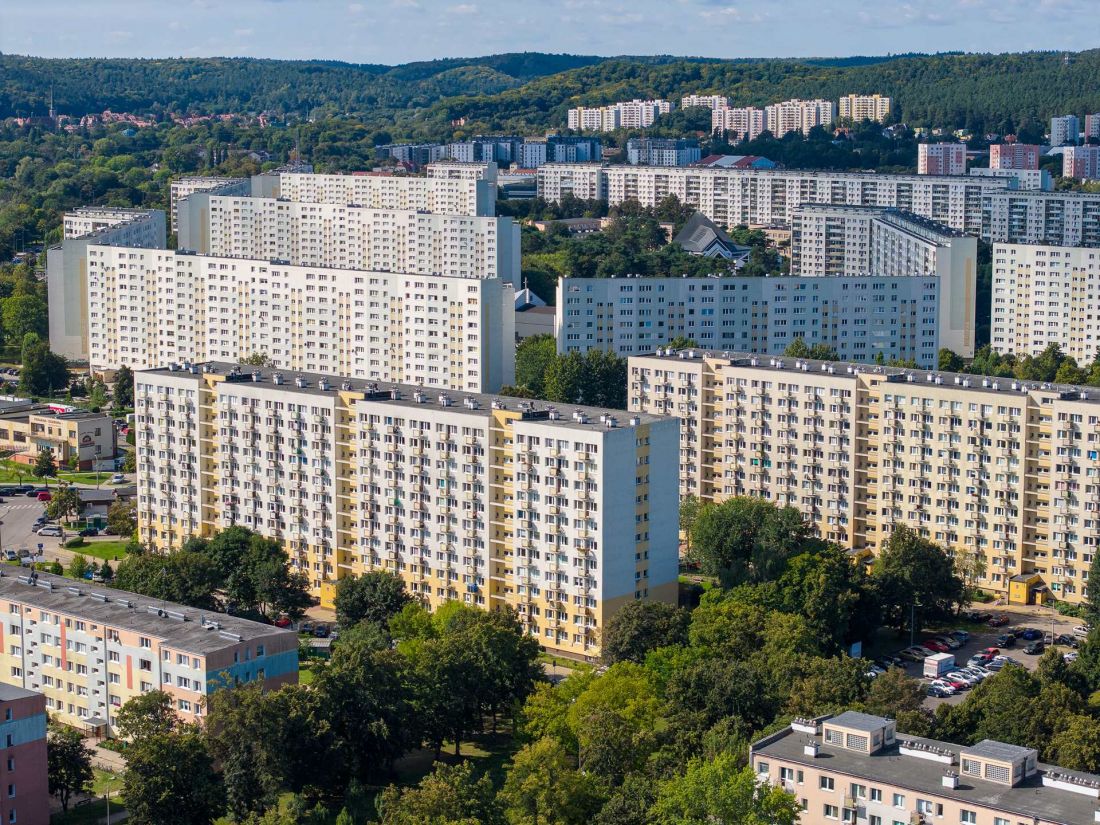
Żabianka
photo: Krzysztof Jaworski “Krzysztofer”
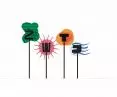
An example is Tomek Bersz’s work, a letter-based sculpture conceived as a prototype for the neighborhood’s emblem and welcome sign. Residents sometimes use the abbreviation “ŻWJT,” which is handy for everyday reference to the long name. Bersz attempts to create a symbol for a place that lacks a single, obvious identity.
NARRATIVES emerge not only within the neighborhood’s space but, above all, through interaction with it. The curators asked whether artists could help create spaces that not only break the monotony and anonymity of the housing estates but also foster integration, build relationships, and shape aesthetic sensibility. Starting in March, the curatorial team and invited artists regularly traveled to Gdańsk to explore the neighborhood and test their ideas against the local context. They created their works in dialogue with their surroundings and the local community. Residents became participants in the creative process, though most viewers will only see their contributions in the finished works.
The route of this year’s edition is marked by works by Tomek Bersz, Mikołaj Biberstein-Starowieyski, Mikołaj Chylak, Maya Gordon, Dominik Jałowiński, the Pani Jurek collective (Magda Jurek and Michał Borecki), Magda Komar, Jacek Krenz, Natan Kryszek, Anna Laskowska, Monika Orpik, Ada Adu Rączka, Anastasia Rydlevska, Dorota Walentynowicz, Edward Roguszczak, and Svetlana Zerling.
A Shift in Perspective
NARRATIVES have a unique ability to shift the viewer’s perspective. They do not always reveal a place we did not know before. Sometimes they make us begin to notice what has been right in front of us all along.
The question posed by Sylwia Szymaniak and Sarmen Beglarian in their concept—“What happens between the apartment blocks?”—does not lead to a single answer. It directs us toward how we understand today the social and aesthetic role of art in shared spaces. It’s a question about disappearing playgrounds and sculptures that were part of the everyday landscape for years—and whose artistic value we begin to recognize anew only when they’re gone. About signs that weren’t there before, but which attempt to reinterpret the neighborhood.
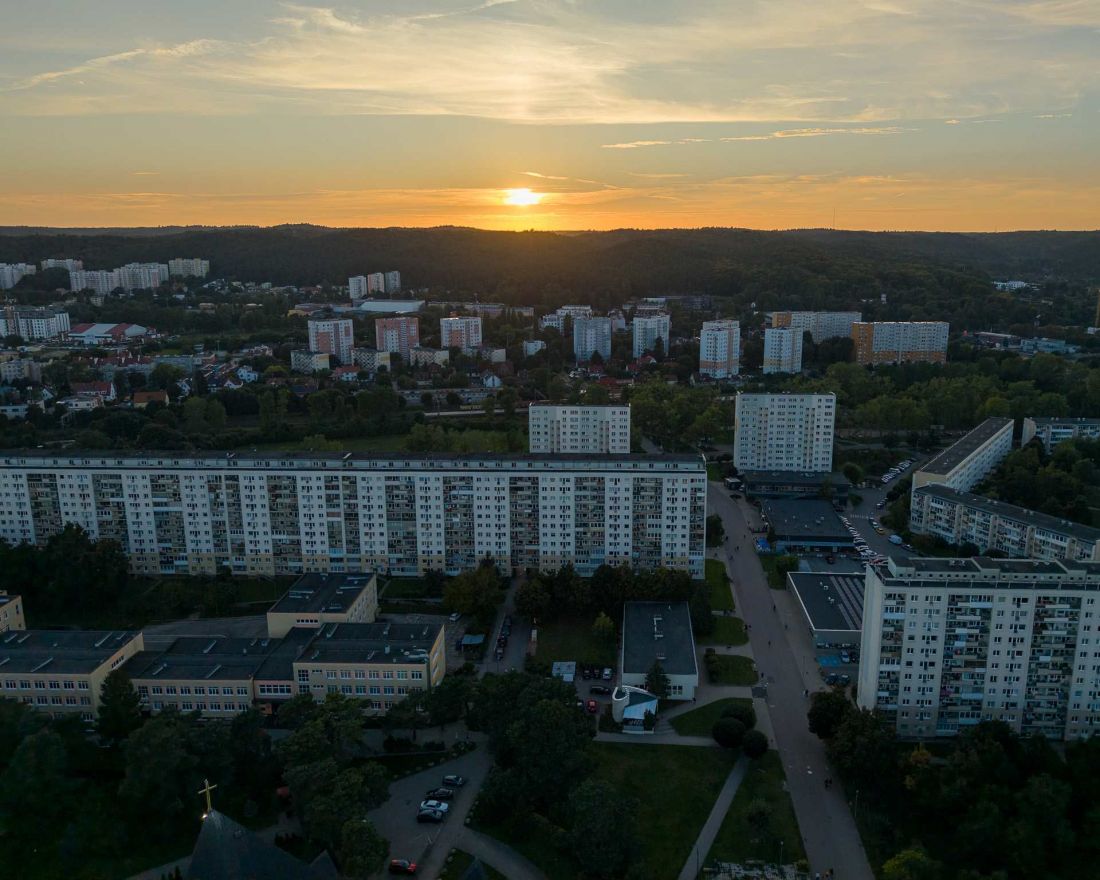
Żabianka
Photo: Krzysztof Jaworski “Krzysztofer”
On October 23 and 24, 2026, the Żabianka-Wejhera-Jelitkowo-Tysiąclecia neighborhood in Gdańsk will become a walking route, a venue for contemporary art exhibitions, and the focal point of the festival. It’s worth taking your time to walk through it and reflect on whether the contemporary city is still capable of leaving room for chance encounters and shared experiences.
NARRACJE #17 “What’s Happening Between the Apartment Blocks?”
October 23–24, 2026
Żabianka-Wejhera-Jelitkowo-Tysiąclecia, Gdańsk
Curators: Sylwia Szymaniak, Sarmen Beglarian
Organizer: Institute of Urban Culture
www.narracje.eu
FB: NarracjeGdansk