



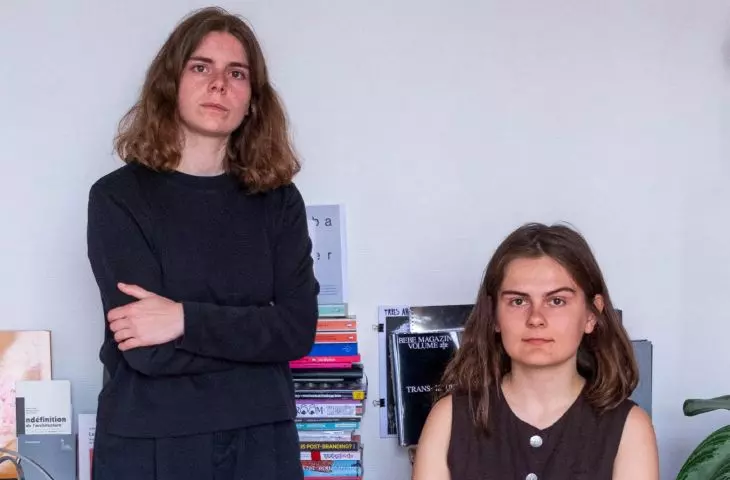
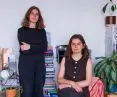

Bernadetta Budzik defended her diploma just three years ago - today, together with French architect Rachel Rouzaud, she is presenting her project at Arselane, the main exhibition of the Venice Architecture Biennale. Congratulations!
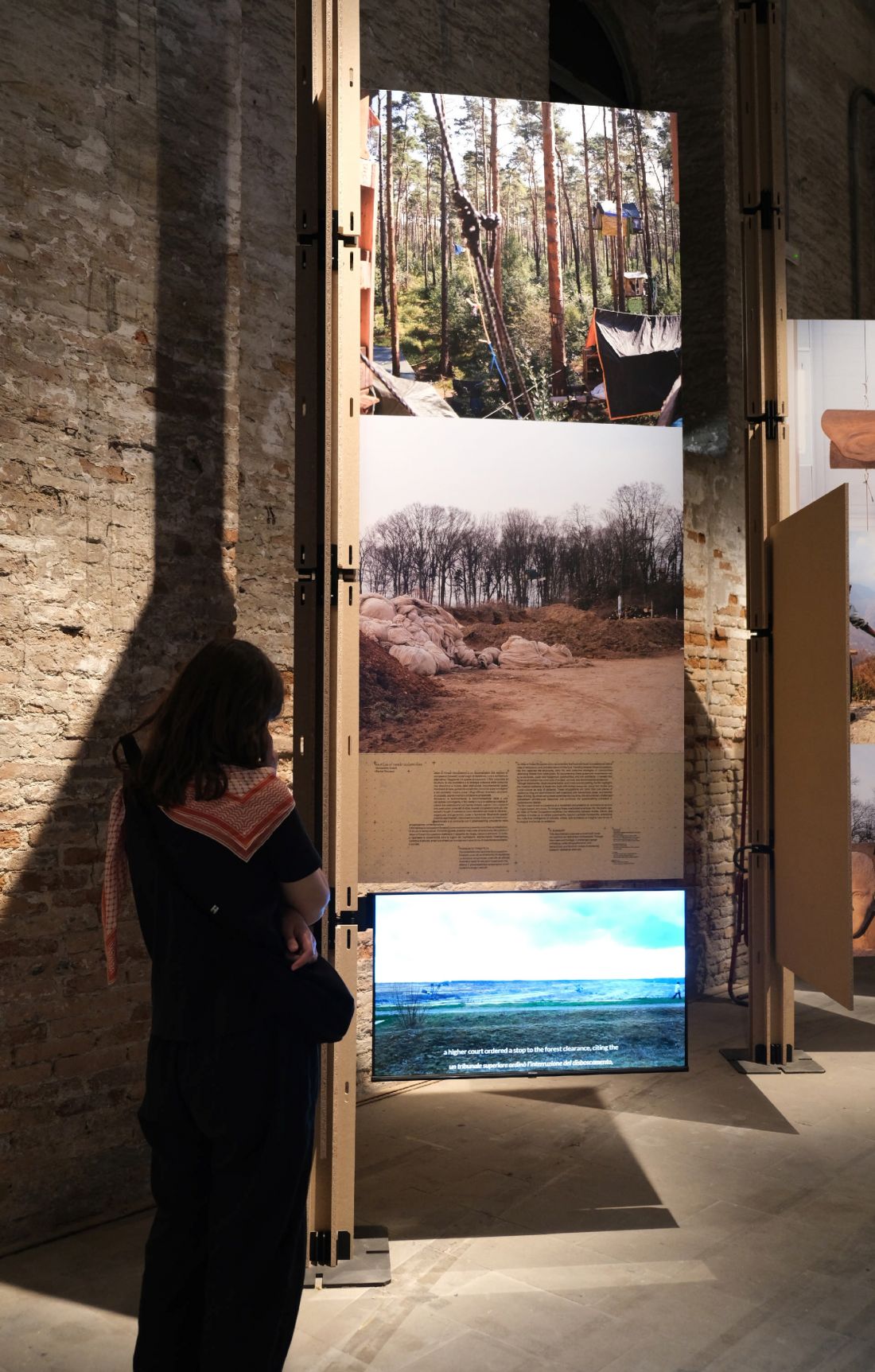
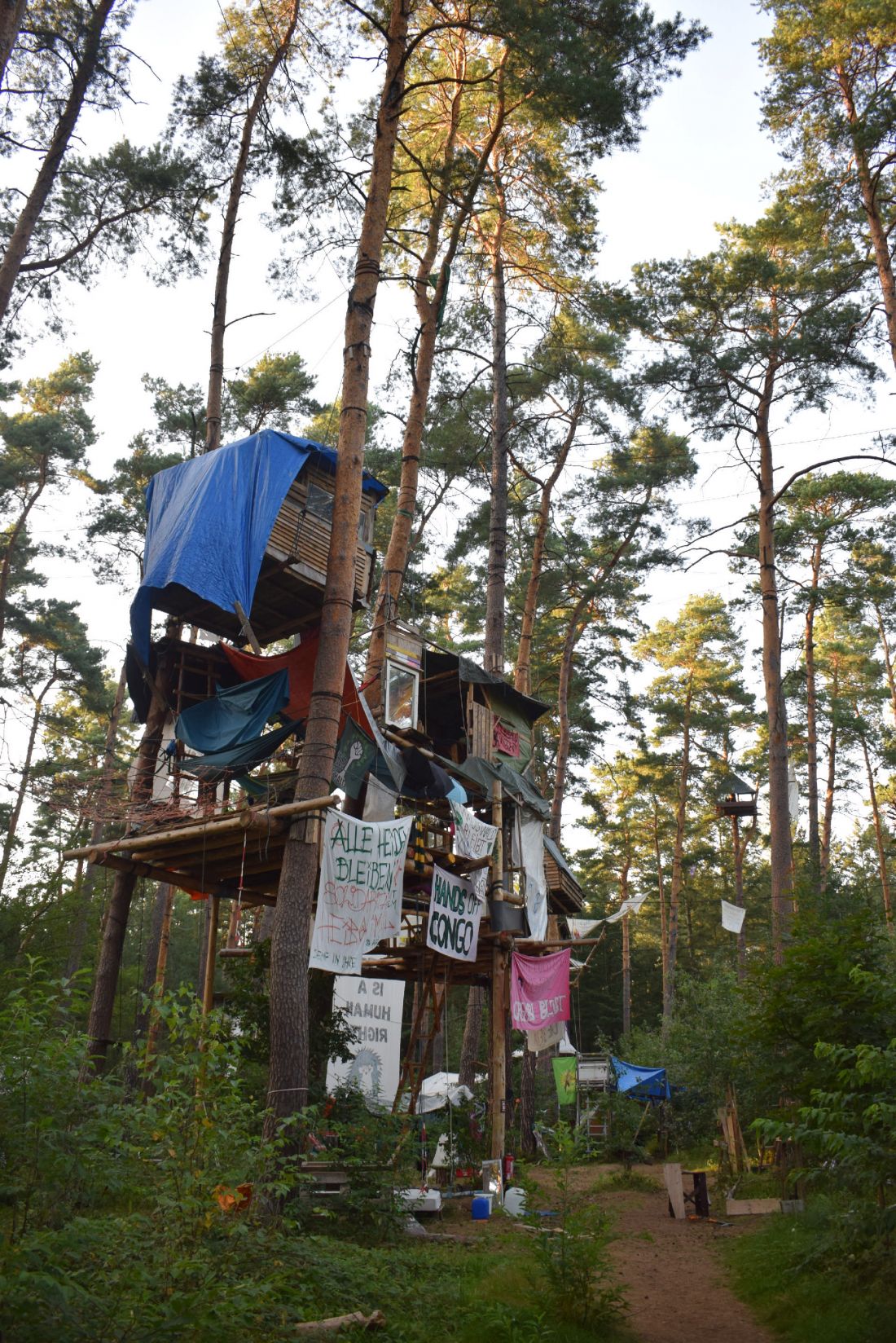
Bernadetta Budzik and Rachel Rouzaud's project at the Arsenale during the Venice Architecture Biennale
© Bernadetta Budzik archive
Bernadetta Budzik (born 1998) earned a double degree in architecture from the Münster School of Architecture and the Cracow University of Technology. She gained experience by participating in numerous student workshops (Mood for Wood, OSSA), taking part in competitions (she received, among others, the 3rd Prize in the 2022 A&B Diploma Competition, where she presented her engineering diploma "Architecture Connecting Cultures. Concept of a vegetable market on the Lusatian Neisse River"), as well as doing internships - including at the BudCud studio in Krakow. After graduation, she moved to Paris, where she began working with Rachel Rouzaud, an architect and artist. The Polish-French duo, as part of the LINA platform, worked on the project "An Atlas of Forest Occupations," which today can be seen in the main exhibition of the 19th International Architecture Biennale in Venice.
© LINA
Ola Kloc: How did your work end up in the main exhibition of the Venice International Architecture Biennale?
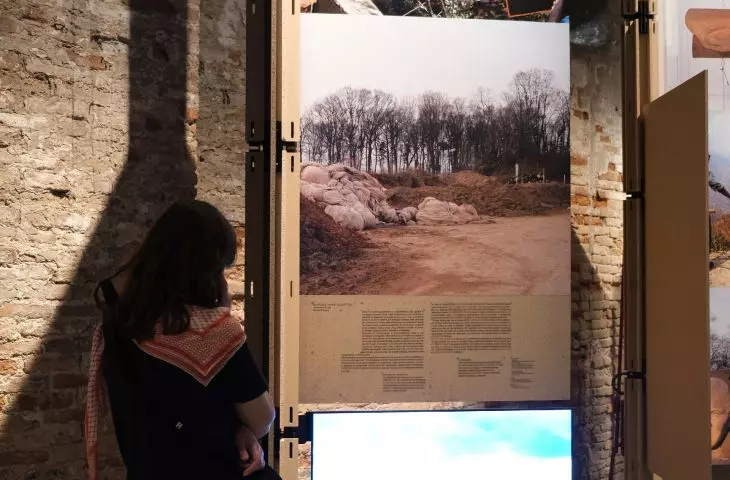
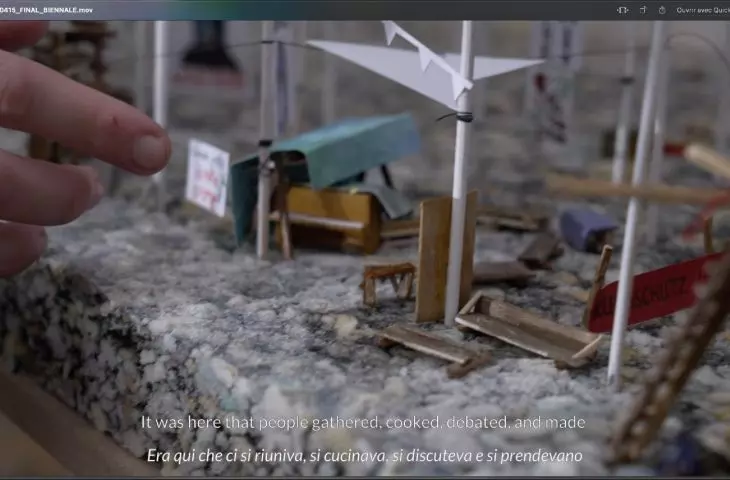
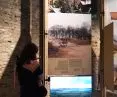
Bernadetta Budzik: Together with French architect Rachel Rouzaud, we responded to the Space for Ideas open call announced by Biennale curator Carlo Ratti. After several months of multi-stage selection, we were shortlisted for the Biennale's main exhibition. The final decision allowed us to present our documentary film "An Atlas of Forest Occupations".
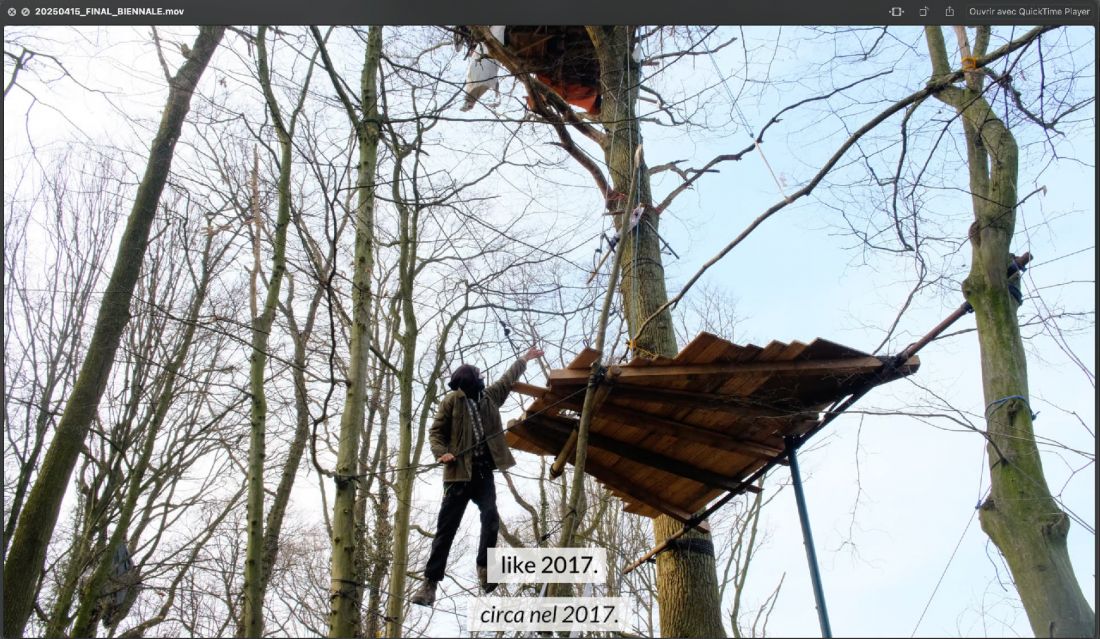
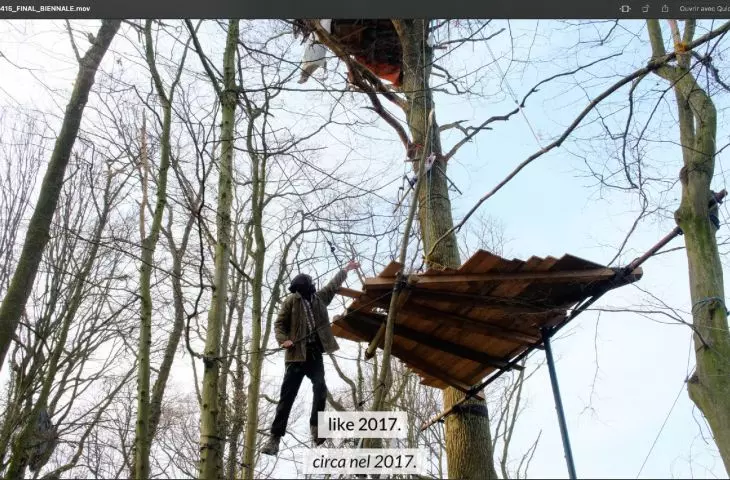
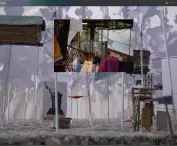
A frame from the documentary "An Atlas of Forest Occupations".
© Bernadette Budzik archive
Ola Kloc: What is "An Atlas of Forest Occupations" about? How was this project created?
Bernadetta Budzik: "An Atlas of Forest Occupations" is a documentary exploring forest occupations as radical spaces of resistance, care and alternative architecture. The film was created as an outgrowth of my master's thesis,"Architecture of Protest," inspired by the wave of protests in Poland in 2022. I defended it at the Cracow University of Technology and the Münster School of Architecture. After graduation, I moved to Paris, where I met Rachel and we began working together to develop the project.
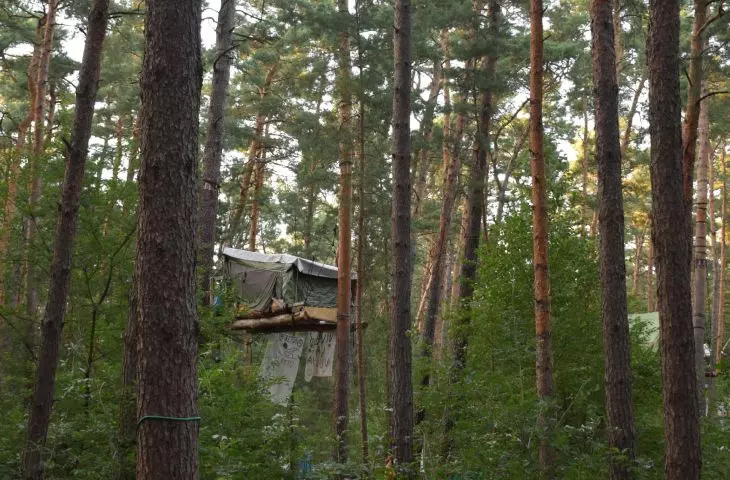
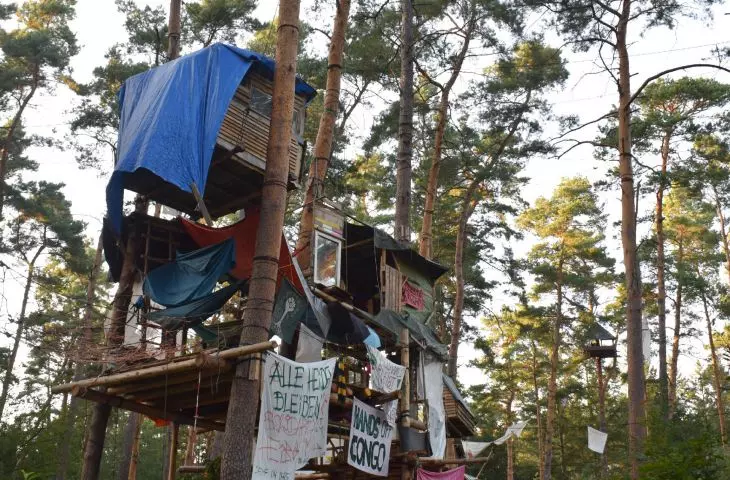
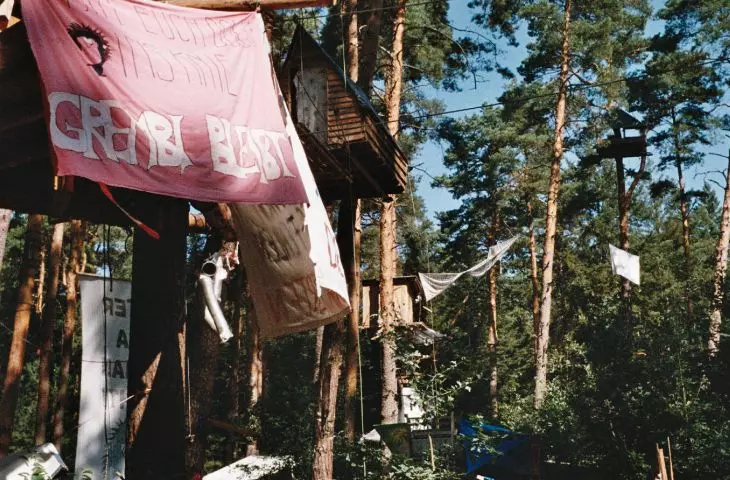
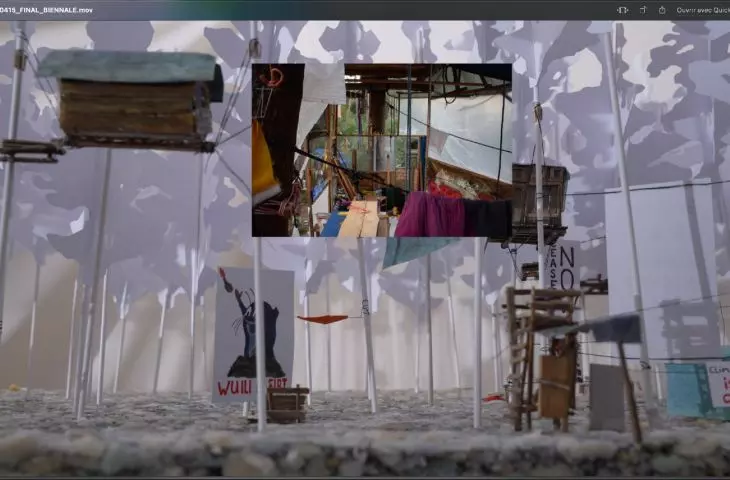
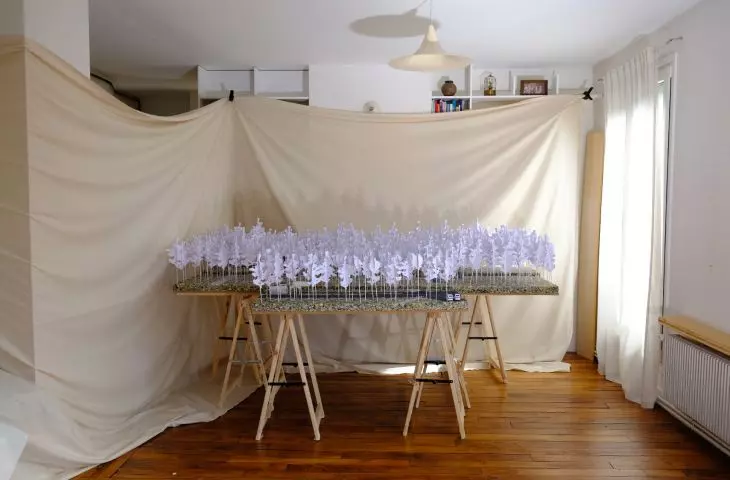
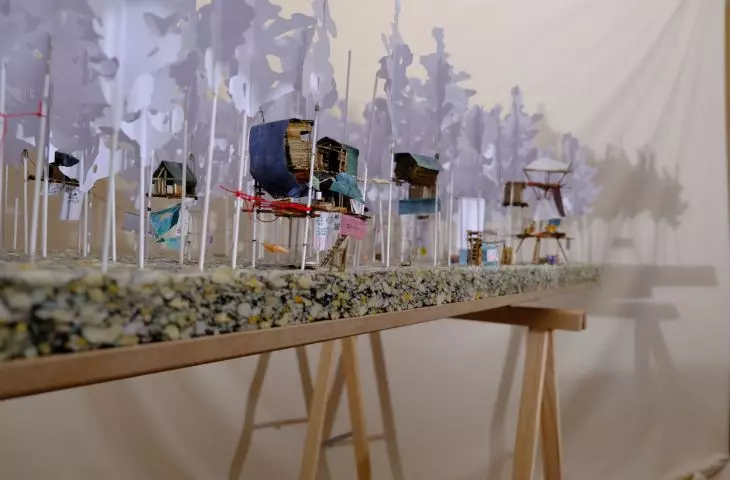
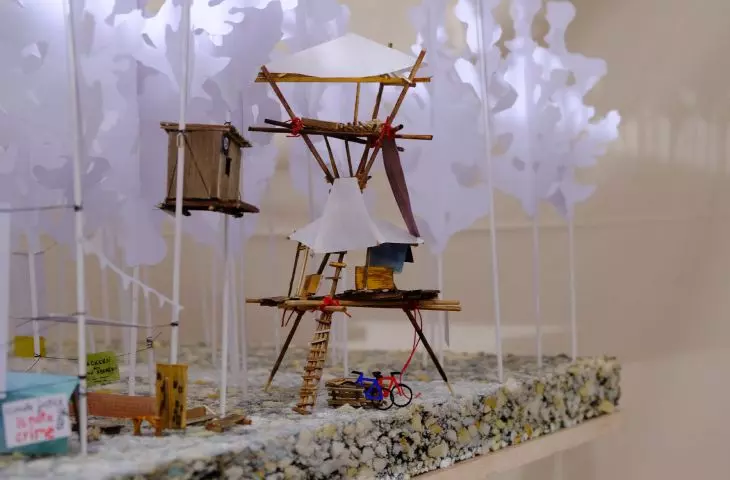
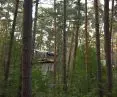
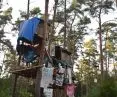
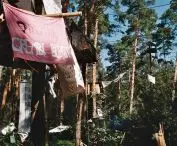
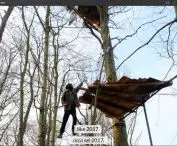
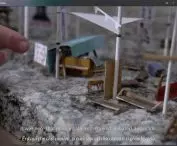
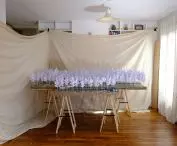
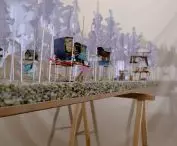
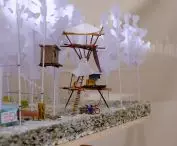
Our research focuses on the practices of occupying space in the context of environmental protests. The starting point was the occupation of Nora219A, led by the collective Wilczyce. The film documents the daily life, architecture and strategies of communities occupying forests to defend them from destruction. It depicts grassroots movements formed by eco-activists, queer individuals, indigenous communities, and people outside the world of architecture. Here, temporary shelters become tools for protest, survival and environmental protection. While working on the film, we joined various occupations, documenting the daily lives, temporary structures and strategies of activists protecting the forests from logging. We interviewed activists and mapped ephemeral spaces of resistance. We recreated one of the first occupations - already decommissioned at the time of filming - in the form of a physical model.
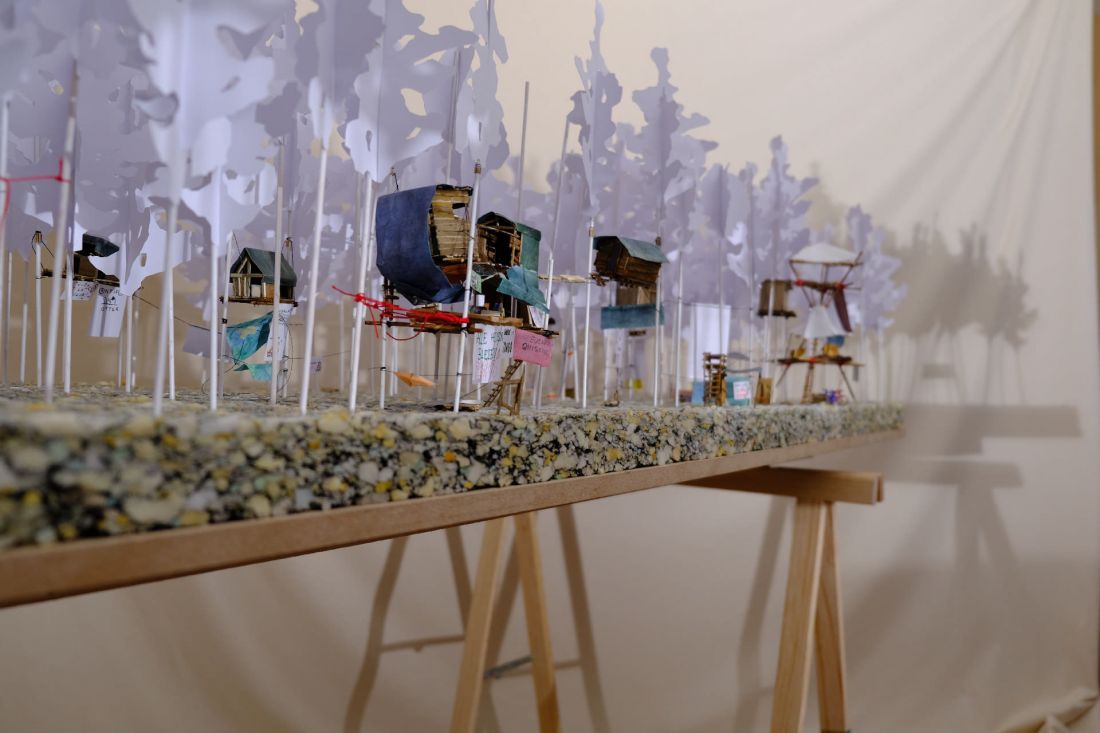
model of forest occupation
© Bernadetta Budzik archive
Ola Kloc: How does your project fit in with the slogan of this year's Biennale "Intelligens. Natural. Artificial. Collective."?
Bernadetta Budzik: Our project "An Atlas of Forest Occupations" directly relates to the slogan of this year's Biennale, showing the collective intelligence of communities defending forests from destruction. In contrast to the dominant technology-innovation narratives, we focus on alternative forms of knowledge - those that emerge from experience, collaboration and the daily practice of living in harmony with nature.
Forest occupations are spaces where natural intelligence (ecosystems), collective intelligence (community action), but also architectural intelligence (albeit informal and ephemeral) are intertwined in practices of resistance and care. The temporary structures created by activists become not only shelters, but also expressions of conscious, critical design - based on empathy, ecology and community.
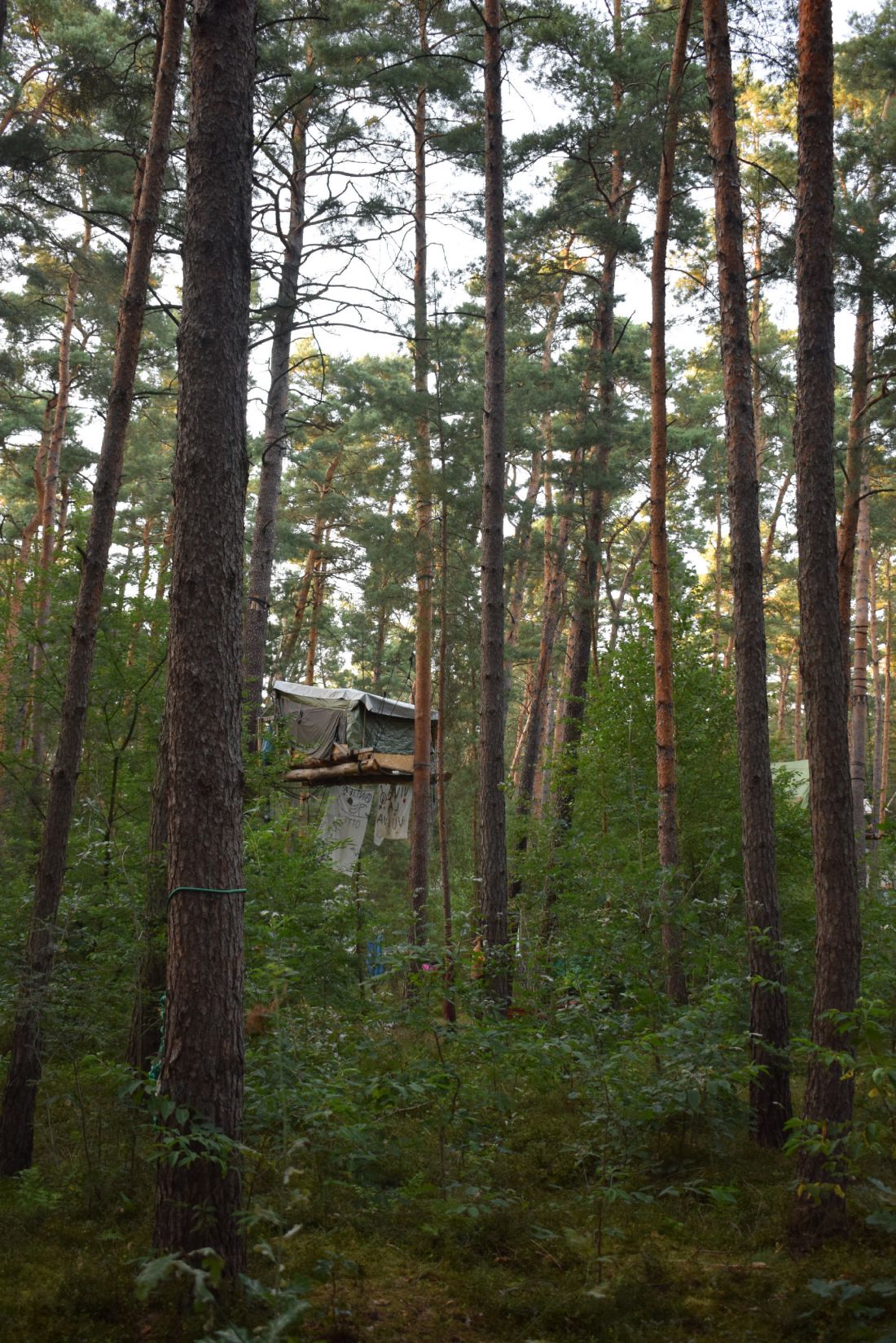
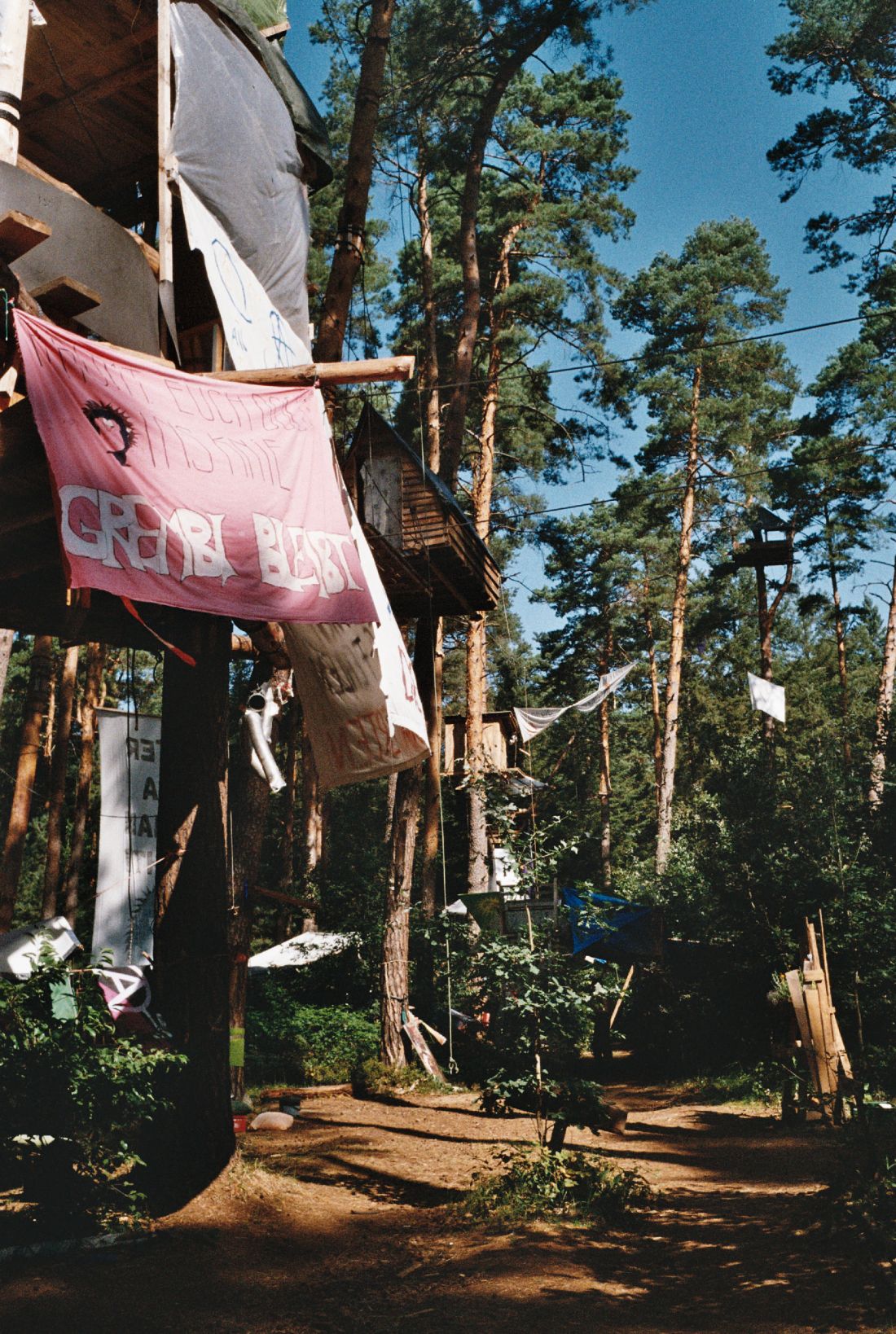
"An Atlas of Forest Occupations" project addresses forest occupations as spaces of resistance, care and alternative architecture
© Bernadetta Budzik Archive