



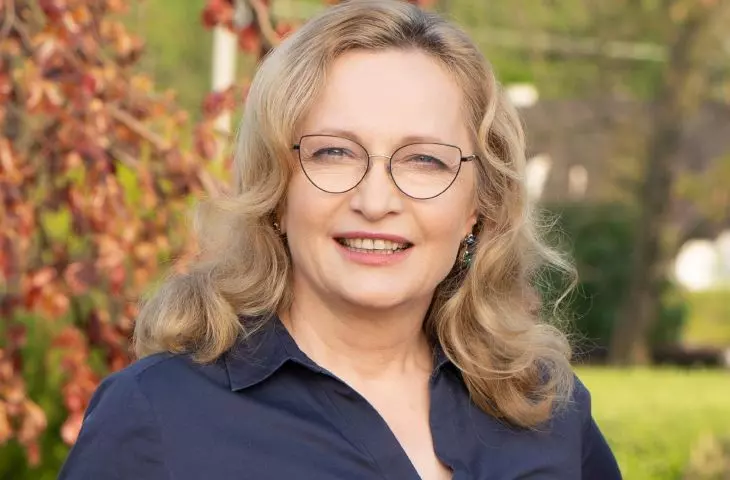




"Join the green avant-garde!" is the slogan of this year's edition of the Zieleń to Życie (Green is Life) fair, which will make its home in Warsaw in early September. We talk about what the green avant-garde is all about, what changes in the issue of urban greenery our law requires, and whether we should outlaw lawnmowers, with Joanna Filipczak, director of the Green is Life fair and president of the Greenery Promotion Agency.
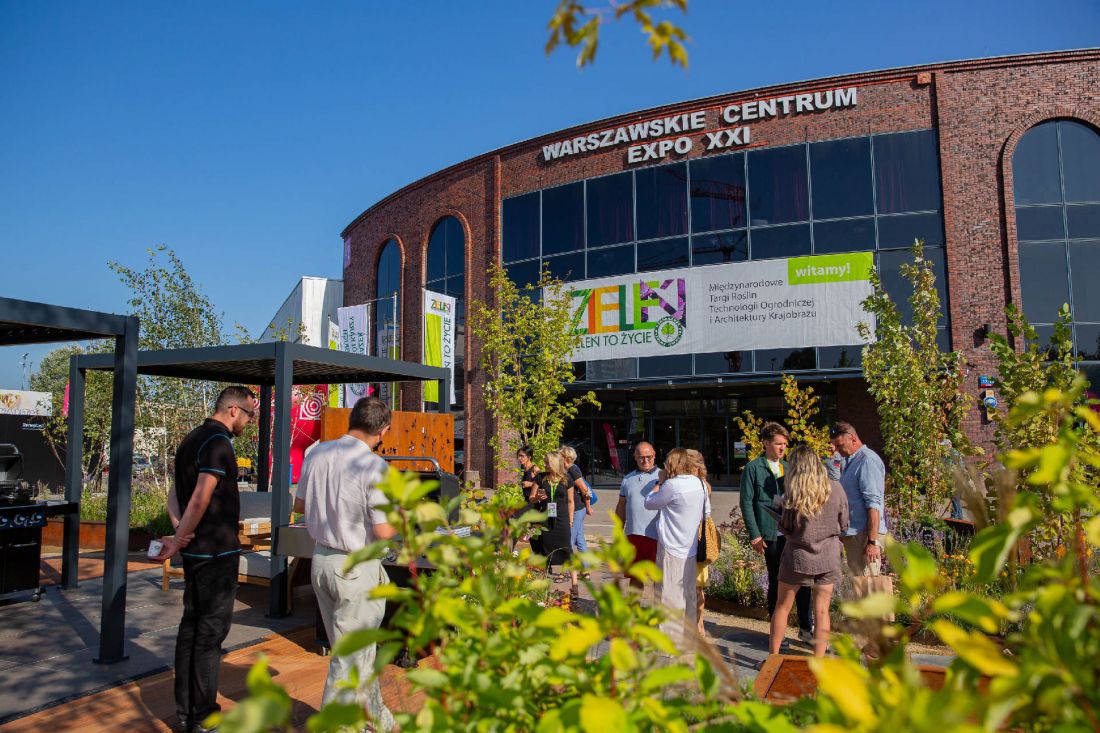
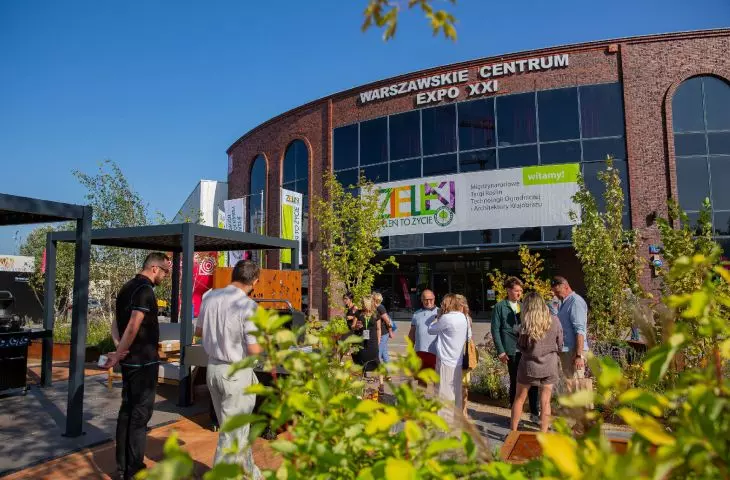
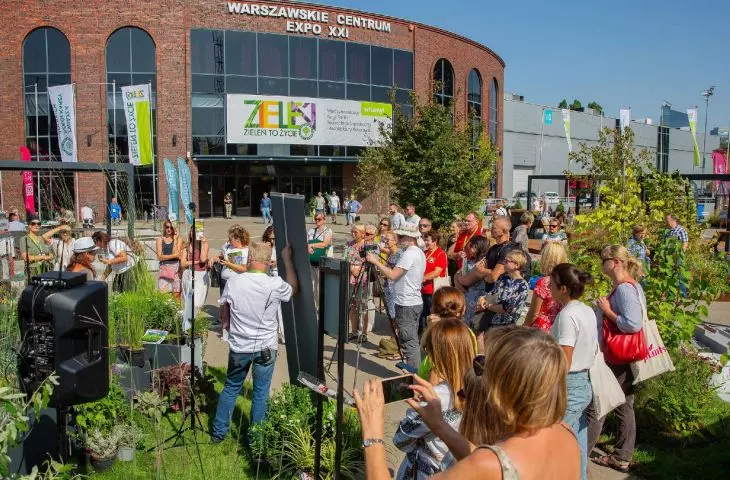
Green to Life trade fair, September 4-6, 2025, Warsaw
© organizers archive
Ola Kloc: I am curious about your thoughts on last year's edition under the slogan "Meet the Power of Synergy!". Did it really succeed in strengthening ties between the various creators of the urban environment?
Joanna Filipczak: Definitely yes - last year's slogan "Meet the Power of Synergy!" was not just a catchy slogan, but a real impulse to strengthen cooperation between creators of the urban environment.
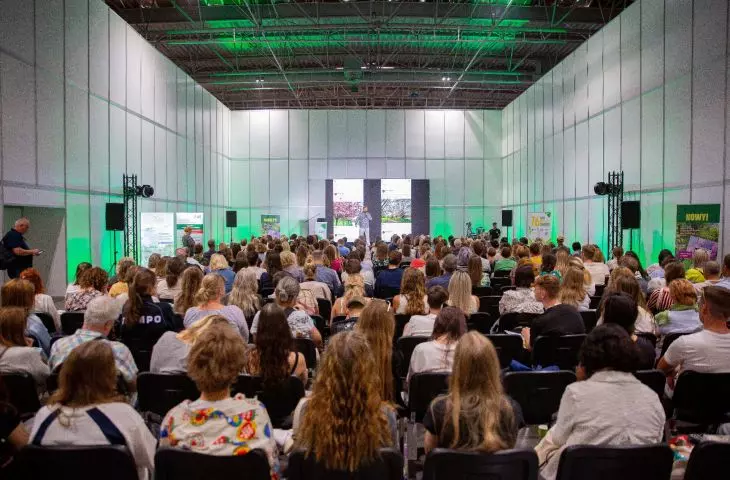
For the first time in the history of the Green is Life fair, it featured the prestigious Congress of AIPH - a global organization of green industry leaders from five continents. The very presence of delegates from 42 countries - from Europe, through Asia, to Africa and America - created an extremely valuable context for discussions, exchange of experiences and joint search for solutions to global challenges such as climate change, biodiversity and modern urban planning.
The slogan of synergy also resonated strongly in the program of accompanying events - especially in the "Strongly Green City" conference, where experts from Poland and abroad (such as Dr. Stephan Treuke from Germany) presented the effects of cooperation between designers, administrations, investors and local communities. It was there that concrete numbers, strategies, as well as examples of implementations that today bring results in the form of green spaces and improved quality of life.
The "Archipelago of Greenery" demonstration garden was also an excellent symbol of synergy - a joint implementation of seven companies, integrating greenery with modern urban infrastructure. It was a project set at the intersection of aesthetics, ecology and urban planning - living proof that harmonious cooperation of industries produces tangible spatial effects.
There was also a not insignificant increase in the number of exhibitors - especially those offering solutions for landscape architects, urban planners and contractors. This shows that there is a growing awareness that urban greenery requires not only plants, but also good planning, technology and design. The fair has become a hub of knowledge, inspiration and contacts - not only horticultural, but also spatial.
To sum up - last year's edition not only showed the "power of synergy", but built it up in real terms. And it was on a scale that was unprecedented in Poland until now.
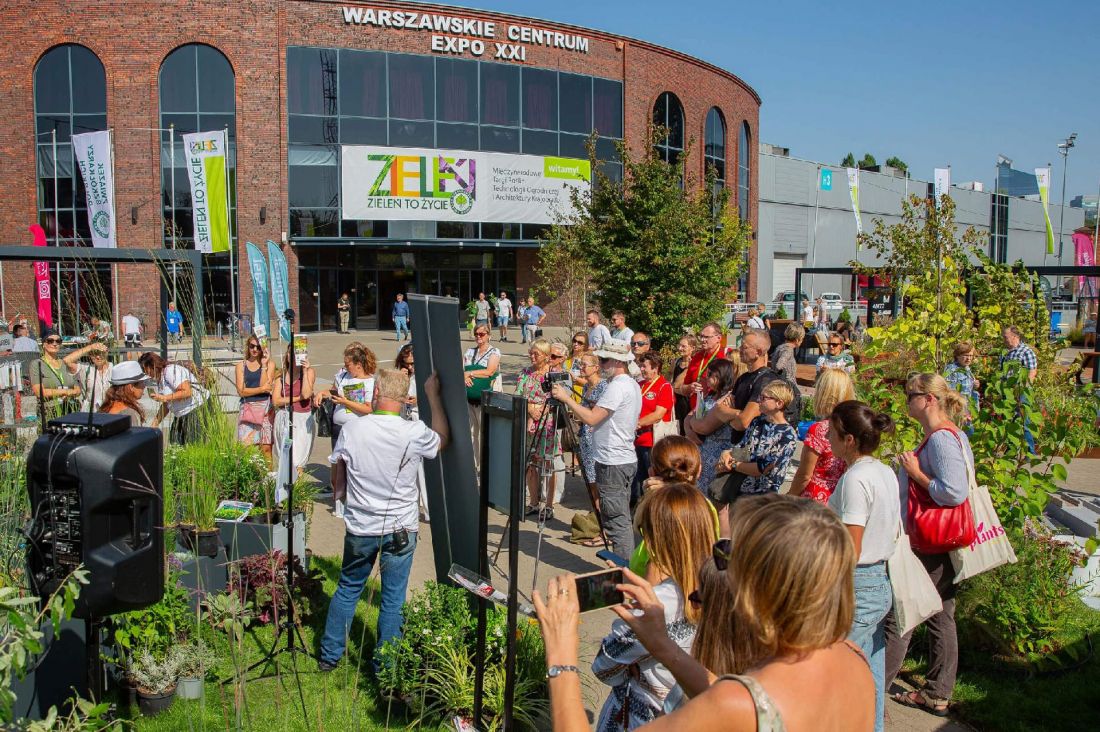
Green is Life trade fair, September 4-6, 2025, Warsaw
© organizers' archives
Ola Kloc: The avant-garde, by definition, rejects what has been standard so far. What solutions does the green avant-garde want to reject and what solutions does it want to introduce?
Joanna Filipczak: The green avant-garde is not a fashionable label - it is a real paradigm shift. Above all, it rejects apparentness, established patterns and aesthetics detached from function.
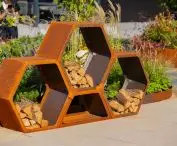
We are moving away from the "green carpet" - perfectly trimmed lawns that require intensive care, water and chemicals, and offer negligible natural value. The vanguard today is urban meadows, controlled wilderness, microbiotopes - solutions that support biodiversity and improve water retention. Seasonal, non-functional plantings are being discarded or reduced in favor of perennial, resilient plant arrangements - selected with the climate of the future in mind.
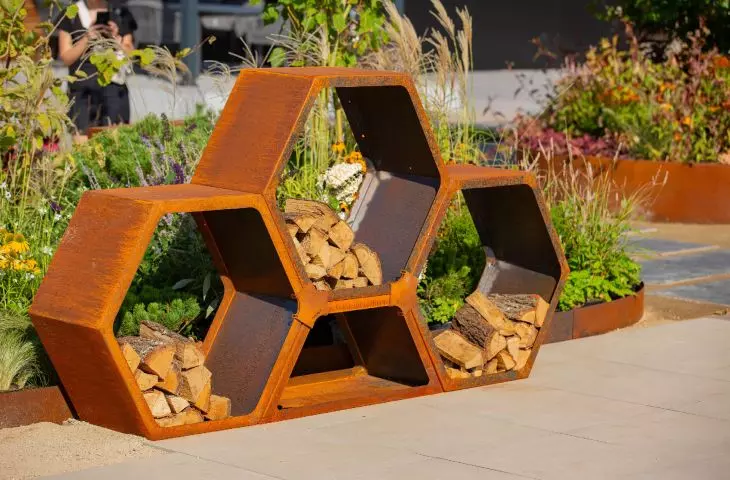
Monocultural thinking about space is also being abandoned. The green vanguard is layering and interactive design - greenery, small architecture, retention, social functions. It's breaking down barriers between industries: urban planning, horticulture, design and technology interact rather than compete.
Instead of concrete - permeable surfaces. Instead of exclusivity - inclusivity and accessibility. Instead of vehicular transportation - pedestrian and bicycle. The Green is Life fair is the perfect place to follow and participate in these changes - it shows that plants are not the "finishing touch" of a project, but its starting point.
The green vanguard not only redefines what urban green is - it restores it as a central element of the urban ecosystem. For architects and urban planners, this is the moment to shift perspective: from "is green needed?" to "how to integrate it into the city of tomorrow?".
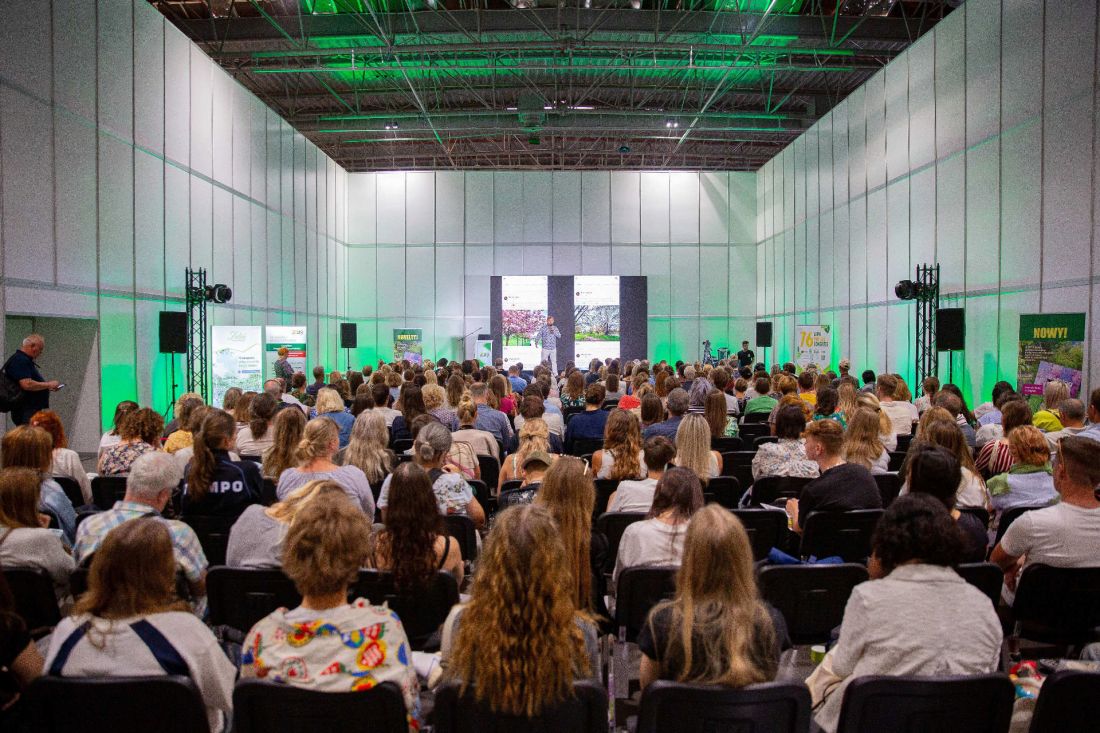
Green is Life trade fair, September 4-6, 2025, Warsaw
© organizers' archives
Ola Kloc: Please tell us about the program of this year's event.
Joanna Filipczak: This year's 32nd edition of the Green to Life trade fair will be held on September 4-6, 2025 in Warsaw. The "Strongly Green City" conference offers a program tailored for those who shape space - consciously and responsibly.
In this year's edition we have focused on concrete: real changes, implemented strategies, ambitious realizations and bold questions. We have speeches that will interest urban planners, landscape architects and designers of public spaces. Tomasz Niewczas will show how the idea of "wildness" can be a conscious tool in shaping a modern urban park - this is a story about the revitalization of the Moat Park and the Citadel Slopes, as well as specific solutions for limiting the maintenance of urban greenery to be implemented in other local government units. Jaroslava Šmerdová will introduce the 3-30-300 concept - a model that is increasingly boldly infiltrating urban policies in Europe, combining issues of health, biodiversity and quality of life. Both the idea and examples of European cities that have implemented it will be discussed.
In turn, a case study from Wroclaw - the de-concretization of Nowy Targ Square - is an example of how life and microclimate can be restored where concrete previously dominated. There will also be a critical look: Anna Jurgielewicz-Wilkiel will raise questions about the methods and priorities of contractors and investors when looking for and ordering plant material.
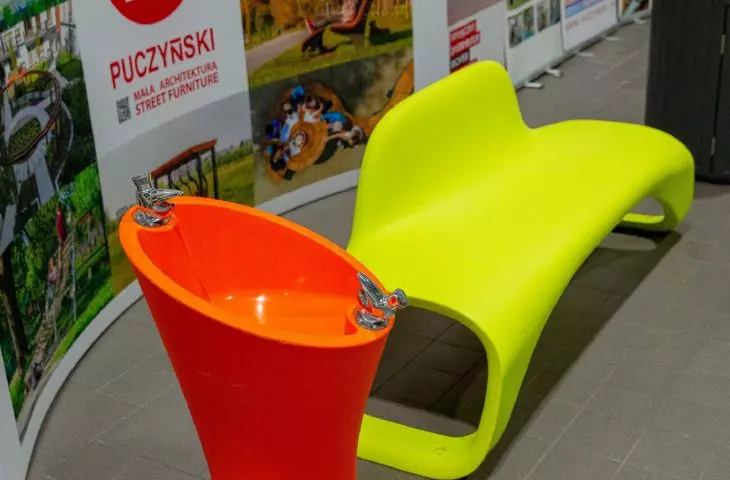
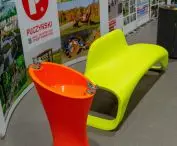
One of the most anticipated highlights of the "Strongly Green City" conference will be a speech by Pavel Grobelny - a designer of public spaces, curator and lecturer, whose projects can be found in Paris, Brussels, Shanghai or Budapest. His approach combines European quality standards of urban design with sensitivity to the local context and user. The lecture will focus on strategic thinking about urban space, with an emphasis on the role of small architecture, urban furniture and details, which - often overlooked - have a huge impact on how we perceive and use the city. This is an important topic for green and landscape designers, as well as for architects, urban planners and representatives of local governments who are responsible for the functionality and aesthetics of public spaces. Pawel Grobelny will show that bench design is not just about design, but a decision about how the city treats people. This is a rare opportunity to meet a designer who not only invents, but also implements concrete solutions that affect the appearance and quality of life in European cities.
Complementing the conference is Saturday's program "Meeting of Garden Designers" - valuable for all those designing private and semi-public greenery. Among other things, there will be practical presentations on effective communication and cooperation between designer and investor, biological plant protection, the use of ornamental grasses and adaptive rock gardens in the era of climate change. Attention will certainly be attracted by the premiere of a new book by Catherine Bellingham - a horticulturist who, like no one else, knows how to combine ecology with everyday practice.
The educational program of this year's fair goes far beyond the standard conference, training or workshops - it is a space for meeting practice with vision, knowledge with passion, local with global trends. For anyone shaping the green future of cities - this is a must-attend event.
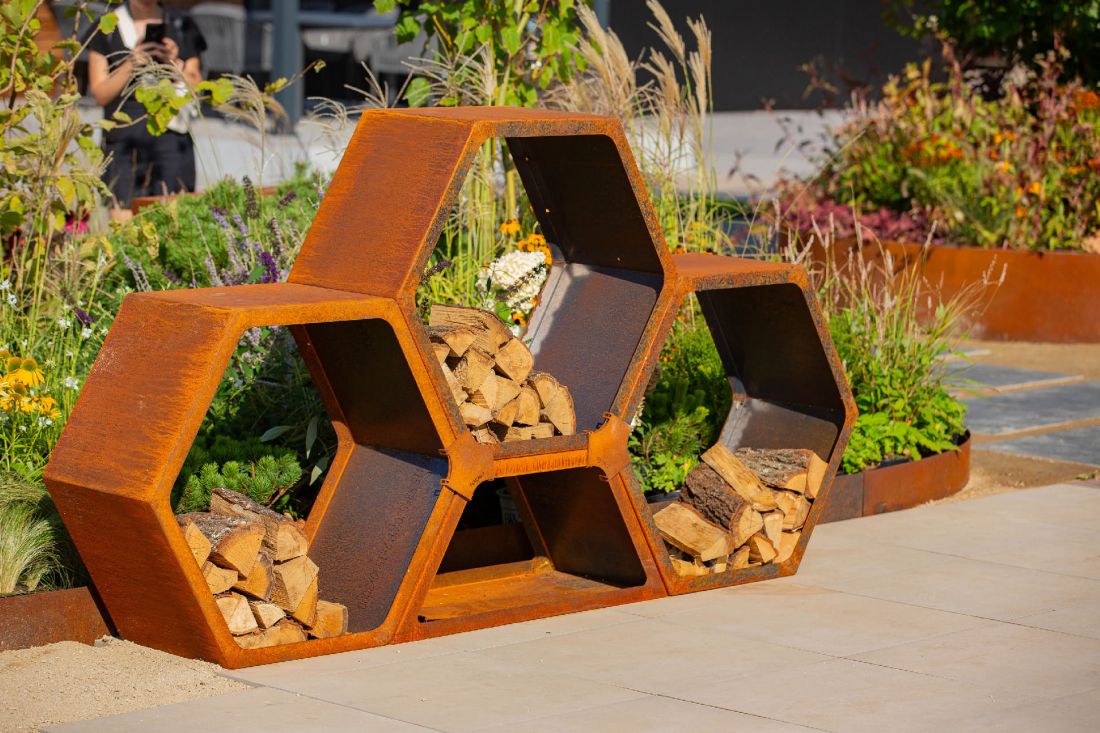
Green is Life trade fair, September 4-6, 2025, Warsaw
© organizers archive
Ola Kloc: There is more and more talk today about combining nature and technology, the engineering behind efficient systems - what are the most important trends regarding this issue?
Joanna Filipczak: We are seeing a dynamic development of technologies supporting sustainable greenery management. Smart systems that monitor the condition of plants, automatic irrigation based on sensor data, and integration of green roofs and walls into the infrastructure of buildings are just some examples. Such solutions not only improve the aesthetics of urban spaces, but also contribute to water retention, reduce air pollution and lower temperatures on hot days, and are fortunately increasingly being implemented in cities.
Ola Kloc: The fair has been operating since 1993 - how has the perception of greenery in Poland changed over these 32 years? In your opinion, are there any statutory changes needed to better protect green spaces?
Joanna Filipczak: For more than three decades of the existence of the Green is Life fair, we have observed a fundamental change in the perception of greenery in Poland. From an initial focus on aesthetics and decoration, we have moved to recognizing greenery as a key element of urban infrastructure, affecting public health, climate change adaptation and quality of life for residents. This is, of course, our point of view and deep conviction, which fortunately is shared by more and more policymakers and developers.
Are statutory changes needed - definitely yes. Today, green spaces are often marginalized in urban planning processes, instead of being treated as equal infrastructure of key importance for the quality of life and climate resilience of cities. On the other hand - those working on the ground, such as officials or green space managers, face excessive bureaucracy, difficult access to resources and a lack of tools to respond quickly, such as with illegal cuttings. The law should not only protect greenery better, but also enable those who take care of it on a daily basis to act effectively.
And legislation is moving in this direction - in January of this year, amendments to the Environmental Protection Law came into effect and made it mandatory for cities with a population of more than 20,000 to develop a municipal climate change adaptation plan (MPA), in which analysis of the existing greenery and plans for its maintenance, revitalization, biodiversity and planting play a prominent role. By constituting a local law, they give greenery a new prominence and importance.
A hot topic in the greenery industry community is countermeasures against invasive alien species (IGOs). Climate change is expanding the list of species that threaten native flora. On the other hand, this is not a clear-cut topic, and neither are the guidelines in the law, which state that invasive plants must be eradicated, controlled and isolated. That is, with control and isolation, it is permissible to leave these plants alone, especially in places with such extreme conditions where other plants have little chance of survival. On the other hand, there is a strong trend of using native plants in gardens and urban greenery, because "foreign" plants are considered a priori a threat, while at the same time we are fighting for biodiversity. In this context, it is worth looking at the results of the BUGS (Biodiversity in Urban Gardens in Sheffield) project and the audit conducted at the Great Dixter garden, which represent some of the most comprehensive studies of urban garden biodiversity in Europe. The research and analysis conducted showed that the gardens have about 60% more plant species than the surrounding natural environment. You can read more about this project on the Green City Europe campaign website. Biodiversity, alien and invasive species is an engaging and important topic for designers, local government officials and nurserymen, so we will take it up in a debate accompanying the conference, where representatives of science, landscape architects, nurserymen and local government officials will give their opinions.
Still on the issue of biodiversity and environmental protection - I recently came across a statement by Lukasz Luczaj calling for the outlawing of lawnmowers. And taking this with a pinch of salt, however, it is worth considering the call not to mow low-use lawns or meadows in May. And this is both in public places and private gardens. An environmentally friendly measure that gives plants a better chance to reseed themselves, saves public money for maintenance and reduces noise. Whether there is a need for legal solutions in this regard - not necessarily, but let's certainly talk more about it, "pass on" Mr. Luczaj's appeal.
By the way, I would certainly introduce a statutory ban or at least a restriction on the use of all sorts of posters, banners, billboards or signage disfiguring both cities and the open landscape. I have this reflection every time I travel around our beautiful Poland.

© organizers archive