




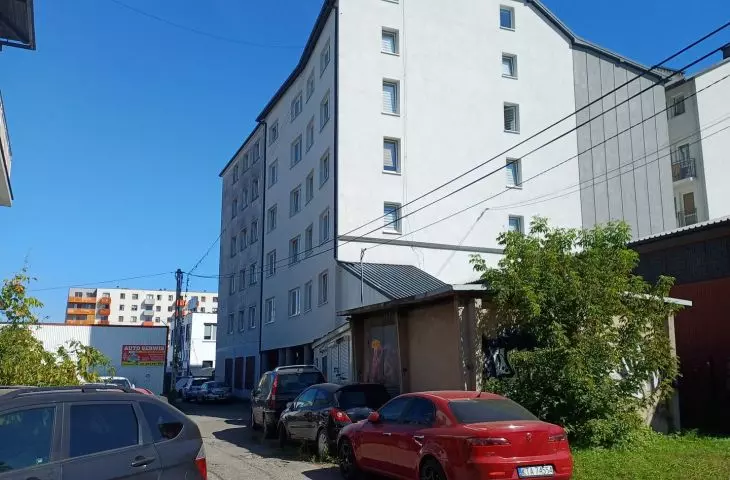
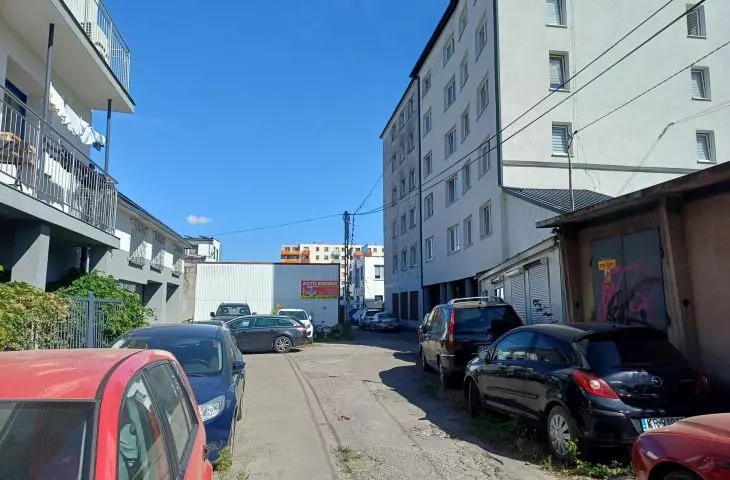
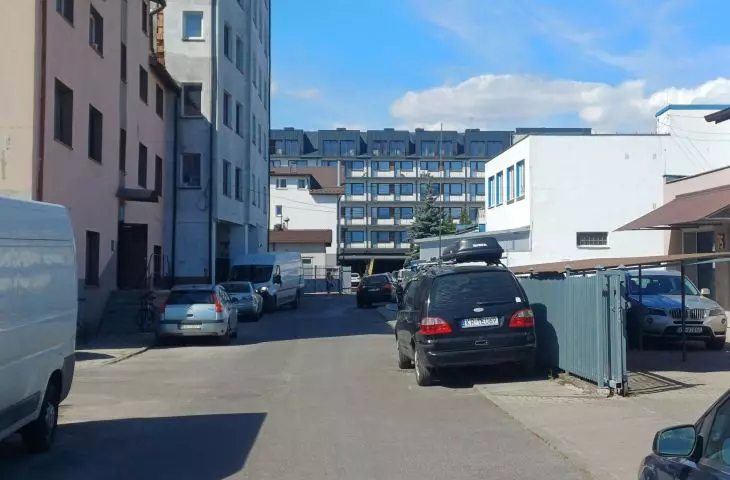
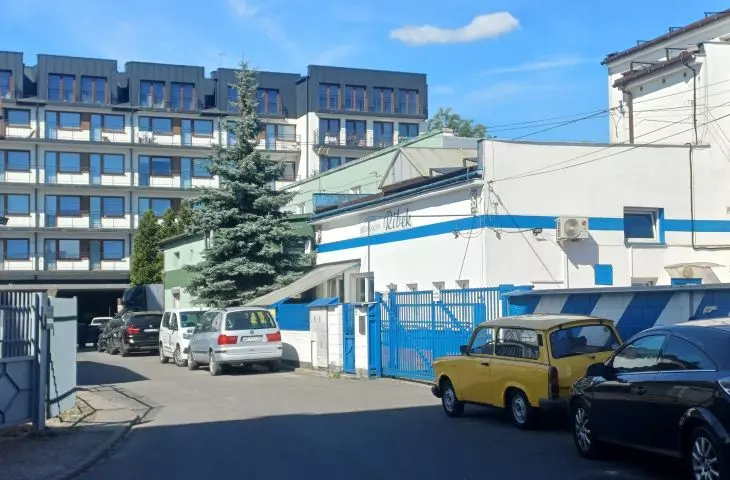
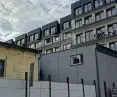
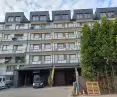
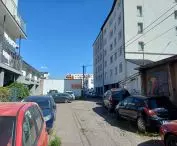
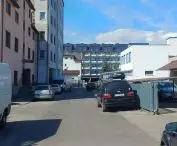
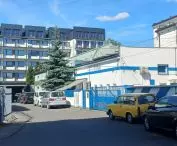
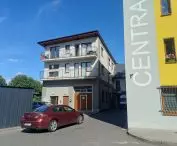

A construction experiment on the edge of the law has been going on for more than a dozen years on Centralna Street in Krakow. Four multi-story blocks of flats have sprung up in a branch of this street, which should never have been built - without permits, against demolition orders, and bypassing all procedures. Today many people live in them, often unaware that their houses do not formally exist. Now two of these self-constructed buildings are to be demolished. However, this is only the beginning of the road to cleaning up the neighborhood, whose layout seems to be an urban nightmare.
Central Street in Krakow's Czyżyny district is a hotbed of construction self-will. In an unusual "mini-district" located in a branch of Centralna Street, between numbers 57 and 91, there are four buildings that have sprung up over the past several years without proper permits. They are Centralna 57, 57a, 73a and 73b. All of them are several-story superstructures of single-family houses, which together can house up to several hundred people.
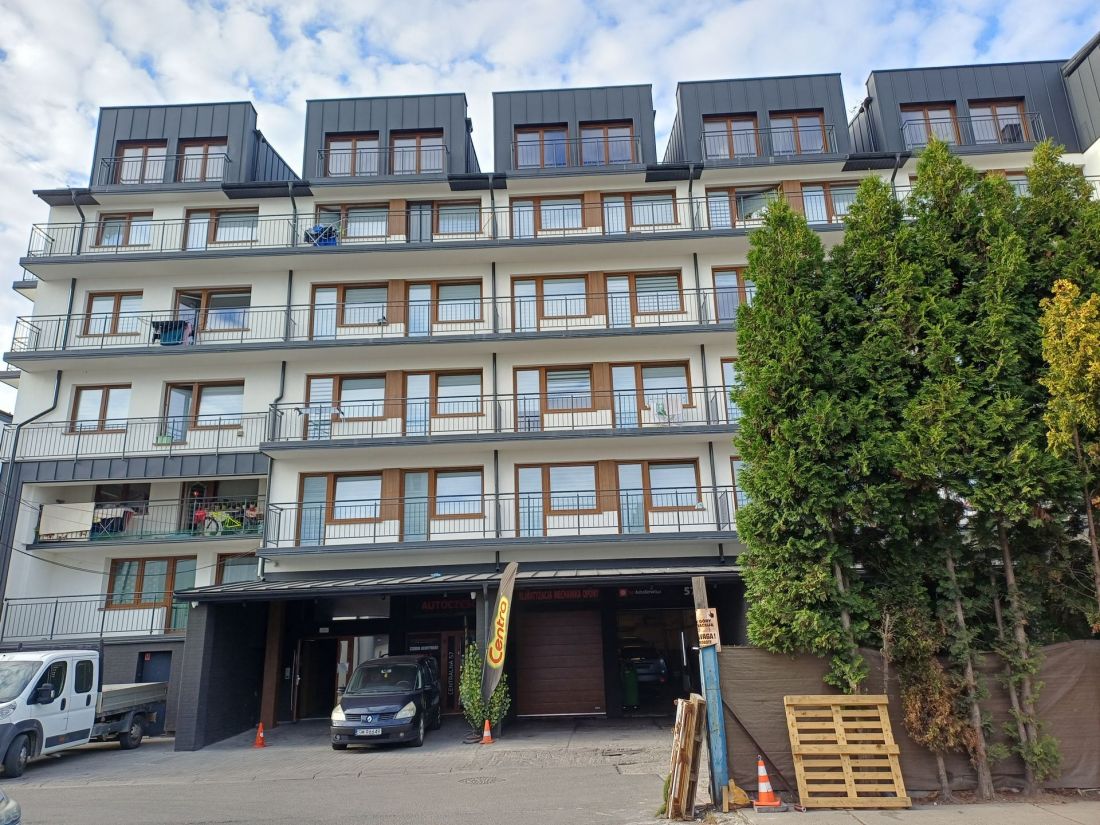
Self-build at 57 Centralna Street in Krakow
Photo: Przemek Ciępka
Self-imposed Cricoteka in the Czyżyny district
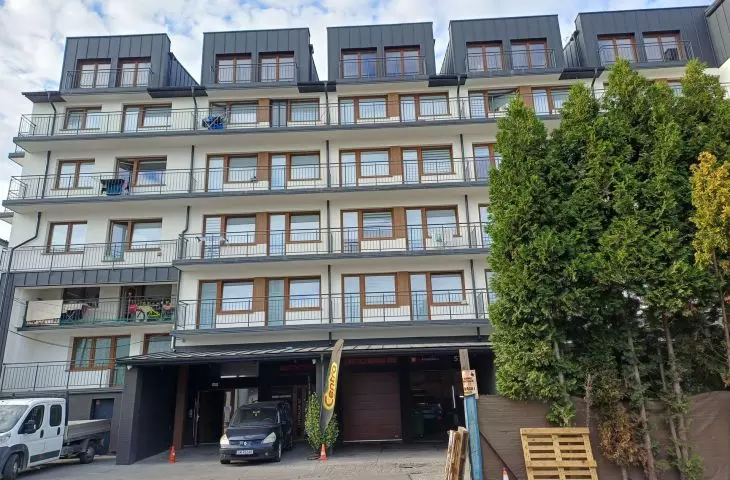
The most spectacular is the first one - back in 2012, a "developer" applied for the superstructure, reconstruction and expansion of a car repair shop building. Despite receiving a negative decision in December of the same year, and several demolition orders in the following years, the owner began construction work. The result, by 2020, was a structure based on reinforced concrete piles, as if suspended above the earlier workshop, which earned it ironic comparisons to the suburban Cricoteka.
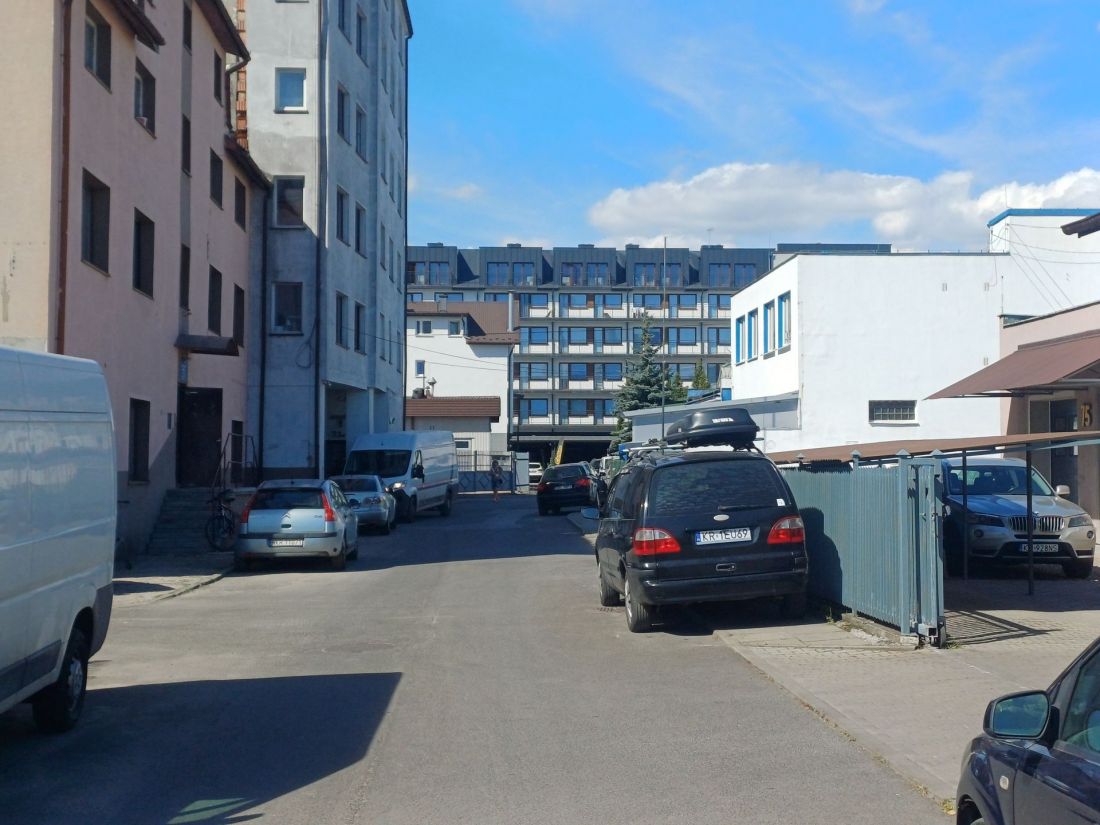
A self-constructed building at 57 Centralna Street in Krakow
photo: Przemek Ciępka
The final finishing of the building was helped by a pandemic, or more specifically, one of the paragraphs of the so-called Covid Law:
The provisions of the Act of July 7, 1994, do not apply to the design, construction, reconstruction, renovation, maintenance and demolition of buildings, including change of use, in connection with the prevention of COVID-19. - Construction Law (Journal of Laws of 2019, item 1186, as amended), the Act of March 27, 2003 on Spatial Planning and Development (Journal of Laws. U. of 2020, item 293 and 471) and the planning acts referred to in this Law, the Law of July 23, 2003. on the protection and care of historical monuments (Journal of Laws of 2020, item 282), and in the case of the need to expand the base for the provision of health services, also the regulations issued pursuant to Art. 22 (3), (4) and (4a) of the Act of April 15, 2011 on medical activity.
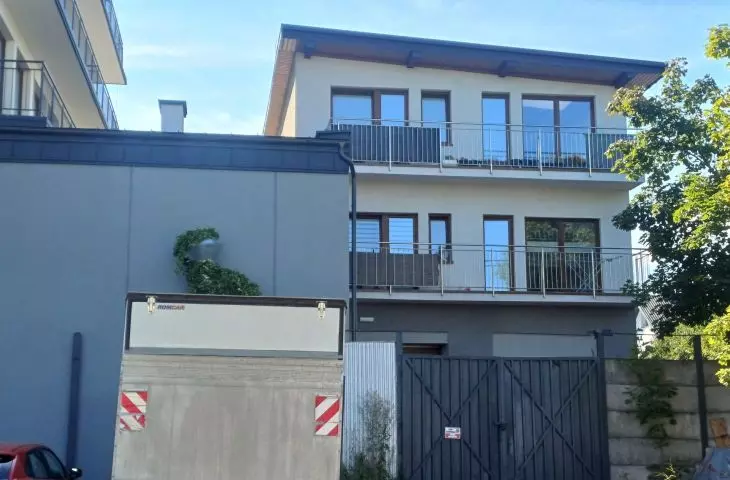
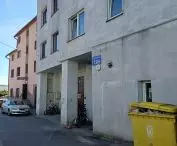
In practice, this meant no need for permits, as long as the buildings were to help fight the pandemic. After the appropriate applications were submitted, the "block" at 57 Centralna Street was quickly completed - more floors grew up, including dark sheet metal-covered mansards, plaster appeared on the walls, and glass appeared in the partitions. Today the building is inhabited, laundry dries on balconies, and curtains cover the windows.
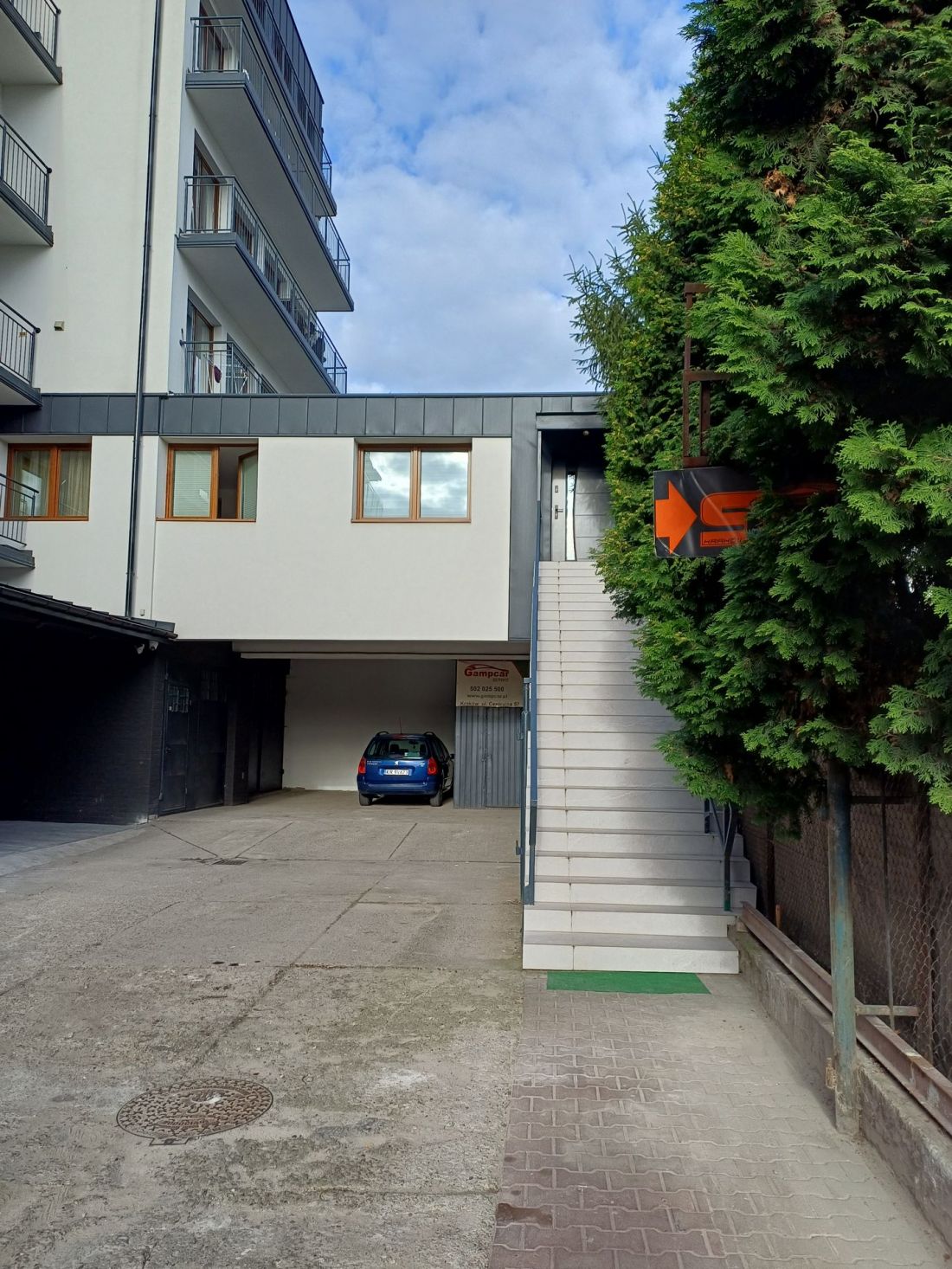
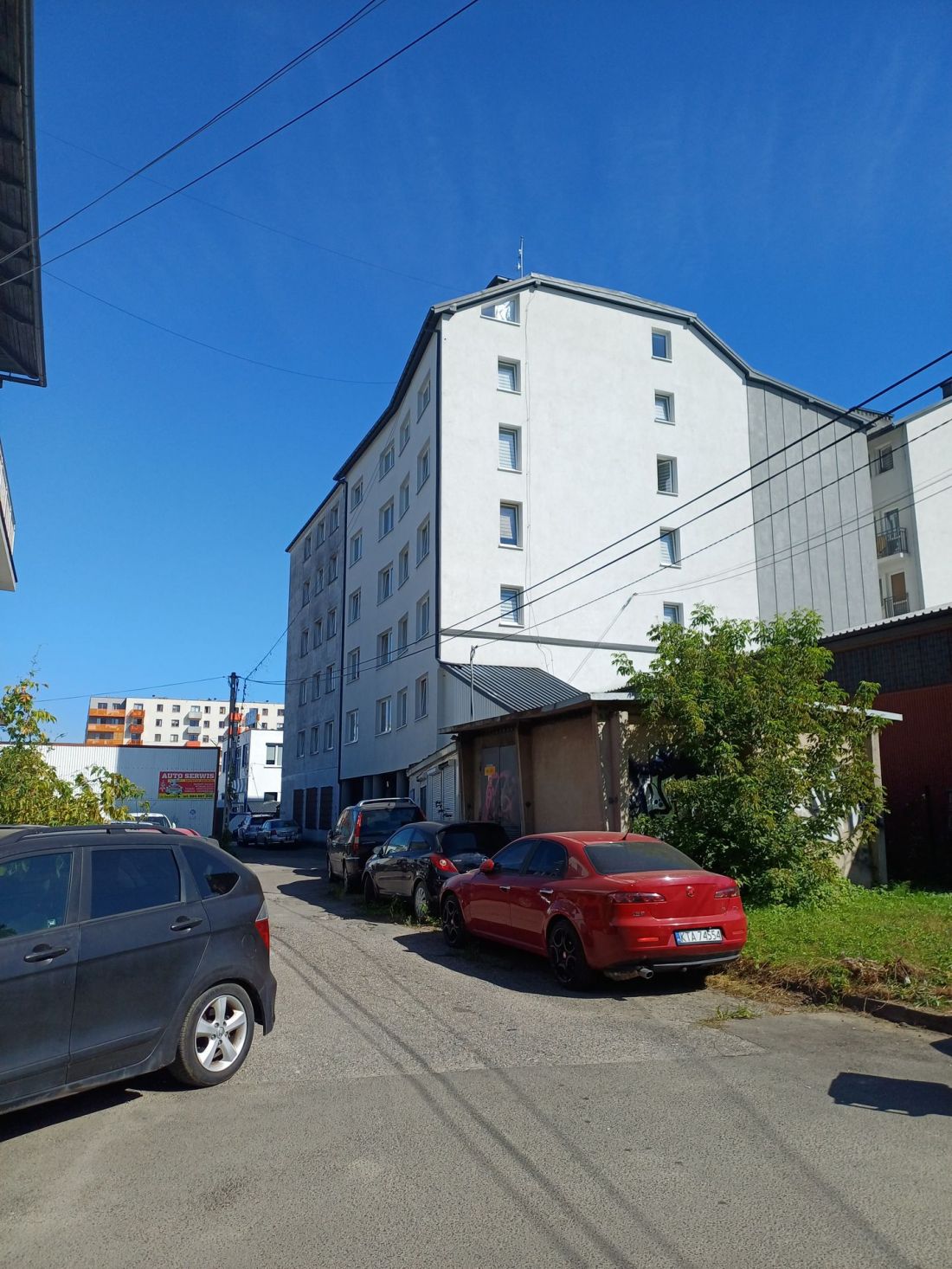
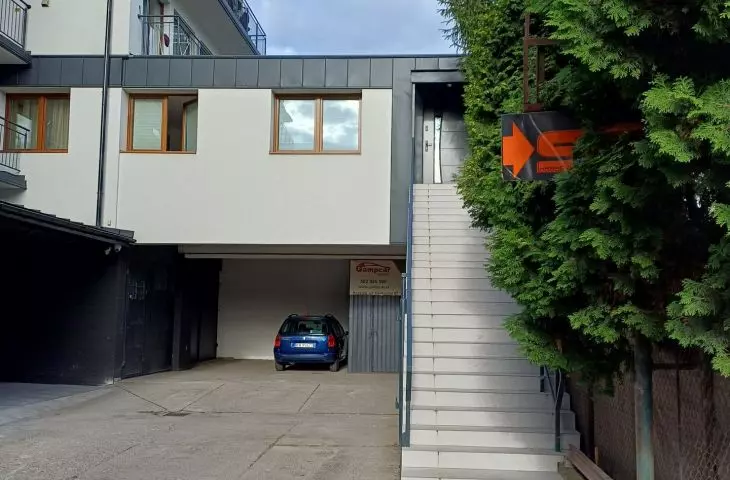
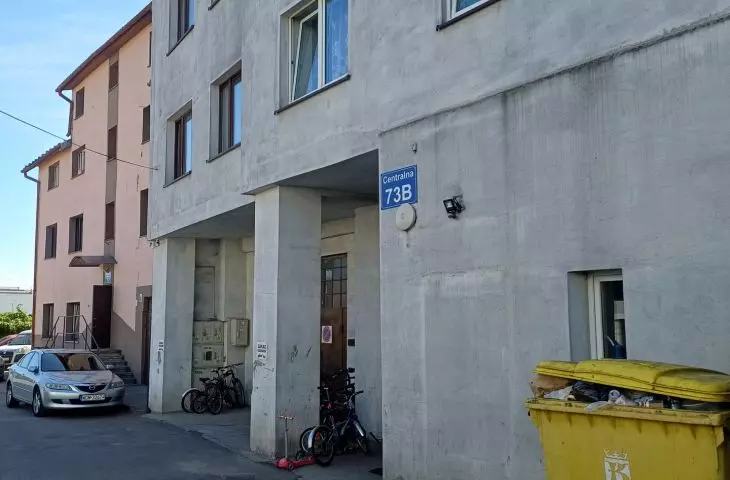
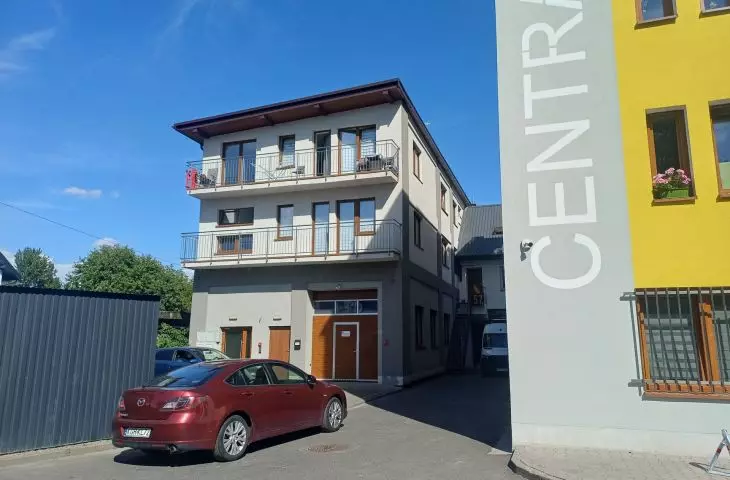
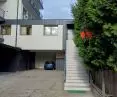
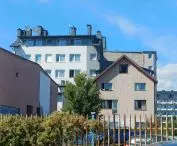
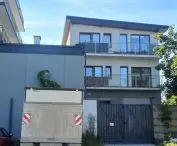
The entrance to a self-build on Centralna Street in Krakow and a self-build on Centralna 73a Street in Krakow
Photo: Przemek Ciępka
A quarter of a self-build
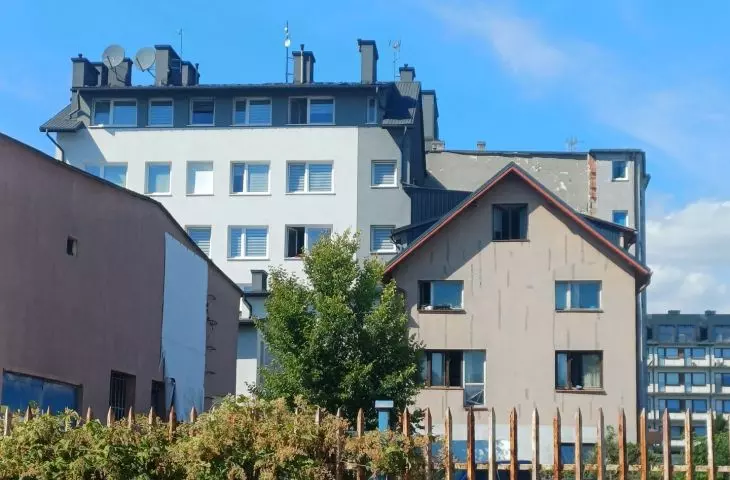
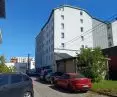
In addition to the illegal block, three others stand on Centralna Street, which are also superstructures of earlier structures. In 2009, a neighboring workshop at Centralna 57a was superstructed by two stories, and a little earlier a house and workshop at Centralna 73a and 73b were superstructed. In the case of the Centralna 73b building, the PINB issued the first demolition order back in 2009. Will the construction eldorado in Czyżyny finally come to an end?
Demolition flyers in Krakow
As the Cracow magistrate's office reported in early July, two of the four self-building structures on Centralna Street - those at addresses Centralna 57a and 73b - are already in the final straight for demolition. Currently, the District Building Inspectorate is distributing to residents...leaflets informing them of the situation they are in. According to media reports, many of these people had no idea that they were living in a facility that was built against the law. The apartments in the buildings are offered for rent - which is not surprising, as it would be difficult to obtain a registration in the Land and Mortgage Register for a building that formally cannot exist. This puts tenants in a difficult situation - they will have to find new apartments on their own.
The content of the leaflet distributed by the PINB reads:
For the sake of your sense of security, and realizing your right to full knowledge of the legal and factual state of the building at 57A Centralna Street and part of the building at 73B Centralna Street (superstructure including five floors), we inform you that:
proceedings to enforce final and legally binding decisions ordering the demolition of the indicated buildings are nearing completion
the demolition, which is about to begin, is a consequence of a violation of construction law by the investor, who erected the two buildings despite the lack of required permits (so-called "self-construction").
In view of this, do the residents have to pack their bags in a hurry and look for new apartments? Who will pay for the demolition? Again, the issue is highly complicated.
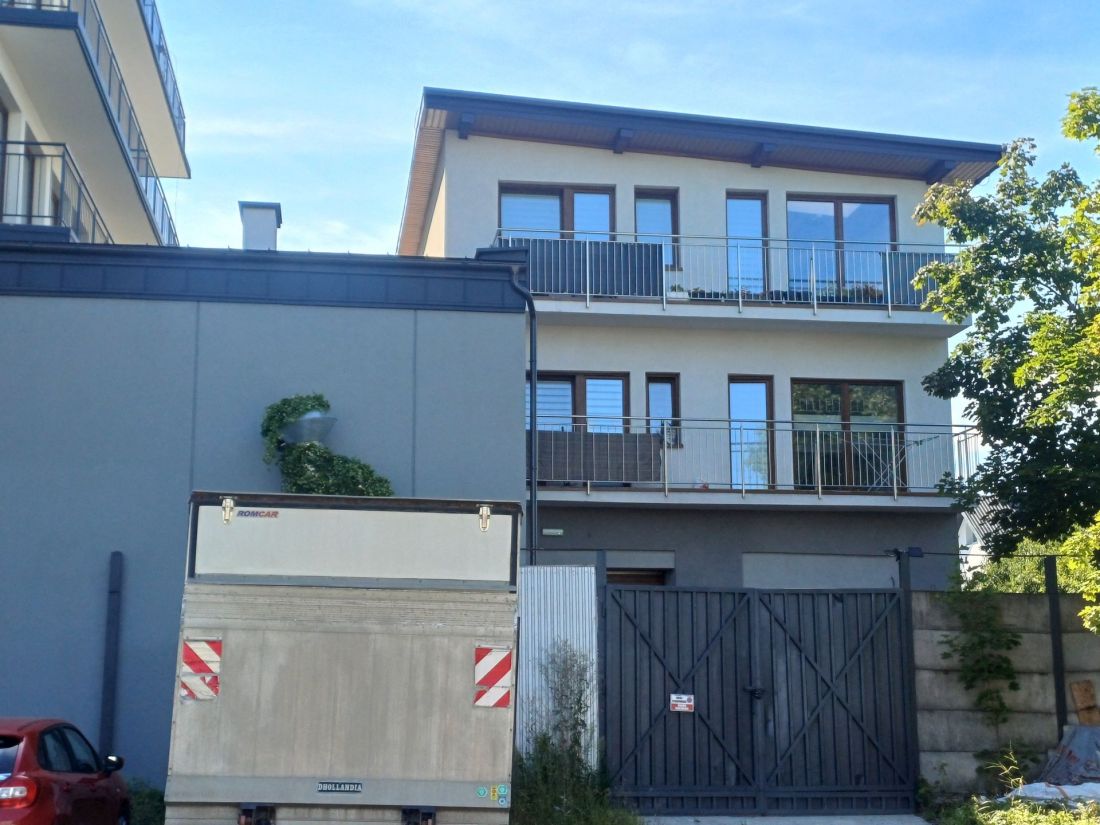
Self-build at 57a Centralna Street in Krakow
Photo: Przemek Ciępka
The developer builds, the city will pay
The self-proclaimed developer builds (and for several years has also been making money), but it is all the residents of Krakow who will pay for curbing his illegal practices, at least for now. And not a small amount, either - as Dariusz Nowak, spokesman for the Cracow City Hall, told Radio Krakow in an interview with Radio Krakow, the cost of demolishing the two self-constructed buildings on Centralna Street could be as much as PLN 3 million. For comparison: the same amount of money was allocated for the Podgórze district in this year's edition of the Civic Budget, three stages of greening work in Aleksandra Park is 4.4 million, while 4.8 million will cost the renovation of Jordanowka. And these are just two of the four building authorities' self-builds on Central Street.
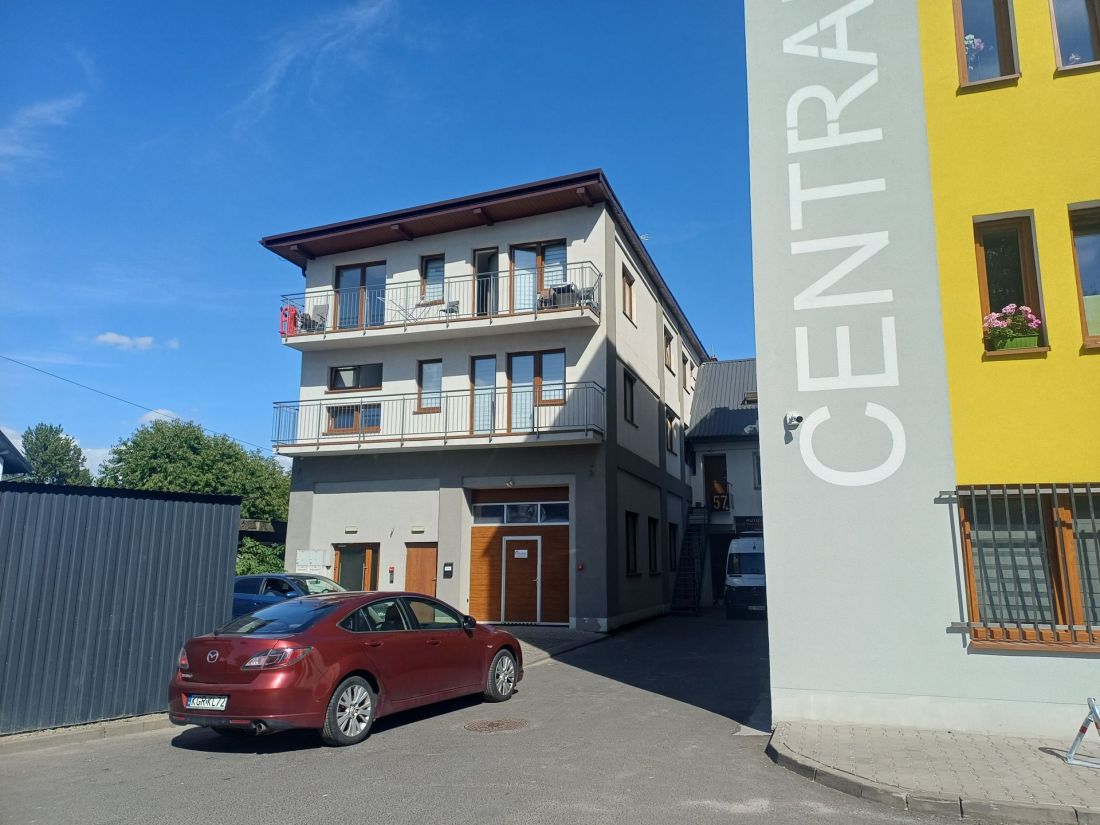
Self-build at 57a Centralna Street in Krakow
photo: Przemek Ciępka
As it turns out, however, the city's budget currently lacks funds for the demolition of the illegal blocks. The magistrate assures that the costs will eventually be passed on to the investor, but in the form of a debt - the question remains how long it will take to recover the money, since for 13 years the city has been unable to cope with enforcing the construction law.
A trip into an alternate reality
What about after the demolition? The local plan, passed in 2018, provides for commercial development for the site. Despite this, there are already plenty of houses and even multi-family buildings (including legal ones, though also created by overbuilding) along the final numbers of Central Street. This does not mean that the neighborhood is suitable for housing. The entire "micro-district" is an urban state within a state. Walking through Centralna you can feel as if you are in an alternate reality. Most of the buildings are garages of various forms. In addition to low, industrial buildings, there are also tin warehouses, halls and even.... villas, evoking Podhale associations. The steepness of the roofs of the buildings at Centralna 53A and 53C would not be ashamed of Witkiewicz's Zakopane-style buildings.
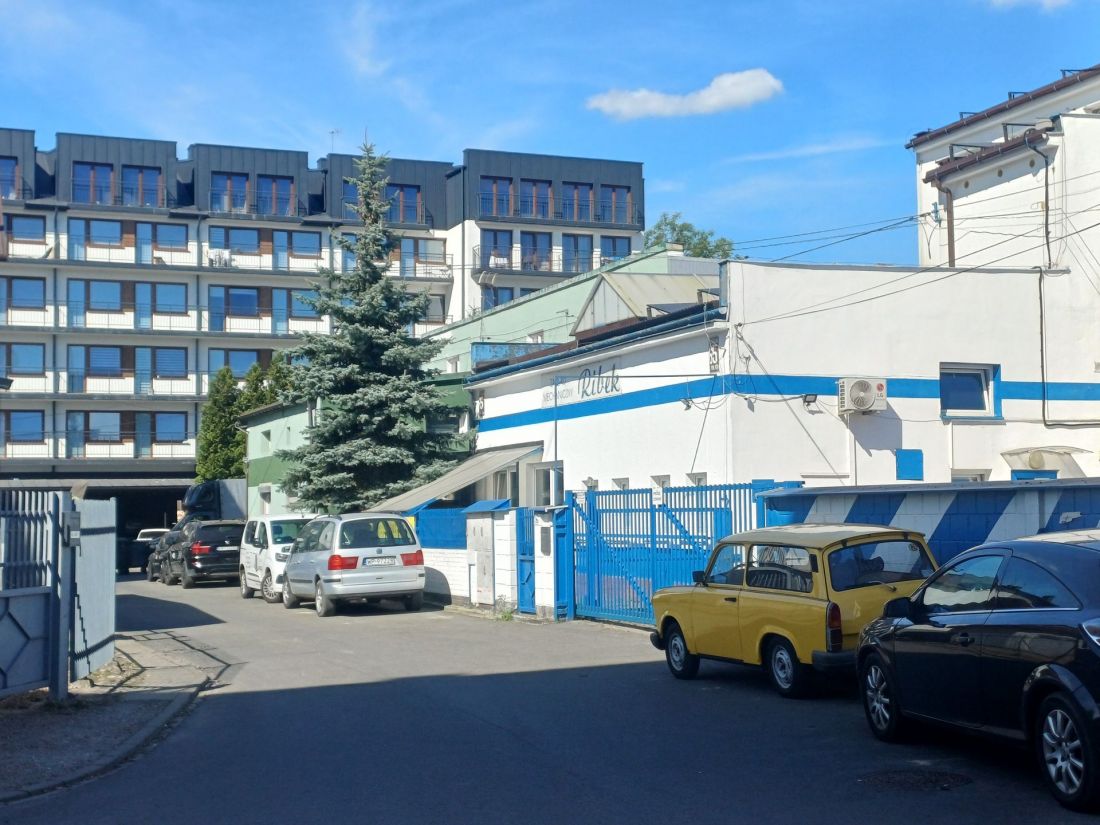
Self-building at 57 Centralna Street in Cracow
Photo: Przemek Ciępka
the price of lack of planning
Looking further afield doesn't inspire optimism either. All this is right next to two huge shopping malls, repeating the archetype of the American "mall" surrounded by huge parking lots - the M1 built at the beginning of the current century (which seems to explain the adopted development model), and the CH ATUT from 2022 (here the sprawling development, in which most of the land is occupied by a paved parking lot, justifies nothing). There's also the Designer Outlet shopping mall, the EXPO hall and new developer housing developments nearby. All that's still missing from this explosive mix is perhaps an amusement park - although that too could come to pass, since the plan allows for service functions.