




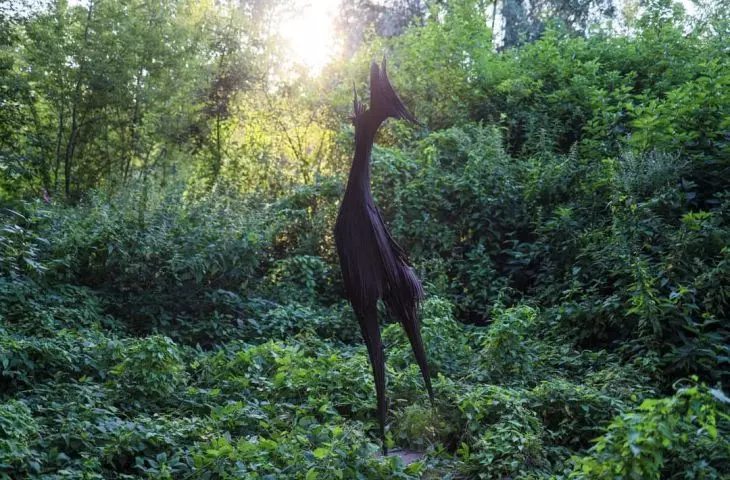
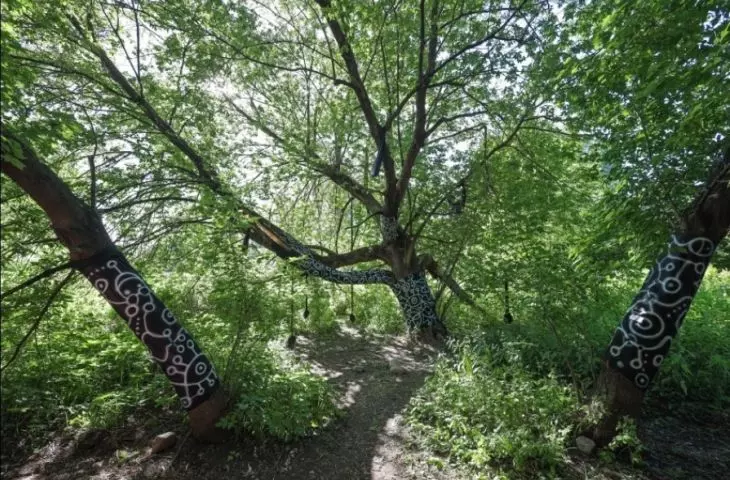
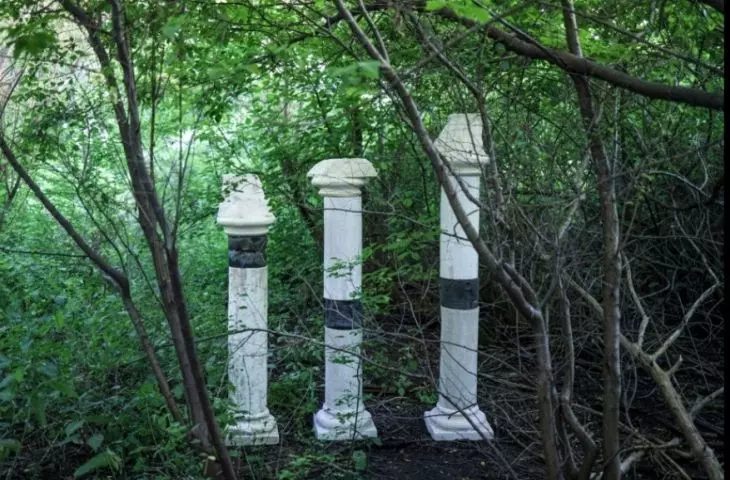
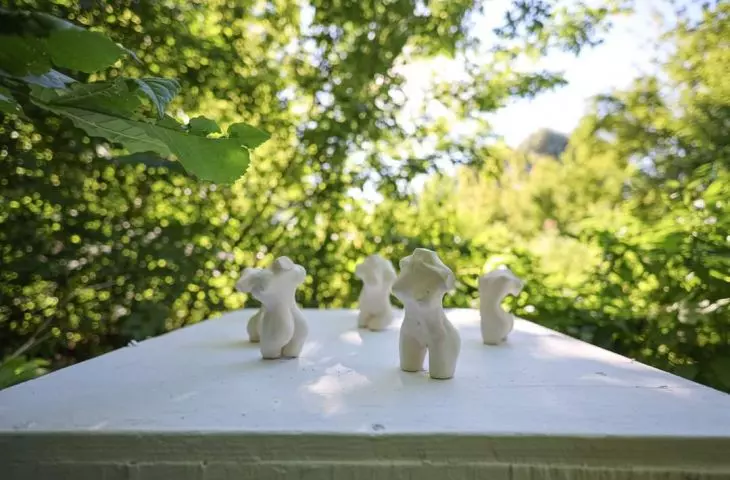




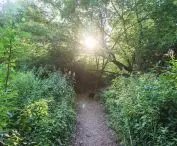
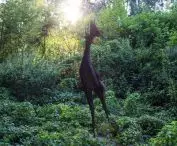
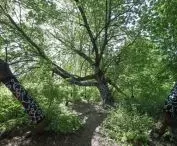
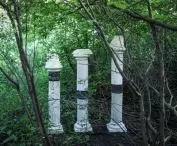
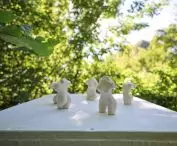

"Gallery in the Bushes and Shrubs" - a project by landscape architect Wojciech Januszczyk- won an award in an international competition organized by the World Green Infrastructure Network (WGIN), an association working to promote and support the integration of green infrastructure in urban planning around the world. What impressed the jury with this non-obvious solution?
green not obvious
WGIN's awards recognize "ideas that shape greener, healthier and more resilient communities." This year's edition recognized projects from 33 countries in nine categories. "Gallery in Chaszchy and Bushes" in Lublin won the award in the "Greenery not obvious" category, in which the projects were judged by a jury consisting of: David Brasfield (architect, Norwegian Association for Green Infrastructure), Katarzyna Wróblewska (professor at Wroclaw University of Life Sciences), Timothy Beatley (professor at the School of Architecture at the University of Virginia), Colombian architect Juan Esteban Aristizaball and urban environmentalist Nathalie Baumann.
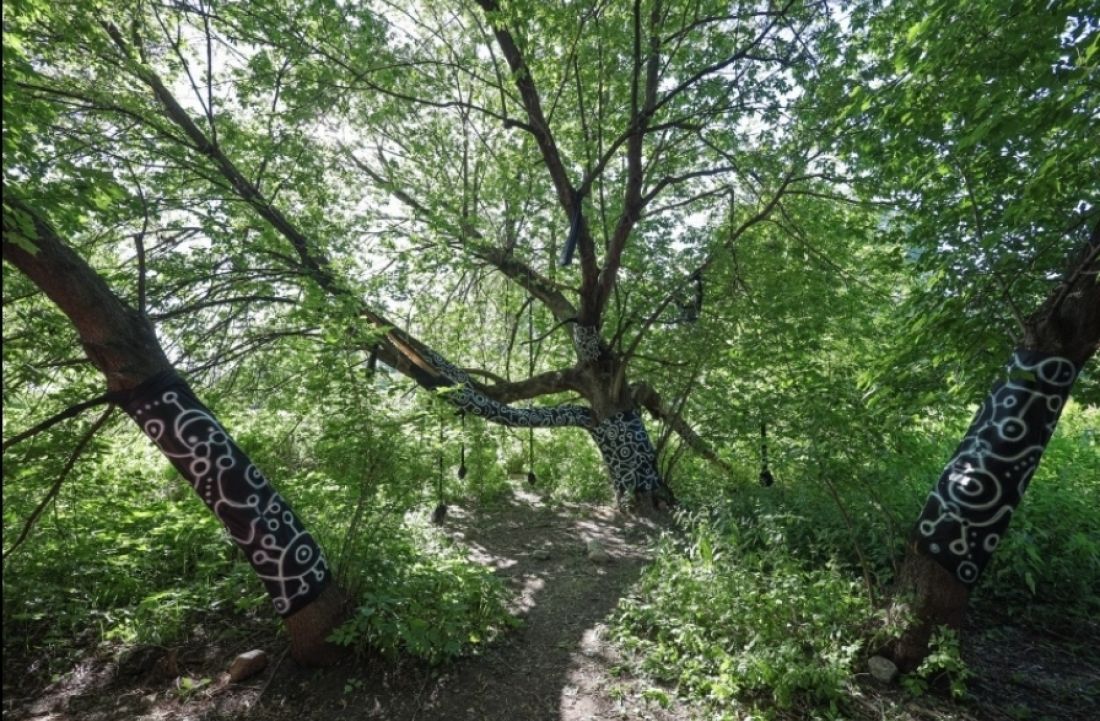
"Gallery in the Bushes and Bushes" project by Wojciech Januszczyk with WGIN Award 2025!
Photo: Michal Siudzinski and Wojciech Januszczyk
one element design
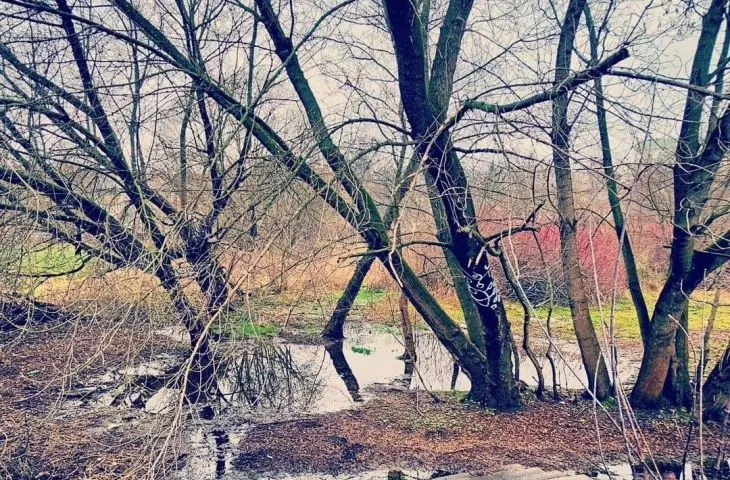
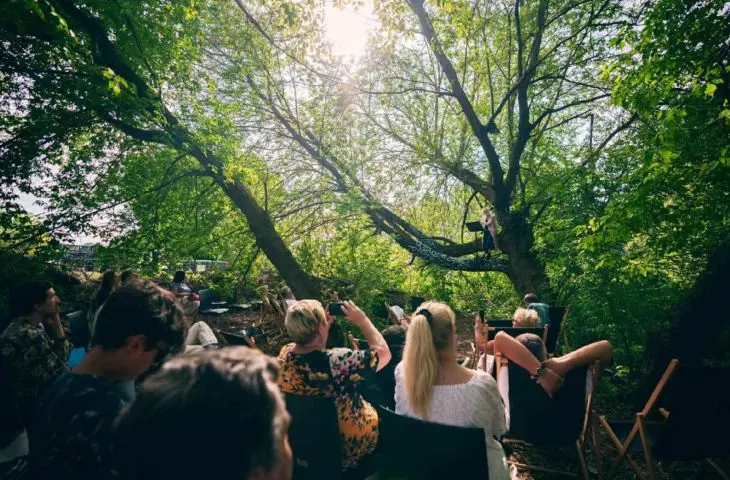
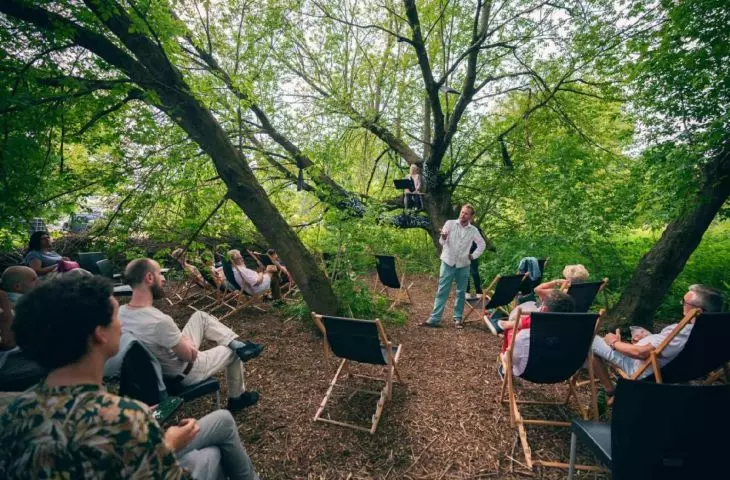
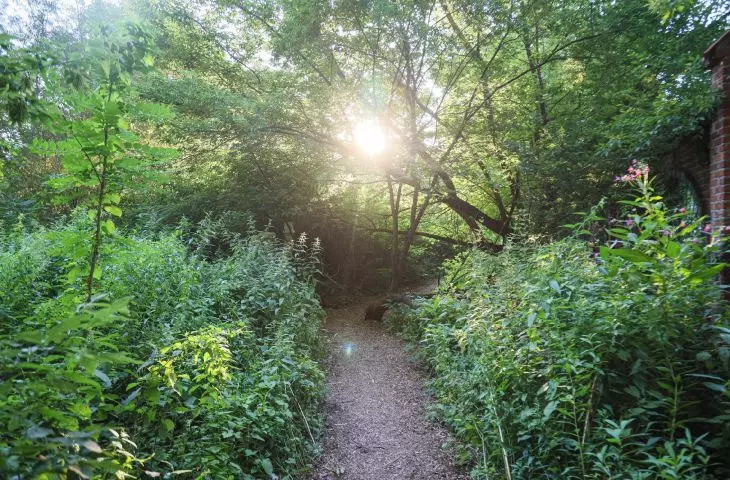
What is the award-winning "Gallery in Chaszchy and Krzaki"? Wojciech Januszczyk's project is located in Lublin, on an area of 1600 square meters overgrown with spontaneous vegetation. The author introduced just one element into this space - ten wooden steps of stairs. This was enough to turn an area previously considered a wasteland into a space for culture, a meeting place in unusual natural circumstances.
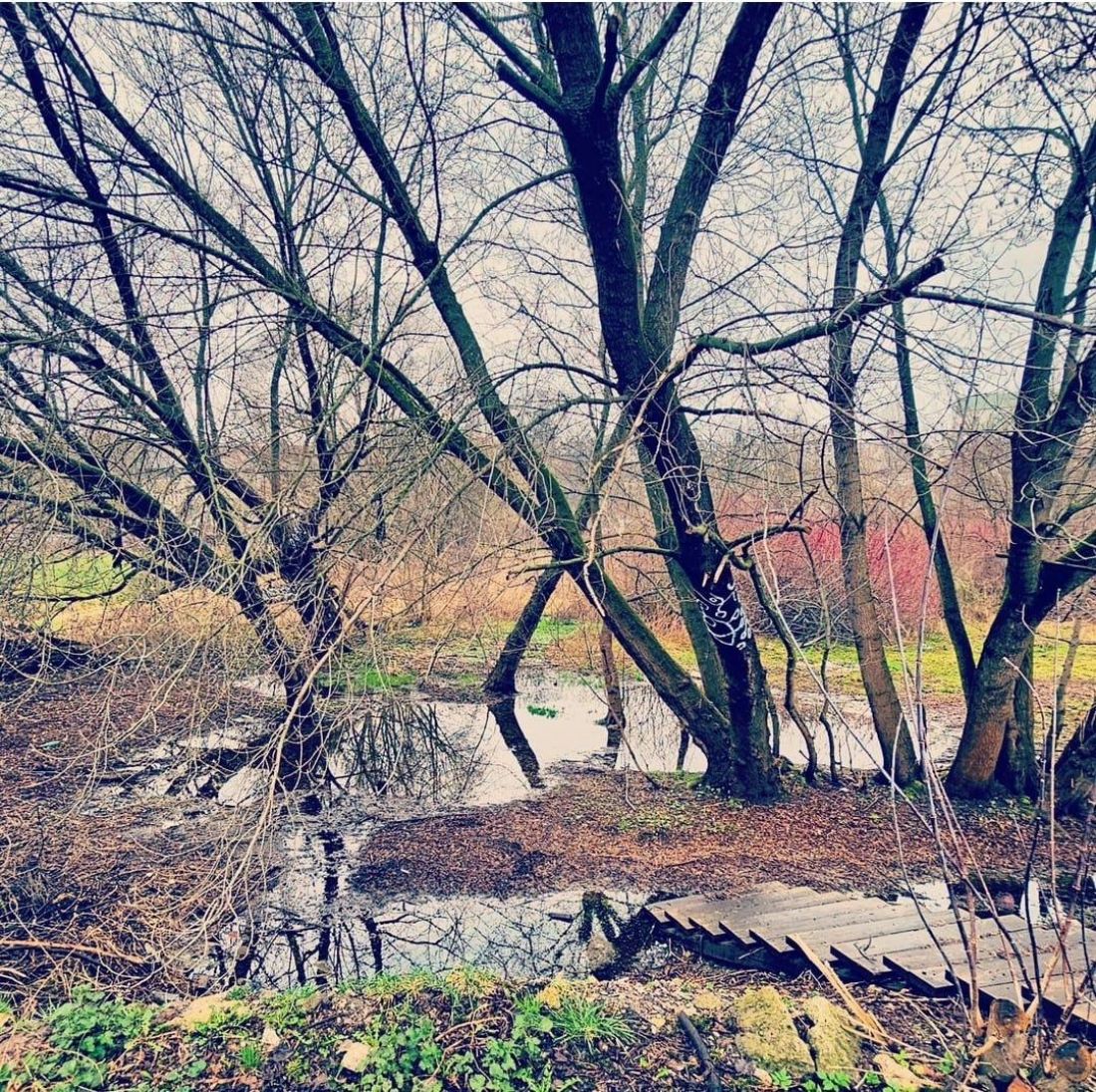
The author introduced just one element into this space - ten wooden steps of stairs
photo: Michal Siudzinski and Wojciech Januszczyk
Behind the idea is an opposition to the traditional linear model of green space design, which generates a significant carbon footprint, and drawing on an approach based on a closed-loop economy.
The idea was born out of a reflection on the desirability of overloading recreational spaces with masses of materials, products and equipment. Couldn't a recreation zone be created by introducing just one carefully considered element that activates the potential of a place, creates a so-called third place in a minimally invasive way and without destruction, energy footprints, supply chains? I think it's nothing complicated. Moderation and observation of the place. Harnessing potentials and harnessing our creative minds to processes at the level of spatial imagination
- says Wojciech Januszczyk about the idea.
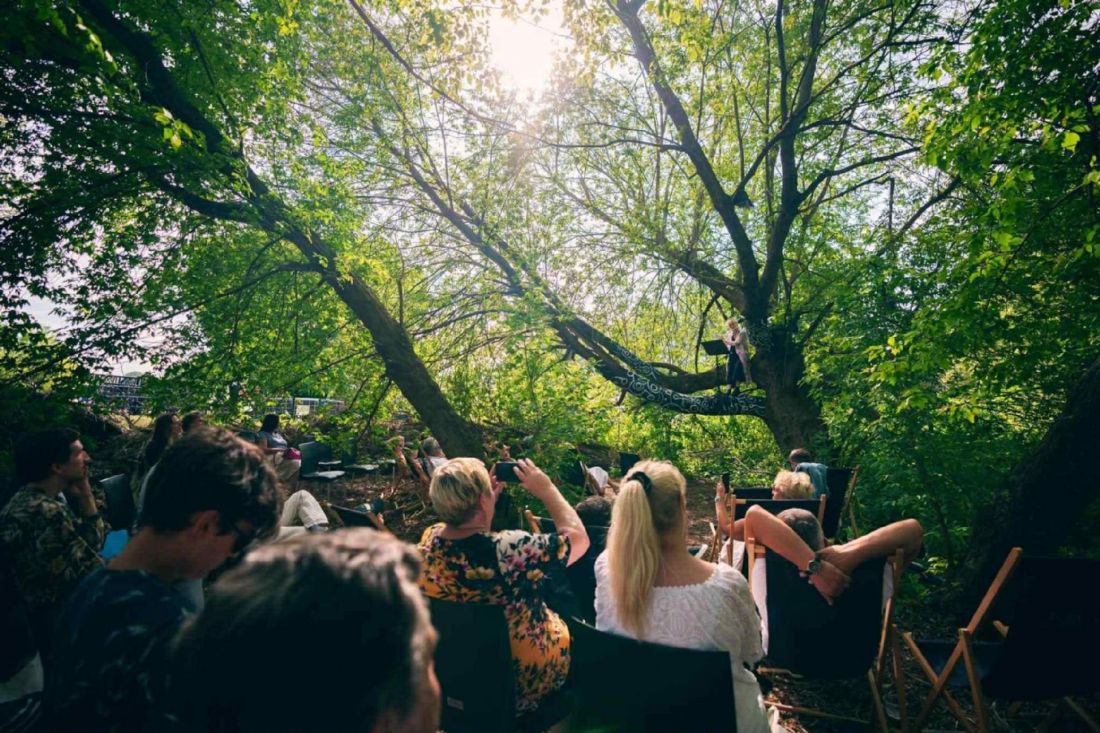
A small intervention was enough to turn an area previously considered a wasteland into a space for culture
Photo: Michal Siudzinski and Wojciech Januszczyk
time for moderation
Will minimal intervention in nature, one that does not order it by force, but activates the potential of a place and protects it from destruction, become a new trend in landscape architecture?
The jury's verdict sends a strong message to the architectural community. In this time of climate crisis, as designers, we need to radically rethink and minimize our interventions, using the potential of what already exists. The triumph of "wasteland" in the WGIN Award 2025 reinforces the thesis of the need to shift from anthropocentric design to an approach that recognizes wasteland as a valuable element of the urban ecosystem. The realization from Lublin is already being replicated - it has appeared at Jagiellonian University and is planned in Poznan. The WGIN Award recognizes this Polish idea in landscape architecture, which is becoming an ambassador of minimalism and moderation in the consumerist, linear world of construction processes
- concludes Januszczyk.
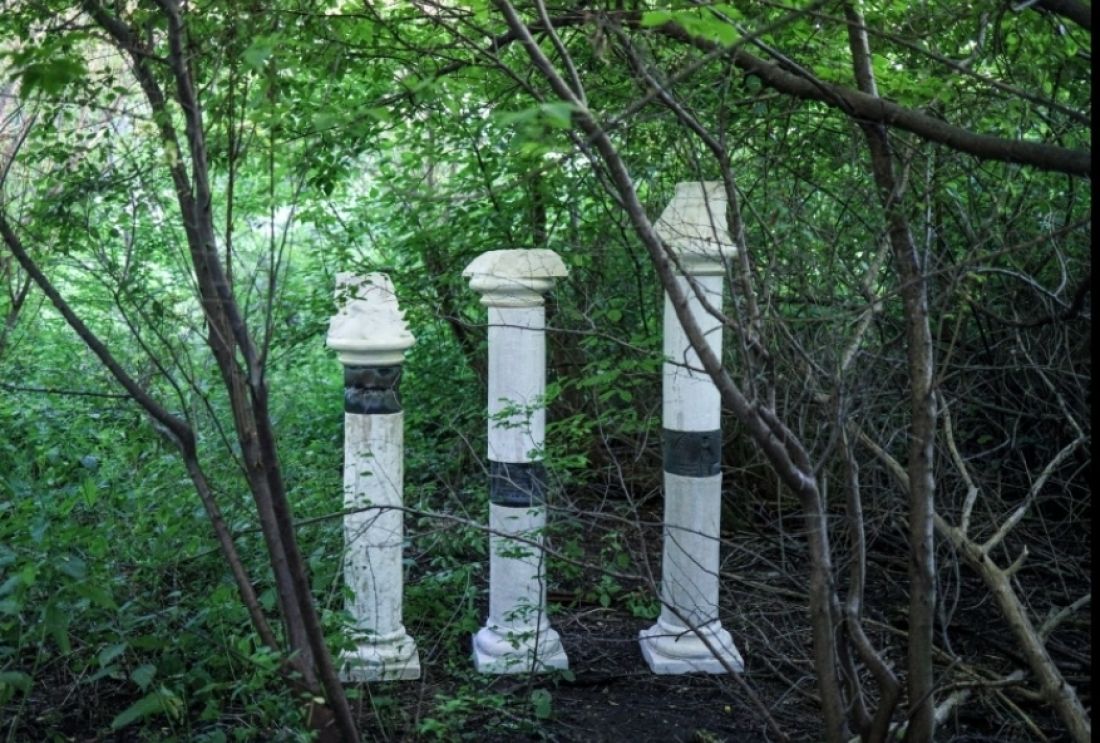
"Gallery in Chaszchy and Krzaky" project by Wojciech Januszczyk with WGIN Award 2025!
Photo: Michal Siudzinski and Wojciech Januszczyk