










The building of the PKS station in Gdansk, along with the square and bus stops, is to disappear from the urban landscape. The owner of the site has applied for a demolition permit, although the final shape of the new development has not yet been agreed upon. Another example of modernist architecture is giving way to offices, hotels and commercial development. The passenger service function is to be preserved. But will the new station live up to residents' expectations?
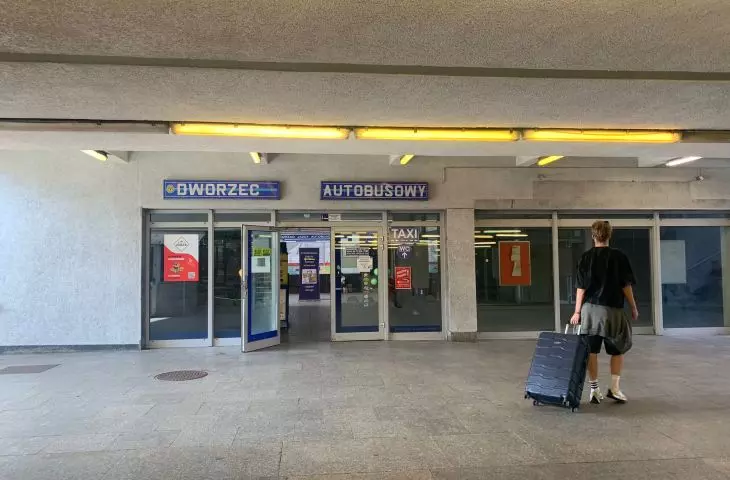
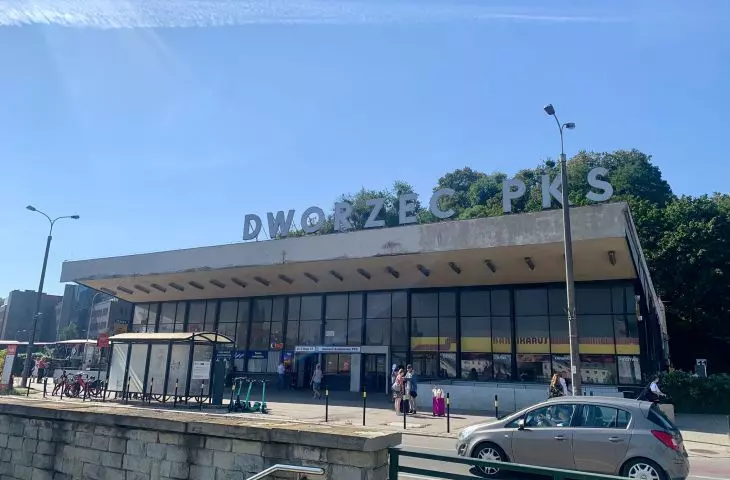
The building of Gdansk's PKS station on 3 Maja Street is long past its glory days. It was built in the 1970s according to a design by Bernard Coft, but due to its disastrous condition is today an infamous landmark of the city.
All indications are that it is yet another example of socmodernism architecture that will soon be razed to the ground. In November, the PB Górski company, which has owned the site since 2012, applied to the Gdansk City Hall for permission to demolish the bus station, maneuvering area and bus shelters. The green light is not yet in place, the application is being handled by officials.
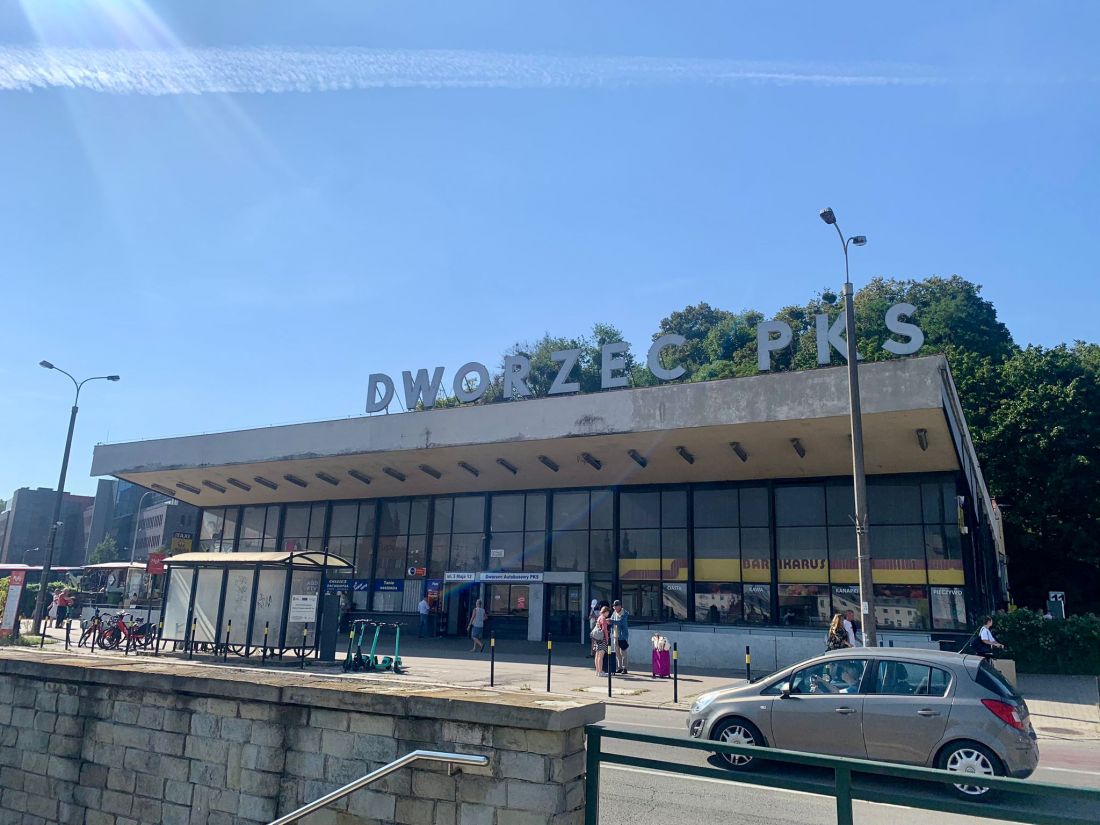
The building was built in the 1970s to a design by Bernard Coft
Ewa Karendys
New buildings and a square in place of the PKS station in Gdansk
- We have been working with the investor for several years to prepare an application for the new development, said Piotr Grzelak, deputy mayor of Gdansk. - At the moment, the final arrangements are being made, primarily with regard to the impact of the investment on the road system. We estimate that the investor will be ready to submit a complete application for a building permit at the turn of the year.
Earlier, a step towards new development was taken by the City. In 2022, aldermen passed a local zoning plan for the area. They assumed that the central part would remain free of development, which would allow the preservation of views of historical sites, including the Hevelianum and the Napoleonic Redoubt. On the northern side of the square, buildings reaching 16.1 meters were allowed, and on the southern side: from 15.5 meters to 21.5 meters.
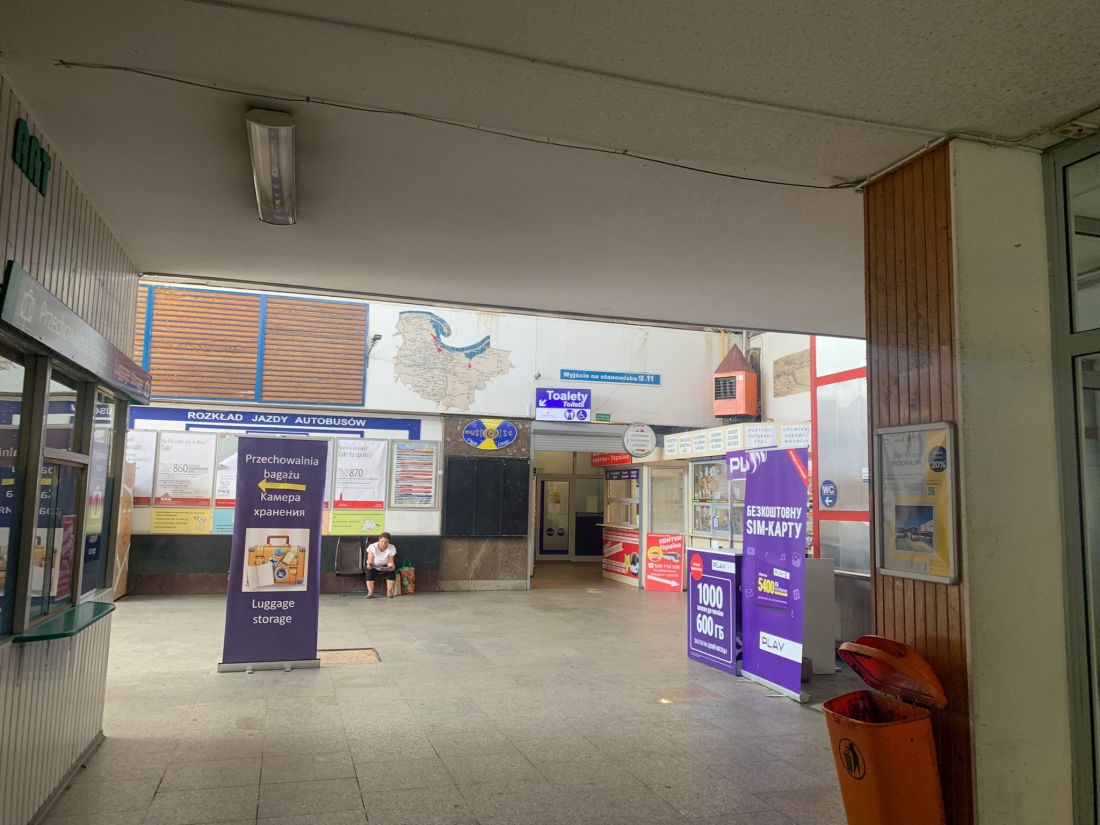
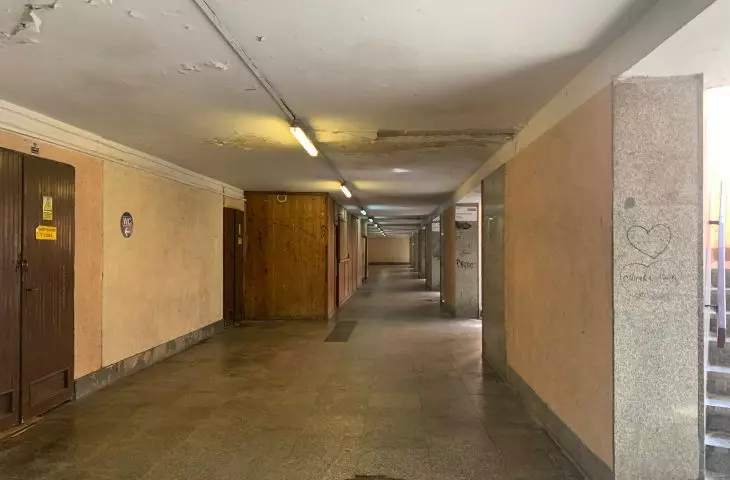
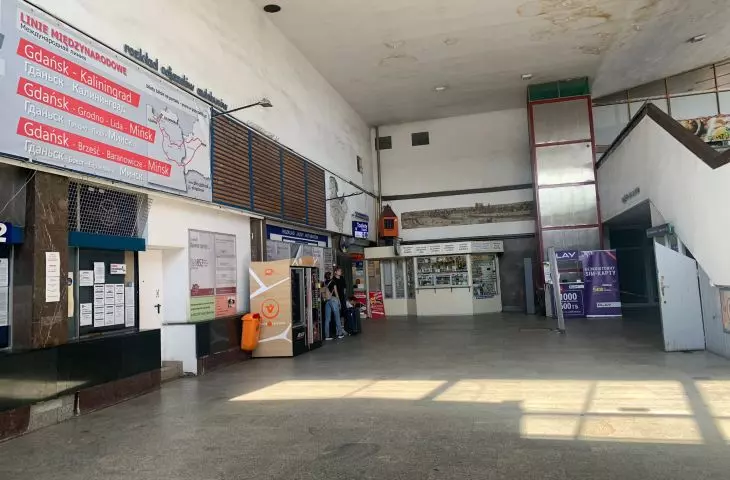
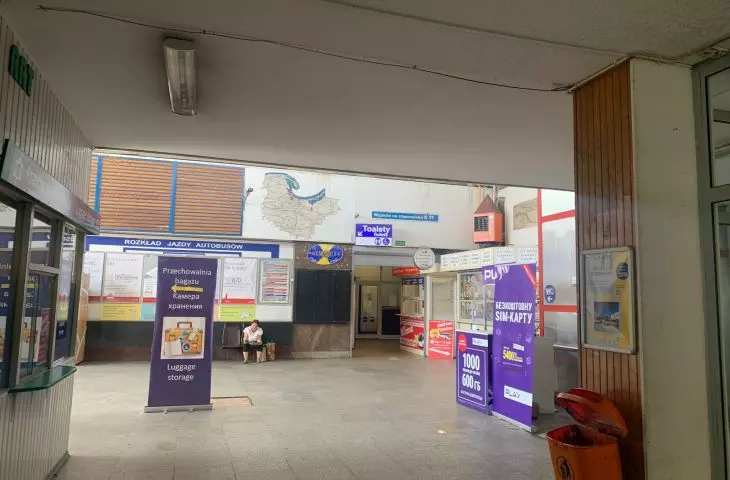
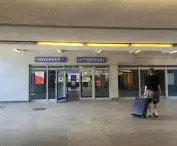
The bus station hall is in a terrible state today
Ewa Karendys
As Bogdan Górski, president of PB Górski, told local portal Trójmiasto.pl, construction will start when the company obtains a permit, for now design work is underway.
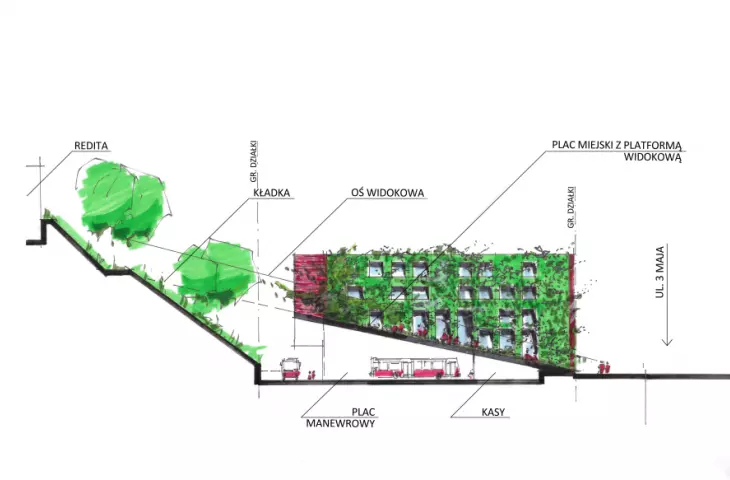
The investor commissioned the Studio Kwadrat studio to design the new development. Presented a year ago, the new vision for the PKS station area envisages the construction of two new buildings, but the most interesting part will be the greened square between them. One of the buildings would be used mainly for traveler services, while the other would house services, offices, hotel functions and apartments for rent. The first floors would be commercial.
As Jacek Droszcz, owner of Studio Kwadrat, said in an interview with AiB, the main idea was to create a new urban space, which would be formed in the place indicated in the local plan for a city square. At its highest point, the square would be elevated to a height of 7.5-8 meters. Such a solution is due to the fact that, according to the local plan, the maneuvering area for buses must be underground.
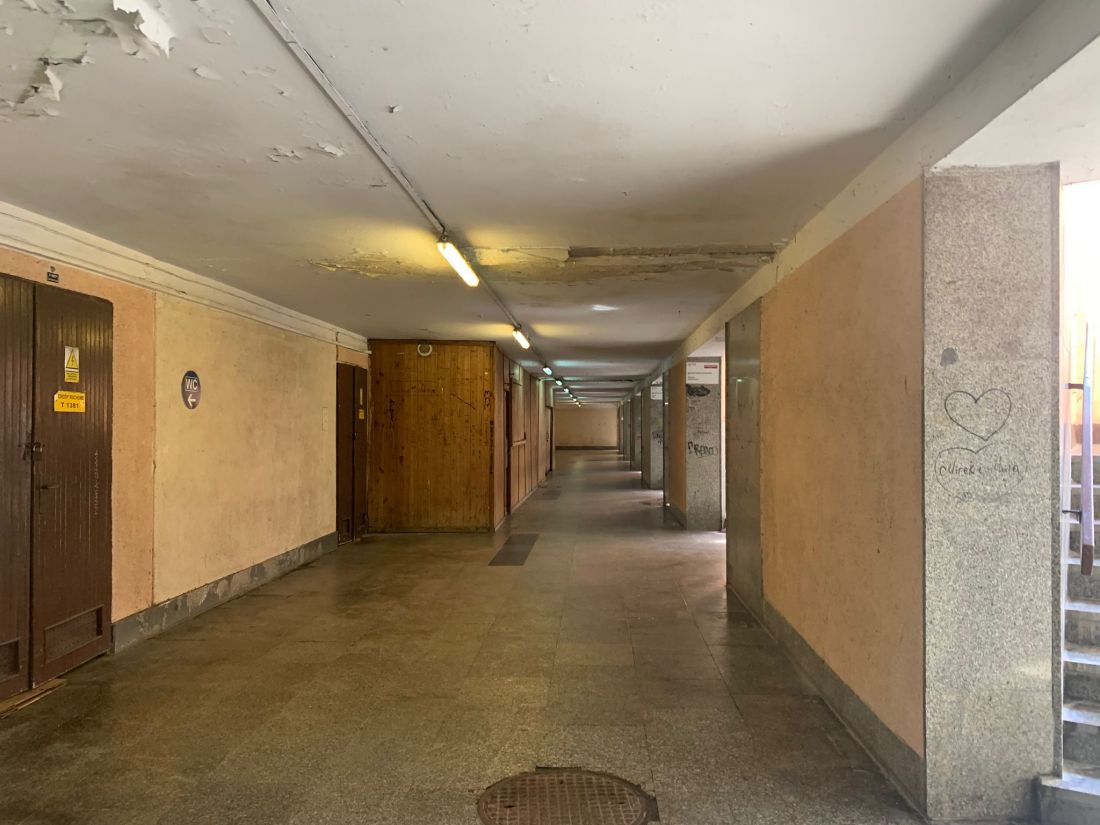
The bus station's glory days are long behind it
Ewa Karendys
What will the new station be like?
Little is known about the details of the most important function from the residents' perspective, namely the bus station. The local plan stipulates that the area of the station must not be less than 500 sqm. The station is to have 20 parking stalls and eight bus platforms.
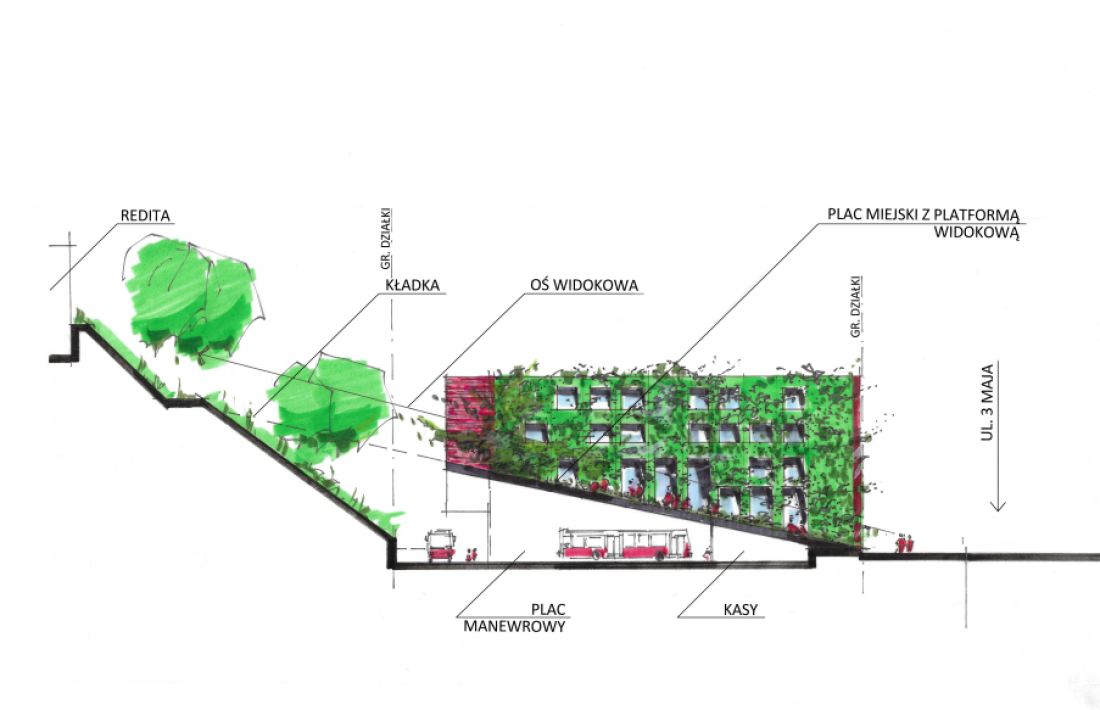
Concept for the new development of the PKS bus station area in Gdansk
Studio Kwadrat
According to the Gdansk encyclopedia Gedanopedia, construction of the PKS station on 3 Maja Street began in March 1971 with underground passageways for twelve bus stands. The station itself opened two years later. In 1974, the lightweight building, connected by an underground passageway and escalator to the Central Railway Station, won an award from the Ministry of Construction and Building Materials. In 2012, the assets of PKS Gdańsk, which was then in the hands of the Orbis Group, were acquired by Gryf Bus Services and Górski Construction Company, which today owns the property.