














Discovery Building,
design: Hugh Broughton Architects
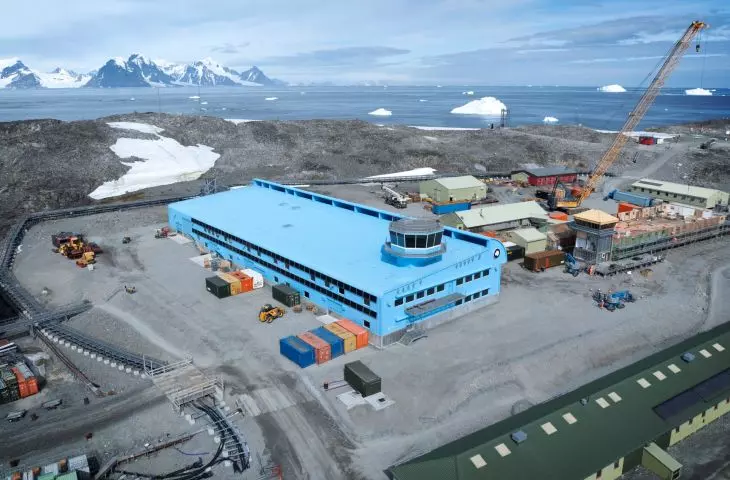
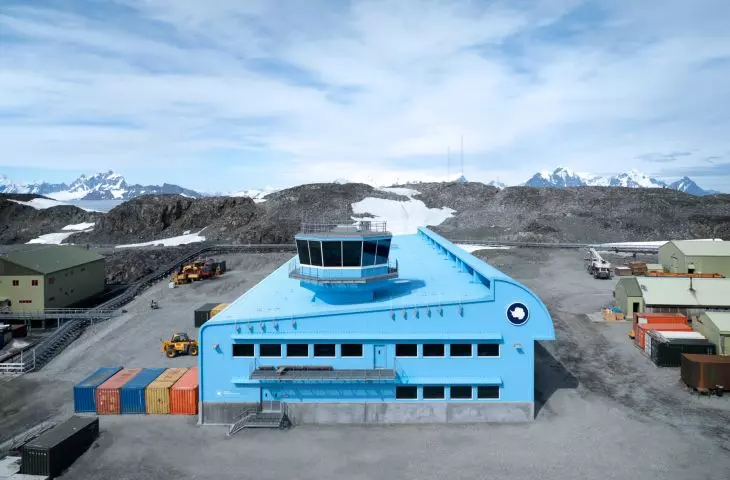
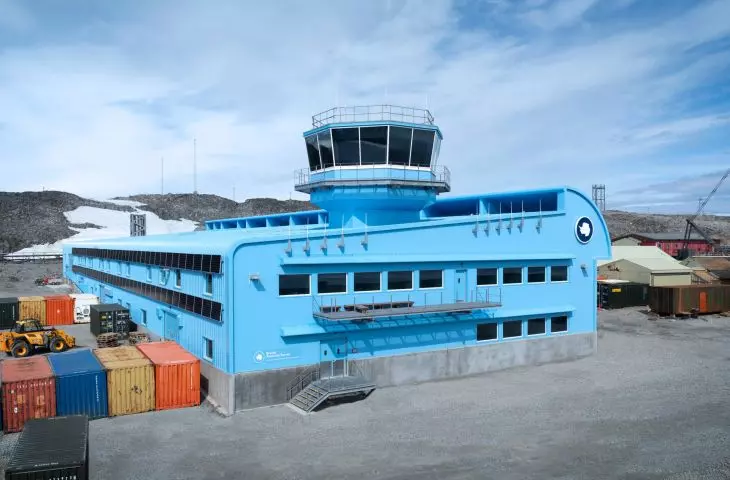
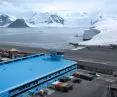
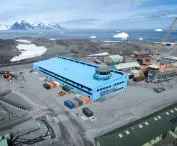
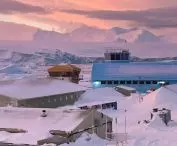
The Discovery Building was constructed on Adelaide Island as the new center for the British Rothera Research Station. Hugh Broughton Architects designed the building with one of the most demanding environments on Earth in mind, where wind, snow, and months of isolation determine how the architecture functions . Rather than fighting the Antarctic climate, the design harnesses its power to facilitate the scientists’ daily work.
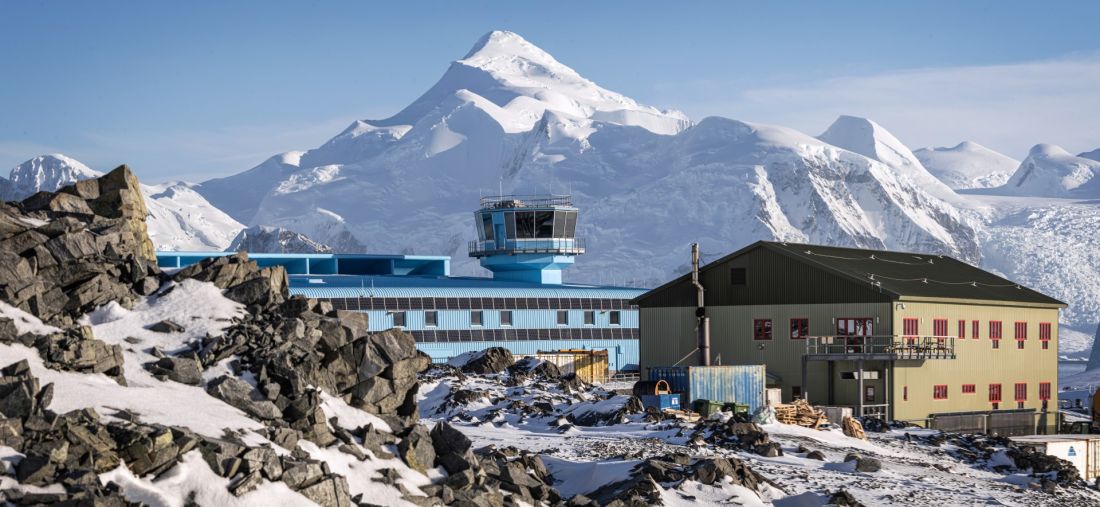
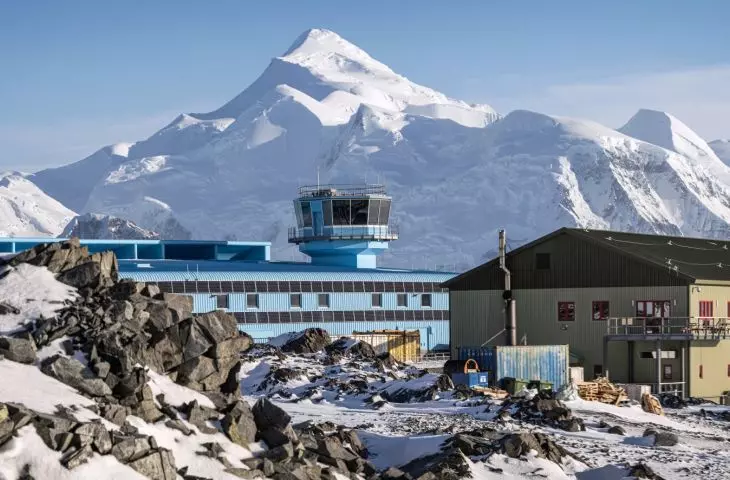
Discovery Building, Adelaide Island — ©Matt Hughes BAS
Architecture Adapted to the Antarctic Climate
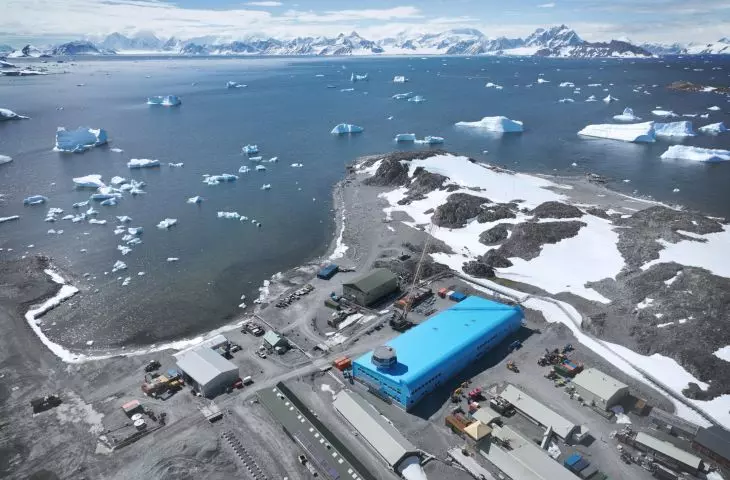
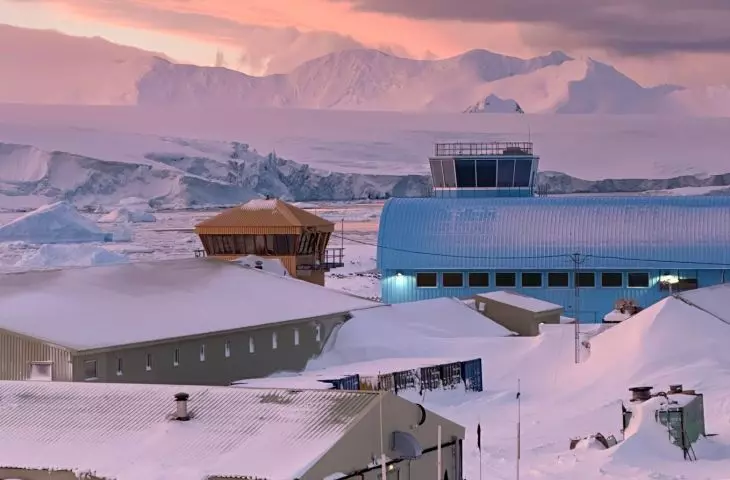
Rothera Research Station is the largest British research station in Antarctica and has served as a base for scientists studying the climate, glaciers, oceans, and polar ecosystems for over half a century. As research activities expanded, parts of the existing infrastructure no longer met modern requirements. Instead of adding more scattered facilities, it was decided to create a single building that would combine the key functions necessary for conducting research and the station’s day-to-day operations. The new facility replaced several older buildings, streamlining the operation of the entire complex. This marks the next phase of the modernization of Rothera Research Station, which has been underway since 2018.
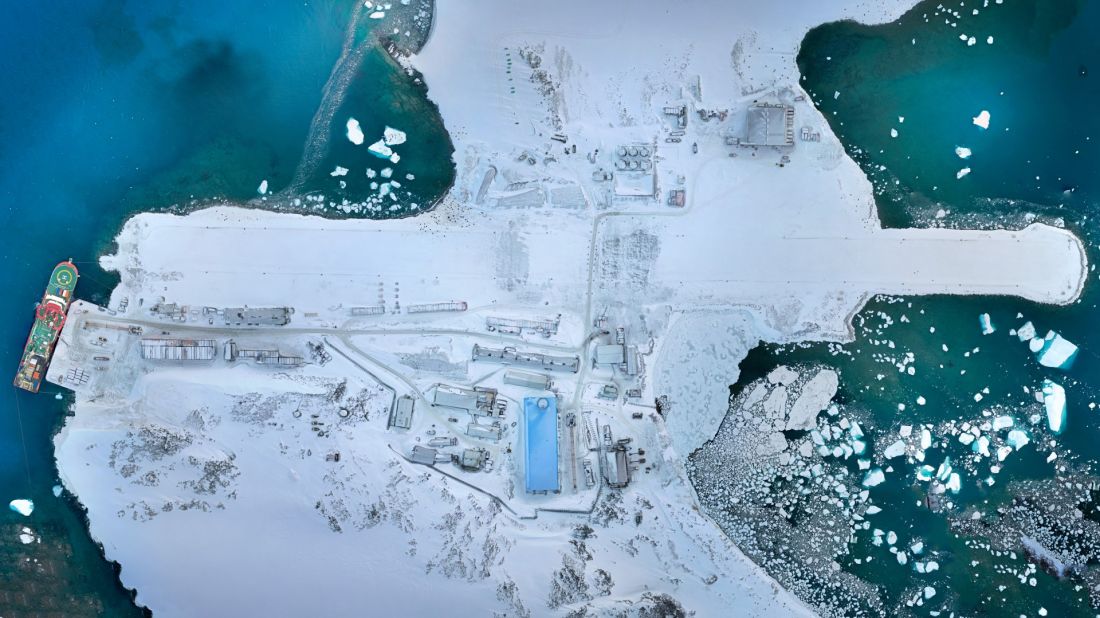
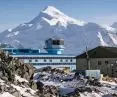
Discovery Building, Adelaide Island — ©BAS
Wind as Part of the Discovery Building Design
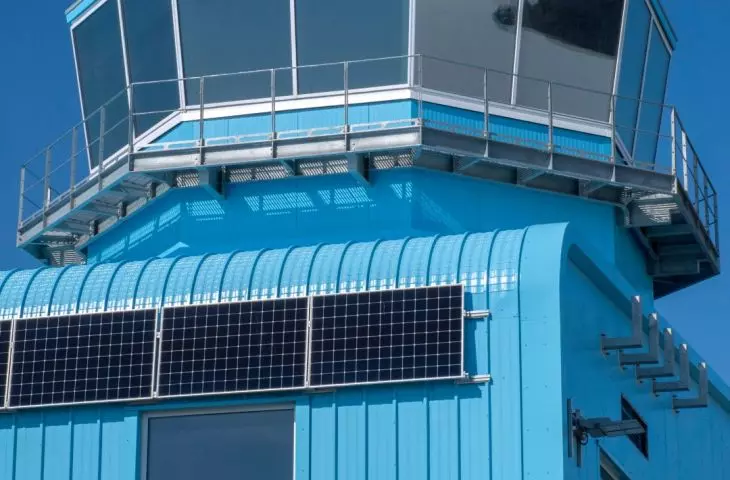
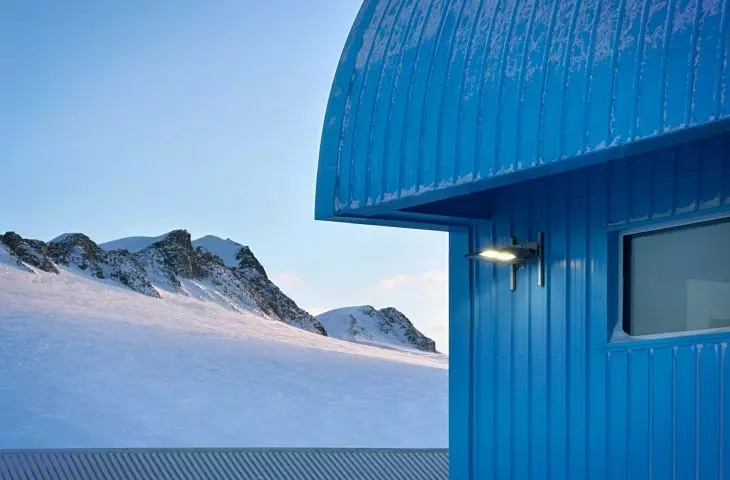
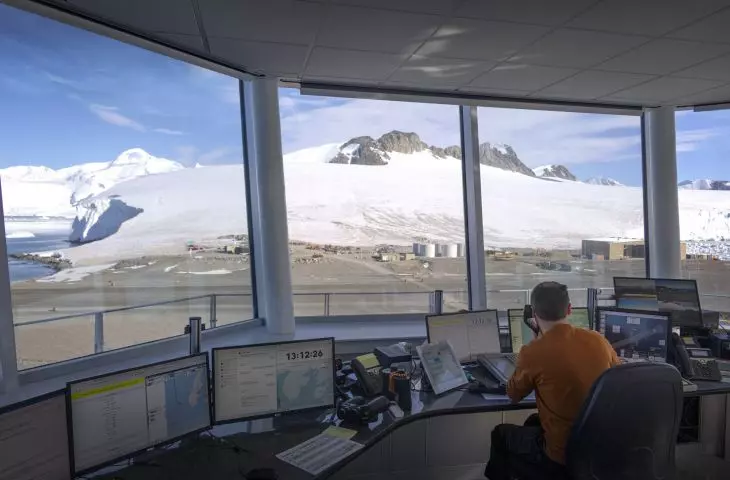
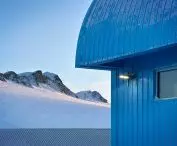
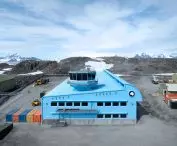
The building’s most distinctive feature is its aerodynamic form. The architects designed its shape to accommodate the prevailing wind directions, which in Antarctica largely determine the functionality of the entire infrastructure. A full-scale wind deflector plays a key role—a solution implemented in Antarctica for the first time on this scale. The structure accelerates airflow on the leeward side of the building, preventing snow from accumulating directly against the facade. This reduces the need for snow removal and facilitates the daily work of research teams. The light blue facade echoes the colors of the Antarctic sky. Highly insulated panels and triple-glazed windows help maintain stable conditions inside the building despite extreme temperatures. A glass observation tower rises above the roof, offering views of the runway, the waterfront, and the entire station.
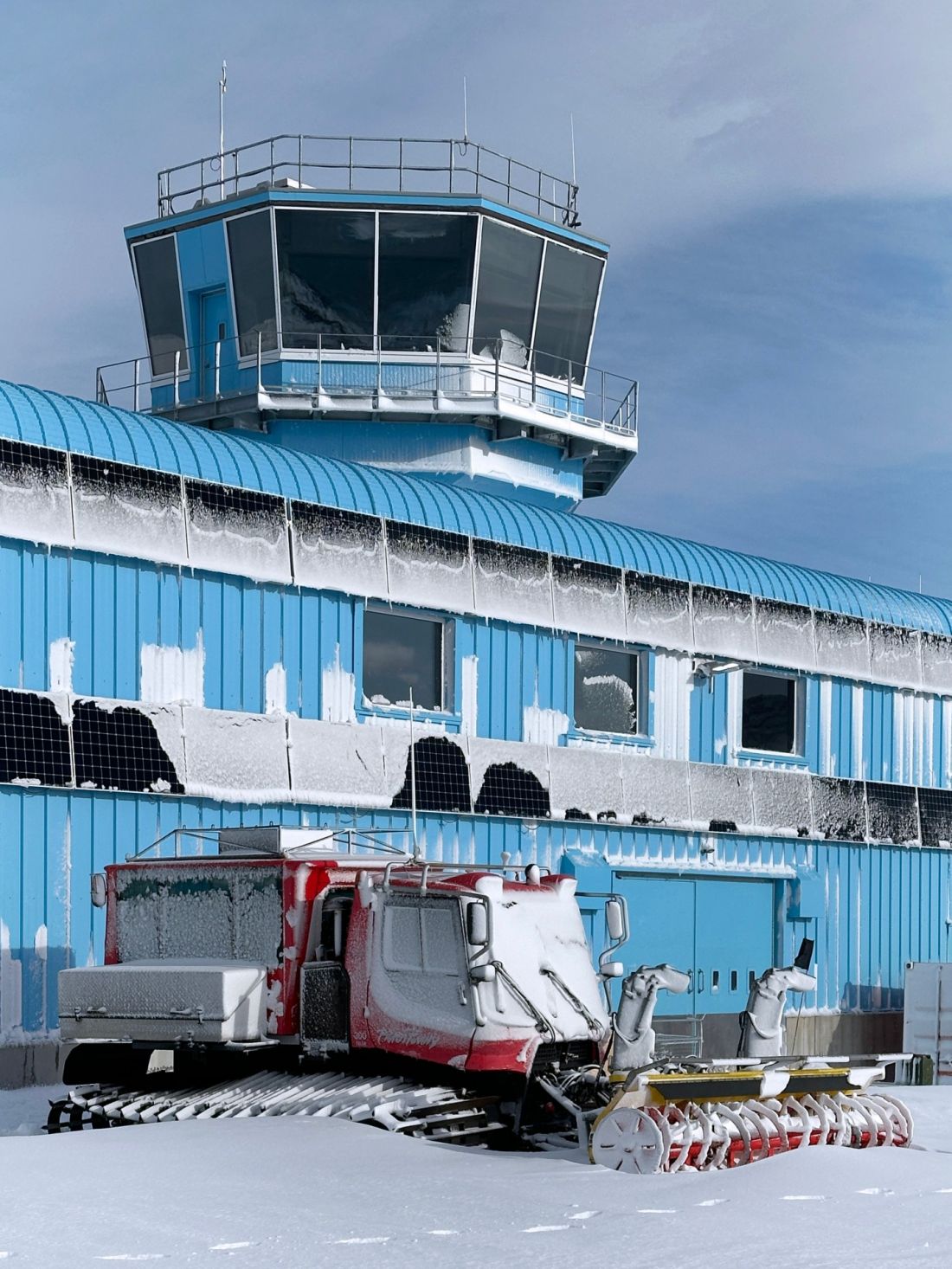
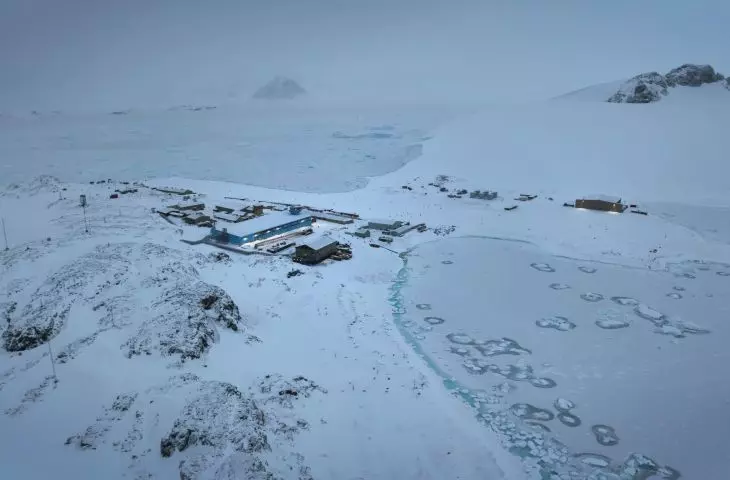
Discovery Building, Adelaide Island — ©Matthew Scott BAS
a space designed for people who spend months here
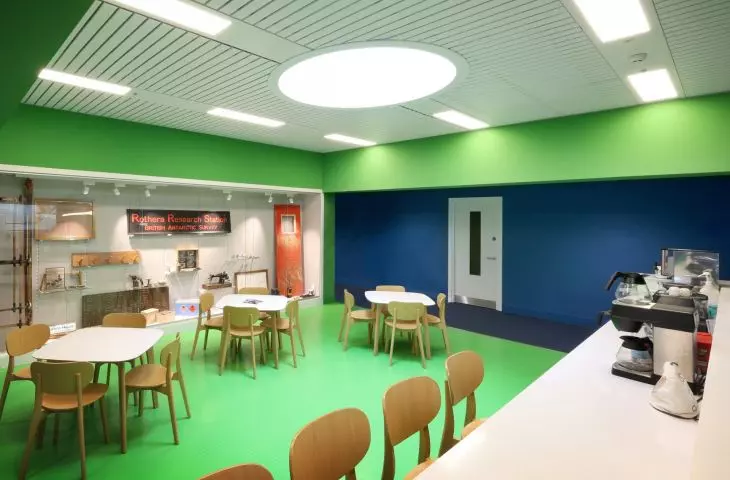
Although the Discovery Building is located in one of the most inhospitable places on Earth, its interiors were designed with the daily comfort of its users in mind. The building houses workshops, storage areas, facilities for preparing field expeditions, technical systems, a medical office, offices, and recreational spaces. Large windows provide natural light, open spaces facilitate collaboration, and the vibrant interior colors help residents better endure the long months of isolation during the Antarctic winter. Equally important was the reliability of the entire infrastructure. Solutions were implemented to ensure safe operation even when the station is staffed by only a small winter crew.
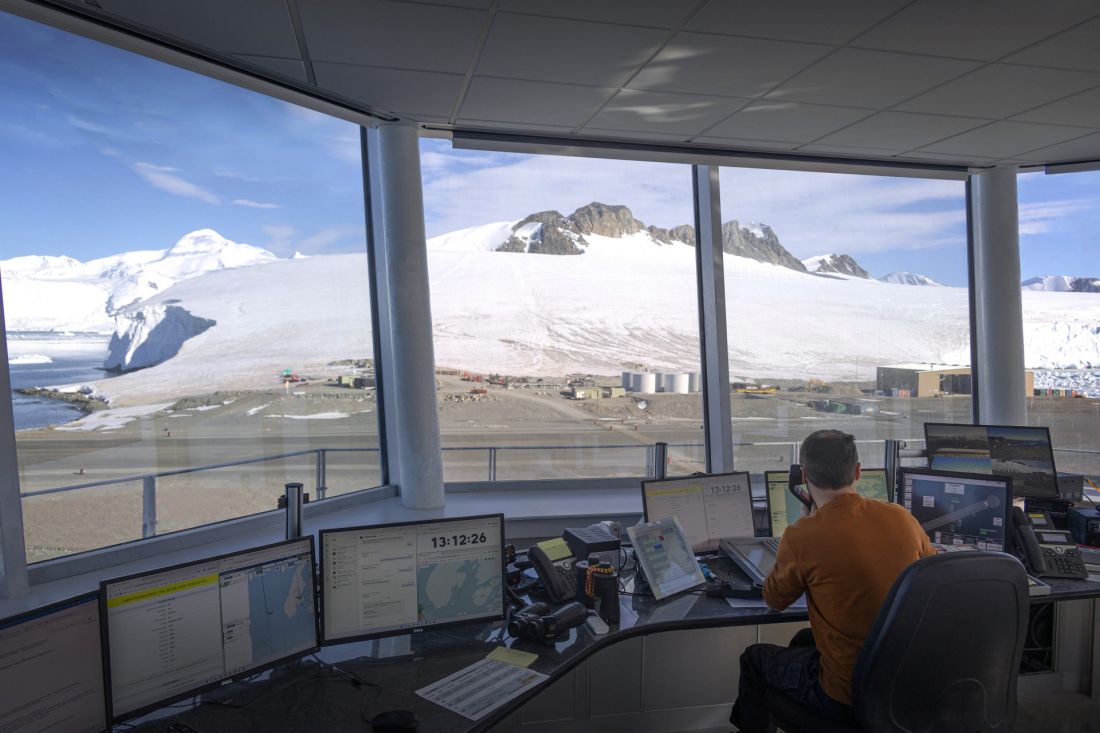
Discovery Building, Adelaide Island — ©Matt Hughes BAS
Less energy, less snow, greater durability
From the outset, the project was developed with the goal of minimizing its environmental impact. The new infrastructure consumes less energy and water than previous buildings and also requires significantly less maintenance and snow removal. In a place where every repair presents a massive logistical challenge, durability and reliability become just as important as the architecture itself.
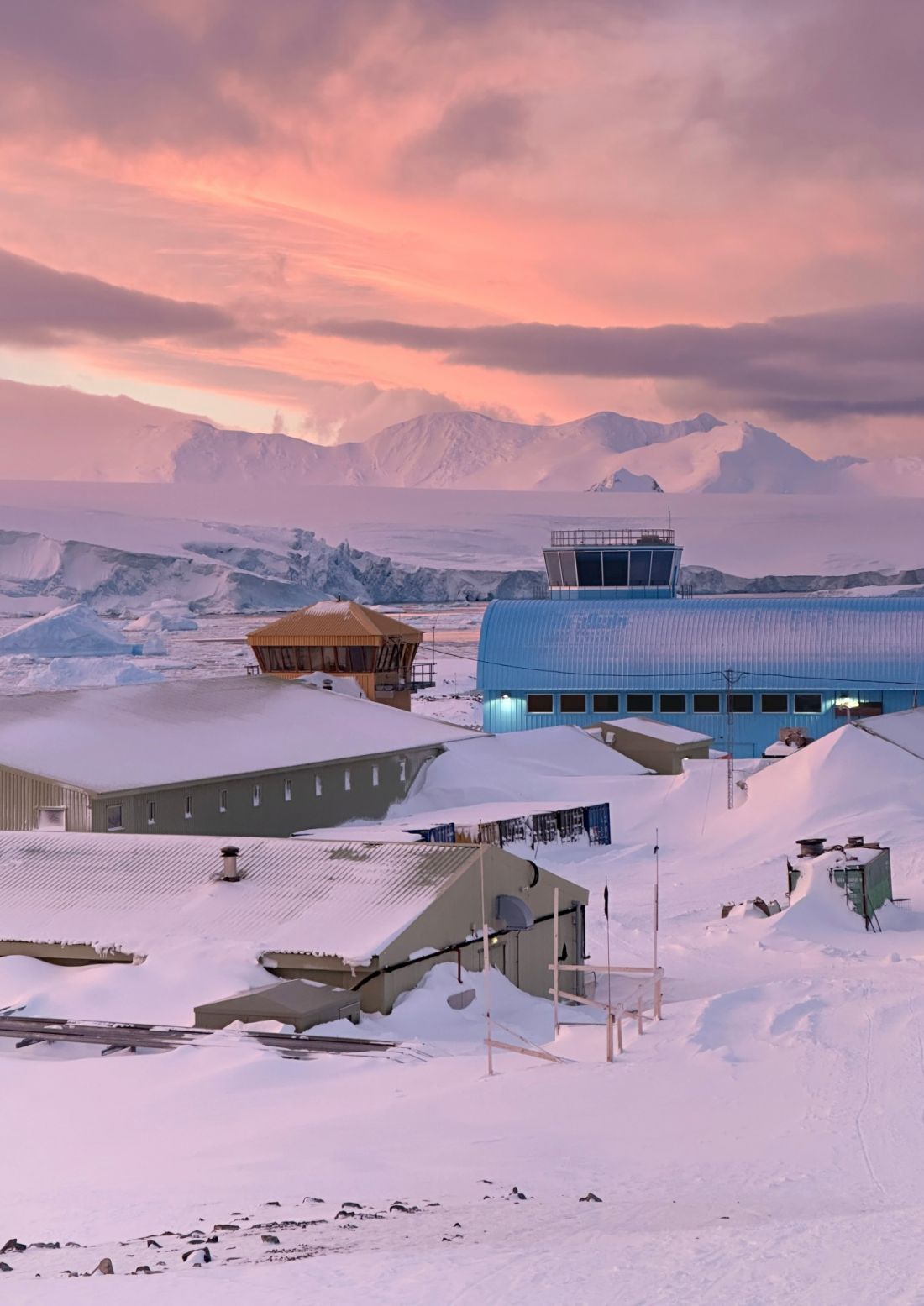
Discovery Building, Adelaide Island — ©Matthew Scott BAS
Architecture for the Future of Science
The Discovery Building is more than just a new laboratory building. It is a piece of infrastructure on which the next decades of British polar research and international scientific collaboration depend. At a time when Antarctica is becoming one of the most important laboratories for studying climate change, well-designed architecture becomes an integral part of the research process. The Discovery Building marks the next phase in the expansion of Rothera Research Station, but it is also an example of architecture that stems directly from the conditions of the site. In Antarctica, striking form takes a back seat—what matters is a building that allows research to be conducted regardless of the weather.