




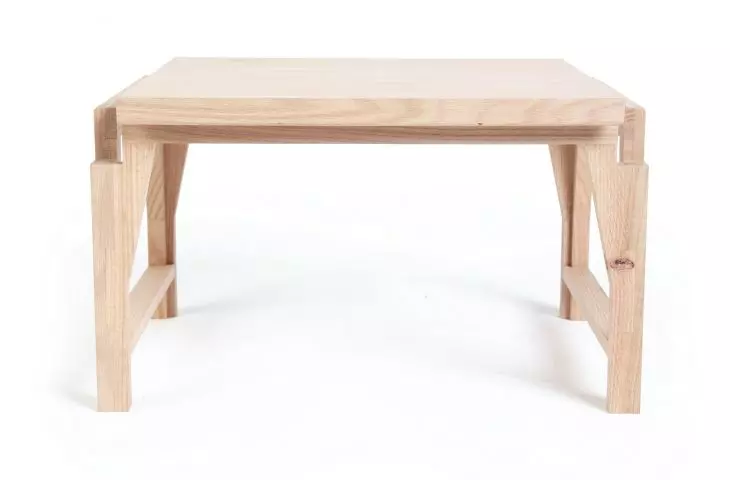
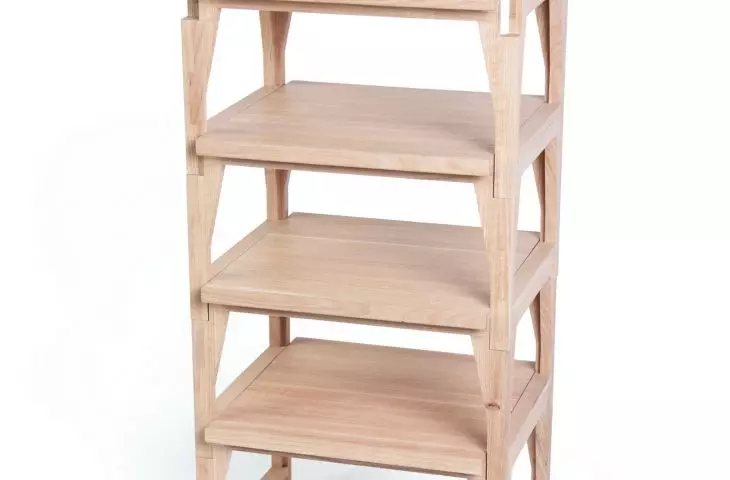
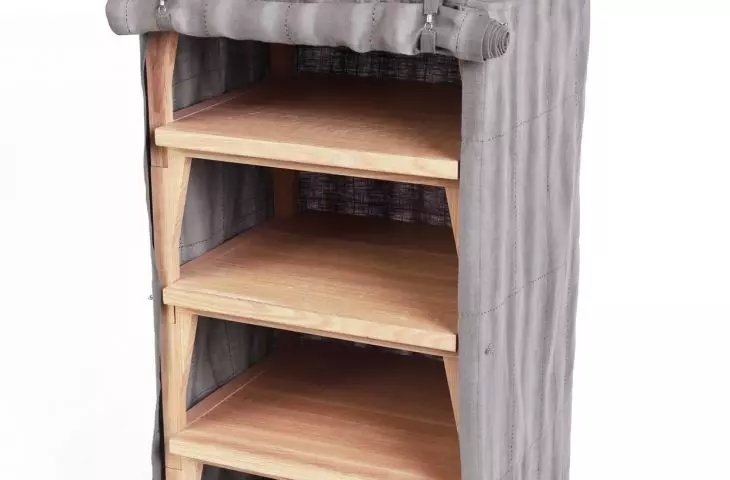
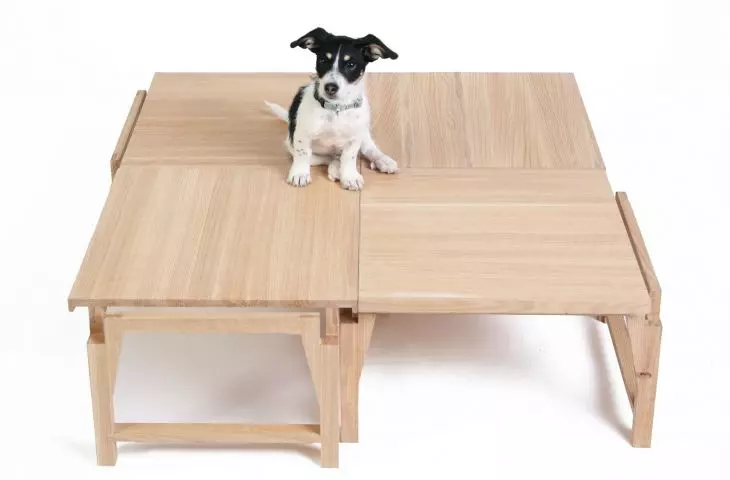
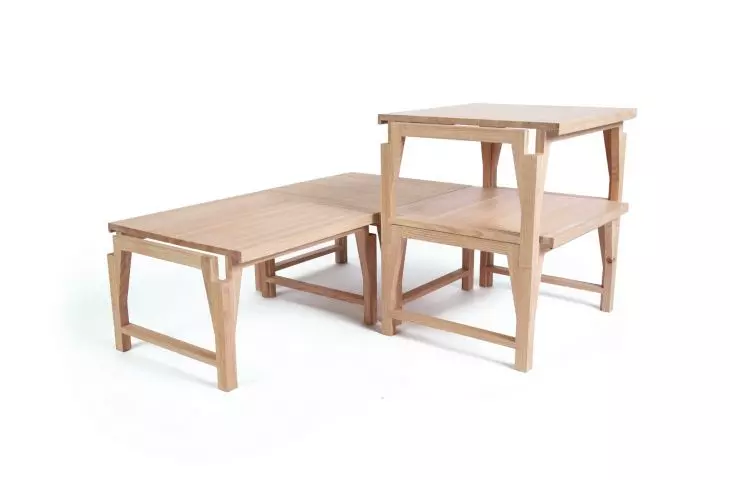
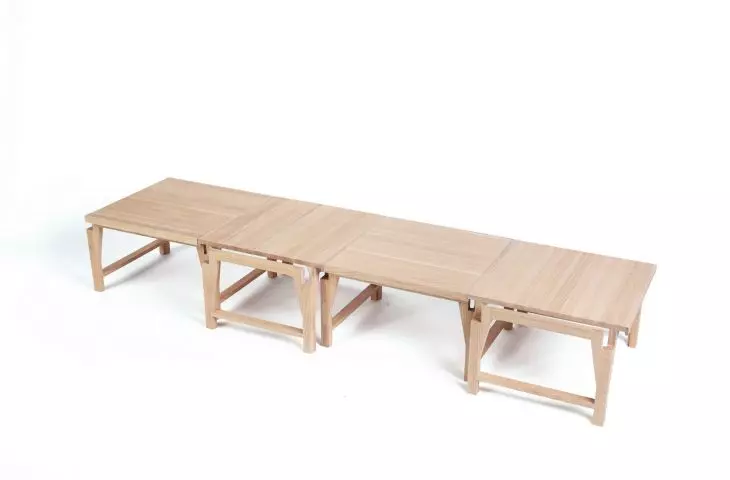


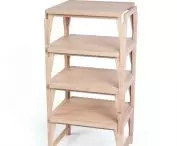
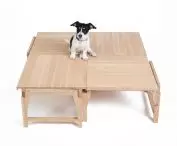
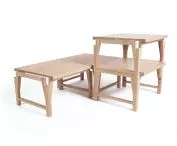
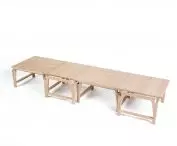

Franciszek Wesolowski, a graduate of Design at Uniwersytet SWPS, designed a modular piece of furniture called Tekto. It functions as an ergonomic, mobile workstation for handicraft work at home. The Tekto furniture is characterized by its modular design and simple form. It is formed by four identical modules in the shape of low tables, which can be connected vertically - placing them on top of each other - or horizontally - pinning the tops side by side.
The author envisioned multiple uses for Tekto, not only in private spaces. It can be used both in cafes or restaurants as a mobile counter or coffee table. Another solution is to use it in schools, where it can function as a play station, a place to store materials or a workbench. It doesn't stop there - Tekto can also stand in galleries, studios or various sales spaces and be used for display.
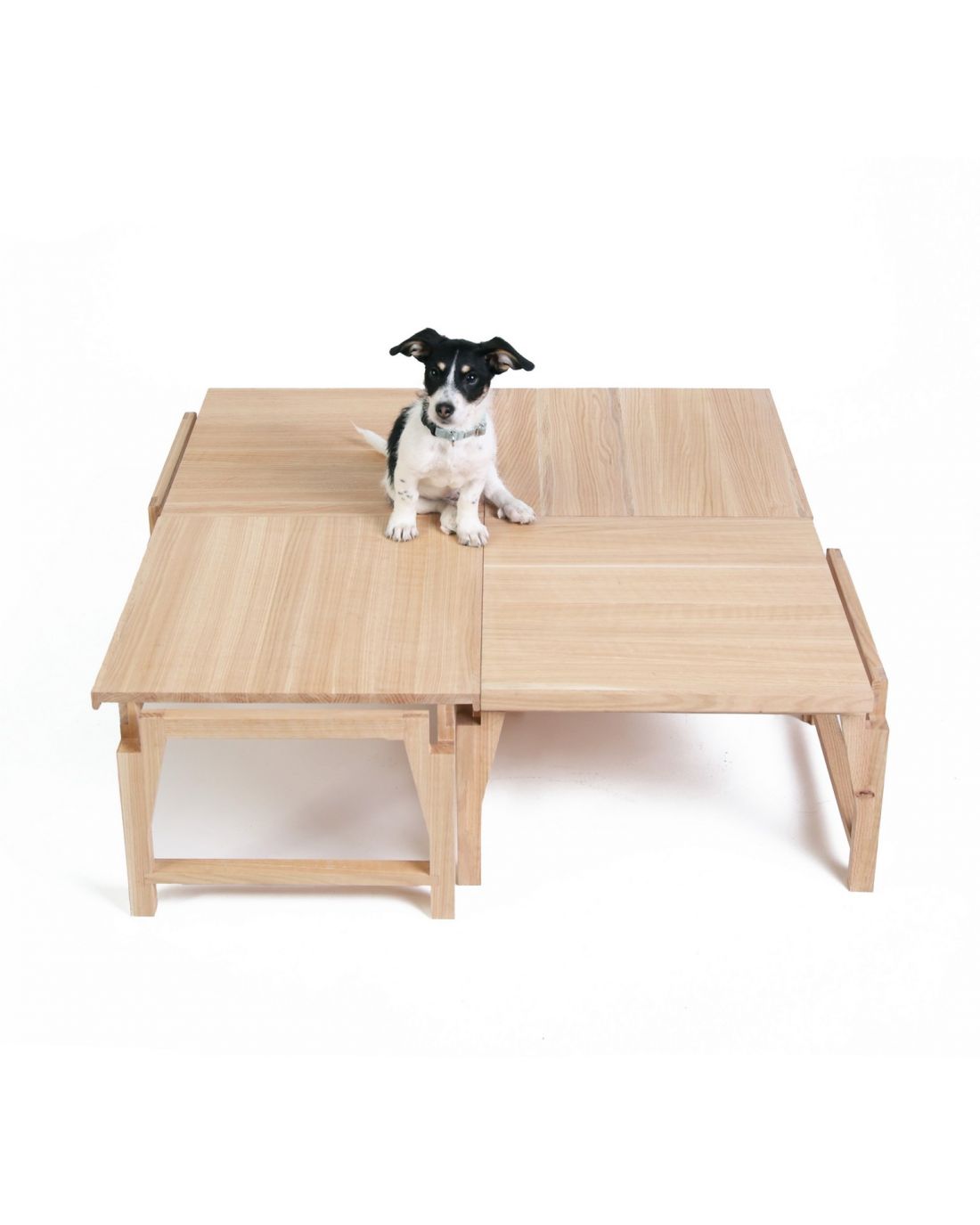
Tekto - modular furniture
designed by Franciszek Wesołowski
table, bookcase or chair
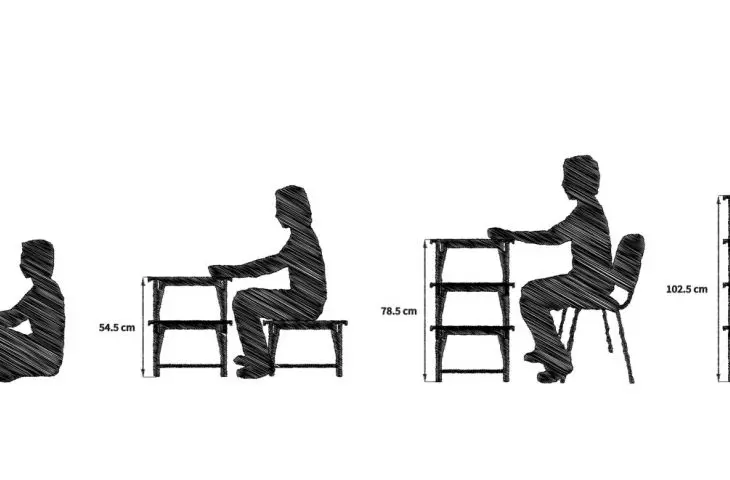
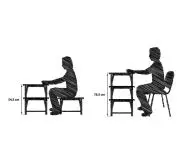
The dimensions of the modules have been precisely measured so that the furniture is as ergonomic as possible . Their height allows you to use the furniture in different body positions. You can use it sitting on the floor or on a chair, or even standing up. You can also use the module as a seat.
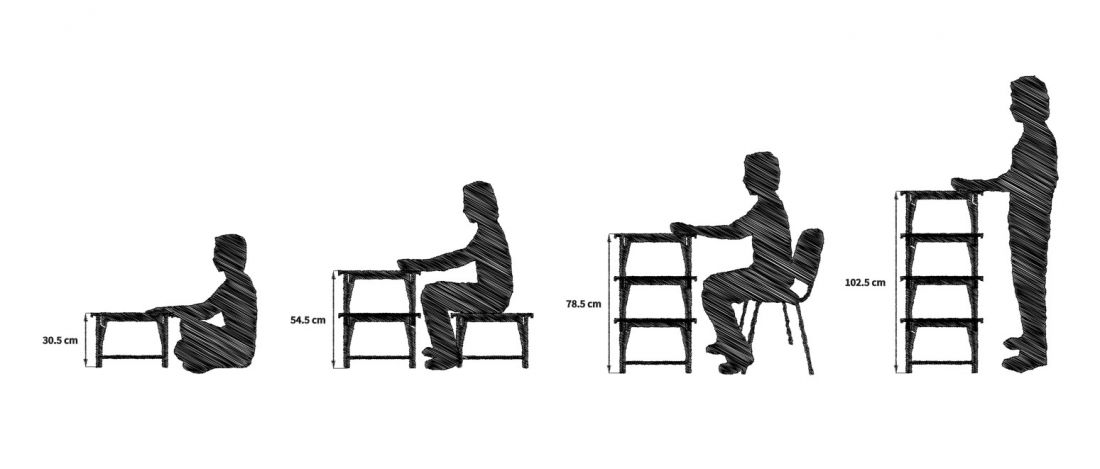
ergonomics diagram
designed by Franciszek Wesolowski
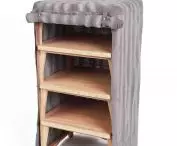
A textile cover is attached to the wooden structure . It is used to cover the bookcase constructed of four modules. Thanks to it, it is easier to maintain order and cover the items stored on the shelves. The pattern of the fabric harmoniously harmonizes with the form and design of the bookcase.
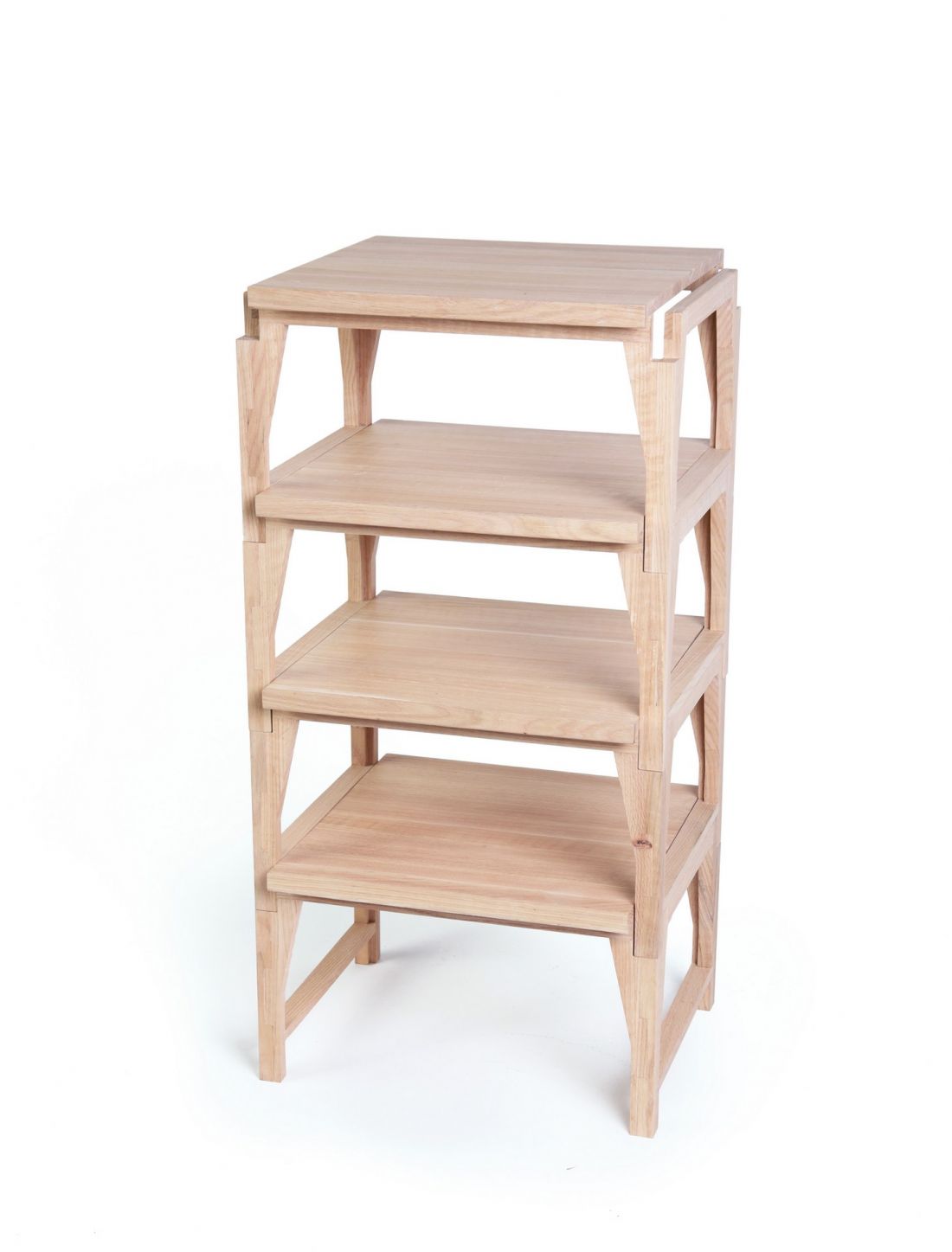
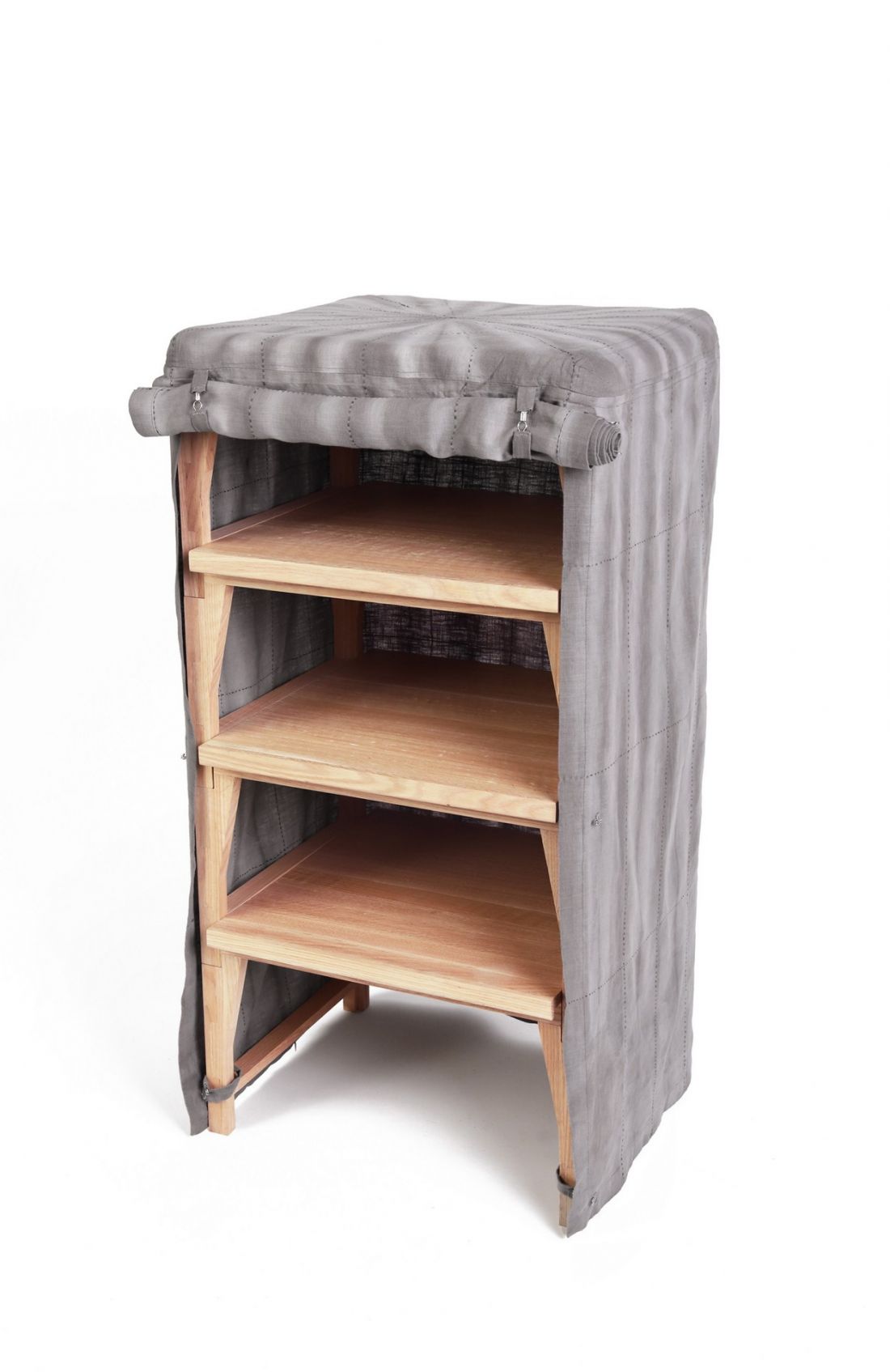
Tekto - modular furniture
designed by Franciszek Wesołowski
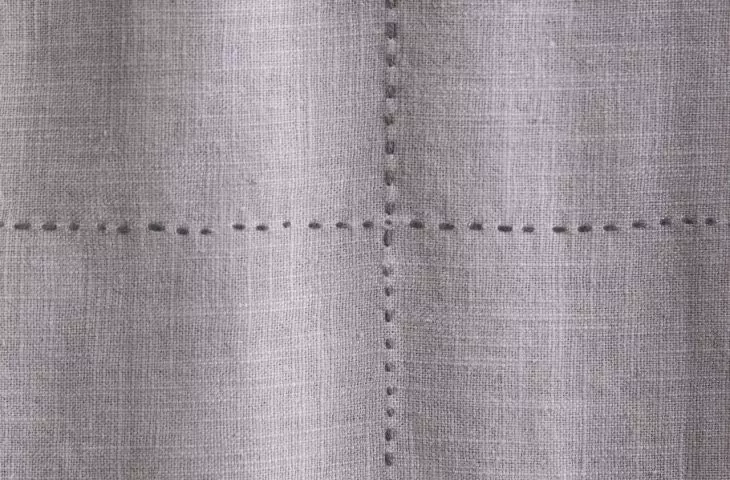
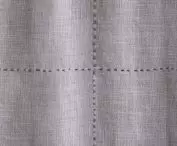
The cover is made of rami - a natural material extracted from the fibers of Chinese nettle. It is dyed using the shibori method, which is a way to obtain organic patterns. It used a natural dye extracted from oak bark, in which the fabric was immersed for 10 hours. The folded fabric was compressed using wooden slats and carpenter's clamps - thus achieving a vertical pattern. Finally, the surface was darkened with an iron sulfate solution.
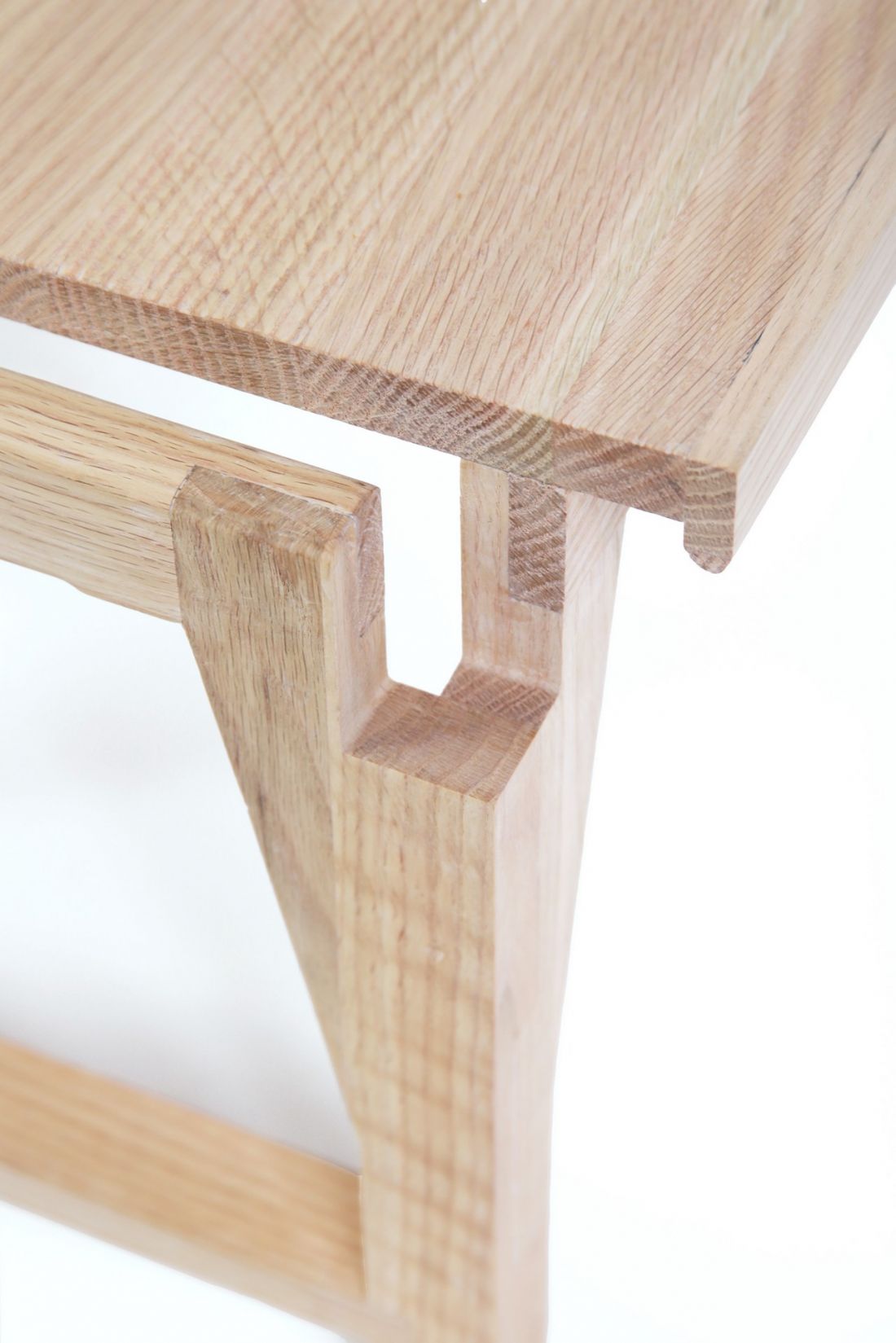
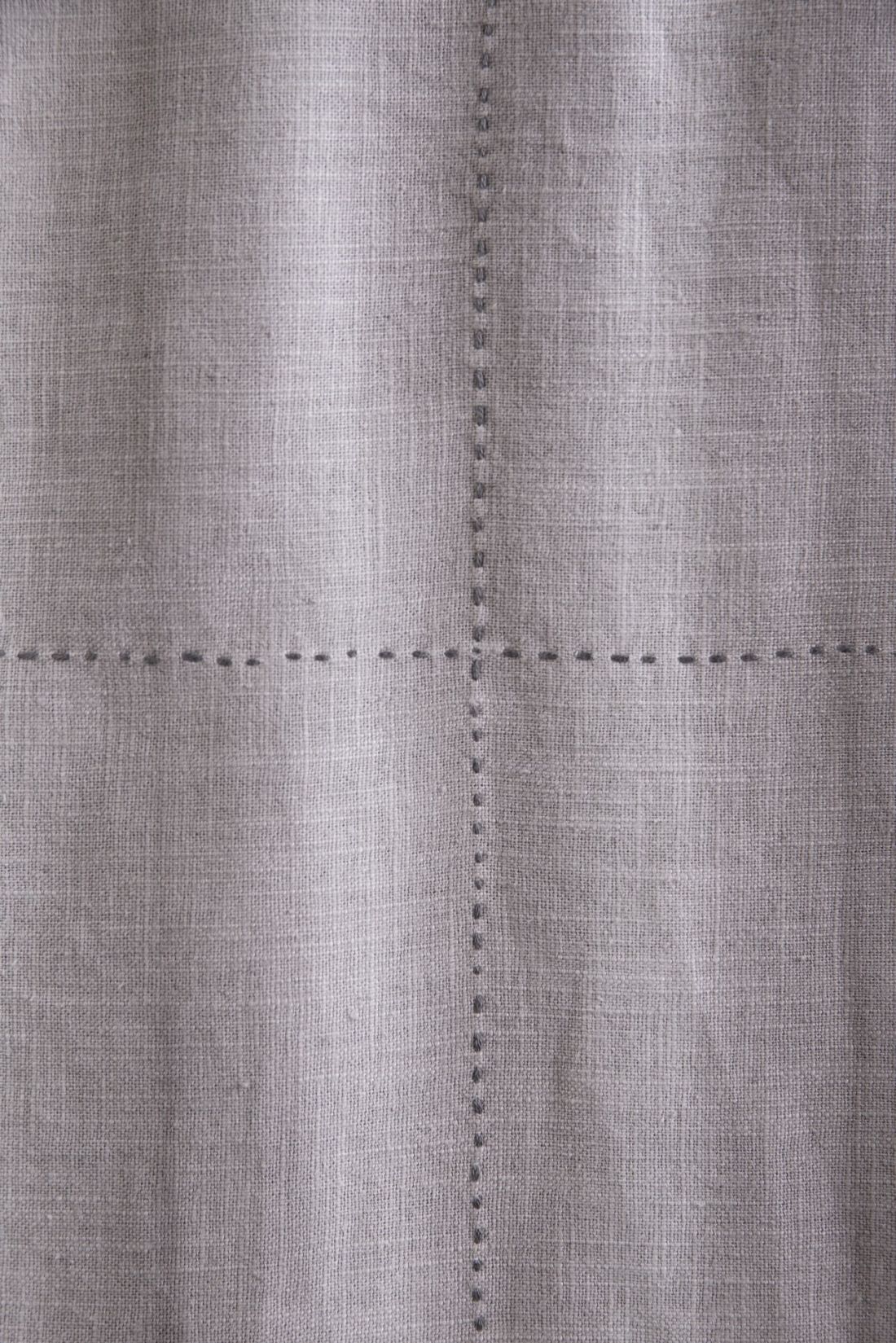
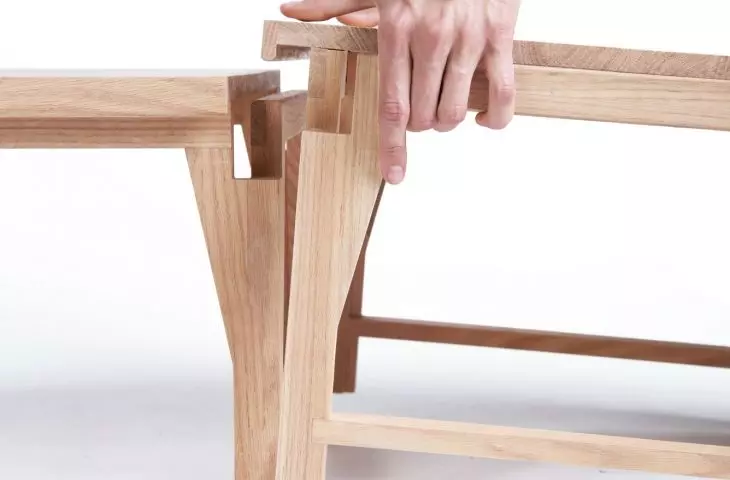
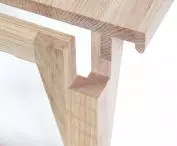
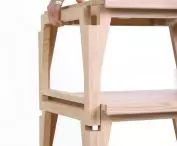
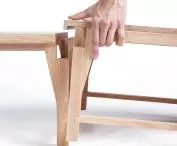
joints
designed by Franciszek Wesolowski
cover material
proj.: Franciszek Wesolowski
It was finished with sashiko embroidery, which is consistent with the layout of the pattern created during dyeing.
Natural materials, traditional construction and modern design
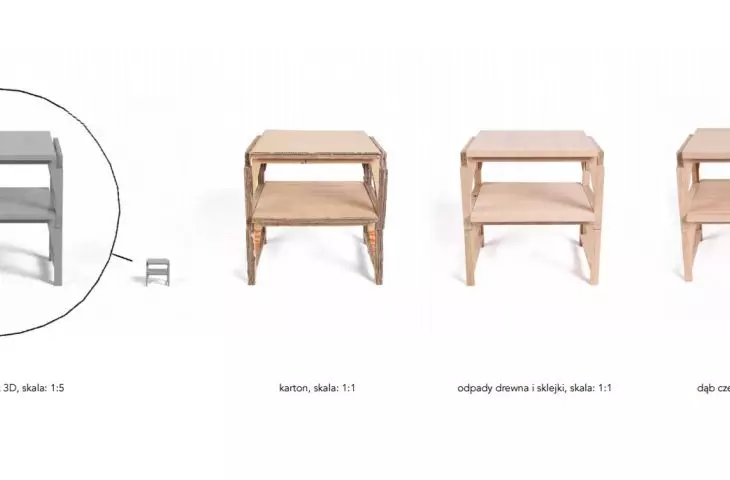
At the prototyping stage, the furniture was made using 3D printing technology. Thanks to it, it was possible to test the mechanism of joining the modules and refine their proportions. Cardboard mock-ups on a scale of 1:1 were used to evaluate the ergonomics of use, and then two full-size prototypes were made. Wooden waste was used to create them, which allowed testing various carpentry techniques and construction solutions.
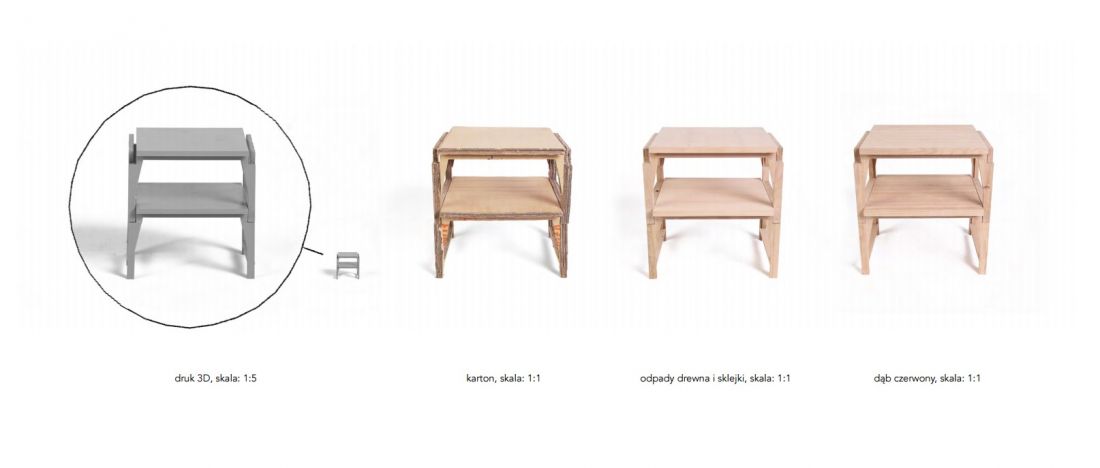
prototypes
proj.: Franciszek Wesolowski
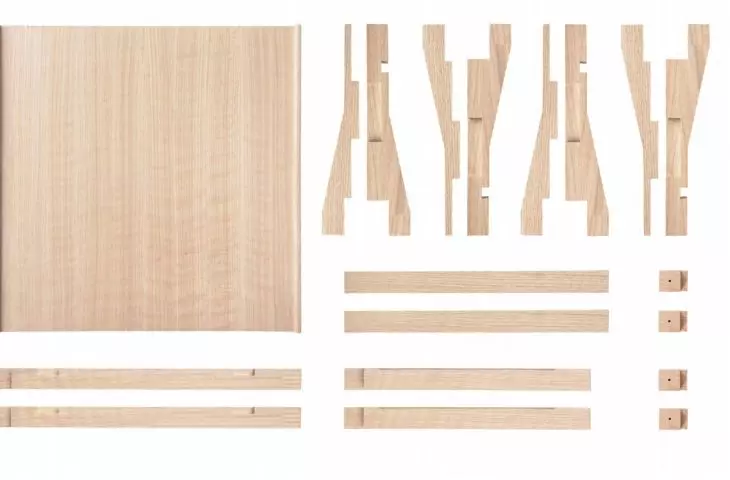
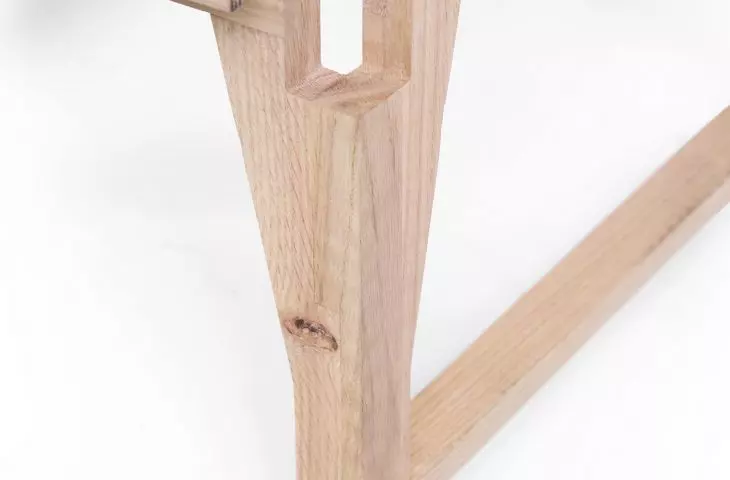
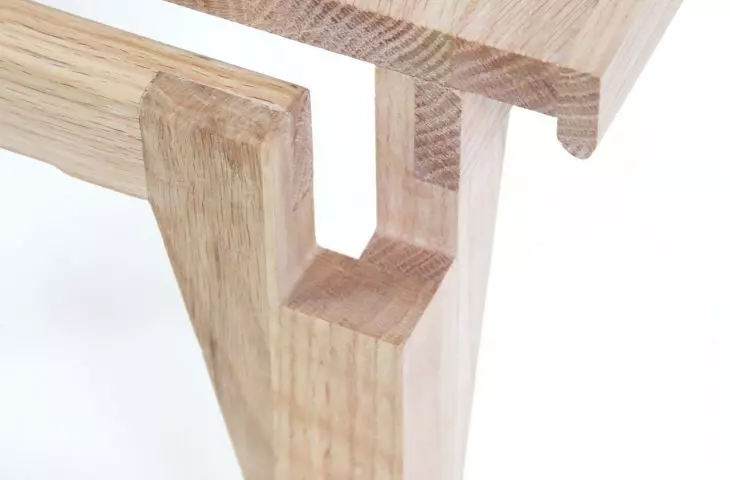
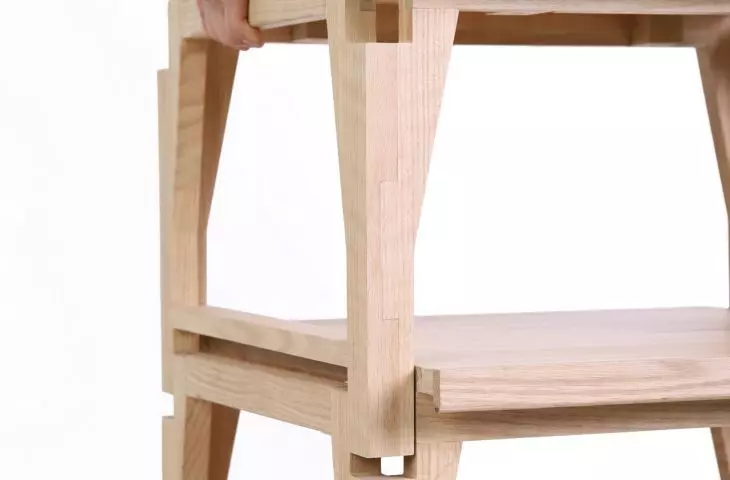
The final model of the Tekto furniture has a wooden frame made of red oak. For its construction, the traditional Japanese sashimono technique was used, which allows elements to be joined together without the use of additional fasteners, such as metal ones. The frame's construction and joint design were adapted to automated, pre-machining of the material using a CNC milling machine. Then, the automatically cut parts were finished by hand and glued together.
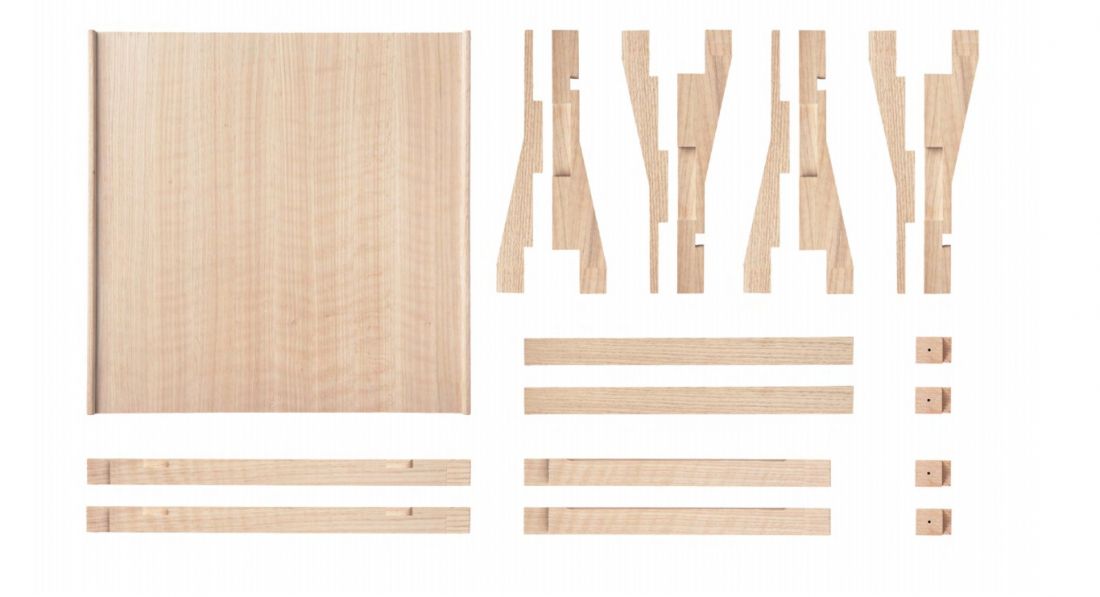
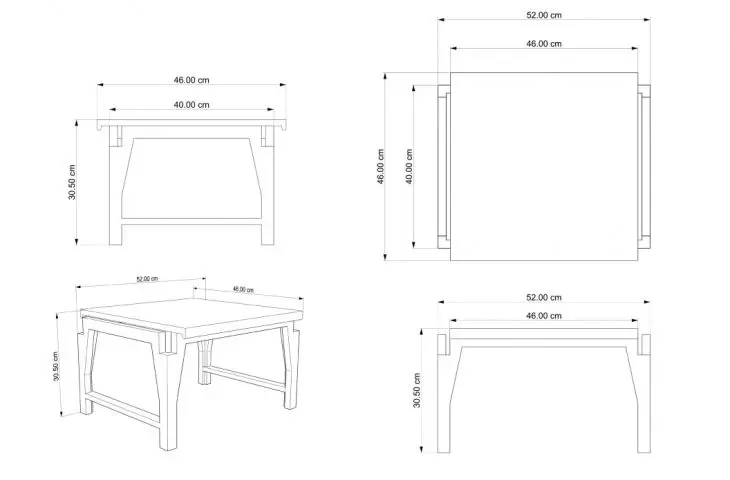
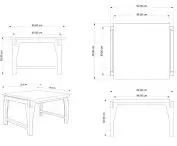
module elements
proj.: Franciszek Wesołowski
The author envisages expanding the modular system for which the Tekto furniture is the basis. Developed with further segments, it would allow the creation of diverse configurations, such as a full-size desk, for which an attachable top would still be needed.
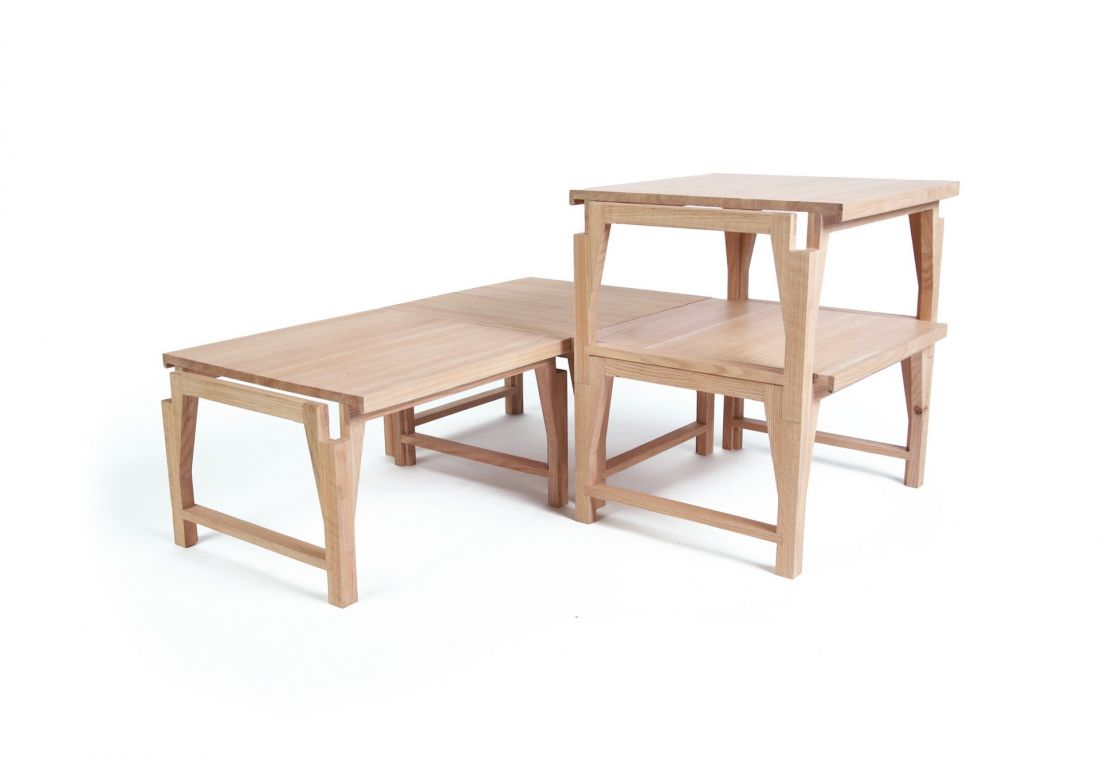
Tekto - modular furniture
designed by Franciszek Wesołowski
Tekto is an example of a piece of furniture that can become a universal, mult ifunctional object of furnishing any home, not only thanks to its modular construction, but also because of its timeless design.