





#Architectural Education in Poland_Architecture Departments
Where can you study architecture in Poland? Which university should you choose? We asked students and recent graduates from Polish universities about what studying this field is like—what works, what poses a challenge, and what could be improved. Maciej Czekański told us about what it’s like to study architecture at the Lodz University of Technology and the Sopot Academy of Applied Sciences .
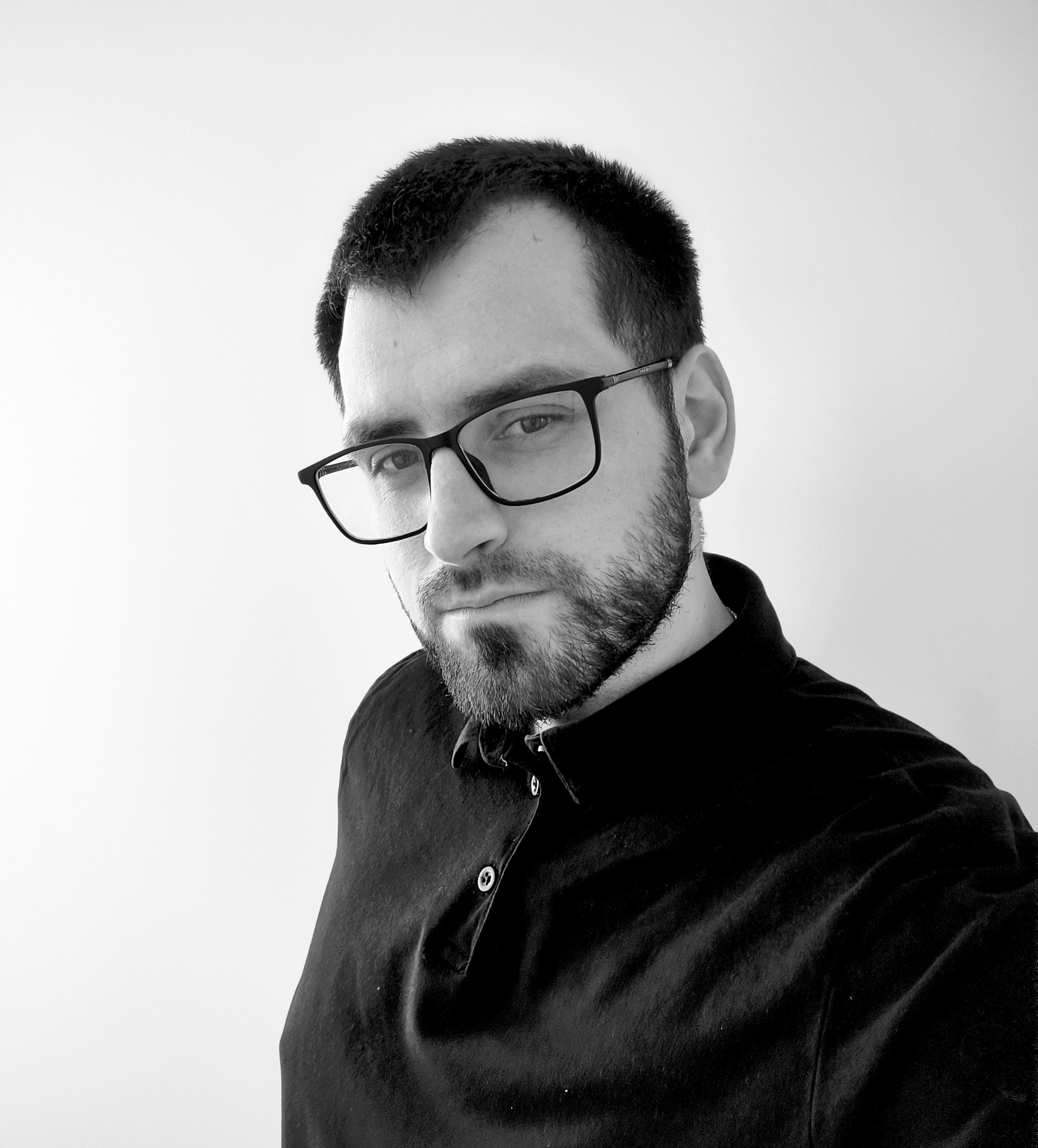
Maciej CZEKAŃSKI— holds a master’s degree from the Lodz University of Technology and earned his engineering degree from the Sopot Academy of Applied Sciences. He comes from Łowicz—a place where milk flows in streams and jam is practically a national treasure. Regardless of where he is, he devotes most of his time to developing new architectural concepts—you could say it’s his passion, almost as strong as his love for a good fruit cake.
My architectural studies in Poland were an intense, multifaceted, and deeply formative experience—both professionally and personally. I pursued them in two cities: Sopot and Łódź. Although they differed in character, scale, and urban context, the core of the program remained virtually unchanged. Regardless of the location, the division of responsibilities, the pace of work, and the expectations of students were very similar—and at times, virtually identical.
Each university, however, sought to clearly emphasize its local identity. In Sopot, architecture was strongly rooted in the seaside context —much attention was devoted to the relationship with the landscape, nature, light, and the resort’s unique character. The projects often referred to the human scale, subtleties of form, and a dialogue with the surroundings. Łódź, on the other hand, offered a completely different perspective: more austere, urban, and industrial. There, architecture was a response to the city’s industrial history, its transformation, and its complex urban fabric. In both cases, the goal was the same—to teach us how to design architecture that is rooted in its location, arising from local needs and context.
The studies were demanding. Projects to complete were a constant presence, and our free time often gave way to work on models, drawings, and concepts. The professors strove to create “ideal architects, ” often modeled after themselves, setting the bar high and demanding perfection. At times it was exhausting, but at the same time incredibly rewarding—it taught discipline, responsibility, and consistency in action.
A huge advantage was the very broad scope of knowledge and the emphasis on quality and refinement of projects. At the same time, it’s impossible not to notice certain minor, yet significant, systemic flaws. The administration and some of the faculty members were often no longer practicing as architects, which at times created a disconnect between theory and market realities. Another drawback was the insufficient number of hours devoted to professional internships that would realistically prepare students for their future careers.
Despite these shortcomings, studying architecture in Sopot and Łódź was a challenging yet immensely valuable experience—one that shapes you for years to come and stays with you for a long time.
Maciej CZEKAŃSKI
more: A&B 2/2026 – Education,
download free e-issues of A&B