


Snow King Observatory,
design: GALCZYNSKI, Farmer Payne Architects
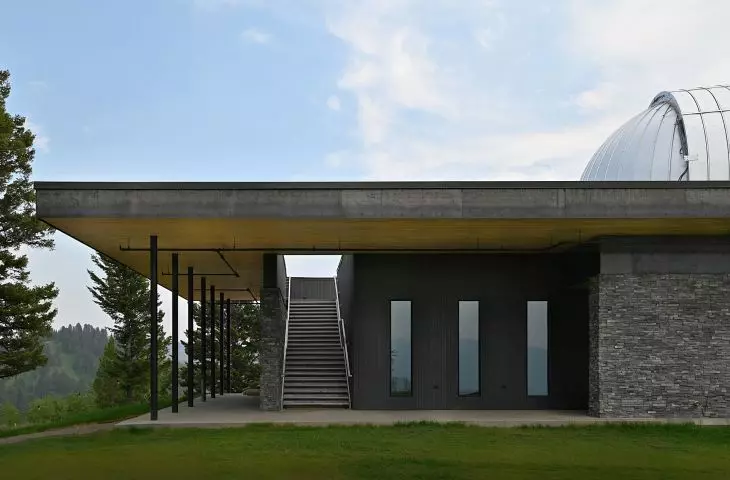
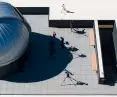
The Snow King Observatory in Jackson was built on the slope of Snow King Mountain, at a place where architecture, astronomy, and landscape converge into a single experience. GALCZYNSKI and Farmer Payne Architects designed a modest structure that does not attempt to compete with its surroundings. Its primary purpose is to direct attention to where it is usually lost amid city lights—toward the night sky.
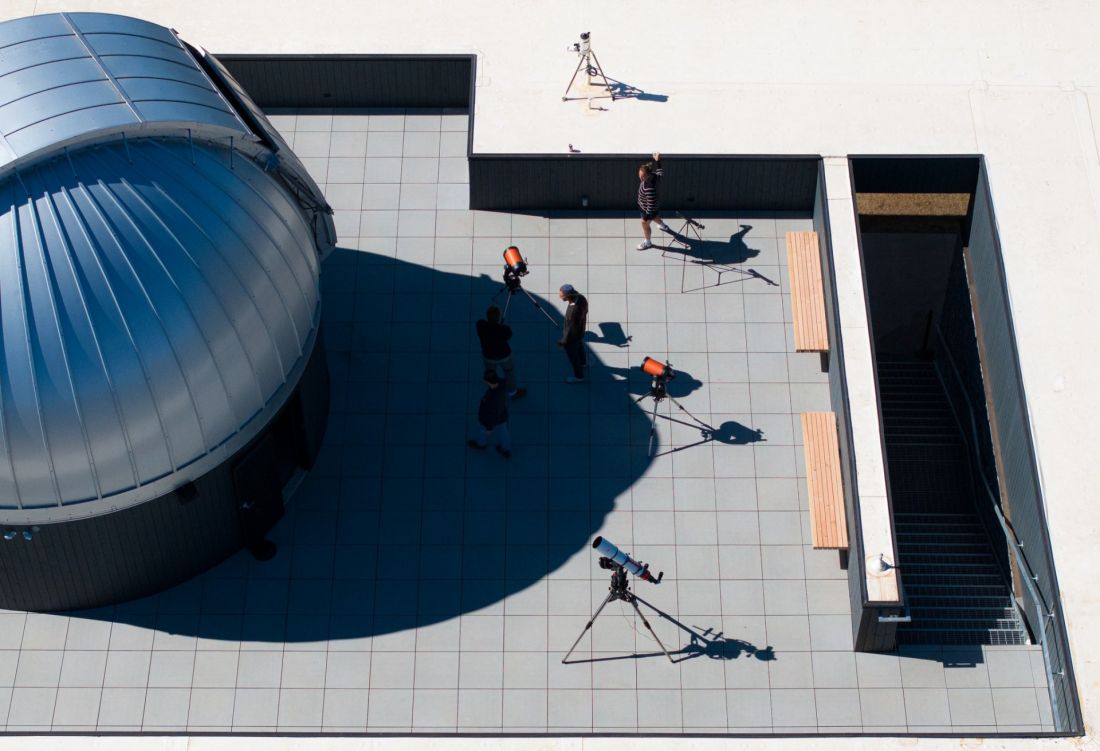
Snow King Observatory, Jackson — © Kyle Jennings
an observatory between the mountains and the sky
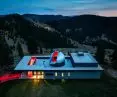
The Snow King Observatory was built on the slope of Snow King Mountain in Jackson, Wyoming, offering views of the city and the Teton Range. The Snow King Mountain Resort gondola leads to the observatory, so the experience begins even before entering the building. The ascent becomes the project’s first gesture: a slow departure from the city and an approach toward the sky. The observatory opened to the public in 2024. It is the result of nearly a decade of discussions, planning, fundraising, and collaboration among astronomers, the local community, and designers. The idea was conceived as early as 2015, when astronomer Samuel Singer, founder of Wyoming Stargazing, and Jakub Gałczyński began considering the creation of a space dedicated to astronomy in Jackson Hole. The location had great potential. The valley, surrounded by vast open spaces, lies beneath one of the darkest skies in the region, while also attracting tourists heading to Grand Teton and Yellowstone. However, there was no place that would allow people to experience this landscape not only through its mountains, forests, and trails, but also through the night sky.
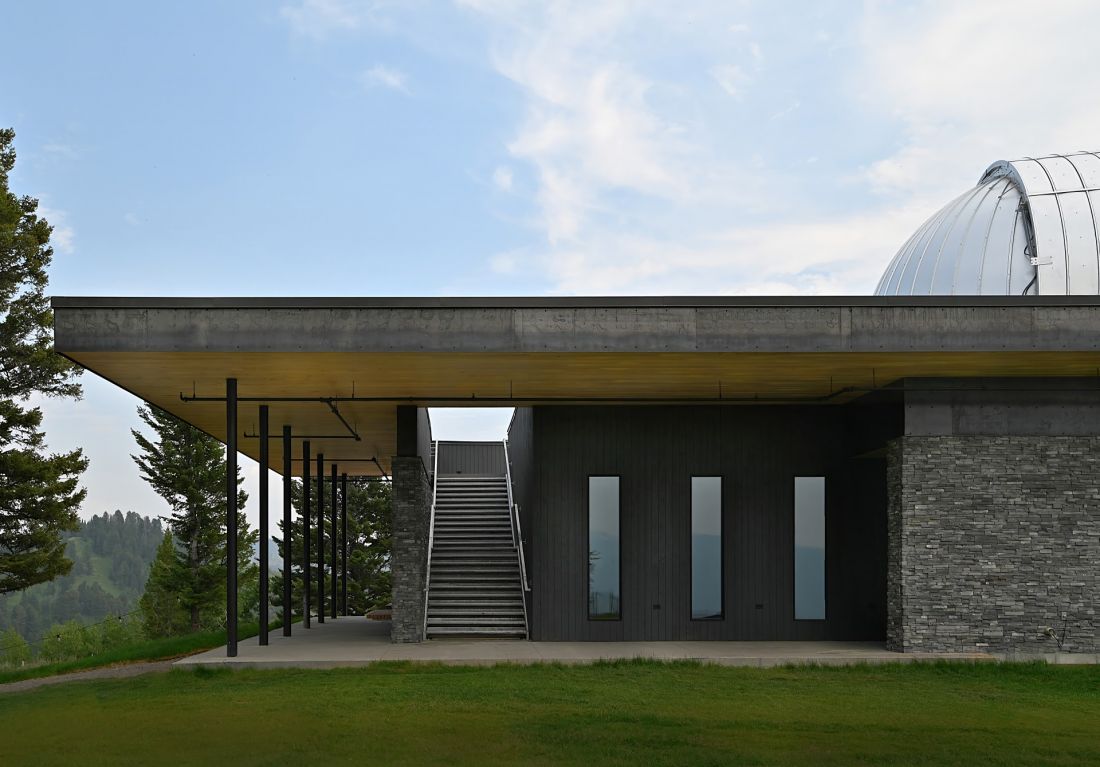
Snow King Observatory, Jackson — © GALCZYNSKI
a building that doesn’t want to be the main attraction
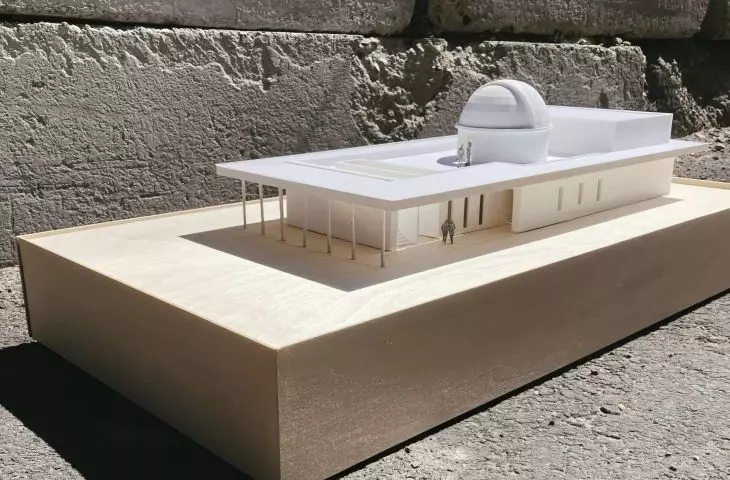
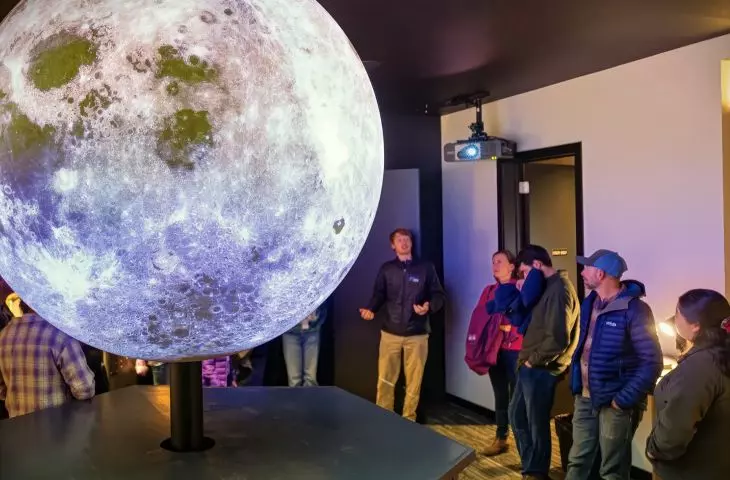
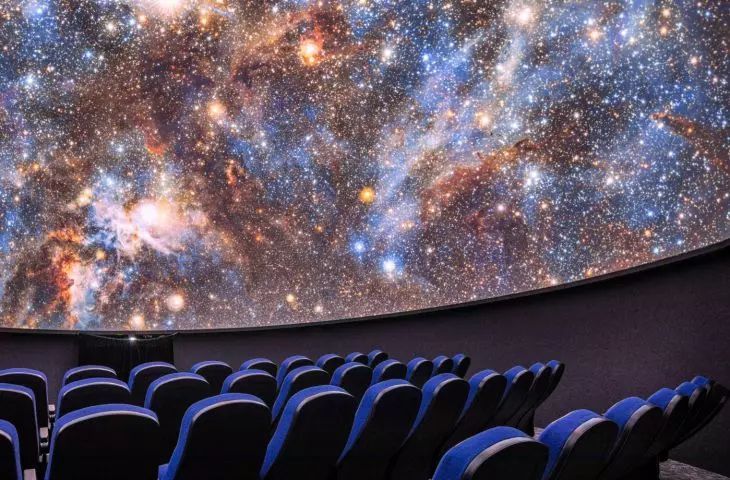
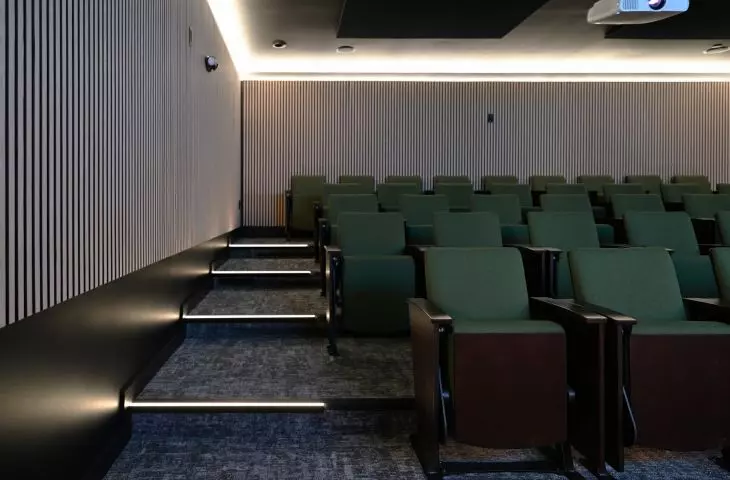
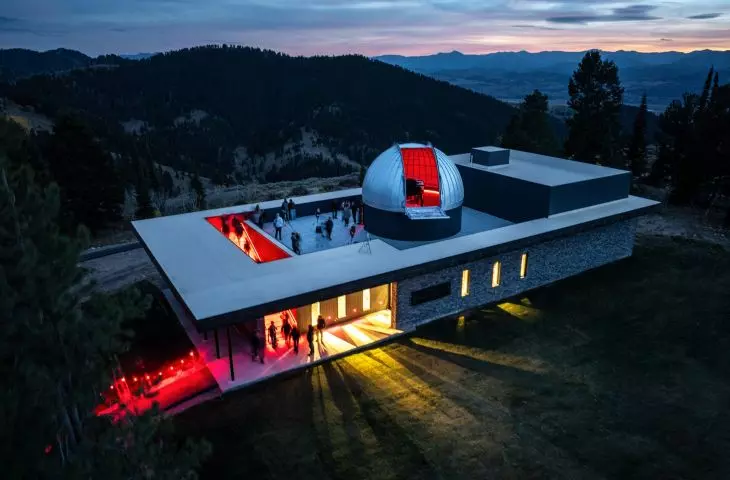
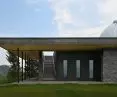
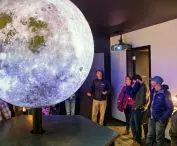
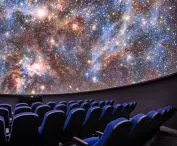
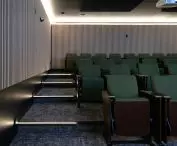
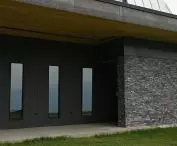
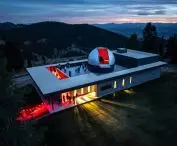
From the outset, the project was intended to combine education, science outreach, and the protection of the dark sky. Jakub Gałczyński sought a distinctive identity for the observatory, but without creating an architectural spectacle. The building was meant to attract, guide, and intrigue, while at the same time remaining a backdrop for the true star—the sky. Hence the low, horizontal silhouette and the elongated roof plane, which organize the composition without dominating the mountainous surroundings. The observatory’s form blends into the landscape through gesture rather than scale. It is meant to be recognizable, yet unobtrusive. In this sense , the architecture functions as a frame: it organizes the experience, directs the gaze, and leaves room for wonder. The original concept called for a smaller structure. In 2022, the project was expanded to include additional interior features so that the observatory could operate more extensively and year-round. Today, the facility combines observation areas with a modern planetarium, allowing it to operate not only on cloudless nights but throughout the year.
Snow King Observatory, Jackson — © Snow King
A Step-by-Step Experience
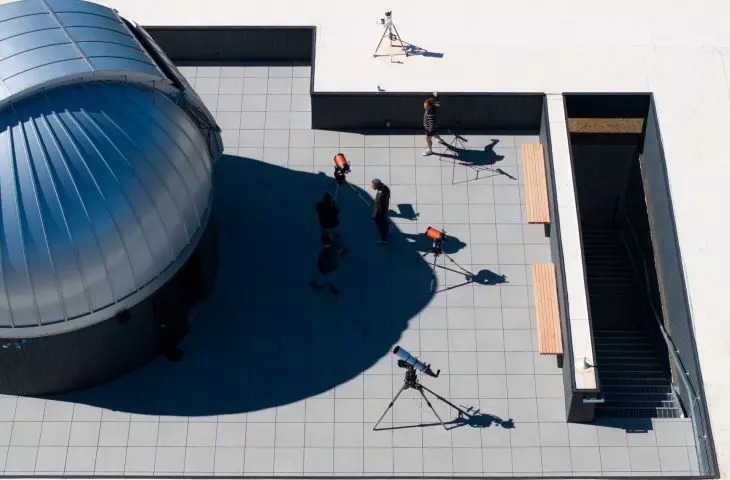
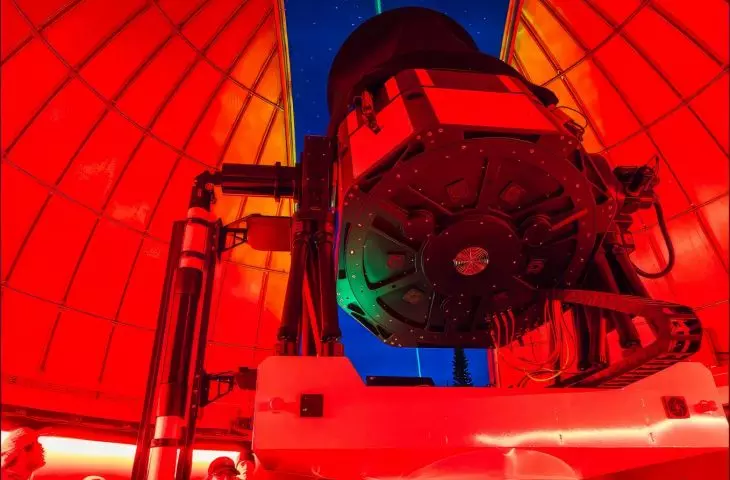
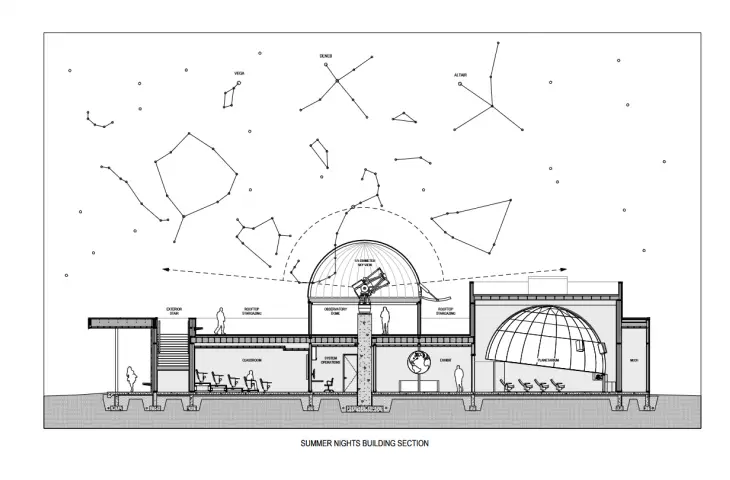
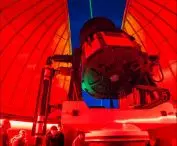
A visit to the Snow King Observatory is conceived as a sequence. It begins with a gondola ride, leads through views of the mountains and the city as well as outdoor observation areas, and concludes with a session at the telescope or a show in the planetarium. The architecture here is not based solely on the building itself, but on the journey, the anticipation, and the gradual build-up of excitement. The outdoor observation areas frame the sky and invite visitors to pause. Paths, gathering spots, and viewing points guide visitors through successive sections of the project, introducing them to the subject of astronomy in an intuitive way. This is particularly important in a facility aimed at a broad audience: families, school groups, tourists, residents, and those interested in science.
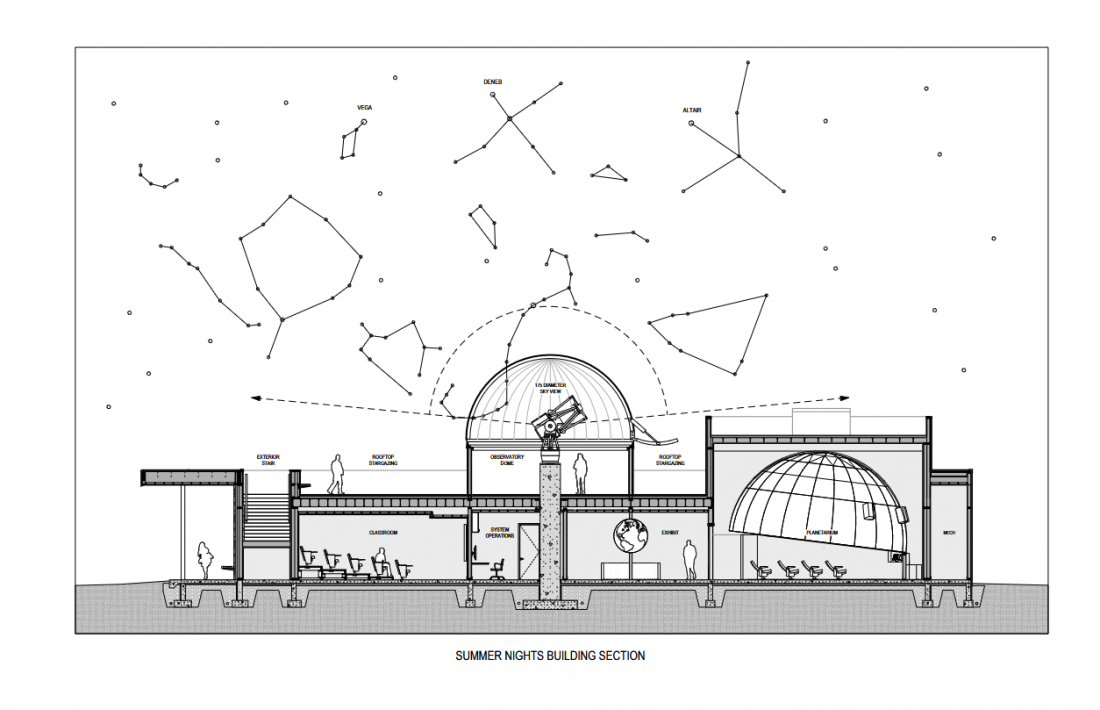
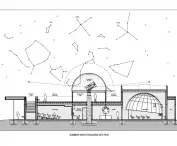
Cross-section of the Snow King Observatory, Jackson — © GALCZYNSKI
Designing for a Dark Sky
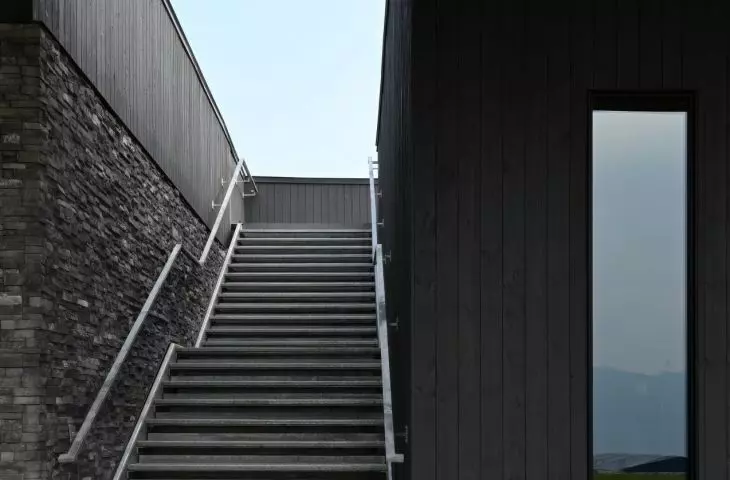
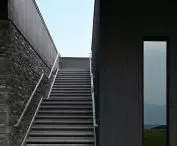
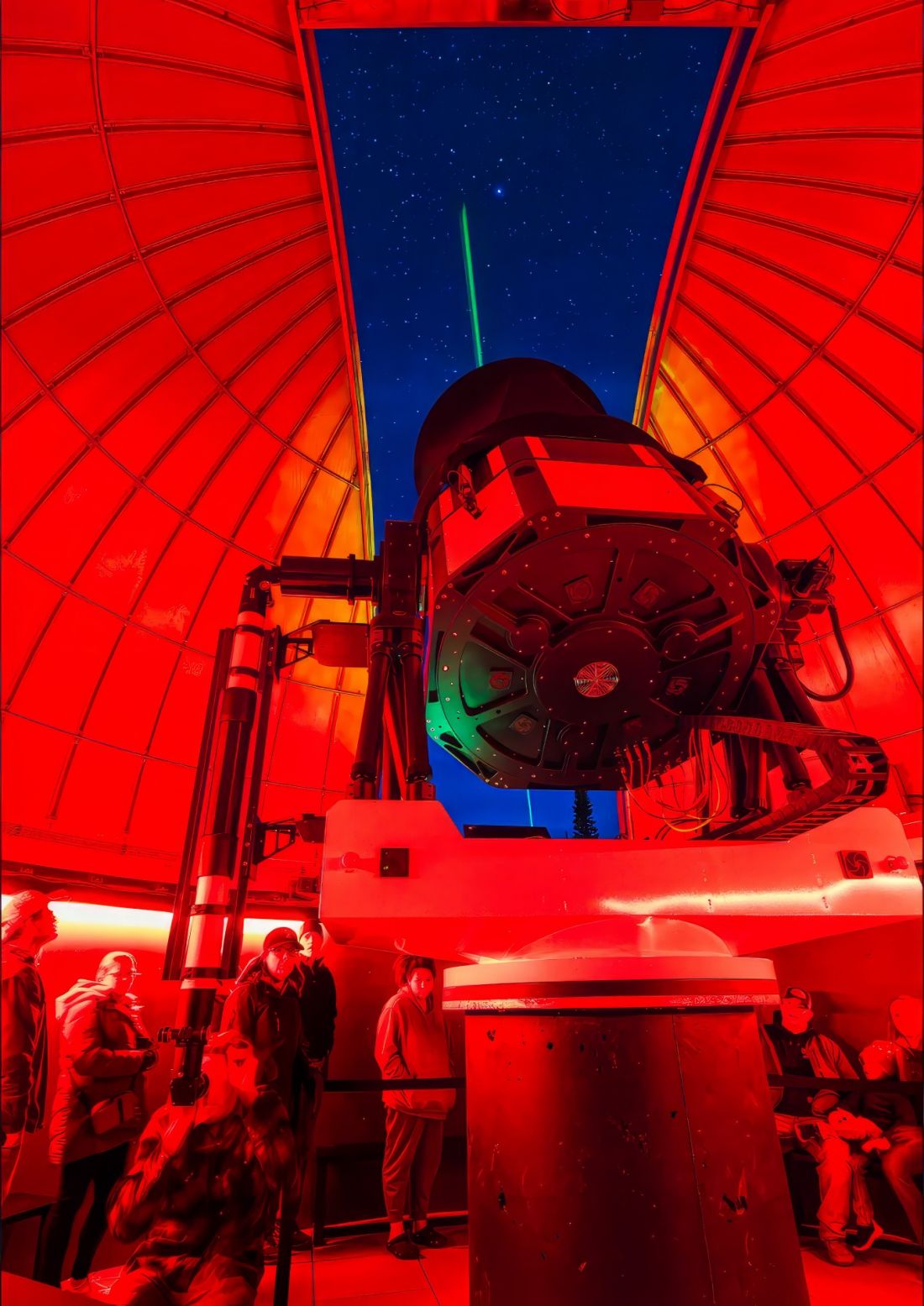
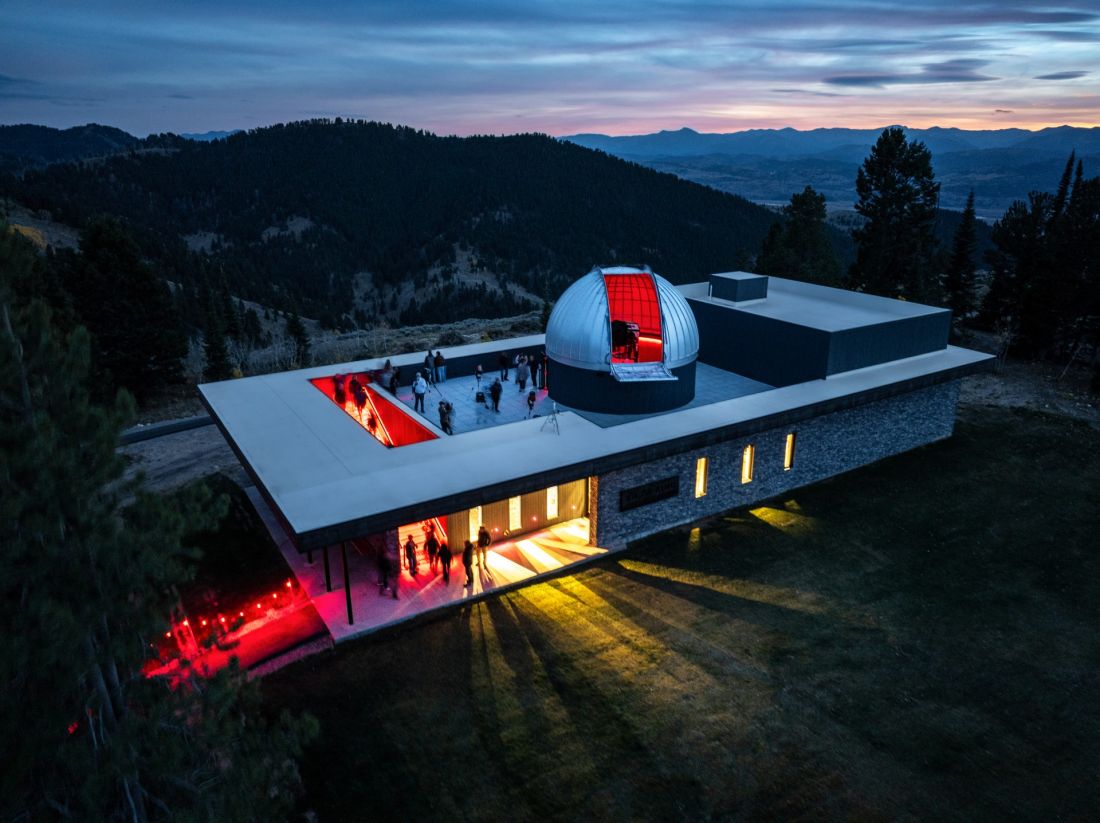
One of the project’s most important objectives was the protection of the dark sky. The observatory is not just about stargazing, but also about understanding how easily we can lose the ability to see the stars. Excessive artificial light obscures the nighttime landscape, disrupts astronomical observations, and affects local ecosystems. For this reason, guidelines for limiting light pollution were incorporated as early as the design phase. The exterior lighting is red in color, low-profile, and shielded. It is not located under the overhanging roof, where it could scatter upward, but rather at the steps and in areas where it is truly necessary for user safety. This is an important element of the overall narrative. The observatory itself becomes an example of the very idea it embodies. It demonstrates that architecture can not only take advantage of a unique landscape but also help protect it. In this case, design also means letting go: of excess, of lighting, of gestures that might detract from the experience of the night.
Snow King Observatory, Jackson — © Cody Brown
A New Dimension of the Jackson Hole Landscape
The Snow King Observatory expands the ways in which one can experience Jackson Hole. The region, associated with national parks, recreation, and spectacular scenery, gains a place that draws attention to a less obvious dimension of nature. After a day in the mountains, visitors can look up and see a landscape that only comes to life after dark. The project demonstrates that a small building can have significance beyond its physical footprint. It brings together education, tourism, science, and local identity, while also reminding us of the value of darkness—an increasingly rare resource that demands greater protection. The Snow King Observatory does not construct a narrative about architecture as an end in itself. It builds its narrative around the experience that architecture can evoke: gazes, silence, and the wonder that such a vast sky still exists above the city.