











Store and mall owners know that they are losing customers to online sales. Can store design and shopping convenience stop this phenomenon? In part, yes. Experts suggest how to design or modernize a retail space to respond to the trend of following the shopper experience. Is good design and good acoustics enough?
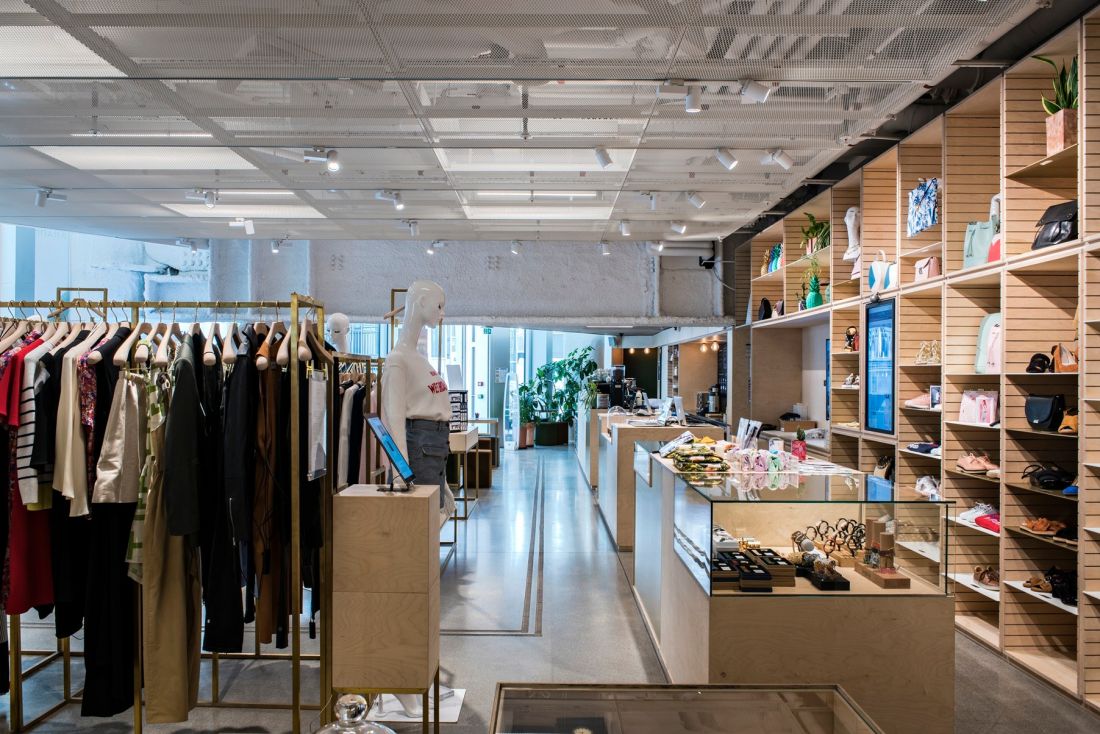
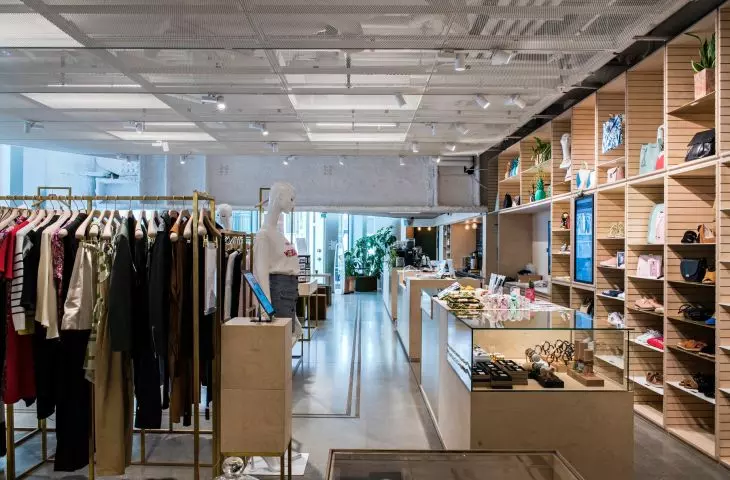
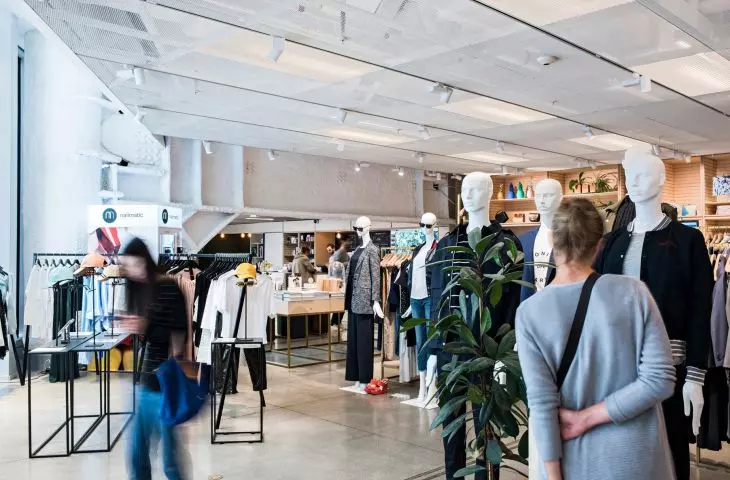
L'Exception store in Paris
Photo: Studio Vu
Shopping malls are starting to overwhelm people with size, crowds and noise. So a new model of shopping clusters is growing in popularity: parks and convenience centers are being built en masse, where customers enter individual stores from the outside. But classic shopping malls that are well designed or those that have undergone a total metamorphosis can still be attractive to both shoppers and businesses. How to do it? By focusing on customer experience, that is, how to make the shoppers' experience as positive as possible.
The nightmare of jingle bells
Shopping discomfort hits hardest during the holiday shopping frenzy. Already, many consumers admit that they prefer to order gifts or groceries online rather than going to crowded and noisy stores.
Such a trend is not surprising; unfortunately, there are still many stores and even interior designers who do not take acoustic issues into account in their space planning, admits architect Anna Baczkowska, of Knauf Ceiling Solutions. Although, as she adds, there are also good examples of facilities that even take into account the needs of neuroatypical people.
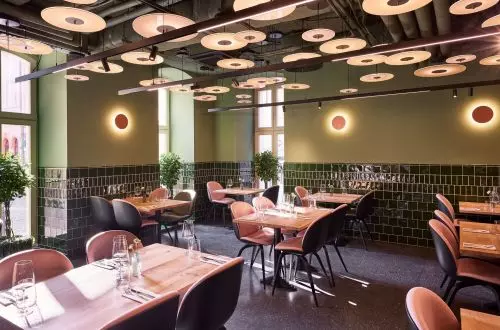
The most difficult spaces to plan for good acoustics are circulation routes and areas with food and beverage. They are large, designed with glass and stone, materials that reflect sound. The section with restaurants additionally has a bustle of conversation. The solution here is to use materials with a high level of noise absorption like suspended ceilings or acoustic wall coverings, but also to "break up" the space with partitions or greenery.
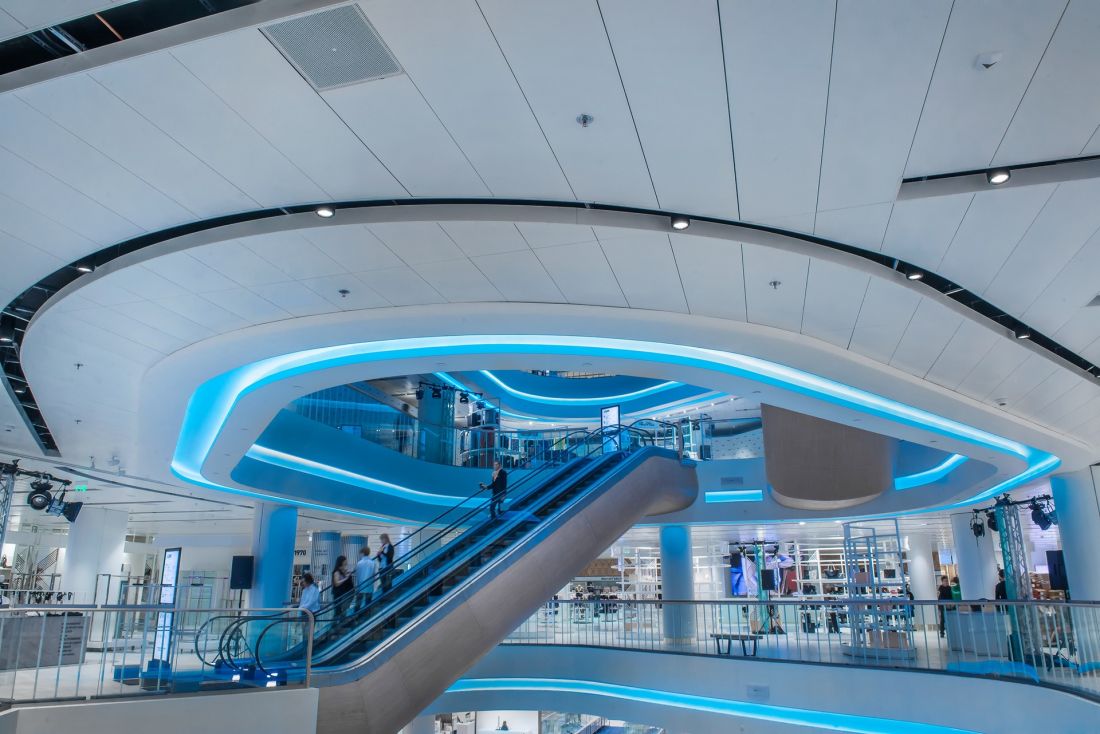
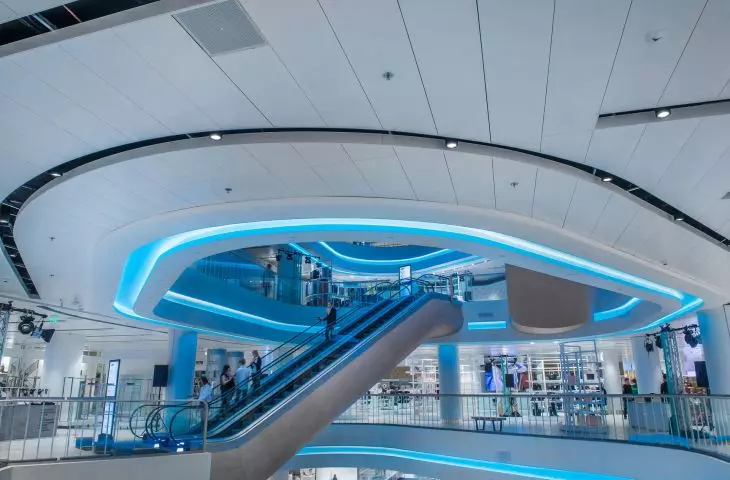
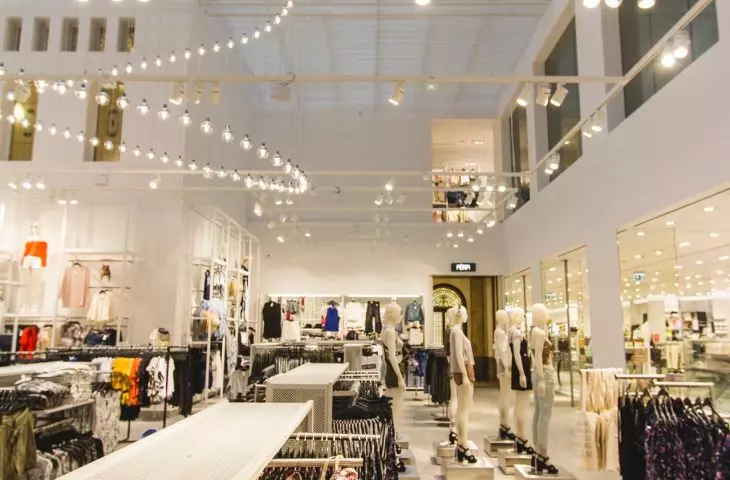
The white color of the ceilings reflects light, helping to illuminate the interiors well while reducing energy consumption. TsUM department store in Kyiv
Photo: Benoy-TsUM
The idea of arranging a welcoming space usually falls to architects, although investors also get involved in the comfort theme. It is influenced not only by the reception among buyers, but also by the potential when selling the facility to an investment fund or the possibility of obtaining high levels in the environmental certification process.
Developers of large shopping malls generally opt for classic suspended ceilings in the form of flat modular panels or smooth, uniform but sound-absorbing ceilings of the Eleganza type, which have been used at Westfield Mall in Leidschendam, the Netherlands, among others. Although these are only a fraction of the possibilities on the market today. Designers also like to reach for more designer forms, explains Anna Baczkowska of Knauf Ceiling Solutions.
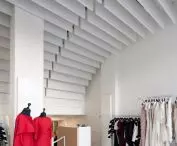
These striking forms include vertical Baffles or free-hanging acoustic, yet decorative, elements. They absorb sound with both surfaces, and can come in any color or material - from classic mineral, to wooden, to metal with an acoustic insert. And, most importantly, they can be installed in an existing shopping center or store as a complement and quick way to improve acoustics and decor.
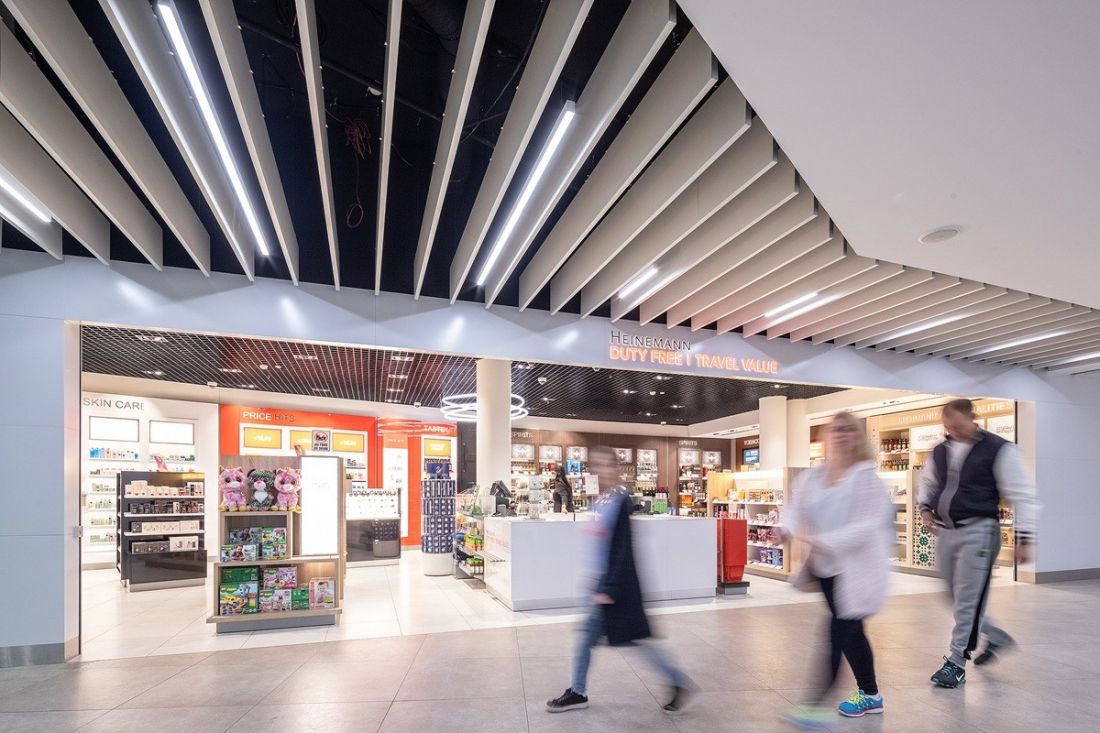
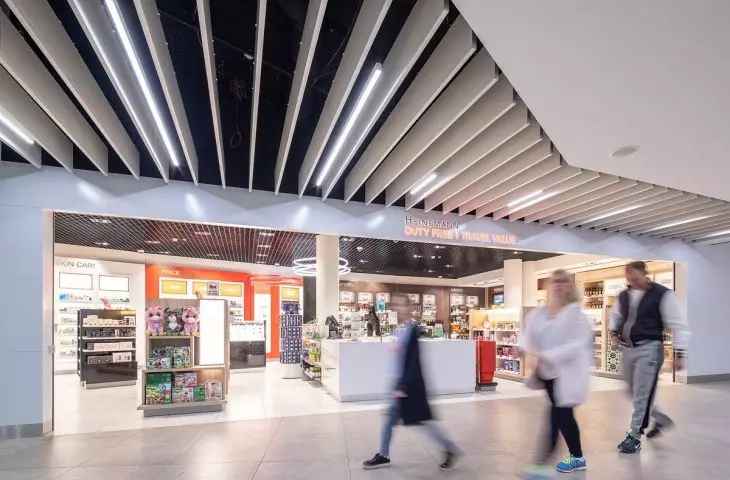
Bookshop, Vilnius Airport
Photo: Szymon Polanski)
In large spaces it is also necessary to have good traffic management, the comfort of shoppers is increased by, among other things, rest zones with seating, the so-called chill zones, or the installation of advertising screens functioning with flicker free technology, which do not tire with flickering. Managers during peak shopping times should also limit noisy events organized
as part of the mall's attractions.
The luxury of shopping
The interiors of stores today are often just a show room to attract with design, smell, music. However, overly loud music or strong aromamarketing can also have the exact opposite effect on customers, discouraging them from staying in the store. In the US, the effect of music on consumer behavior has been studied for years. Many extensive studies and books have been written on the subject. Julian Treasure, a world expert on sound, has been arguing for years to improve the acoustics of retail outlets. This can increase the value of sales in a store by 5-10 percent. That's why conscious retail maganers rely on acoustic decorative solutions, regardless of whether their business is a boutique or a large grocery store. Decor, regardless of the type of products sold, has now become an important part of a store's marketing strategy. It is supposed to give a pleasing impression to the eye, but also a good non-visual feeling.
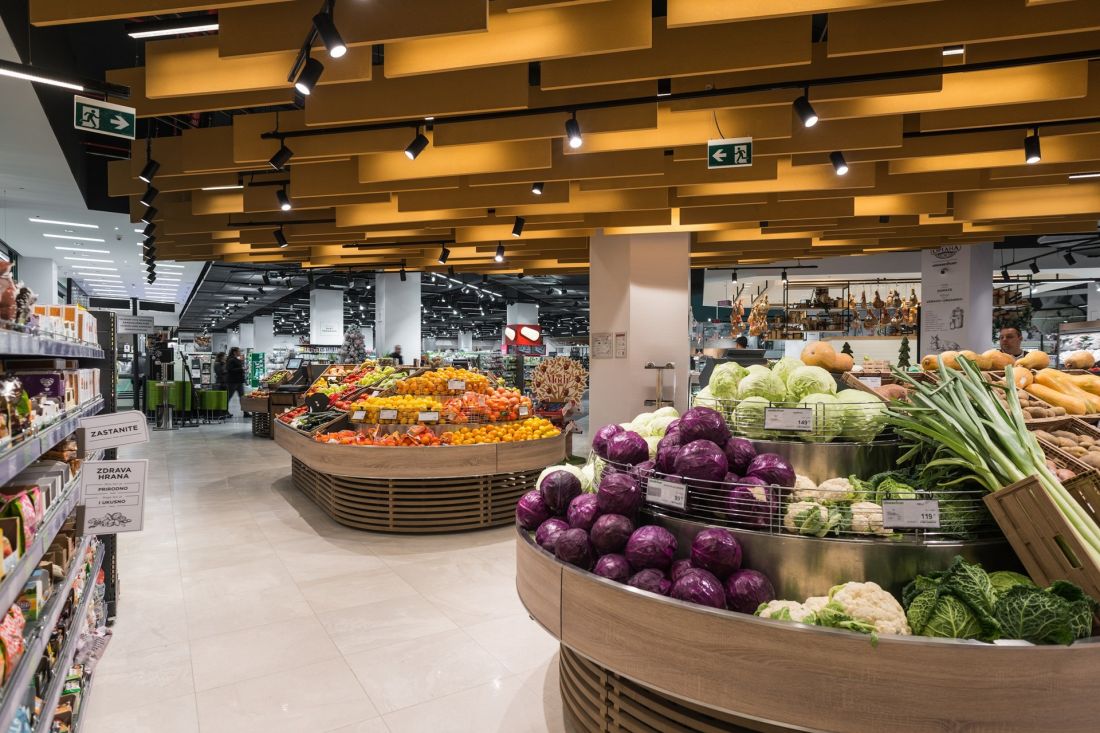
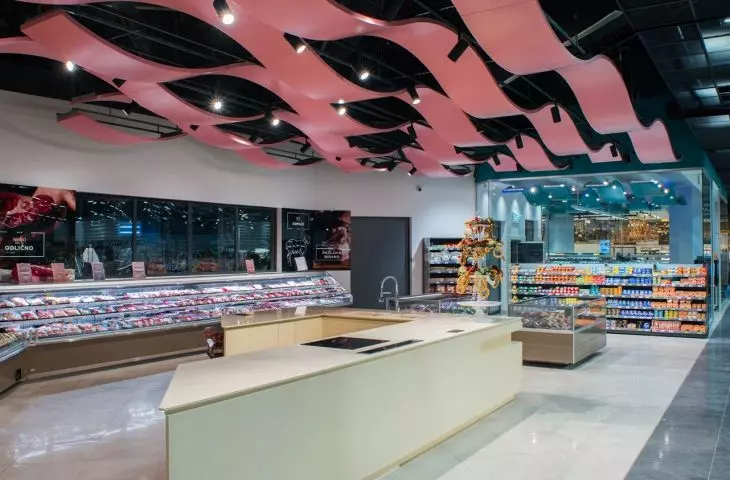
Vertical panels can also be part of a colorful play of form and light on the ceiling - as in the Univerexport store in the city of Novi Sad, Serbia
Photo by Marko Cvetkovic Cvele
The comfort of being in large-format stores is also enhanced by visual consistency. The avoidance of spatial chaos, the uniformity of the design of storefronts or visual advertising dominates especially in those facilities that target the premium segment. Here, minimalism is a value that enhances prestige.
Caring not only for shoppers
Sounds at the level of 70-80 dB encountered in a noisy store or restaurant cause a psychological and physiological reaction of the body. People in such conditions begin to be irritated, their blood pressure rises, they are distracted and tired. These negative reactions are even stronger when the noise is unwanted. So it's not hard to imagine the mood of employees staying in a store for an entire shift, let alone those with sensory sensitivities.
The group of neuroatypical people is constantly growing. Designing spaces tailored to their requirements is already being implemented in offices. It's a range of amenities that affect indoor well-being. Noise is equalized by installing sound-absorbing elements, their effectiveness makes it possible to reduce noise levels by up to about 7-10 dB.
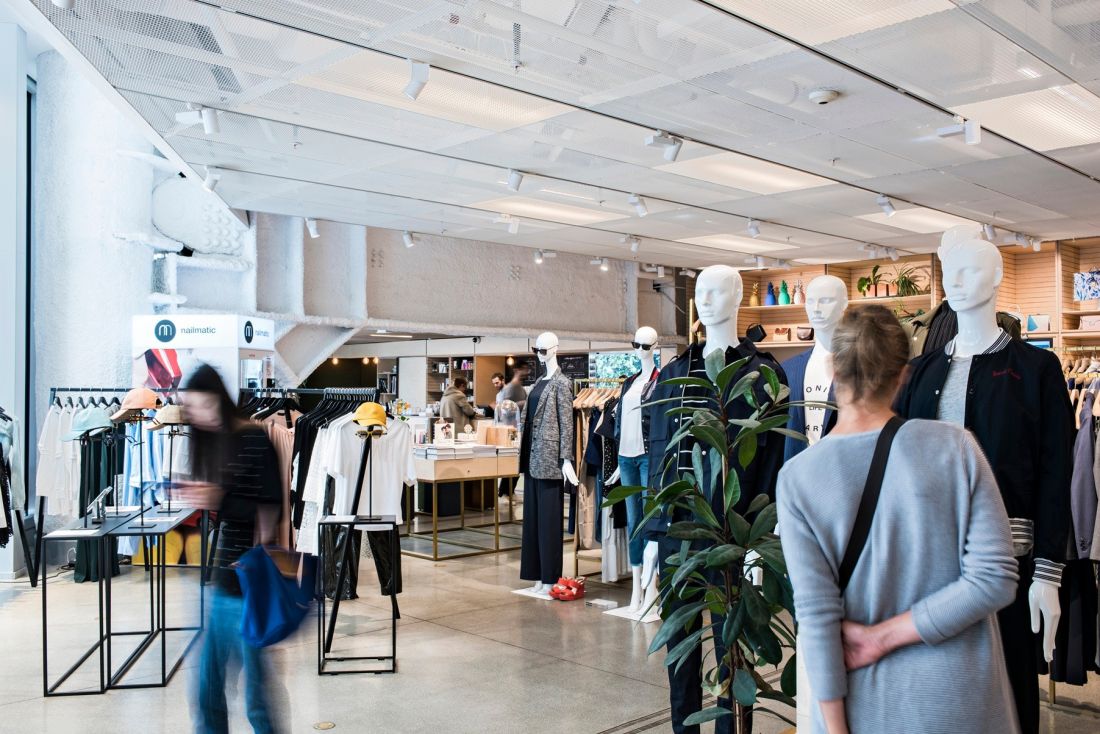
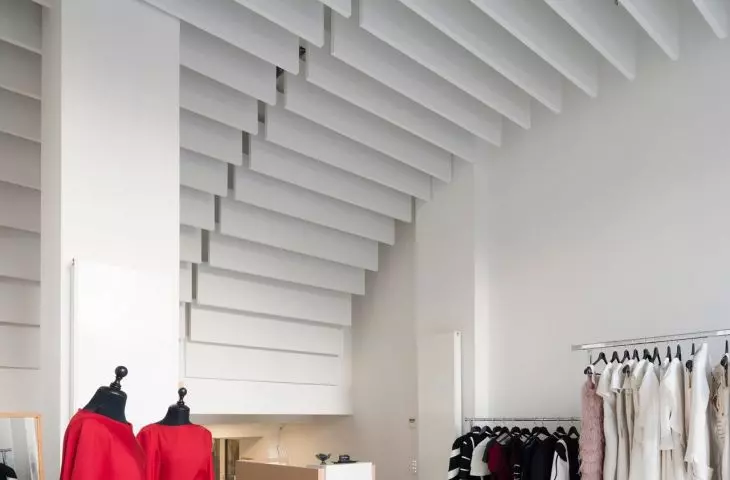
L'Exception in Paris
Photo: Studio Vu
Stores are introducing quiet hours. But this is not enough, companies trained in adapting interiors and workplaces to the needs of people with higher sensory requirements emphasize the importance of educating store staff and soft solutions, such as a priority queuing program. It is also a good idea to plan sensory-friendly areas for resting or eating.
Overcrowding is not just about noise. It is also affected by air quality. That's why it's worthwhile for any shopping center or store to improve ventilation and air quality, or even introduce a large number of plants to improve the microclimate and sensory experience.
However, the quickest, from now on, to implement is the simplest solution - limiting the volume of music. Such limits can be imposed by the mall owner himself, or this requirement can be made for store tenants. The solution will bring relief not only to opponents of the famous "Last Christmas", but also to fans of popular summer hits. No noise is a luxury these days.
For more information about the company https://knauf.com/pl-PL/p/produkty/sufity-i-absorbery-scienne-35568