





#Architects' rates
Minimum rates for architectural projects in Poland - what do architects think about them? Are they needed, how should they be charged and how much could they be? We asked representatives of studios, both small, medium and large, developers and lecturers. Małgorzata Pilinkiewicz, co-owner of the archistudio studniarek + pilinkiewicz studio, shared her opinion on the subject. In her opinion, what should be the minimum rates for architects?
The dire situation of architectural offices in Poland is a fact. In the worst position are medium and small studios, whose profitability and profitability are often on the verge of survival. At the same time, investments, especially from the residential sector, are increasing, which means there is something to design. In January 2025, more apartments were completed than a year ago, also the number of those whose construction has begun is higher (CSO data). However, the average quality of what is being built is not satisfactory. It is being built quickly, most often at a low cost, but at a record high profit. So why are architects one of the lowest-paid links in the industry?
When we discussed at this year's Budma what the quality of residential architecture in Poland depends on, the topic of architects' salaries dominated the debate. Mateusz Mastalski, a partner at the Danish studio Henning Larsen, who was present at the meeting , pointed out that in Denmark quality is due not only to tradition, good architectural education of the society or professional solidarity of architects, but also to the fact that they have more time for designing than in Poland and are better paid for their work. This correlation seems obvious.
So we continue the debate on salaries and ask Malgorzata Pilinkiewicz about architects' earnings.
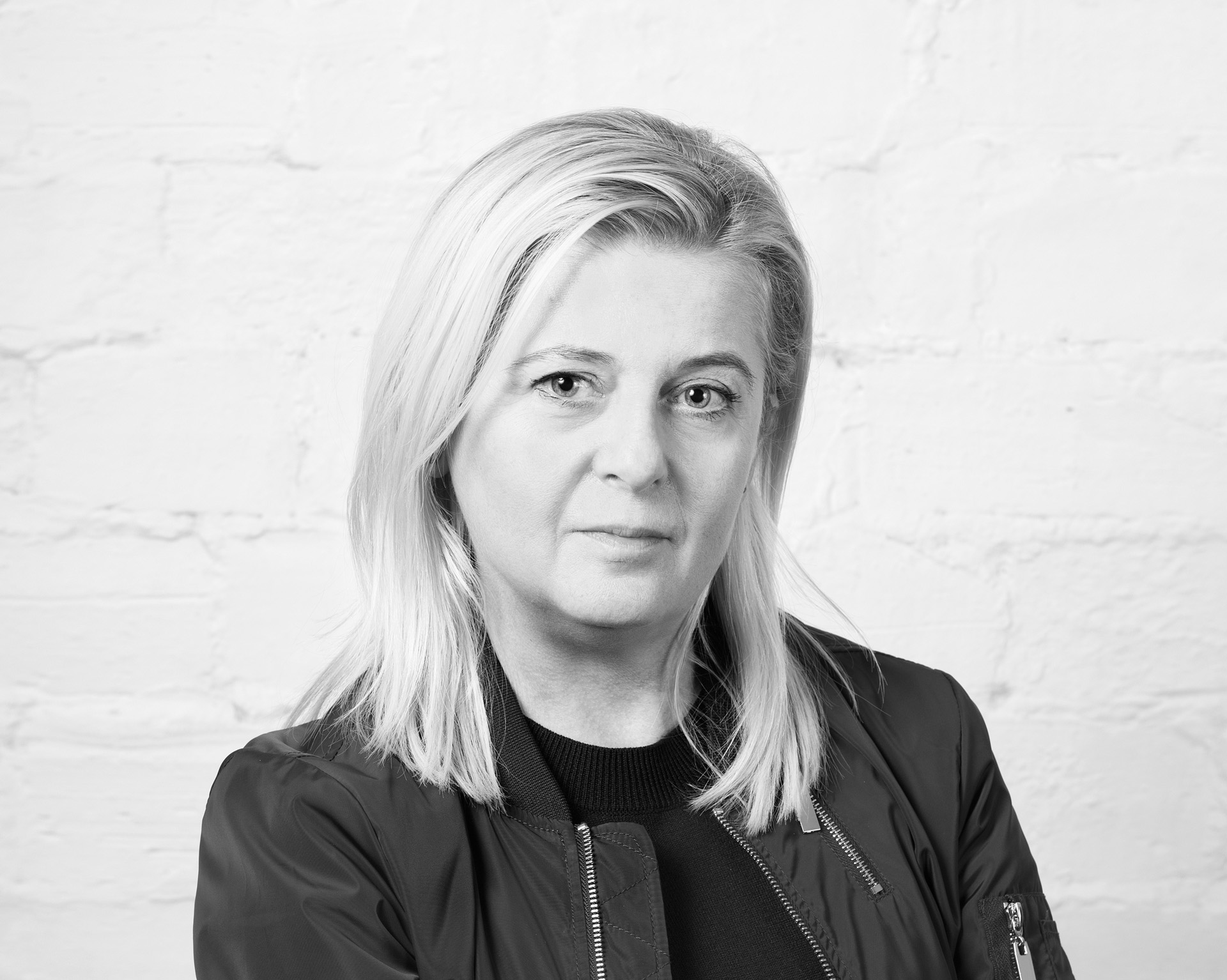 Malgorzata PILINKIEWICZ - architect, graduate of the Faculty of Architecture at the Silesian University of Technology in Gliwice (1990). Since 1990 she has been a member of SARP Katowice Branch, and since 1992 she has been a co-owner of archistudio Studniarek+ Pilinkiewicz office, specializing in projects of public, residential and industrial buildings. In 1995, she taught at the Department of Architectural Design at the Silesian University of Technology. Since 2000, she has been a SARP competition judge. From 2018 to 2022, she was the first-ever president of the National Council of the Polish Chamber of Architects. Recipient of numerous awards, including a four-time nomination for the Mies van der Rohe Award, the SARP Award of the Year (2019) and the IARP and SARP Gold Badge.
To understand the work of an architect through the prism of minimum wages is to equate and accept the space for which we are responsible as architects, and which directly shapes life in many of its aspects, with the value of minimum wage thinking.
Surveys or discussions on social networks about "mandatory minimum thinking rates" are more inviting and mobilizing to fight for wages or unions than for the quality of architecture, both individually - each architect, and the organizations that represent the architectural profession in Poland. That is, they actually legitimize the questionable quality of this architecture, and even the pathological phenomena that are occasionally written about in the media. Presented in this way, a glimpse of the problems occurring in the architectural profession, including those shown through the prism of minimum rates and without reference to the problem with the quality of the architecture prevailing around and the lack of a building culture in PolandPoland, leads to views presented also in public, that no one is going to talk about the quality and culture of design and construction, and therefore the effort that is due to the designed space. What's more, in this way, the quality and responsibility of the work is relegated to the background, perpetuating its dependence on labor rates, which is the state we have, with the ubiquitous not-so-glorious background architecture or architecture whose status is created by the commercial and PR aspect, which does not necessarily follow the quality due for the space it creates or in which it is placed. Minimum rates could become an excuse for quality being the answer to these rates.
That's why, in discussions about the work of architects and architecture, I raise the problems of preparation for the profession, awareness of the architect' s responsibility for shaping space, and, above all, their knowledge and application of professional ethics. In these areas, few members of the architectural profession see the possibility and future of building their image, overlooking them in the practice of daily work as too demanding, too difficult.
Conducting a discernment on ethics in the architectural profession, if only architects' familiarity with the current Code of Professional Ethics for Architects (IARP, SARP), as well as its proposed amendment (according to IARP's BIP), would perhaps prompt many architects toread this Code for the first time, and - perhaps finally - to say whether we need such ethical rules, whether we don't want them, whether we don't apply them in practice anyway, and why. I realize that this is an issue that is not only less cliched, but above all requires reflection and consideration of how ethically, in the broad sense of the word, the profession of architecture is practiced in Poland, and to what extent it can still be a profession of public trust, not only in name, but in the practice of professional action. To what extent do we respect each other, clients and the space in which we leave a lasting mark. Investors, who perhaps are not aware that architects are bound by such rules, or that architects do not apply them anyway, allowing themselves to dictate prices and remuneration for work without respect for the actual value of thought and knowledge, could also have a voice in such a discussion. Perhaps the results of such a survey, an interview, would show that the problem lies not in the underfunding of architect's work and minimum rates, but in the level of architects' awareness of what the profession means and the responsibilities of practicing it.
Malgorzata PILINKIEWICZ
Archistudio Studniarek + Pilinkiewicz
more: A&B 4/2025 - RE-USE + architects' rates,
download free e-publications of A&B