





#Artistic Education in Poland_Faculties of Architecture
How do Faculties of Architecture prepare students for the profession? What competencies should an architecture graduate have in 2030, and which elements of the curriculum need the most changes? We ask deans and deans of Architecture Faculties of Polish universities about this. Prof. Krzysztof Koszewski, dean of the Faculty of Architecture at the Warsaw University of Technology, answered our questions.
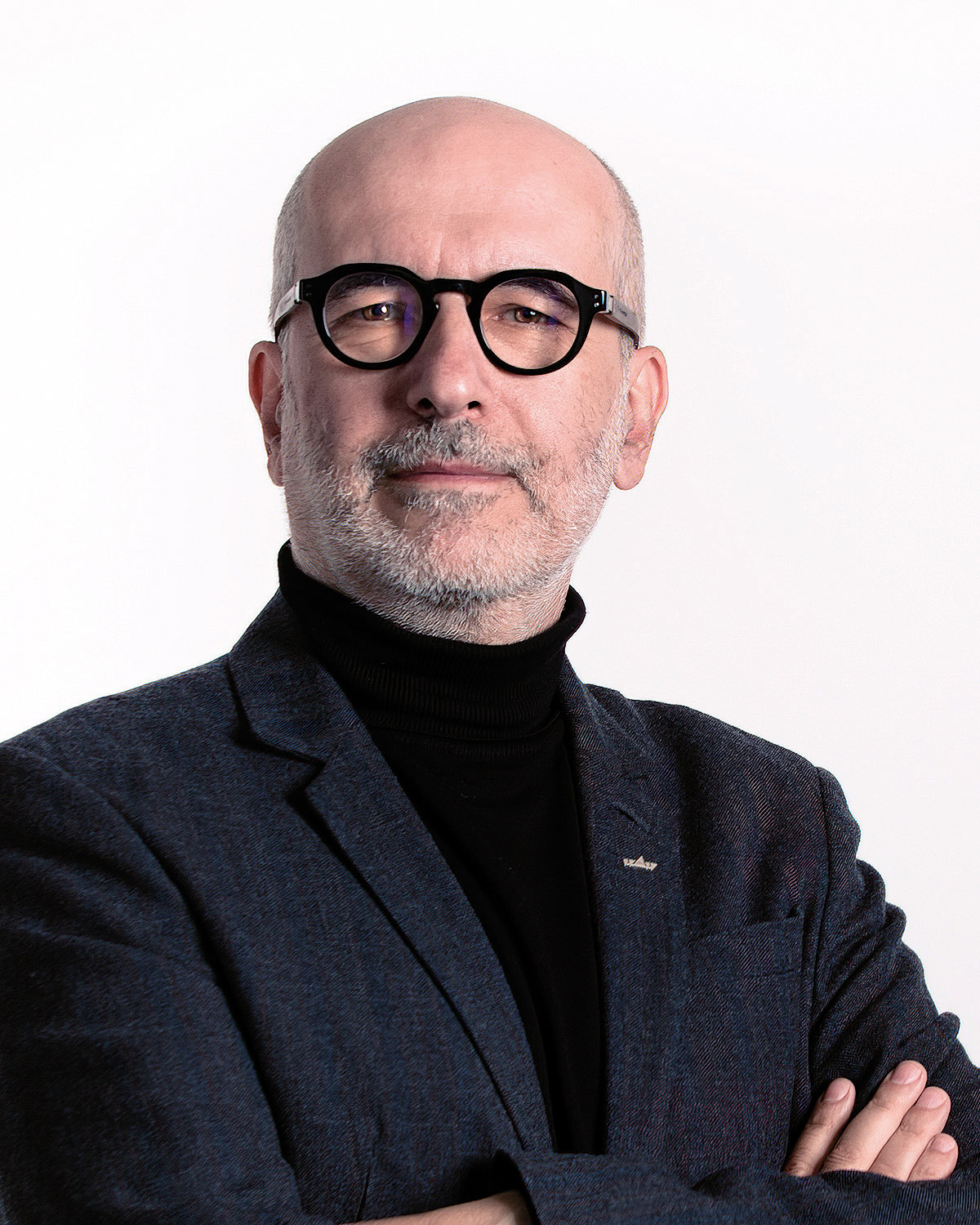 Prof. Krzysztof KOSZEWSKI - architect, doctor habilitated in technical sciences, assistant professor in the Department of Architectural Design at the Faculty of Architecture of the Warsaw University of Technology, where he serves as dean. A graduate of the same university, he specializes in architectural theory, media and the protection of architectural heritage. He is the author of the book "Images of Architecture" and numerous scientific articles. His research focuses on the relationship between architecture and media, as well as the use of images in design. An active participant in the academic and professional community, he is involved in research and teaching activities.
How do you define the most important mission of your department in today's world of architecture?
The most important mission of the Department of Architecture is concern for the quality and accessibility of the built environment in the broadest sense, both the existing one as an object of design, addition and reconstruction in the context of rational management of the resources we have, and those elements of it that we will create. The aforementioned concern translates into the mission of teaching future architects and architects, also into the essence of the research conducted at the university. Two terms at the heart of these activities are: empathy and responsibility.
What competencies should an architecture graduate have in 2030 - and how do you help develop them?
An architect in the not-too-distant future - as always - should skillfully combine an awareness of the tradition from which he grows with the dynamic challenges of today. This applies not only to what one designs, but also to how one does it. An architect 2030 is a person who is aware of the nature and momentousness of the process, perceiving the result of his work, always keeping in mind the path that leads to it. Finally, it is a person who takes full advantage of the potential of new tools to master the growing complexity of design tasks, but always with reference to the sources of architecture. At the Warsaw Faculty of Architecture, we strive to teach the ability to use new technologies, while always in the context of the fundamental values of architecture, drawing inspiration from the school's more than 100-year tradition.
Which elements of the curriculum do you consider key, and which need the most change today?
The key element of the curriculum has always been design classes - and this has not changed. Design cannot be taught by listening to a lecture, you have to face the problem to be solved many times yourself. A non-negligible element of such a path is the acquisition of creative competence, which we all know is valuable not only in the architectural profession. As it happens, this key element of the program - design classes - is also one that requires constant change. And the school must respond to them. Social, technical, economic, environmental, professional (concerning, for example, the expansion of the range of roles an architect can take on), formal and legal - these are huge challenges. Besides, not only for teaching or research, but also for the profession itself. Design is the conceptual preparation of change involving the solution of non-standard problems in ever-new circumstances. This change must meet one basic condition - it must be a change for the better. From this also follows the need for an approach to teaching that carries the conviction that positive change is necessary (and possible).
How does the university combine traditional workshops (drawing, mock-ups) with new technologies such as AI and BIM?
We try to focus on diversity, pointing out that different paths can lead to a good design result. Of course, the digitization of design processes is a fact and cannot be escaped, and we have no such intentions, but the most important thing is to find one's own creative path and methods of expression, and encapsulate it with such tools that are most effective in a given case. Also in terms of comfort for the designer. We are fortunate that the tradition of the Warsaw school of drawing is deeply rooted in our environment, at the same time, back in the 1980s, we were pioneers in teaching digital tools in architecture and studying them. For the younger generation of teachers, brought up on the aforementioned traditions, such a combination is natural, there is a synergy between these worlds.
How do you provide students with real contact with practice - architectural offices, construction sites, investors?
We provide such contact in two basic ways. A significant part of our staff are designing architects, many with significant professional achievements. This ensures daily contact with those who know the architectural profession from the practical side. The second type of contact is compulsory semester internships in design studios, the program of which provides for such experience. The design of the curriculum of our single master's degree program (we run such as the only one in Poland) allows for internships in the summer semester, when finding a satisfactory internship place is much easier (most architecture schools in the country hold them in the winter semester, which results in high demand for studio places). Good cooperation with the Mazovian District Chamber of Architects also helps a lot here.
What is the biggest challenge for architecture students today and how does the university support them in this?
It is difficult to address all the challenges in a short answer, of which there are many. One of them is the intensity of study - yes, the process of training an architect is demanding. We try to create an atmosphere in which this effort is rewarded with satisfaction. Design works are shown in exhibitions, a dozen of which are held every semester. They are staggered at the end of each semester - not all subjects end at the same time to allow time to prepare the works. Some of them even have their own openings, visited by many people from outside the university. We organize public defenses and discussions of diplomas, also presented at special exhibitions. Every year we select the most interesting diplomas, which we publish in a special publication. We are also the organizer of an annual nationwide pro-environmental diploma competition. So there are many opportunities to show off your work, it rewards the work you put in.
However, from the very beginning of their studies, we try to introduce them to the atmosphere of the department, offering freshmen "instruction manual" workshops on the department and the study process. We want there to be a peer atmosphere in the academic community. One example is "coffee with the dean" - an opportunity to meet weekly with the dean of the faculty in the student club over coffee or tea and have a casual conversation, not necessarily on topics related to the course of study. These meetings are for students and faculty, with the community aspect being the most important.
I bring up the topic of the significant workload required by architectural studies for a reason. We were one of the initiators of the nationwide survey "Profession at A", conducted by the Academic Association of the Faculty of Architecture of the Warsaw University of Technology. I presented the results of this survey at a regular meeting of deans of faculties of architecture in Poland, as well as at a conference of the European Association for Architectural Education, an organization of European schools of architecture. The survey points out the problems caused by the heavy workload associated with studying, and has become a reason to take measures at WA PW to mitigate their effects.
How do you integrate issues of sustainability and environmental responsibility into the curriculum?
It's a natural process, so to speak - the issues are present at all stages of teaching design subjects. There is also a separate subject dedicated to this issue - pro-environmental design, it is handled by the Department of Pro-environmental Design, which conducts didactics and research in this area. The importance of this subject for us is also evidenced by the initiative and organization of the aforementioned national competition for a pro-environmental diploma, for which dozens of diploma theses are submitted each year, both at the master's and engineering levels.
How does the university build relationships with business, local governments and community organizations?
These relations are built on several levels. There is a Consultative Council at the faculty, which includes representatives of the socio-economic environment. It is an advisory body to the dean on strategic goals and activities of the faculty. An Employers' Council has also been established, which includes managers of design studios of various profiles; it is supposed to express opinions about the educational process from the point of view of those who employ them.
Another level of cooperation is the natural participation of faculty experts in the work of advisory bodies appointed by local authorities, such as the Urban Planning and Architectural Commission of the President of the City of Warsaw and the Social Council for the Protection of Cultural Heritage also at the President of the City of Warsaw.
The Department closely cooperates with professional organizations: Mazovian Regional Chamber of Architects and the Warsaw Branch of SARP. The latter cooperation has resulted, among other things, in a series of discussions on important problems of practicing the architectural profession, which have met with great interest.
Cooperation is also undertaken with local authorities in the selection and development of topics for student projects. This applies to Warsaw, including in cooperation with the Warsaw Architecture Pavilion ZODIAK, as well as many cities and municipalities.
Of considerable importance is also cooperation in the organization of cultural events, for example, an exhibition on archaeological work in the Warsaw Ghetto organized in cooperation with the Warsaw Ghetto Museum, also an exhibition showing the history and present day of the Marszalkowska Housing District in cooperation with the Architecture Center Foundation.
Collaborations with business partners also involve the co-organization of events such as academic conferences, which, as in the case of the "Architecture of Challenges" conference, are accompanied by the presentation of a pavilion designed by students and erected as part of the aforementioned collaboration.
Prof. Krzysztof KOSZEWSKI
more: A&B 2/2026 - Education,
download free e-issues of A&B