







This year's edition of the Polish Climate Congress, an event held from March 25 to 27 this year, clearly showed a shift in emphasis in the debate - from the priority of climate goals toward a broader view of economic competitiveness and energy security. The event was held under the honorary patronage of the Ministry of Energy, the Ministry of Climate and Environment, the Ministry of State Assets, the Ministry of Funds and Regional Policy and the Ministry of Digitalisation.
Polish Climate Congress 2026
Photo: M. Cieszewski © organizers' archives
During the keynote speeches and expert panels, it was emphasized that the competitiveness of the economy today is becoming a prerequisite for an effective climate transition. Without a stable economic foundation, the implementation of ambitious decarbonization goals will not be possible. The conclusion that the green transition remains inevitable and strategically justified also resounded strongly. In addition to its impact on economic development and innovation, a key argument for its continuation is the improvement of public health and quality of life in the long term.
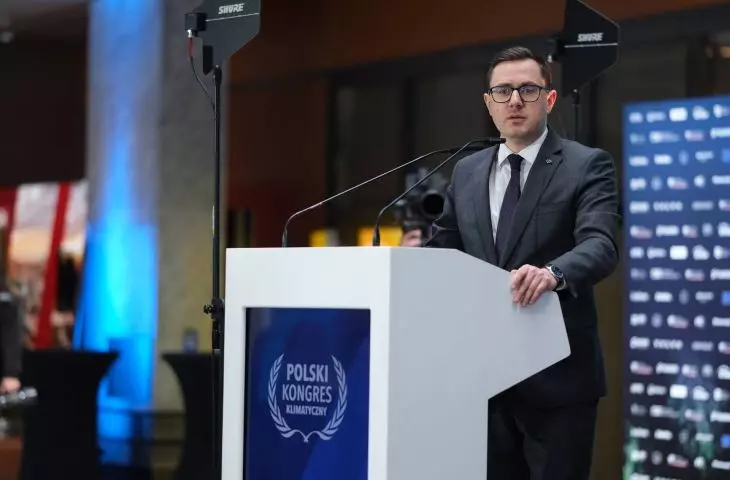
Energy Minister Milosz Motyka declared that the development of renewable energy sources will be one of the key directions of state policy, both from a climate and economic perspective. He stressed that the energy transition does not contradict the competitiveness of the economy - on the contrary, it is its condition and an opportunity to reduce energy costs for citizens and businesses.
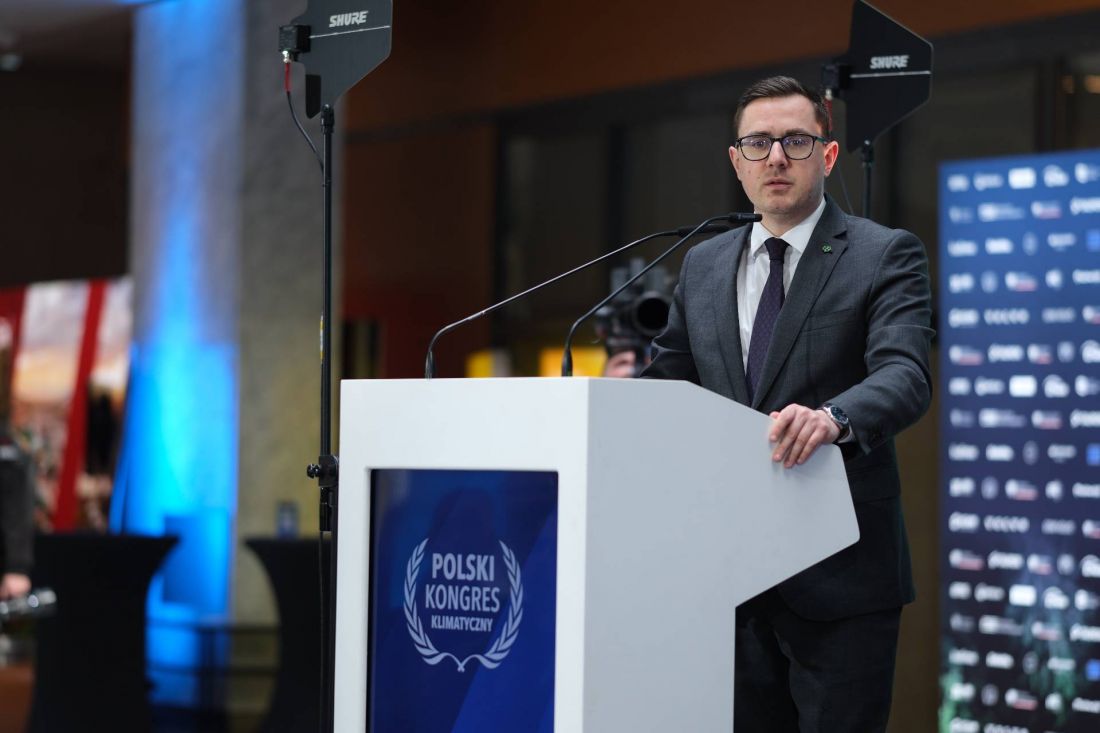
Minister of Energy Milosz Motyka
© organizers archive
In his speech, he drew attention to the growing role of investments in renewable energy sources, especially onshore wind power, which - along with offshore wind farms and photovoltaics - is gaining increasing public acceptance and importance in the energy mix. The development of these technologies, he pointed out, is driven by hard economics and the experience of European countries, where a greater share of renewable energy sources translates into lower energy prices.
The minister also stressed the importance of parallel investments in infrastructure - modernization of the grid and development of energy storage facilities - which will enable effective integration of RES into the system. He pointed out that Poland should consistently create a level playing field for all technologies, but it is renewable energy sources, in cooperation with nuclear power, that form the foundation of a modern energy system.
In the face of the energy transition and climate change, the importance of water as a strategic resource of the state is growing. It is increasingly seen not only in an environmental context, but also as an element of energy security and system stability. Hydropower development can therefore play an important role in building a resilient and sustainable economy.
Wody Polskie is actively supporting the country's energy transition, providing nearly 4,000 sites for hydropower development. This is a stable and predictable source of clean energy, and by using existing damming, we minimize the environmental impact of investments. Making full use of the available potential, we are creating conditions for the development of modern, low-carbon energy, combining economic and environmental benefits and strengthening local energy security. This is particularly important in the era of climate change, as rational management of water resources will be crucial to building the country's resilience
-said Mateusz Balcerowicz, president of the Polish Waters.
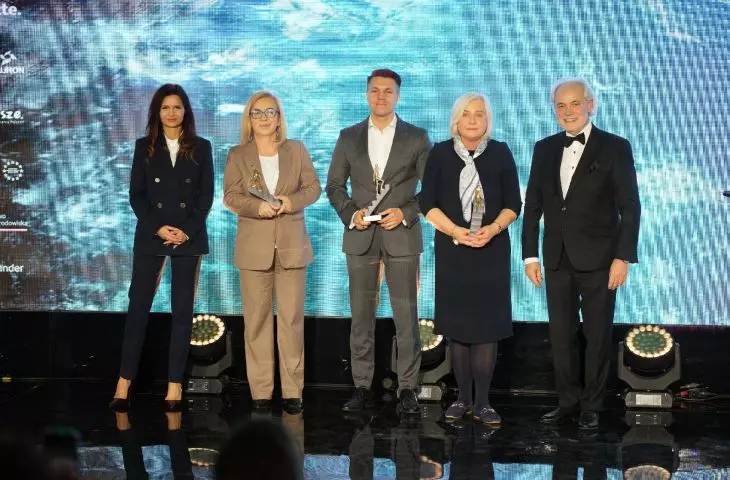
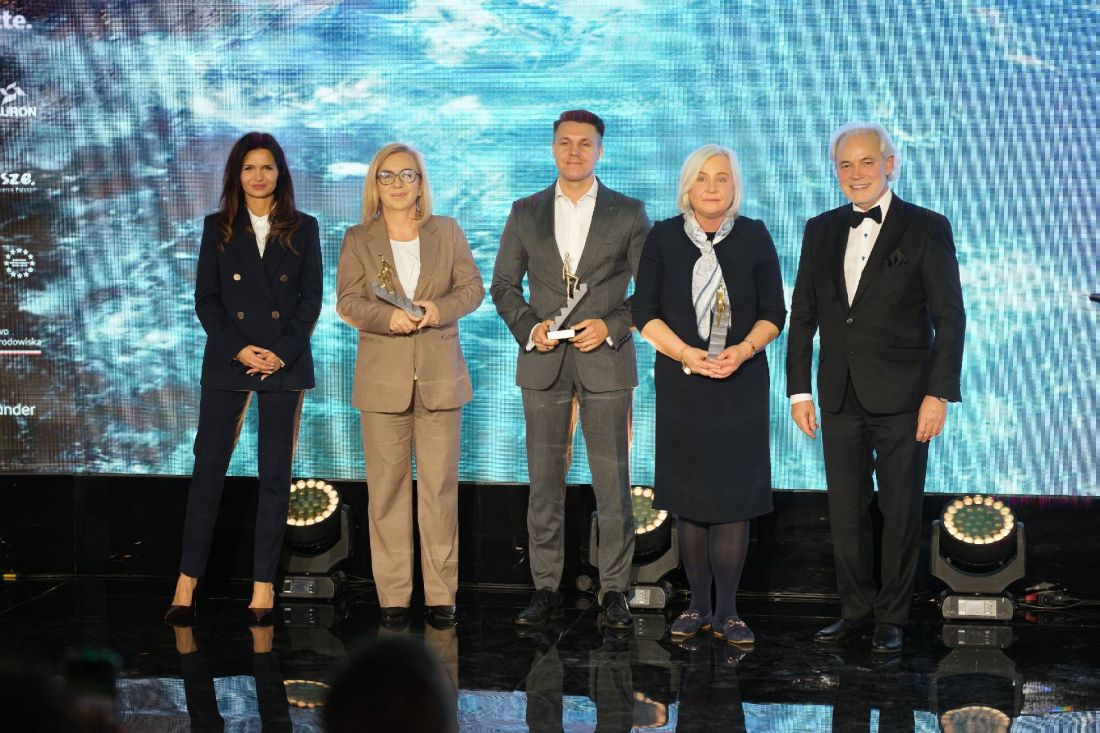
The event's program covered five key thematic tracks: industry, energy, finance and regulation, local government investment and technology. Discussions focused on issues such as the competitiveness of the European Union, the Clean Industrial Deal, digitization of the energy sector, financing the transition and the development of innovative technologies. The debates were attended by representatives of administration and business, including Deputy Minister of Climate and Environment Urszula Zielińska, Deputy Minister of Funds and Regional Policy Jacek Karnowski, Deputy Minister of Digitization Rafal Rosiński, Senator Adam Szejnfeld and Deputy Minister of State Assets Grzegorz Wrona. Also part of the event was the Energy Transformation Leaders Gala, during which companies and institutions implementing the most innovative and scalable solutions to support the energy transition in Poland were awarded.
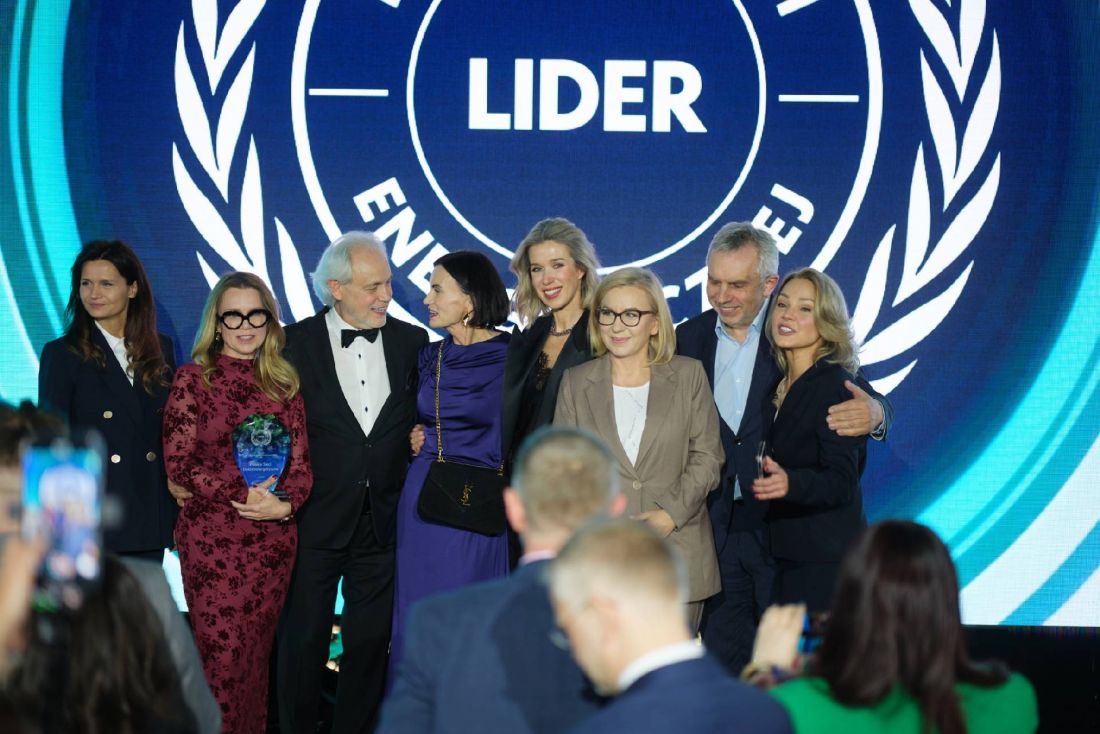
The Energy Transformation Leaders Gala was part of the event
© organizers archive