




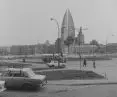
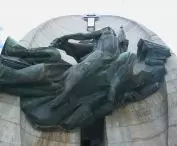
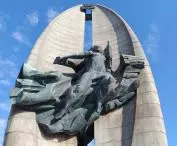

Although it has managed to become a permanent part of the landscape of the capital of Podkarpacie, for years it has aroused extreme emotions, both positive and negative. Owners flipped over it like a hot potato, and recently it has become the subject not only of numerous memes or jokes, but also of a real political-activist battle. Today it is certain - the Monument to Revolutionary Deeds in Rzeszow has become a monument, so it is no longer in danger of demolition. But why actually wanted to tear it down and who fought for its preservation?
The Rzeszow brawl over the Monument to Revolutionary Deeds is finally over - on October 1 , 2025 it was officially and finally entered in the register of monuments. So it is safe to say - there will be no demolition. However, if it were to happen, both Rzeszow and the whole country would lose an important work of postwar sculpture and architecture, created by an award-winning artist and academician. Prof. Marian Konieczny, the author, designed the monument for a competition held by the Provincial Committee of the Polish United Workers' Party (PZPR), inspired by Rzeszow resident Włodzimierz Kozło.
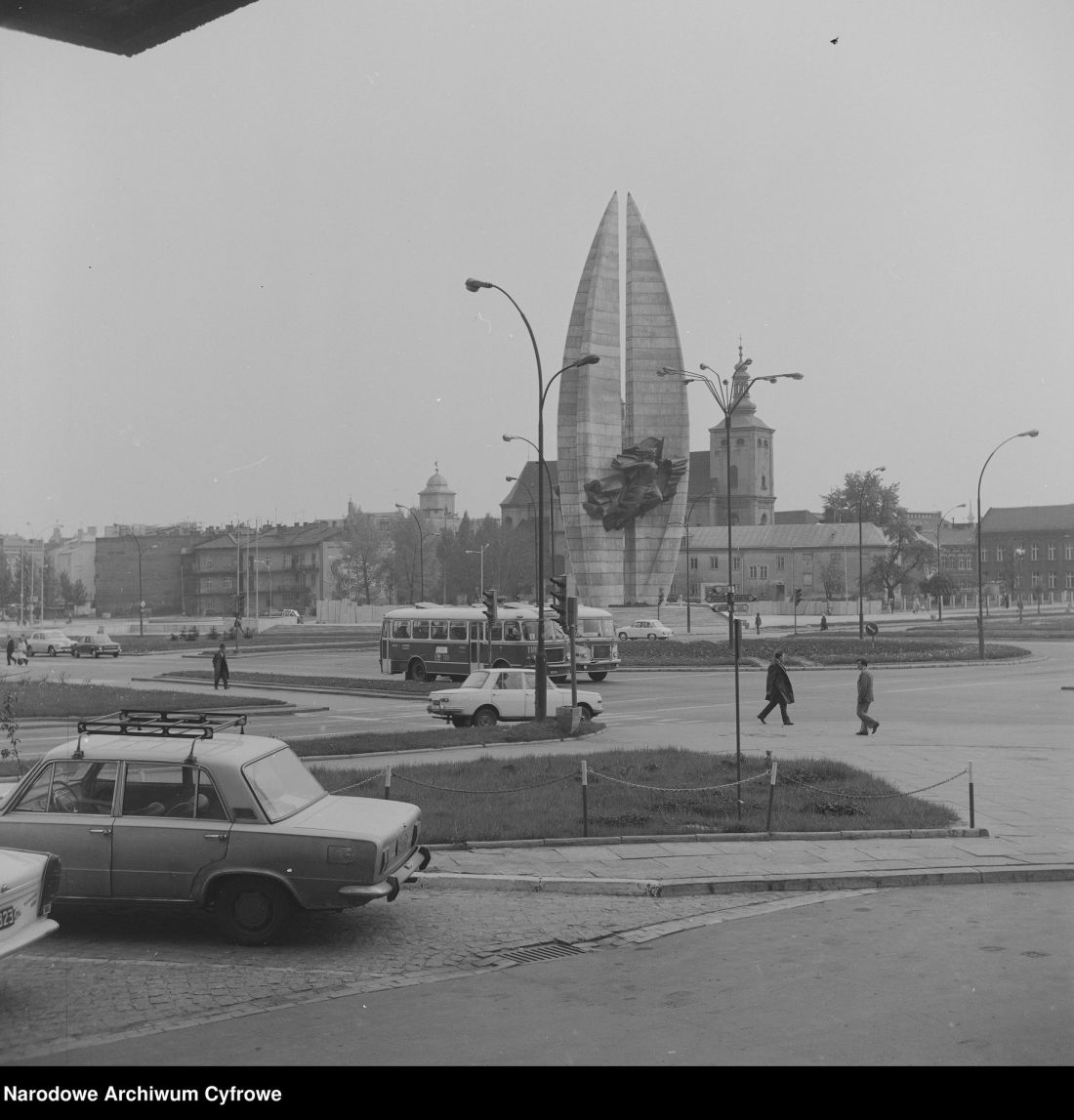
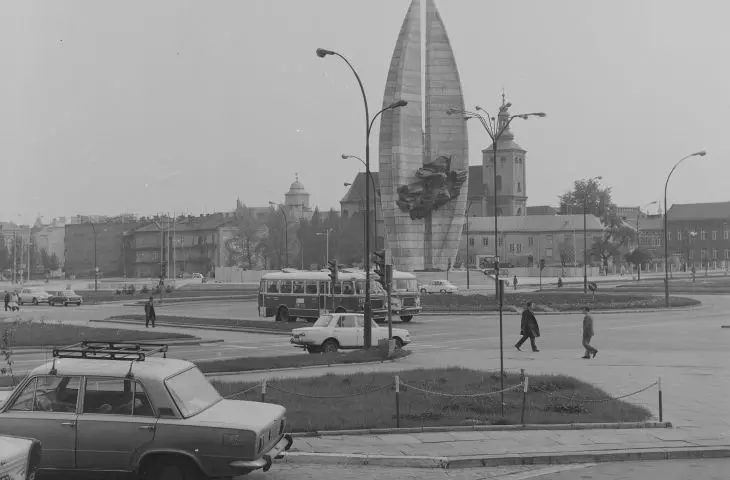
Monument to the Revolutionary Deed in Rzeszow in 1974.
© NAC
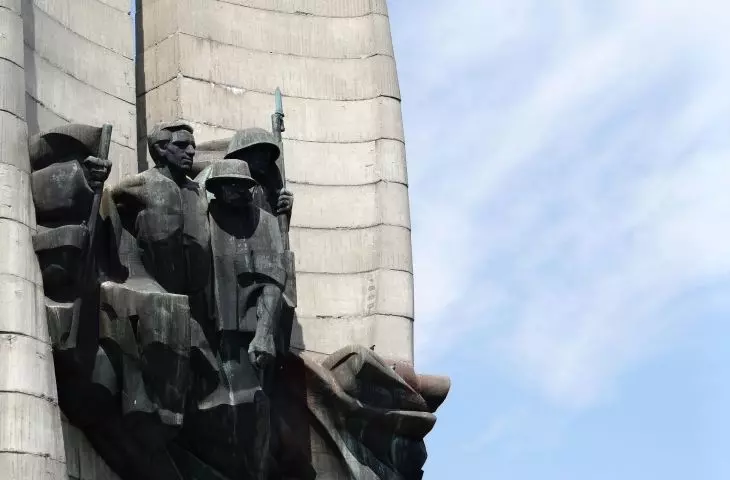
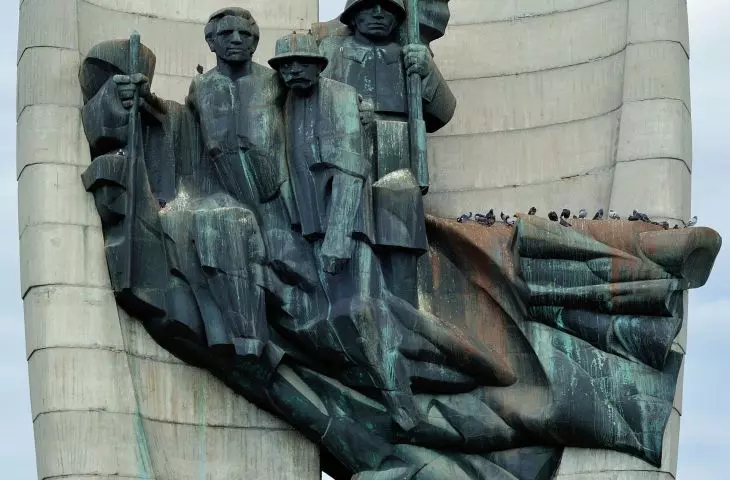
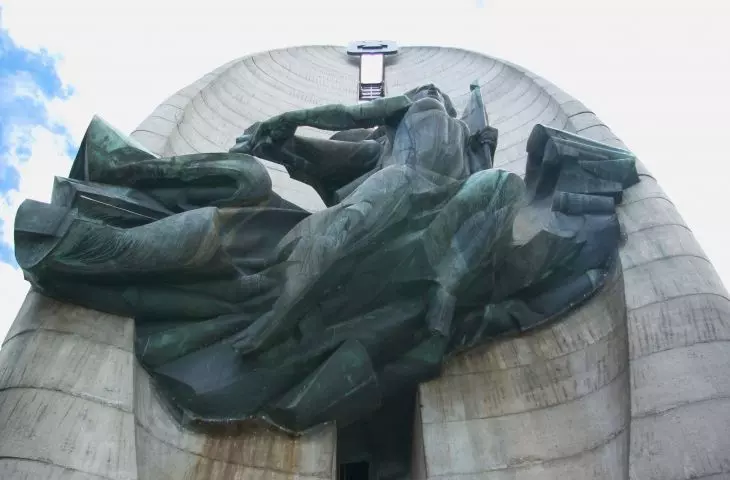
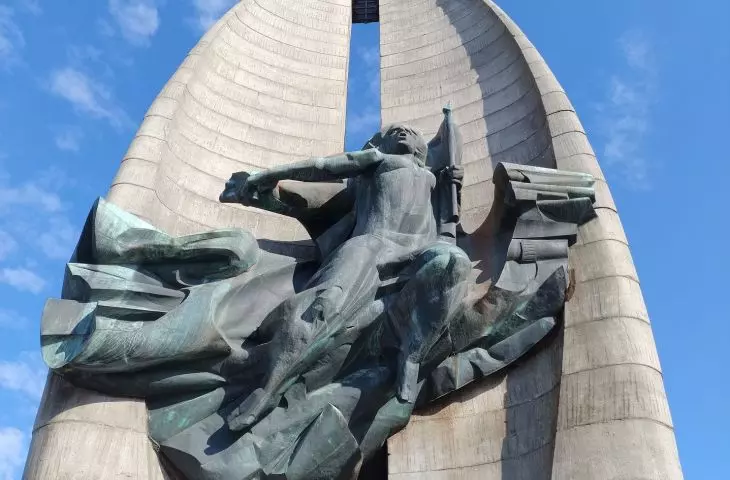
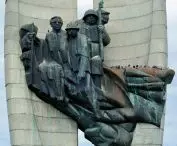
Marian Konieczny planned the monument as a monumental, 38-meter tall vertical structure, consisting of two reinforced concrete laurel leaves. On their background were placed two copper sculptural groups - on the eastern side are a representation of a worker, a peasant and a soldier, while on the western side is the goddess of victory Nike. The two sculptural groups were connected by a compositionally carved banner of the revolution.
Construction was completed in 1974, using nearly 200 kilograms of nails and 466 tons of concrete. This one was used primarily for the laurels, which consisted of 37 reinforced concrete segments.
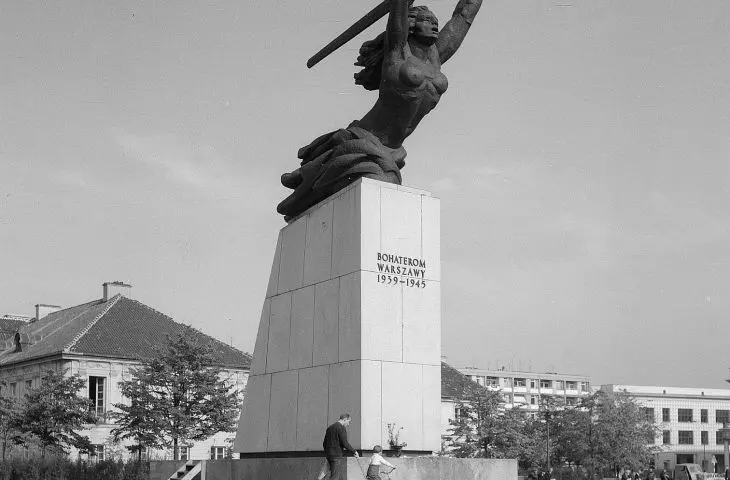
Although the Monument to the Revolutionary Deed in Rzeszow is Prof. Marian Konieczny's largest work, at the time of its design, he already had other important projects to his credit - including the iconic Warsaw Nika, or Monument to the Heroes of Warsaw.
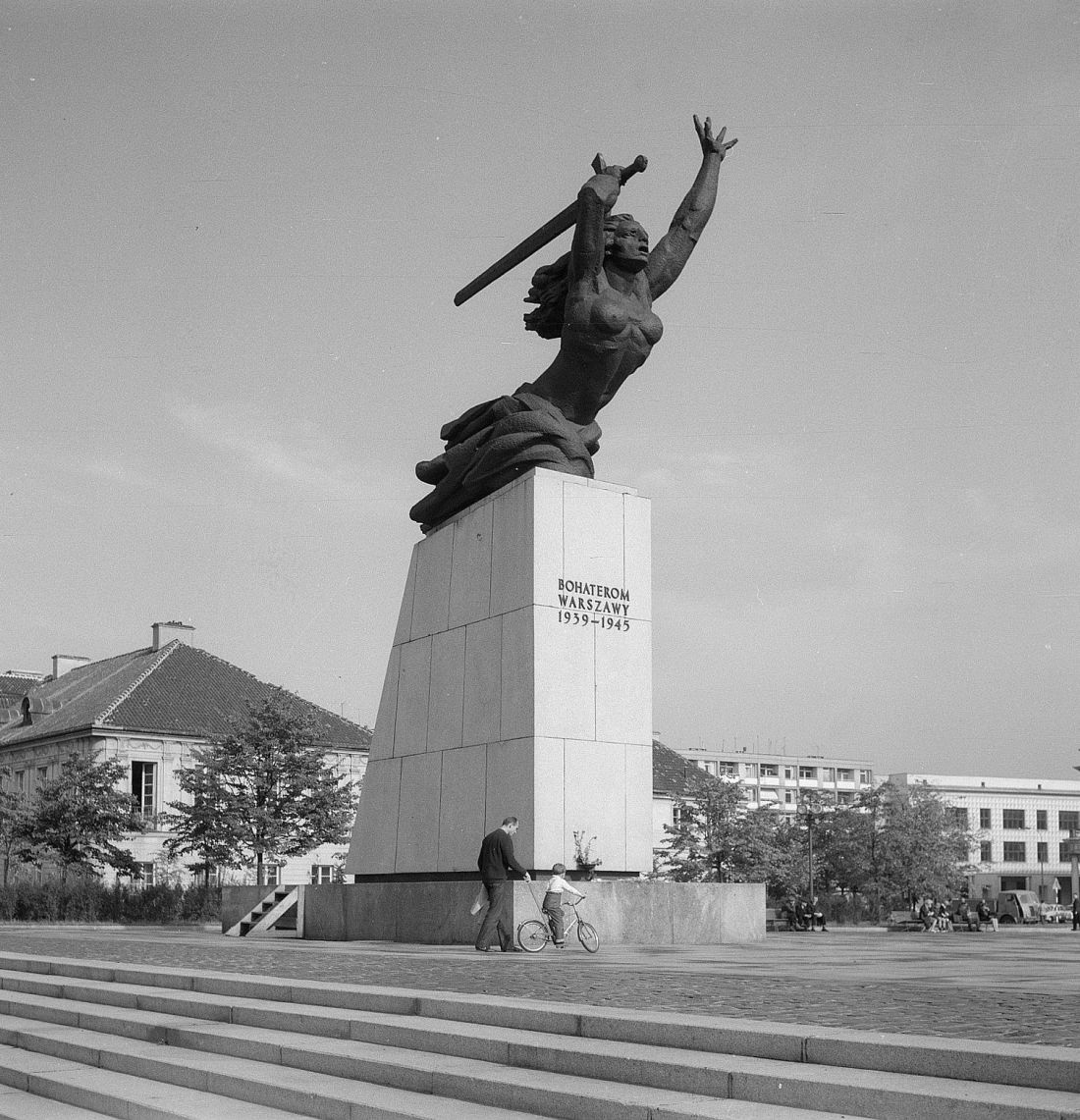
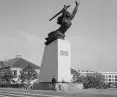
Warsaw Nike at the Theater Square in Warsaw
photo,: Deutsche Fonothek © CC BY SA 30 | Wikimedia Commons
joint construction, joint defense
Construction of the monument took three years and ultimately cost more than 10 million zlotys. Although the purchasing power of the zloty in the mid-1970s was slightly lower than it is today, it was still quite a lot considering how the monument's construction was financed. Although half of the funds were provided from the central budget, according to some sources, as much as 5 million zlotys were to come from contributions collected from people employed in Rzeszow's workplaces.
Why doesn't anyone remember that the Revolutionary Deed monument was built with social contributions? Every month at my workplace they collected from the workers - from what I remember - 100 zlotys each for its construction. This went on for as many years as the monument was being built
- reported Gazeta Wyborcza in 2017 a statement by a Rzeszow woman.
Although it is a relic of the previous, not necessarily well-remembered system, the residents and citizens of Rzeszow had a rather positive opinion of the monument. In a street poll conducted by students at the University of Agriculture, 81 percent of those asked were in favor of leaving the Revolutionary Deed Monument in its place.
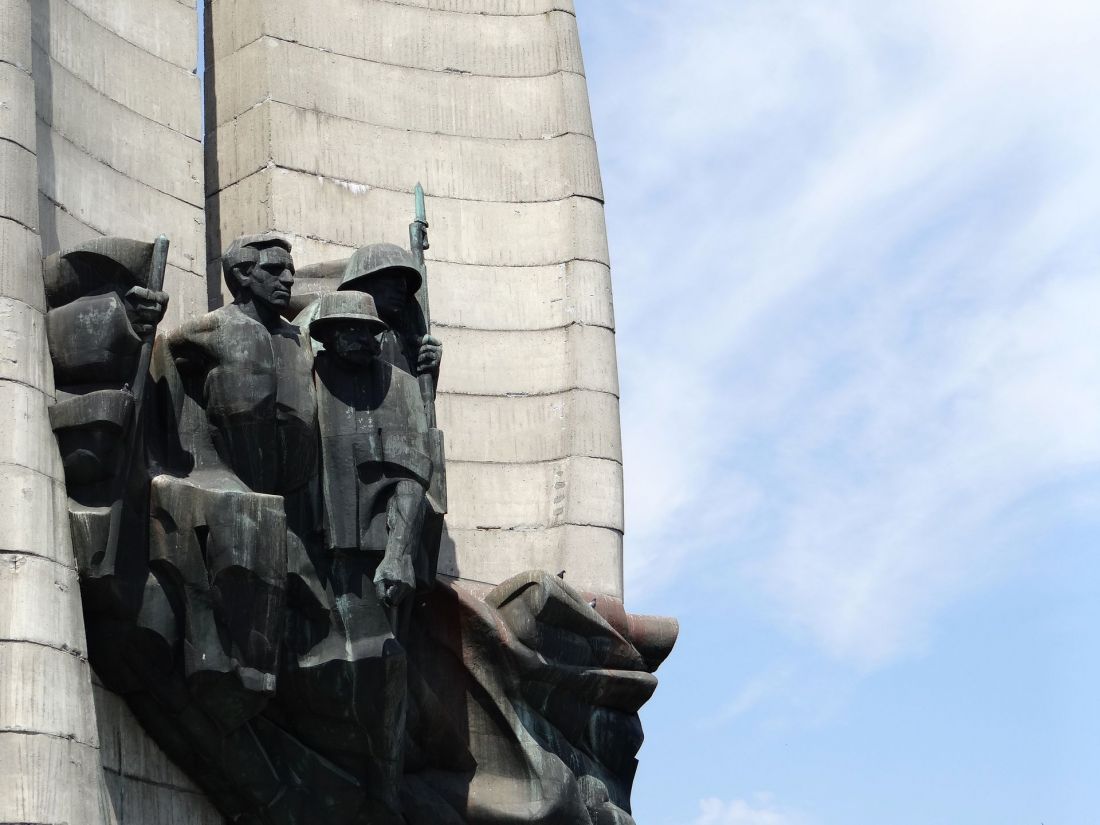
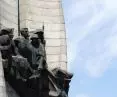
Monument to the Revolutionary Deed in Rzeszow - silhouettes of a worker, peasant and soldier on the eastern side of the monument
Photo: Adam Jones © CC BY SA 2.0 | WIkimedia Commons
Revolution? not in Rzeszow
However, there were also those who wanted to get rid of the monument. And interestingly enough, the first of such institutions at one stage was the city itself. In 2006 Rzeszow handed over the land on which the monument stood to the nearby Bernardine Monastery for the symbolic sum of 30 thousand zlotys as compensation for the expropriation of the area, which took place back in 1950. As you might have guessed, the Catholic grouping had no plans to take care of the monument, although it did not declare its demolition. Instead, right next door, on the site of the former skatepark and Defilad Square, a Bernardian garden was built, with a parking lot underneath.
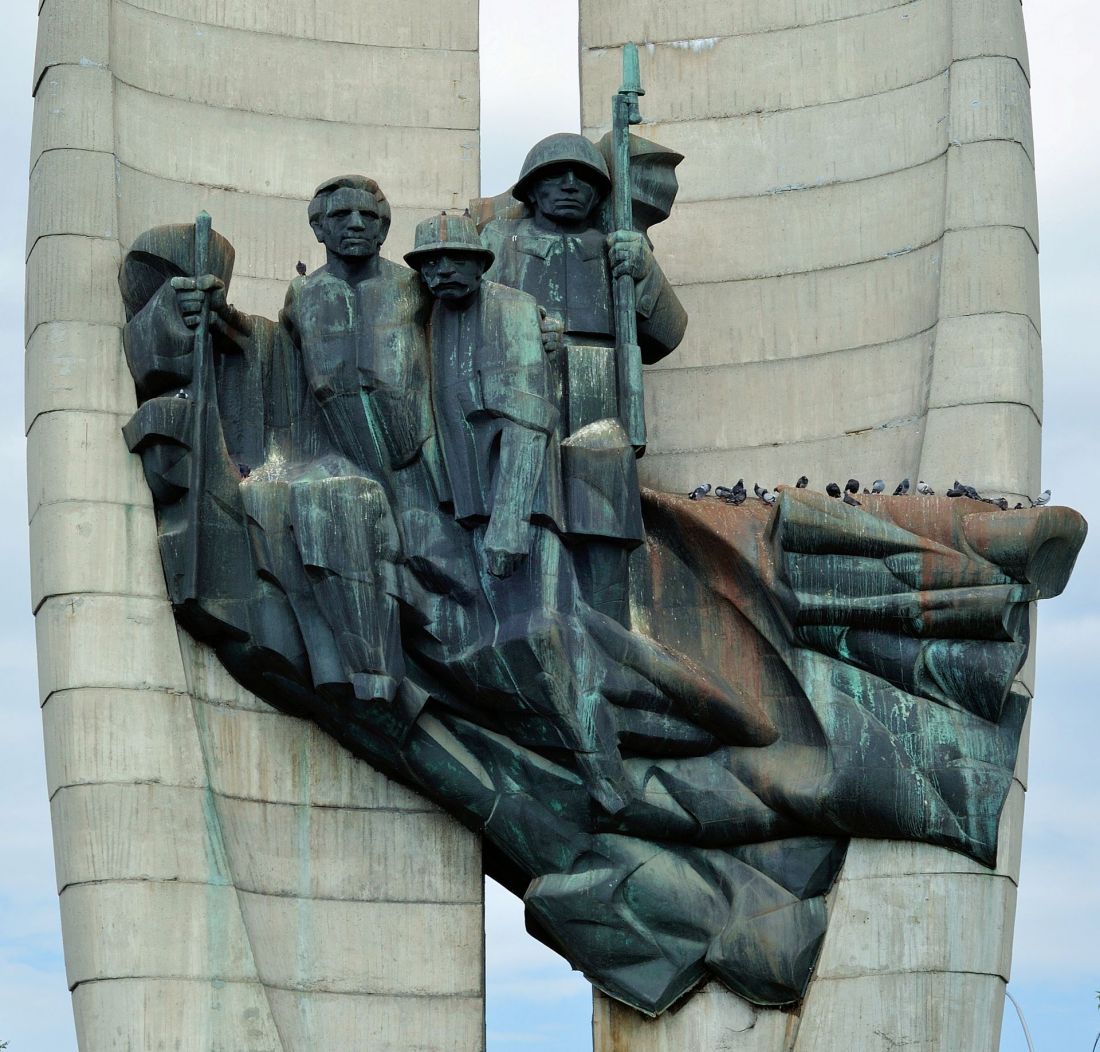
Monument to the Revolutionary Deed in Rzeszow - silhouettes of a worker, peasant and soldier on the east side of the monument Alternative description
Photo: Kroton © CC BY 3.0 | Wikimedia Commons
The legal gateway for the demolition of the monument was opened by the enactment of the Decommunization Law in April 2016. It was this law that the Rzeszow branch of the IPN, then headed by Jaroslaw Szarek (now director of the Home Army Museum in Krakow), invoked in 2017 to launch an information campaign aimed at getting the monument demolished. Although the Rzeszów branch of the SARP, the city authorities and, above all, its residents were against it, right-wing circles did not stop fighting for the object's demolition, and they were not prevented from doing so either by the then monument conservator Beata Kot, who rejected the application to enter the Monument in the register. The repairs ordered by the District Building Inspectorate were also not carried out. Eventually, the Bernardine Order handed over the monument in 2024 to the Association of Families of the Unbroken Soldiers of the Podkarpacie region, who openly spoke of its demolition. The IPN, then still headed by Karol Nawrocki, even talked about financing the costly demolition.
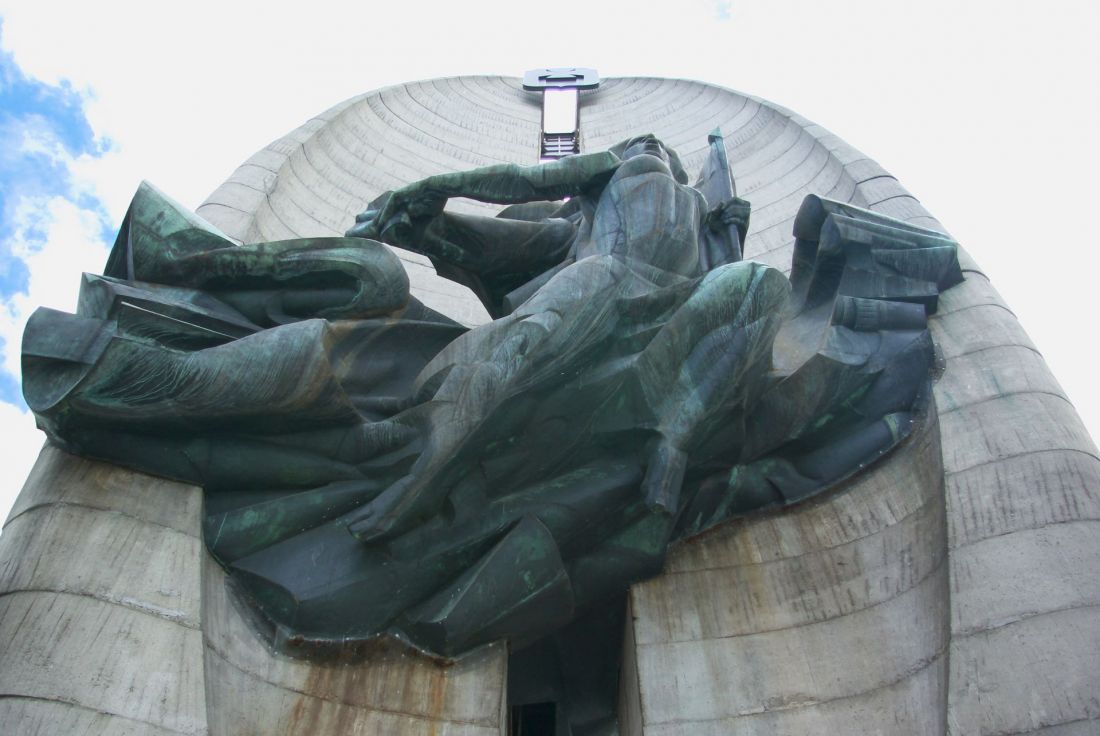
Monument to Revolutionary Deeds in Rzeszow - silhouette of Nike
photo: Lowdown © CC BY-SA 3.0 | Wikimedia Commons
However, it wasn't so easy, because already in June 2024, on the initiative of the Rzeszow Foundation, an application for the monument to be entered in the register of monuments was resubmitted. Even at that point, according to the law, the monument had to remain intact until the conclusion of the proceedings, which took place in August of the same year. The decision was, of course, appealed by the Association of Families of Unbroken Soldiers, but the current Minister of Culture Marta Cienkowska upheld the decision of the Podkarpackie WUOZ on September 24, 2025. According to the law, a week from Marta Cienkowska's decision, on October 1, 2025, the Monument to the Revolutionary Deed finally became a monument and will no longer be demolished.
in defense of postwar heritage
Thus ended an almost 20-year battle for the existence of one of the most distinctive monuments created in the 20th century in our country. It will probably go down in history as one of the best examples of cooperation between different communities for the protection of postwar heritage. Over the years, the authorities of Rzeszow, headed by President Konrad Fijolek, have been involved in the defense of the Monument of Revolutionary Deeds, support was expressed by its residents - for example, organizing in2020 Picnic at the Monument in 2020 -, the issue was publicized by numerous societies and organizations, including the Rzeszow Foundation or the Association for the Protection of Postwar Architecture.
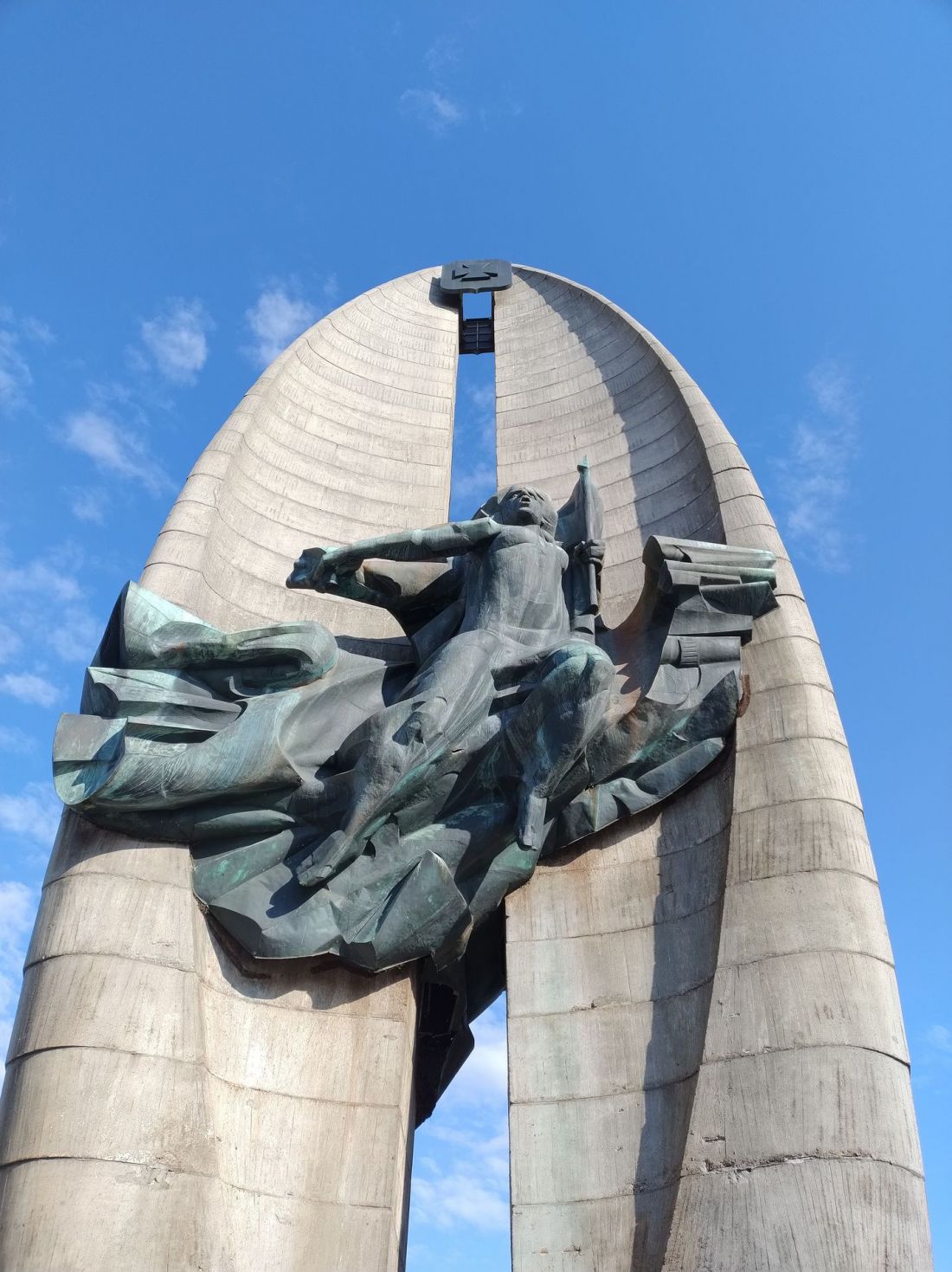
Monument to the Revolutionary Deed in Rzeszow - silhouette of the goddess Nike
photo: Patryk Duszkiewicz | Wikimedia Commons CC-BY-SA-3.0
is a monument, will there be a renovation?
In view of yesterday's decision by Culture Minister Marta Cienkowska, it can be expected that the Monument to Revolutionary Deeds will eventually be placed in the possession of the city, which - according to the law - will be obliged to keep the monument in the best possible condition. Announcing a date for the necessary renovation will then be a mere formality. But will the potential offered by the monument and its immediate surroundings somehow be exploited? In addition to demolition, there have already been cursory ideas of rebuilding the monument or creating a vantage point on top of it.
Now such ideas are out of the question, but it is possible to make some changes in the immediate surroundings of the object. The Rzeszow City Council has already taken steps in this direction, passing a resolution on September 24, 2024, on a development plan for the site. Although it was rejected before the monument was placed under protection due to a complaint from the Association of Families of Unbroken Soldiers of the Subcarpathian Region, the story may end differently once it is placed on the register. The city plans to create a community square in front of the monument. Will there be a competition for its surroundings?