





Has Katowice just sparked quite a change in Poland's housing market? The city's decision to make unsold apartments an object of economic activity is heating up debate across the country. Why should developers pay more for vacant properties, how many actually exist and which cities are planning similar moves?
Katowice was the first to bow out in the new tax trend. In early September, the media circulated information that the city, citing a resolution of the Supreme Administrative Court last October, intends to tax empty apartments at a rate of 34 zlotys per square meter. Developers, whose stock includes thousands of such apartments, previously paid PLN 1.19 per square meter of space. The difference in the amount of tax is thirty times, and is due to the fact that Katowice sees unsold apartments as premises used for business purposes.
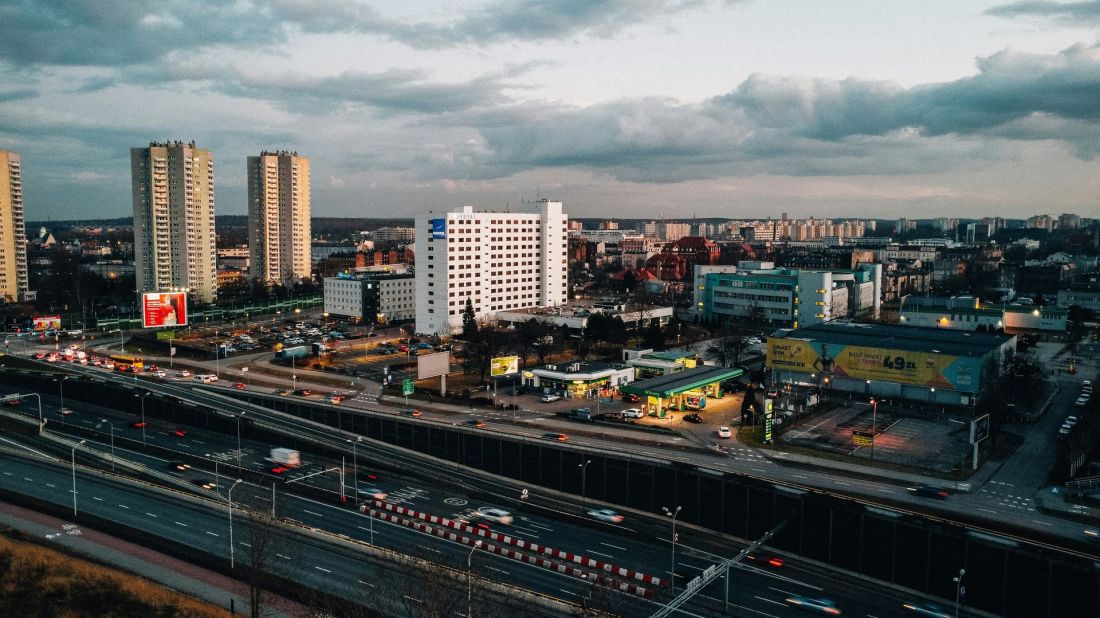
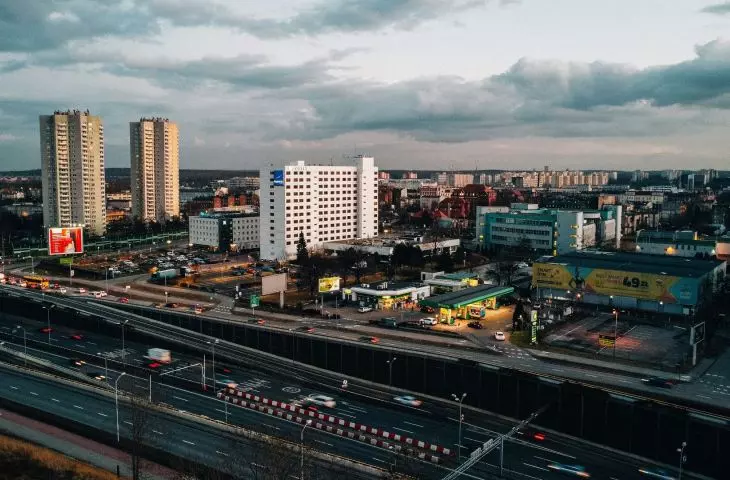
In Katowice, vacant apartments will come to pay up to 30 times more than before
Photo: Florian Vataj | Unsplash Free
vacant buildings not so cheap
How will these tax changes look in practice? The average size of a development apartment in Katowice is 55 square meters. Annually, you will have to pay for it not PLN 65.45, but PLN 1,870. What's more, as Przemyslaw Jedlecki of Wyborcza reports, the city has decided that it will calculate taxes up to five years back. Although representatives of the real estate development industry, including the Polish Association of Real Estate Developers, are thundering about the over-interpretation of the law and announcing court battles, this has not discouraged other Polish cities.
Krakow will charge for permanent vacant land
A similar resolution was passed in Krakow on September 17, 2025. However, the city is taking a cautious approach to the issue and has indicated that it will examine each case individually. Only those premises that are actually "held" as a capital investment are to be taxed, and not - as in Katowice - also those that have not yet managed to sell. The draft resolution submitted by the City Is Ours organization and Lukasz Maślona was passed almost unanimously. Other cities are also planning similar measures - a legal analysis of such a solution is underway in Wroclaw, and the same is true in Bialystok, Bydgoszcz, Olsztyn and Kielce. The authorities of Lodz and Czestochowa have an opposing stance. But where did the topic of higher taxes for vacant buildings come from in the first place?
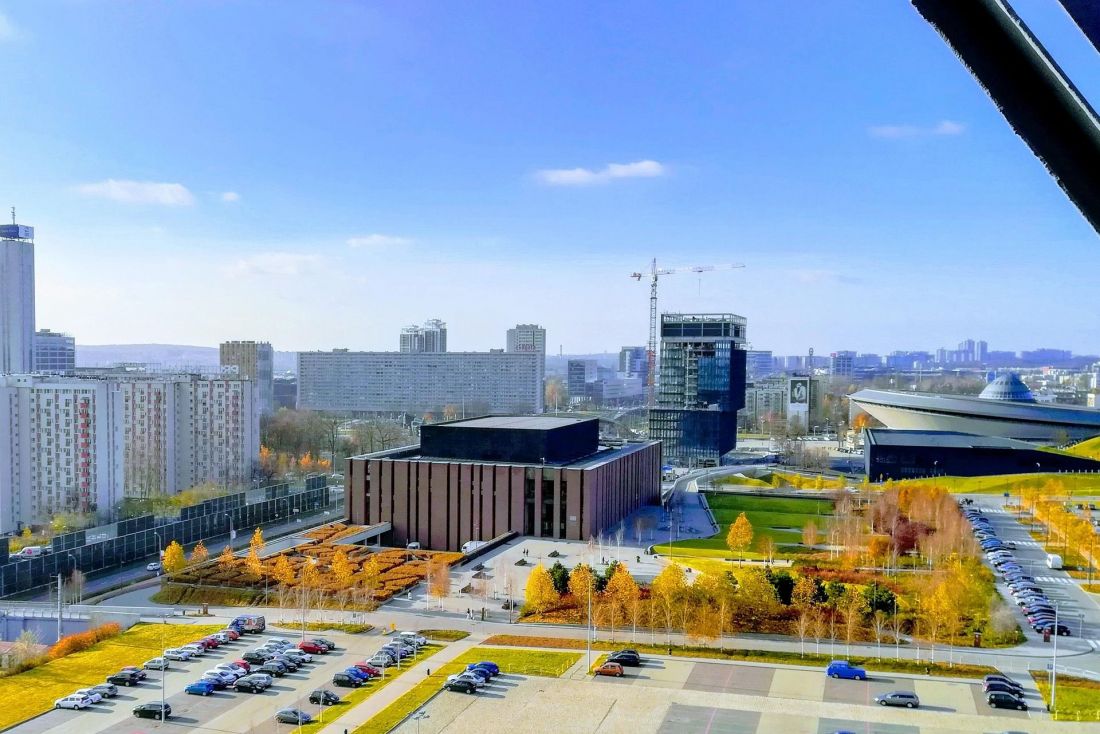
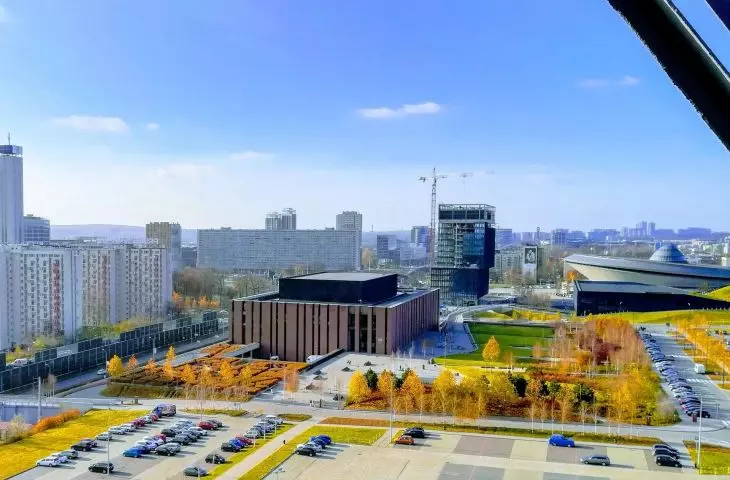
The authorities of Katowice will charge 34 zlotys per square meter in vacant buildings
photo: Mmakos | Pixabay
Why are cities increasing tax on vacant buildings?
The case was initiated by a resolution of the Supreme Administrative Court in October 2024. At the time, the issue was whether rental apartments were to be subject to property tax as if they were buildings that meet housing needs (which is true, because - regardless of theownership status - people live in them) or as if they were used for business activities (which is also somewhat true, since the owners, by renting out their properties, make money from it).
On a broader note, the SAC issued a resolution favorable to owners of rented apartments, since regardless of the identity of the people living in them, the "permanent satisfaction of basic housing needs" is realized in them. The tax itself, after all, applies to real estate, not to the income generated from its use.
However, there was a different interpretation regarding apartments in which "permanent satisfaction of basichousingneeds" is not realized. Indeed, as the passage of the resolution states:
The situation in which a taxpayer-entrepreneur, although he has erected a residential building or acquired a building or part thereof, but does not sell the dwellings or rent them out for their intended purpose (permanent vacancy) should be treated similarly. Such a phenomenon is often encountered when residential units are acquired (or developed) for investment purposes as a form of long-term deposit of funds in anticipation of price increases (a practice known in the activities of investment funds, among others). Such buildings or parts thereof can be qualified as a commodity aimed at securing for the future the source of income, which is business activity, and the lack of realization of residential functions is subjective in nature, being an effect of the taxpayer's economic decisions, an element of his economic strategy
Importantly, the NSA's resolution changes the amount of taxation not only for those who hold empty apartments as a capital investment. As long as the building is not renovated and sold to residents, higher tax can also be paid by flippers, as well as those who rent apartments on the short-term rental market, for example, as Airbnb units.
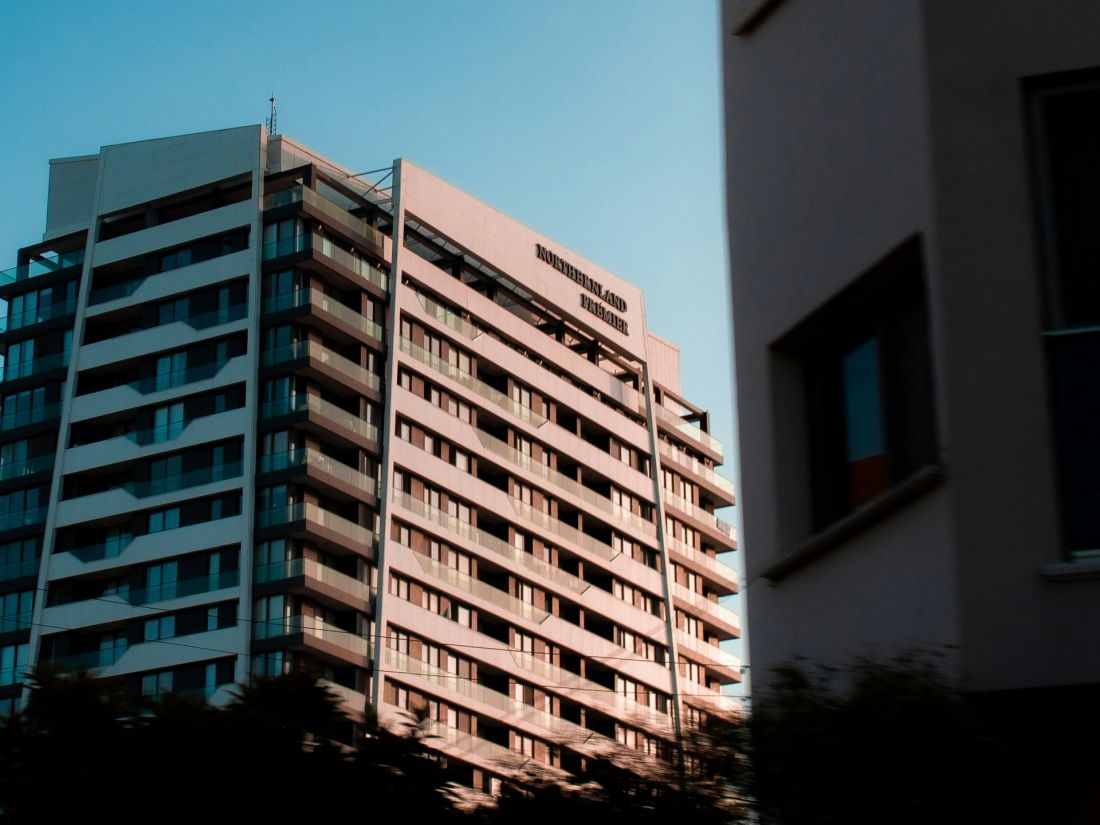
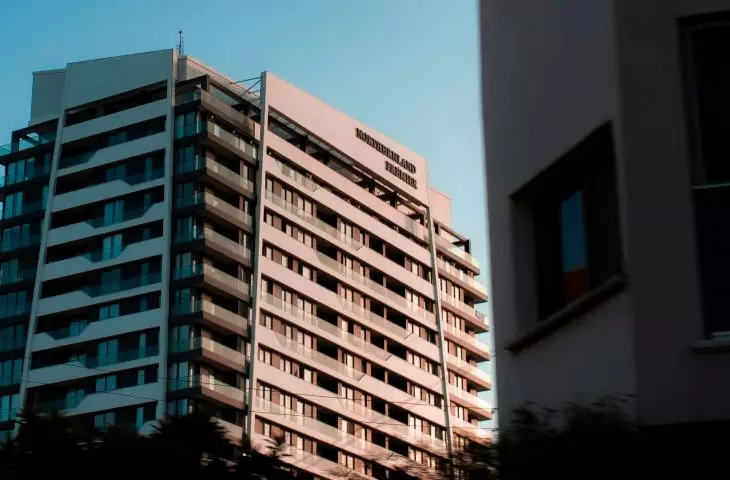
A higher vacancy tax is also being considered in other cities
Photo: Sadiq Ali | Unsplash Free
how much vacancy is there in polish metropolises?
There has long been talk of a growing housing famine in Poland. According to various estimates, Poland has a shortage of between 300,000 and even two million apartments. Could the shortage of places to live be alleviated if all the vacant apartments in the country were "freed up"? Information on the number of vacant apartments in Polish cities was provided by the 2021 National Census, which showed that the country has almost 2 million unoccupied units. This is, however, arguably a vastly inflated number, heavily dependent on the methodology adopted by those who designed the Census, which listed as unoccupied, for example, apartments inhabited "irregularly" (e.g., by people living in more than one city) or those waiting to be renovated or settled. As Wyborcza noted last year, the then ongoing pandemic probably also added its own to this number. However, there is no doubt that the number of empty apartments should be counted in the hundreds of thousands.
Although every unused apartment is a loss, especially from an environmental point of view, the effects of "vacancy" are felt most strongly in large cities, where prices per square meter reach the highest amounts, making apartments unaffordable for part of the population. According to Wyborcza, which based its calculations on data on energy contracts, there are nearly 100,000 vacant apartments in Warsaw, where apartments are the most expensive in all of Poland. For other provincial cities, similar calculations have not been made, so it remains to rely on the numbers provided by the 2021 National Census. Thus, there will be 63,000 vacant buildings in Krakow, 50,000 in Lodz, 42,500 in Wroclaw, 40,000 in Gdansk, 39,000 in Poznan and 17,000 in Lublin.
consequences of mismanagement
The lack of thriftiness among local governments is also extremely acute. According to the aforementioned Census, there were 74 thousand vacant apartments in municipal resources in 2021. These are apartments that could have become a public housing stock, capable of meeting the needs of hundreds of thousands of people. Unfortunately, at present, even if the cities decided to take the appropriate steps and surrender all the vacant apartments they have at the moment, the number would be much lower. As a result of neglect and abandonment, many of the listed 74,000 are now only suitable for demolition.
Will we be able to afford housing?
This is yet another in a series of activities that have recently been carried out in various fields and by various actors to bring Polish cities out of the housing crisis. A few months ago, deweloperuch, a portal revealing the prices of apartments offered by developers, began operations. Led by its creators, the campaign has gained a government counterpart with the introduction of an obligation for developers to publish prices starting September 11, 2025. At the same time, the government announces the provision of more funds for social housing, a greater supply of which would restore balance to the housing market.
This time , local governments are getting in on the action, and not only are they getting down to the business of providing housing through municipal resources or supporting Social Housing Initiatives, but they are also carrying out activities that, in addition to mending municipal budgets, have the potential to become further bricks in the fight for housing affordability.