








Increasingly frequent heat waves mean that air conditioning is no longer surprising, it is becoming an everyday part of homes, offices, stores. However, this rapid growth brings consequences.
In Europe, interest in installing air conditioning in apartments and commercial buildings is growing rapidly. Air conditioning has now become the dominant cooling strategy used by companies and individuals who can afford it, despite its many disadvantages. The percentage of households in Europe equipped with such devices has risen from 14% in 2010 to around 20% in 2019. Hot summers and recurring heat waves are accelerating this trend. A prime example was the situation in France in June 2019, when sales of air conditioners and fans jumped by as much as 400% just before the heat wave arrived.
Until now, the percentage of air conditioning units significantly differentiated Europe from warmer regions of the world. However, record-breaking temperatures and increasingly noticeable urban heat islands have caused a surge in the popularity of air conditioning, which is increasingly seen as an essential means of protecting against overheating.
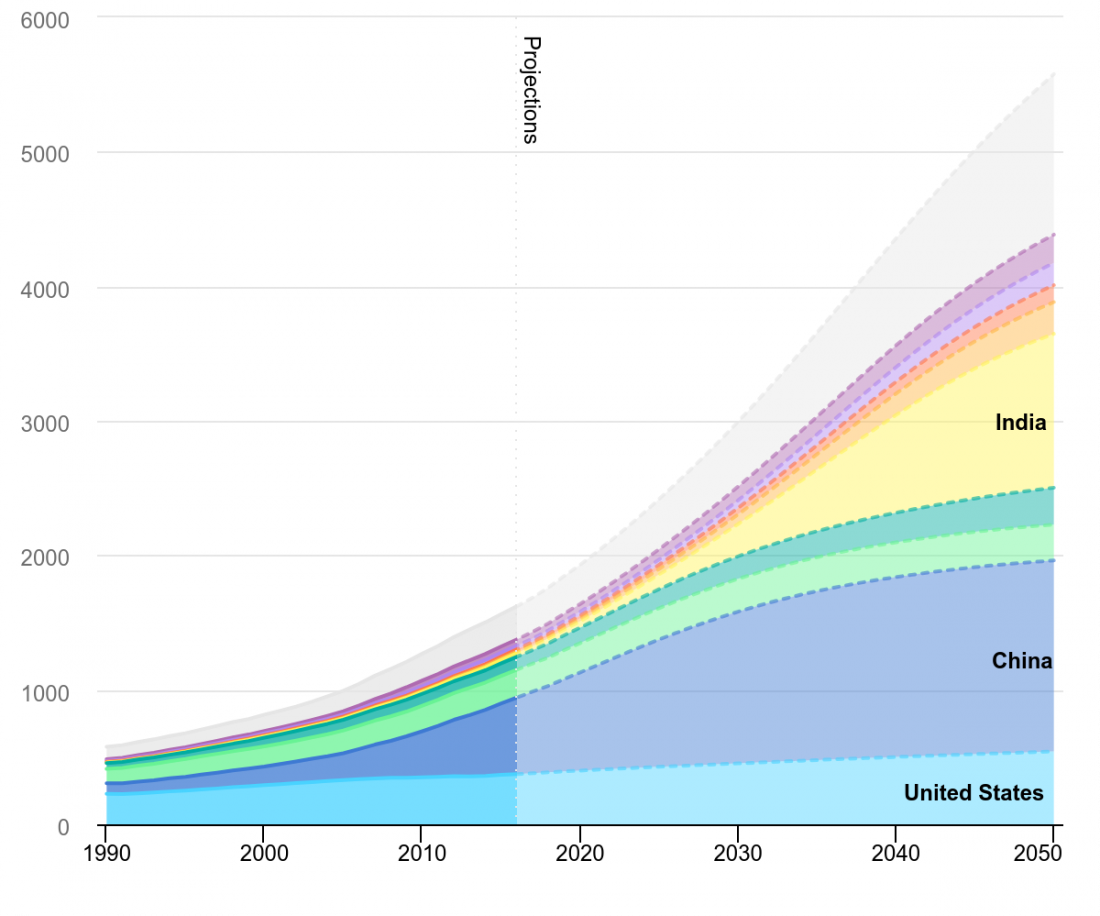
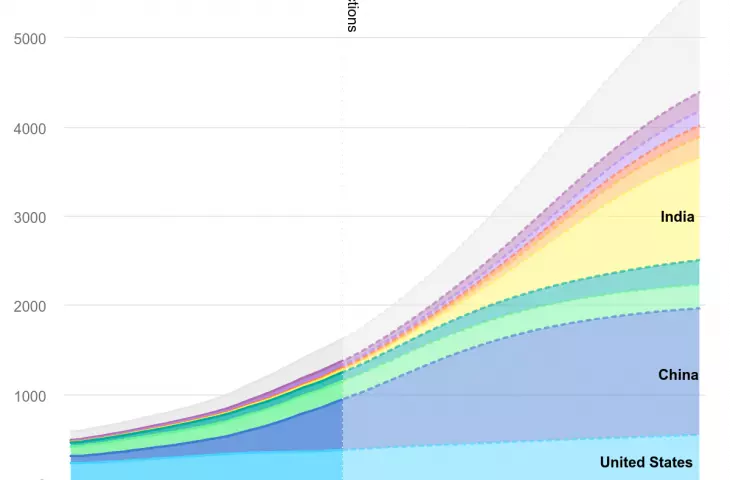
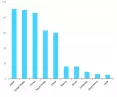
Global stock of air-conditioning units from 1990 to 2050 - The chart shows changes in the global stock of air-conditioners since 1990 and projections to 2050. The largest growth is projected for India and China, which are expected to lead in terms of the number of units by mid-century. The United States remains one of the largest markets, but the growth rate there is much lower than in developing countries.
© IEA
The growing reliance on cooling systems, however, carries serious environmental consequences - from higher energy consumption and increased greenhouse gas emissions to additional temperature increases in cities. There are also questions about equity in access to cooling and the impact of high temperatures on the health of the most vulnerable, such as seniors or anyone who earns slightly less or simply rents an apartment.
cooling at a high price
Prolonged exposure to temperatures above 26-27 °C leads to dehydration, heat exhaustion and exacerbation of chronic diseases. Air conditioning provides respite when our city streets are steaming and the air in the apartment becomes heavy and equally hot (especially at night). The coolness bought this way, however, comes at a price. What brings relief inside, outside adds fuel to the fire. In Europe, the increasing use of air conditioning is beginning to resemble putting out a fire with gasoline - instead of merely alleviating the effects of the heat, these devices exacerbate it.
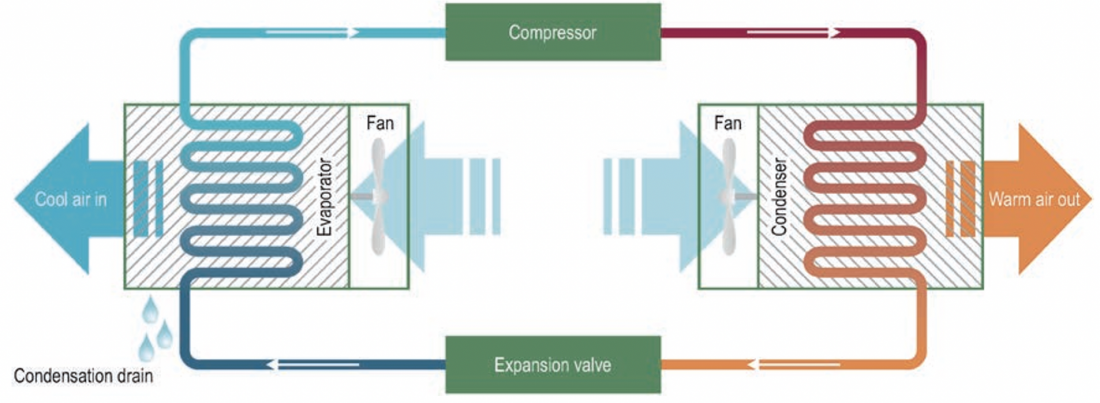
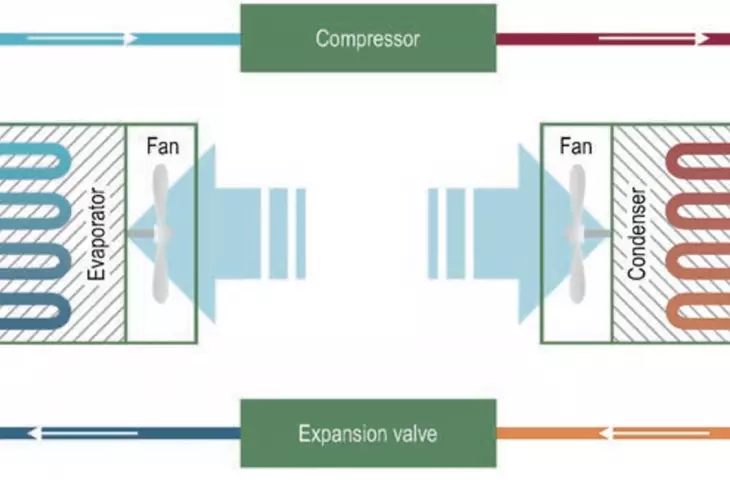
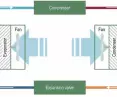
Diagram of the operation of an air conditioning system - The illustration shows a diagram of the refrigerant circuit in a typical air conditioning system. The indoor air is cooled in the evaporator, where the refrigerant absorbs heat, then compressed in the compressor and gives up heat in the condenser, from which the warm air is removed to the outside. The diagram also shows the role of the expansion valve and the drainage of the condensate produced when cooling the air.
© OECD/IEA, 2018 International Energy Agency
When an air conditioner cools an apartment, it expels hot air outside. On a city-wide scale, this means that thousands of such devices raise the ambient temperature. Studies show that in Paris during an intense heat wave, keeping apartments at 23 °C could make the streets up to 2.4 °C warmer at night. Field studies confirm that the operation of air conditioning on a city scale can increase nighttime temperatures by 1-1.5 °C. This reinforces the urban heat island phenomenon and activates a feedback mechanism - the warmer it is outside, the more air conditioning is used, and thus more heat is given off to the streets. As a result, although individually, in individual apartments we are cooler, the microclimate of the street, neighborhood and even the entire city becomes more oppressive, much warmer, which we are happy to cool down by firing up the air conditioner....
It's worth putting it bluntly here - air conditioning is among the most energy-intensive technologies used in households. In the European Union, energy consumption for cooling in the residential sector tripled between 2010 and 2019. Although on average in 2019 cooling accounted for about 0.4% of final household energy consumption, in warmer regions the percentage was much higher - in Malta, for example, it reached about 11%.
As much as the whole of China
The forecasts are clear: this is just the beginning. The hotter our summers get, the more overloaded power grids become. The largest increases in peak power demand for cooling in the future are expected in countries such as France, Italy and Spain. In doing so, peak periods of air conditioning operation fall on days when power systems are particularly stressed - hot weather reduces the efficiency of power plants and reduces production from hydroelectric plants. And here comes another variable - the risk of power outages. Ensuring the continuity of energy supply during extreme hot weather thus becomes a challenge in itself. Globally, air conditioning already accounts for about 10% of electricity consumption. If this trend remains unchanged, by 2050 the number of cooling devices worldwide is expected to triple to 5.6 billion, consuming as much energy as China as a whole currently uses.
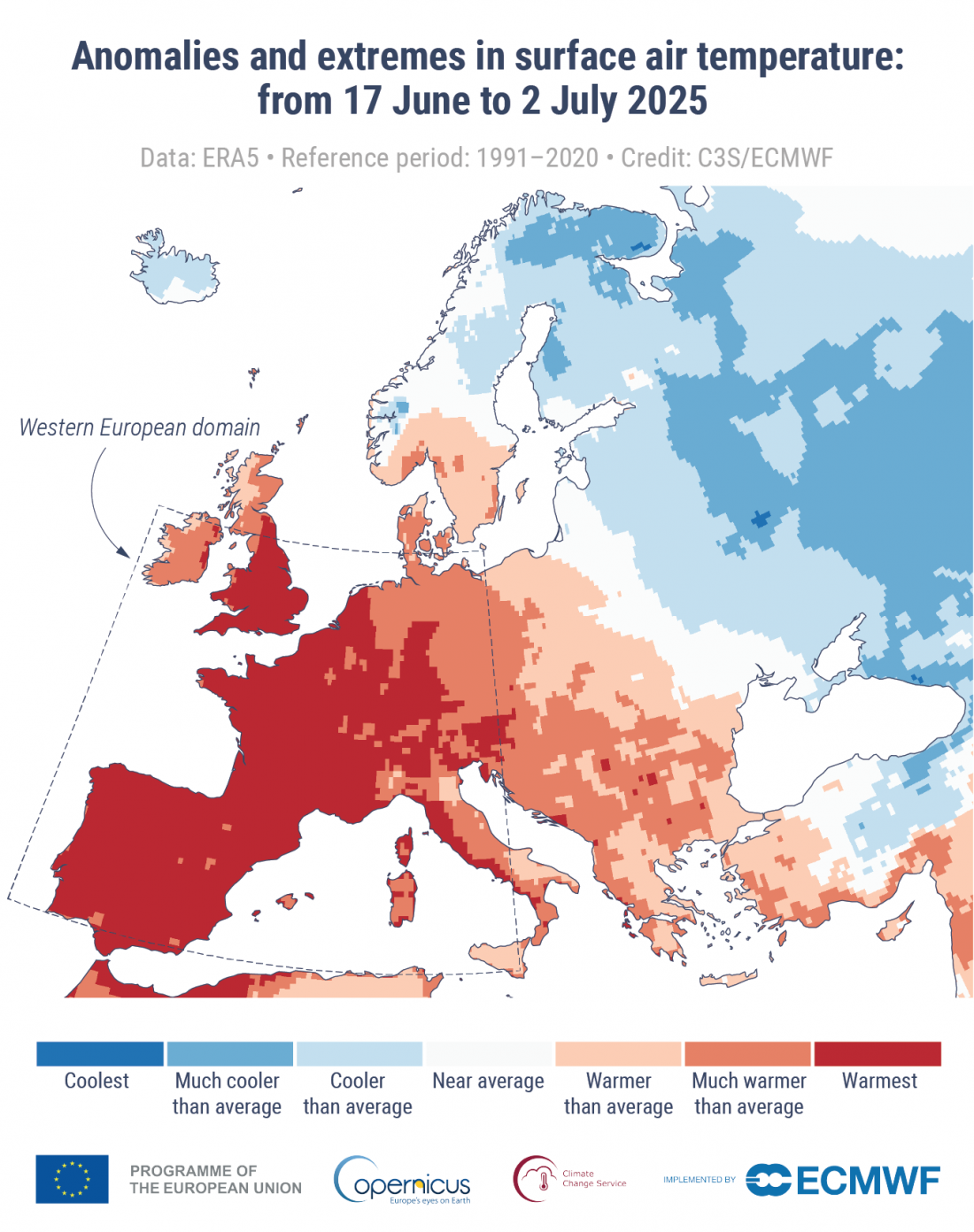
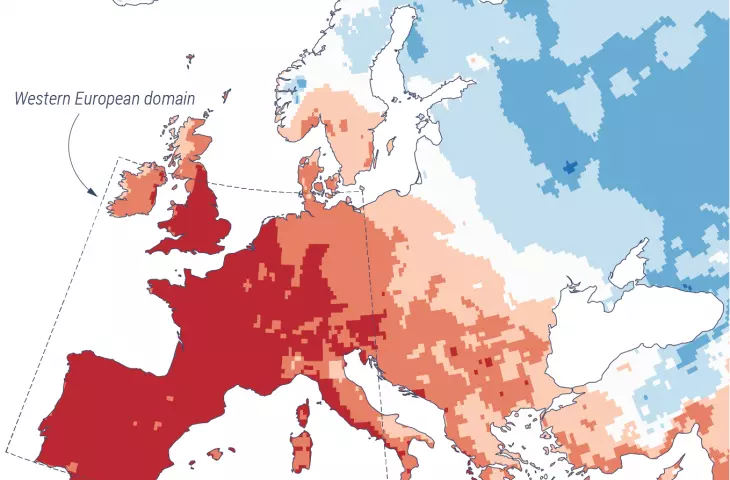
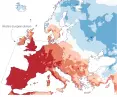
Surface Air Temperature Anomalies and Extremes: June 17-July 2, 2025 - The map shows the anomalies and extremes of average surface air temperature in Europe from June 17 to July 2, 2025, relative to 1991-2020 values.
C3S/ECMWF
Air conditioning contributes to climate change both indirectly and directly. The indirect dimension is increased electricity consumption, which, if it comes from coal- or gas-fired power plants, means higher CO₂ emissions. The direct impact is related to the appliances themselves. Air conditioners and heat pumps use refrigerant gases, (usually HFCs), which, if leaked, have a huge warming potential - even hundreds or thousands of times greater than carbon dioxide. Leaky installations or improperly disposed of equipment can release these substances into the atmosphere. In 2019, HFCs accounted for about 2.3% of total greenhouse gas emissions in the European Union, with the refrigeration and air conditioning sector being the main source. Massive deployment of traditional cooling systems may therefore exacerbate global warming, which itself drives demand for air conditioning.
necessary reduction
Clusters of cooling equipment that dump heat outdoors worsen local microclimates, increasing heat stress in cities. Some analysts warn that the uncontrolled introduction of air conditioning into every building may be an example of what is known as climate change maladaptation. It provides immediate relief, but in the long term can weaken society's resistance to heat. The intensive use of air conditioning reduces people's tolerance to high temperatures and displaces traditional ways of coping with the heat, though such as night ventilation (whether our apartment is able to have a draft, for example, is another matter) or the use of shutters.
Buildings that are completely dependent on air conditioning, lacking adequate insulation and ventilation, become particularly dangerous in the event of a power failure during a heat wave. That's why experts stress the need to implement cooling solutions that not only improve comfort, but also reduce emissions and don't reinforce urban heat islands.
Europe is even introducing regulations to curb these problems. The EU's F-Gas Regulation provides for the phasing out of HFCs, which is already bearing fruit - emissions of these gases in the EU peaked around 2014, and have been steadily declining since 2015. Of course, further decarbonization and application of the energy mix (a greater share of renewables) and development of new cooling generation are needed.
the thing about consequences
With all this said, one more thing must be said - ensuring adequate cooling during extreme heat is a public health issue, especially for the most vulnerable groups. Air conditioning can be a lifesaver during heat waves - it lowers the risk of heat stroke and other diseases caused by overheating by keeping indoor temperatures at a safe level.
Older people are at greatest risk - statistics show that they make up the vast majority of heat wave victims in Europe. People with chronic diseases such as cardiovascular, respiratory, kidney, diabetes or mental disorders are also at high risk. Infants, young children, pregnant women, or manual laborers in open spaces are also at risk. The common denominator is impaired ability to regulate body temperature or limited ability to get help quickly. For such people, maintaining cool indoor conditions can be a matter of life or death.
Therefore, cooling should be a priority for distribution, and hospitals and nursing homes should be a priority for access. Many national plans to combat the effects of heat even recommend creating cooled spaces for vulnerable people.
Paradoxically, those most in need of cooling most often have the least access to it. Low-income people in Europe often live in overheating, inferior buildings and are less likely to have access to air conditioning or adequate thermal insulation. Even when they do have cooling equipment, it can sometimes be prohibitively expensive to use, especially with rising energy prices and the growing phenomenon of energy poverty. The term "summer energy poverty" has even emerged to describe households that cannot afford to maintain a safe temperature during hot weather.
An analysis of heat waves in Madrid found that heat-related deaths were most common in the city's poorest neighborhoods, while wealthier neighborhoods showed no significant increase in mortality. Similar conclusions were drawn from studies covering all of Spain - communities with below-average incomes incurred significantly higher health costs during hot weather. A particularly disturbing statistic is worth noting: one in three Spanish children lives in a home that does not provide adequate cooling in the summer. This situation has a very negative impact on their health and development. These disparities are increasingly being recognized as a social justice issue.
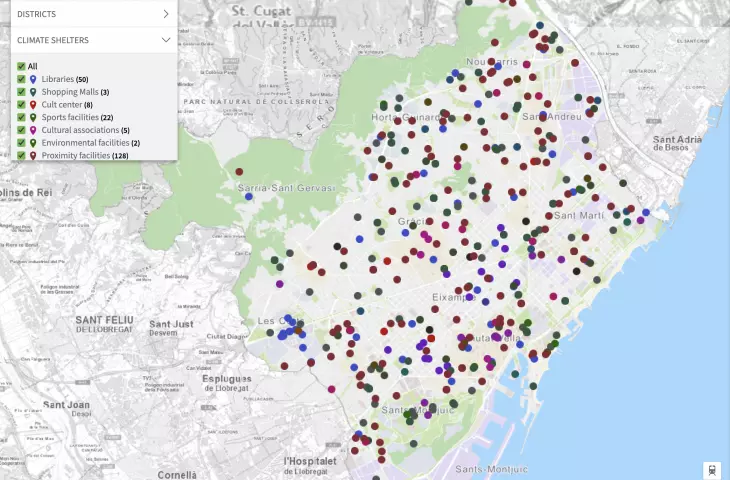
There is a growing clamor for treating access to cooling as a fundamental right, and not just a good that can be provided for oneself with a sufficiently abundant wallet. In practice, this means creating policies to support vulnerable people, and ideas range from subsidizing cooling equipment, creating public spaces of refuge like Barcelona's network of some 400 "climate shelters" available to residents year-round) or upgrading housing stock.
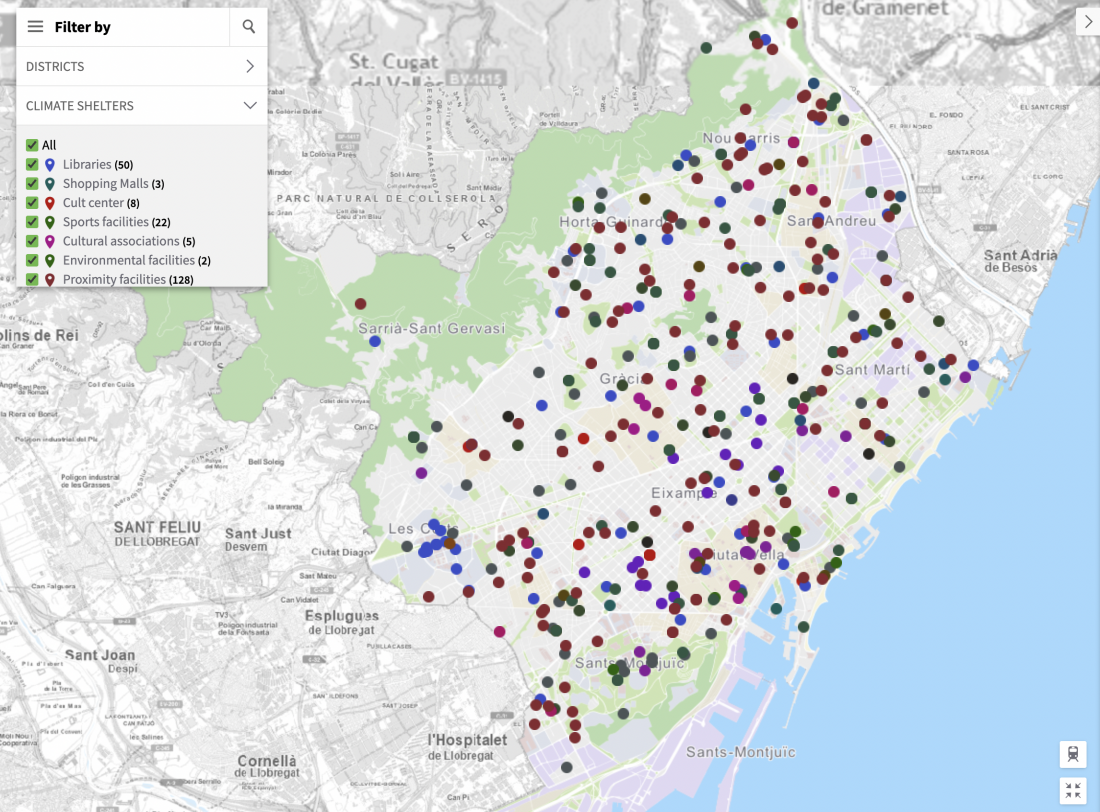
Map of climate shelters in Barcelona - This screenshot shows a map of Barcelona's network of about 400 climate shelters that provide protection from the heat in summer and the cold in winter. Points on the map mark different types of facilities, including libraries, shopping centers, sports facilities and community centers. These shelters aim to protect the health of residents in the face of increasingly frequent and intense heat waves, especially the elderly, children, people with chronic illnesses and those with limited resources.
© Ajuntament de Barcelona
another x is added to the equation
The issue doesn't get any simpler when you add in the fact that air conditioning also brings some health challenges. Constantly being in heavily cooled rooms can reduce the body's natural tolerance to high temperatures and make it difficult to adapt to the outdoors. There are also indoor air quality issues - unserviced, neglected units can spread contaminants or promote mold growth. It's not hard to guess that this quite negatively affects the respiratory system. A known problem in large cooling systems is the risk of Legionella bacteria, which can cause legionellosis in favorable conditions.
Prolonged exposure to air-conditioned rooms, especially those that are severely cooled and have low humidity, can also exacerbate upper respiratory problems. Cold and dry air leads to dehydration of nasal mucous membranes, weakens self-cleaning mechanisms and promotes inflammation. In people with allergic rhinitis or chronic sinusitis, symptoms - such as nasal obstruction, sneezing and sinus pain - occur more frequently and are more severe in rooms with air conditioning. A link between air conditioning and sick building syndrome - a syndrome of symptoms, such as irritation of mucous membranes and coughing, that worsens with time spent in tightly closed rooms - has also been pointed out. While proper maintenance and maintaining proper humidity significantly reduce these risks, the topic of air quality in air-conditioned interiors is becoming an increasingly important part of preventive health care .
More and more research and policy initiatives are focusing on the idea of "smarter cooling." The goal is to ensure comfort and safety in hot weather while reducing the negative environmental effects of air conditioning. Facilities that are well insulated and planned with thermal comfort in mind can maintain a bearable indoor temperature even during heat waves with minimal energy consumption. Modeling studies show that a combination of urban greenery, reflective materials and better insulation in the city could offset the extra waste heat from air conditioning and reduce nighttime outdoor temperatures by up to 4 °C during a heat wave. Cooling the city itself through greenery, parks or bright surfaces, and protecting buildings from heat, reduces the need for air conditioning and improves the comfort of residents. More and more European cities are investing in such approaches, planting "urban cooling forests," painting roofs bright colors, or rebuilding streets to reduce heat accumulation.
I could also write here that modern high-efficiency air conditioners and heat pumps provide the same level of cooling with much less energy consumption than older models, that these devices are increasingly using renewable energy, and that reversible heat pumps are being developed that cool in summer and heat in winter. However, that would be pure techno-optimism, which I am far from.
let's look back
The technological race to find ever more efficient cooling devices can easily obscure the fact that many effective methods of dealing with the heat were developed long before the invention of air conditioning. In the past, cities and buildings were designed to use wind, water and shade to lower temperatures.
Examples of such strategies include the Persian bādgīr wind towers in Yazd and Kashan, which reduced interior temperatures by as much as 3-6 °C through a combination of air flow and water cooling.
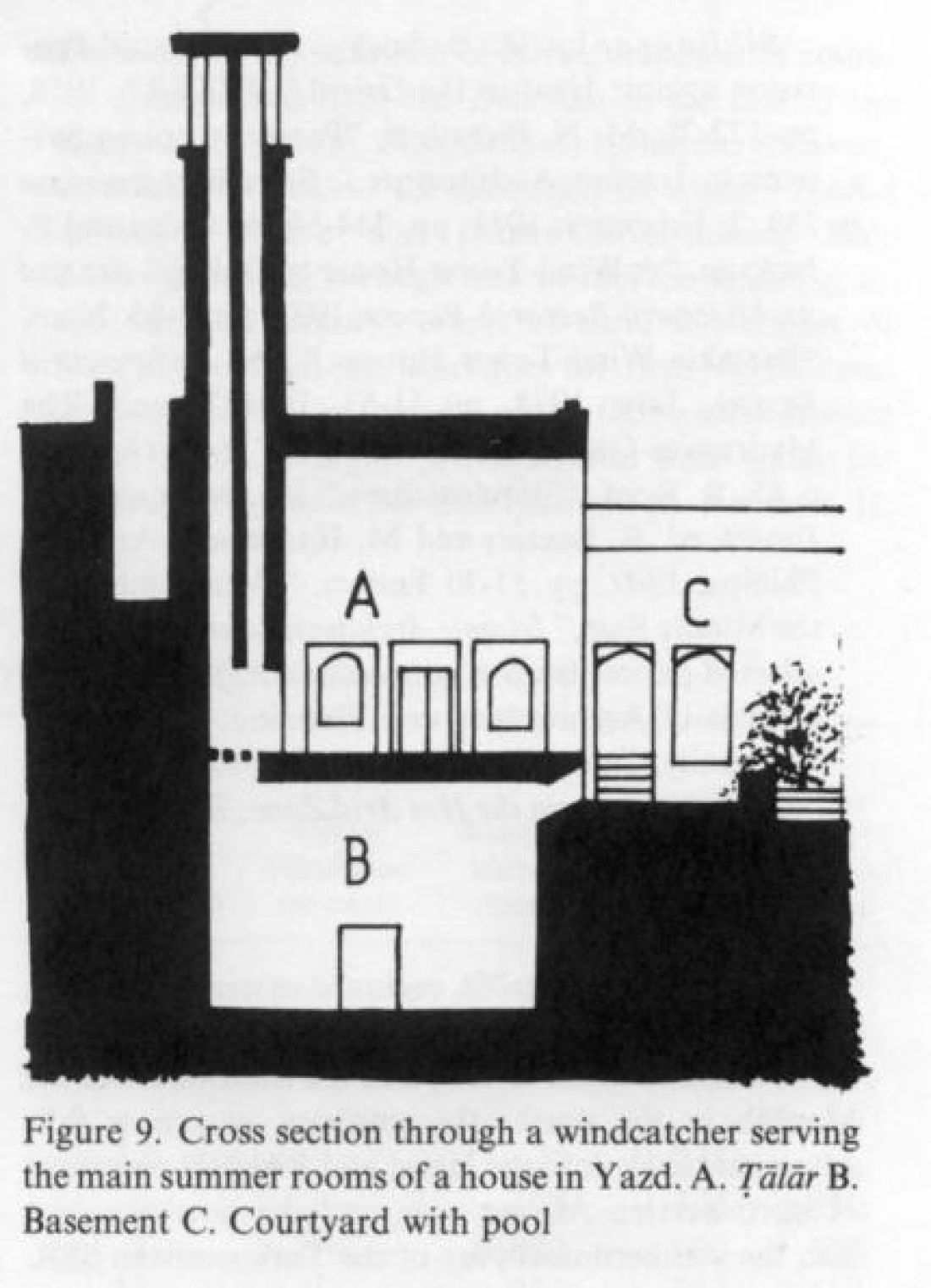
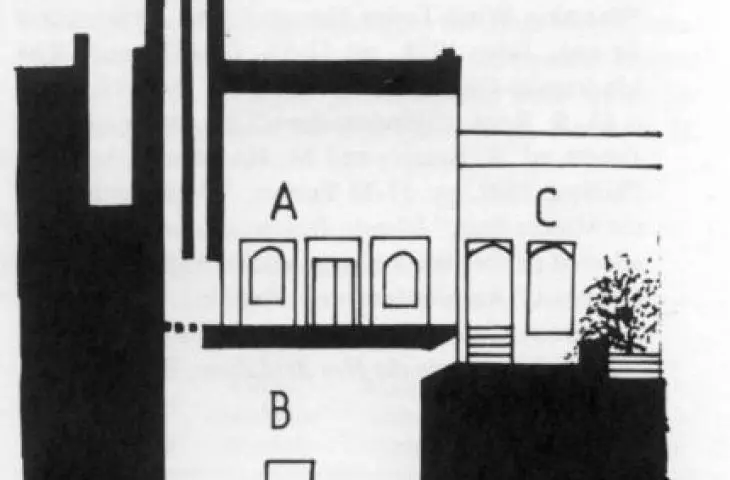
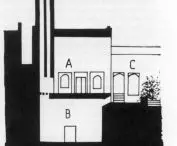
Cross-section of a traditional bādgīr in Yazd - Diagram of a cross-section of a house in Yazd with a traditional bādgīr (wind tower) directing air to summer living quarters. Symbols: A - ṭālār (summer rooms), B - basement, C - courtyard with swimming pool.
Roaf, 1982 | © Encyclopaedia Iranica

Ab anbar with bādgīras in Yazd - traditional cooling system - Ab anbar, or traditional Iranian water tank, equipped with bādgīras (wind towers) in Yazd. The structure used the natural flow of air to cool the water and rooms, providing an example of a passive air conditioning system in desert architecture.
Diego Delso | © CC BY-SA 4.0
We also have Roman houses with atriums and impluviums, where the evaporation of water and thick walls kept them cool on hot days. In Jeddah, a city in the western part of Saudi Arabia, mashrabiya - openwork windows with clay water jugs- were used to keep indoor temperatures an average of 3-4 °C lower than in spaces without such a solution. In Shibam, Yemen, a dense development of tall clay houses created narrow, shaded streets that allowed temperatures to be lowered by as much as 4-5 °C.
Every technology relies on energy use in some way, generates heat. Perhaps it is not worth relying solely on energy-intensive technologies, and instead reach back to tradition, especially that corresponding to local hot climatic conditions. Today's architecture can draw on this experience to create heat-tolerant cities and buildings, where coolness is achieved not only through machines, but also through more conscious shaping of space.