







Rising operating costs, hybrid work, and pressure to improve the user experience are accelerating the digitization of commercial and residential buildings. Mobile access, digital guest services, parking management, and common area reservations are increasingly seen not as mere extras, but as tools for reducing costs and improving a property’s competitiveness.
© BLUE BOLT
According to market analyses, the annual cost of maintaining a 24/7 reception desk in a standard office building can exceed 130,000 PLN, and the cost of a single full-time position is approximately 70,000 PLN per year. Implementing a proptech system that automates access control, guest services, parking, and space reservations costs from approximately 20,000 PLN in smaller facilities to about 80,000 PLN in more complex buildings. On top of that, there are annual subscriptions ranging from a few thousand to over a dozen thousand zlotys.
This means that an investment in digital building management can pay for itself within a dozen or so months. This does not necessarily mean a reduction in staff. In practice, the technology takes over repetitive tasks: issuing access cards, managing guest lists, granting access, opening barriers, and managing permissions.
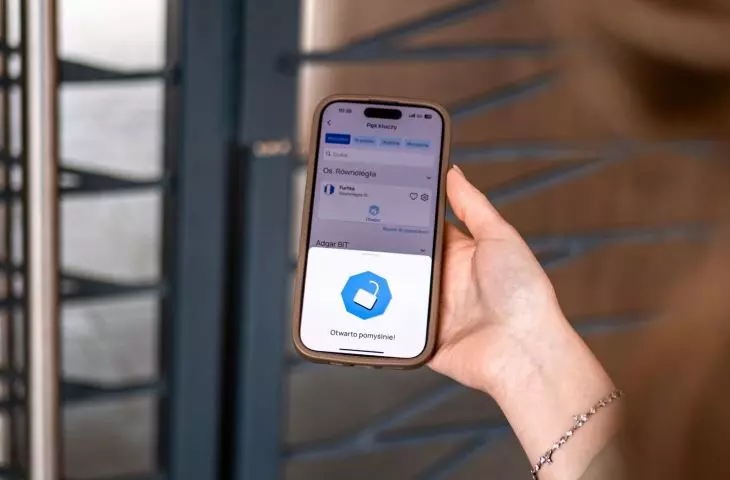
The greatest value comes not from simply opening a door with a phone, but from the integration of the entire process: from inviting a guest, through entering the parking lot, accessing the elevator and the correct floor, to the automatic expiration of access rights. Only then does the technology truly lighten the load on the front desk, security, and the building manager,” says Maciej Grabowski, founder of Blue Bolt, a Polish proptech company that develops mobile access and common-area management systems for buildings.
Digitization is also important for retaining tenants. Companies are reducing the amount of space they lease, but they expect more flexible services and a higher standard of service. For a landlord, losing a tenant means not only a vacant unit but also potential rent waivers, agency commissions, and the costs of rearranging the space. For a 500 m² office space with a monthly rent of 15 euros per m², the total costs can reach hundreds of thousands of zlotys.
© BLUE BOLT
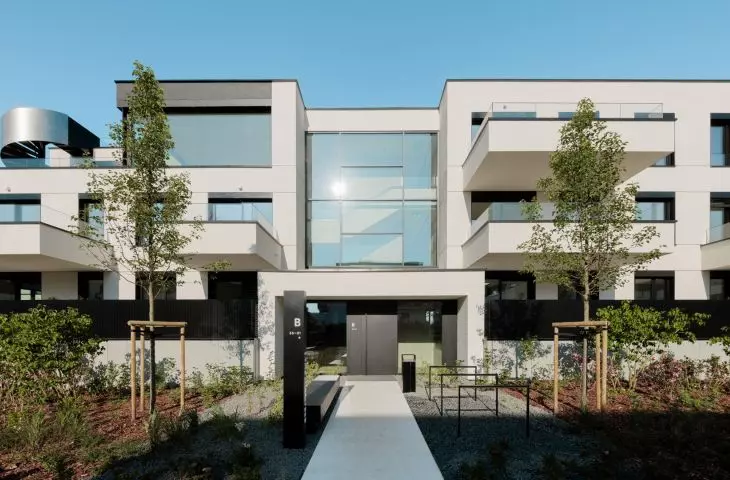
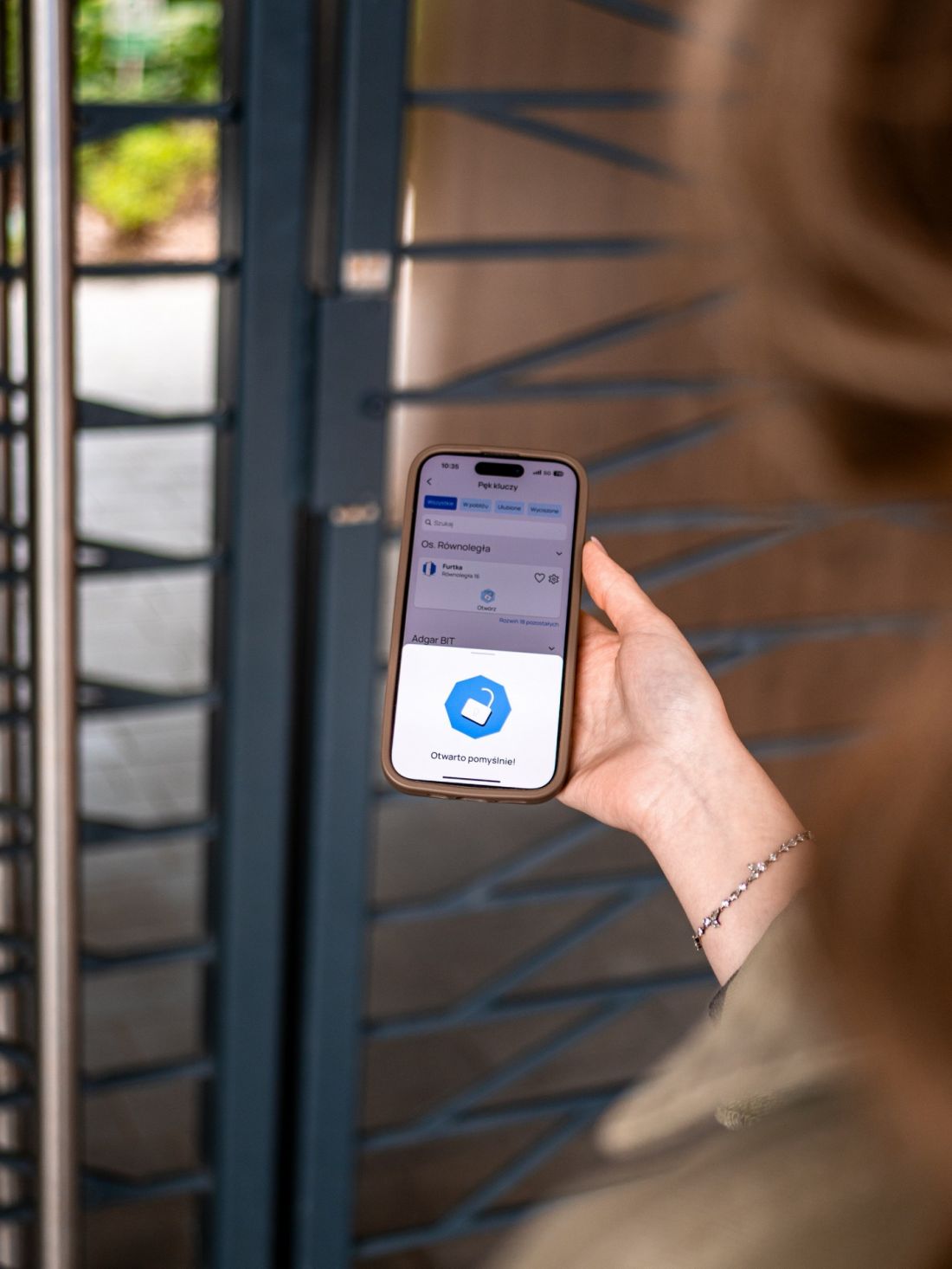
Similar solutions are increasingly being incorporated into residential projects. Developers are implementing mobile access to building entrances, garages, elevators, bike storage rooms, gyms, terraces, and club rooms. For residents, this means fewer keys and access cards; for building managers, it means fewer service requests and greater control over access permissions.
For buyers, in-building technology is no longer just a gimmick. They are increasingly asking not only about location, finish standards, or common areas, but also about the convenience of daily use of the building. Mobile access and efficient management of parking garages, bike storage areas, and common areas are becoming a measure of a project’s quality—and for developers, a way to minimize future administrative issues,” says Marlena Jarosz-Bilska, Sales Director at SGI.
The importance of technology is also growing in the context of ESG and financing. As indicated by the KPMG Property Lending Barometer survey, in Central and Eastern Europe, ESG factors are no longer a differentiator but have become a prerequisite for initiating loan discussions. Banks are increasingly expecting data on the quality of building management, occupancy rates, and resource utilization. Properties managed traditionally, without adequate analytics, may have more difficulty accessing capital or face higher interest rates.
Technology also helps reduce the use of plastic access cards and provides better insights into how space is utilized. Data on building usage can assist property managers in planning services, energy consumption, and space allocation, while helping tenants with ESG reporting and internal communications.

© BLUE BOLT
The real estate market is thus shifting toward a model in which a building is not merely a physical address, but a service requiring constant measurement and optimization. For owners, this means less manual work and greater operational transparency. For users, it means simpler, more intuitive access to the spaces they use every day.
For more information, visit the BLUE BOLT company page on the A&B portal.