




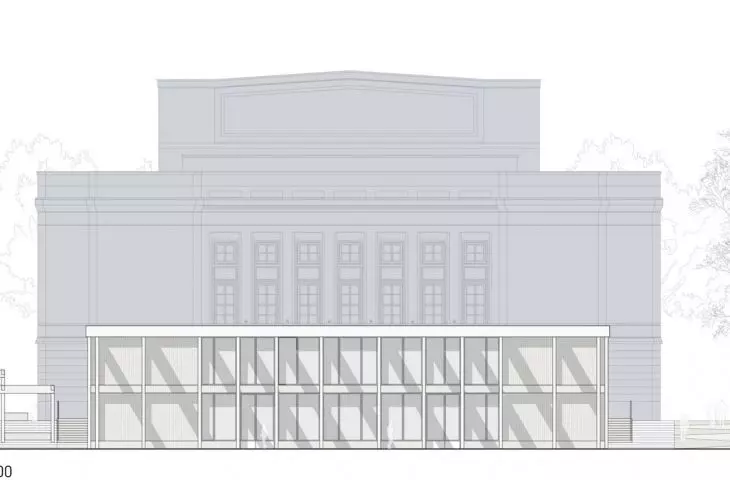
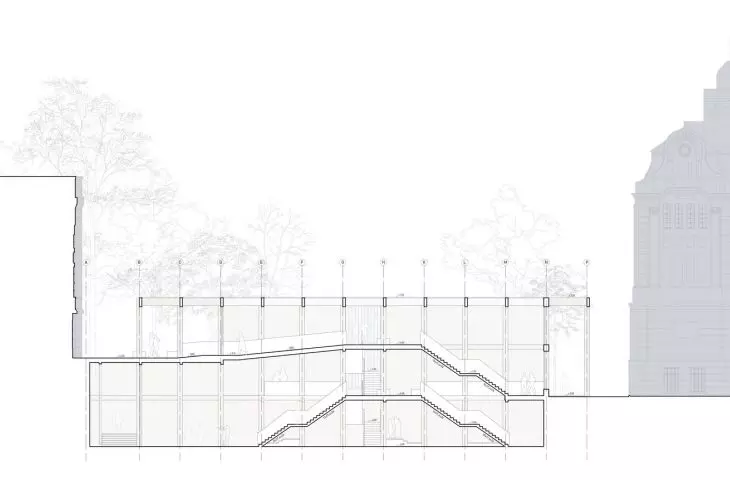
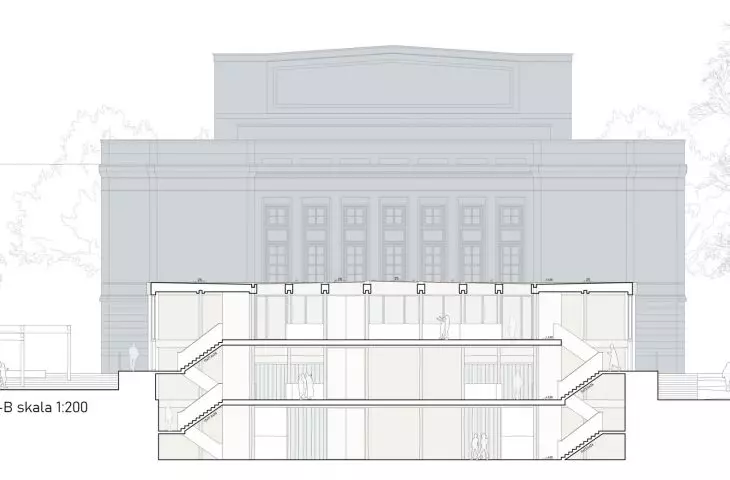
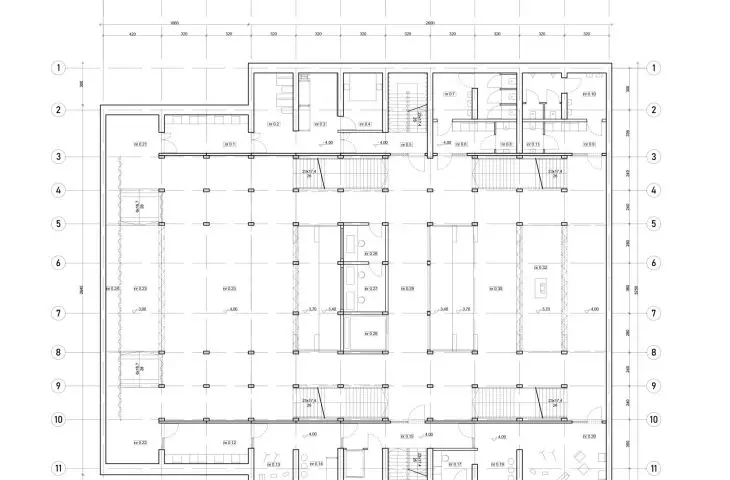

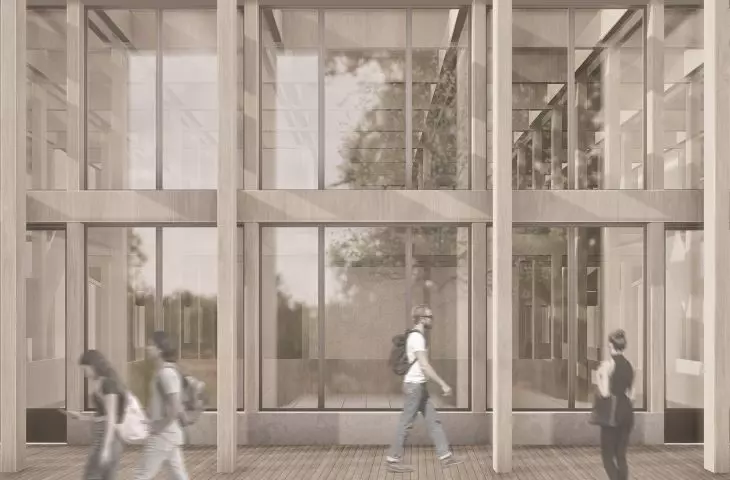
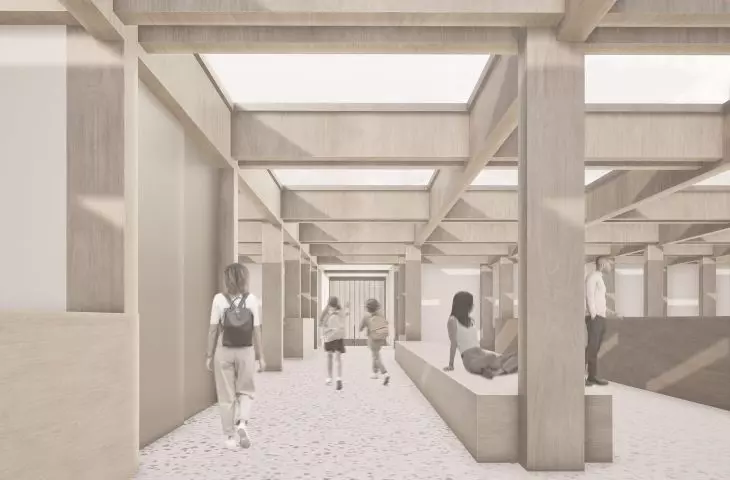
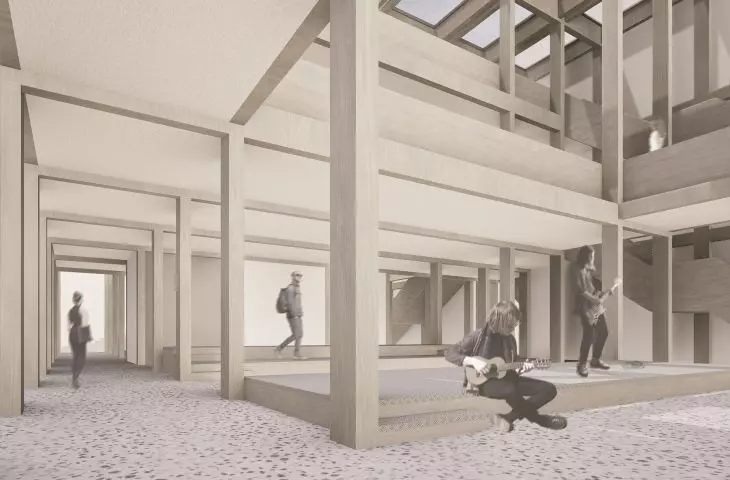
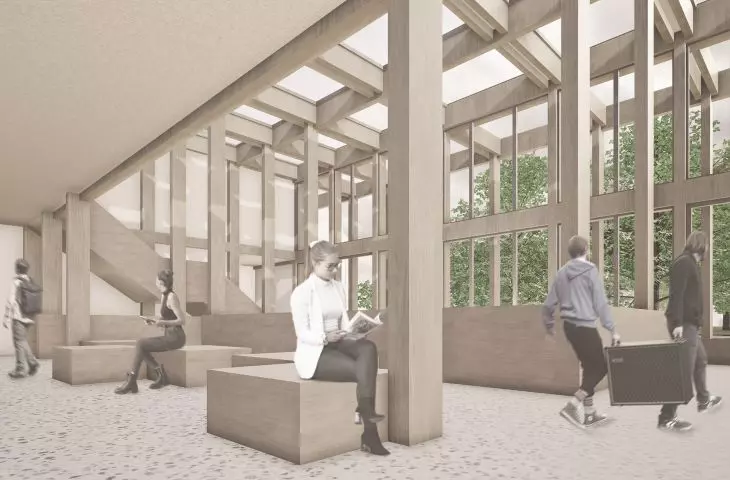
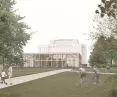


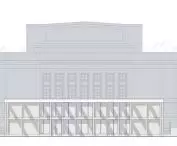
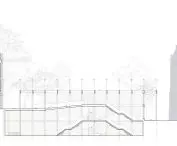
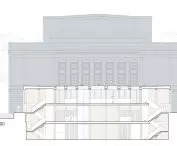
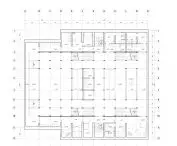


Can a contemporary philharmonic hall become a place for daily meetings, spontaneous concerts and open exchange of creativity? Aleksandra Sliwinska's project from Wroclaw University of Technology proposes an alternative view of the architecture of cultural institutions and the role of music in the city space. The engineering work involves expanding the premise of the Ignacy Paderewski Pomeranian Philharmonic in Bydgoszcz with a new Alternative Music Center - a space dedicated to improvised music, independent music and grassroots social initiatives. The project was developed under the direction of Dr. Lukasz Wojciechowski.
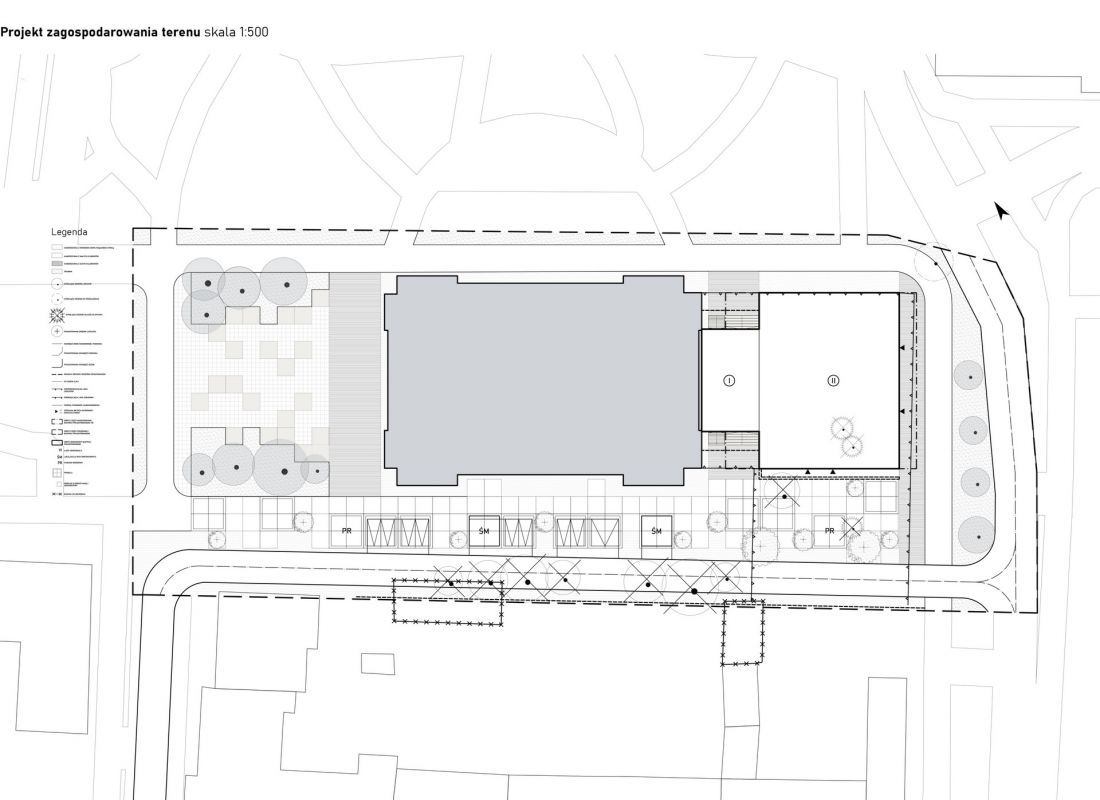
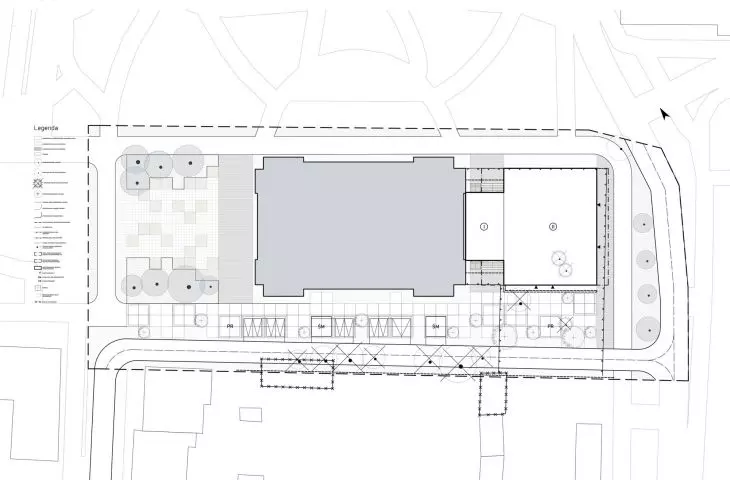
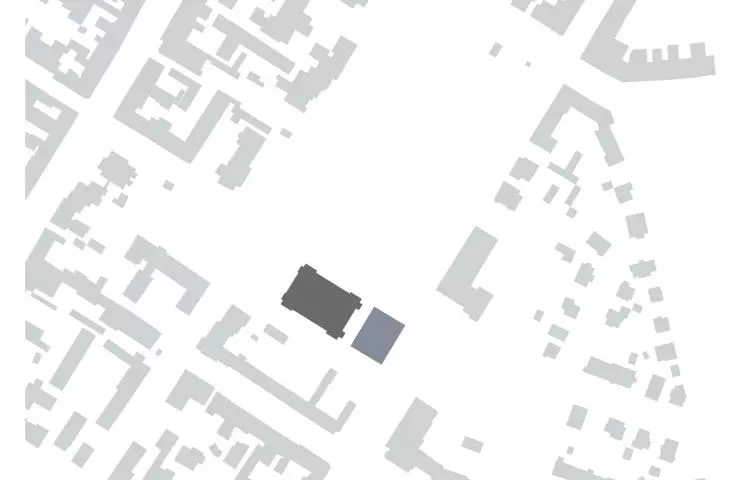
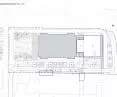
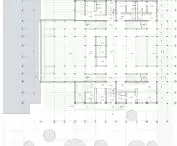
site development plan
© Aleksandra Sliwinska
architecture as a response to urban silence
The starting point for the project was the observation of the surroundings of the Pomeranian Philharmonic. As the author emphasizes, despite its central location and great cultural significance, the building remains closed and isolated from city life on a daily basis.
The monumental form of the building and the lack of open functions mean that the younger generation often does not identify with this place. The project of the Center for Alternative Music is intended to break down this barrier and return the music space to everyday activity. It is an architecture designed not around a single institution, but around users and their spontaneous activities.
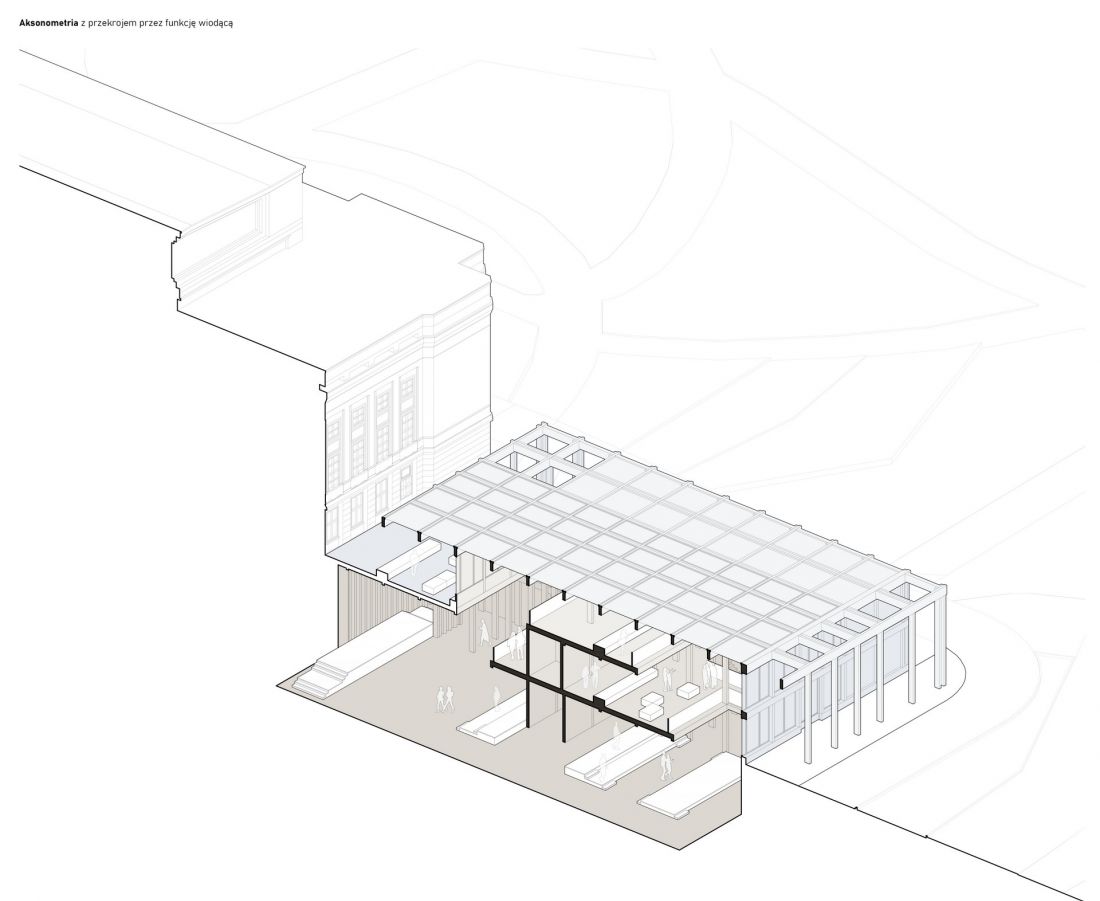
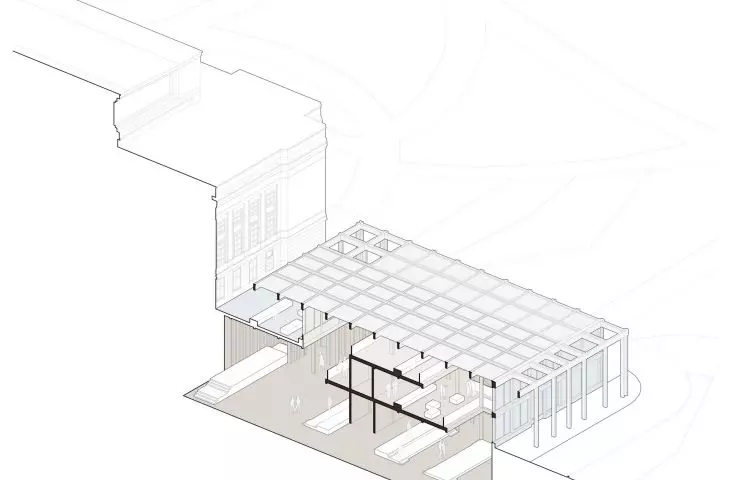
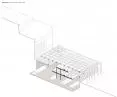
axonometry
© Aleksandra Sliwinska
a place for improvisation and free exchange
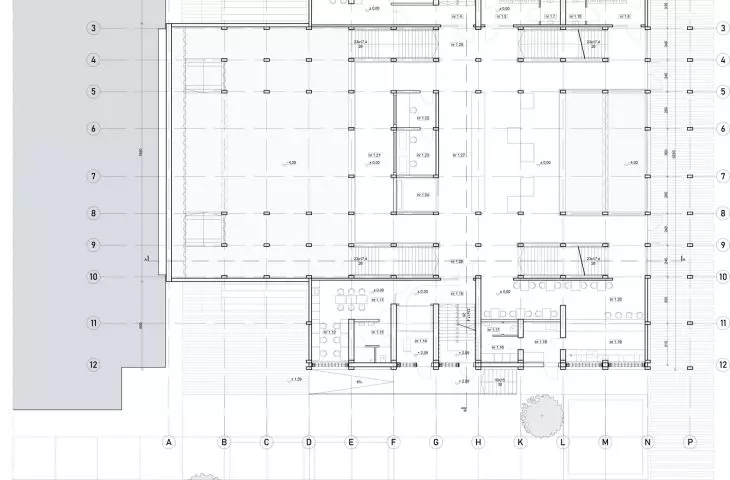
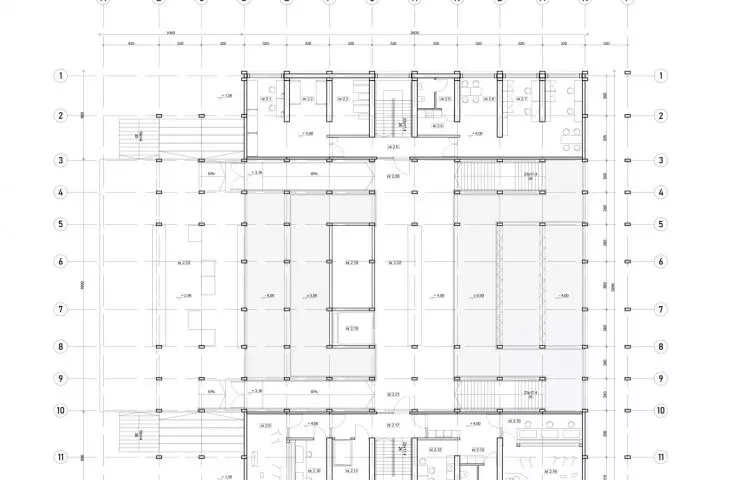
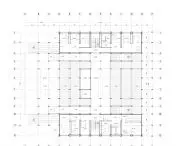
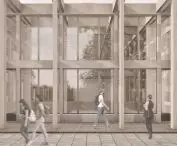
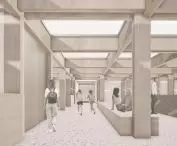
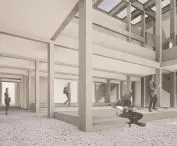
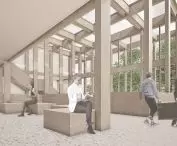
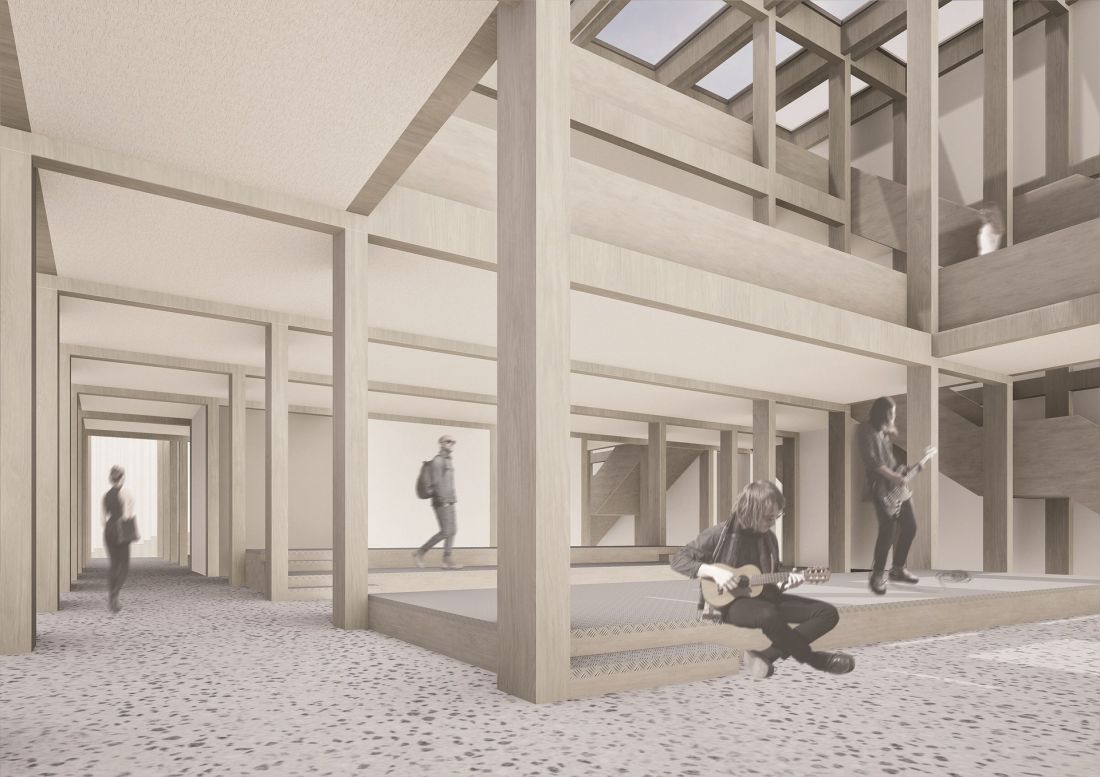
The concept is to create a complex of intimate concert halls for musical improvisations, experimental events and informal creative meetings.The functional program is complemented by spaces for rest, study, small catering and open meeting areas for residents, students and local organizations.
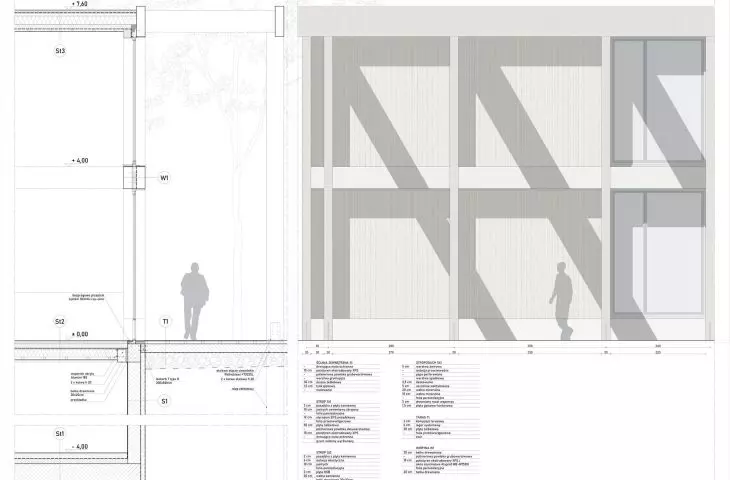
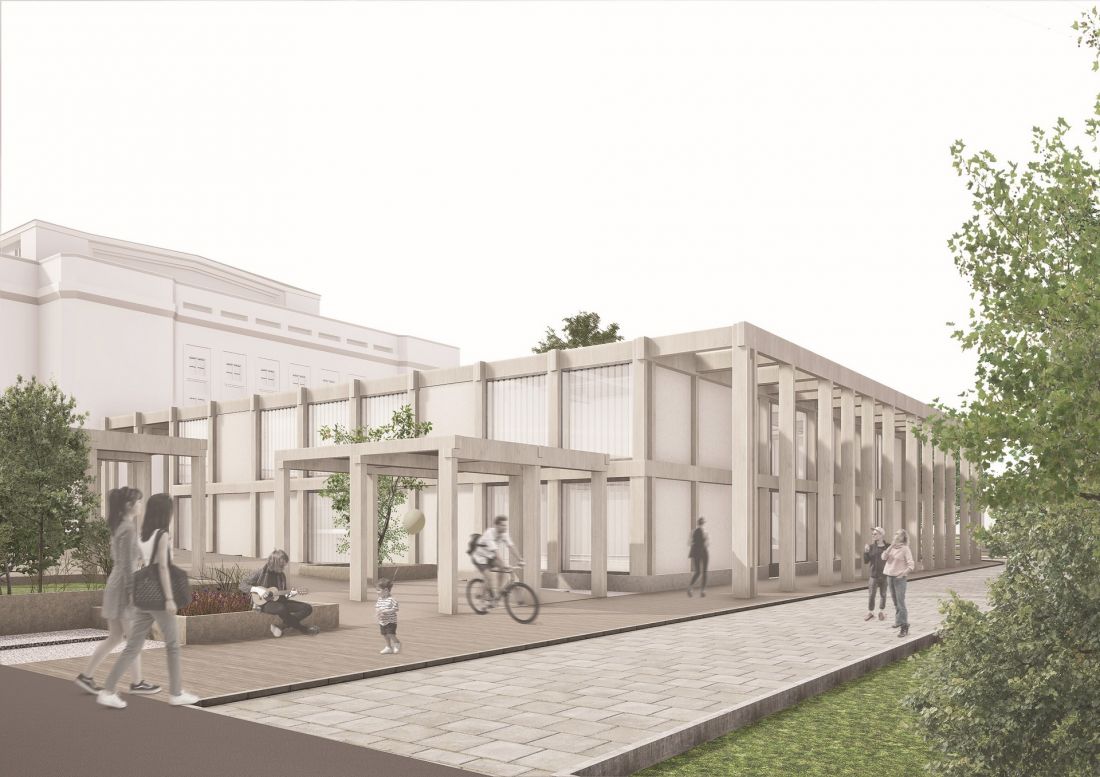
The building does not impose a single use - its character is intended to change with the activity of visitors. One moment it can function as a space for an alternative concert, and the next as a place for workshops, debates or local social initiatives.The author stresses that the most important design assumption was "the effect of human activity," and that the architecture itself is only to create a framework for user activity.
© Aleksandra Sliwinska
protest against closed architecture
The project is also a clear voice in the discussion of contemporary design of cultural institutions. Aleksandra Sliwinska refers to the planned expansion of the Pomeranian Philharmonic, which, according to current assumptions, would be hidden underground and supplemented with a parking lot.
In response, the author proposes open architecture, activating public space and strengthening social relations instead of another closed infrastructure. The project also calls for the revitalization of Krzysztof Penderecki Square and the revitalization of the entire Music District through the creation of new spaces for urban activity.
© Aleksandra Sliwinska
a modern interpretation of the city's musical identity
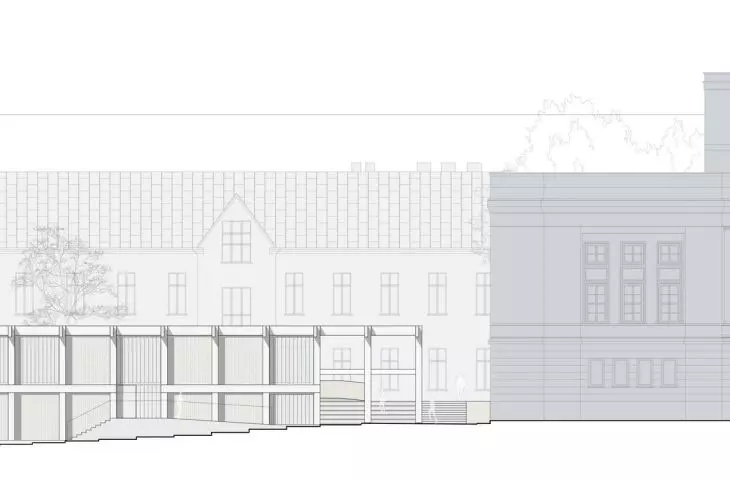
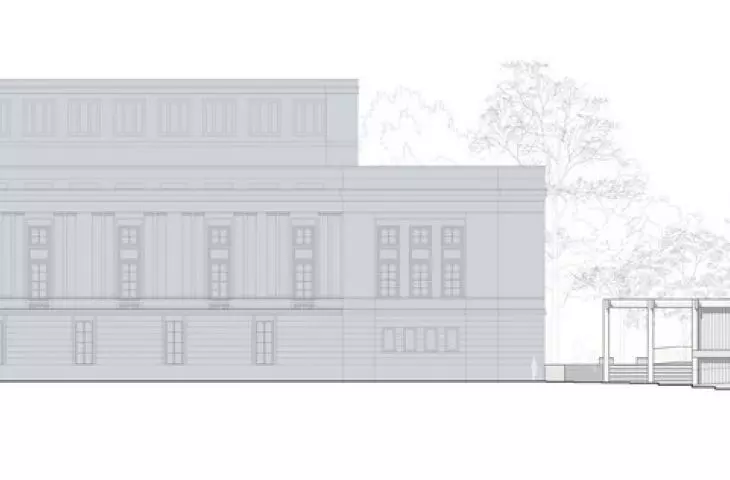
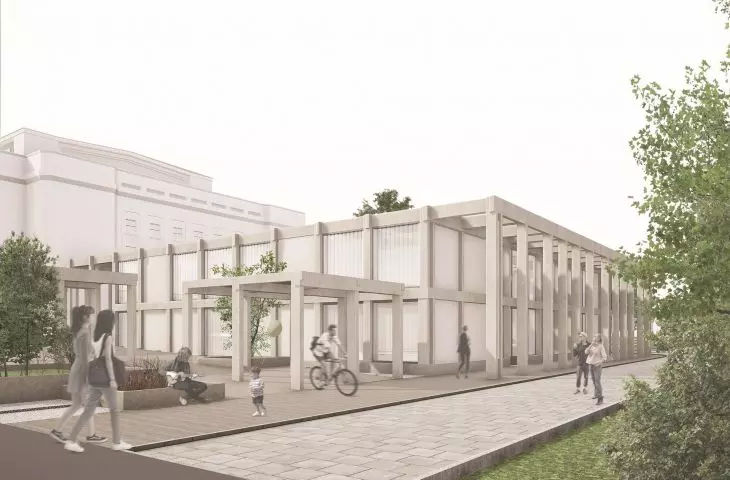
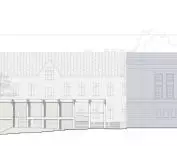
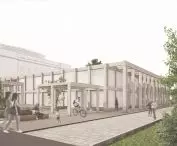
The Alternative Music Center was conceived as a contemporary addition to the historical and urban context of Bydgoszcz - a city strongly associated with musical culture.
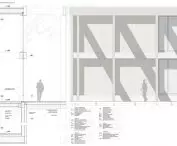
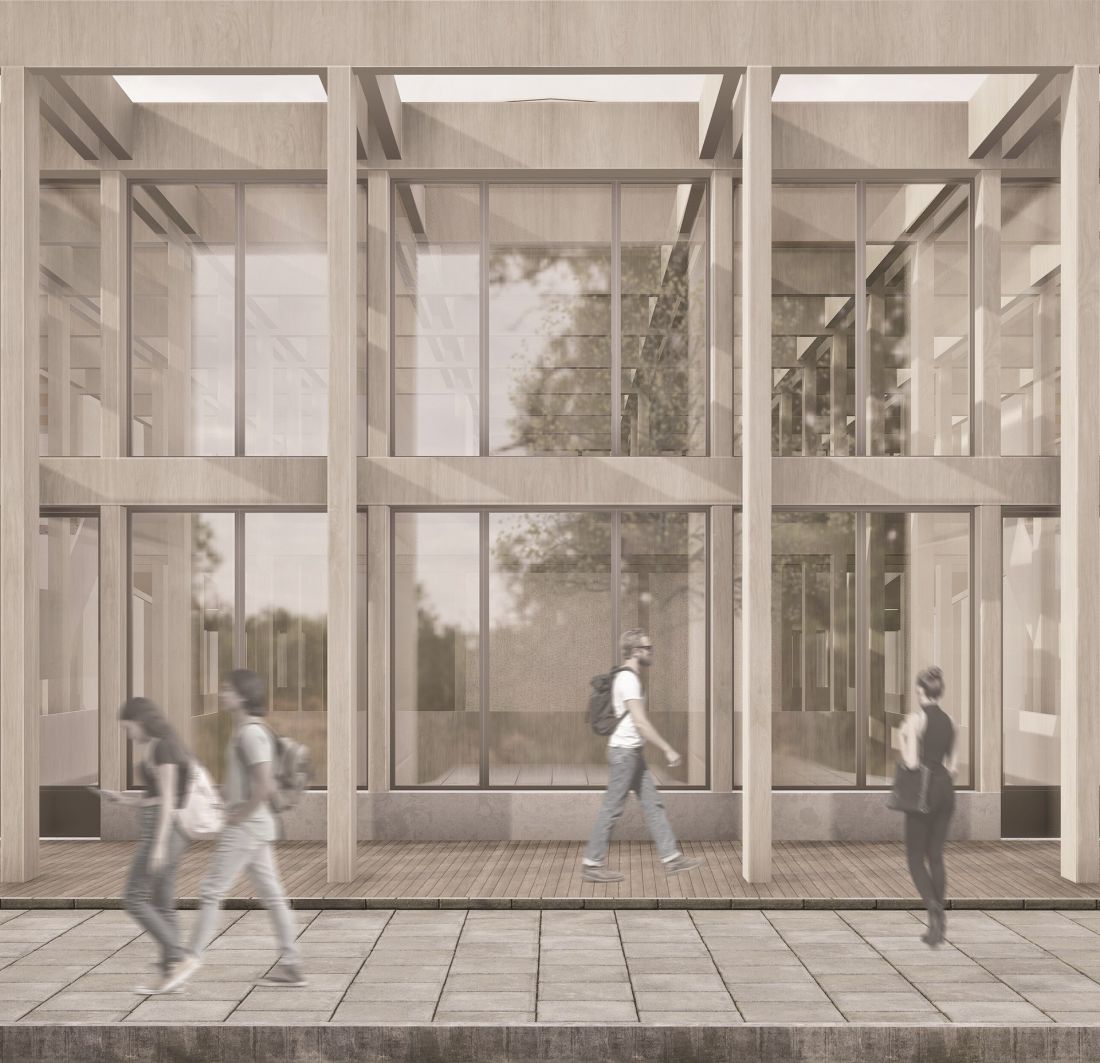
The body of the building is a modern interpretation of the local urban divisions and the musical heritage of the city. The building closes important view axes and becomes a new architectural accent of the Music District.
© Aleksandra Sliwinska
The project shows that cultural institutions can operate differently - more openly, flexibly and socially. Instead of monumental silence, there is an architecture that is alive with the rhythm of the city and the people.