



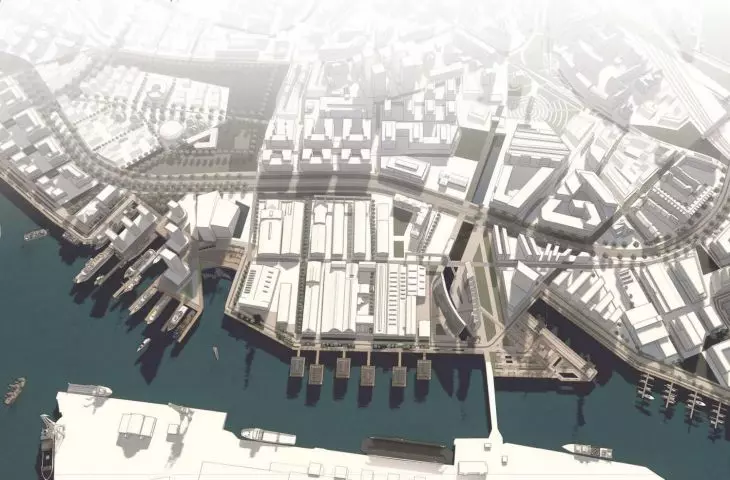
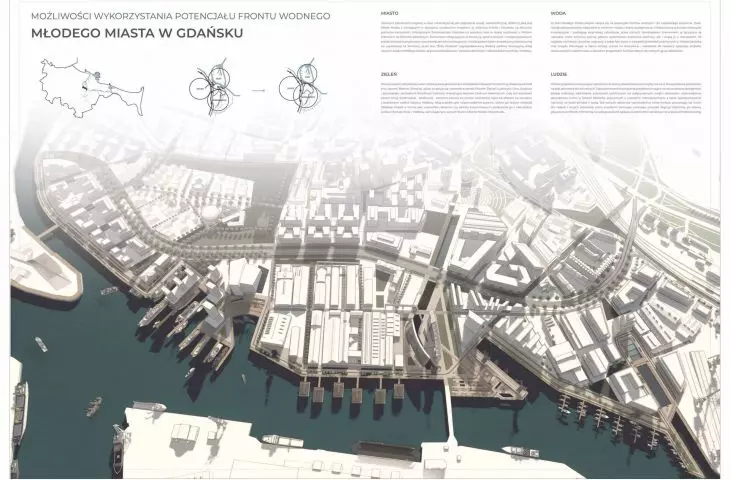
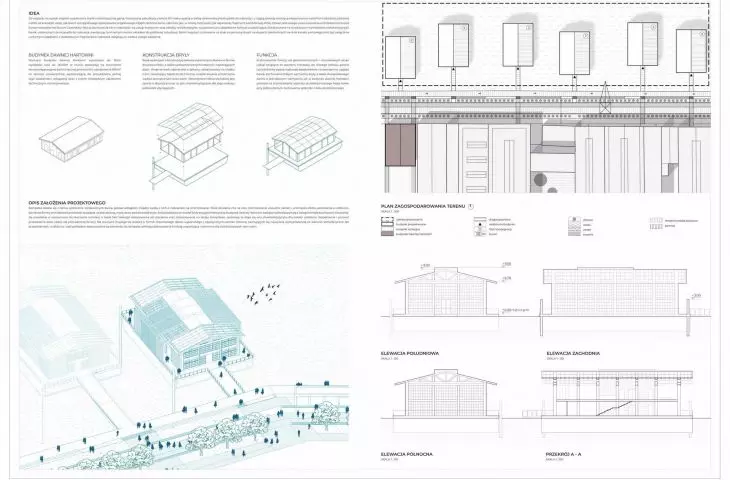
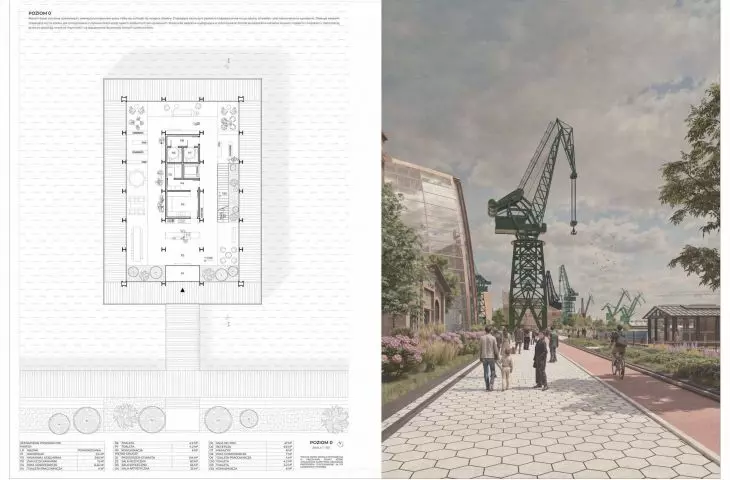
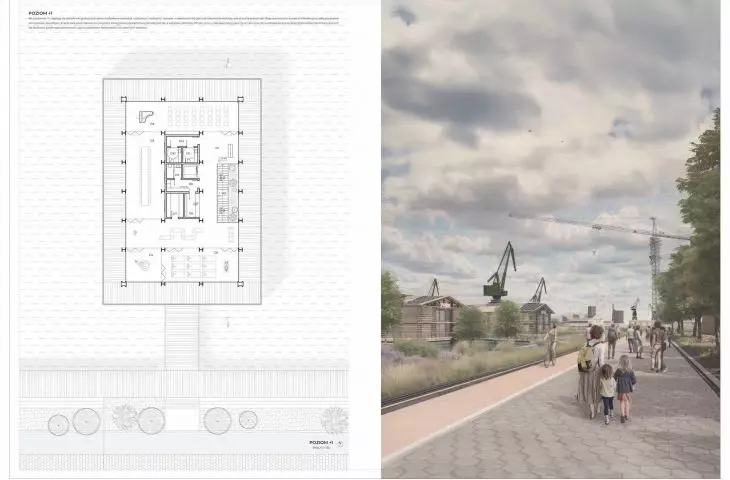
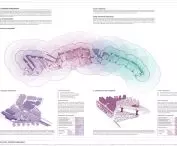
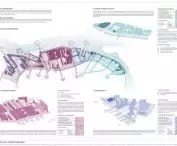
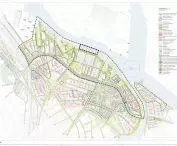
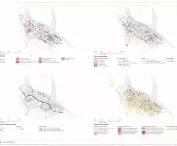
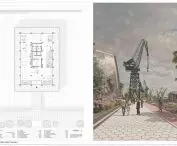
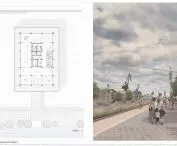

During the 7th Polish Urban Planning Congress in Gliwice, Małgorzata Okrój, a graduate of the Faculty of Architecture at Gdańsk University of Technology, received the Polish Society of Urban Planners’ award in the competition for the best thesis. “Possibilities for Utilizing the Water Potential of Młode Miasto in Gdańsk” is a proposal to transform the waterfront areas of the city’s developing multifunctional district and to integrate them more closely with Gdańsk’s existing urban structure. The thesis was supervised by Prof. Piotr Lorens.
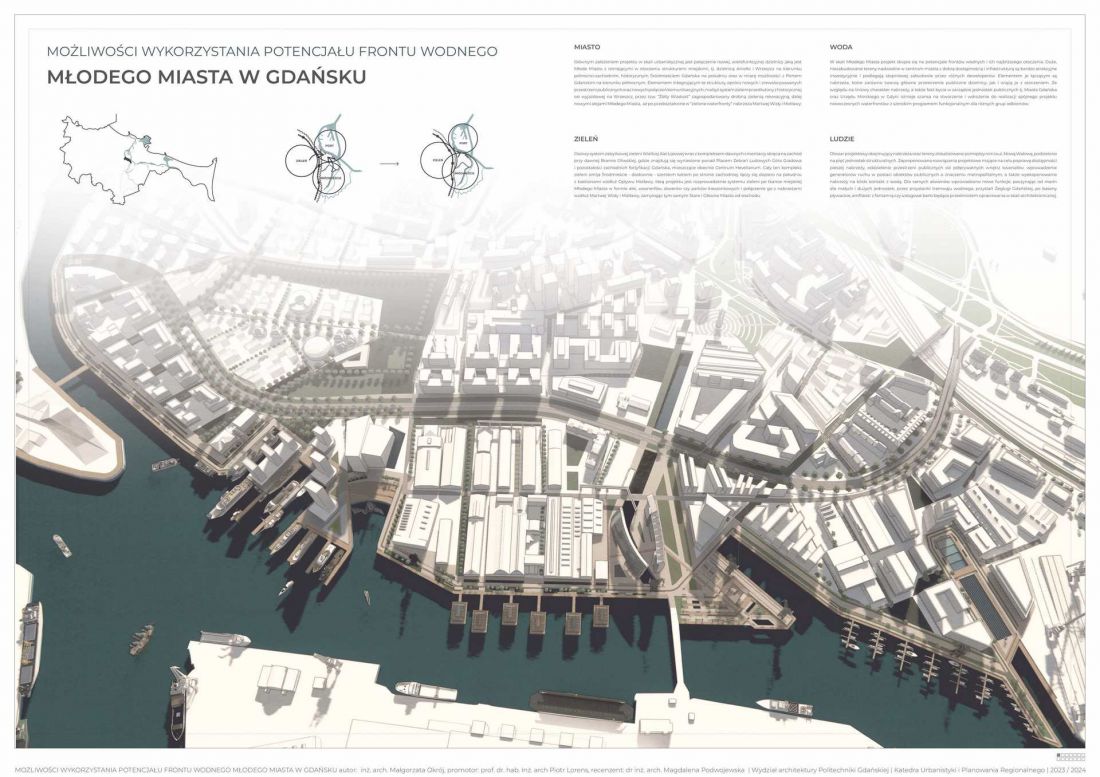
© Małgorzata Okrój
Toward a New Waterfront
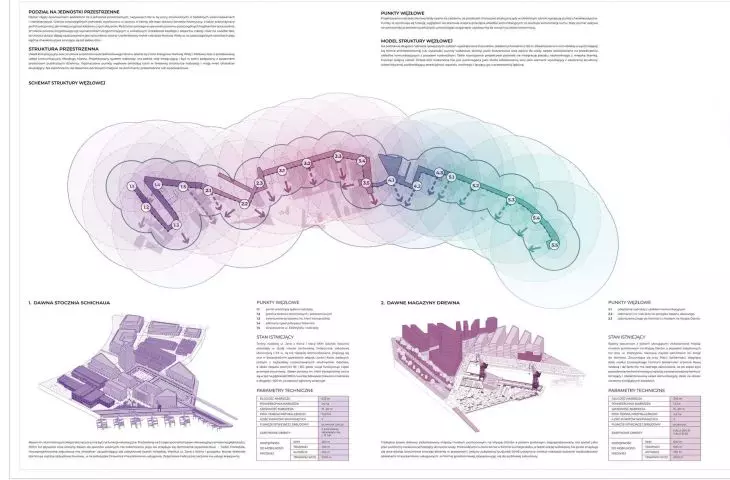
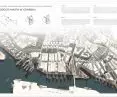
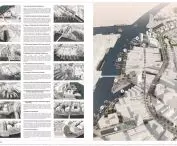
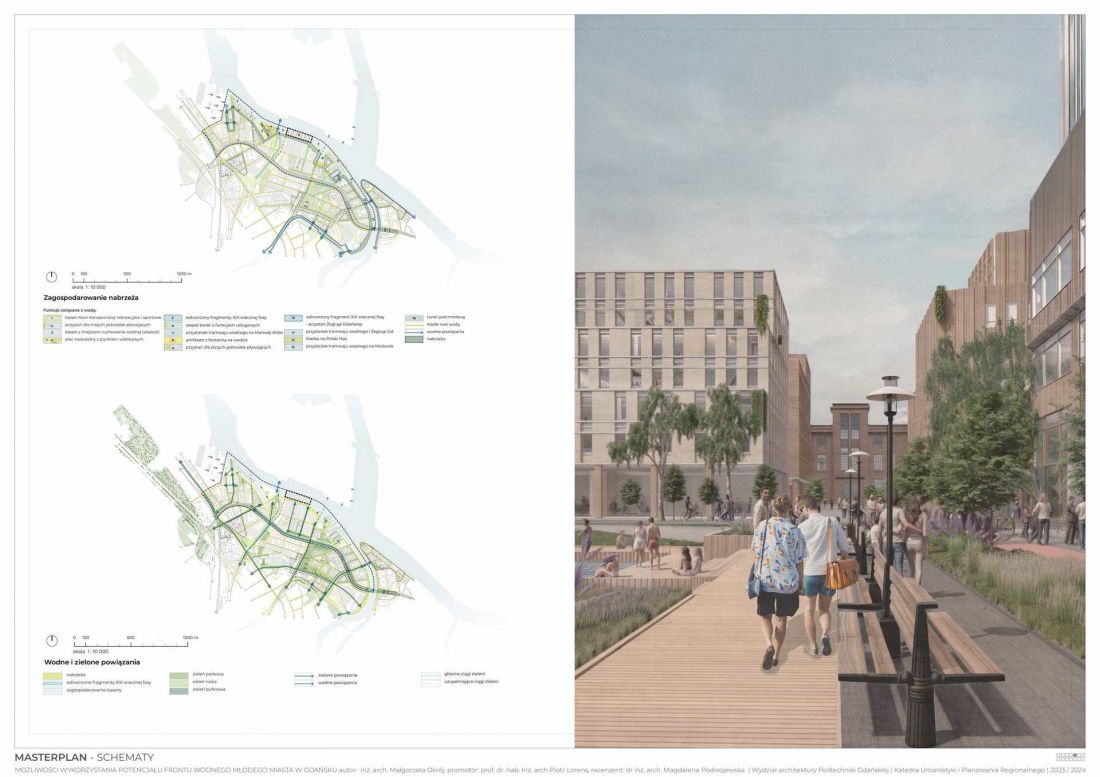
The subject of the thesis is Młode Miasto in Gdańsk, whose potential the author analyzes primarily in the context of its relationship with water. One of the project’s main objectives is to shape a waterfront that not only organizes the space of the developing part of the city but also connects it to existing urban structures, particularly the historic downtown.
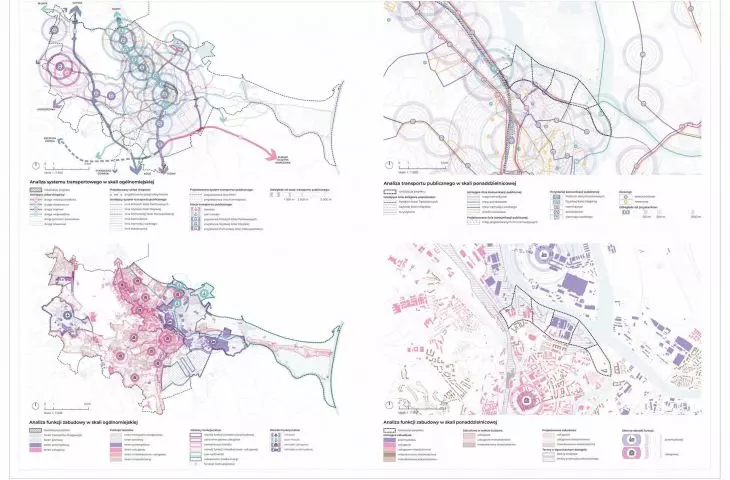
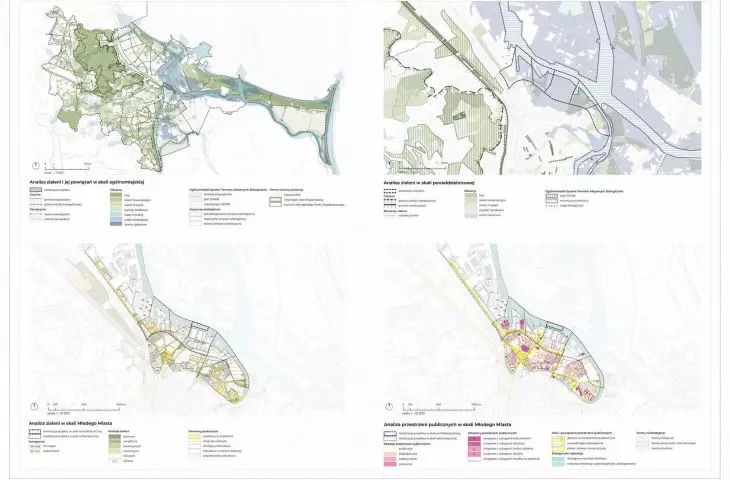
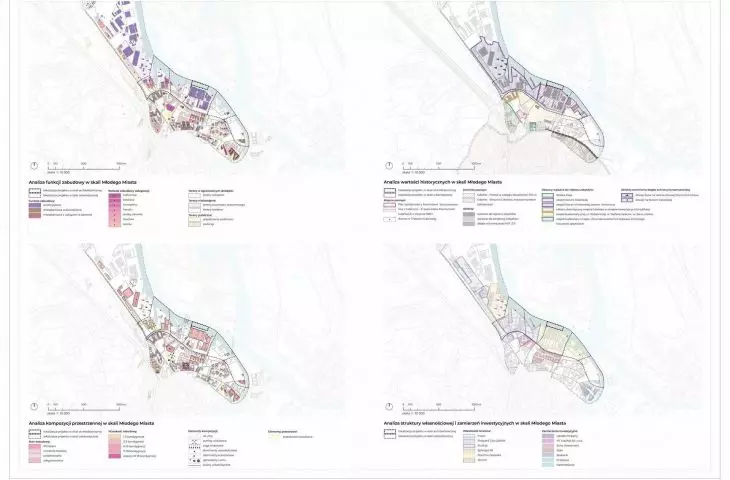
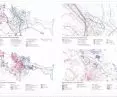
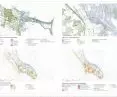
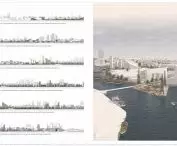
The design proposals were preceded by extensive research on the existing conditions and analyses of European waterfront developments of a similar scale of investment. This made it possible to compare local conditions with examples of contemporary waterfront design and develop solutions tailored to the specific character of Młode Miasto.
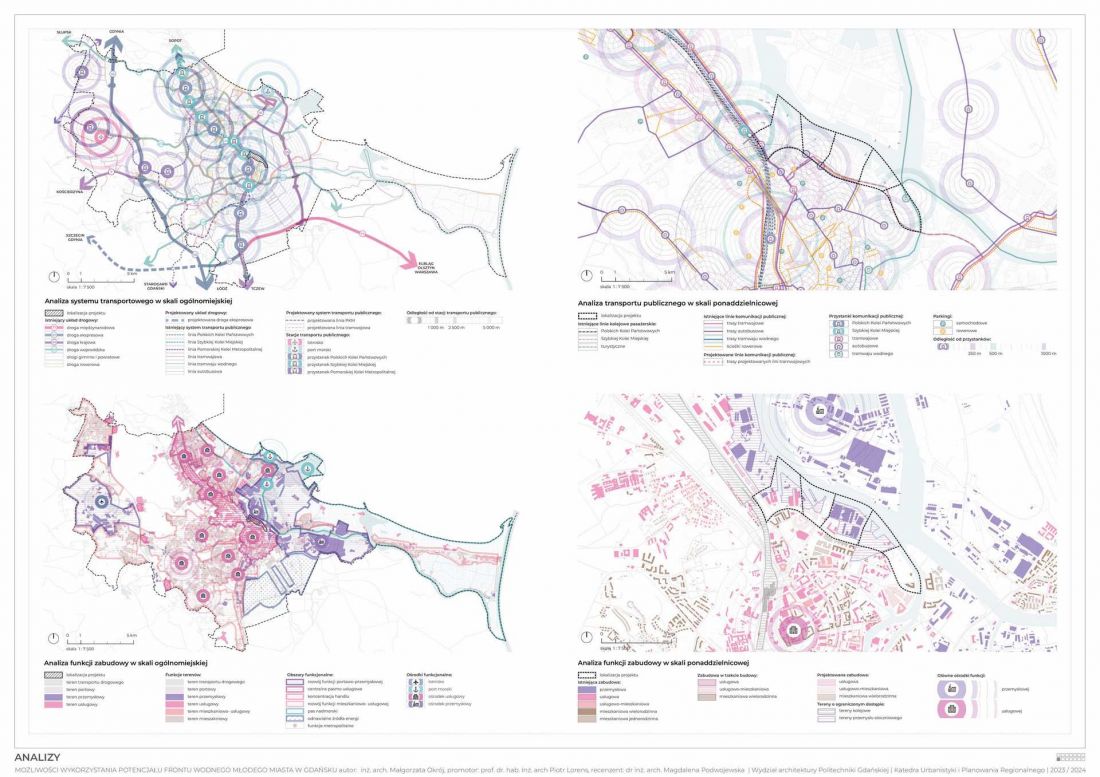
© Małgorzata Okrój
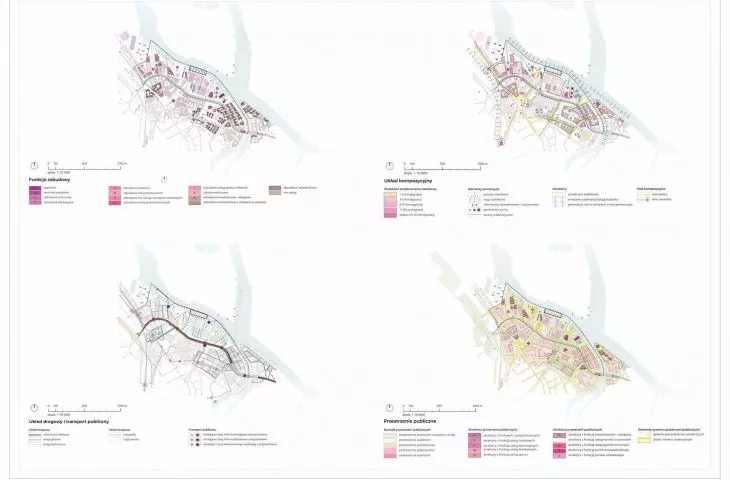
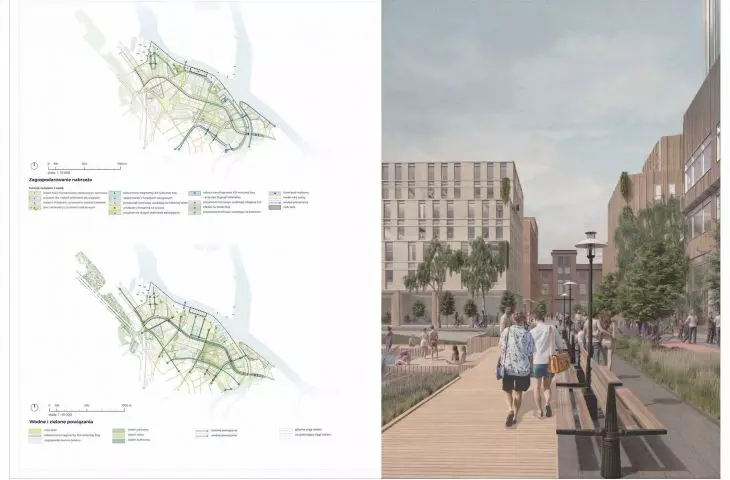
transportation, green spaces, and water
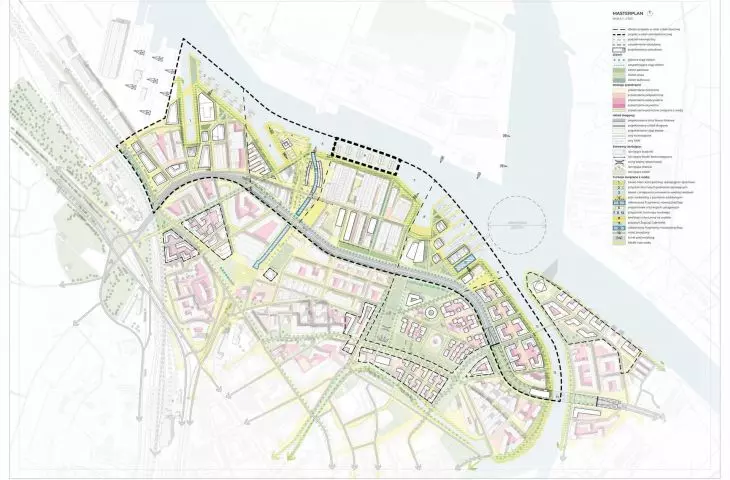
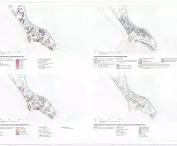
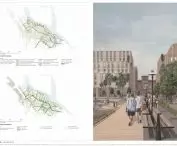
A key element of the concept is new transportation links designed to strengthen connections between Młode Miasto and the rest of Gdańsk. A well-developed and cohesive green space system also plays a key role, serving as one of the elements that integrate the various urban structures. The third pillar of the concept is a modern waterfront. The architect proposes using it not only as a representative space but also as a venue for a broad program of activities aimed at various audiences. Water thus becomes one of the fundamental elements organizing the future functioning of this part of the city.
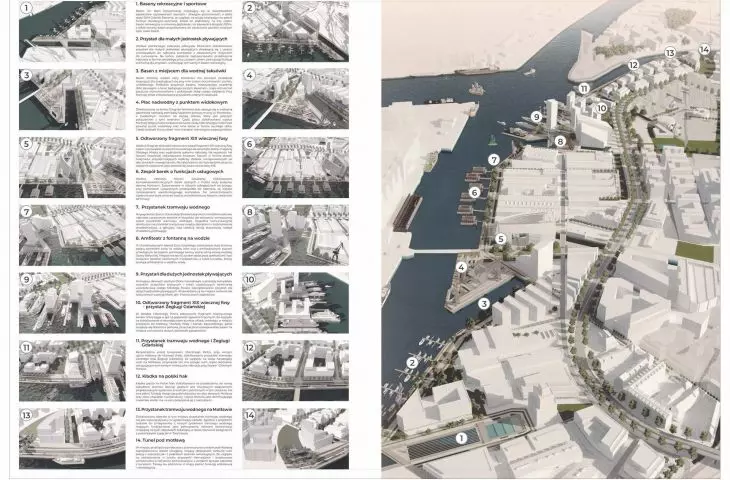
Water as a Space for New Functions
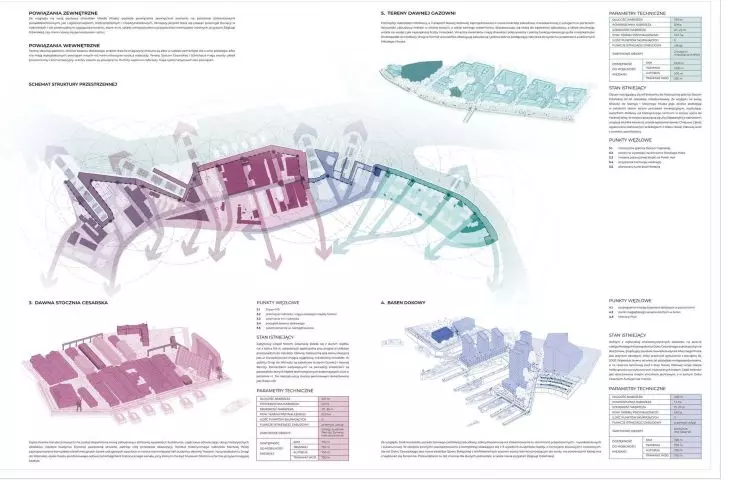
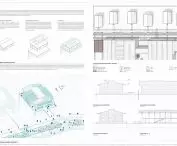
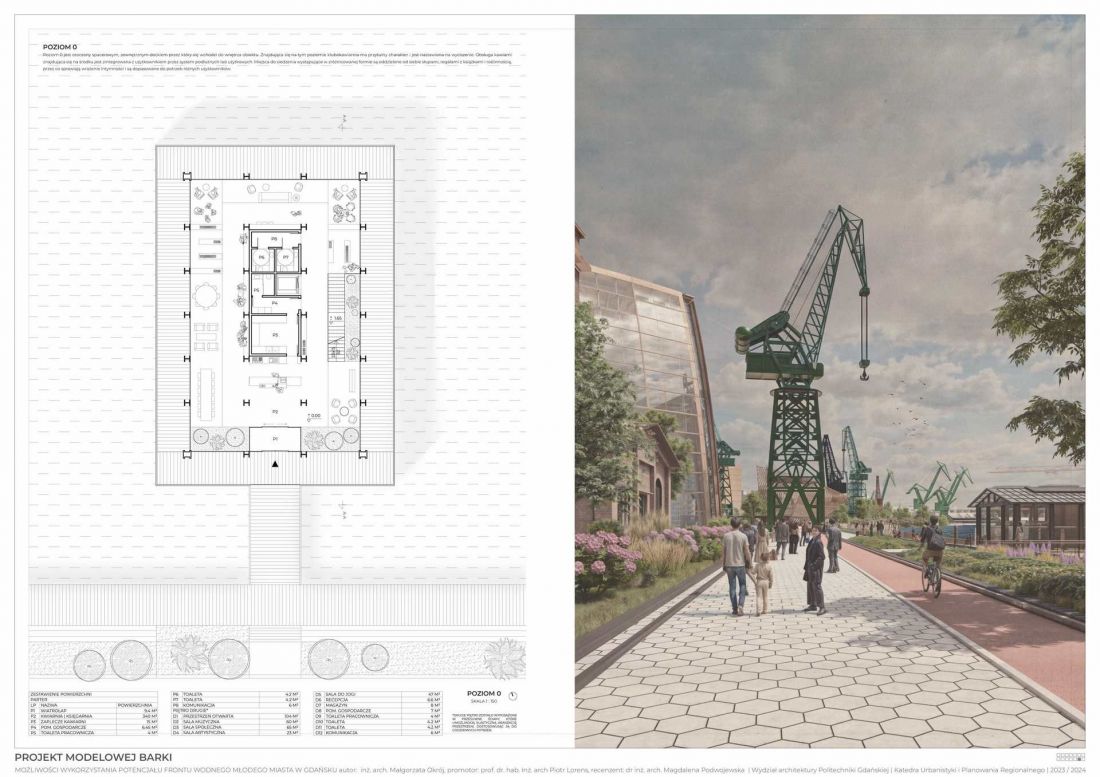
One of the most interesting aspects of the project is the proposal to use the water itself as a space to locate certain functions that could contribute to the revitalization of the area. This solution broadens the way we think about waterfronts—water is not merely a boundary between land and buildings, but can be integrated into the functional structure of the designed area.
© Małgorzata Okrój
Małgorzata Okrój’s concept thus aims to create a diverse urban environment in which public spaces, transportation, green spaces, and water-related functions complement one another.
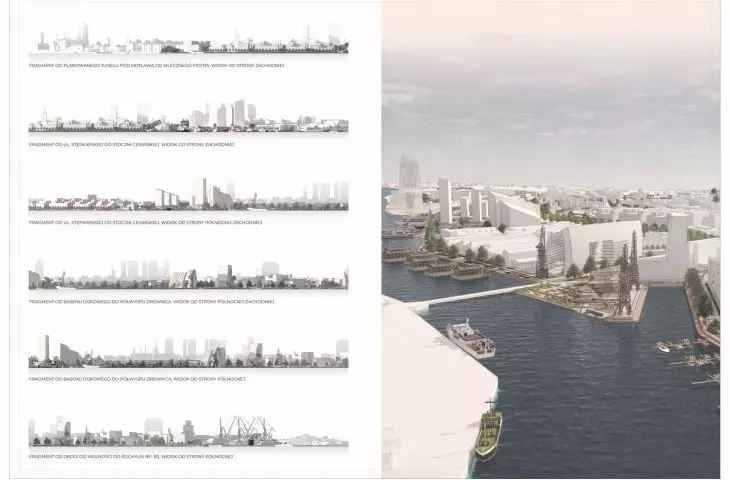
Between History and the Present
The project to transform the Młode Miasto waterfront also addresses the relationship between cultural and historical heritage and contemporary spatial proposals. The new solutions are intended to be integrated with existing structures, rather than functioning as an independent part of the city.
It was precisely the skillful and apt formulation of the proposal for shaping the waterfront and its integration with the existing urban fabric that was recognized by the jury of the Polish Society of Urban Planners competition. In its rationale, the jury also highlighted the relevance of the issue, the broad approach to the topic, and the interesting design proposals.
The project as a voice in the discussion about Młode Miasto
The award-winning entry is an attempt to view Młode Miasto as an area whose development requires simultaneous consideration of existing urban structures, new connections, the green space system, and the potential of waterfront areas. Małgorzata Okrój’s project proposes treating the waterfront as a key element of the future structure of this part of Gdańsk.
© Małgorzata Okrój
Thanks to its wide range of analyses and design proposals, the concept can contribute to the discussion on the further development of Młode Miasto and how to harness its waterfront potential.