




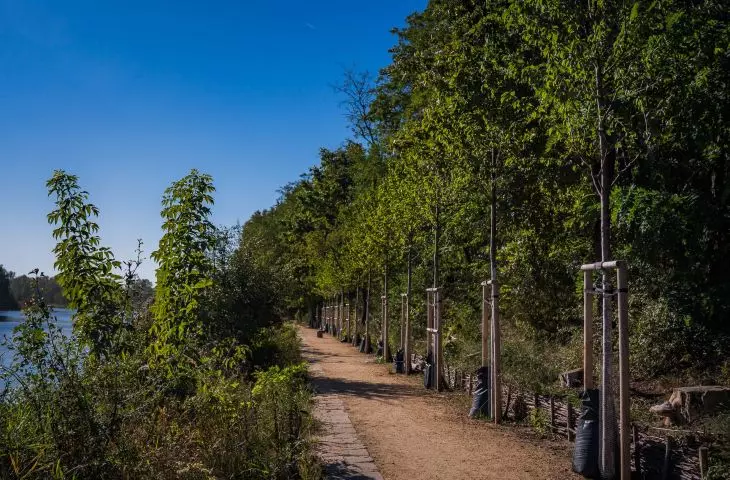
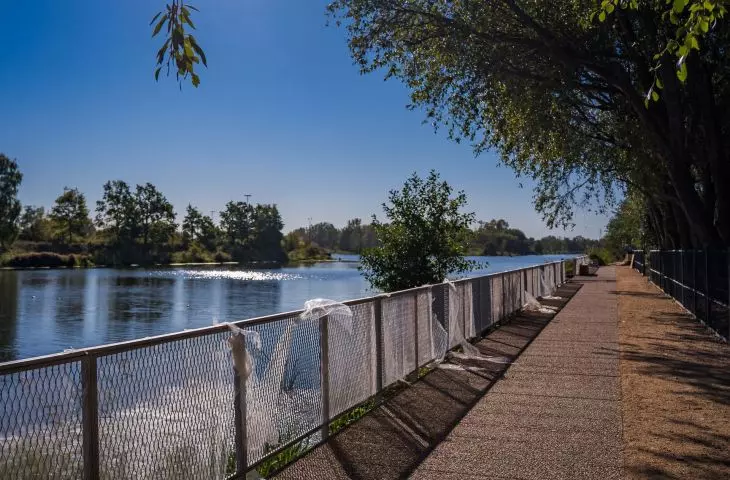
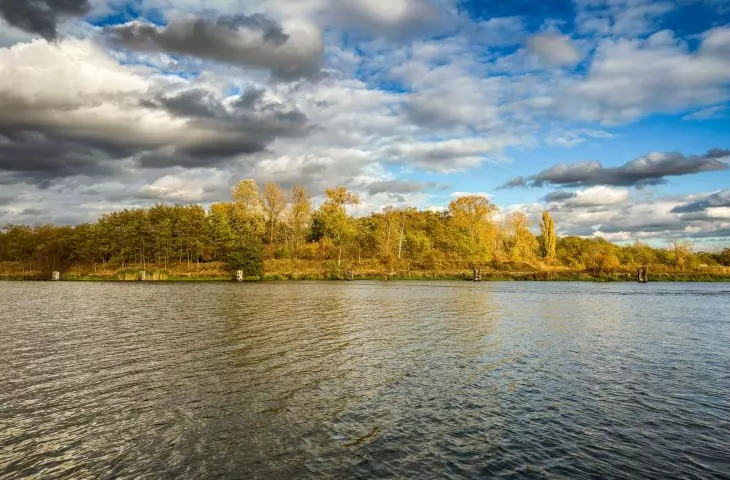
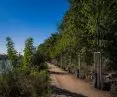
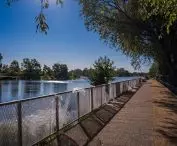
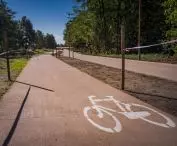
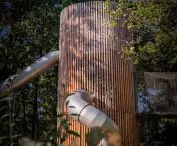
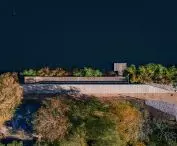
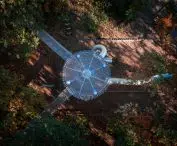
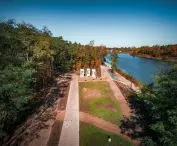

Żeranski Park is the second green space that Warsaw has recently gained thanks to the joint efforts of topoScape and Archigrest studios, working this time with Hubert Trammer and Natalia Trochnowicz. The studios once again confronted the history of the site included in the design process - this time, however, it was not about the Second World War destruction, but the slow degradation that was changing the abandoned, post-industrial area. Warsaw's Zeranski Park, although accessible to the curious for a dozen days or so, lived to see its official opening last weekend. What are your first impressions of Warsaw's only park with access to the shoreline?
Until 1989, a prefabricated building elements factory "Faelbet" operated in Białołęka, near the Zeran Canal. Zeranska Factory of Concrete Elements "Faelbet" produced the famous Zeran slabs and ceilings, which were used to build thousands of apartments during the communist period. With the twilight of the system (both political and prefabricated), the demand for concrete elements declined, and the activity of the "Faelbet" factory was extinguished. The post-industrial site slowly fell into disrepair, reclaimed by unregulated nature.
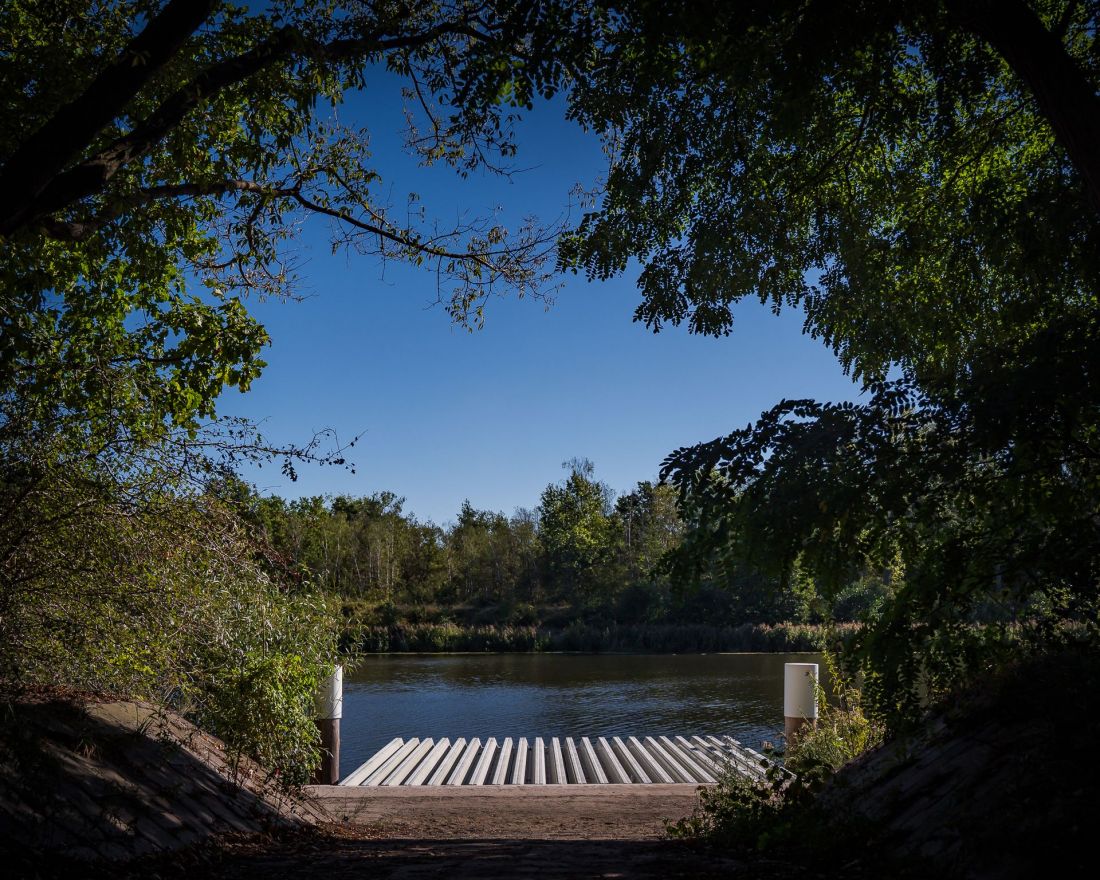
Zeranski Park in Warsaw is now open! - proj.: topoScape, Archigrest, Hubert Trammer
photo: Krzysztof Babicki © ZZW
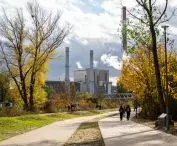
This one suffered after 2016, when construction of a gas pipeline feeding the Żerań thermal power plant began in the area. As a result of the construction, several thousand trees were cut down along a 10-kilometer stretch of the new pipeline, which, due to regulations, can never again be replaced by new specimens at this location. "Appropriation" of green space by the pipeline was to be compensated by a new park. Today, in 2025, the compensation has been paid. What is the Zeranski Park like?
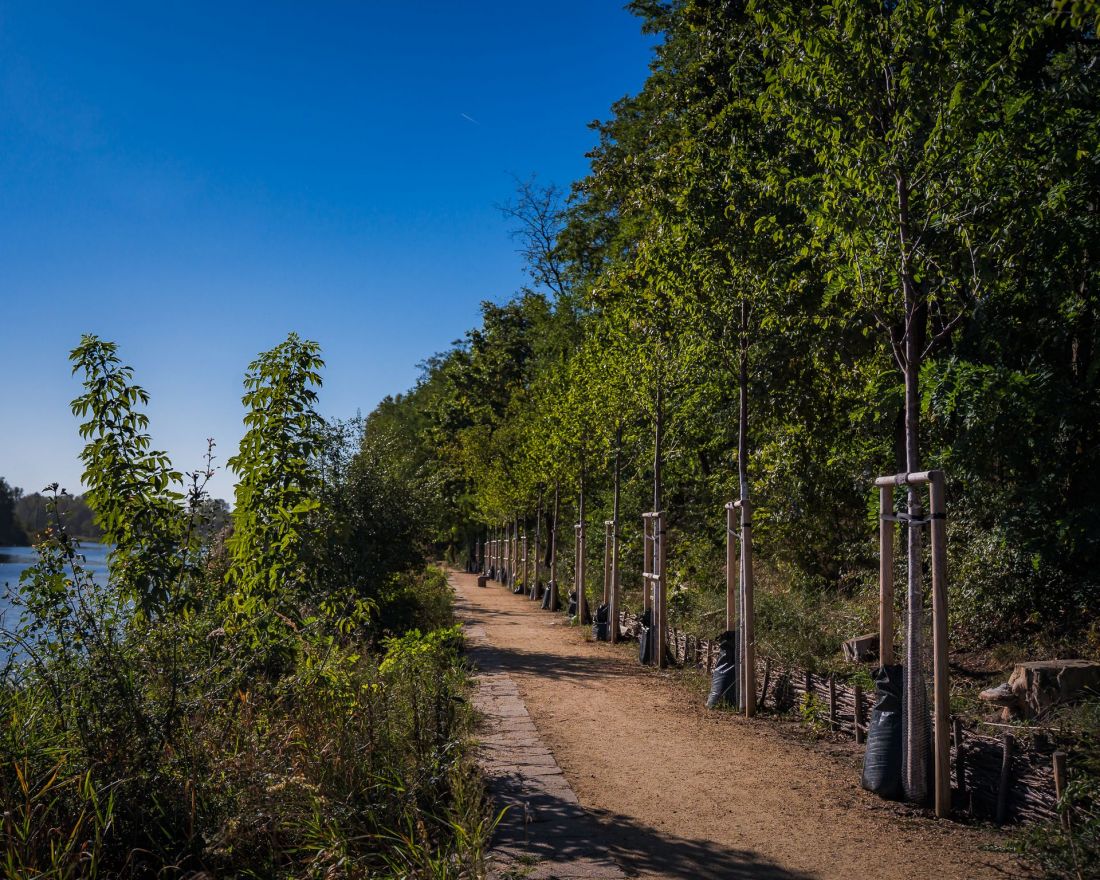
Zeranski Park in Warsaw is open! - proj.: topoScape, Archigrest, Hubert Trammer
photo: Krzysztof Babicki © ZZW
Warsaw has another park from the competition
Żeranski Park was created according to a concept prepared by a team consisting of two studios - Archigrest and topoScape - and two architects, Hubert Tram mer and Natalia Trochnowicz. The project will win in a competition organized by the Warsaw Greenery Board, to be decided in spring 2019.
The award was given for a thorough analysis of the site and proposing solutions that emphasize its unique character, as well as for a comprehensive and exhaustive solution to the concept of the vegetation cover, in keeping with the natural processes involved in nature's recovery of the site. The work also appreciated the proper solutions for the park's transportation service and the proposed forms of architectural objects as open structures integrated with the park's greenery.
- we read in the justification of the Competition Jury working under the chairmanship of Marcin Brataniec
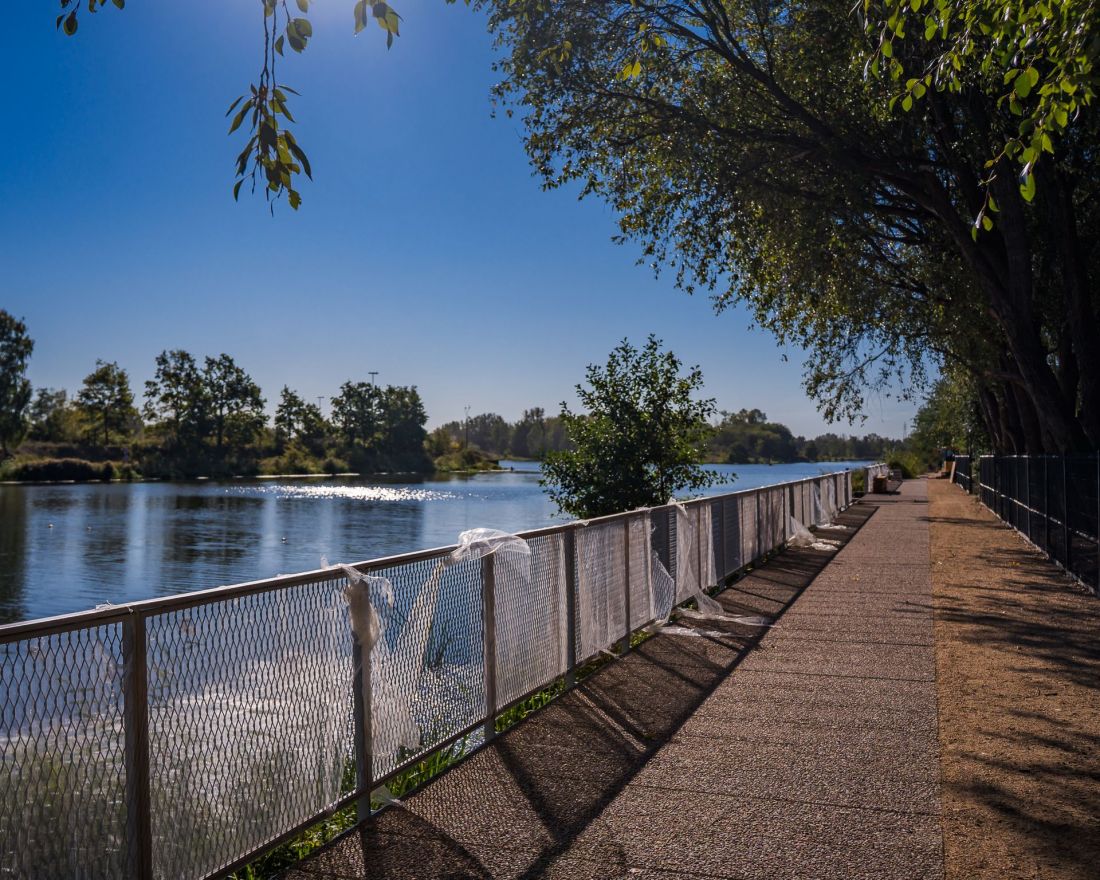
Żerań Park in Warsaw is open! - proj.: topoScape, Archigrest, Hubert Trammer
photo: Krzysztof Babicki © ZZW
fourth nature, i.e. mosses, weeds and bushes
As in the case of the Storm Action Park, the main role in Zeranski Park is played by the so-called "fourth nature," i.e. that which develops spontaneously on degraded areas previously used by humans.
Zeranski Park in Warsaw is open! - proj.: topoScape, Archigrest, Hubert Trammer
photo: Krzysztof Babicki © ZZW
The fourth nature, as Professor Piotr Skubala says, does not mean the worst one, but it is the one that we have dealt with very little, or even treated as of little value and not worth our attention or research. It includes wastelands and areas degraded by man, which nature is slowly colonizing.
- Kasper Jakubowski said in an interview with Wiktor Bochenek.
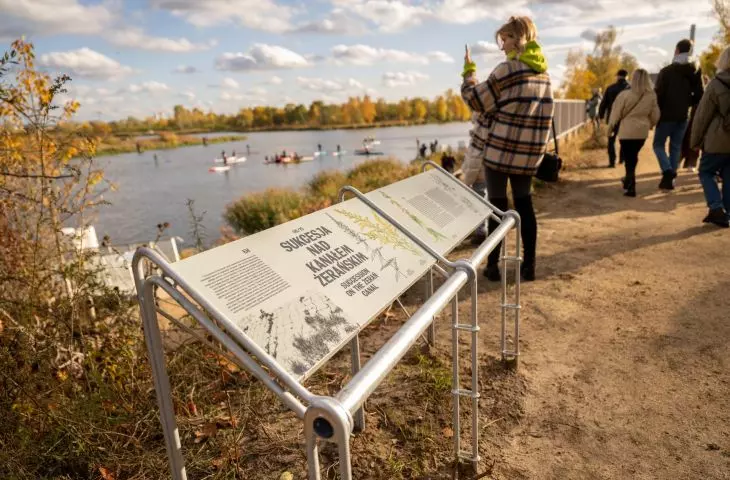
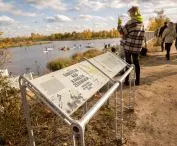
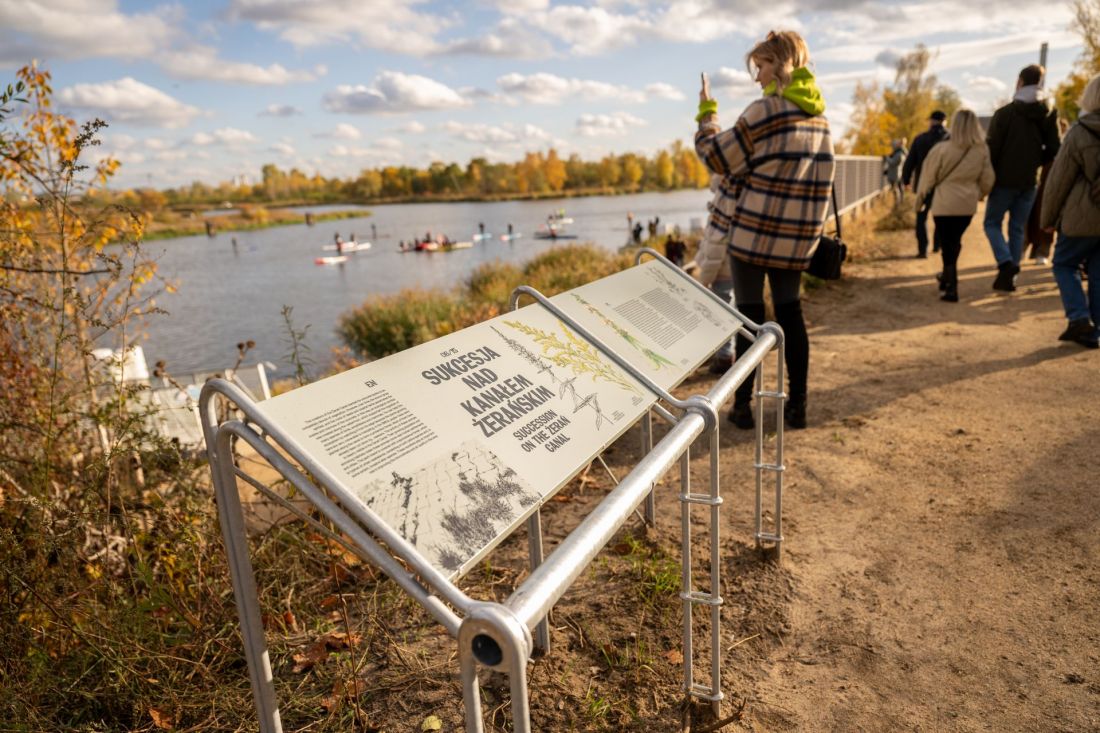
A central topic related to the fourth nature is the so-called succession, i.e. the gradual replacement of species in post-industrial areas. In Żerań Park it has become a subject of observation by architects, but also a subject of education, directed to park visitors - as in the case of the Storm Action Park, information about succession can be found, for example, on special infographics embedded in elements of small architecture of the new space in Żerań.
Zeran Park in Warsaw is now open! - proj.: topoScape, Archigrest, Hubert Trammer
photo: Rafał Motyl © UM Warszawa
un-transformed area
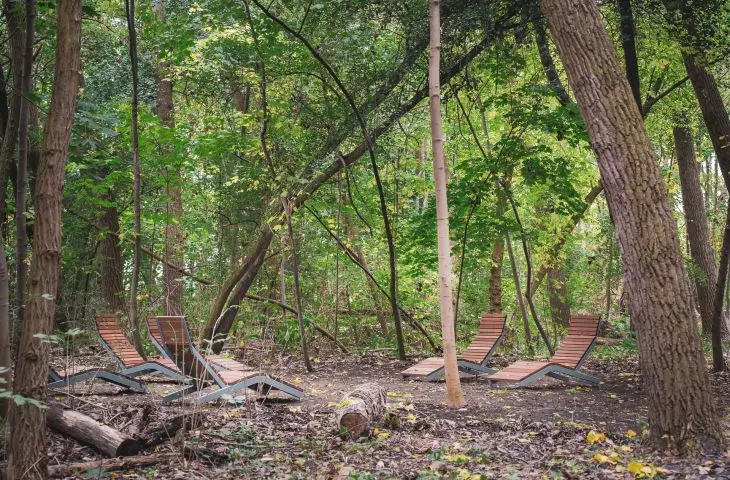
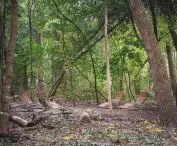
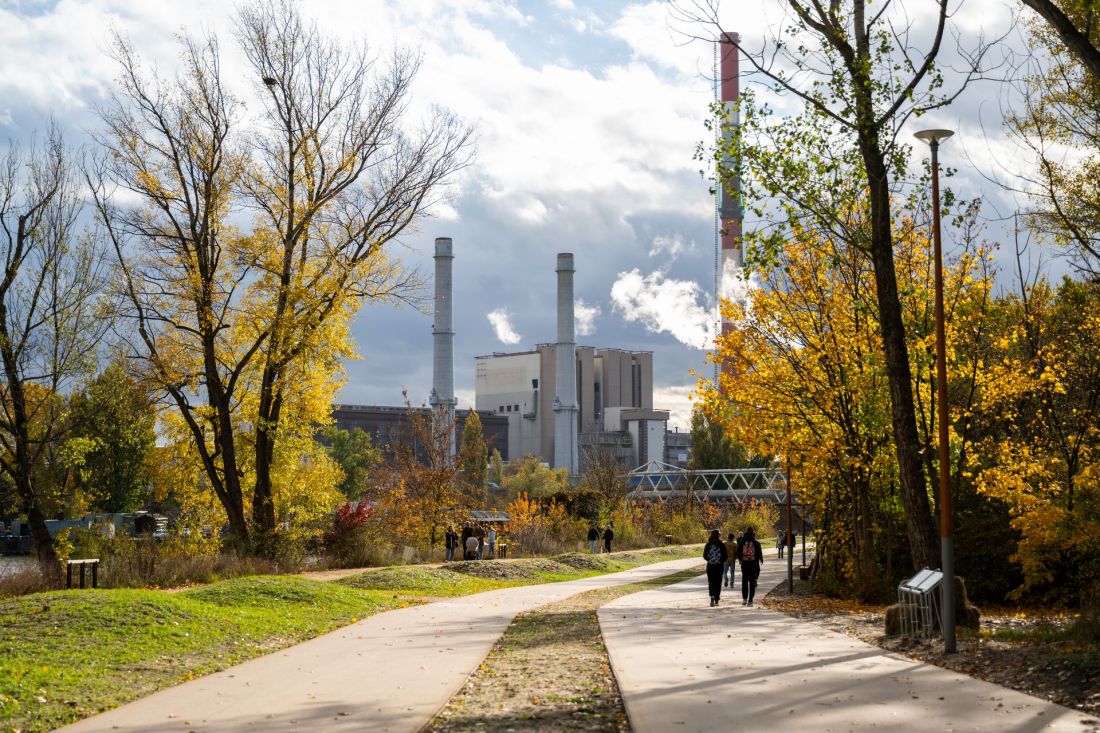
In the new park in Żerań it is in vain to look for manicured lawns and flowerbeds geometrically planted with thousands of perennials and flowering shrubs. Instead, there are tall grasses, weeds, mosses and lichens, decay and thick layers of mulch. Zeranski Park is not an area where nature has been subordinated to man - it is the residents of Warsaw, on equal footing with nature, who find a place for themselves among the bushes, stands of trees and piles of rubble, long overgrown with dense vegetation. The project team used the site's existing potential, preserving authentic wildlife, to the benefit of both itself and Warsaw residents, who can surround themselves with an area of biodiversity incomparable to that found in carefully designed green spaces.
Zeranski Park in Warsaw is open! - proj.: topoScape, Archigrest, Hubert Trammer
photo: Rafał Motyl © UM Warszawa
concrete relic in the park
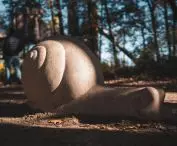
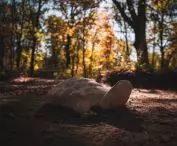
As well as the existing nature, the designers of Żeranski Park left other - in this case anthropogenic - elements, which were found in a non-transformed area. Walking through Zeranski Park, one can come across rubble, elements of reinforced prefabricated elements and other demolition materials. The area has been carefully cleared of the lingering garbage, which helped tidy up the area, but also emphasized the desirability of leaving the concrete relics. These are intended primarily to tell the story of the site's history, related to the production of prefabricated panels.
Zeranski Park in Warsaw is open! - proj.: topoScape, Archigrest, Hubert Trammer
photo: Rafał Motyl © UM Warszawa
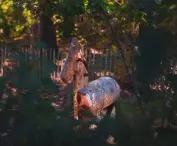
The teams designing Żeranski Park have not forgotten that for a long time the main users of the area are not people, but animals and plants. The rubble is overgrown with "representatives" of the fourth nature, and is also a great hiding place for invertebrates, mammals and amphibians. Over the years, they are likely to become overgrown with an increasingly thick layer of mulch, and perhaps one day disappear under it completely. In order to protect both nature and residents, the largest clusters of concrete relics, located in the northern part of the park, have been fenced with low fences.
Zeranski Park in Warsaw is open! - proj.: topoScape, Archigrest, Hubert Trammer
photo: Rafał Motyl © UM Warszawa
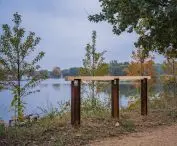
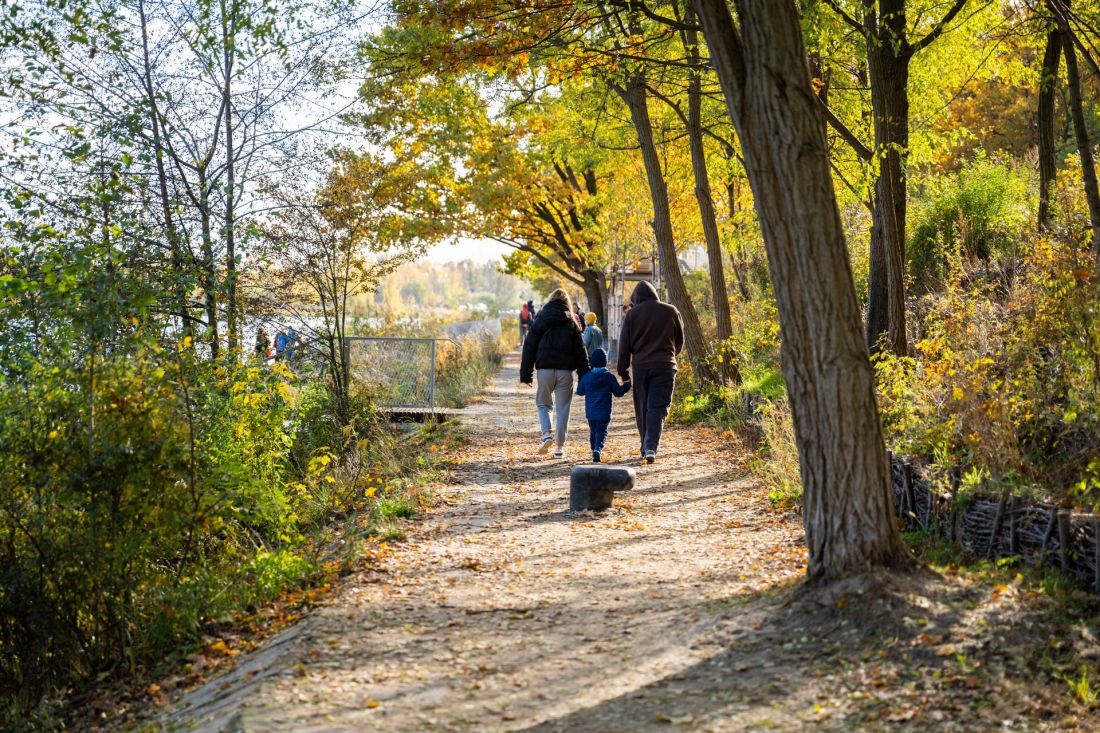
Objects were also left, which, although they no longer serve their function, retained their original form and location. We are talking, for example, about the massive, rusty mooring bollards, which in the new Zeranski Park have become an element that diversifies the landscape and reminds us of the once intensive activity of Zeranski harbor.
Żeranski Park in Warsaw is open! - proj.: topoScape, Archigrest, Hubert Trammer
photo: Krzysztof Babicki © ZZW
A walk and ride along the Vistula shoreline
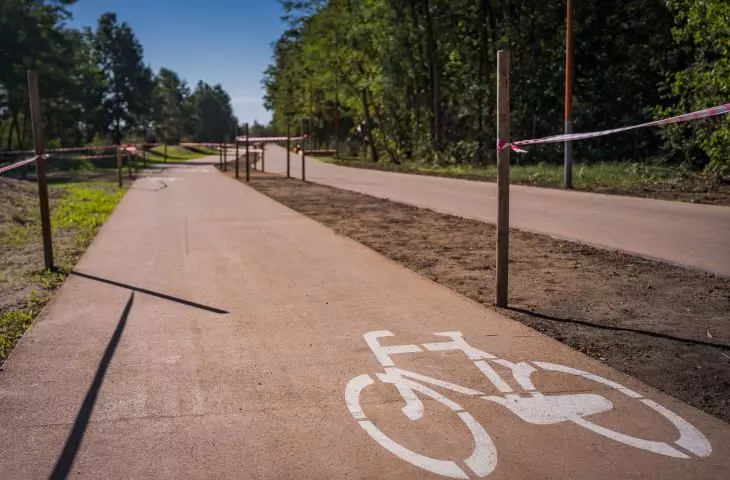
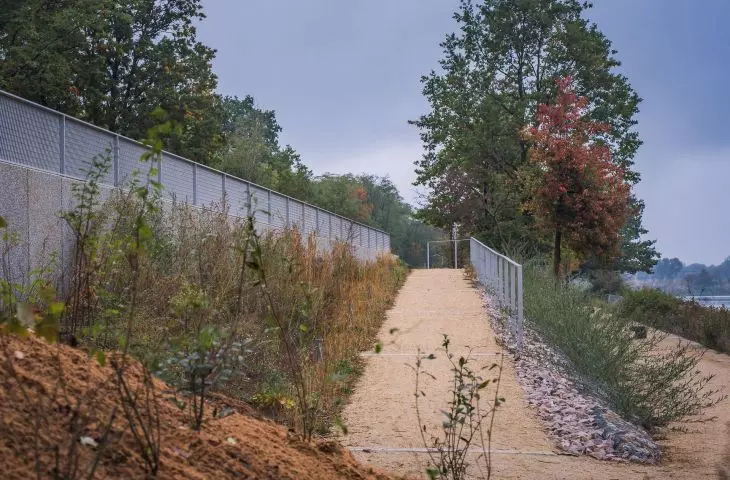
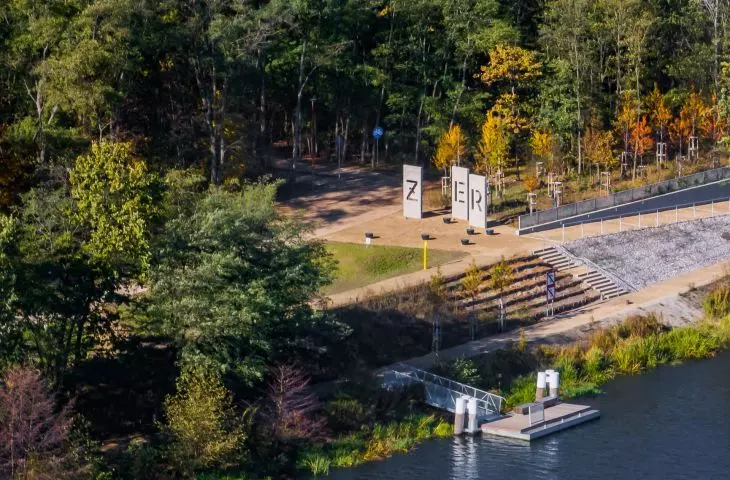
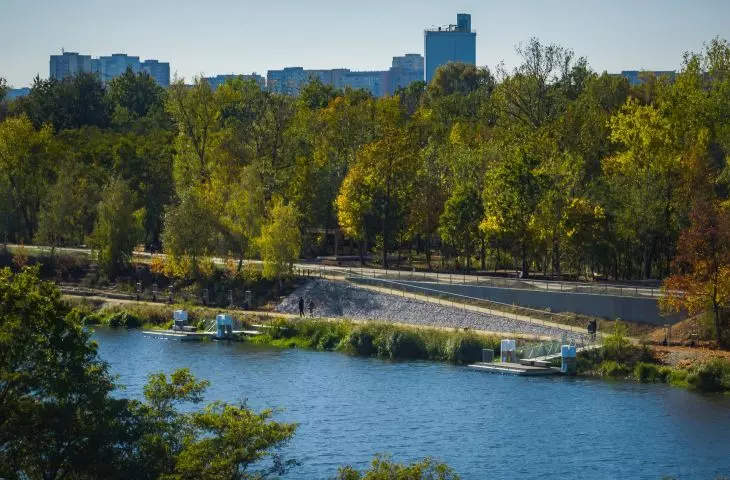
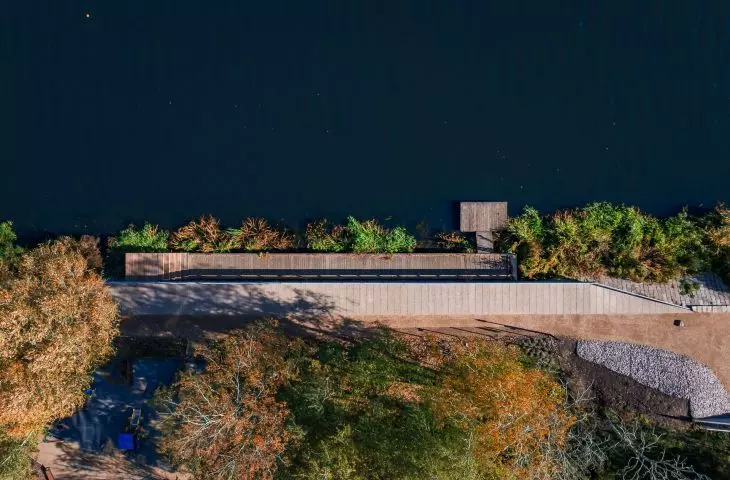
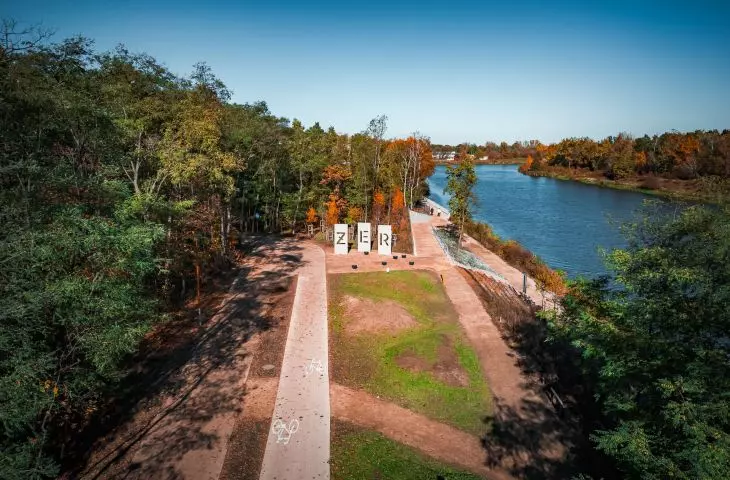
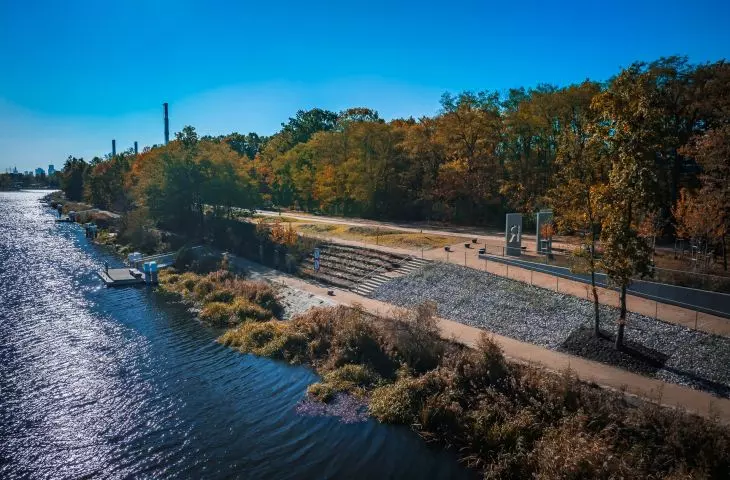
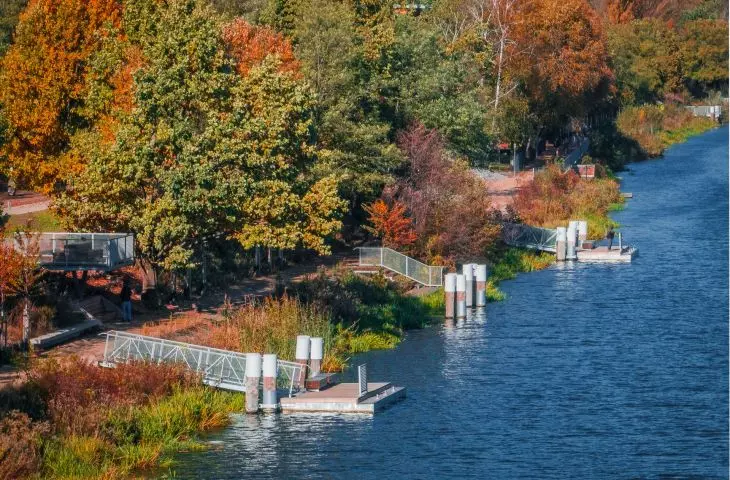
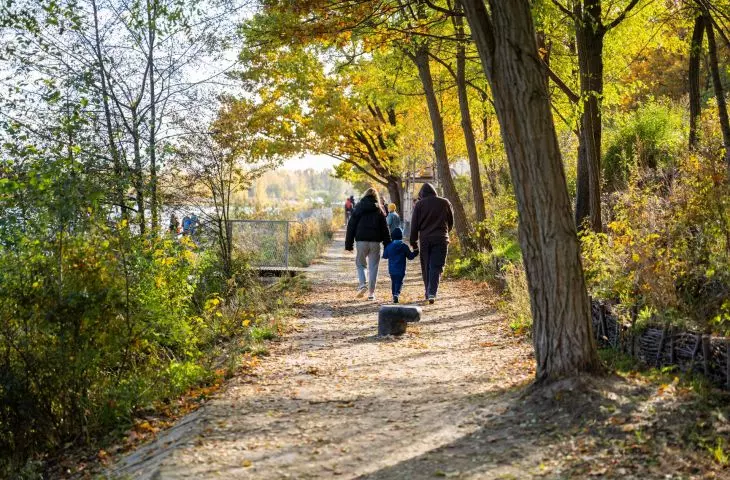
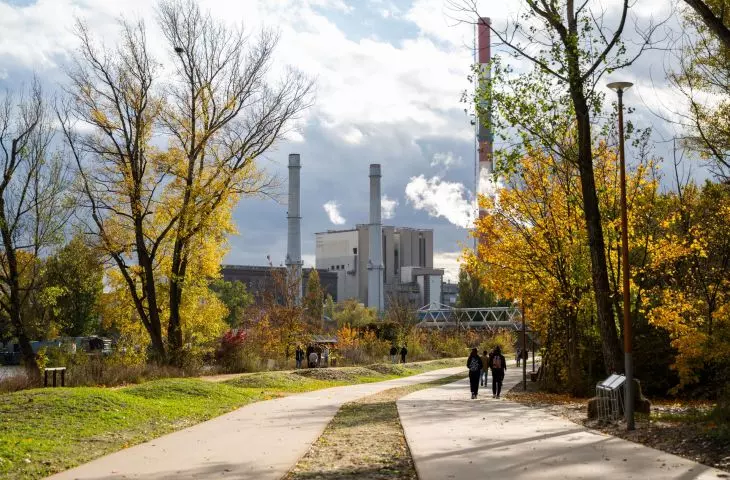
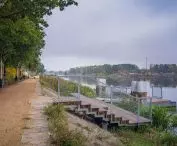
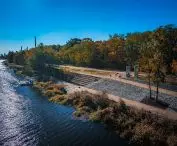
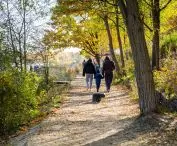
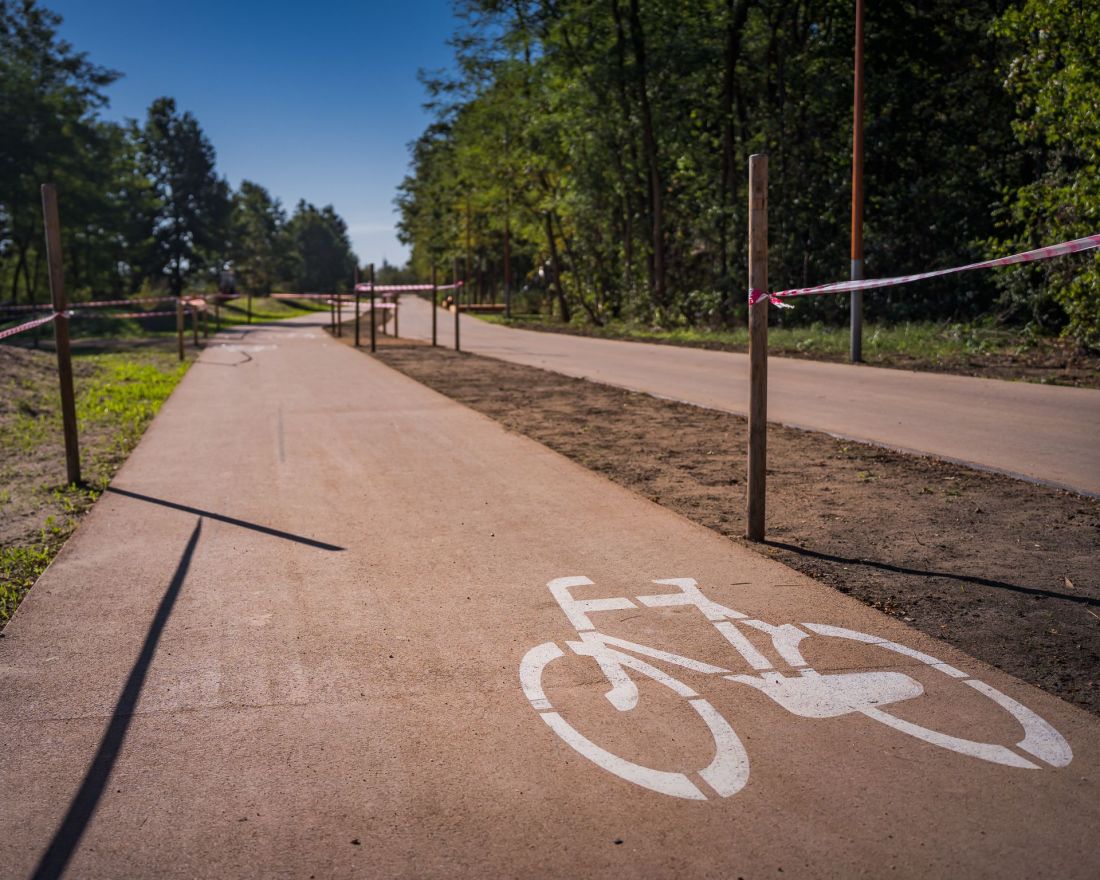
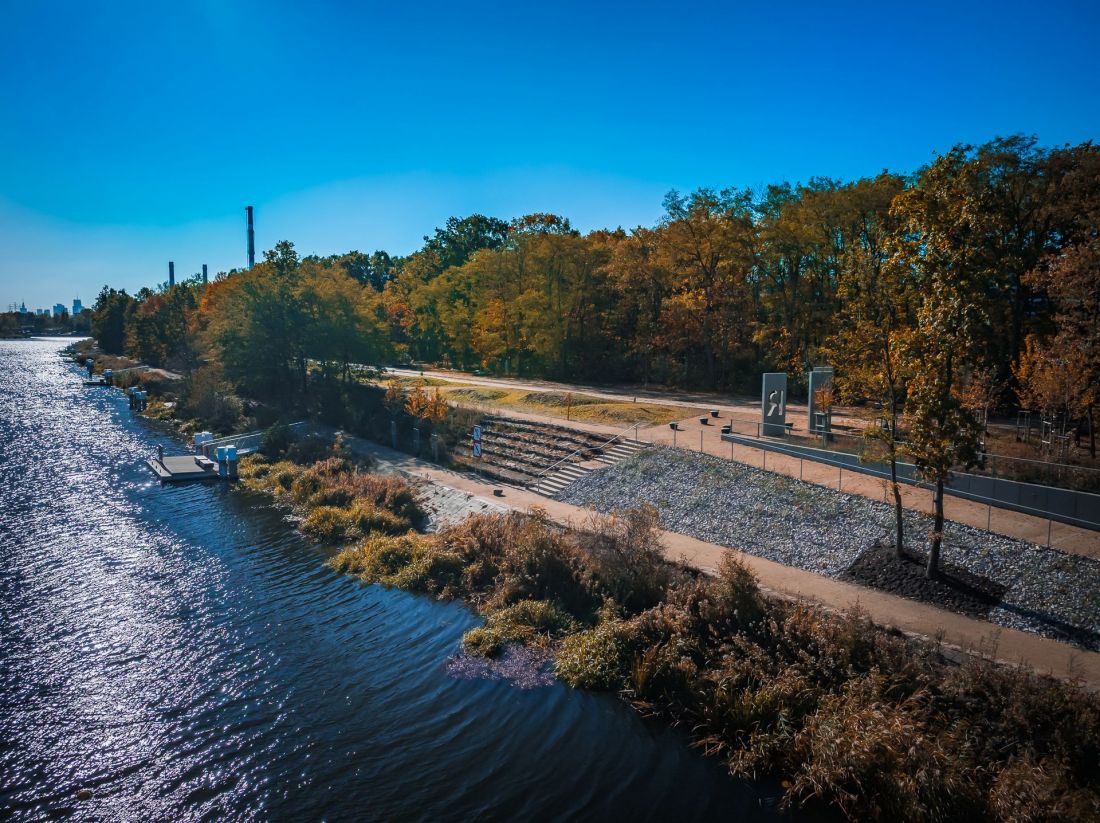
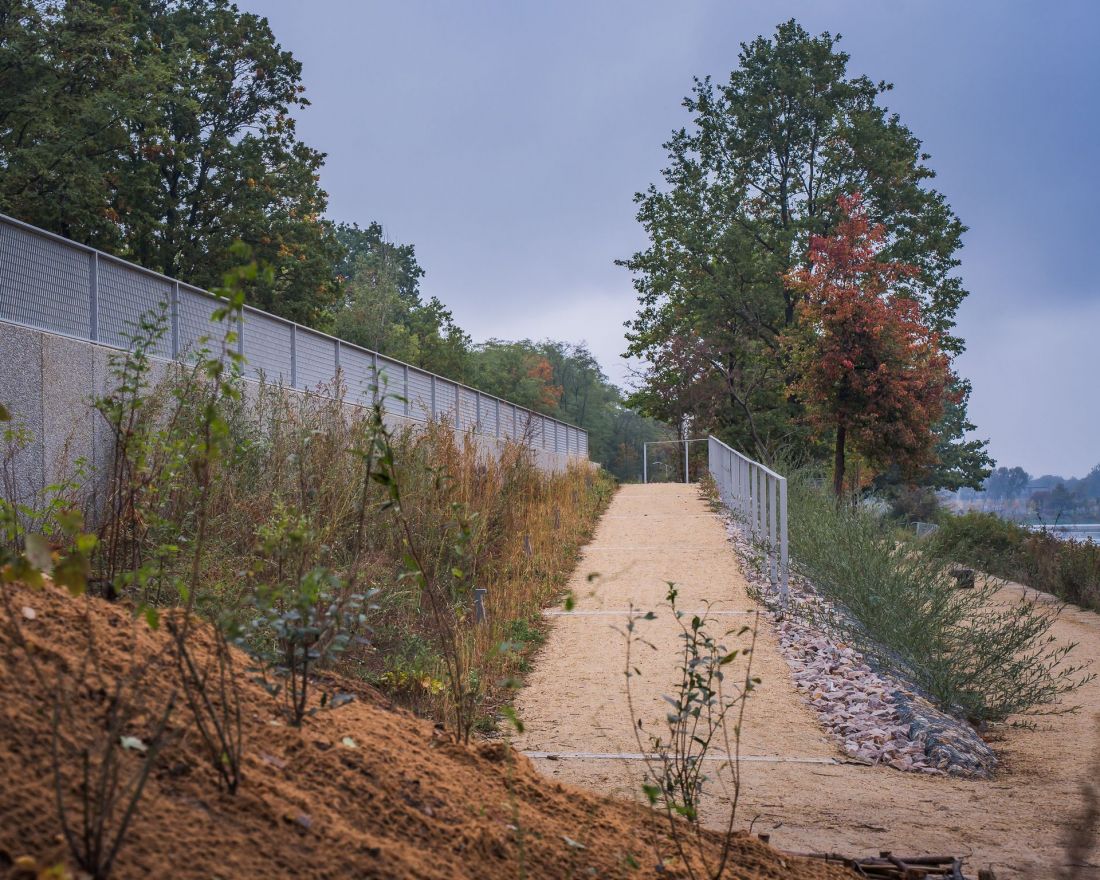
However, a project was created for this place, so - necessarily - new landscape elements and small architecture also appeared. The most important thing in this case is communication. Although it was already possible to stroll along the Zeranski canal, now the pedestrian routes have been regularized, expanded with bicycle paths and connected in various parts.
Zeranski Park in Warsaw is now open! - proj.: topoScape, Archigrest, Hubert Trammer
photo: Krzysztof Babicki © ZZW
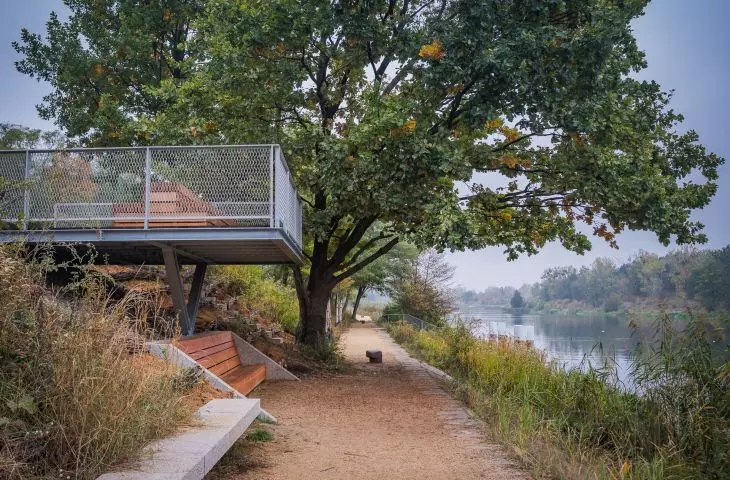
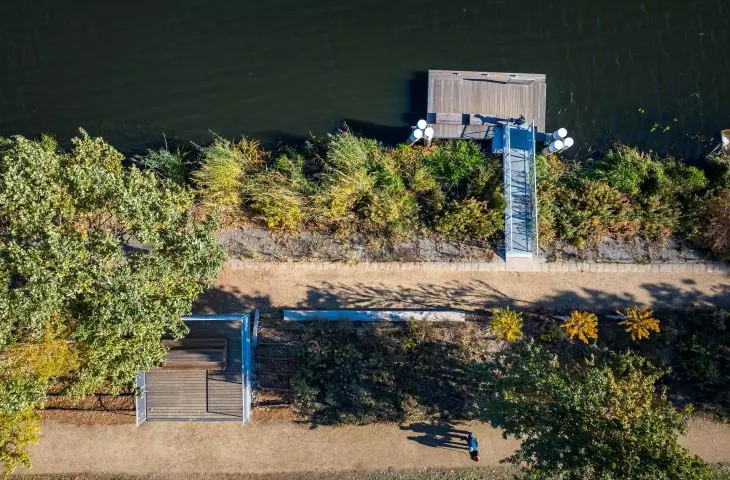
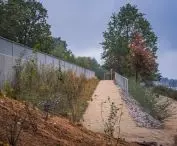
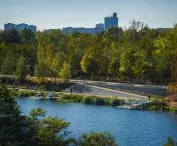
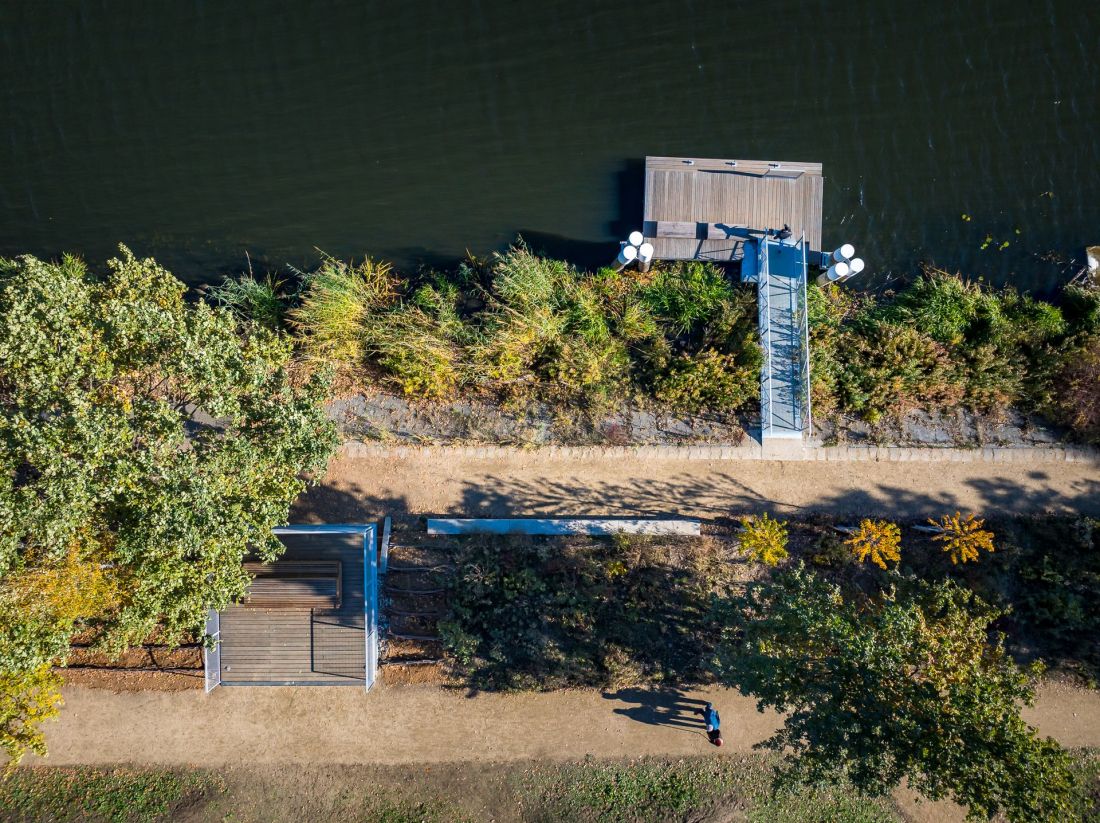
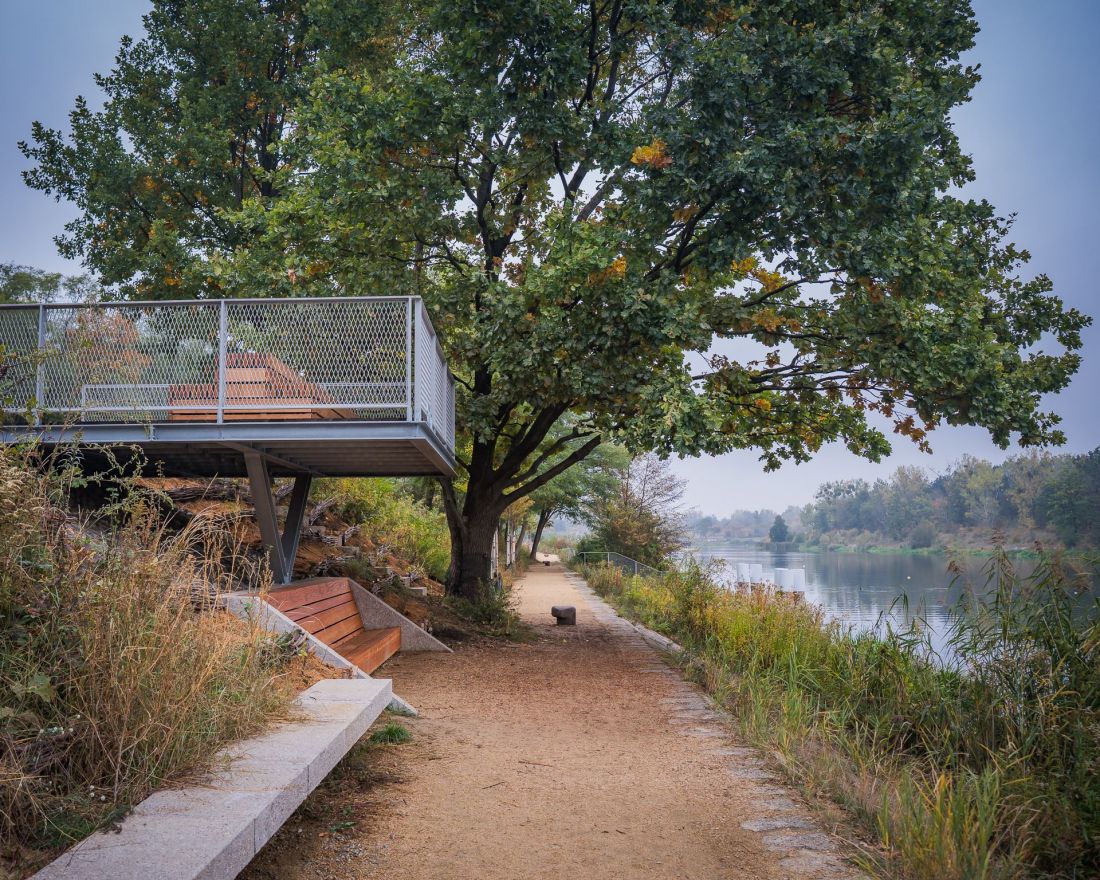
The main path, rigidly "glued" to the waterfront, was routed at the top of the escarpment, with an additional path underneath for access to the water infrastructure. Part of the escarpment was strewn with rubble, referring to the history of the site, while part was left to the existing vegetation. More intricate layouts of pedestrian routes were found in two "enclaves" between Modlinska and Krzyzówki streets and Krzyzówki and Plochocinska streets. There, among the trees, paths creep between clusters of greenery and artifacts of Zeran's post-industrial history.
Żerań Park in Warsaw is now open! - proj.: topoScape, Archigrest, Hubert Trammer
photo: Krzysztof Babicki © ZZW
The water heart of the capital?
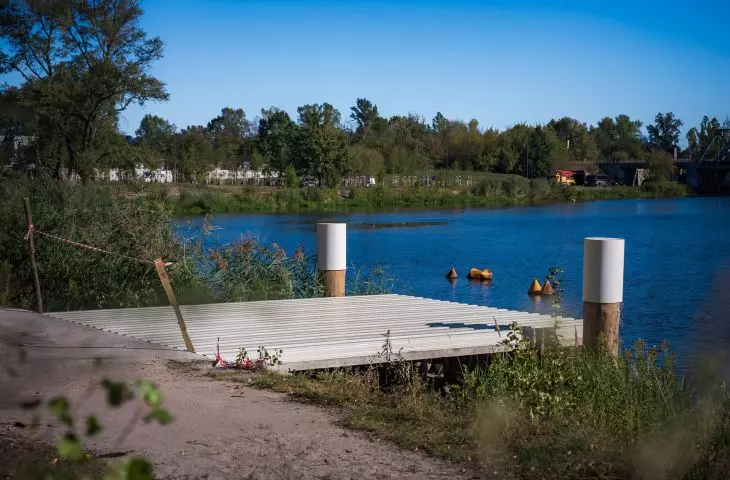
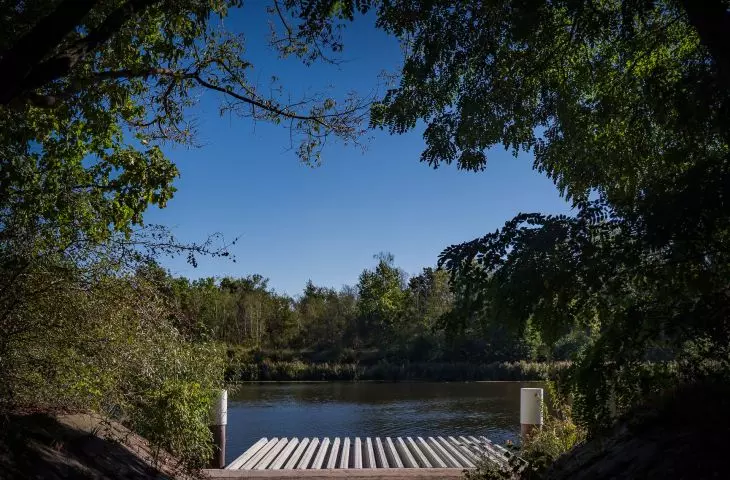
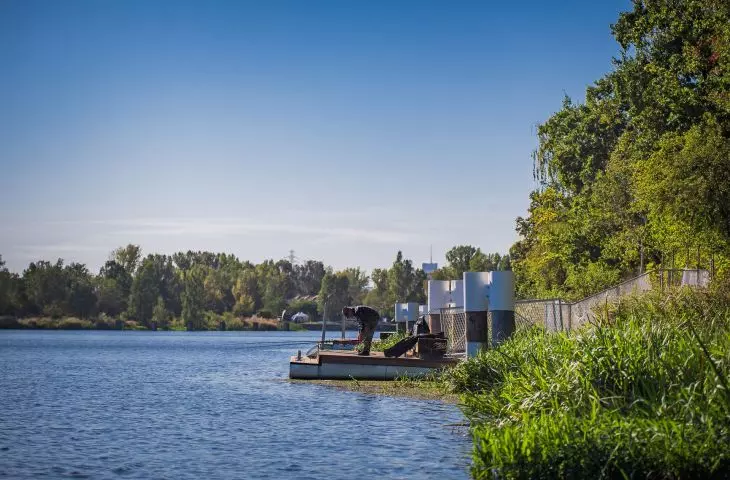
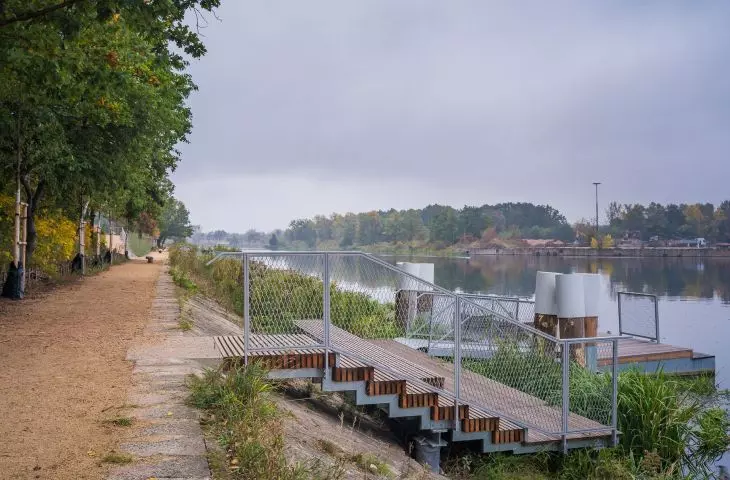
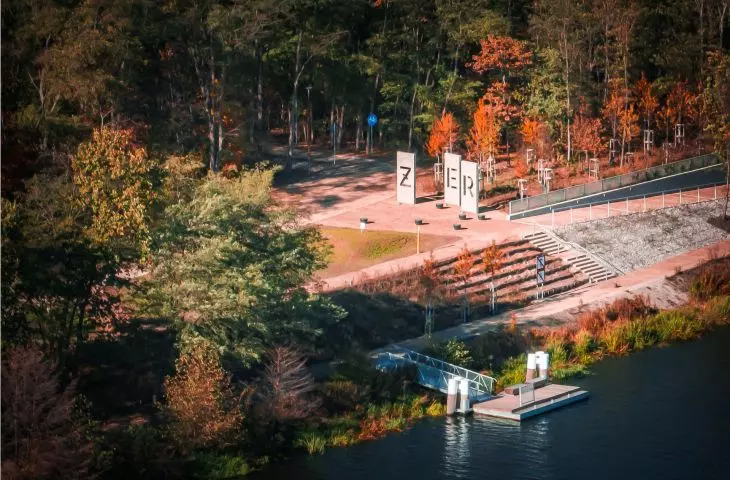
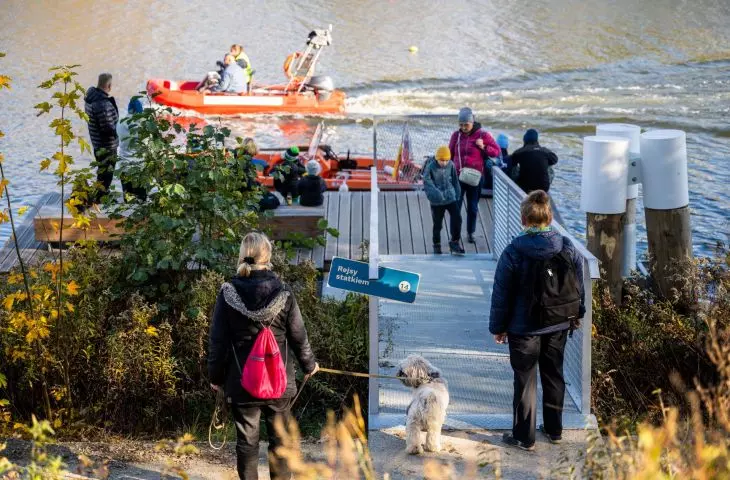
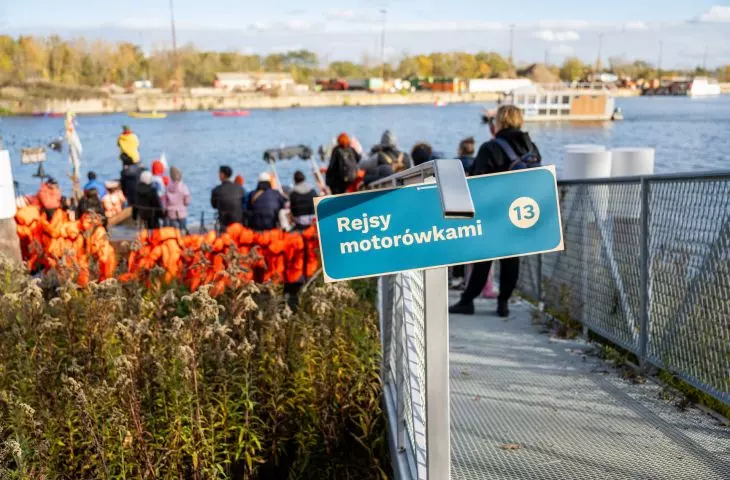
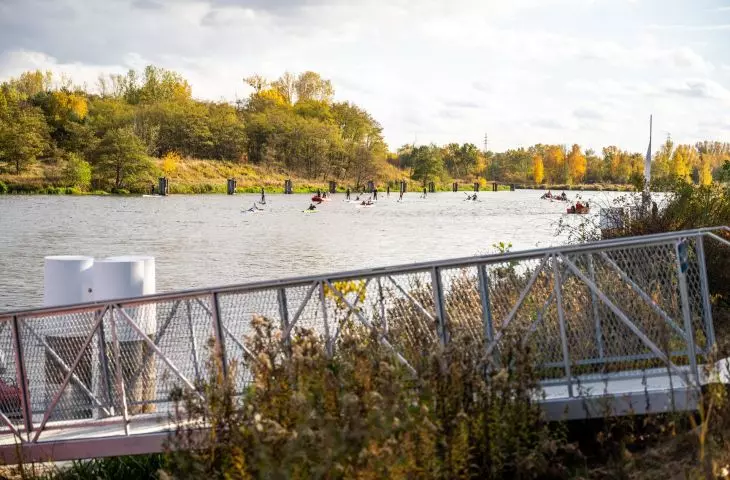
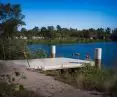
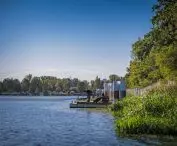
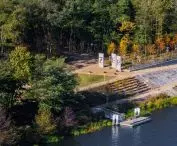
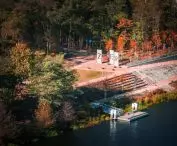
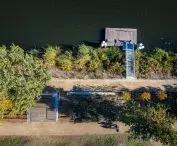
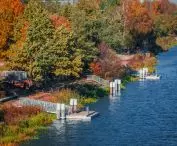
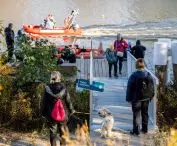
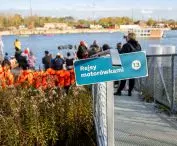
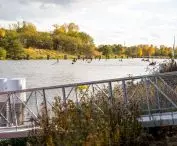
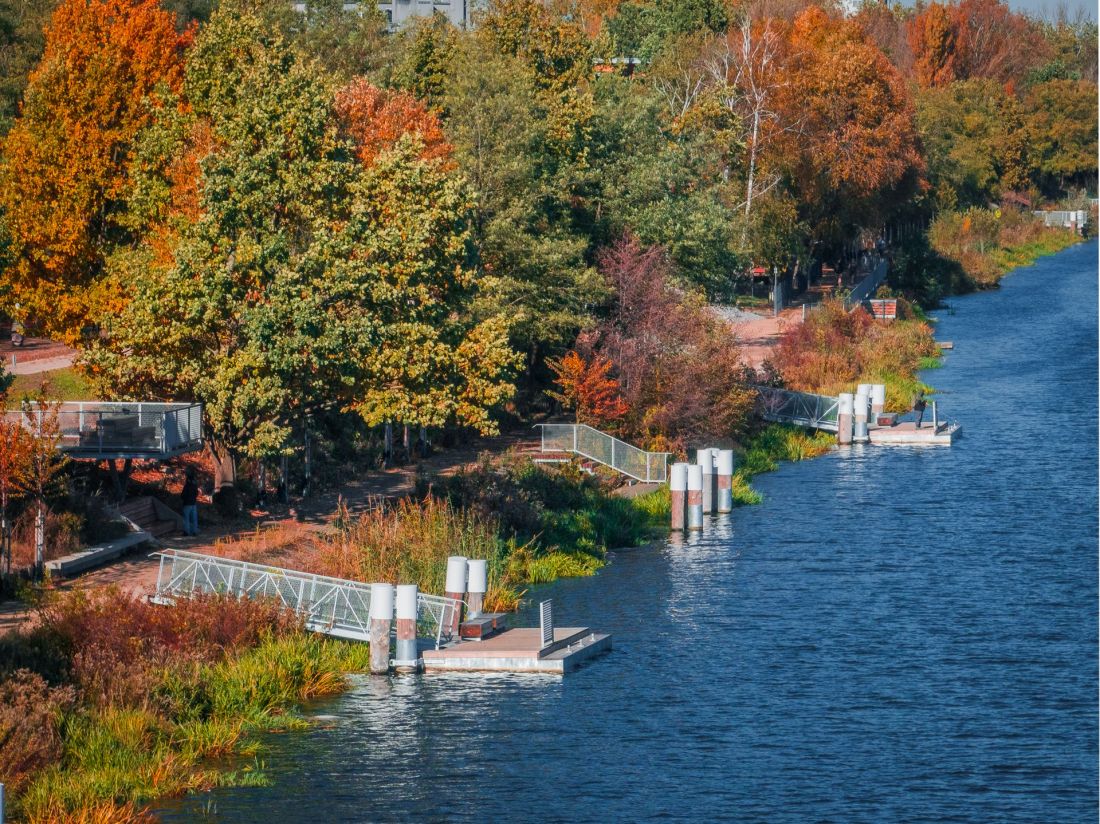
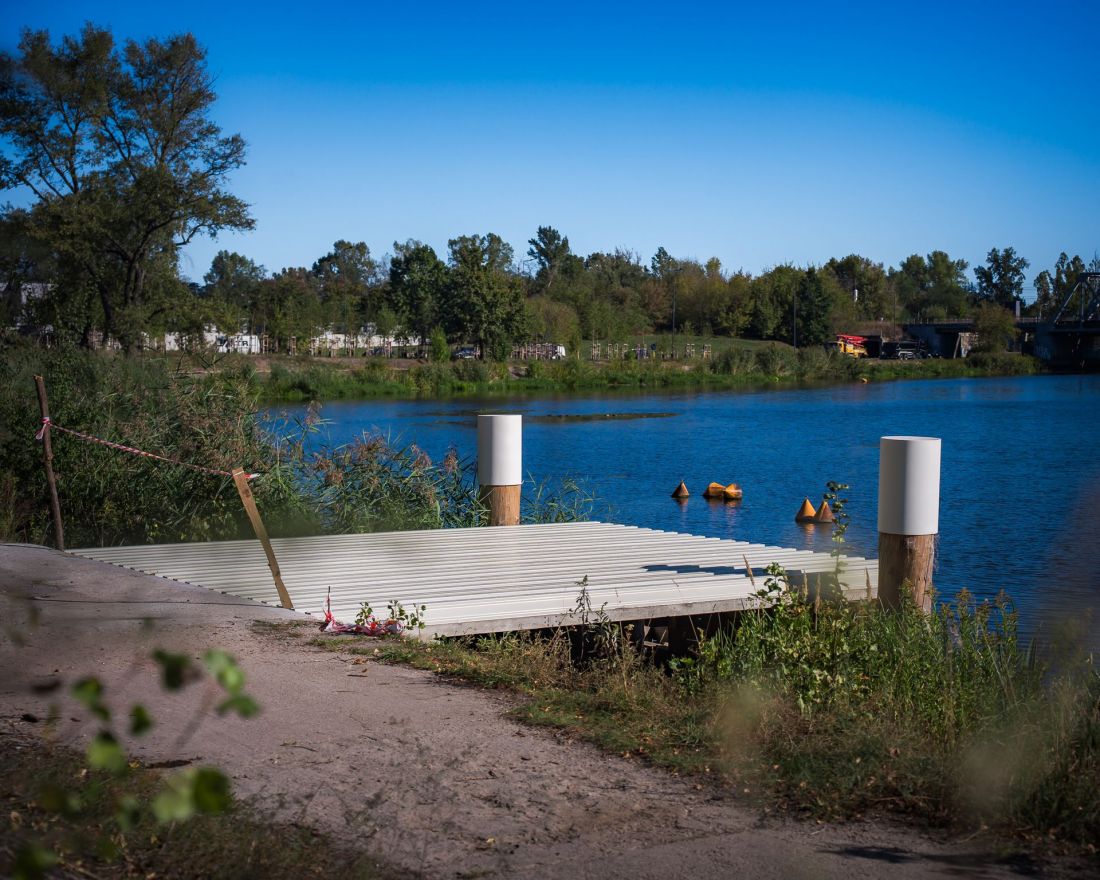
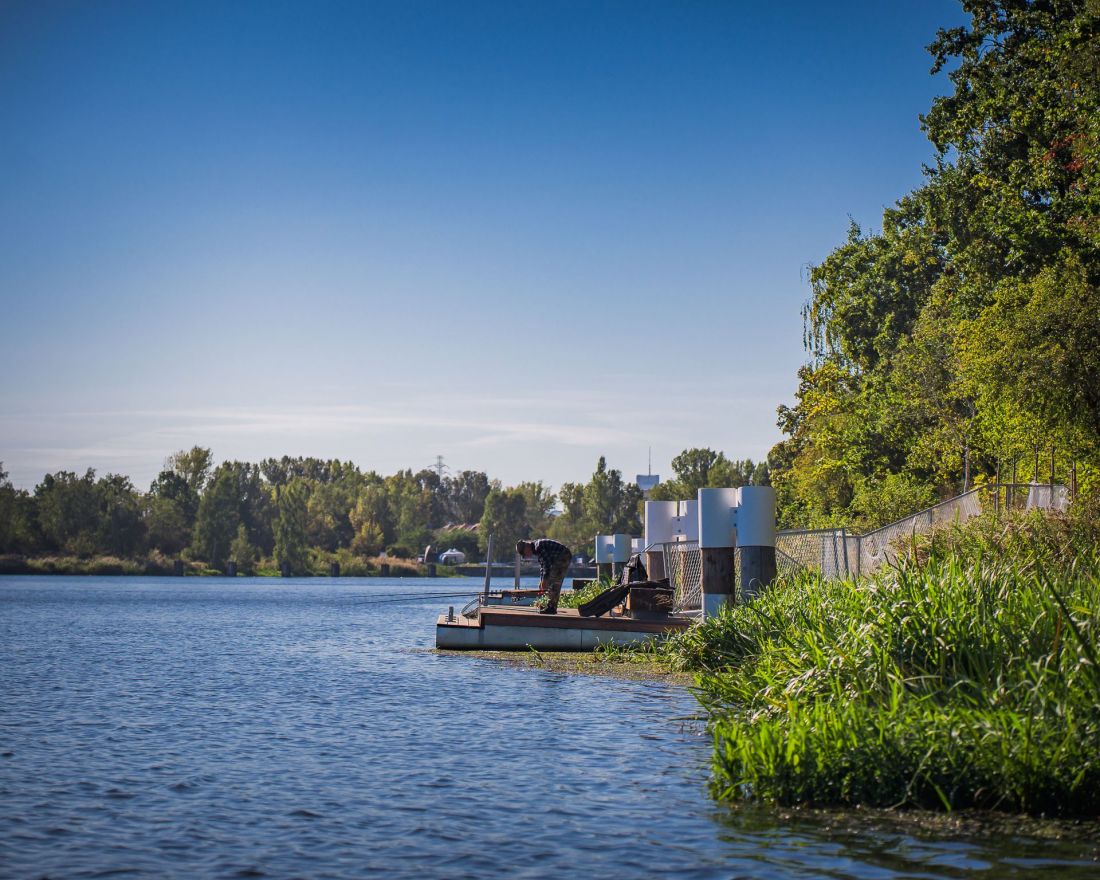
In addition to traffic routes - pedestrian and bicycle - elements of water infrastructure appeared. An important change was the renovation of accessible piers, which made it easier to use the canal here. During the opening of Zeranski Park, kayaks dominated, but residents use the piers by swimming on sups or boats and sailboats. The emphasis placed on building infrastructure related to the use of the water here is no coincidence. The opening of the Zeranski Park is part of a larger undertaking, the creation of the Warsaw Water Sports Center.
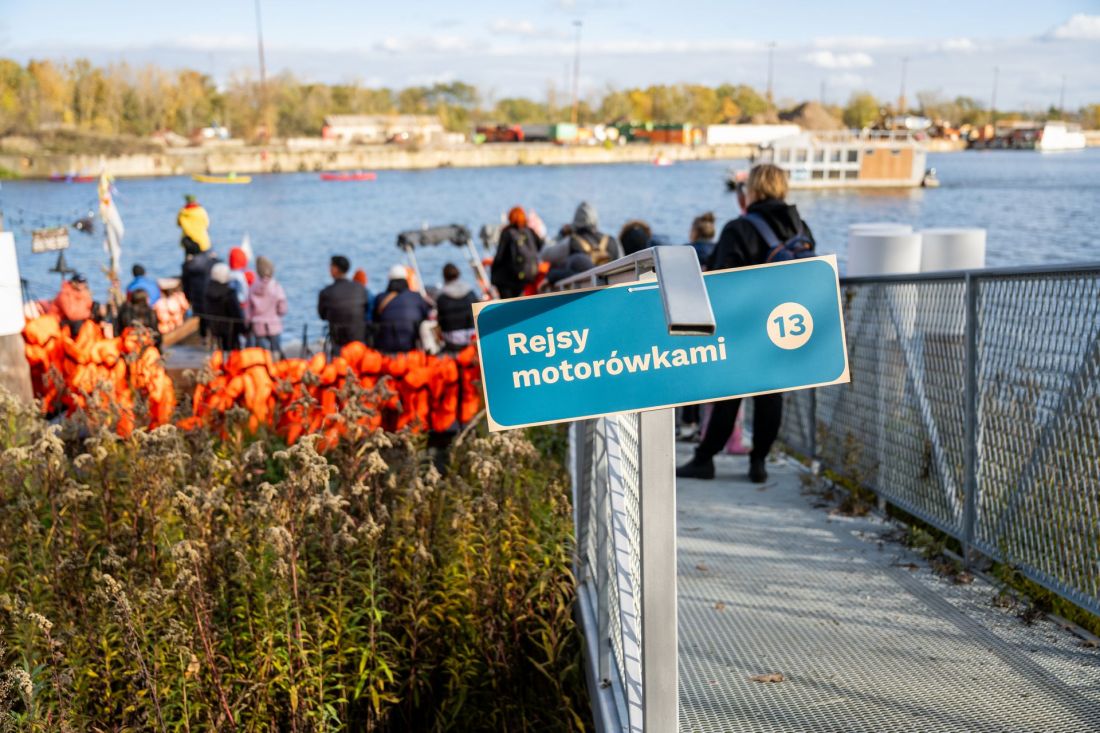
Zeranski Park in Warsaw is now open! - proj.: topoScape, Archigrest, Hubert Trammer
photo: Rafał Motyl © UM Warszawa
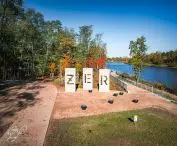
ŻER in concrete
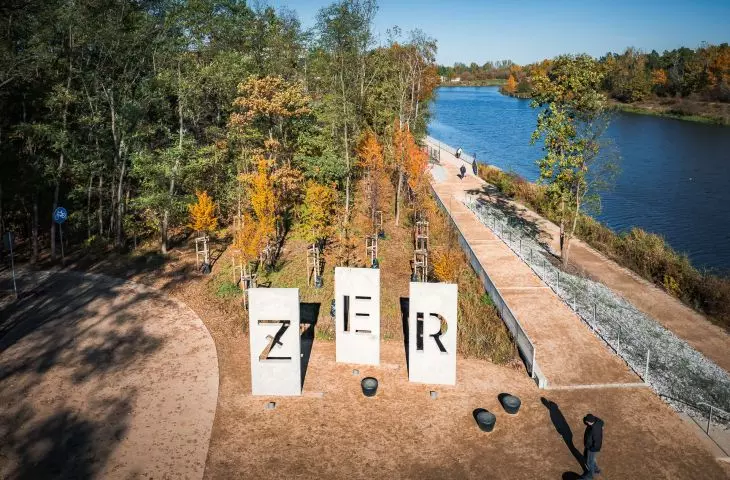
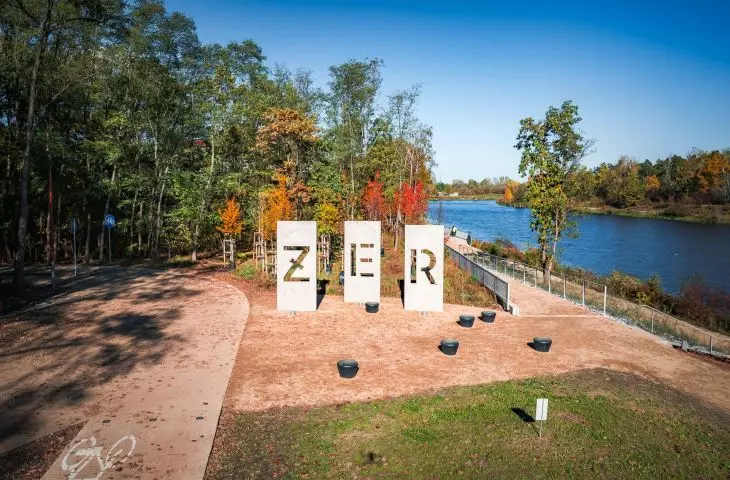
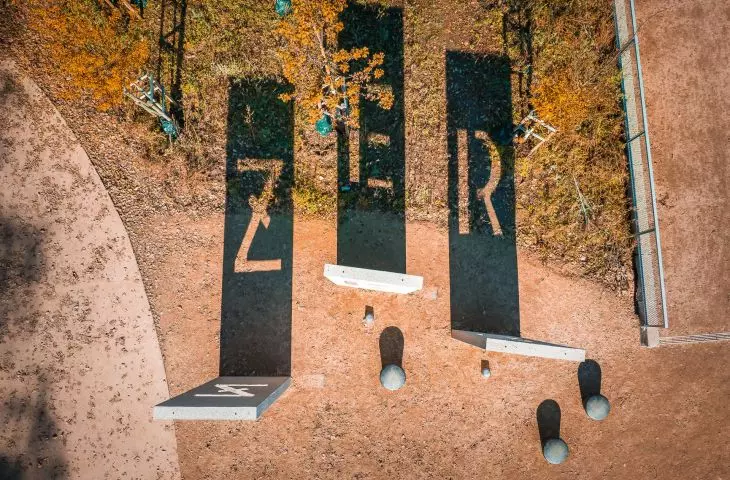
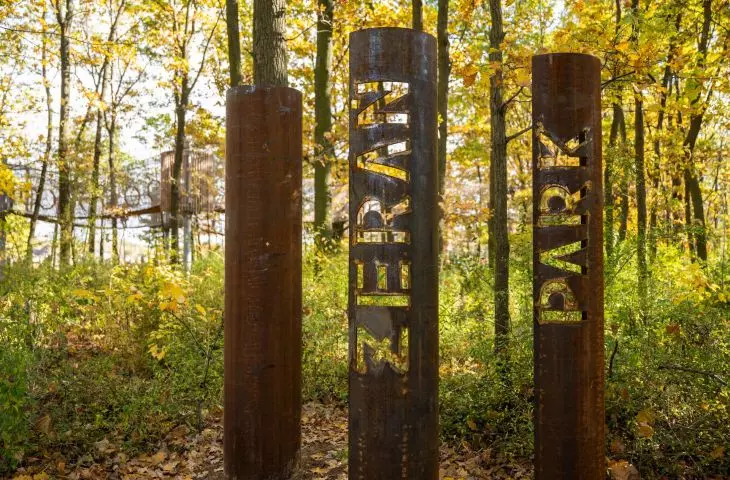
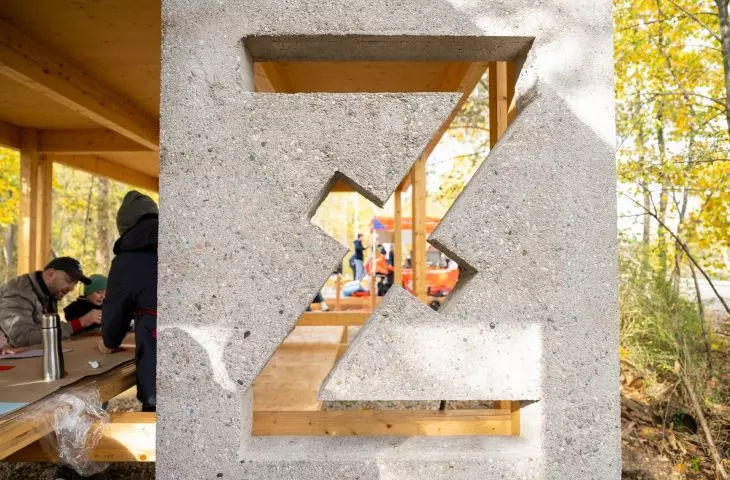
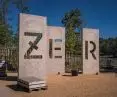
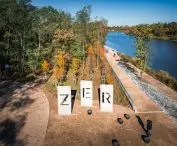
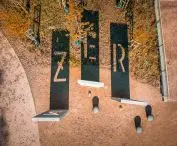
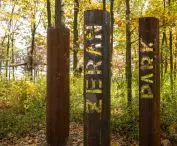
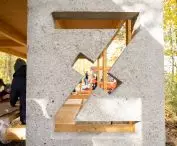
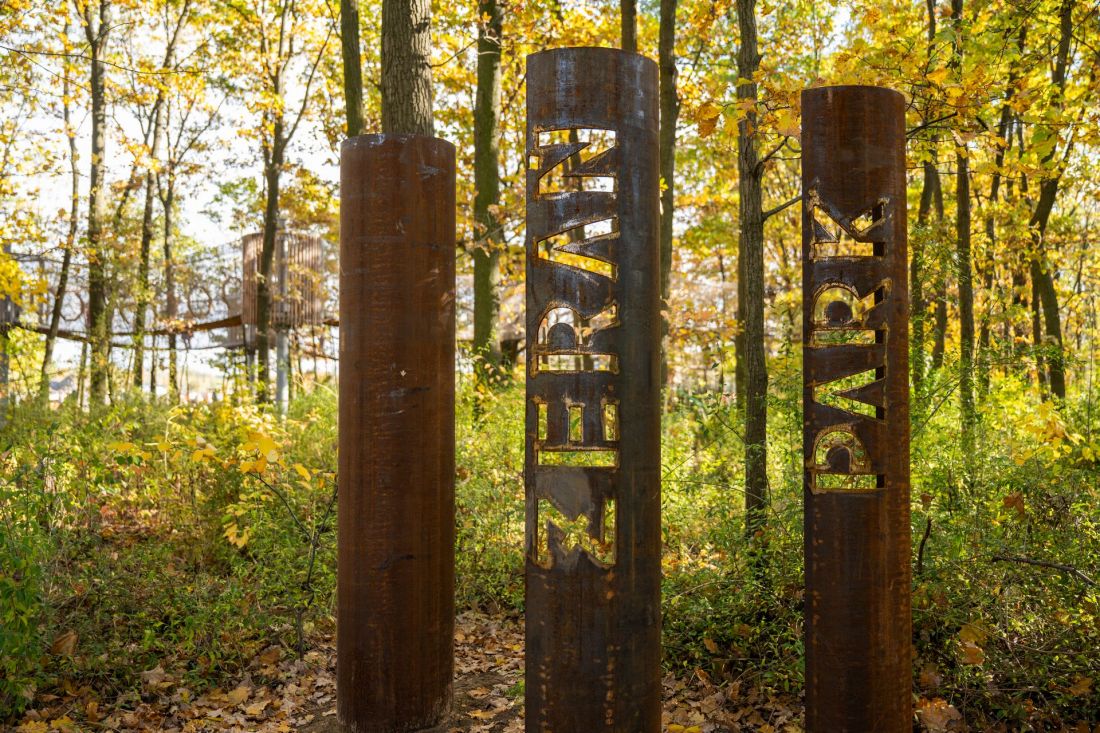
The most distinctive part of Żeranski Park is the green clearing, where three concrete slabs have been erected vertically. Like the rubble left by the architects, they allude to the activities of Faelbet, which produced elements for the prefabricated Żerań system here. The letters "Ż" "E " and "R" were "carved" into the giant concrete elements, also referring to the area where the park was located. The strong visual accent has already become a hallmark of the place.
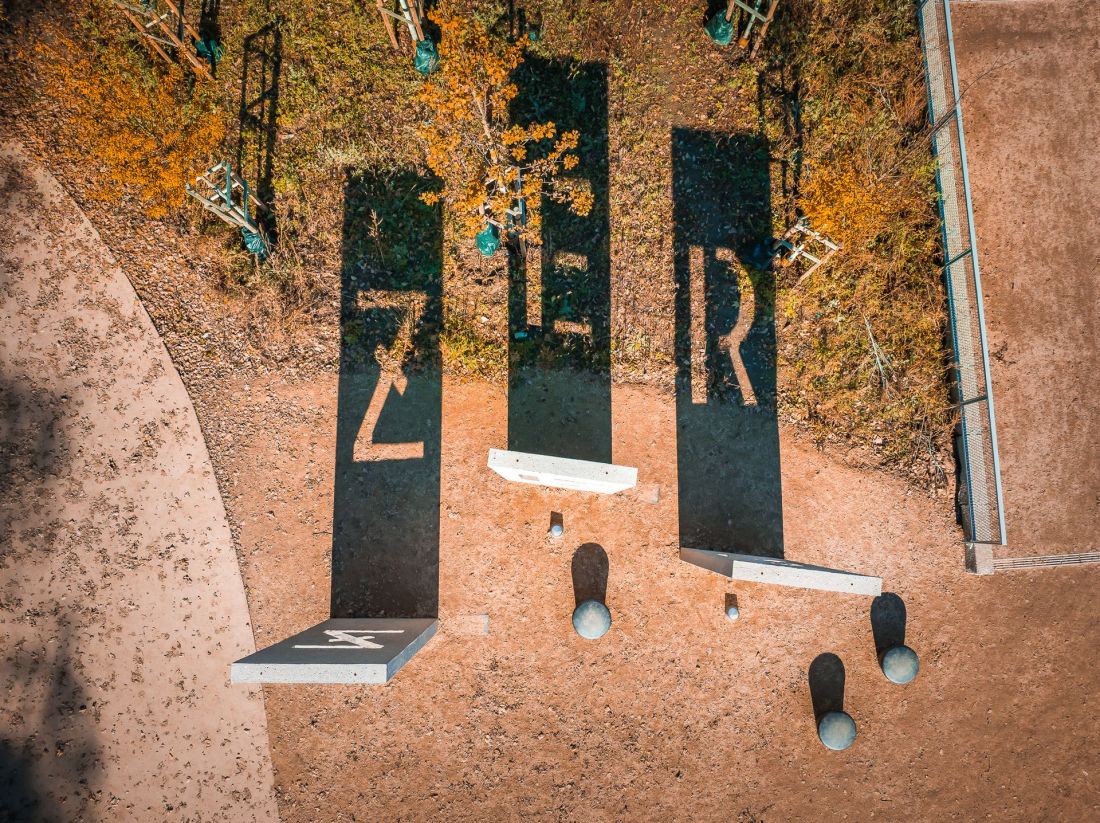
Zeranski Park in Warsaw is now open! - proj.: topoScape, Archigrest, Hubert Trammer
photo: Krzysztof Babicki © ZZW
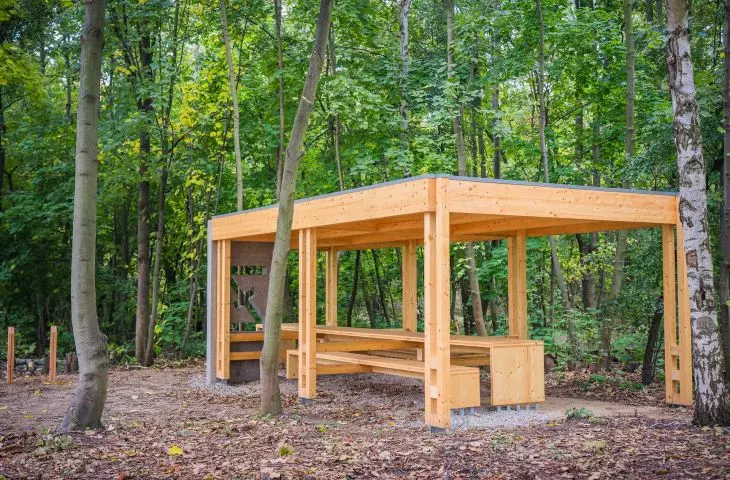
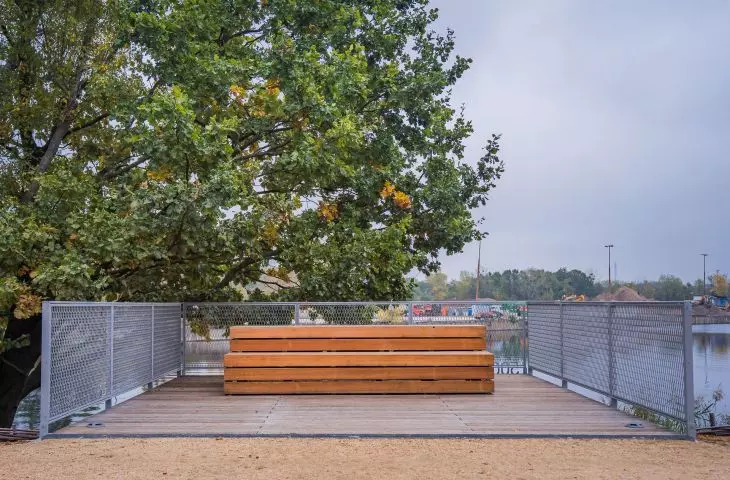
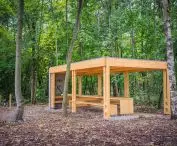
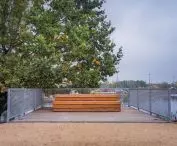
Similar slabs were placed at two gazebos built in the park. As for the cubic architecture, the catering pavilion is still awaiting completion. The lightweight structure is being built mainly of wood, and will eventually be glazed and house a café and toilets, which residents are already demanding.
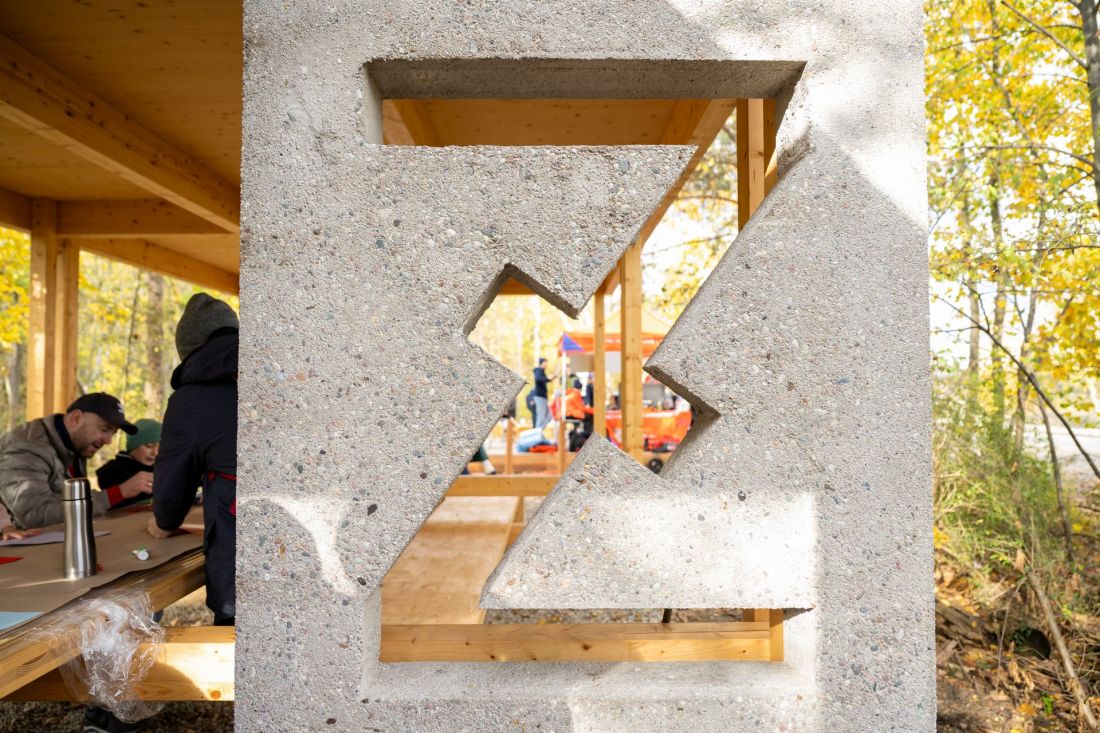
Zeranski Park in Warsaw is open! - proj.: topoScape, Archigrest, Hubert Trammer
photo: Rafał Motyl © UM Warszawa
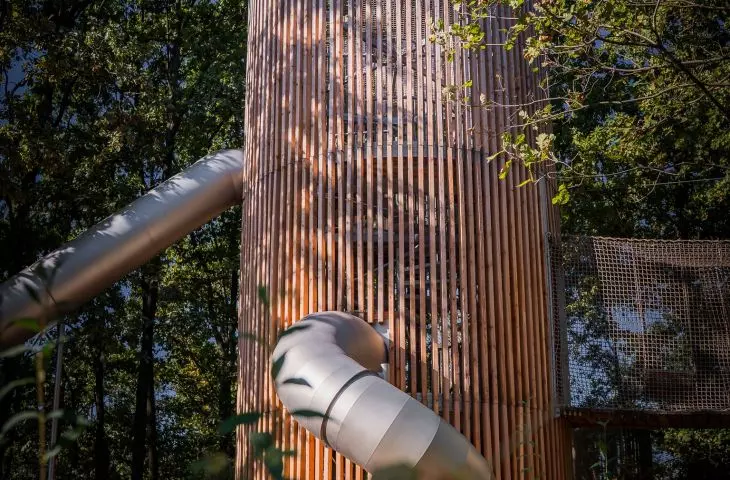
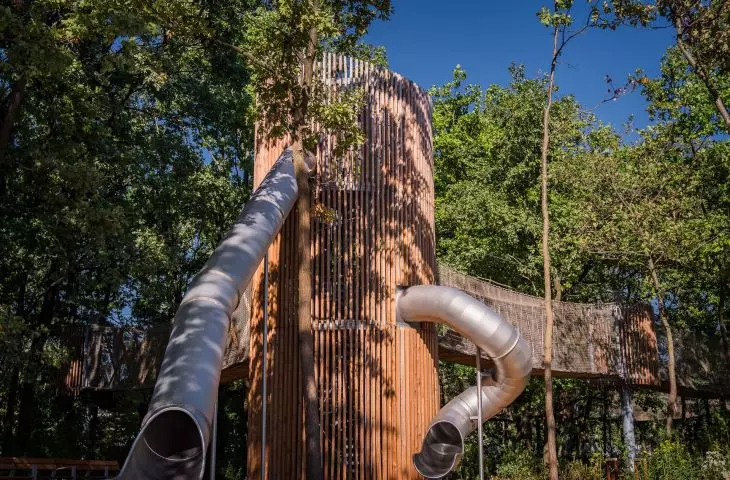
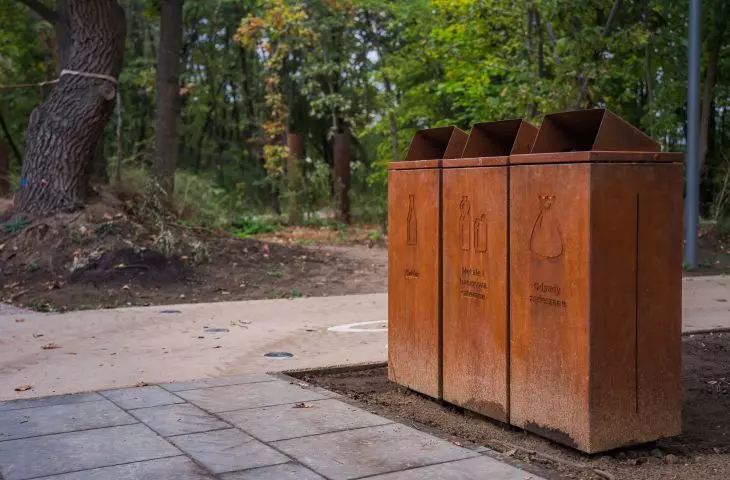
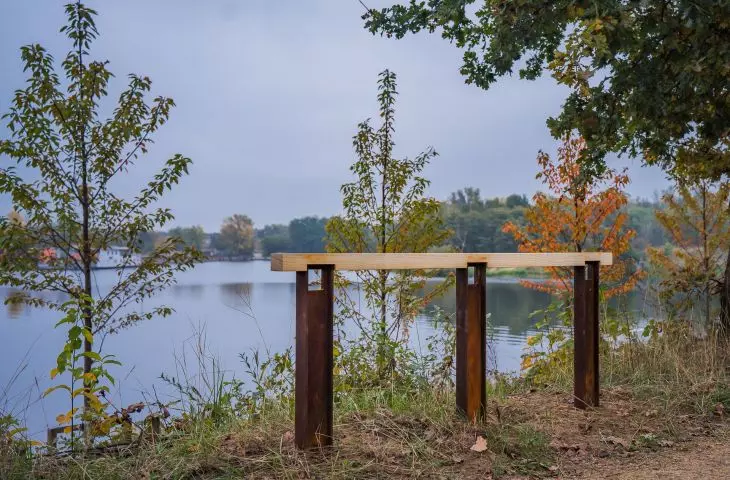
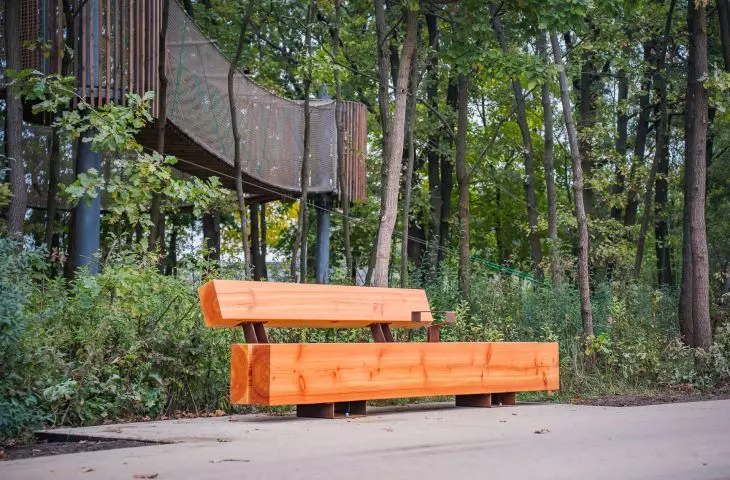
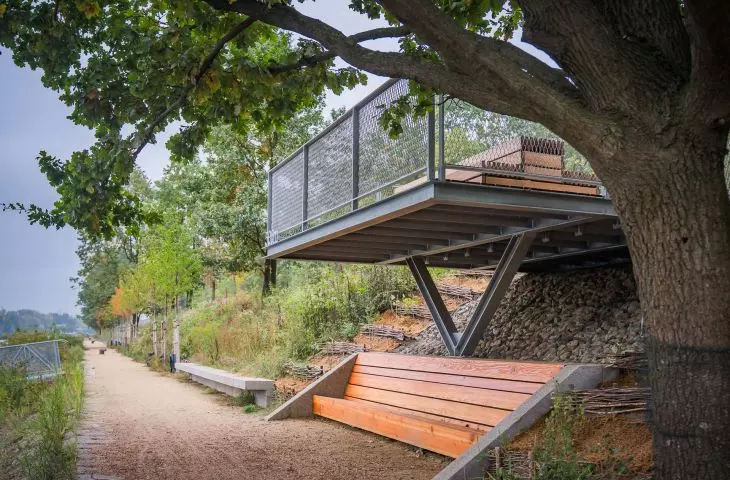
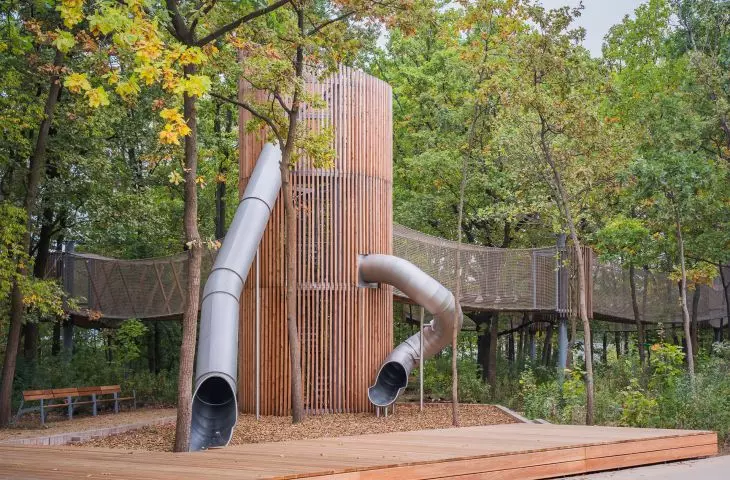
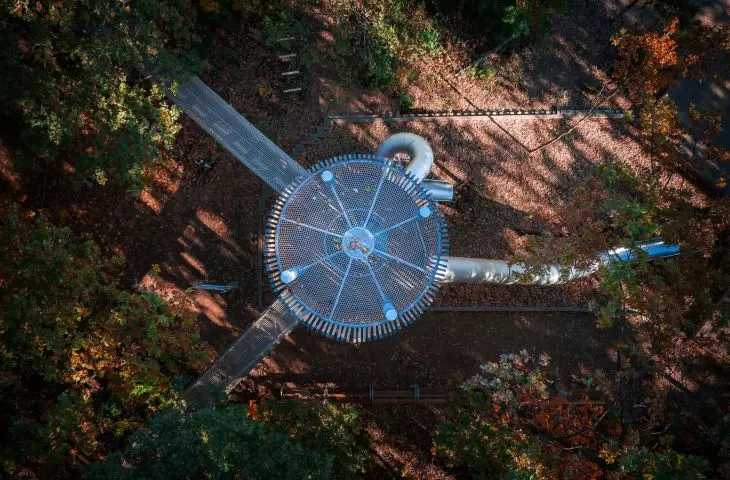
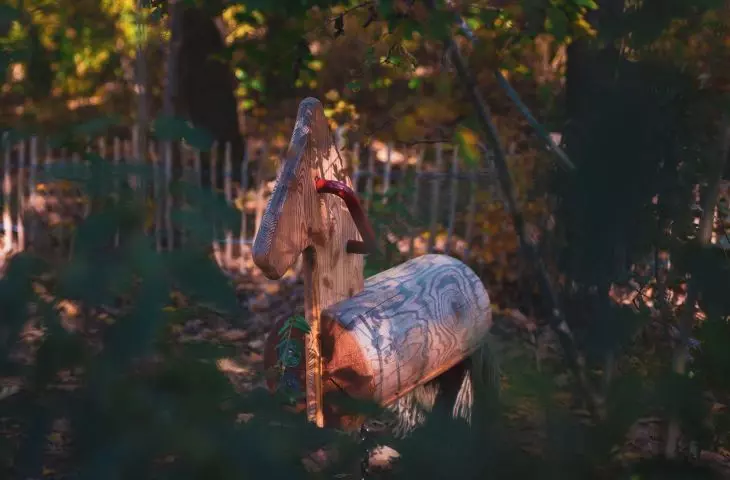
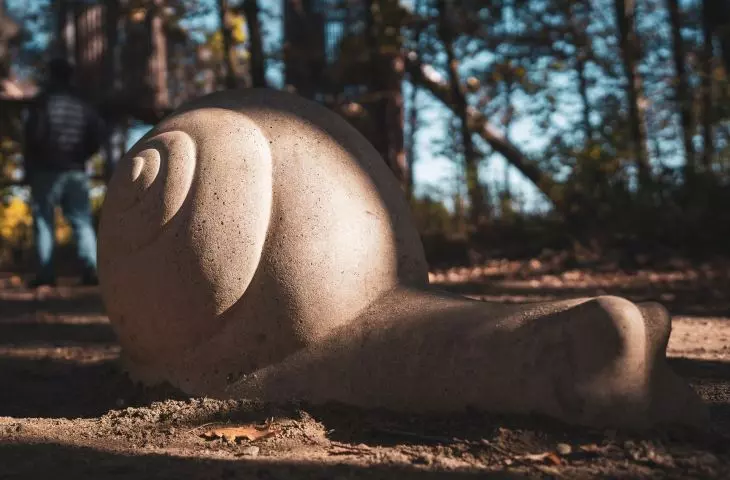
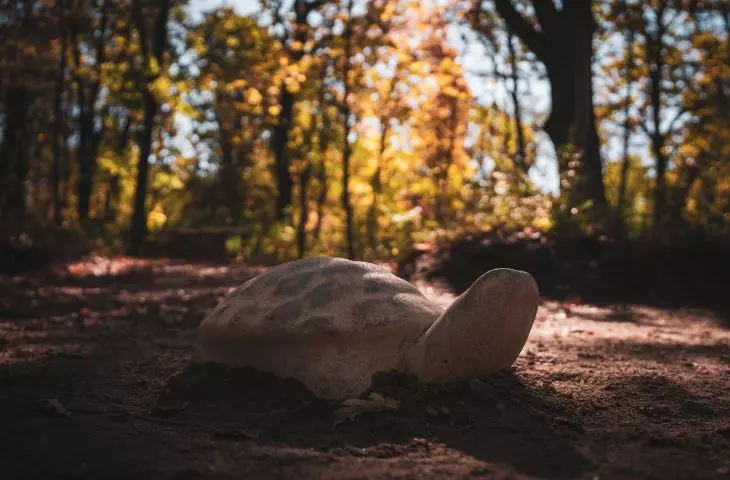
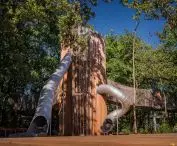
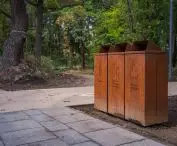
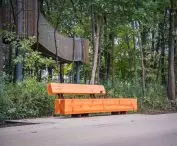
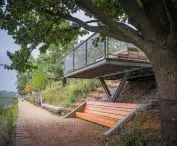
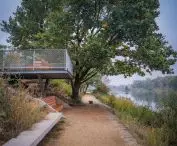
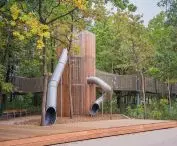
In addition to the above-mentioned interventions, the Zeran park included a lot of small and slightly larger architecture. There was a playground and a rope park, which was designed with similar panache to that of the Warsaw Uprising Mound. An observation deck was suspended above the path leading to the marina, and new plantings also appeared along the path itself. The stairs and protruding parts of the pedestrian paths gained railings referring to the industrial character of the place. The Warsaw Greenery Board also reports that 100 dales, 100 benches and seats have been hammered in, and numerous trash garbage cans have been set up.
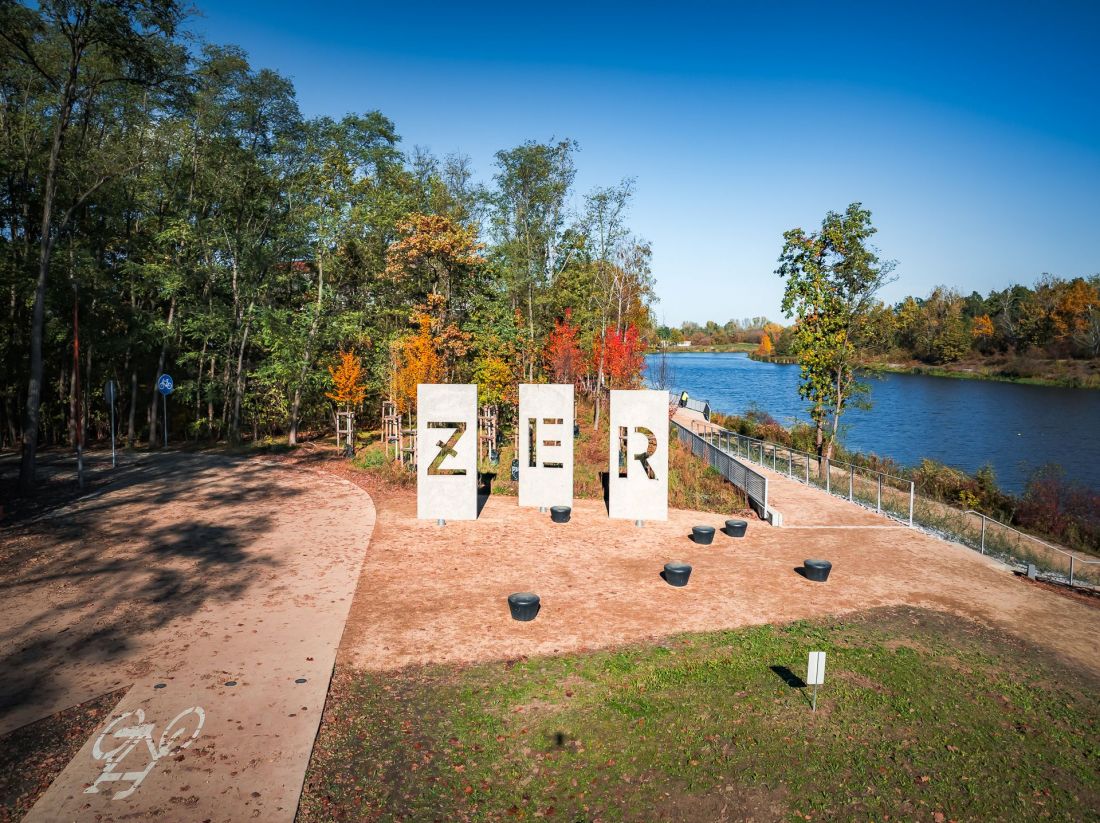
Zeranski Park in Warsaw is now open! - proj.: topoScape, Archigrest, Hubert Trammer
photo: Krzysztof Babicki © ZZW
no rose without thorns?
Although Żeranski Park was built according to a concept selected in a competition, and has a similar philosophy behind its design to that which guided the work on the award-winning Storm Action Park, Żeranski Park stirs up more controversy than its Mokotow sibling. One of the comments about Żeranski Park was shared on social media by Filip Springer.
It concerns the buildings on Krzyżówki Street, part of the Atal Marina Apartments complex, built back in 2014. In order to continue the pedestrian walkway, which is the "backbone" of Żerański Park, it was necessary to overhang the pier over a small section of the canal. Previously there was a sloping wharf, falling into the water. A solution without "concrete" and additional costs could have been to move the path - but this would have taken place at the expense of the green space belonging to the residents of the Atal Marina estate. These, in turn, have not expressed a desire to give up some of the common spaces for the benefit of the newly created park.
Zeranski Park in Warsaw is open! - proj.: topoScape, Archigrest, Hubert Trammer
photo: Krzysztof Babicki © ZZW
Where to look for the culprits? It seems difficult to put the full blame here on the residents of the housing development, although donating a patch of common land to the emerging park would certainly be an exemplary gesture and one worth appreciating. The problem is systemic, however, and stems from a negligent approach to space planning. The Local Land Use Plan for the area of Apricot and Kowalczyka Streets was passed in 2014. Although the resolution contains a provision on the intention to create a park on the Żerań Canal, the need to build a bridge was already a foregone conclusion - in the same year a housing development by the developer Atal was put into operation, which was built on the basis of a location decision on Development Conditions.
Zeranski Park in Warsaw is open! - proj.: topoScape, Archigrest, Hubert Trammer
photo: Krzysztof Babicki © ZZW
Today, the local plan does not provide for development to be carried out so close to the shoreline, before 2014, however, the "vuzeta" gave a completely different range of building possibilities. One can tentatively conclude that in this case the planners were most simply late with comprehensive planning. With all this in mind, one should not forget that routing the bike path through the area adjacent to the Atal Marina housing development today would probably involve cutting down a number of already quite large trees. The construction of the bridge made it possible to avoid these cuttings.
Zeranski Park in Warsaw is open! - proj.: topoScape, Archigrest, Hubert Trammer
photo: Krzysztof Babicki © ZZW
There it is, except that instead of thorns, some are pricked by rebar
Zeranski Park itself, although eagerly awaited and won by the residents of Warsaw and, above all, the immediate area, was not to everyone's liking either. The project's key idea of leaving the numerous relics of the products and buildings of the Żerań house factory, as well as other demolition materials, as an integral part of the park did not meet with unanimous understanding. In addition to comments expressing approval, there are also voices of criticism from residents, demanding that the concrete remains be "cleaned up", which in their opinion are just ordinary waste, not worthy of being exposed in the way it was done in Żerań Park.
Zeranski Park in Warsaw is open! - proj.: topoScape, Archigrest, Hubert Trammer
photo: Krzysztof Babicki © ZZW
At this point it is worth recalling Giorgio Vasari - the 16th-century Italian historiographer who coined the term "Gothic" to refer to late medieval architecture in Europe. Although we now associate the term with the sophisticated and - in common parlance - beautiful architecture of cathedrals and castles, for Vasari, Gothic, meant as much as "barbaric." Today, when centuries have allowed us to gain distance, we appreciate Gothic architecture, and the lapidaries contain both meticulously excavated details and less representative fragments of medieval buildings. For historians and archaeologists, in turn, every brick from this period is worth its weight in gold.
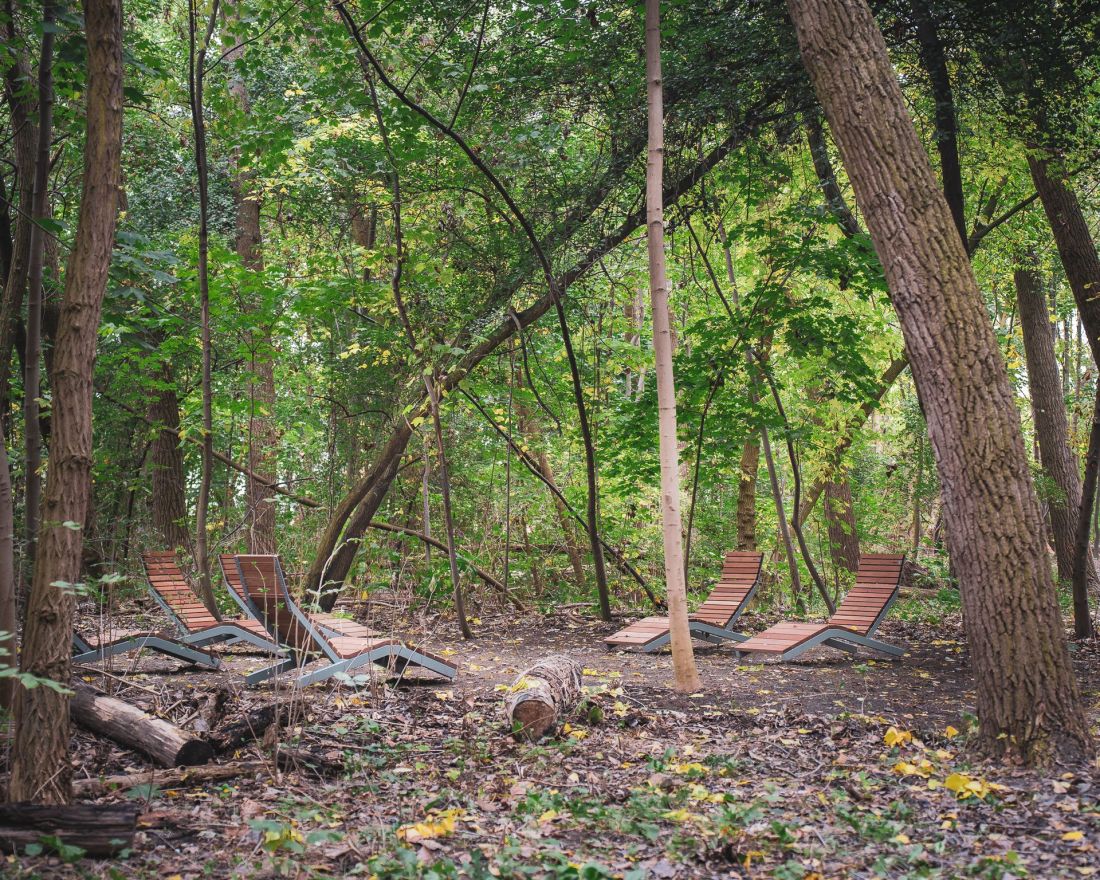
Zeranski Park in Warsaw is open! - proj.: topoScape, Archigrest, Hubert Trammer
photo: Krzysztof Babicki © ZZW
Perhaps Żeranski Park will become another voice in the increasingly important discussion about what should be considered a valuable relic, or even heritage, and what does not yet deserve this name, and should instead be demolished or "cleaned up"? But perhaps these considerations are not so important at all in the face of the actions of nature, which, despite years of human interference in the area, has found a way to reclaim post-industrial Żerań for itself?