




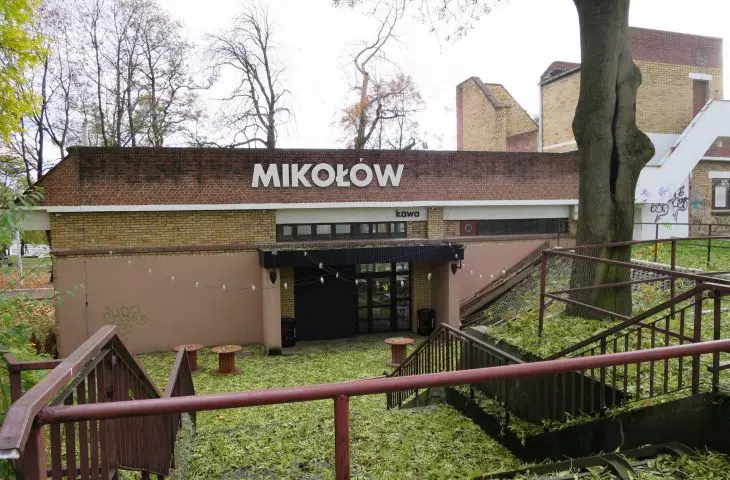
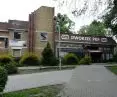








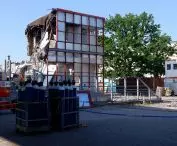
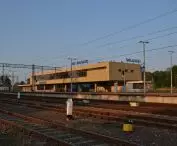


The post-modern train station in Mikolow will be demolished. This has been decided by PKP S.A., which plans to build a new station designed by the An Archi Group studio at the site. Why is it still possible in our country to replace a little over thirty-year-old building with a new one with the same function? How many more modernist and post-modernist train stations will disappear from Poland before PKP S.A. realizes that they are a resource of post-war architecture worth protecting?
PKP S.A. is gaining momentum in its ambitious vision to bring as many Polish train stations up to 21st century standards as possible. In a May 9, 2026 announcement, the state-owned company said it would modernize the train stations in Lubliniec and Szamotuly, while also announcing plans to demolish the station in Mikolow and replace it with a new building. The design work, as we read on the company's website, is already underway, meanwhile, there was an uproar online, because the post-modern train station in Mikolow is unique. Why do the residents of Mikolow (and not only!) care so much about the building from the early 1990s?
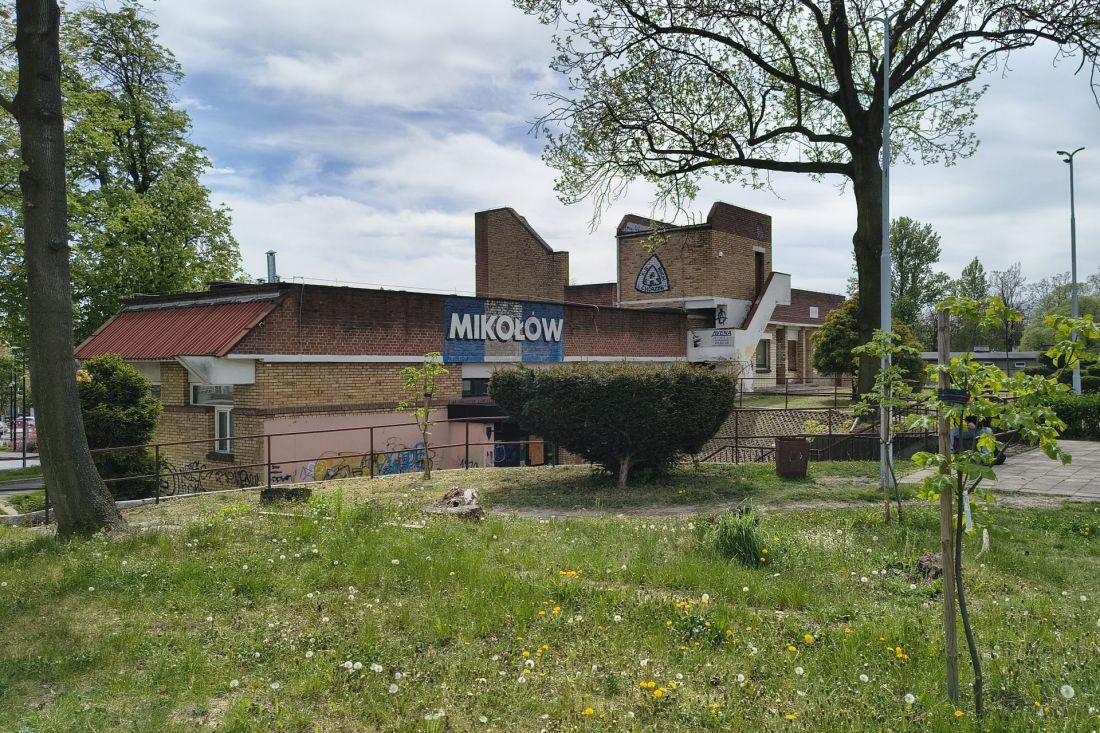
The train station in Mikolov
Photo: Kamil Czaiński © CC BY-SA 4.0 | Wikimedia Commons
Mikołów train station to be demolished
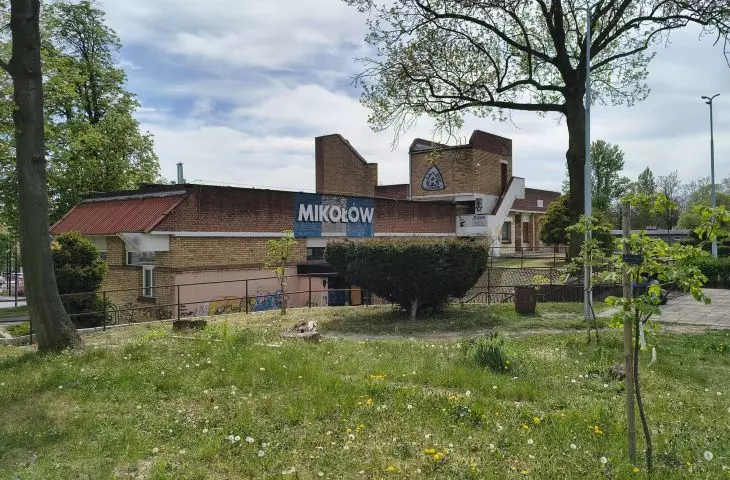
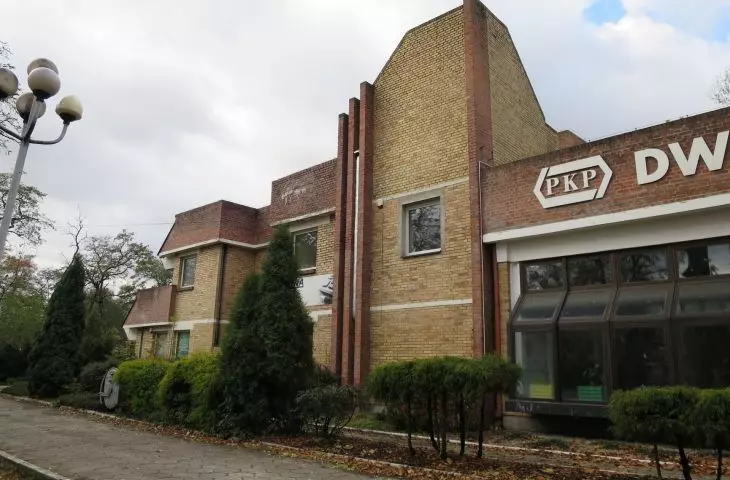
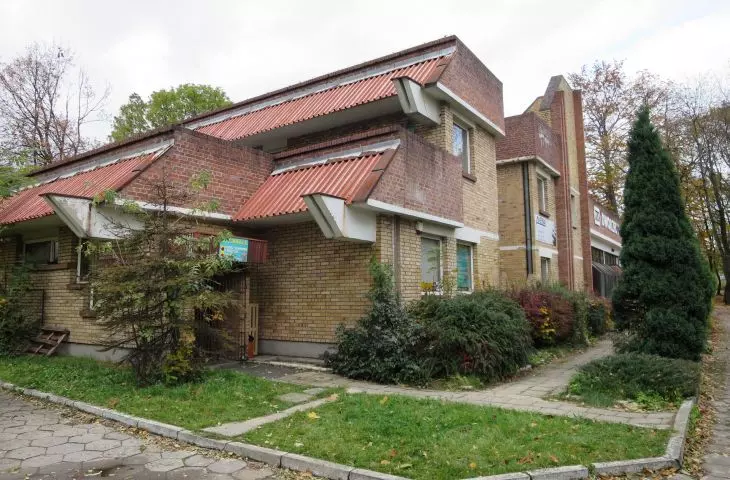
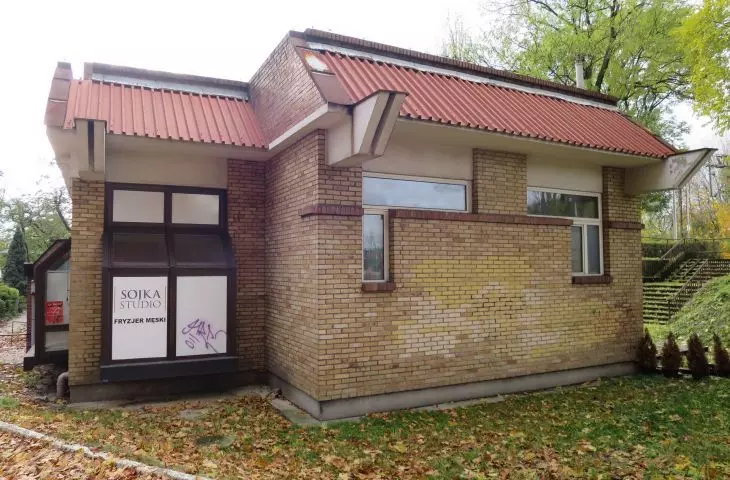
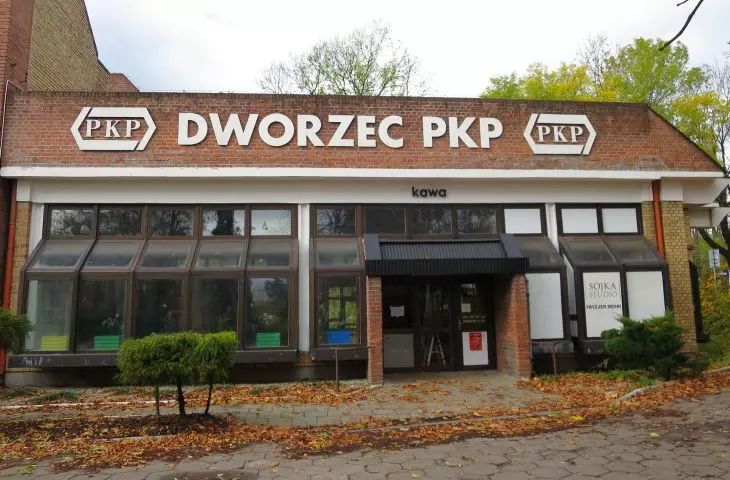
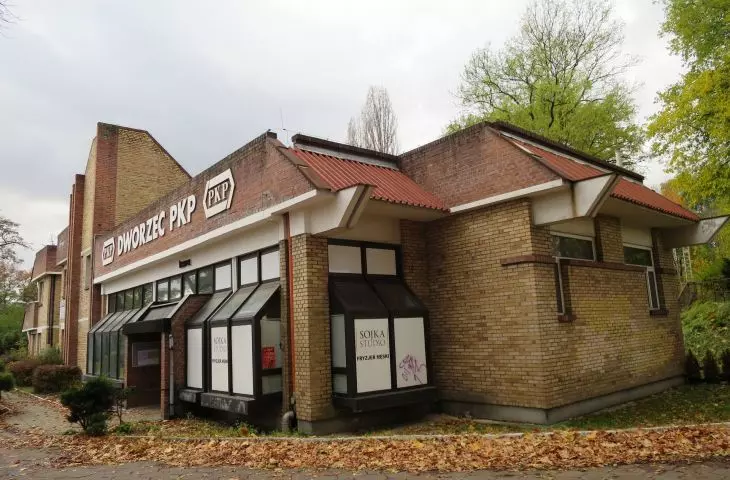
The Mikołów train station was built in 1993 on the site of an earlier mid-19th century building, northwest of the historic center of the city, near the recently built Transfer Center. In keeping with the postmodern spirit of the times, the sculpted, two-story volume draws handfuls from Mikolow's historic buildings and its famous reinterpretation - the Jamna River Estate, designed just over 10 years earlier by Stanislaw Niemczyk.
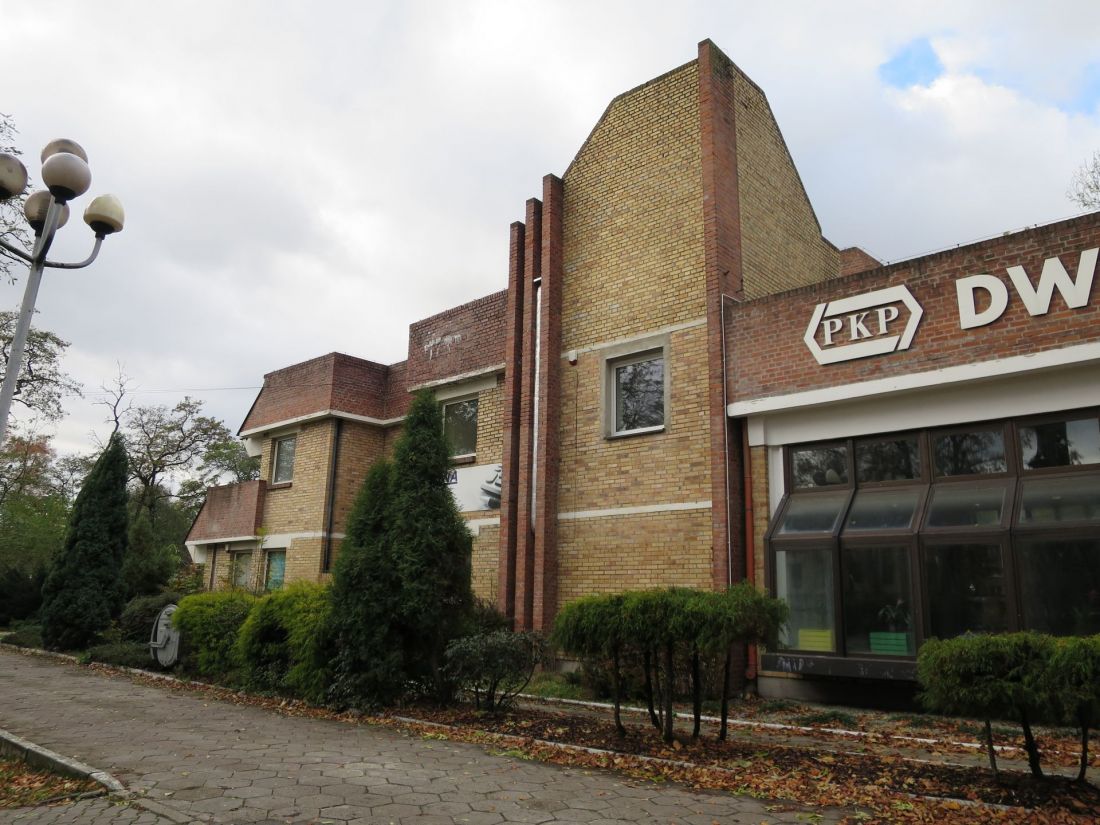
The train station in Mikolow
Photo: Travelarz © CC BY-SA 3.0 | Wikimedia Commons
Thus, the Mikolov train station has facades carefully finished with two-tone brick, a tall tower, and the fronts of ceiling beams protruding boldly from some of its walls. Although the composition of the building is horizontal, the building managed to be covered with a series of sloping roofs, reminiscent of the iconic Stanislaw Niemczyk estate.
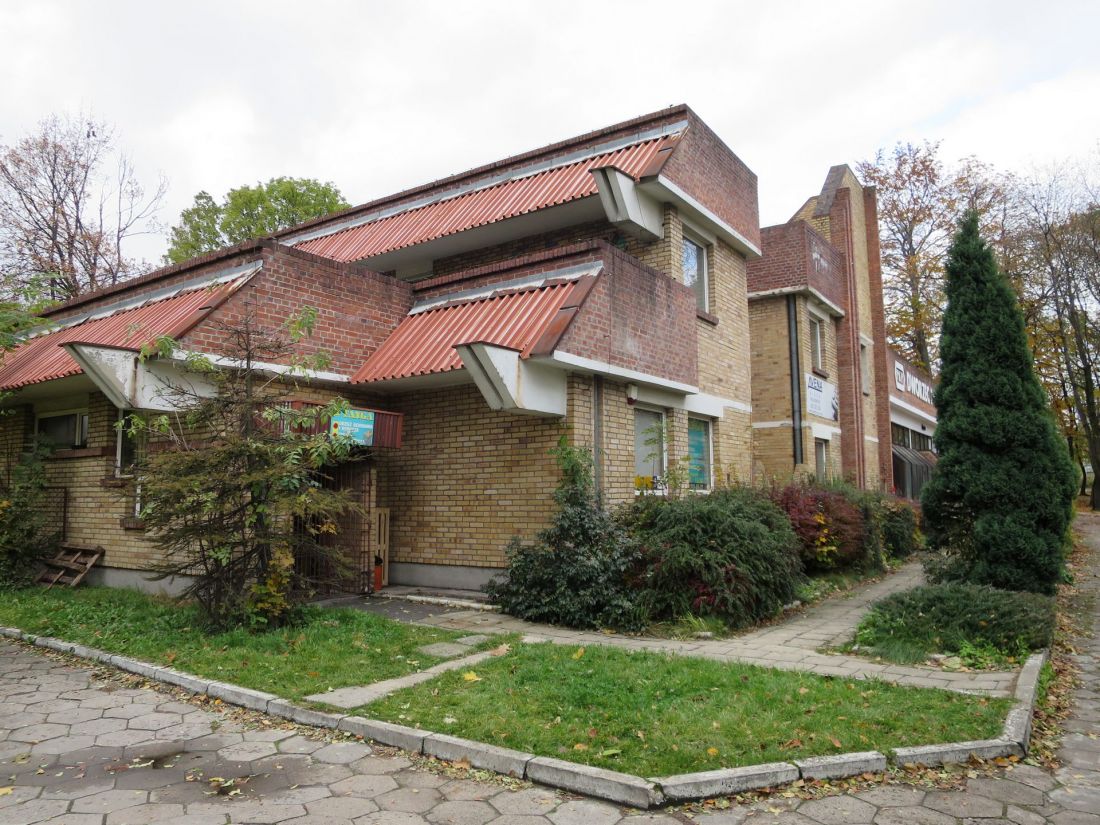
The train station in Mikolow
Photo: Travelarz © CC BY-SA 3.0 | Wikimedia Commons
Mikołów train station in good condition, but will go under the pickaxe
To say that it is "suitable for renovation" would be a euphemism in the case of the Mikołów train station. There's no denying that the passage of time has left its mark on the building, mainly in the form of damage to the facade's fabric and the inscriptions covering it. It's no surprise that the building has become overgrown and covered, since the ticket offices have been closed since 2010, and the waiting room hasn't seen passengers for many years. However, as reported on social media by Mikolov residents, including people who have had the opportunity to see the Mikolov station from the inside, the technical condition of the building is good, thanks in part to its permanent connection to the district heating network. Its age is probably not without significance - after all, the Mikolov train station is only 33 years old. In light of this figure, the decision to demolish the building and replace it with a new one with the same function seems surprising, to say the least.
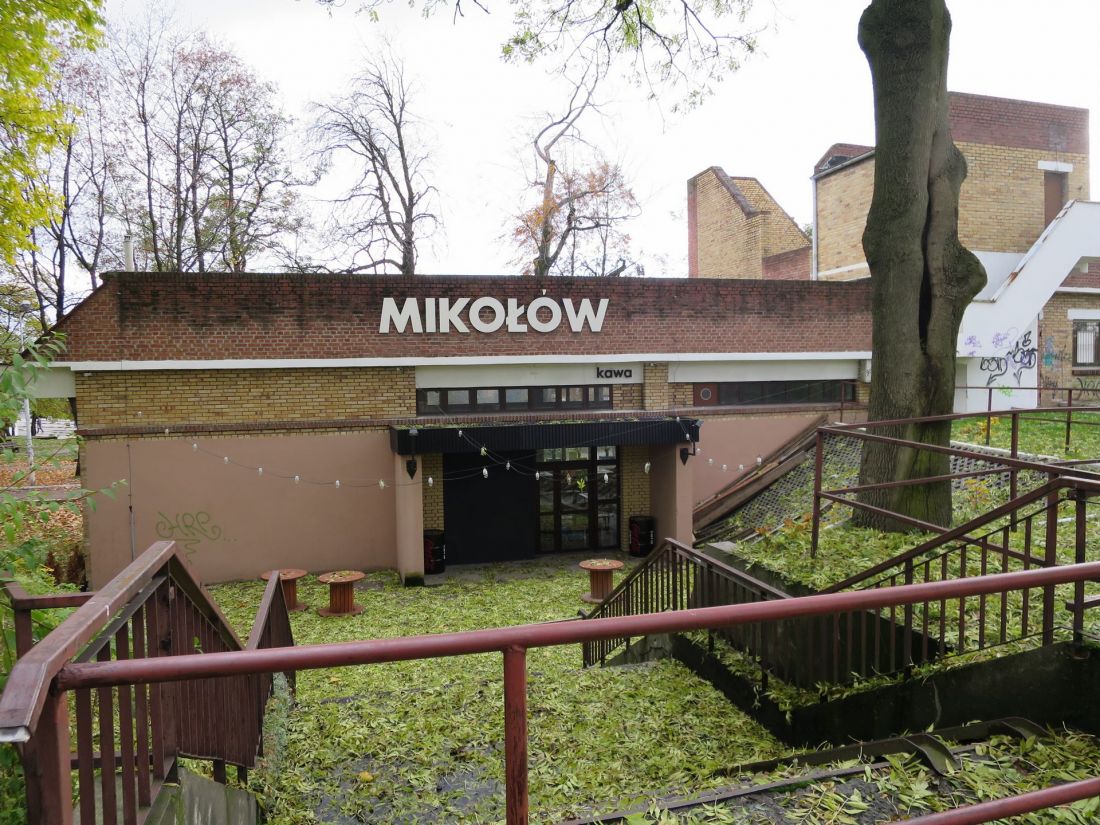
The train station in Mikołów
Photo: Travelarz © CC BY-SA 3.0 | Wikimedia Commons
Mikolow without IDS
PKP S.A. will apparently abandon the construction of the Innovative System Station in Mikołów, and an original concept will be prepared for the investment. As we read on the company's website, the design of the new station in Mikołów will be created by the An Archi Group studio, selected in a tender procedure. This is another project that the studio is preparing for PKP - in 2023 An Archi Group developed a concept for the reconstruction of the Łódź Kaliska station, now completed with an effect that leaves a lot to be desired. We will probably have to wait a little longer to find out what the new Mikołów station will look like, as the start of construction is planned for 2027.
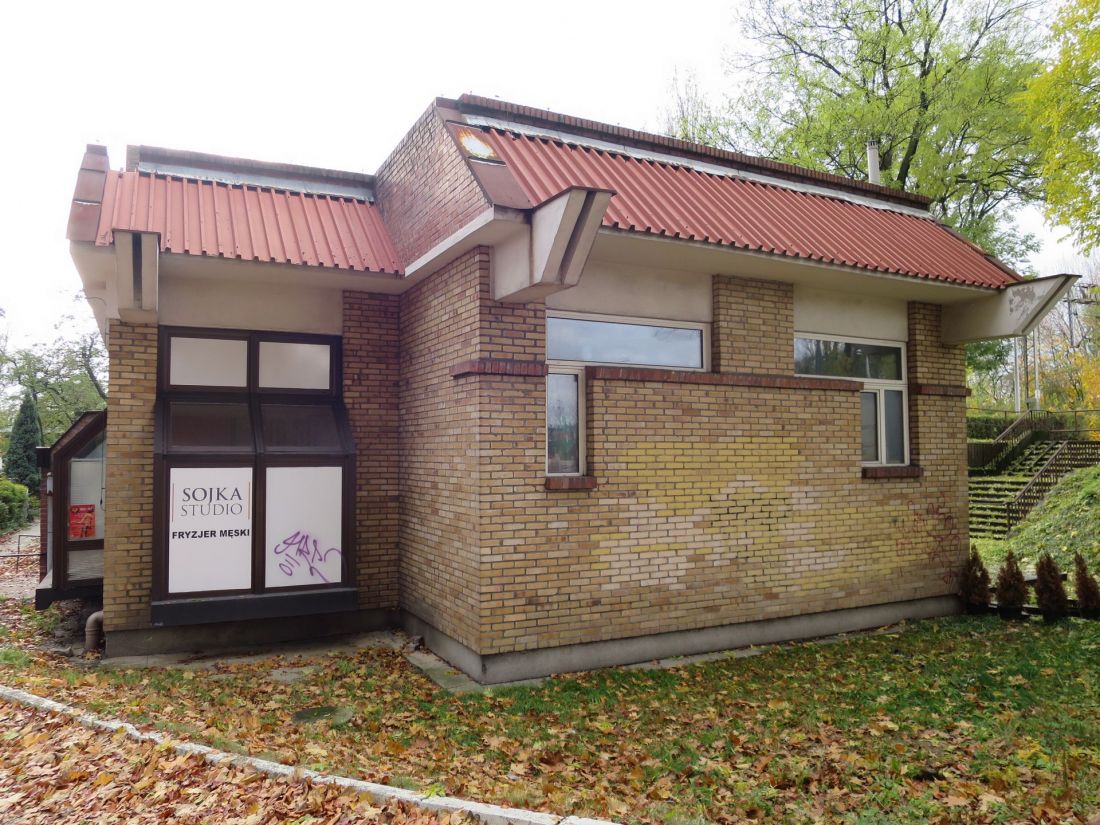
The train station in Mikolov
Photo: Travelarz © CC BY-SA 3.0 | Wikimedia Commons
nihil novi
Or will it not happen at all? It seems that the construction of a new train station in Mikołów is most strongly supported by PKP S.A. itself, although some politicians, including Senator Piotr Masłowski, are also boasting about it. This is interesting, since initially the Mikolov authorities - addressing the company, but also the government directly - stated unequivocally that it was the renovation of the 1990s station that the city needed. Now that PKP S.A. has announced the planned steps, the narrative is quite different, and the demolition of the brick station and construction of a new building is presented as a success, albeit fraught with demolition. Of a different opinion are a significant number of residents, who criticize the demolition plan on social media. For the state-owned company, however, protests in defense of decades-old buildings are not new.
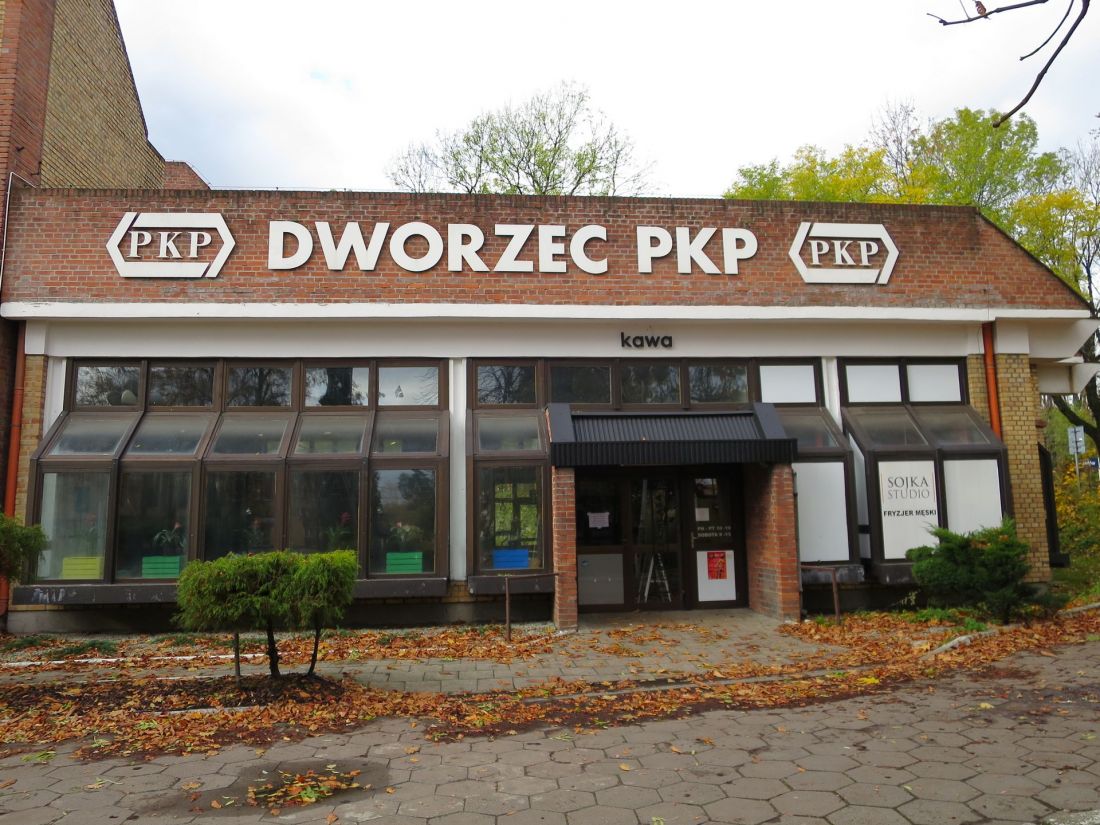
The train station in Mikolov
Photo: Travelarz © CC BY-SA 3.0 | Wikimedia Commons
an age of oblivion
In an attempt to bring Polish railroads into the 21st century, PKP S.A. has razed quite a number of train stations. The goal of these actions is clearly laudable - to make Poland's rail infrastructure modern, economical and, above all, accessible to all users. However, the manner in which it is being implemented may raise objections, primarily for two reasons - environmental and historical.
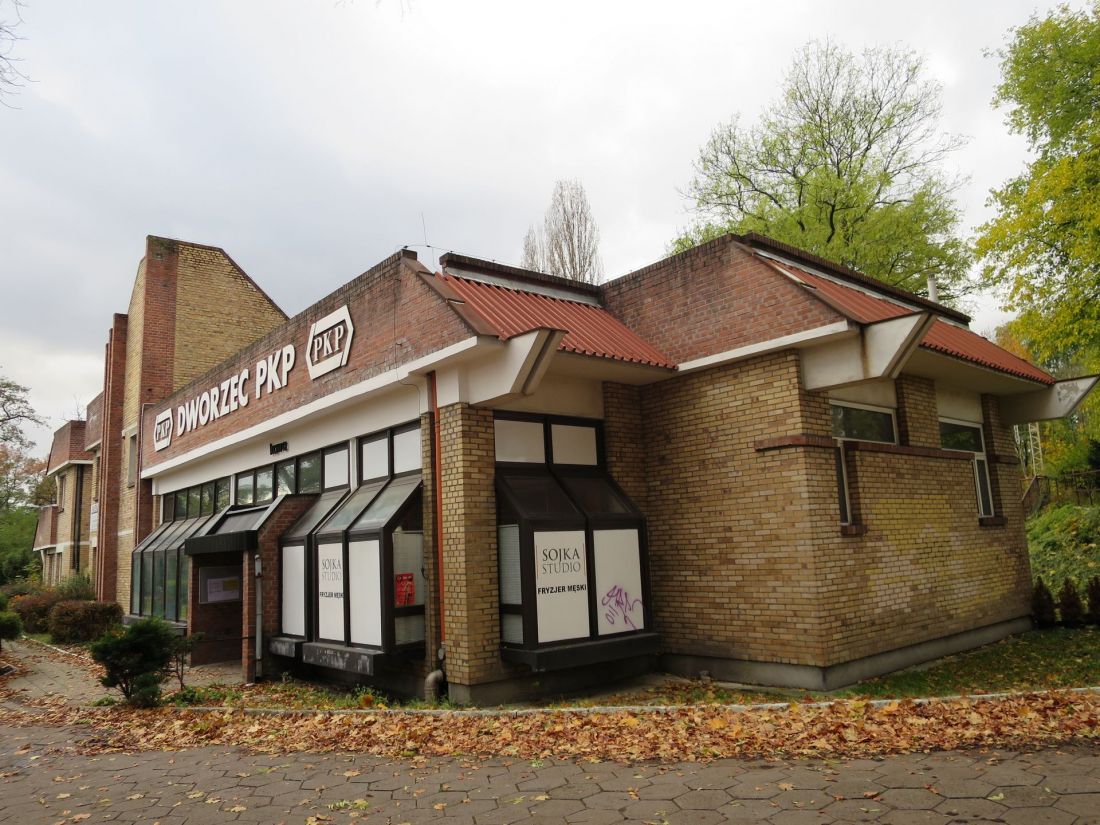
The train station in Mikolow
Photo: Travelarz © CC BY-SA 3.0 | Wikimedia Commons
Is forty years for a train station a lot?
Although many station buildings, primarily those built in the 19th or early 20th century, have been painstakingly renovated in recent years, it's hard to turn a blind eye to the large number of relatively young and functional buildings that the PKP is replacing with new structures. In the case of some, such as the Łódź Kaliska station building, modernization is taking place using the original architectural fabric. Much of PKP S.A.'s work, however, involves demolishing buildings that are several decades old, long before they reach the end of their architectural usefulness.
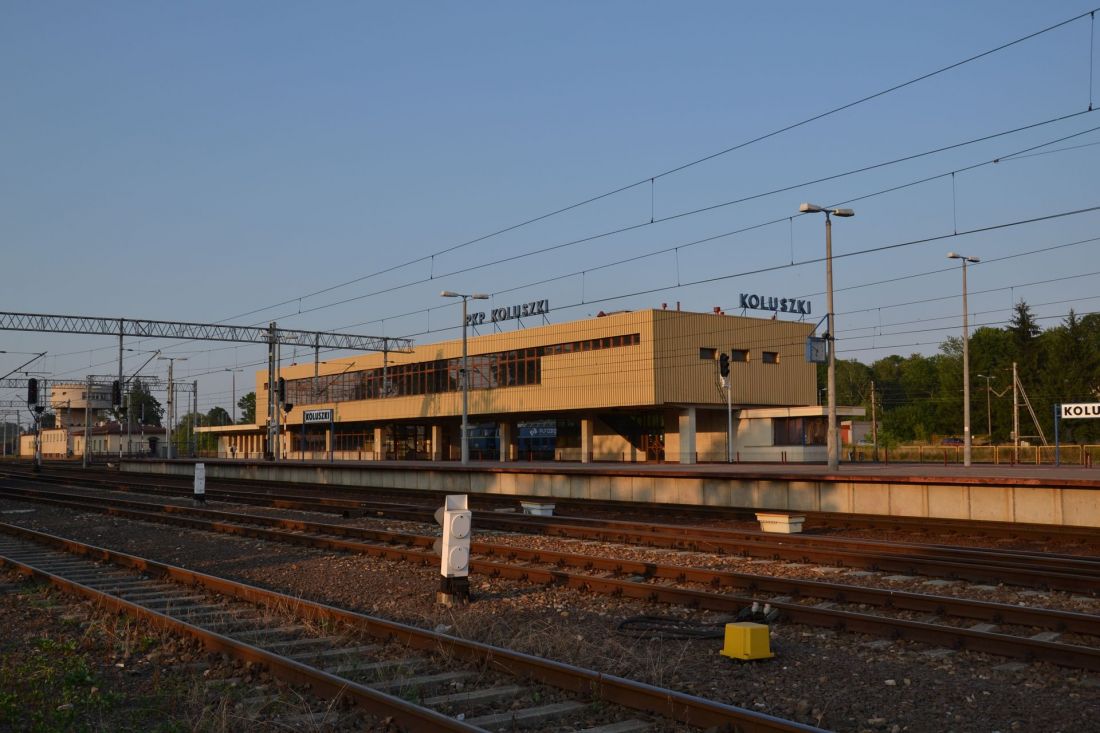
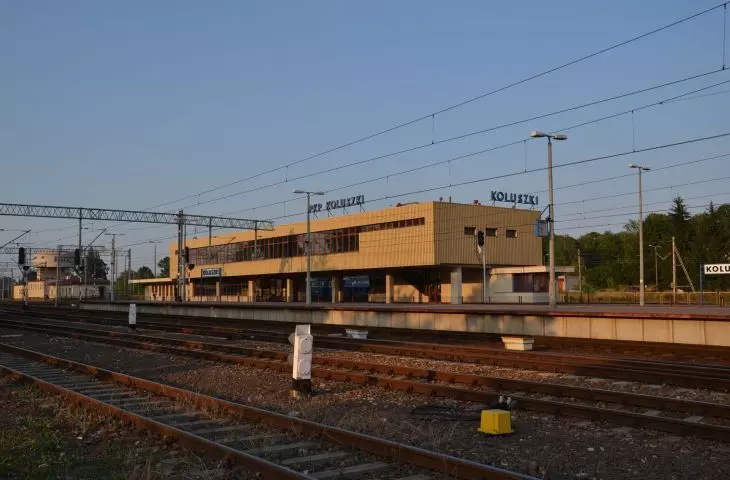
Former railroad station building in Koluszki
photo: Lichen99 © CC BY-SA 3.0 | Wikimedia Commons
The fact that forty or fifty years is not so much for a station building is evidenced by the renovations of buildings more than a century old, which are being carried out with great success by PKP S.A.. All of these buildings have managed to adapt to modern requirements for accessibility or security. Most, however, and especially the most successful ones, are under conservation protection. When the station is younger, and therefore not in the register or municipal records of monuments, the "barriers" associated with adaptation to modern standards often prove insurmountable.
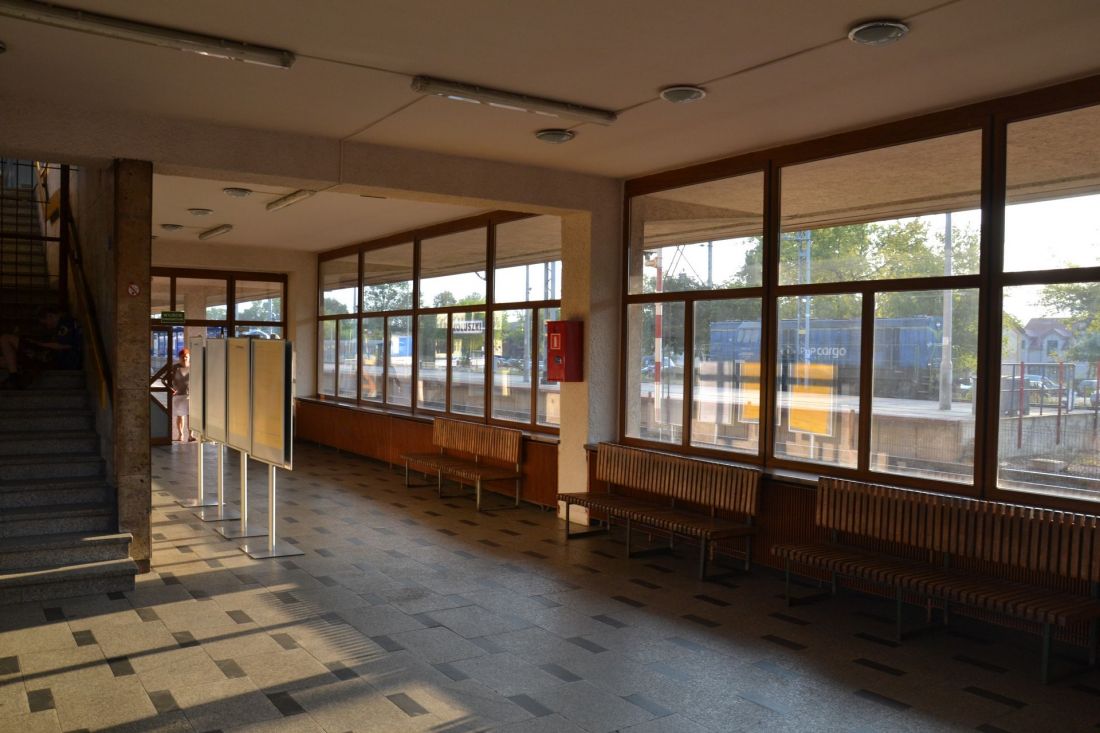
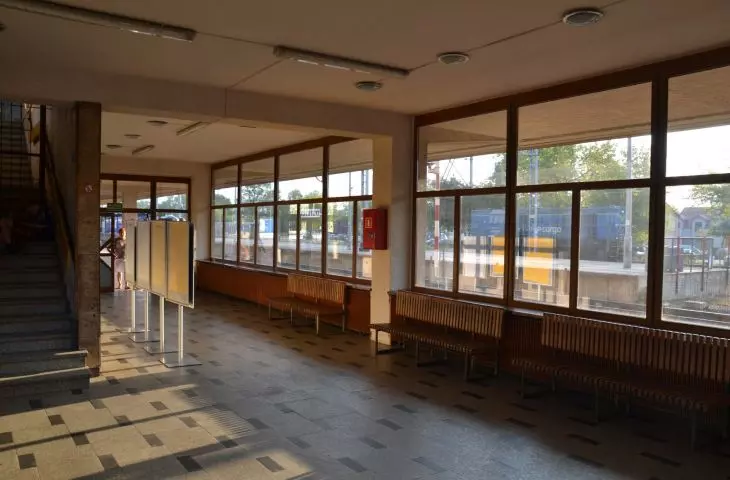
Former railroad station building in Koluszki - interior
photo: Lichen99 © CC BY-SA 3.0 | Wikimedia Commons
Along with the architectural fabric, however, important examples of railroad architecture are also disappearing from the station. There are still quite a few modernist train stations in Poland, although some - such as Warszawa Centralna - have only survived in their original form thanks to the bravado of the preservation services. This does not mean that we should mindlessly get rid of a resource that is a valuable testimony to the previous system and its architectural culture. This is by no means only about large-scale objects - it is a pity about both the magnificent Olsztyn train station and the charming Koluszki station near Lodz, complete with modernist lettering and interior design.
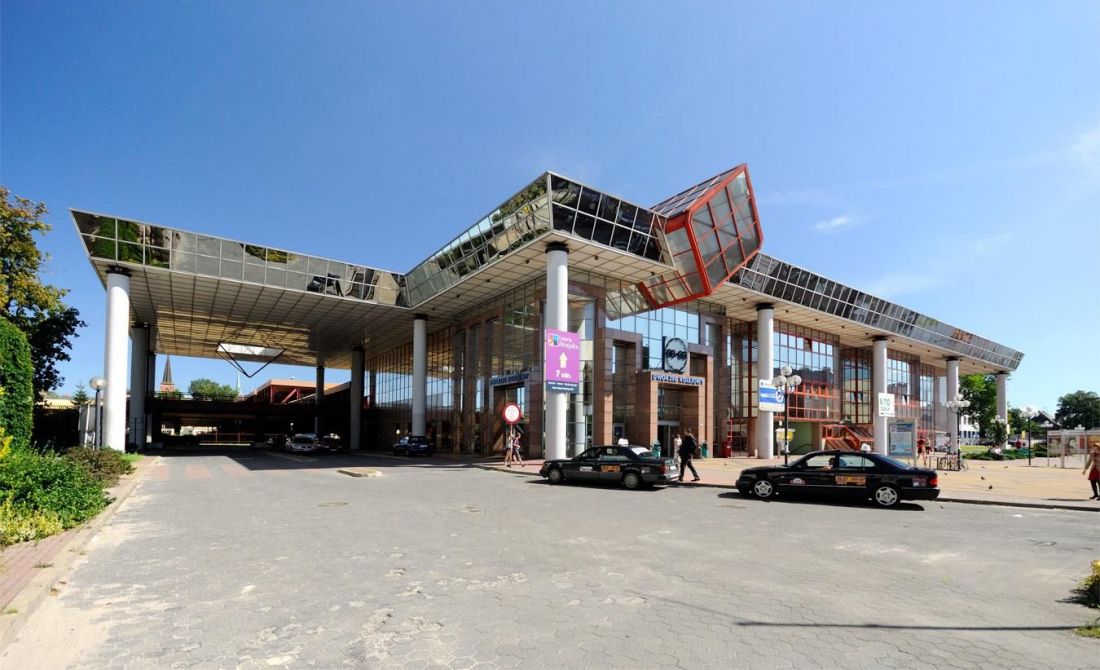
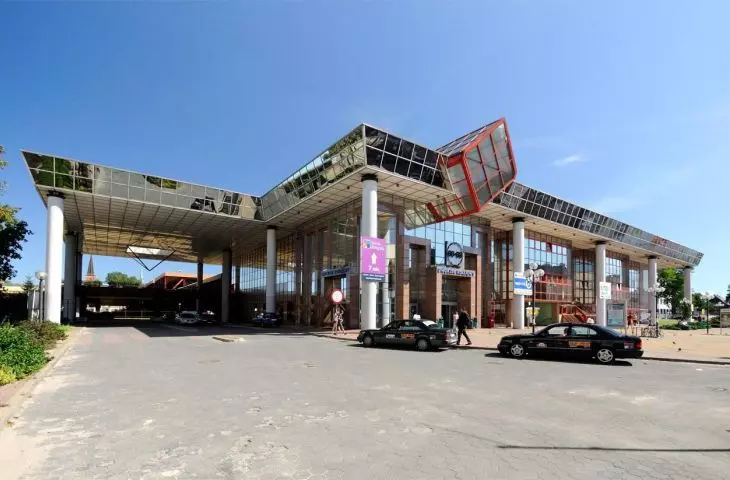
Former railroad station building in Częstochowa
Photo: Neo [EZN] © CC BY-SA 3.0 | Wikimedia Commons
Postmodern train stations are even worse.
The 1990s were an exceptionally difficult time for railroads, so it's not surprising that there are few related investments from this decade. Of the significant realizations, it is worth considering actually only two stations erected at that time - the main railroad station in Częstochowa and the Łódź Kaliska station.
- writes Anna Cymer in her book "The Long Years of the 90s: Architecture in Poland's Transformation Times ", p.76.
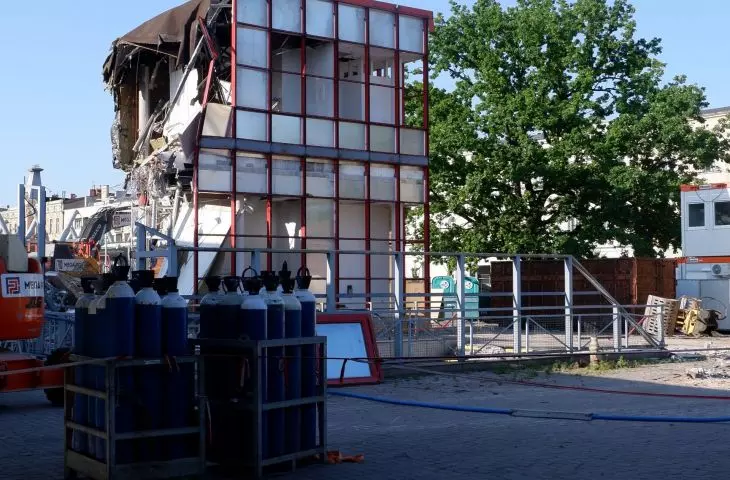
Today, just two years after the publication of Anna Cymer's book, both buildings are a thing of the past. The railroad station in Częstochowa is already in an advanced stage of demolition. It will be replaced in the second half of 2027 by a new building, the concept for which was selected in a 2019 architectural competition. A slightly different story befell the Łódź Kaliska train station. The building designed by was destined for reconstruction and adaptation. From the original architectural concept, the structure and its three-nave layout have been preserved first of all, apart from them Lodz Kaliska in its current form is basically a completely new building. Although Lodz citizens and Lodz women longed above all for the Art Nouveau station of 1902, the redevelopment of postmodern Lodz Kaliska was met with a mixed reception from residents.
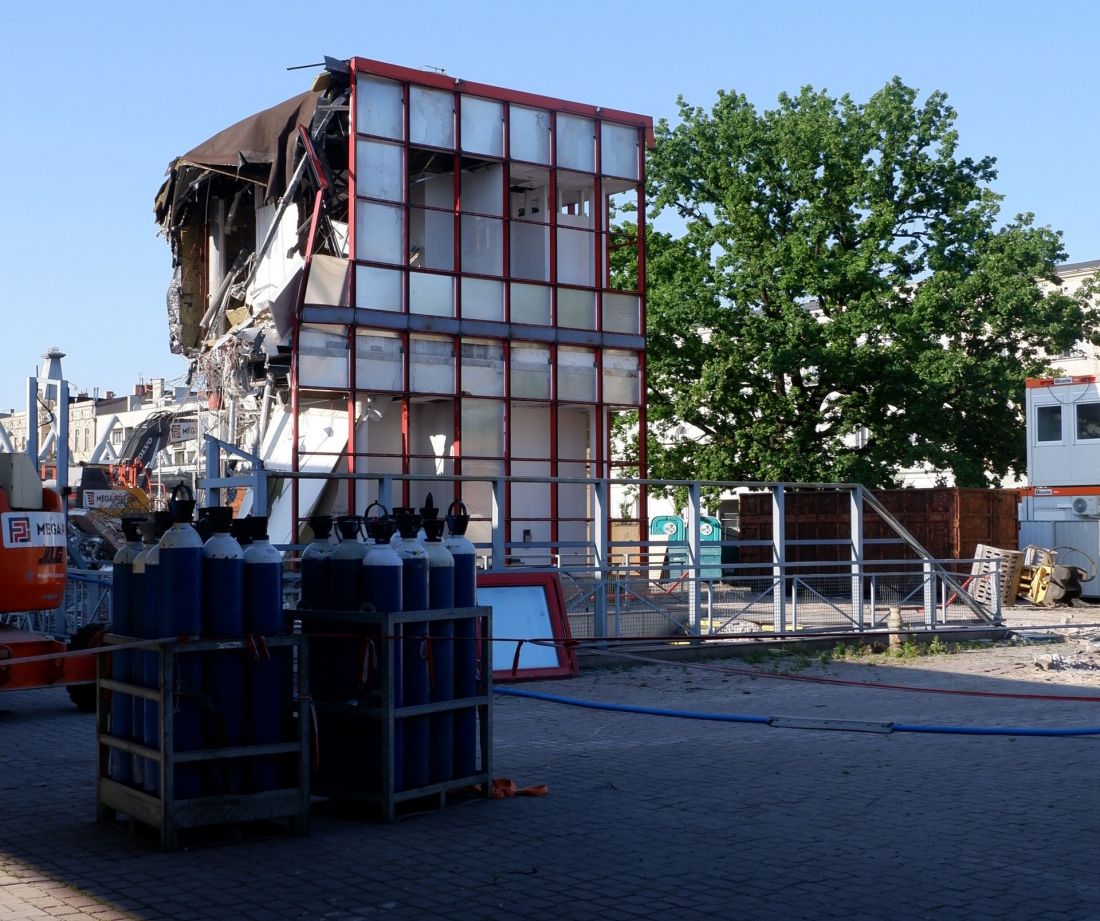
Demolition of the railroad station in Częstochowa
Photo: Kamil Czaiński © CC BY-SA 4.0 | Wikimedia Commons
SOAP in defense of the Mikołów train station
Compared to the above two examples, the post-modern train station in Mikołów is a building of much smaller scale and importance to the region. However, this does not mean that the decision to demolish it is environmentally and architectural history neutral. The idea of replacing the Mikołów train station with a new structure has been met with a negative response from Mikołów residents and architecture circles. Among others, Olga Drenda and Anna Cymer stood up in defense of the Mikolow station in social media, and on May 15 of this year the Association for the Protection of Postwar Architecture announced that it would take steps to demolish it. Will PKP S.A. be as adamant as it was in the case of the Częstochowa, Koluszki or Olsztyn stations?