







According to the original plan, master plans were to be ready nationwide today, the last day of the year. However, of the major Polish cities, only Poznań has one. Councilors passed the document a few days before Christmas. How will the new plan affect the future shape of the city?
The master plan is returning nationwide as the overarching planning document after more than 22 years. During that time, the function of spatial "constitutions" was performed in municipalities and cities across the country by studies of land use conditions and directions. "Constitutions" were very imperfect, because their provisions actually worked only in those areas for which local zoning plans had been adopted (sometimes only on a few or a dozen percent of the municipality's area). Elsewhere, development conditions issued on the basis of the principle of so-called "good neighborliness" "ruled. In doing so, they did not have to comply with the provisions of the study. Thus, in favorable circumstances for the investor, a factory could also be built on a greenfield site. This very imperfect system has lasted far too long and has furnished us with large areas of the country in such a way that it will often be impossible to rectify the situation.
The long-awaited change came in 2023, with a solid amendment to the regulations reinstating a general plan that had been abolished almost a quarter-century ago. One that, like the local zoning plan, has the force of local law. Its provisions, to use a monarchical comparison, not only rule (without practical consequences), but also govern. Local plans, development conditions or decisions on the location of public purposes must conform to the provisions of the plan . The only areas excluded from the planning authority of cities and municipalities are, as before, closed areas belonging to railroads or the army, among others.
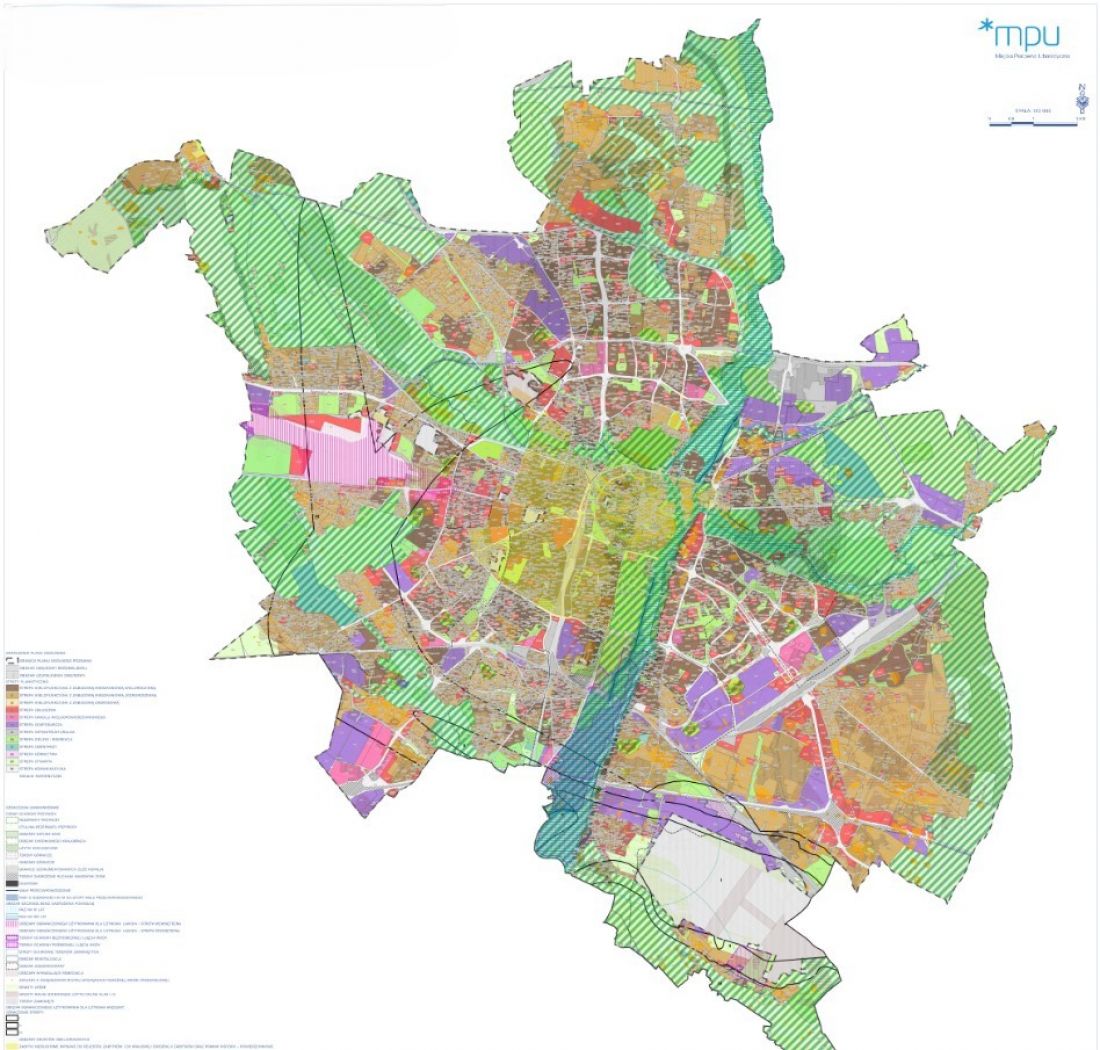
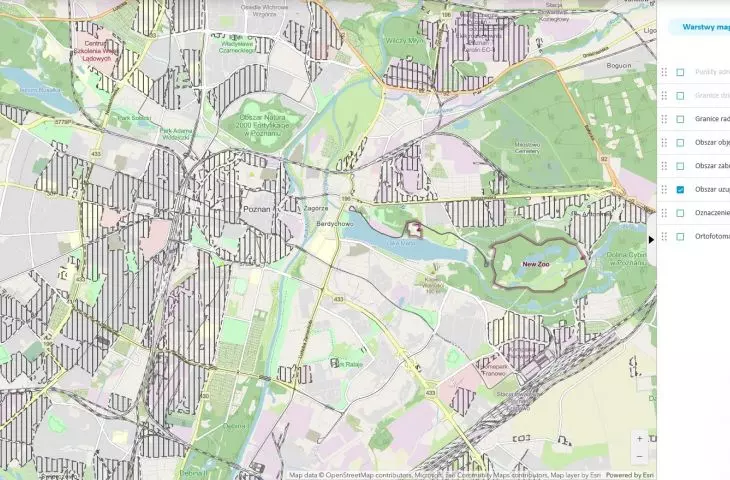
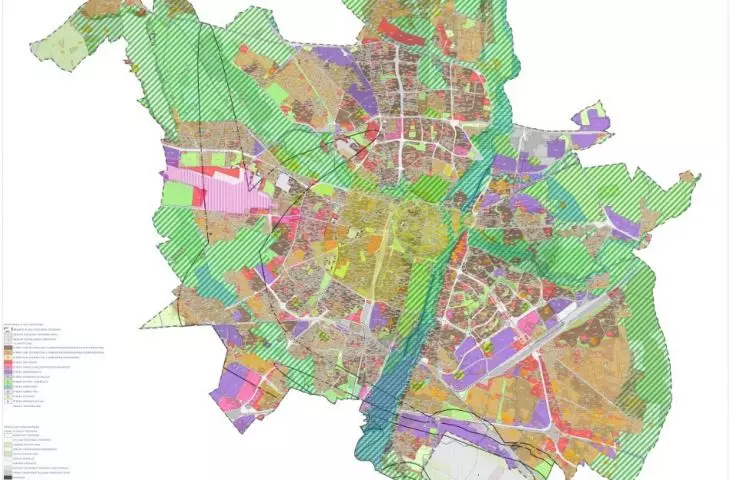
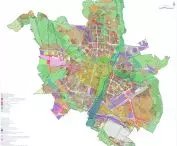
General plan of Poznań - summary view of the plan
source: mpu.pl
lost power of wuzetki
The general plan divides the city into so-called "planning zones" (up to 13 categories), e.g. zones: multifunctional with multi-family housing, single-family housing, services, multi-surface trade, business, agricultural production, infrastructure, greenery and recreation, etc. For each area into which the plan divides the municipality's territory, not only the type of zone is assigned, but basic parameters such as the maximum height of development or the minimum proportion of biologically active area. After the adoption of the plan, it will be possible to obtain development conditions for areas not covered by local plans only in the so-called supplementary development areas marked on the plan. "Wuzetki" are also issued not indefinitely, but for five years.
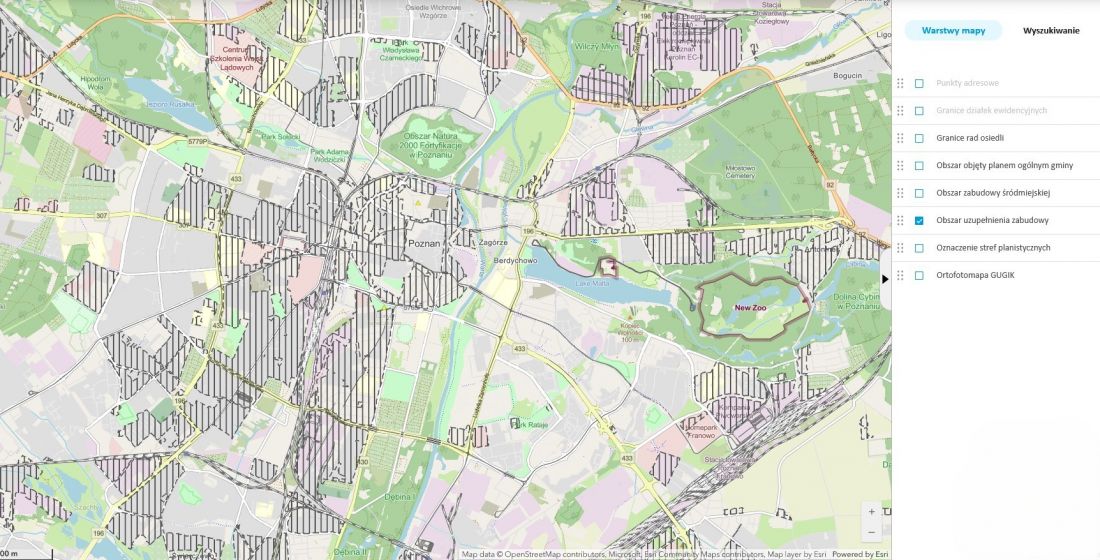
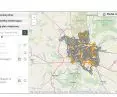
general plan of Poznań
Source: MPU map portal; gis.mpu.pl
Local governments were initially given a lofty deadline to draw up new "constitutions": December 31, 2025. After requests and protests, it was postponed by six months - until June 30, 2026. However, Poznań decision-makers decided to stick to the original date and councilors passed the master plan on December 18. For it to take effect, the governor's signature is still needed. City Hall officials said they did not slow down the work in order to stem the tide of applications for development conditions still issued under the old procedure. And to have the planning situation already in order. However, the rush meant that some iterations of the public consultations, which had been prepared quite well, were held on problematic dates - for example, during the summer vacation. Naturally, some residents were unable to participate. Poznań managed to do it not only thanks to the determination of the authorities and planners, but also because it has a Municipal Urban Planning Laboratory, which developed the plan. Smaller cities and municipalities, without local planning offices or units, outsource plan drafts - through a bidding process. In mid-December, Gazeta Wyborcza reported that one-fifth of the country's municipalities had not even begun work on the plan yet! The July deadline therefore seems unrealistic in many cases .
general express
Let's return to Poznań, however. What does the document look like? What is important about it? What did its drafting look like? Finally, if and what controversies does it stir up?
First, a brief calendar. Official work on the plan began on September 3, 2024 (before that, the MPU prepared the document's assumptions and presented them to, among others, the Municipal Urban Planning and Architecture Commission). The first public consultations began in the middle of the month. Informational materials were published, and on September 23 an informational meeting arranged only online was held (after the pandemic the City still often sticks to this inadequate form of contact). From mid-September to the end of October , comments and proposals for the plan were collected . Opinions and agreements. among others with neighborhood councils lasted until the end of 2024.
In January 2025, a second round of municipal public consultations began on the basis of proposals submitted by the MPU. Another online meeting was followed by a series of live meetings for residents of each area. It was also possible to go to the MPU in person to ask planners for details or raise concerns. From April to June, the document continued to be coordinated with the relevant entities (from the office of the City Historic Preservation Officer to the Army).
The finished draft of the plan was made available in June, and the vacation period mentioned here earlier was set for the consultations provided for by the law: from June 30 to August 4. The online meeting was followed by a series of planners' on-call meetings. Tips on how to navigate the complex and voluminous document were published on the MPU and City websites . In October, the revised draft plan went to consultation again, and then was published and forwarded to councilors. Those, even making significant amendments on voting day(!), passed the document on December 18.
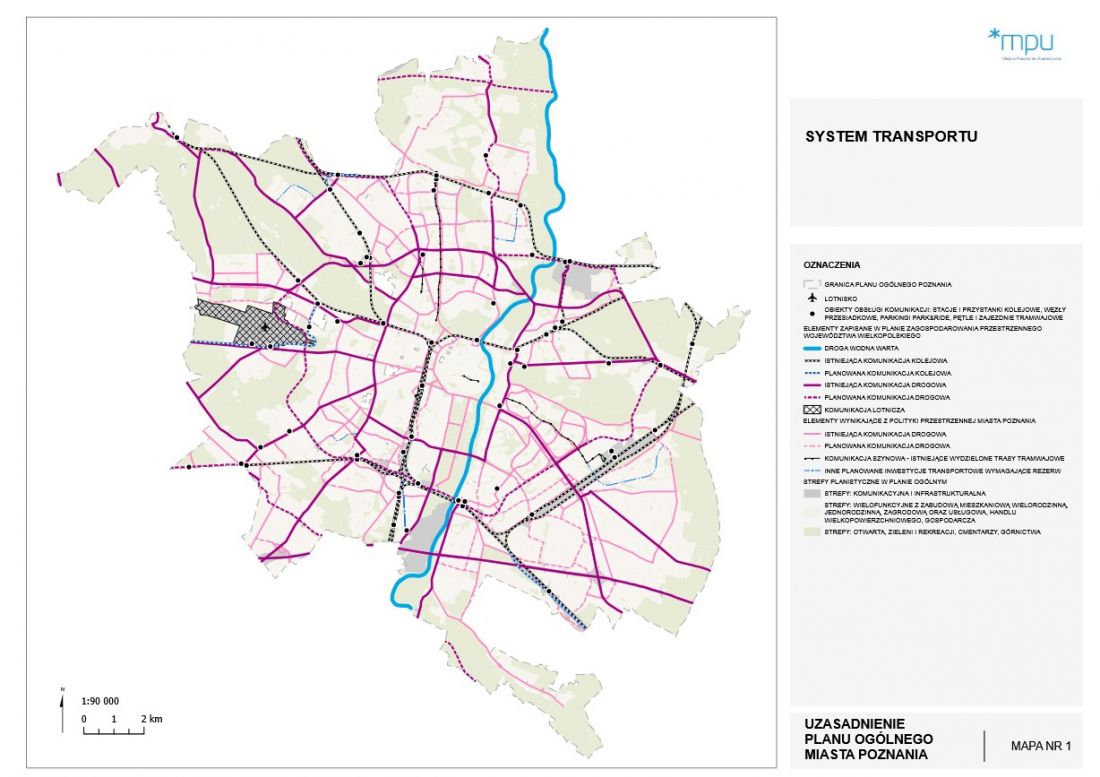
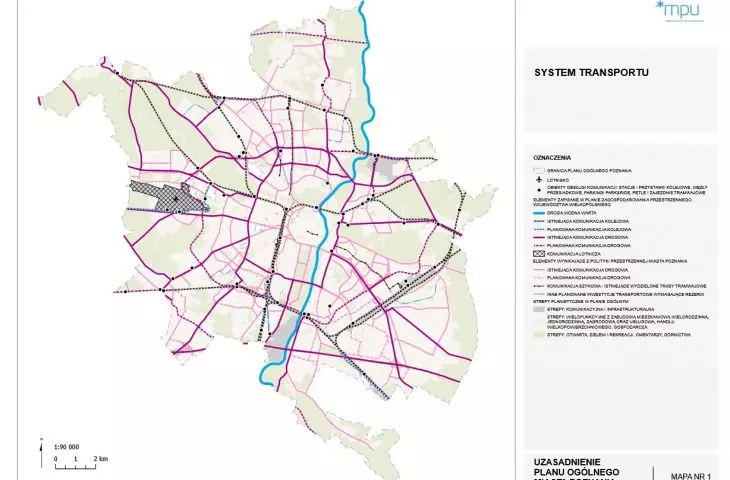
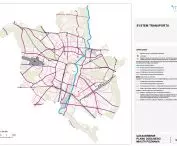
general plan of Poznań - transport system
source: mpu.pl
cradle and lake
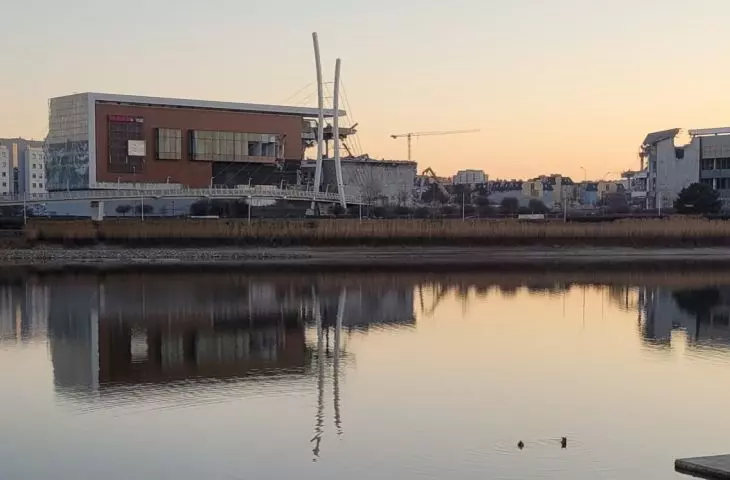
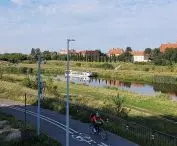
In the course of the plan's adoption , several protests smoldered or erupted in the city, as well as debates related to the work on local plans for a couple of important areas (residents and members of associations actively sought changes, by the way, until the end, including during the December 18 Council session). The biggest emotions were aroused in the year just ending by plans for the development of the northern part of Ostrów Tumski - an area of very strong significance for the city space and the history of Poznan and Poland(the cradle of the Polish state, including the cathedral and the relics of Mieszko I's palace). We described the heated dispute between historians and community activists and the mayor in August. Controversy also arose over plans for a high rise residential development on the site of the first-generation shopping center on the Sobieski estate, which is being extinguished, or in the vicinity of the recreational area of Lake Malta (an artificial reservoir with a regatta course on the outskirts of the city center). The investment offensive is pushing against this landscaped premise from two sides. High-rise buildings are to be built on the south side in place of the Malta shopping center, which was demolished this year (opened in 2009!), and - on the north side - instead of the sub-standard development of year-round houses in the allotment gardens on Warszawska Street (Maltańskie Osiedle).
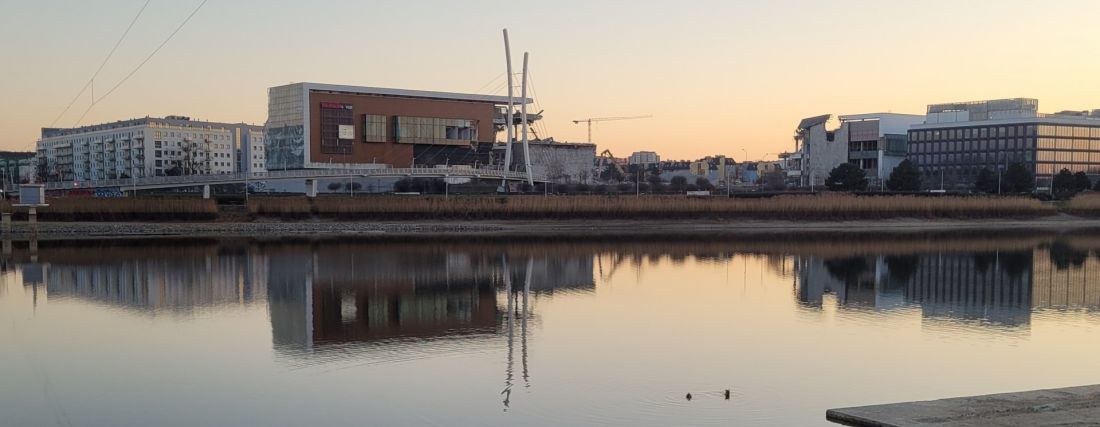
Malta mall - rising 03.2025 - in the place after the shopping center will be able to stand houses up to 40 meters high
photo: Jakub Glaz
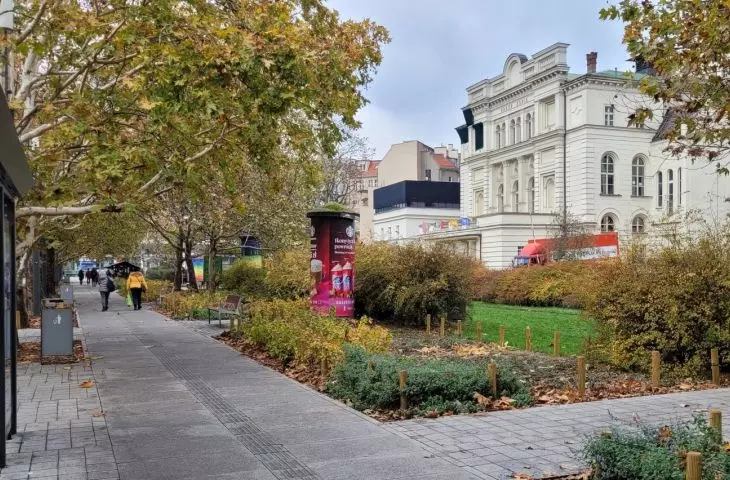
We wrote about the pros and cons of the plans for tall buildings in Poznan crosswise in August, and about the case of CH Malta - last time - in January. The area in front of the Polish Theater in the heart of downtown was also a flashpoint, where - during last year's separate consultations - residents postulated not development, but the creation of a green theatrical cultural forum. The battle for greenery also continued in the Lazarus district. Here, residents sought to prevent development on the green area after the plots at the intersection of Hetmańska and Dmowskiego streets.
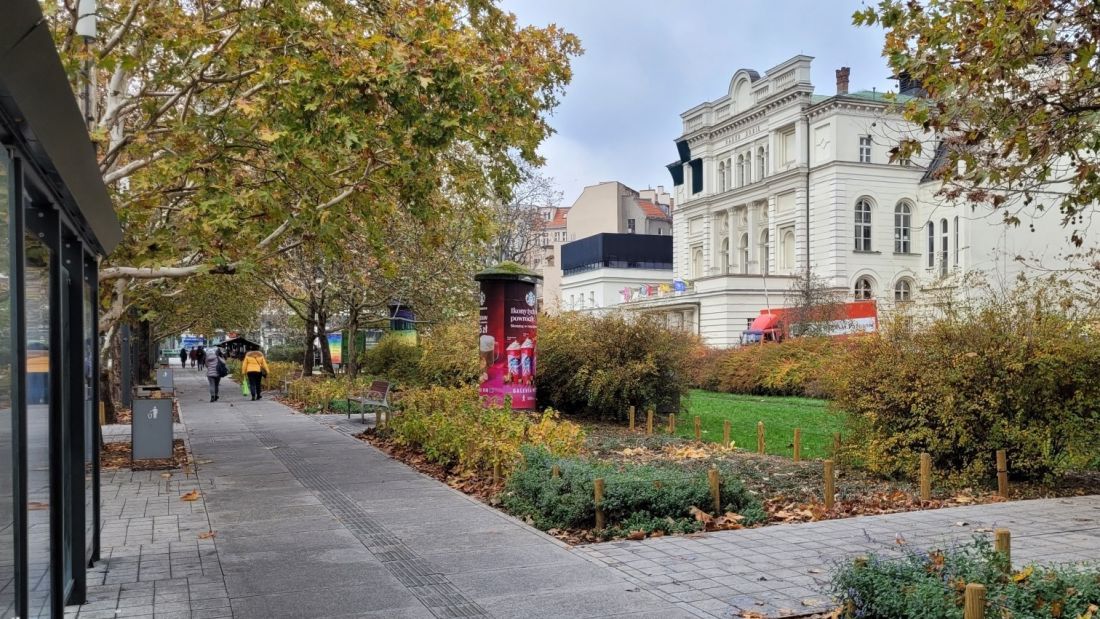
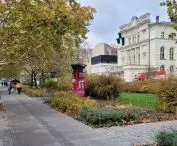
The area in front of the Polish Theater in Poznan, 27 Grudnia Street - the general plan finally allowed development on part of the site (on the right); the green belt in the middle was secured
photo: Jakub Głaz
high, but not that high
How did the planners and authorities respond to the comments, applications or protests ? There was no repeat this time of the Study update conducted two years ago, when the city authorities rejected the overwhelming majority of comments on the document. However, it is difficult to speak of success for opponents of overly intensive investments. In the flashpoints already mentioned here , fortunately, they managed to reduce the allowable height of buildings in the Malta area. But even so, the landscaped establishment is in danger of being enclosed by tall blocks of flats. On the northern side of the lake, the maximum height for the Maltese settlement has been reduced from 50 to 25 meters (at Warszawska Street) and to 17 meters (closer to the lake). On the southern side - from 60 to 40 m. The scale of the dominant planned at the western end of the reservoir was almost halved. The plan now allows the construction of an urban accent reduced from 100(!) to 55 meters. A slight reduction in height was also achieved on the Sobieski estate (a corner accent 27 meters high, instead of about 40 meters).
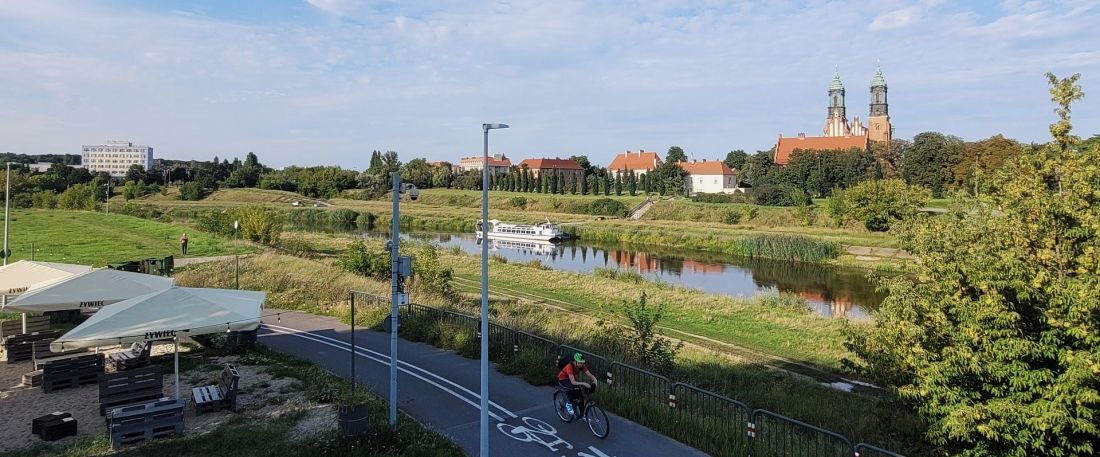
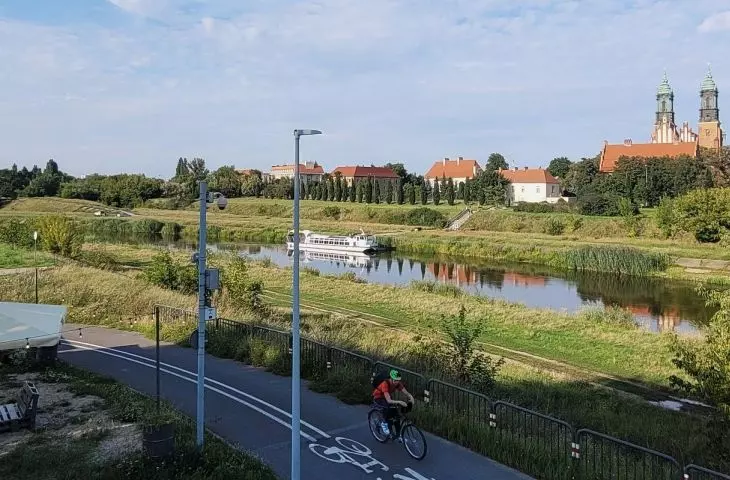
Ostrów Tumski in Poznań - view of the island from the left bank of the Warta River; the new development is to be built behind the buildings in the middle of the photo (on the left from the cathedral)
photo: Jakub Głaz
Opponents of intensive block housing on Ostrow Tumski have suffered the biggest defeat. Requests for the abandonment of the developer's buildings went unheeded. Only the scale of the tallest buildings was reduced, which MPU planners announced already in the summer (from 27 to 21 meters). The battle for a park in Lazarus also failed. Instead, the plan allows buildings reaching up to 60 meters.
Traditionally, also in the case of the master plan, the City argued that it could not afford multimillion-dollar compensation to landowners resulting from the discrepancy between what was allowed so far and what residents wanted. However, these calculations have been given arbitrarily for years, without counter-expertise, and remain to be taken on faith. In the case of Ostrów Tumski, Councilman Lukasz Mikuła, head of the Spatial Policy Commission, reassured that the planned development would be similar in character to the neighboring historic Measures, not a clumsy block of flats. All hope, therefore, in the terms of the local plan under consideration. Its version to date has tended to favor the construction of a rather dull development.
order at last?
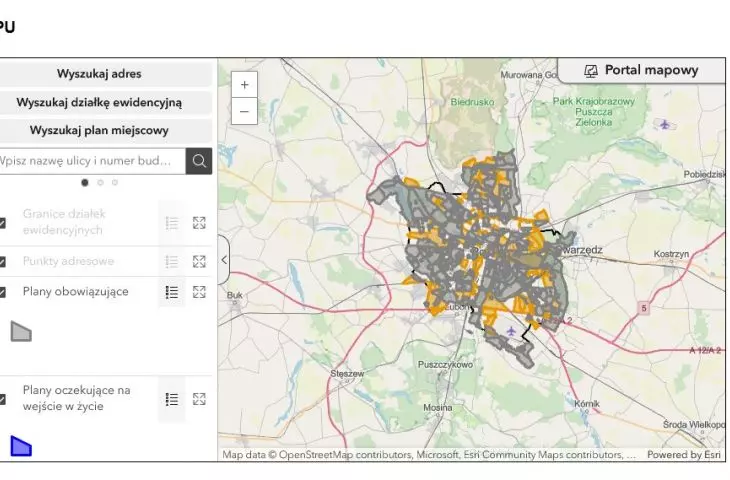
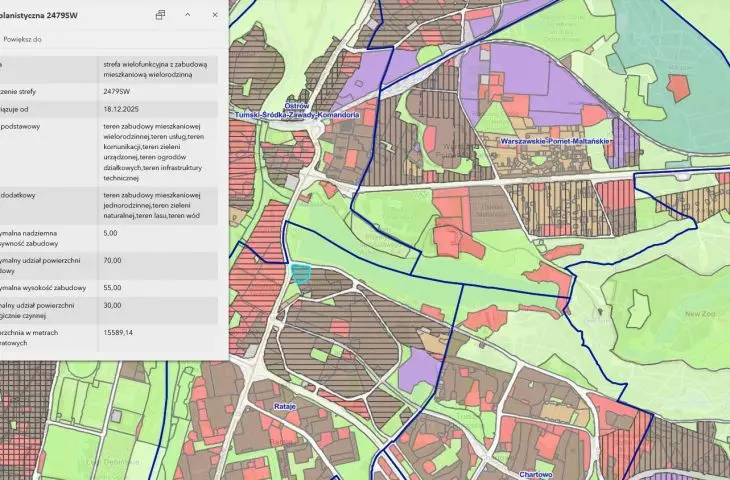
In fact, there are moredoubts, controversies and unknowns related to the provisions of the new master plan. At the same time, the very fact of passing this document puts the planning situation in order. The General Plan protects, for example, green areas to a greater extent than the Study , and makes the City's intentions clear and stronger in almost the entire area of Poznań. Another plus is the plan's convenient presentation on the map portal, where you can easily check the provisions for a specific area. You can also simplify things by including only the necessary layers. By the way, MPU has improved its "interface" informing about local plans. Checking their records and drawings is now a bit easier and more intuitive.
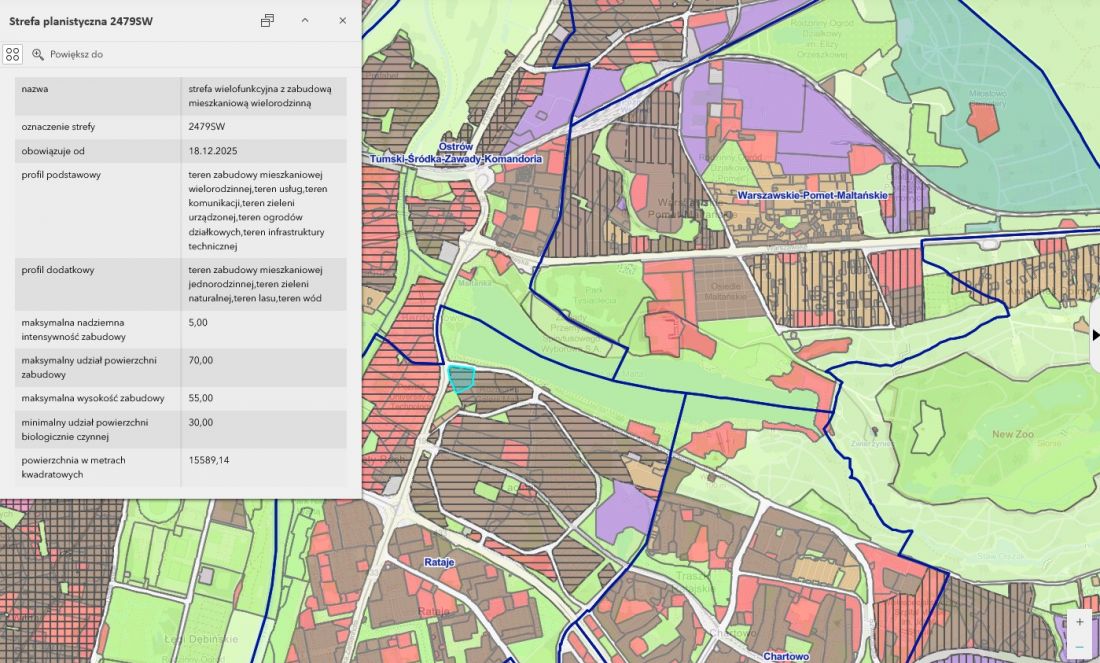
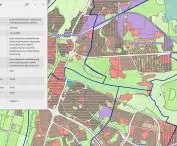
General plan of Poznań - an example of a metric for a selected area in the map portal (the selected area has a selective green border)
Source: MPU map portal; gis.mpu.pl
Finally, the unknown for now is the issue of the governor's signature. No objections to the formal sides of the document are heard so far, but - who knows. General plans that have already been passed were rescinded over the summer by the governor in several Silesian cities (the reason was formal errors, sometimes minor ones). How it will be in Poznan, we will find out in the coming weeks.