




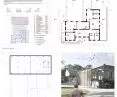
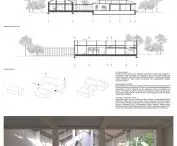

Can a historic building become the heart of a modern creative hub? Students at the Rzeszów University of Technology are proving that the dialogue between historic and contemporary architecture doesn’t have to mean compromise. The “SOMA – House of Creative Work” project demonstrates how the adaptation of existing buildings can create a space open to culture, education, and the local community. The project was designed by Barbara Kapusta and Wiktoria Jakieła from the Rzeszów University of Technology as part of the course “Architectural Design in Historic Buildings.” The project was supervised by Magdalena Janda, and the course was coordinated by Prof. Marek Gosztyła.
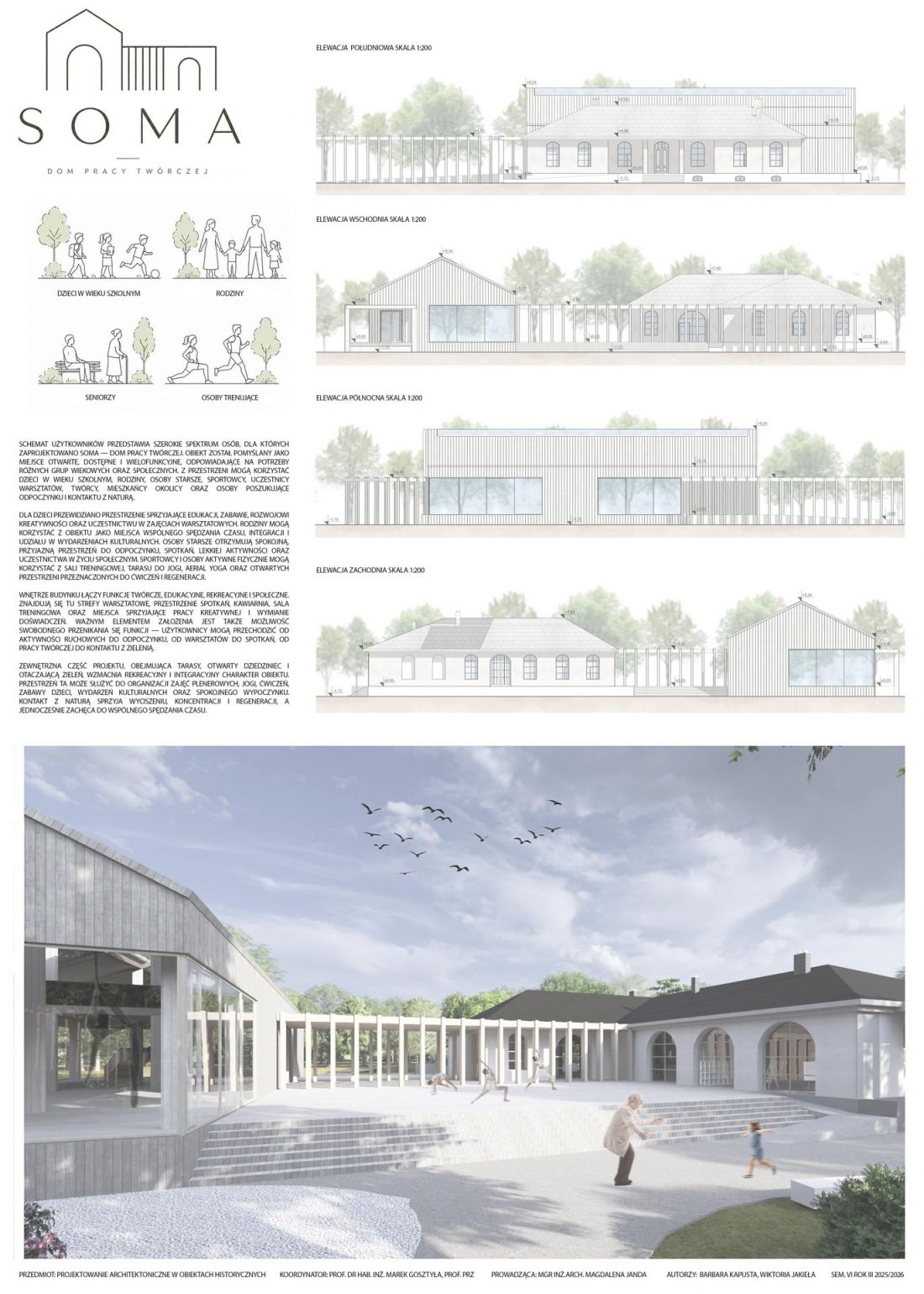
© Barbara Kapusta, Wiktoria Jakieła
Architecture in Dialogue with History
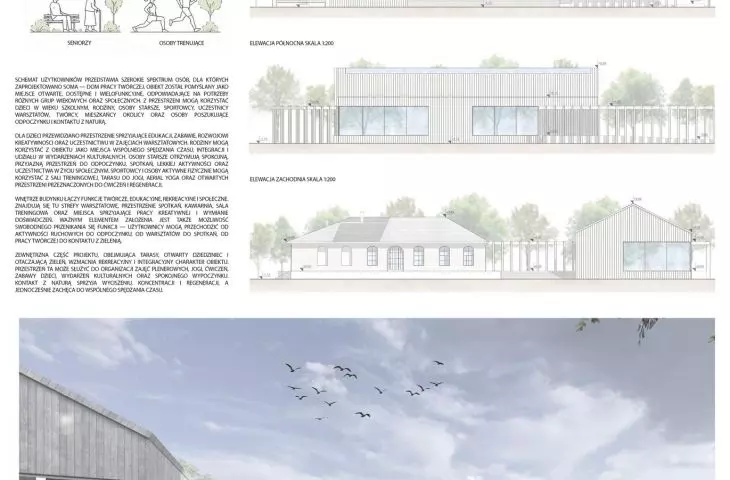
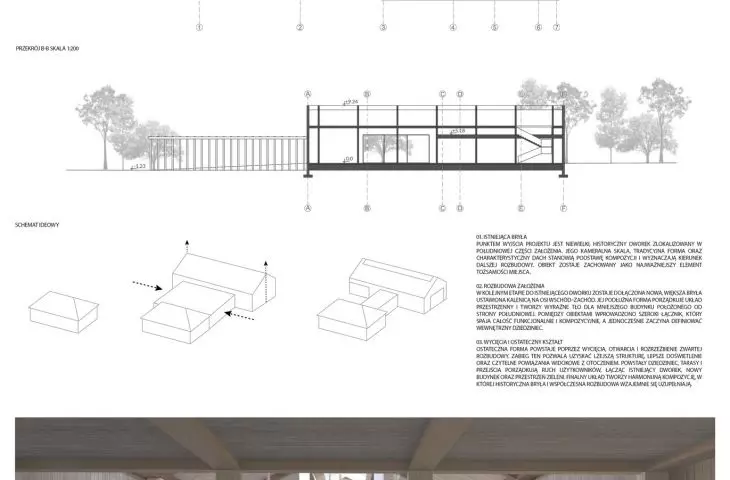
The starting point for the project was the preservation of the existing historic building as the most valuable element of the entire complex. Rather than replacing it with new architecture, the designers decided to restore its functions to meet contemporary needs while highlighting its architectural qualities.
The new part of the complex was designed to be distinctly contemporary, yet subordinate to the scale and character of the historic surroundings. The two structures are connected by a light, transparent passageway that not only serves a functional purpose but also symbolically links the past with the present.
This solution ensures that the modern architecture does not compete with the historic building but rather becomes its natural complement.
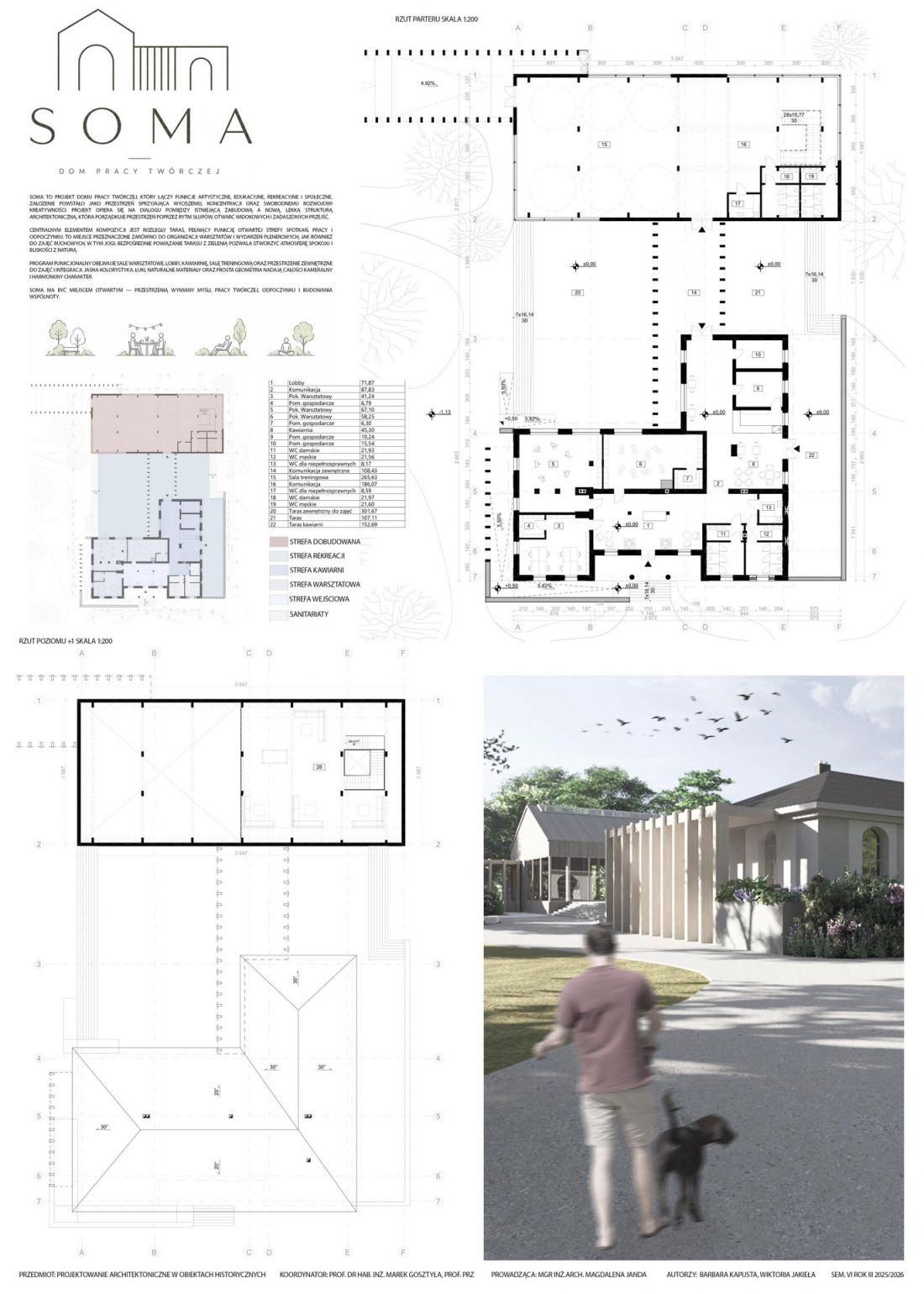
© Barbara Kapusta, Wiktoria Jakieła
a creative hub open to residents
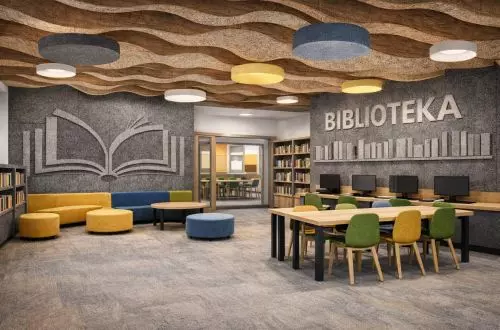
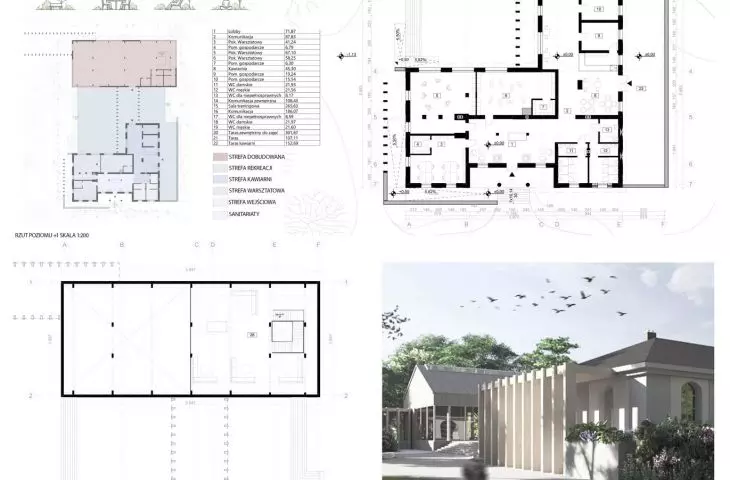
The planned complex was conceived as a place that is active year-round. The new section of the building houses a multifunctional workshop space, an exhibition area, and zones designated for cultural and educational events.
The historic section, in turn, houses a café, meeting rooms, administrative offices, and facilities supporting the building’s day-to-day operations. The intuitive functional layout allows for the seamless integration of individual zones and the flexible use of space during workshops, concerts, exhibitions, or community gatherings.
The design caters to the needs of a very broad audience—from children and teenagers, to artists and workshop participants, to seniors and those seeking a peaceful place for creative work or relaxation.
Nature as an Integral Part of Architecture
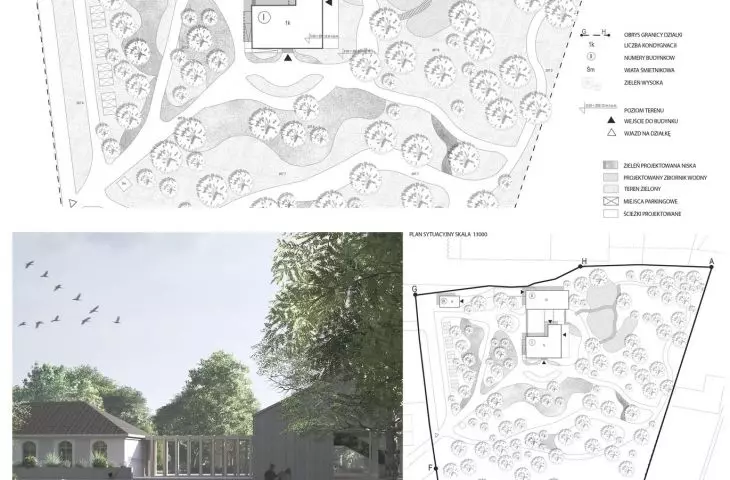
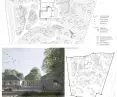
Landscaping plays a role just as important as the buildings themselves. The design preserves the existing tree cover, supplementing it with new plantings and small-scale architectural elements.
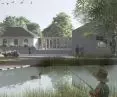
The centerpiece of the design is a water feature that serves aesthetic, recreational, and ecological purposes. It is flanked by walking paths, terraces, and relaxation areas suitable for hosting outdoor events. Greenery is not merely a backdrop for the architecture but helps shape the atmosphere of the entire site, encouraging interaction with nature.
A contemporary form that respects the site
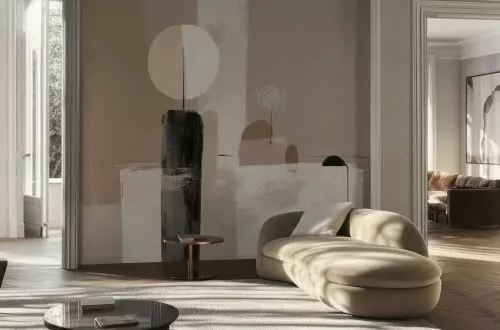
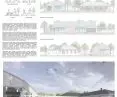
The newly designed part of the complex employs a simple, minimalist form, natural materials, and large glass surfaces that open the interiors to the landscape. As a result, the architecture remains light and timeless, while simultaneously highlighting the value of the historic buildings.
The historic building retains its characteristic rhythm of openings and proportions, while the contemporary extension serves as a serene backdrop that highlights its historical identity. This approach creates a harmonious whole that meets both contemporary functional requirements and the need to preserve architectural heritage.
Architecture That Builds Relationships
The “SOMA – House of Creative Work” project demonstrates that architecture can serve far more functions than just practical ones. A well-designed space fosters social integration, nurtures creativity, and builds bonds among residents.
It is a vision of a place where history inspires the present, nature co-creates the architecture, and the space encourages gatherings, learning, creativity, and relaxation. “SOMA” proves that the adaptation of historic buildings can mark the beginning of a new life for a place and its local community.