




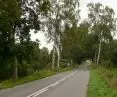
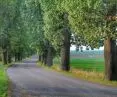
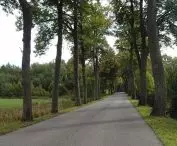

6678 — that is the number of trees that may disappear from Warmia as a result of an initiative by the Provincial Road Authority. These are not just random trees, but roadside avenues of centuries-old trees—often nearly two hundred years old—including oaks, lindens, maples, birches, and ash trees. The reason given is the danger these roadside rows of trees pose to drivers. Are there any objections? Plenty.
Mass tree felling in Warmia
The plans for mass tree felling in Warmia were first brought to light by Natalia Tejs, an artist from Olsztyn, who as early as April of this year reported that hundreds of trees had been marked along a provincial road on the stretch from the village of Lutry toward Reszel. Thanks to her commitment and the efforts of local media, the matter quickly began to come to light. Today, on the “Skraj Drzew” social media profile, we read that the Provincial Road Authority has marked 6,678 trees for felling —1,860 in the Elbląg District, 4,216 in the Kętrzyn District, 439 in the Nidzica District, and 163 in the Olecko District. What is the reason for such a large-scale tree cutting operation in Warmia?
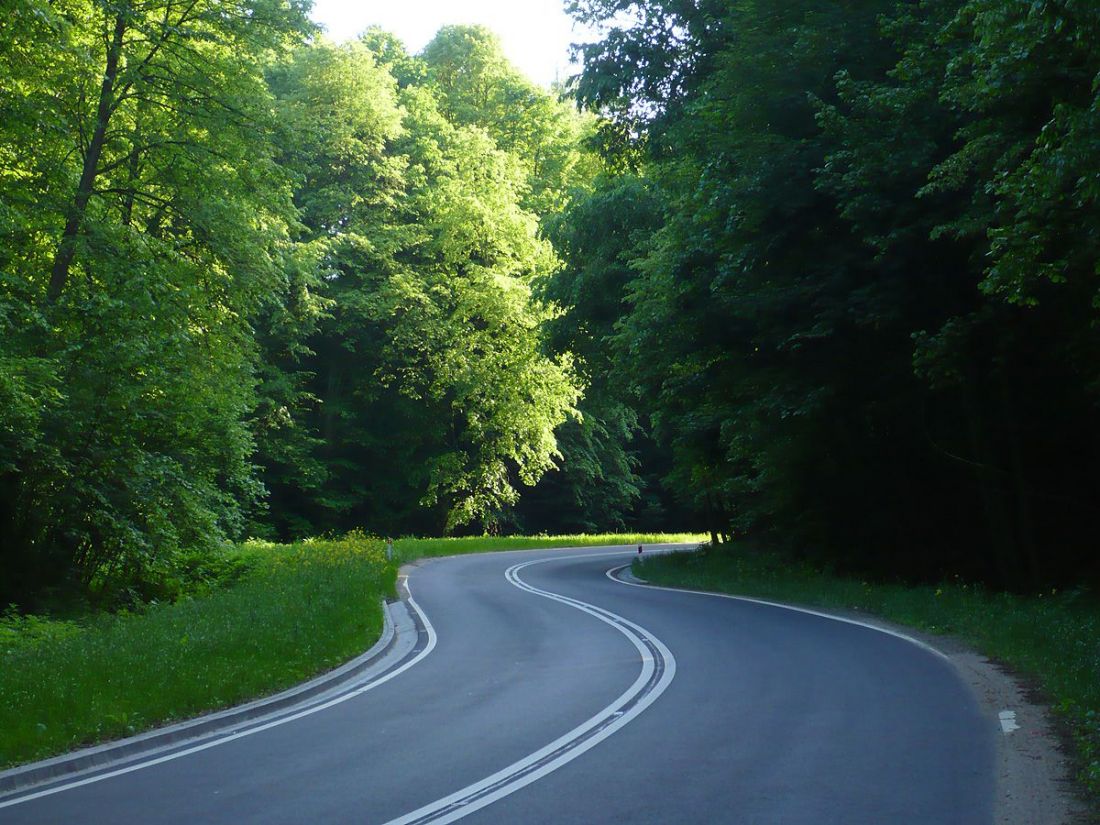
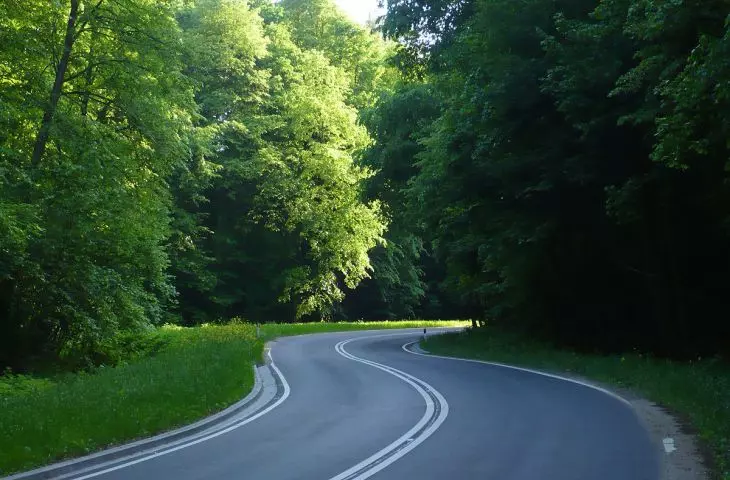
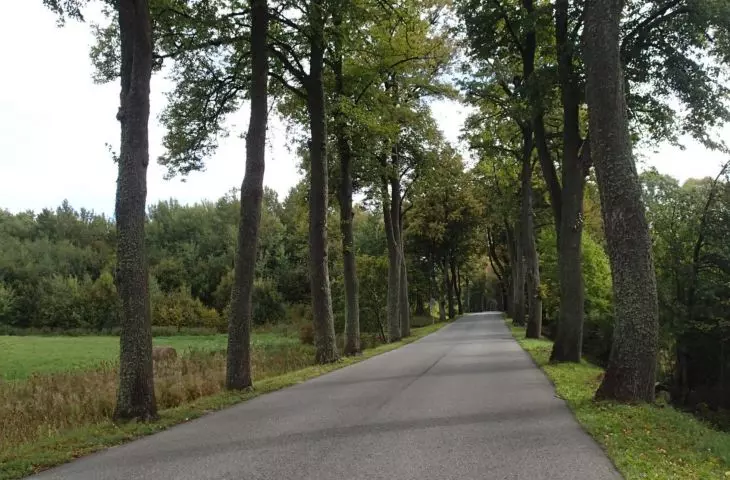
Photo: Kudak © CC BY-SA 3.0 | Wikimedia Commons
Is a dry branch a reason for felling a tree?
As Waldemar Królikowski, Director of the Provincial Road Authority in Olsztyn, explained in an interview with the local TVP affiliate , the trees are being marked “because they have dry branches.” They may therefore pose a threat to people and cars passing beneath them, for which ZDW employees will be held responsible. The final decision on felling, as well as the obligation to conduct more detailed dendrological surveys, will rest with the individual municipalities in whose territories the roads are located, as well as with the Regional Directorate for Environmental Protection.
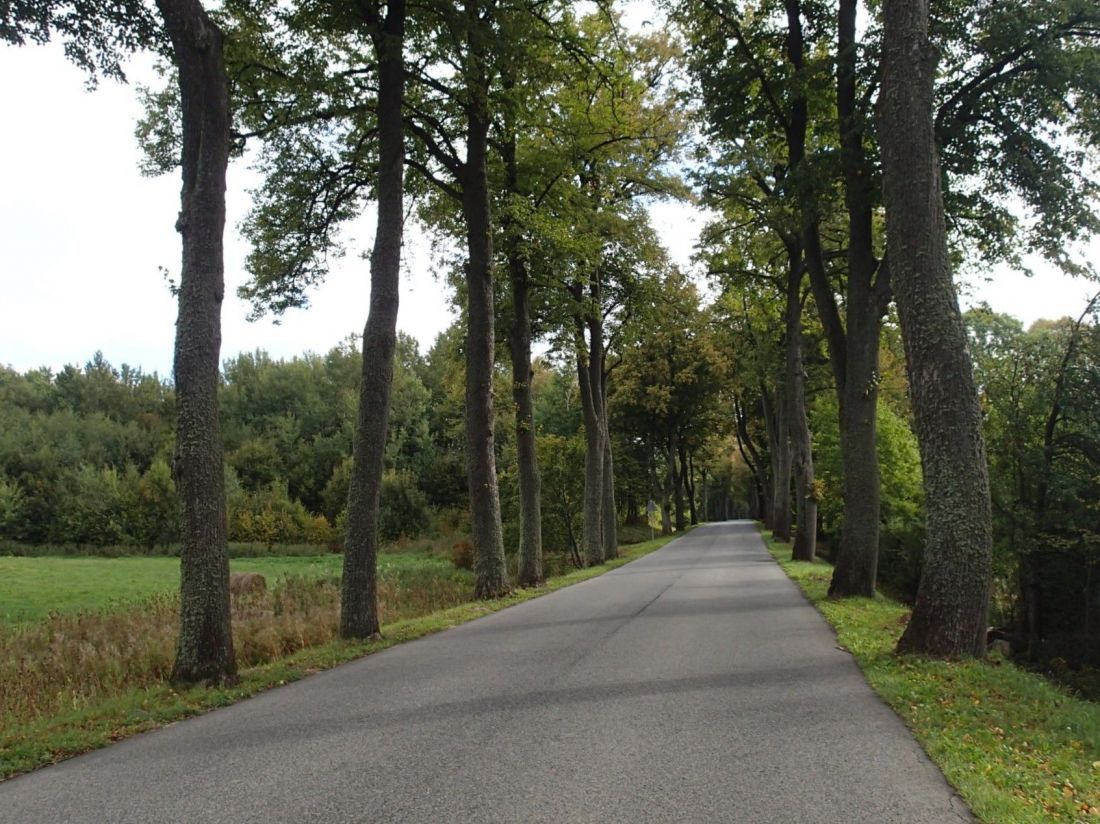
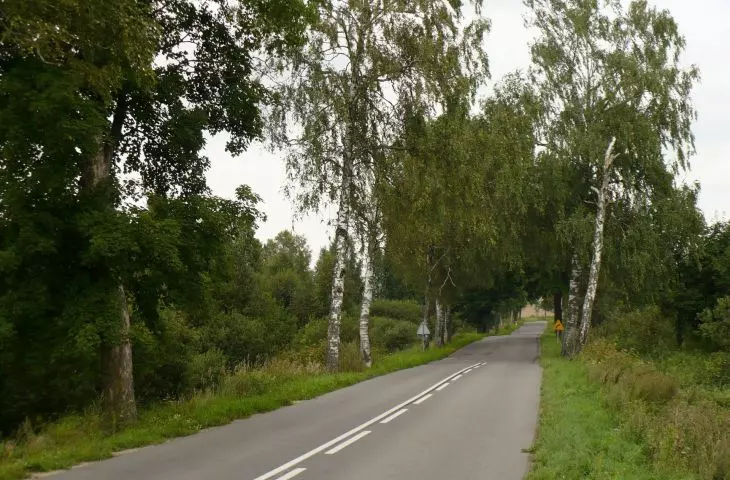
Photo: Raki_Man © CC BY-SA 3.0 | Wikimedia Commons
However, the statistics seem to contradict the narrative of a high level of danger caused by these trees. According to data obtained from the police by the SkrajDrzew initiative, founded by Natalia Tejs, on the provincial road between Reszel and Miłakowo, where a total of approximately 1,500 trees are to be cut down, there were four fatal accidents between 2020 and 2025, including three in which the accident resulted from a vehicle colliding with a tree. This is less than the national average for other roads of the same type.
Until the mid-20th century, roadside trees didn’t bother anyone. It wasn’t until fast cars began driving on the roads that trees started to be seen as a problem. Across Europe, they began to be blamed for traffic accidents. However, the statistics do not support this. On roads where trees have been cut down, there are more fatal accidents because drivers generally travel faster there. Roadside tree-lined avenues also have a measurable value that is underappreciated in Poland. And it is significant—for example, French insurers have valued 1 kilometer of a mature tree-lined avenue (spaced every 12 meters) at 1 million euros, which is why I believe that a driver who crashes into a tree and destroys it should pay compensation. The problem is that the tree is usually blamed for the accident. The driver is merely its victim—even when he was drunk and speeding at an excessive, illegal speed. We need to reverse this way of thinking. The accident is not the tree’s fault, but that of the person who put themselves at risk and, in the process, destroyed public property—the tree lining the avenue.
— said Katarzyna Rozmarynowska in an interview with Ewa Karendys.
Since the trees along Warmia’s avenues do not pose a unique threat on a national scale, why should we cut them down? It’s worth turning this question around and considering why roadside tree-lined avenues are so valuable and deserve to be protected.
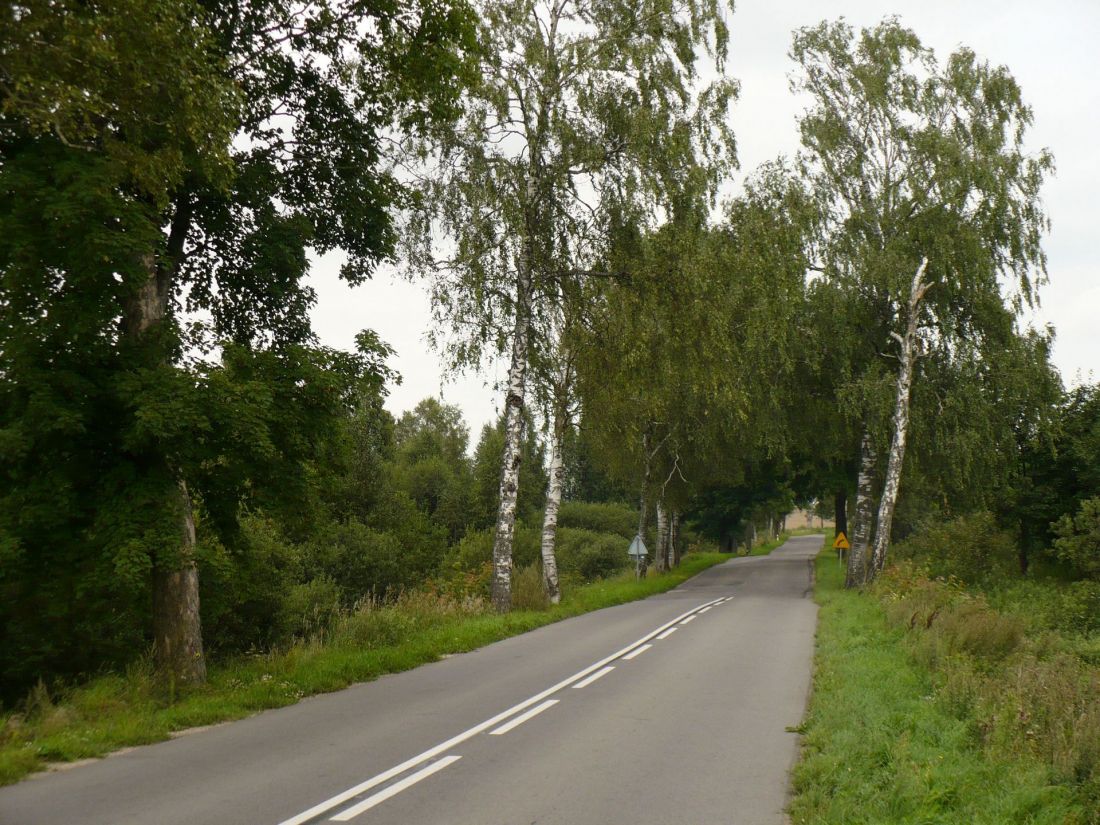
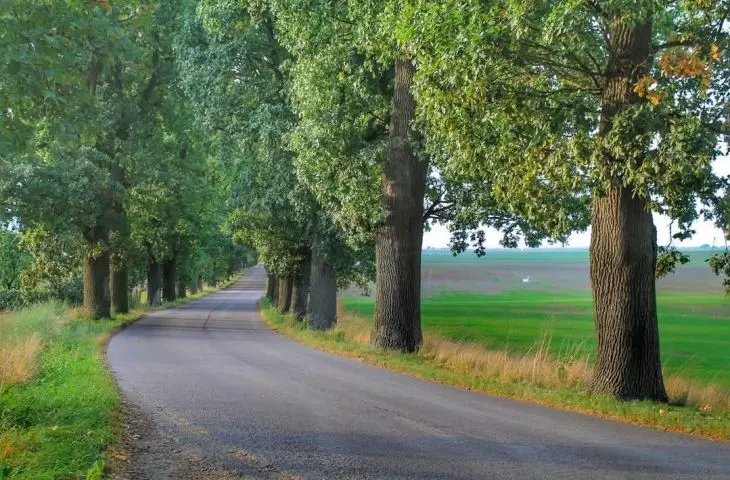
Photo: Mały LOLek © public domain | Wikimedia Commons
Trees in Warmia Protected by Law
First, it should be noted that in the case of Warmia, the protection of roadside tree-lined avenues is mandated by law itself. As stated in the “Spatial Development Plan for the Warmian-Masurian Voivodeship,” adopted in 2018:
Five main directions are adopted for the implementation of spatial policy with regard to the natural and cultural environment.
[...]
e) the preservation and protection of open spaces along with their characteristic landscape elements, including preventing the degradation of distinctive features of these areas, such as the mosaic-like pattern and expanse of fields, natural accents, and landscape landmarks, landforms, and natural and cultural elements (including roadside avenues, landscaped field greenery, boundary plantings, and the road network),
The emphasis that planning documents place on the protection of roadside tree-lined avenues did not come out of nowhere—rows of trees are an important element of the Warmia landscape with historical roots. As early as 1764, Frederick II the Great, King of Prussia, issued a decree ordering the planting of trees along roads throughout the kingdom. Eight years later, Warmia came under Prussian rule, and as a result, trees began to grow along the roads there as well; they facilitated navigation, helped stabilize the road surface, and protected it from drifting snow, and travelers from the scorching sun. Today, after more than two centuries during which the tree crowns have merged to form tree-lined avenues above the roads, Warmia’s tree-lined avenues have become one of the most deeply—nomen omen — deeply rooted elements of the region’s natural and cultural landscape, depicted in literature and the visual arts.
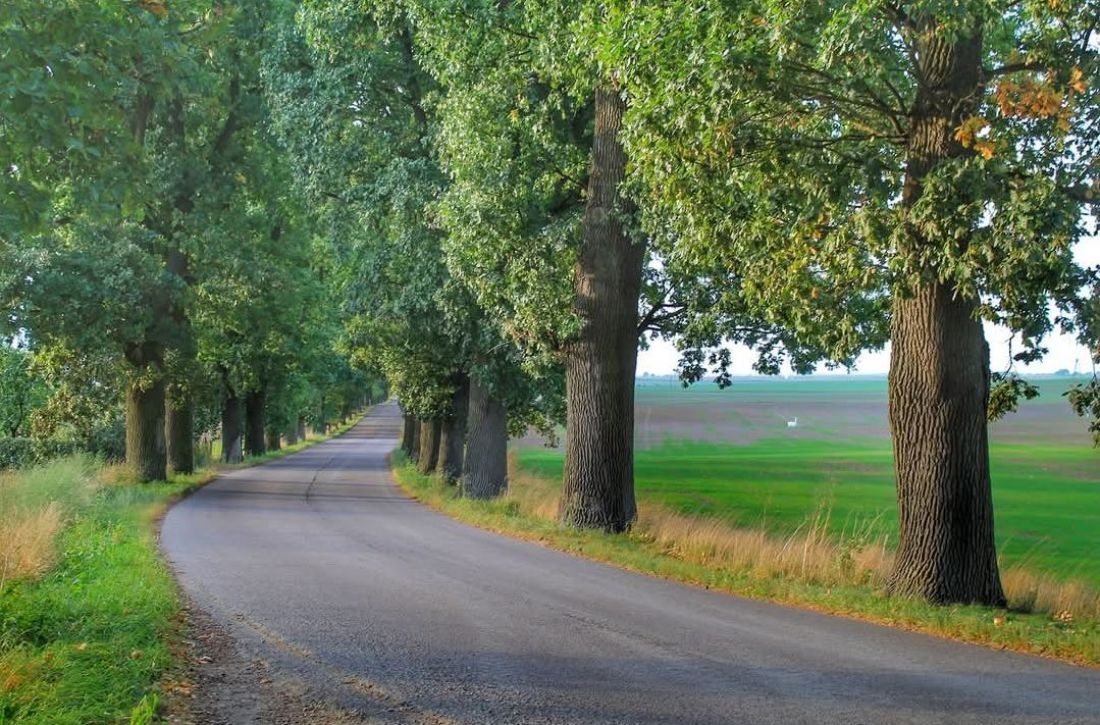
Photo: Cegielnia © CC BY-SA 4.0 | Wikimedia Commons
a green corridor teeming with life
The reasons for which trees were first planted along roads in Warmia seem more relevant today than ever before. Like other countries, Poland is experiencing global warming, and climate change is subjecting its residents to increasingly extreme conditions, especially during the summer. The spreading tree canopies cool the air through transpiration, while also providing shade—which is important from a road safety perspective, where sunlight can blind drivers and high temperatures melt the asphalt, causing ruts.
Trees also serve as vital habitats for flora and fauna —including mosses, lichens, fungi, and animals. They act as ecological corridors, filter the air, and serve as a noise barrier.
Roadside Trees: Help on the Front Lines
Importantly, trees—especially those growing along roads—also play a role in national defense. Avenues of roadside trees are a common sight in Ukraine, which has been at war since 2022. There, rows of trees along the roads help camouflage the outlines of military equipment —such as transporters or armored vehicles— make aerial reconnaissance more difficult, and, above all, provide protection against drones, one of the greatest threats on the modern battlefield. At the same time, the spreading tree canopies serve as excellent frameworks for attaching anti-drone nets.
Military analyses (conducted, among others, in the Baltic states, such as Estonia) are now explicitly incorporating the parameters of tree canopies and tree lines into defense operation databases. In combat tactics for a “drone-saturated environment”—where commercial and military drones have complete dominance—treeless (completely exposed) roads are designated in manuals as “kill zones” (English: “kill zones”), which vehicles not equipped with heavy electronic warfare (EW) systems should not enter at all during the day.
— writes Jarosław Gach, an artist and activist involved in the protection of Warmian trees.
Since, as a country, we are introducing regulations that require local governments and private investors to build shelters and temporary refuge sites, and we are making significant investments in the defense sector and undertaking massive infrastructure projects such as the Eastern Shield, then why are we systematically getting rid of a vital resource for national defense—the roadside trees in Warmia and Masuria, regions particularly vulnerable to military action due to their geographical location?
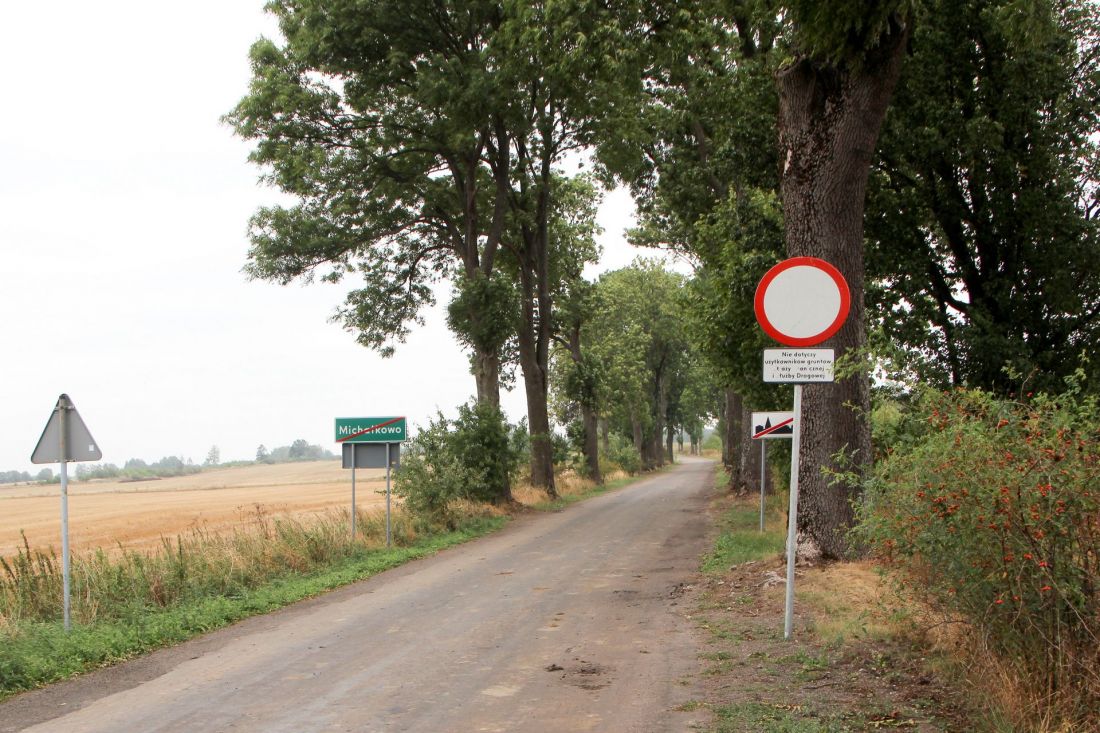
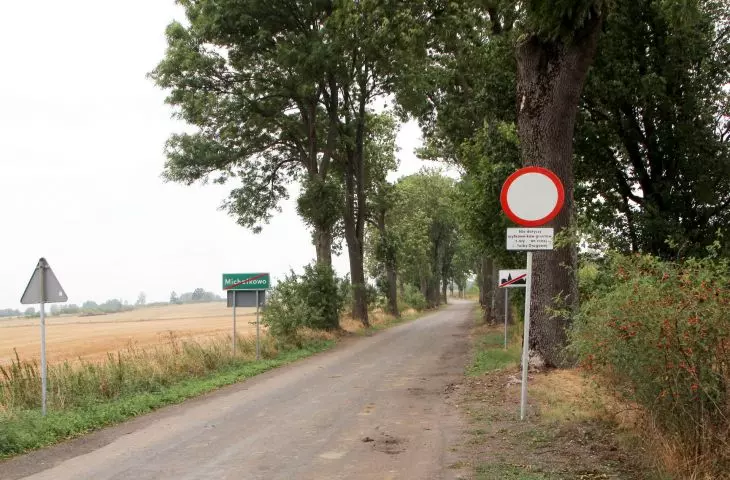
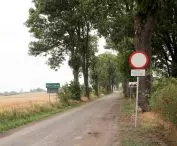
The end of the passable section of Provincial Road No. 591 in Michałkowo. The Polish-Russian border is located about 1.5 km further on
Photo: Ralf Lotys © CC BY-SA 4.0 | Wikimedia Commons
The public and the Ministry of National Defense oppose the felling of trees in Warmia
Representatives of the Ministry of National Defense have already recognized the problem with the felling of roadside trees.
“Today, we’re doing everything we can to stop this. Together with the Ministry of Climate and Environment, we’ve launched a project called ‘Green Shield East.’ As part of this project, local governments will receive 400 mln zł specifically to restore nature in eastern Poland,”
— said Cezary Tomczyk, Deputy Minister of National Defense, in a recent interview with Onet.
Will the Ministry of National Defense’s response be enough to save thousands of roadside trees in Warmia? If not, it’s important to note that a significant portion of Polish society shares this concern. Thousands of Poles are already voicing their opposition to the mass logging along Warmia’s roads— a petition calling for the protection of roadside tree-lined avenues along the Reszel – Jeziorany – Dobre Miasto – Miłakowo had already been signed by over 18,000 people at the time of this article’s publication. Importantly, as representatives of the initiative behind the petition have repeatedly emphasized, the goal is not to completely abandon the felling of roadside trees, but rather to thoroughly examine all marked trees and make every effort to save those that can continue to grow for many years without posing an additional threat.