








An interview with the associate dean for student affairs in the field of landscape architecture:
Prof. Urszula Forczek-Brataniec
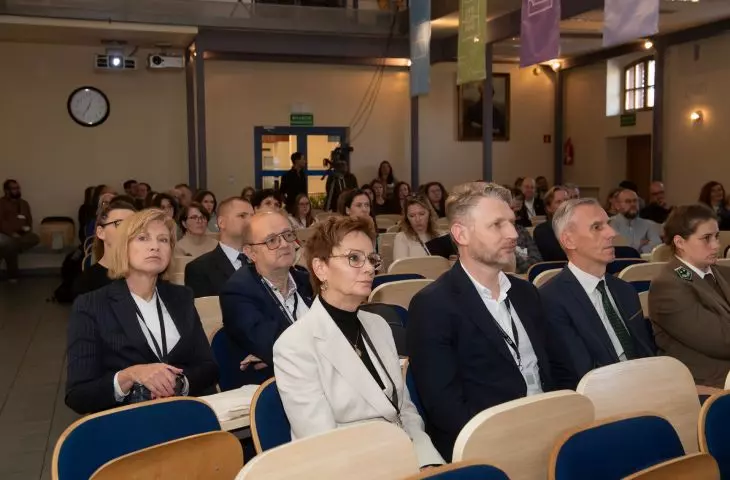
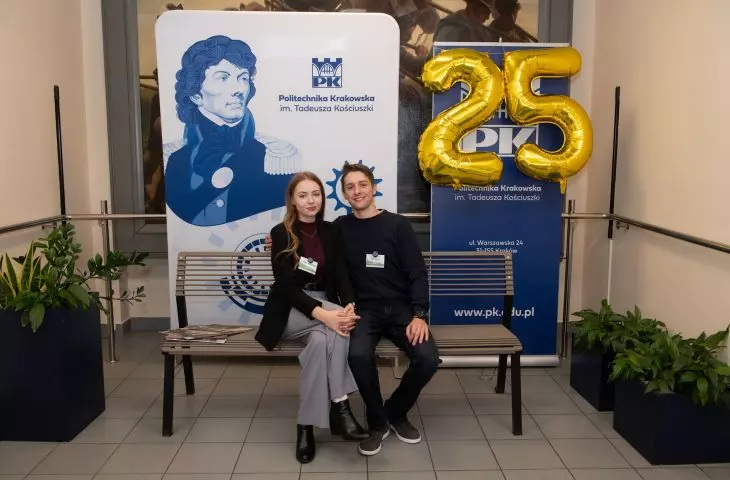
The field of landscape architecture at the Cracow University of Technology is celebrating its 25th anniversary - a quarter century of uninterrupted development, cooperation and shaping the spatial sensitivity of successive generations of designers. This is the time when the Krakow school of landscape architecture, recognizable in Poland and abroad, known for combining technical, artistic and natural sciences into a coherent philosophy of design with respect for nature and the culture of place, was developed.
On this occasion, we talk to Prof. Urszula Forczek-Brataniec - landscape architect, designer of eM4 . Architecture Studio, researcher and co-creator of many award-winning public spaces. Prof. Forczek-Brataniec is a member of SARP Krakow Branch and a SARP competition judge. From 2016 to 2020, she was Secretary General of IFLA Europe. Since 2016, she has been a member of the Presidium of the Scientific Council of the Pieniny National Park and a long-standing member of the Board of Directors of the Society of Landscape Architecture (SAK); she has curated international landscape architecture exhibitions, and is the author of landscape studies and analyses, as well as two monographs in the field. In the interview, she summarizes the most important achievements of the faculty, talks about changes in education and the profession, and why the everyday landscape is as important as the exceptional one.
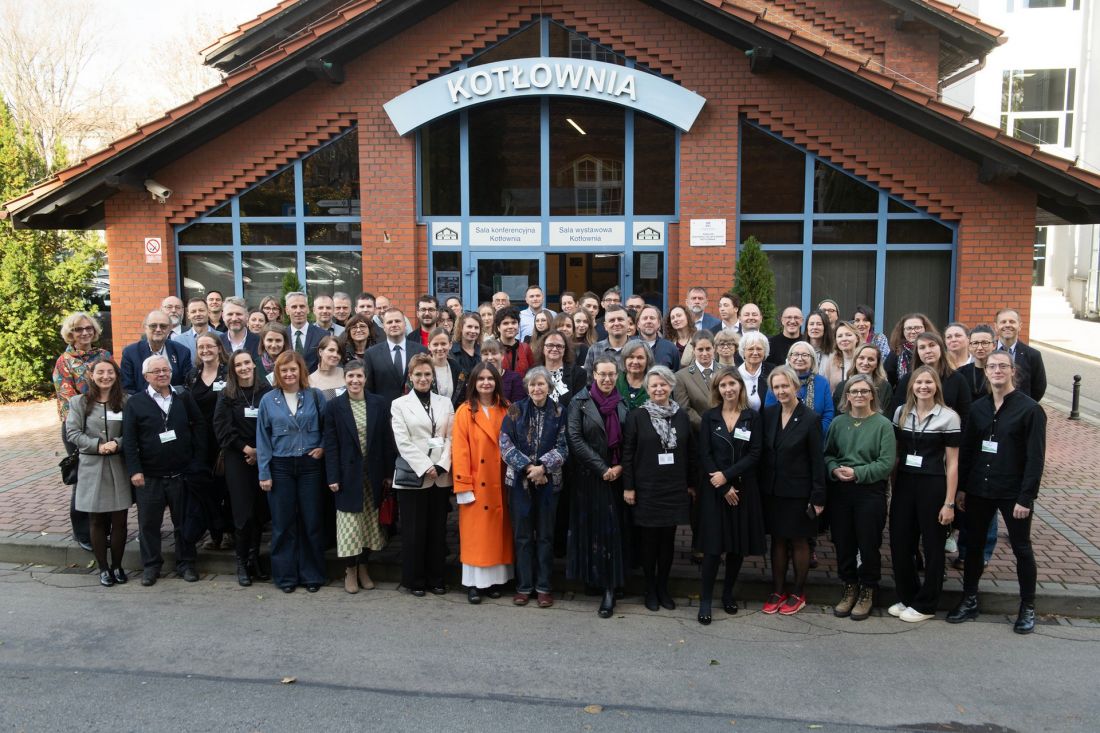
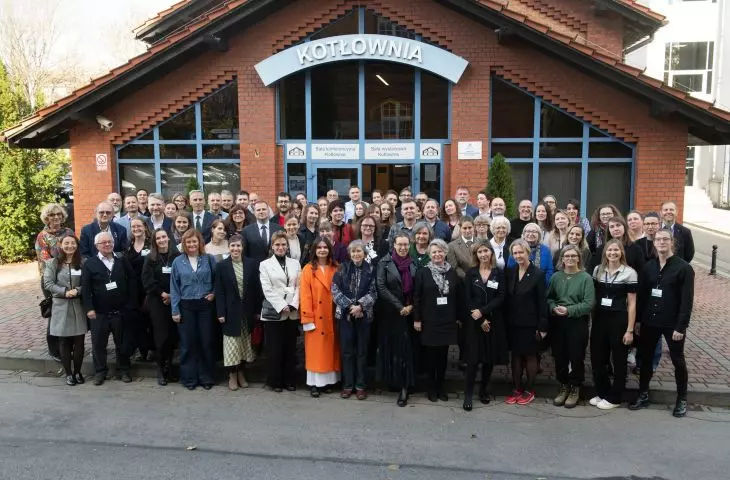
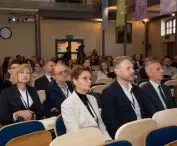
25th anniversary of landscape architecture at Krakow University of Technology
Photo by Jan Zych
Aleksandra Skorupa: The 25th anniversary of the landscape architecture major at Krakow University of Technology. How would you, Professor, summarize this time? What was the most important achievement of those years?
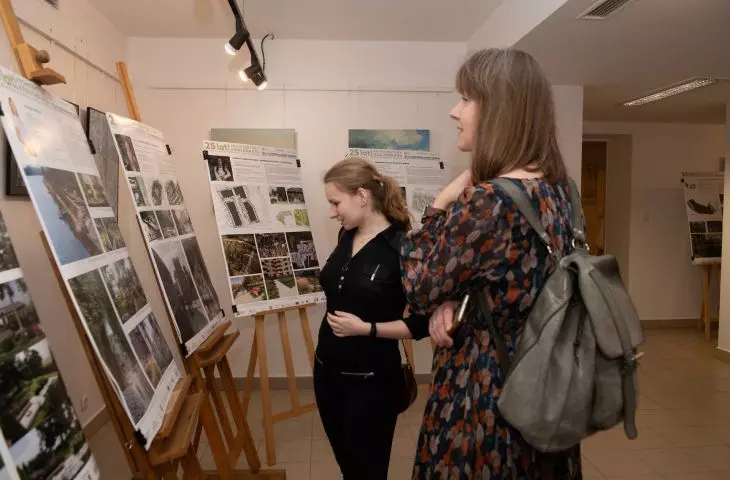
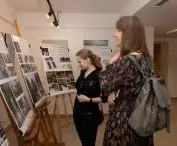
Urszula Forczek-Brataniec: 25 years is a quarter of a century. Twenty-five years, at the same time, is the age at which one usually graduates. That is, the entire life of our graduate. A rag of time. On the other hand, from the perspective of these years, we can say that they have passed very quickly. One of our most important achievements is the building and establishing of a strong brand of Krakow School of Landscape Architecture Our graduates are recognized, employers seek them out. Many times I have had the pleasure of hearing good feedback about them from owners of renowned landscape architecture offices in the country and abroad. Our graduates, are our capital, and that is why we organized an anniversary in the form of the Alumni Reunion. They are active both in Poland and abroad. They are designers, graphic clerks, social activists, educators. Watching their achievements in the form of an exhibition and listening to their speeches, we were very proud and edified. Among the important achievements of the quarter century is also good cooperation with foreign universities and with European organizations IFLA Europe, ECLAS or theEuropean Arboricultural Council. Our employees join the ranks of boards and working groups, and students actively participate in this work. Particularly noteworthy is the significant and formative methodological and adaptive work on post-military landscapes, engineering landscapes, garden art, planning and protection of cultural landscapes. This is a good continuation of the work of our masters firmly rooted in the first ideas of the creation of the profession. Many scientists associated with the direction of landscape architecture are figures recognized and respected both in Poland and abroad, sought-after specialists present both in the space of science and in professional activities. During the last evaluation of the university, our achievements were certified by the A+ category for the Faculty of Architecture and the first place of the landscape architecture faculty in the Perspektywy ranking. Currently, according to these classifications, we are the best landscape architecture faculty in Poland.
Aleksandra Skorupa: How has the approach to the education of landscape architects in Poland changed since the faculty was launched?
Urszula Forczek-Brataniec: The direction was launched 25 years ago. It was the first in Eastern Europe to be accredited by IFLA Europe in 2010. With the joint efforts of the Association of Landscape Architecture ( then the association Green Poland) and the Institute of Landscape Architecture, the application and acceptance into the ranks of the European organization were successful. It is worth mentioning here the figure of Professor Aleksander Bohm, then director of the institute, and Marcin Gajda, president of the association. The educational program recommended by IFLA Europe was created on the basis of international cooperation based on the latest educational methods oriented around the main subject of integrated design. It can be said that the system has already implemented the PBL ( Project Base Learning) method so popular today 25 years ago. Accreditation is renewed every 5 years which guarantees updating and adapting to new challenges moreover, education is supervised by European bodies. ECLAS and IFLA Europe. So much for the educational framework. As for changes, there have been and are huge changes to which we are gradually adapting. The openness to the world, the availability of up-to-date data and research, the evolution in the approach to space, betting on ecosystem solutions, new technologies are all things that require updating and continuous adaptation of teaching. The design workshop is also evolving greatly. Access to GIS data and other analytical tools is changing the design process, which we also take into account when updating our teaching methods. We also realize this by hiring our graduates who have gained professional experience in the meantime. In addition, our students have more and more opportunities for trips and exchanges abroad or classes with visiting professors. We also strive to implement practical cooperation with industry companies with real customers. Our scientific circles provide opportunities for scientific and practical development combining these aspects in the form of interesting implementations.
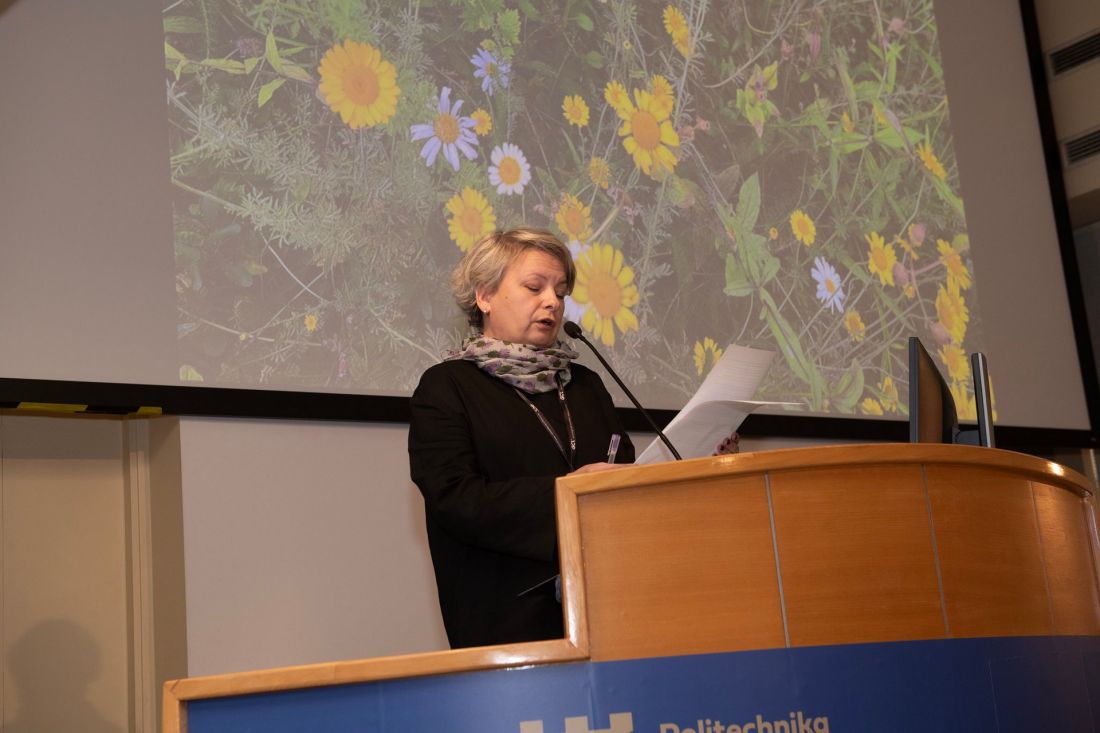
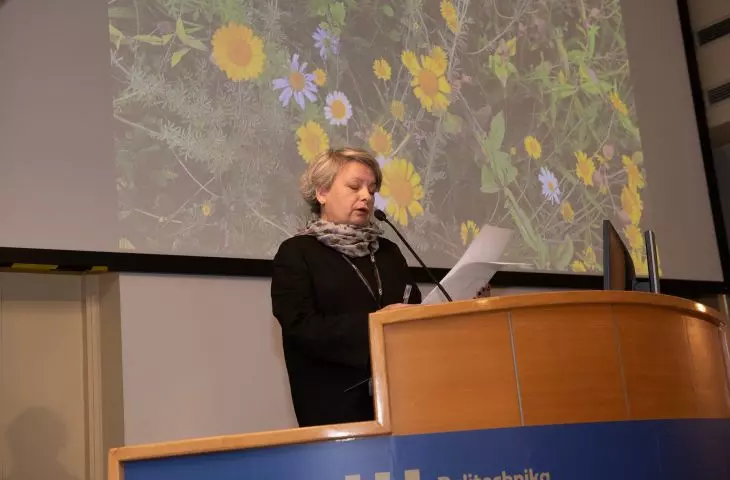
25th anniversary of landscape architecture at Krakow University of Technology
Photo by Jan Zych
Aleksandra Skorupa: What distinguishes Krakow's landscape architecture from other universities in the country and abroad?
Urszula Forczek-Brataniec: Our faculty is the only one in Poland operating at the Faculty of Architecture. Its specificity and character stems from its home faculty as well as from the polytechnic environment of our university. Landscape architecture represents a multi-faceted approach to space design. In addition to the artistic and technical approach typical of architecture, it includes an equivalent natural approach. On the basis of these three areas, the education of landscape architects is shaped. Due to the training at the polytechnic, our graduate is an engineer. He has a mastery of the engineering language, which gives him the basis for effective cooperation with other professionals, he uses the same technical approach, so he easily fits into the design and construction process. This basis for multidisciplinary cooperation in complex teams is one of the strengths of education at the Polytechnic. Given the education at the Faculty of Architecture in Krakow, education grows out of the Krakow School of Landscape Architecture, the legacy of our masters who worked at the Faculty and shaped a distinctive architectural approach to landscape. It combines a strong emphasis on formal issues, cultural context while taking into account environmental conditions. The founders of the Krakow School were scientists, but at the same time practitioners. It was here that the first concepts of conservation plans for national and landscape parks, village charters, catalogs of building forms, concepts for UNESCO-listed monuments, or the idea of a cultural park were once created. Today, in turn, projects for the protection and management of engineered landscapes, revitalization, regeneration of ecosystems are created and implemented. Thanks to the fact that students have contact with experienced staff, our direction is characterized by a high practical value. Both academic teachers and students and graduates are winners of many national and international awards, which confirms the good quality of education.
Aleksandra Skorupa: Do you remember the moment when you realized that the landscape and its perception would become the axis of your scientific research?
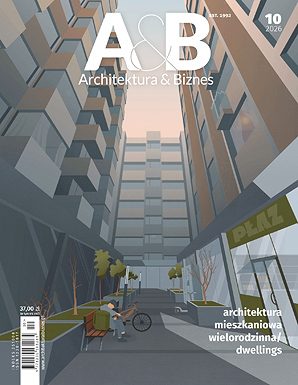
Urszula Forczek-Brataniec: My professional path became firmly established during my graduate work. At that time, the field of landscape architecture did not yet exist at the polytechnic. I was a student at the Faculty of Architecture. At that time, an important part of the academic staff was made up of landscape architecture enthusiasts gathered around Prof. Janusz Bogdanowski and Prof. Maria Luczyńska-Bruzda in the landscape architecture unit. During my graduate work, I encountered issues of national park protection, the composition of open landscapes, beautiful views that can be protected and shaped. This instilled in me a keen eye for the landscape and a multifaceted approach that takes into account the many threads and processes that make it up. The complex view of design intrigued and interested me. Since then, the landscape, its dynamics, complexity and continuity have become the environment of my work. In fact, I presented this in an interview with A&B entitled "Landscape architecture as a way of thinking."
Aleksandra Skorupa: How do contemporary technologies such as visualizations, 3D models, GIS tools influence landscape analysis and design?
Urszula Forczek-Brataniec: Modern tools are developing very quickly. Practically every day we learn about new solutions, applications, overlays and improvements. These elements are becoming an essential design tool. First of all, we now have tremendous opportunities to acquire data for the project. Numerical terrain and land cover model, water surface runoff, visibility range, noise levels, tree species composition and location, and many other data are a matter of course today. Their availability is increasing day by day, allowing more and more efficient and precise design. It provides a great starting point for design and helps us greatly in education. Thanks to them, we are able to create a great spatial research laboratory and incorporate them into the design process. The same goes for visualization. Once tedious 3D modeling has been replaced by automated programs that make it easy to get a picture of the designed space. Not to mention AI tools which are increasingly influencing the way we design, and I would even say the way we think.
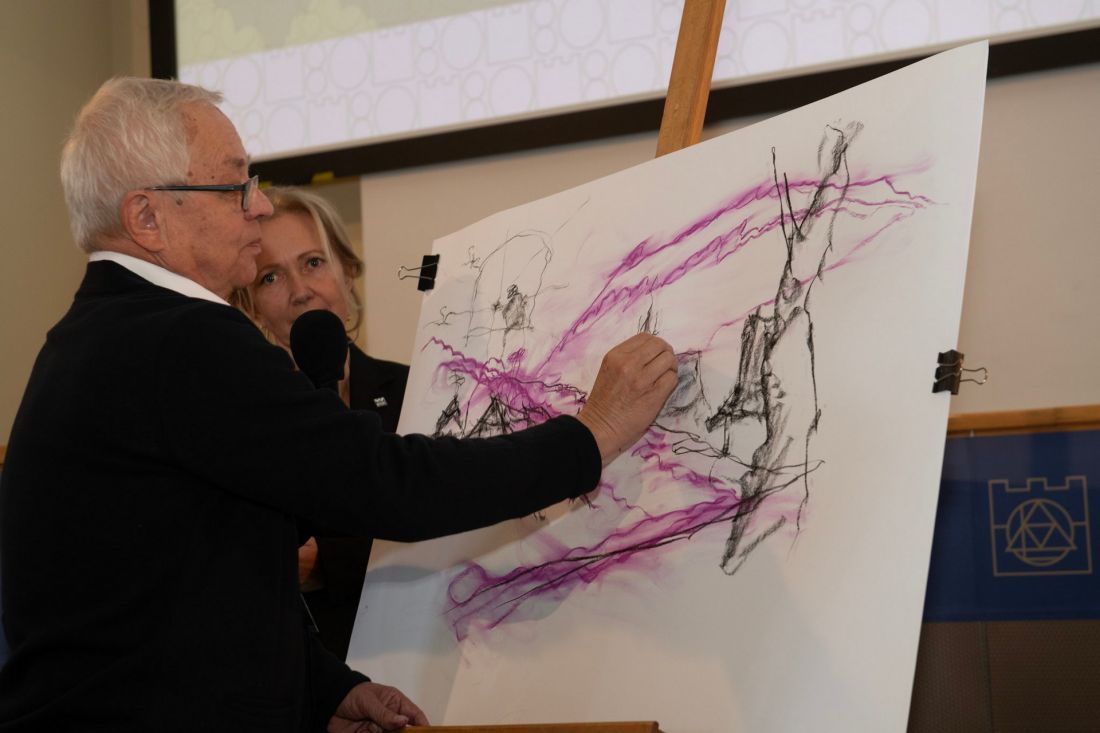
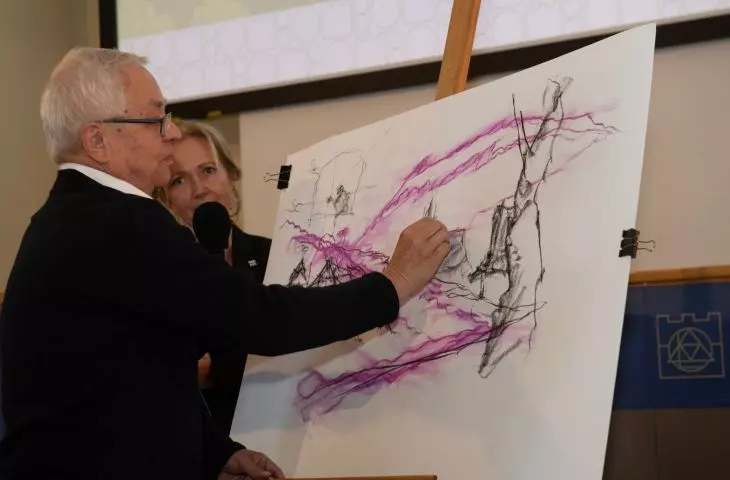
25th anniversary of landscape architecture at Krakow University of Technology
Photo by Jan Zych
Aleksandra Skorupa: As a designer, you have experience working on public spaces. What values are key for you when designing such a space?
Urszula Forczek-Brataniec: I am a co-designer in the team of eM4 Pracownia Architektury Brataniec. We have designed many public spaces together, some of which were awarded and are now recognized as examples of good practice. One of the most important experiences of these years of cooperation (the studio will celebrate the 20th anniversary of its foundation in 2027), is that design is a process and trying to encapsulate it in a static approach is impossible. When we designed the revitalization of the old town in Gorlice in 2007, our aspiration to reclaim the city for pedestrians was revolutionary and avant-garde. Today it's a matter of course recommended in design guidelines. In contrast, now is the time of greening streets and squares, circular economy and stormwater management, which was not a priority in the previous decade. In this context, it is important to be open to change, to be aware of past limitations and to design evolutionarily to adapt to new realities. Understanding these dynamics will allow us to evaluate and develop the design of public spaces in a more balanced and constructive way. Experience also suggests that a vision, a good solution, a thoughtful design is important. As the contractor for the park project in Starachowice stated in an interview. A good design gives a chance, for a good implementation. On the other hand, if there is no good design even the best implementation will not help it. This statement indicates that a well-thought-out, good design is crucial. What has been occupying me the most in recent years are everyday landscapes. I see great value in them, because their quality determines to a large extent the quality of our lives. The landscape that greets us when we go to the store, school or work programs us for the whole day. We can see beauty in this landscape, feel good, find solace and, in a sense, gratitude for the beauty of the world. Otherwise, when this quality is not enough, our experience deviates in the opposite direction. The power of the everyday landscape is enormous, which is why I believe that roads, streets, stations, streetcar terminals, parking lots in front of stores should be treated as full-fledged public spaces and designed with great care and attention to users. Such an approach can set in motion many positive processes, and from the desire to walk to the store, use public transportation, spend time outdoors, many mechanisms with great social and economic benefits originate, such as building neighborhood ties, increasing interest in local services, or shared space in general.
Aleksandra Skorupa: Is there a growing public awareness in Poland of the importance of landscape and the role of landscape architects?
Urszula Forczek-Brataniec: Awareness regarding the role of landscape is definitely growing. This is evidenced, for example, by projects submitted as part of civic budgets. There is a great need in all of us for accessible space, green, fragrant space where we could take a deep breath and enjoy the beauty of the world, and this is increasingly manifested in the voices of residents. This is a good time that I think could be better used for building a good inclusive market for landscape architects. In this design field, as well as in others, the undervaluation of creative work and design craftsmanship is atrophied. Projects are procured by bidding for the lowest price. Authors are not named. In Krakow, competitions for public space, for parks, for streets are practically non-existent. It would seem that recognizing today that public space is of lesser importance than the building of, for example, a philharmonic hall is an anachronism. Meanwhile, in most places, such an attitude still persists. The fact that the philharmonic hall project is chosen through a competition is obvious, while the projects of neighborhoods, public spaces, large parks and brownfields are decided according to procedures appropriate for infrastructure or investments of lesser rank. Unfortunately, in this way, Krakow loses a huge opportunity to appear on the map of contemporary Polish landscape architecture. What's more, it affects the job market for our graduates, which is still inadequate, which I deeply regret. The success of our graduates abroad confirms their competence, which should be used here, for shaping and organizing the landscape around us.
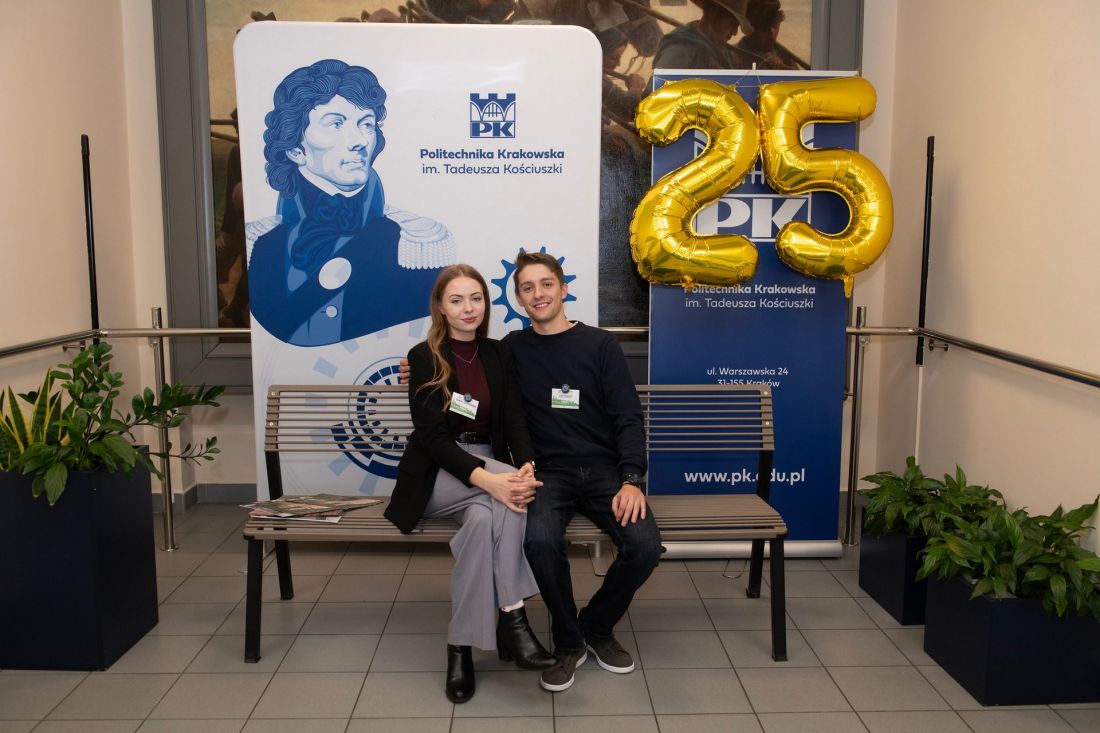
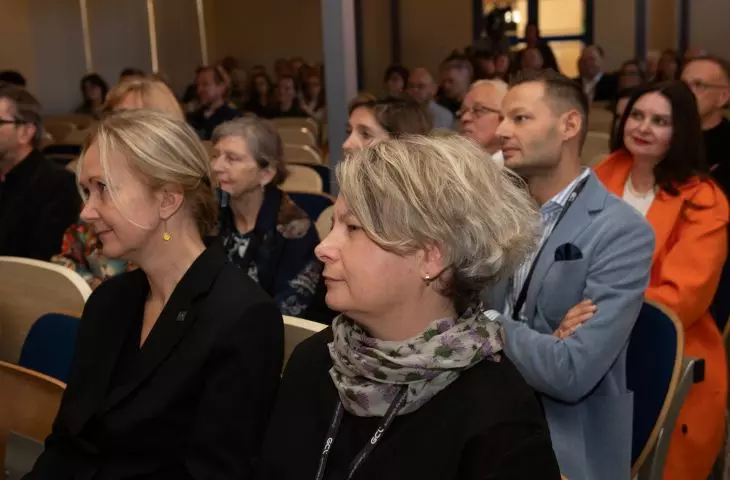
25th anniversary of landscape architecture at Krakow University of Technology
Photo by Jan Zych
Aleksandra Skorupa: How does the approach to landscape architecture differ between Poland and other European countries?
Urszula Forczek-Brataniec: To begin with, it would be necessary to distinguish between the general approach and the individual approach. In the general approach, the basic difference lies in the low use of landscape architects' competencies, a weaker labor market and an outdated planning and design formula that does not take into account a multidisciplinary approach and nature-based solutions. In the special, unitary approach presented by individual studios, it can be said with certainty that we can design brilliantly and are getting better at it. We follow the trends and even create them. The specifics of the landscape mark a unique design direction characterized by an individual approach. The landscape, so to speak, dictates the conditions, which ensures the originality of solutions and allows you to create your own original approach. This is evidenced by the success of projects awarded and honored in competitions Public Space, Mies van der Rohe Award, or international awards in the Landezine LILA competition. This is evidenced by numerous publications, such as in the triennial book Landscape Architecture Europe, architectural magazines and monographs. In this context, it is necessary to open up the profession institutionally, because we already have evidence of its effectiveness.
Aleksandra Skorupa: What challenges do landscape architects face today in the face of climate change and urbanization?
Urszula Forczek-Brataniec: There are huge challenges facing landscape architects, and first and foremost, city and town administrators, who should take advantage of the profession's potential. Developing cities, an aging population, and increasing expectations about the quality of space, require urgent changes. These processes require transformations and a series of measures related primarily to public space and its management, and they concern both the planning and micro scales. It is on a broad scale the activation of green corridors for alternative transportation, but above all for the efficient use of natural ventilation, cooling and purification that green infrastructure offers us, as well as on a local scale the elimination of the heat island, the management of rainwater or the reduction of CO2 emissions. Population retention and reduced emigration are increasingly linked to the quality of everyday living spaces. Climate change and urbanization are also linked to open spaces. Places of rest, forest enclaves and natural so-called leisure landscapes. Their proper use, protection, elimination of excess land for development are challenges of sustainable open landscape management.
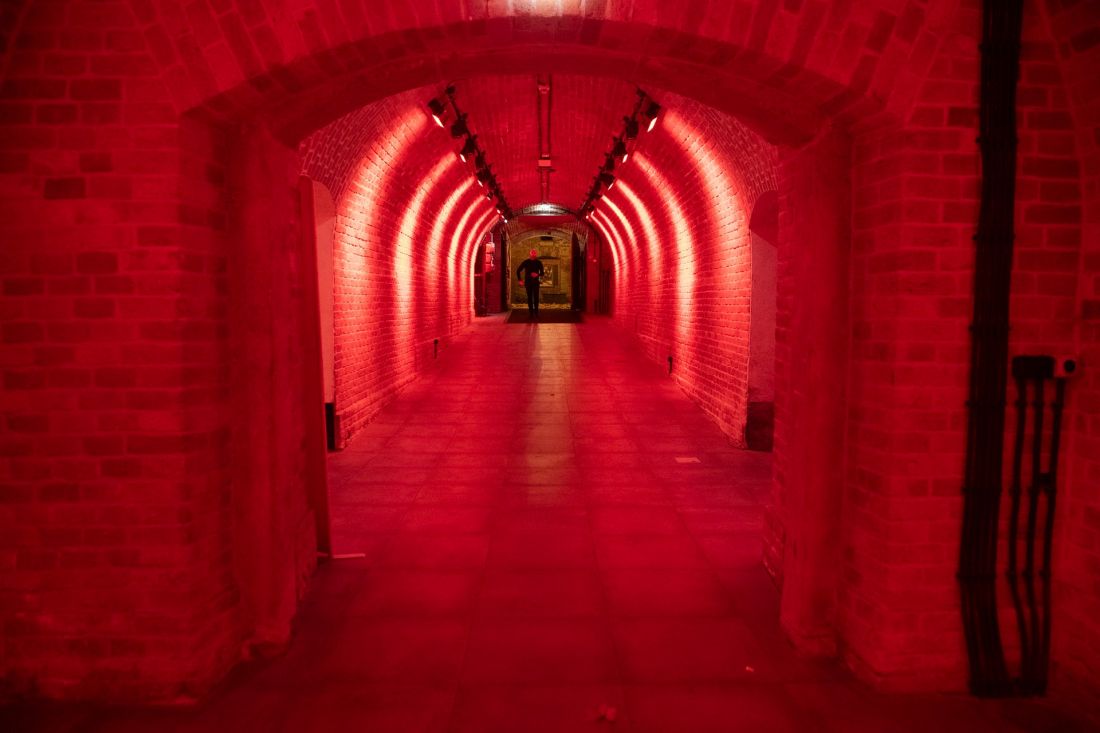
25th anniversary of landscape architecture at Krakow University of Technology
Photo by Jan Zych
Aleksandra Skorupa: What competencies should a young landscape architect develop in order to find himself in the future of this profession?
Urszula Forczek-Brataniec: I think this question would be best answered by our graduates J Meanwhile, from my experience, I can say that the so-called soft competencies are important, such as the ability to work in a team, because actually there are no projects done without cooperation with others. It is important to be flexible, to respond to important comments to the project, but at the same time to defend one's own vision, because as Michel Corajoud said in his lessons for students, no one will stand for the coherence of the project if the author himself does not do it. I heartily recommend this video made by the French associations of landscape architects.
Aleksandra Skorupa: What would you wish for the students and graduates of the faculty on the occasion of their 25th anniversary?
Urszula Forczek-Brataniec: I wish the students and graduates the best. Health happiness and prosperity. Many places where they could do internships and apprenticeships, great masters. A good job market for the development of independent professional practice. Competitions for projects, victories in these competitions and well-paid assignments. I also wish them job satisfaction and finding a balance between work and rest. Of course, I also wish wonderful travels, for those who like to travel.
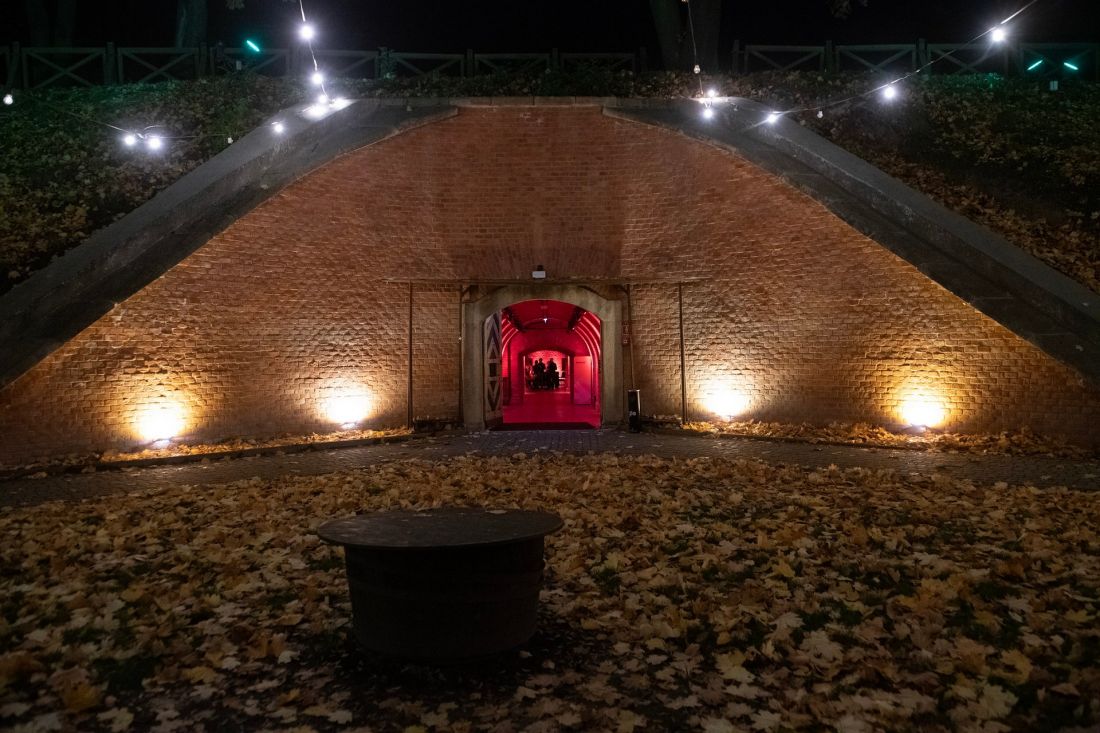
25th anniversary of landscape architecture at Krakow University of Technology
Photo by Jan Zych
Aleksandra Skorupa: And what would you wish for the field itself - landscape architecture - for the next 25 years of its development?
Urszula Forczek-Brataniec: I would wish that landscape architecture would gain its due role in the design of cities, villages and open areas, that the holistic approach inherent in this profession would be appreciated and used to shape wise and beautiful spaces of the everyday and the exceptional.
Aleksandra Skorupa: Thank you for the interview.