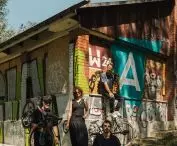
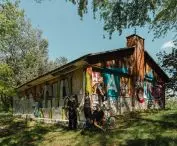

We are right to discuss vacant properties mainly in the context of the housing crisis. However, not all abandoned buildings are suitable for habitation; some of them, on the other hand, can serve other purposes, such as community functions. Such potential may have lain in the iconic “Żagielek” bar in Żoliborz, which fell into disrepair over the years and is currently being demolished. It didn’t have to end this way—alternative scenarios were developed for the building located on Kępa Potocka, one of which was prepared by Warsaw-based Studio Public.
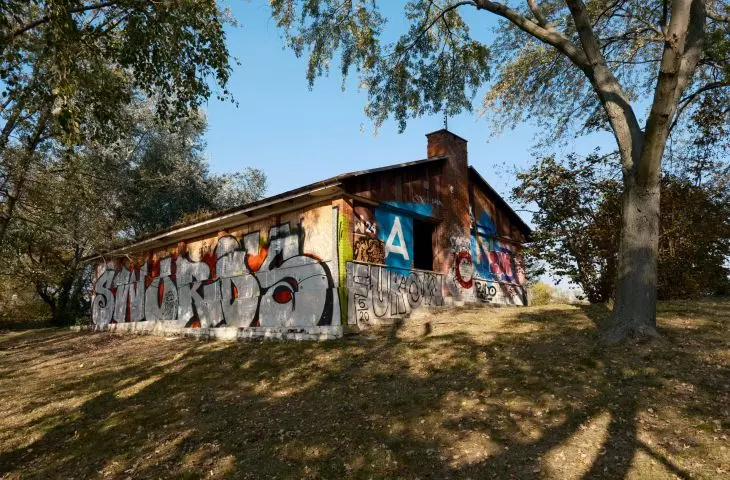
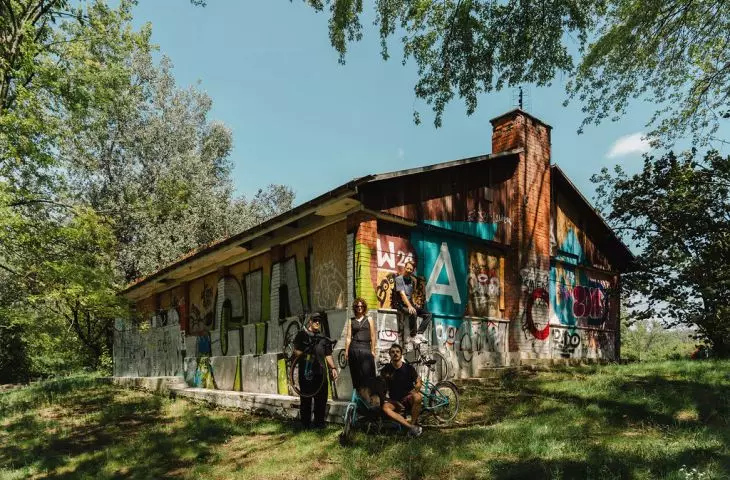
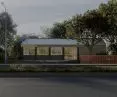
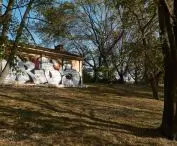
The “Żagielek” bar on Kępa Potocka served as the backdrop for many vivid memories of Żoliborz residents. The relatively small building was constructed in the 1960s as a pavilion with extensive glass walls, topped by a sloping roof. For decades, it housed a pub; later, the Żoliborz Association “Dom-Rodzina-Człowiek” had its headquarters there. In 2017, the association moved to a new location, and the building stood vacant. Residents of Żoliborz submitted inquiries to district authorities regarding the building’s future, but their efforts did not yield the expected results . The once-iconic bar, located between Wisłostrada and Kępa Potocka, began to fall into disrepair.
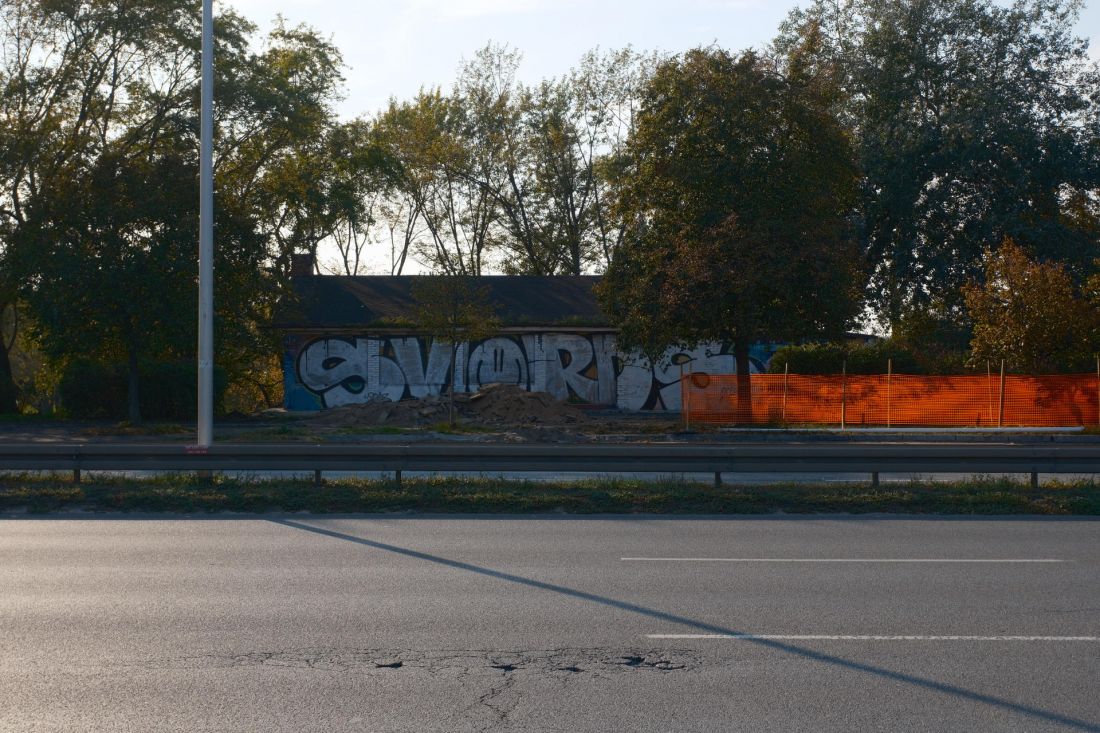
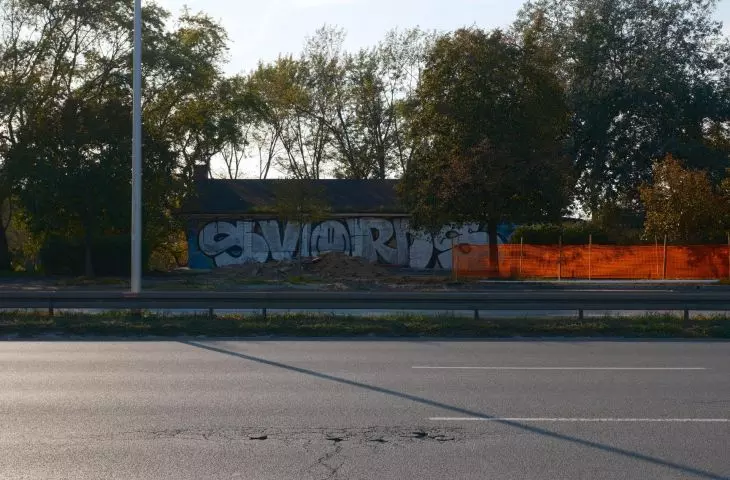
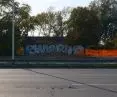
The Żagielek Bar in Żoliborz has fallen into disrepair and is currently being demolished
Photo: Maja Bułkowska
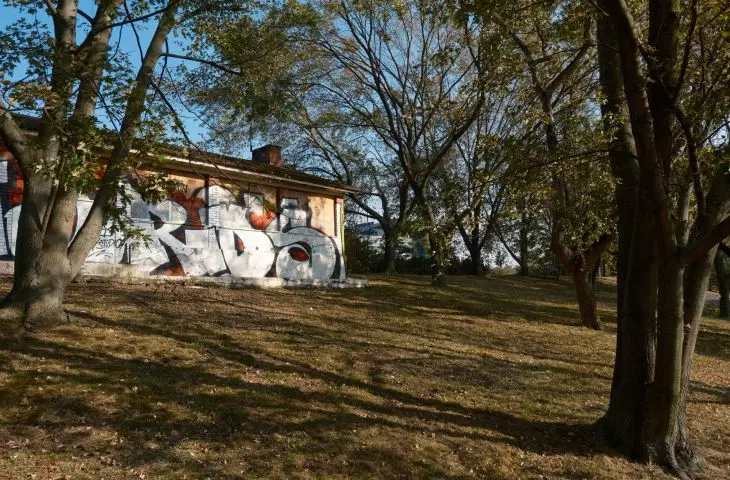
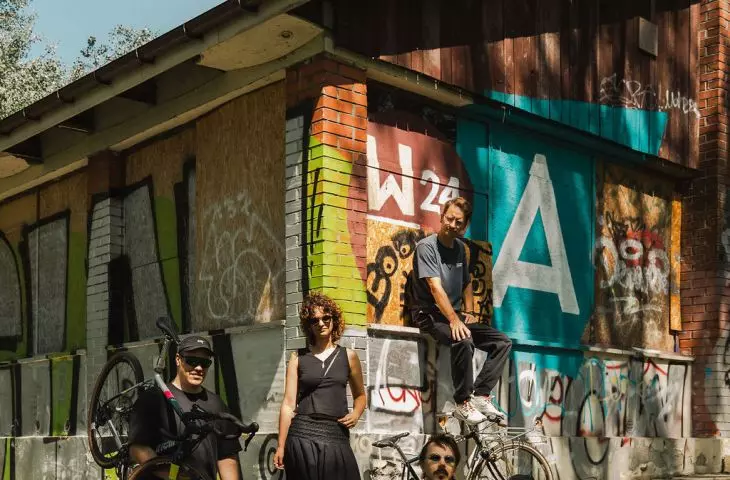
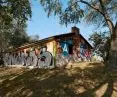
It’s not as if its deterioration took place over the course of decades. In 2017, when the foundation was still operating within the walls of “Żagielek,” the building appeared to be in good condition. However, just two years without proper maintenance and regular use were enough for “Żagielek” to begin falling into disrepair. Today, according to reports shared by, among others, the Warsaw-based association Miasto Jest Nasze, the building is in such a state that it is fit only for demolition —the wooden interior fixtures are rotten, the windows are smashed, and the facades are entirely covered in graffiti. Yet all it would have taken to prevent the building from falling into ruin was a bit of initiative and a good idea. And such ideas for “Żagielek” did emerge.
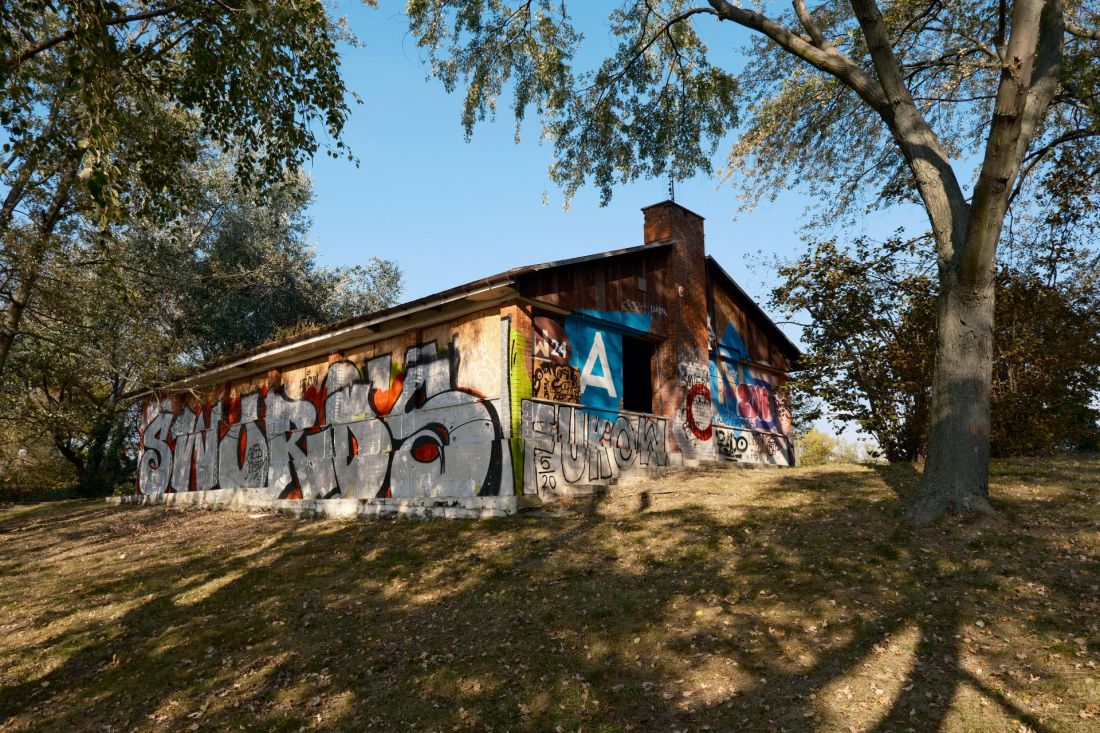
The “Żagielek” Bar by Kępa Potocka Park
Photo: Maja Bułkowska
A swarm of bees at the Żagielek bar
In 2020, the FabLab project “Bee Swarm” was among the citywide initiatives submitted to the Participatory Budget of the capital city of Warsaw. The project involved renovating the vacant space formerly occupied by the “Żagielek” bar and converting it into an urban beekeeping workshop:
The idea behind our project is to create a place that will promote awareness of the role of endangered pollinating insects in the ecosystem, while also providing a space for activities aimed at supporting them. For several years now, urban beekeeping has been in vogue, as has placing beehives on rooftops—which is media-friendly and attractive but not always accessible to residents, and these locations aren’t always suitable or well-suited for beekeeping. [...] This is a growing, innovative, and permanent space. By making it accessible to all interested residents, it will be possible to prevent beekeeping mistakes or to respond and intervene quickly. This is an extremely valuable initiative for pollinating insects and their keepers, who will spend more time outdoors, and exposure to hive air (apitherapy) will further positively impact their health
— as stated in the project description
The “Rodzinna Warszawa” Family Support Center, which at the time was already managing three other FabLabs, was to run the project. The Żagielek Bar was supposed to be transferred to the Family Support Center as early as 2019, but funding could not be secured. A year later, the project failed to secure enough votes in the Participatory Budget, and the idea was scrapped. Since then, little has happened regarding the iconic “Żagielek,” which has fallen into greater disrepair with each passing season.
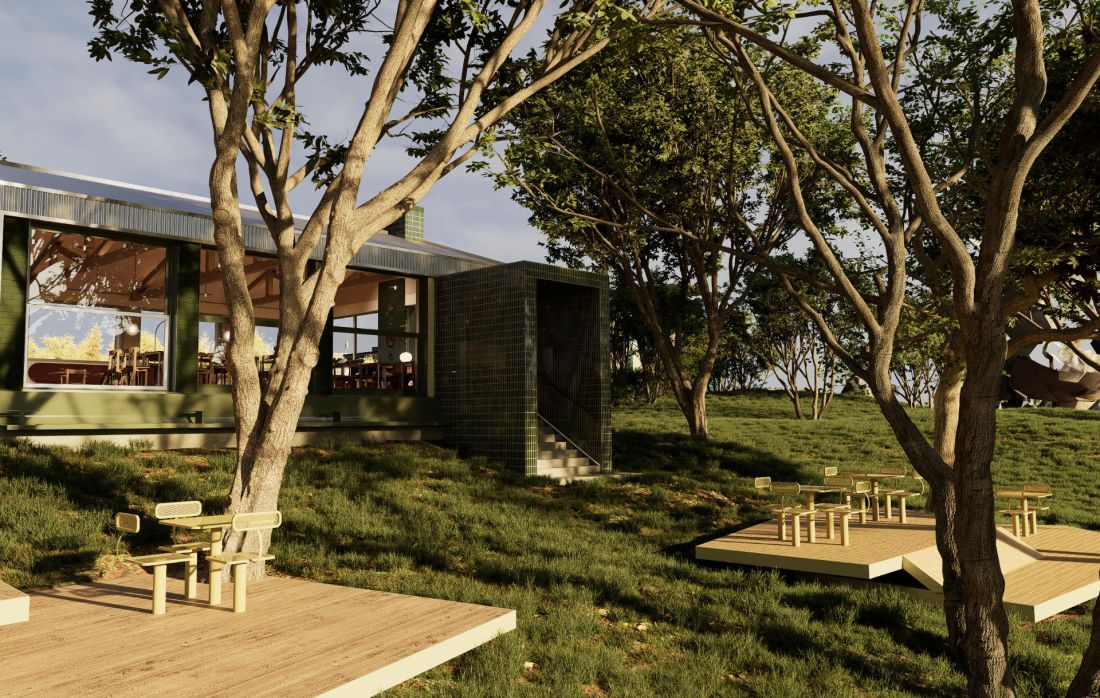
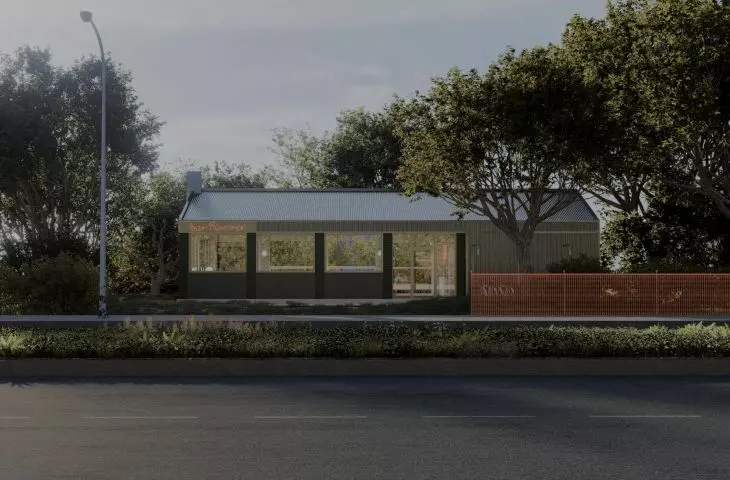
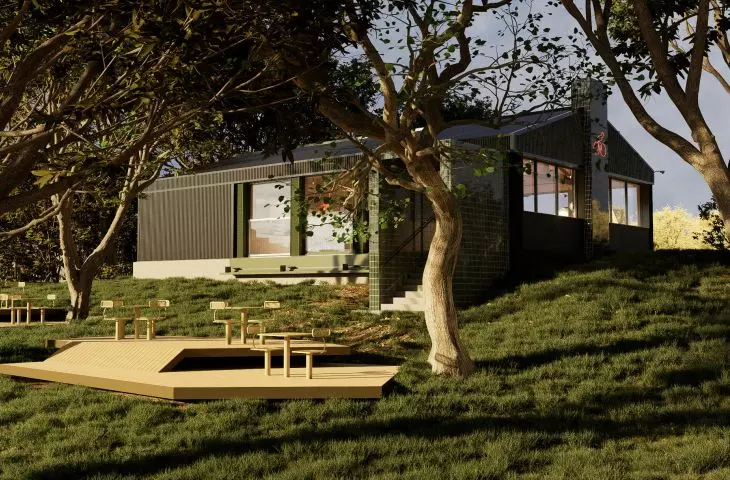
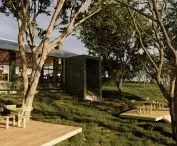
Bar Rowerek — small-scale architecture can serve both the needs of a café and the users of Kępa Potocka Park
© Studio Public
An alternative scenario for “Żagielek”
A few years later, Warsaw-based Studio Public—which is headquartered in Żoliborz—developed a different concept for repurposing the building that once housed the “Żagielek” bar. Today, repurposing the building simply to open yet another pub doesn’t seem appropriate, so the team of architects looked at “Żagielek” from a slightly different perspective:
Its former customers, drivers of vehicles speeding down the main thoroughfare, have been eliminated ever since a no-parking sign appeared on the driveway in front of the bar (which is entirely justified, as drivers pulling out onto the busy roadway posed a significant hazard). As we rode our bikes past it, we noticed a completely new function—provided one shifts one’s perspective from viewing the building from the Wisłostrada to viewing it from the side facing Kępa Potocka Park.
— explain the architects from Studio Public.
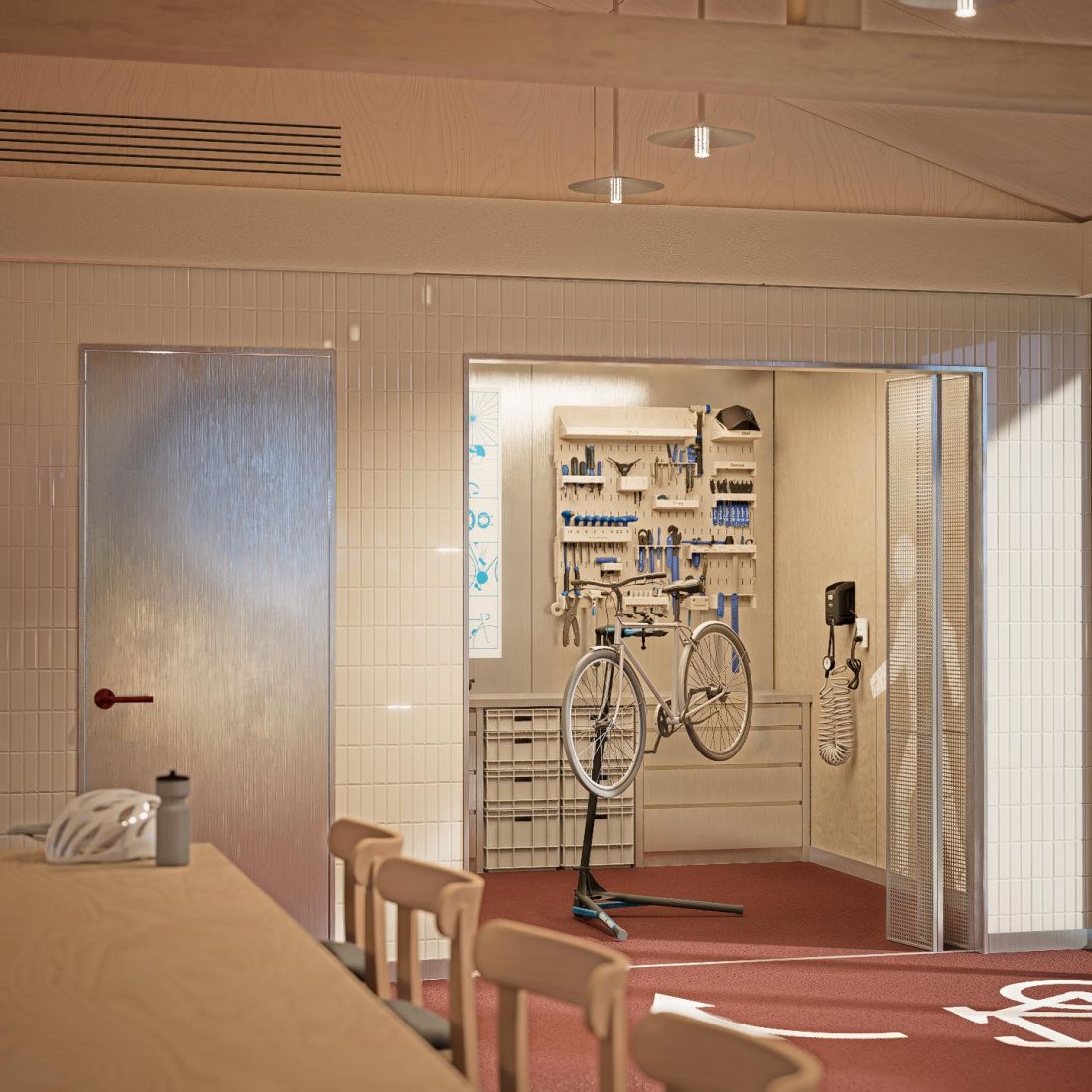
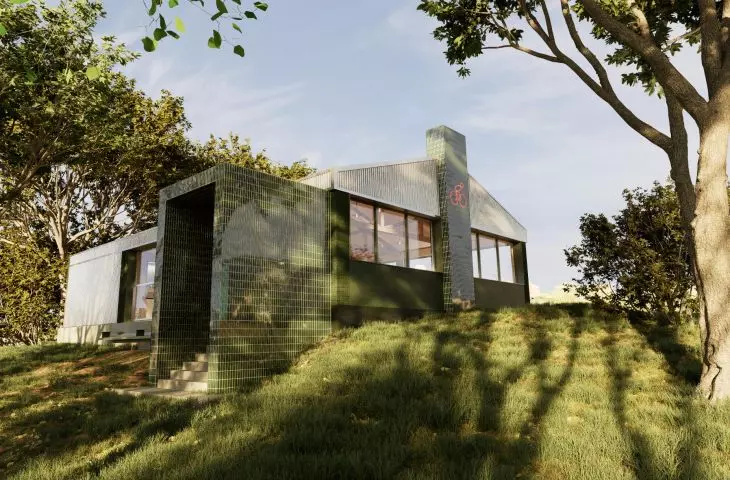
Bar Rowerek, located in the building that once housed the Żagielek bar, could serve as a quick-service station for cyclists
© Studio Public
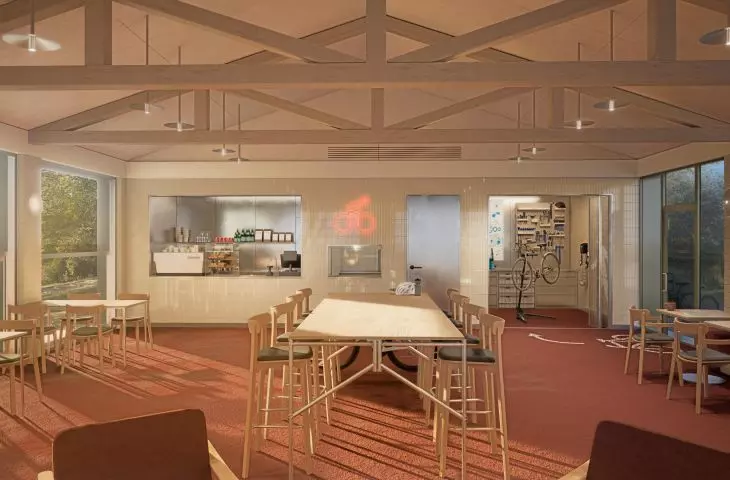
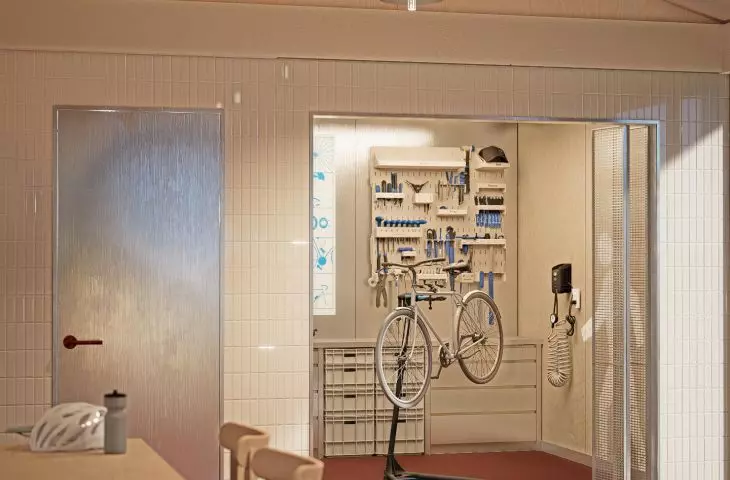
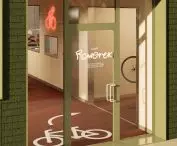
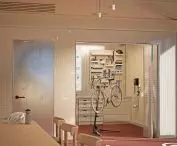
A bike path runs along Wisłostrada, between the Gen. Stefan Grot-Rowecki Bridge interchange and the southern section of Gwiaździsta Street. Many cyclists also use the numerous paths in Kępa Potocka Park. Studio Public recognized this connection and envisioned setting up a quick-service repair shop for cyclists within the walls of the former pub.
Many of us often have nowhere to tinker with our bikes in our apartments or cramped building basements, nor is there space to properly wash a bike. Setting aside even a small space for such a fully equipped, self-service bike repair shop (because let’s not kid ourselves—no one is going to hire a mechanic to work there full-time) would give many people the opportunity to take care of their bikes.
— write the architects.
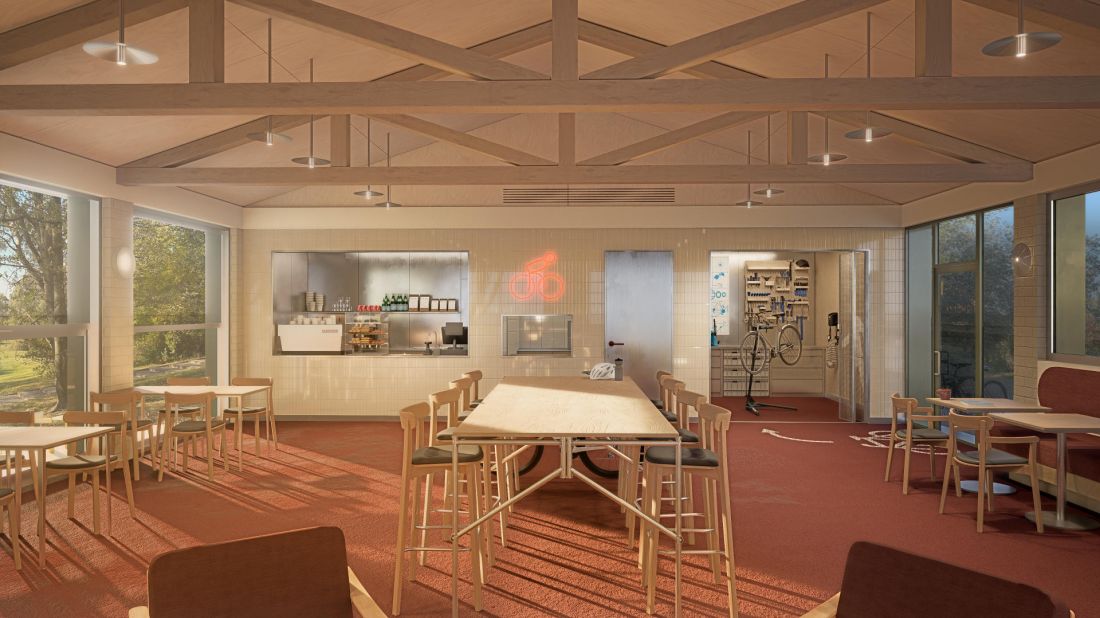
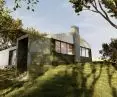
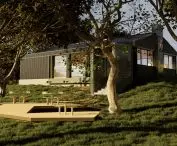
Bar Rowerek highlights the building’s 1960s architecture
© Studio Public
“Rowerek” Bar
And so “Żagielek” was renamed… “Rowerek” Bar.
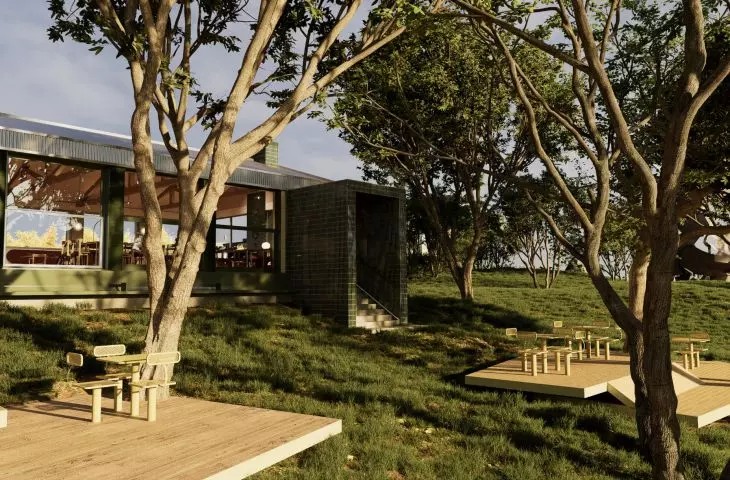
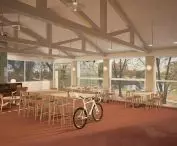
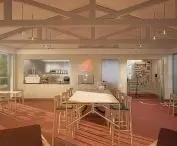
Since we design café and restaurant interiors on a daily basis, we quickly found the ideal interior layout for running a commercial business that would allow such a venue to remain viable. However, what’s important to us is that we’d like this space to be usable even outside the typical café’s operating hours. Therefore, instead of building a terrace next to the building—which, due to its location and form, could create a closed-off enclave and deter park visitors from using it— we opted for platforms with tables and chairs (on which soft cushions can be added during the café’s operating hours) and contoured benches for lounging, all loosely scattered across the slope.
— explains Studio Public.
The tabletops of these tables feature boards for playing chess and checkers — a solution commonly found in park spaces, especially in southern Europe, which makes the platforms feel even more like an integral part of Kępa Potocka’s infrastructure.
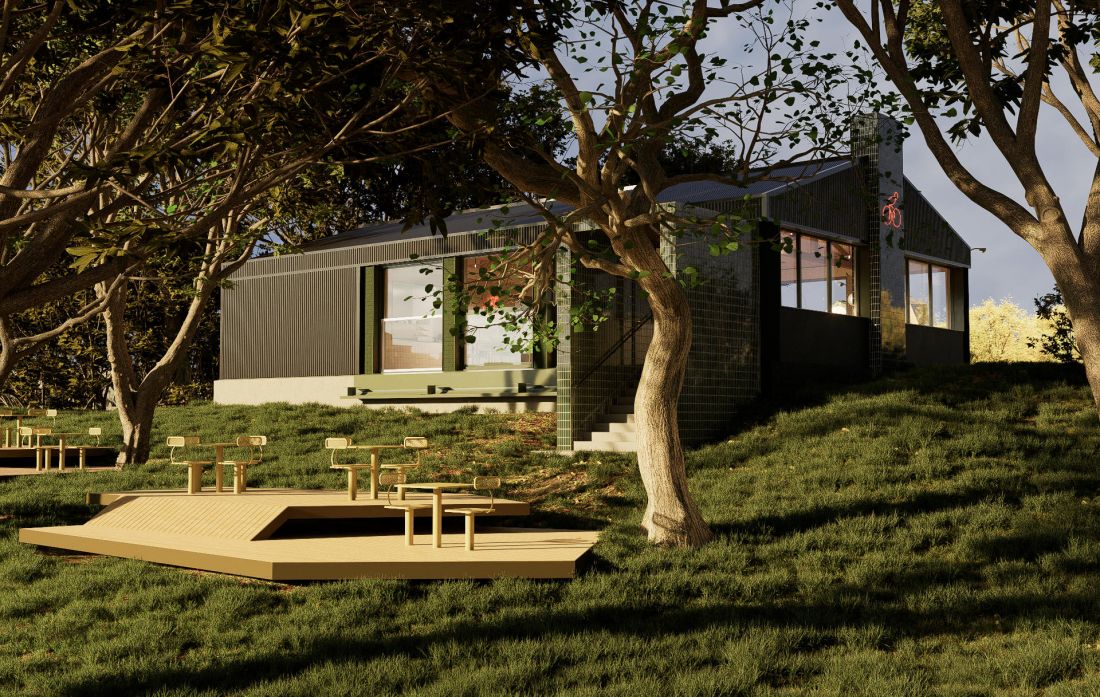
Bar Rowerek in the building that once housed the Żagielek bar
© Studio Public
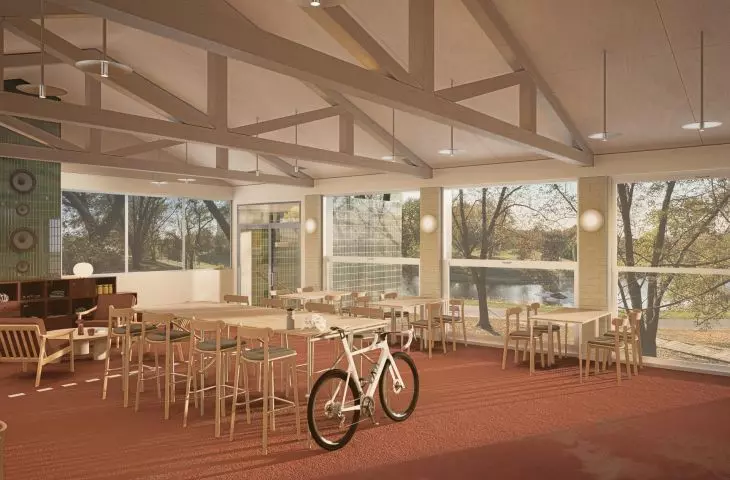
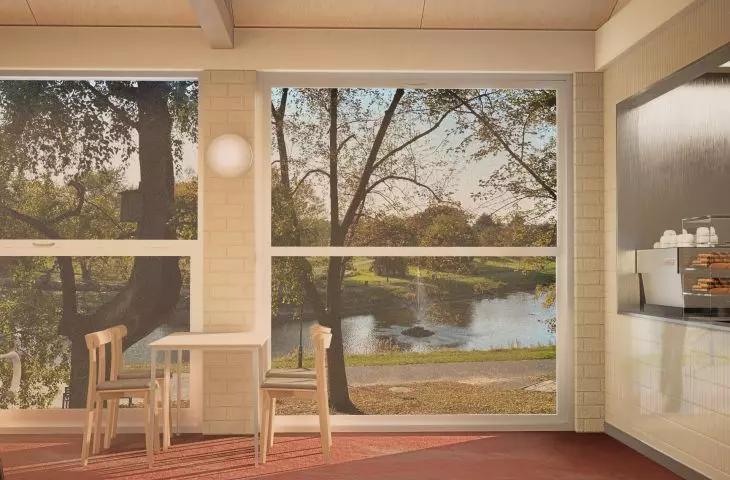
coffee with a view of Kępa Potocka
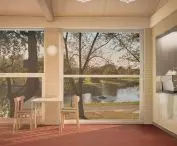
The interior of the “Rowerek” café was designed in a minimalist style, making the most of the building’s potential. Studio Public proposed exposing the roof trusses and finishing the space in light colors. Light streams in through large windows offering a view of Kępa Potocka Park below. An unusual touch is the orange floor, which echoes the colors used in the paving of the bike paths.
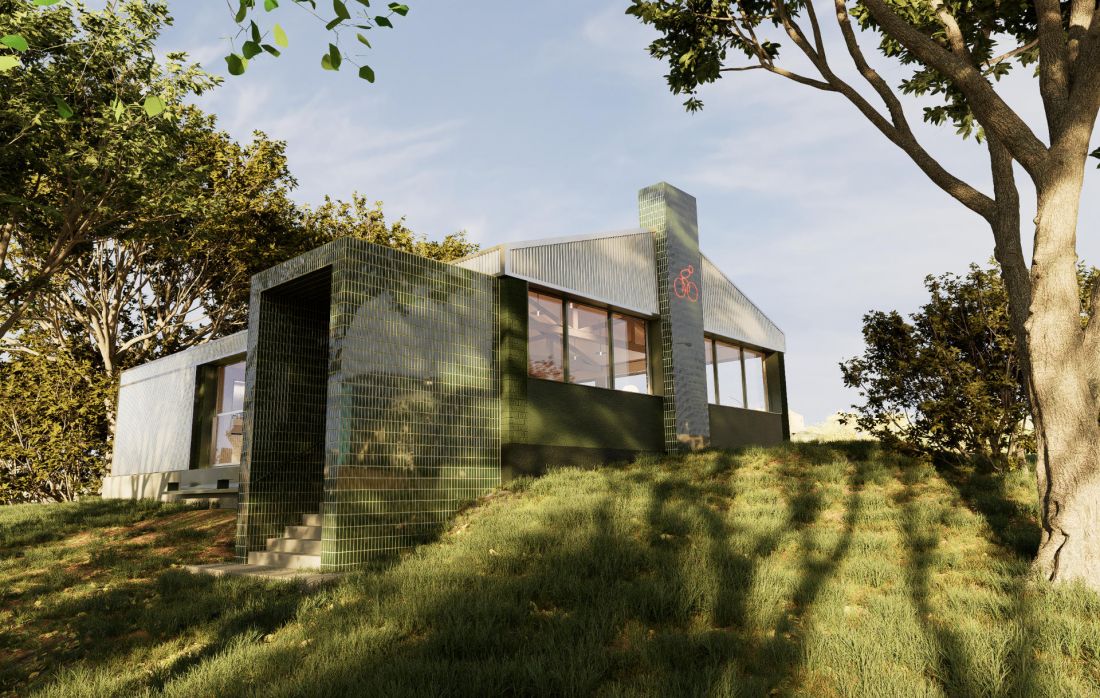
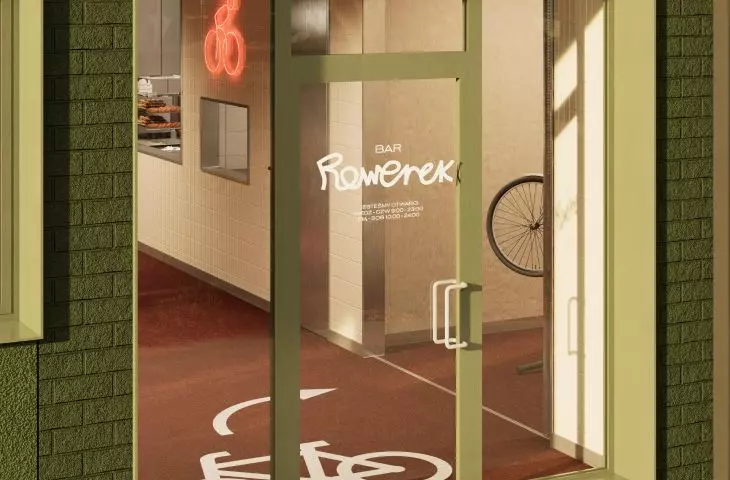
Bar Rowerek, located in the building that once housed the Żagielek bar—the building’s reorientation toward Kępa Potocka is emphasized by the newly added, monumental entrance
© Studio Public
The reorientation of the building away from Wisłostrada toward the park is emphasized by a new element—a massive entrance located at the southwest corner.
It is designed using a material characteristic of our studio: recycled ceramic tiles. The same material was used to clad the chimney towering over the building. In our interpretation, its function has been transformed into a massive speaker from which music seeps into the café. We clad the building itself in raw sheet metal, which is meant to evoke the look of workshop hangars, while also being easy to keep clean in a rather challenging environment: numerous deciduous trees and secondary dust kicked up by speeding vehicles.
— we read about the concept of the “Rowerek” Bar.
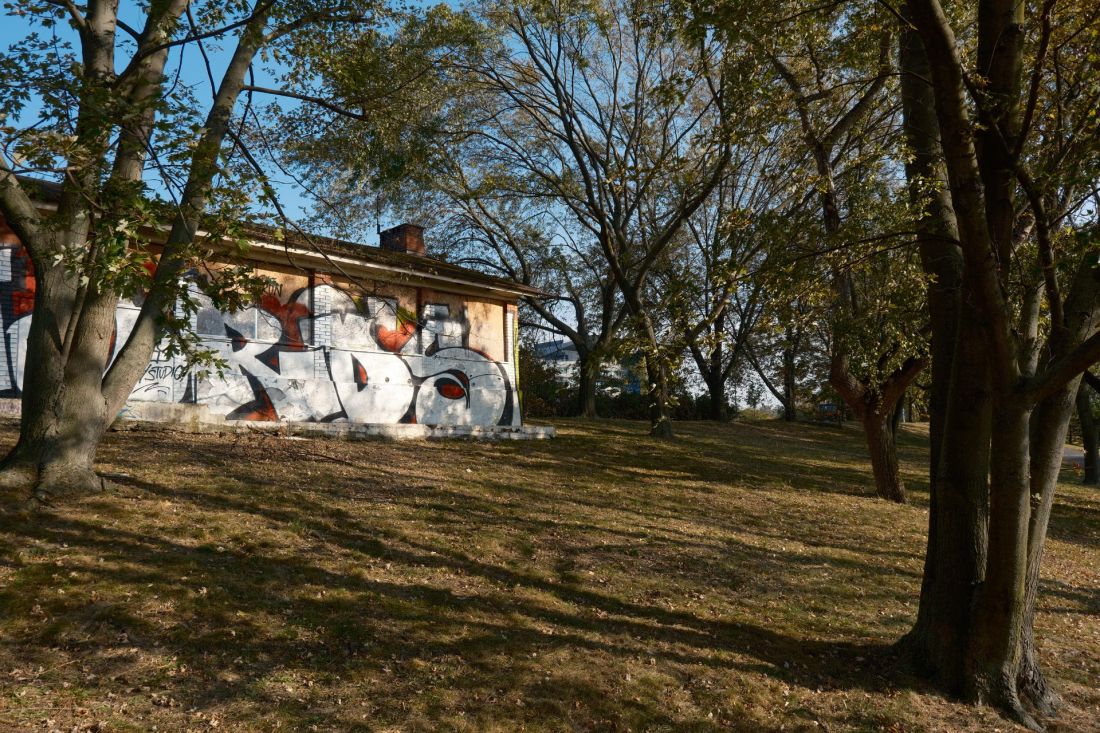
“Żagielek” Bar by Kępa Potocka Park
Photo: Maja Bułkowska
A story without a happy ending
The project, prepared “after hours,” did not make it in time to be consulted with district authorities—the demolition of the iconic “Żagielek” bar in Żoliborz is already underway. Given the condition of the building, perhaps nothing more could have been done. However, the demolition of the “Żagielek” bar illustrates a broader phenomenon of mismanagement by local governments, which do not always make optimal use of the resources they possess, allowing them to fall into disuse.
Our project was intended to show that it takes very little to transform such spaces into highly attractive venues (the views from the windows in the model are authentic views from that spot of the park and the oxbow lake in the distance). This is also an important issue in our firm’s work, where we strive, whenever possible, to promote the principle of “reuse, not build.” We fully succeeded in doing so once during the renovation of Bar Grażyny in Warsaw
— says Mikołaj Wojciechowski of Studio Public.
The small brick structure could have become a bicycle center designed by Studio Public, but it could also have served many other functions. The ideas were there, but what was missing was the right moment, the initiative, and perhaps also a sense of responsibility for the city’s assets.