




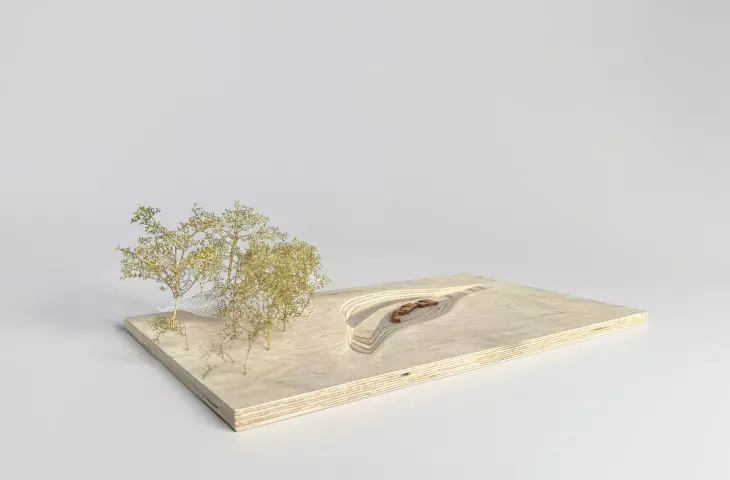

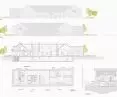

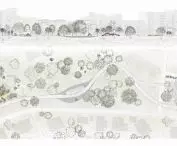
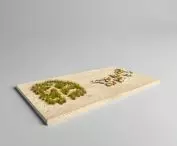

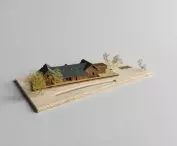



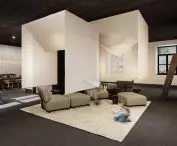
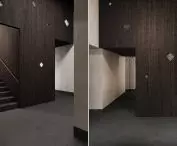

This project by Zofia Saługa of the Academy of Fine Arts in Kraków reflects on the contemporary crisis in the relationship between architecture and place. The thesis “Traces of (Non)Presence: Revitalizing the Memory of Młynówka Królewska,” developed in an academic context, addresses the disappearance of local identity amid the global standardization of form and the dominance of digital design tools.bThe starting point is the observation of a gradual weakening of design sensitivity to context, memory, and the materiality of place. Architecture is treated here as a tool for reinterpreting space, rather than merely for producing new forms.
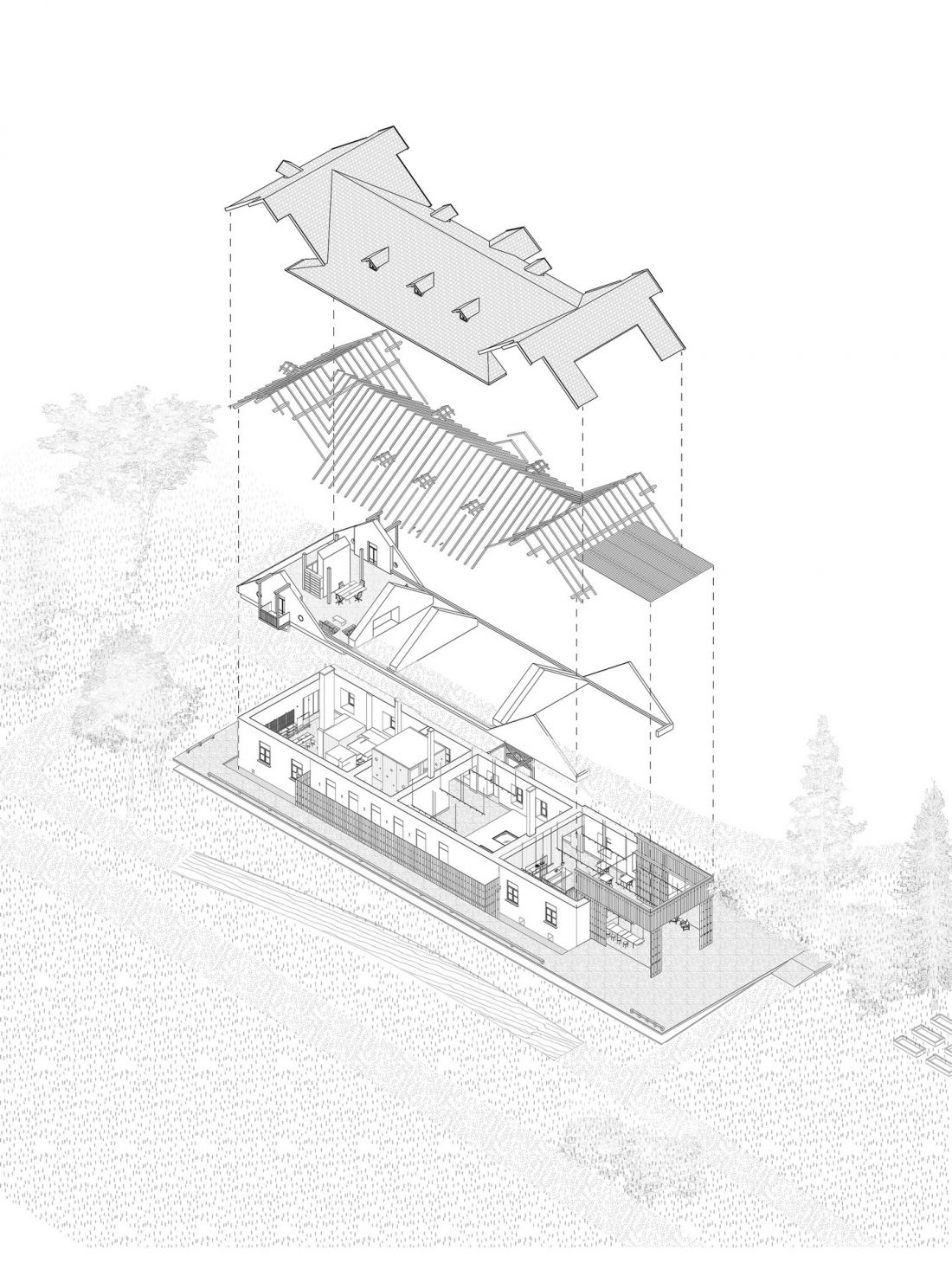
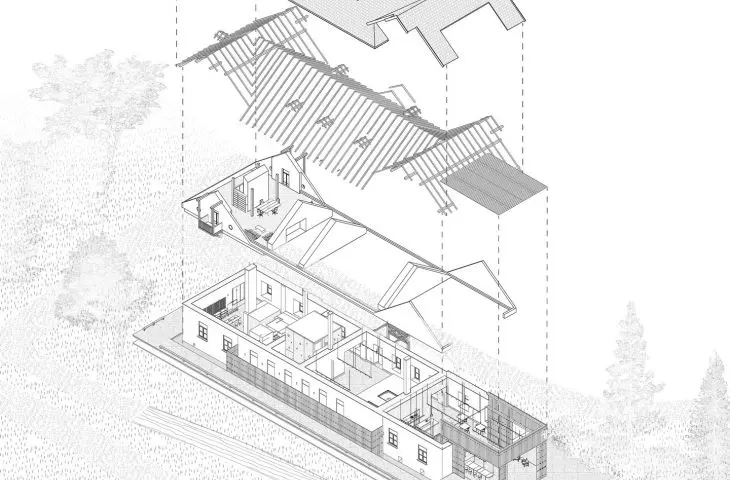
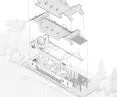
axonometric projection
© Zofia Saługa
The Crisis of Contemporary Architecture and the Loss of Context
Contemporary architecture increasingly operates under conditions of global uniformity of form. The development of digital and algorithmic tools has led to a design process that is often based on repetitive images and aesthetics that do not stem directly from the local context. As a result, many projects, regardless of location, employ a similar formal language, which weakens the relationship between architecture and the space in which it is created.
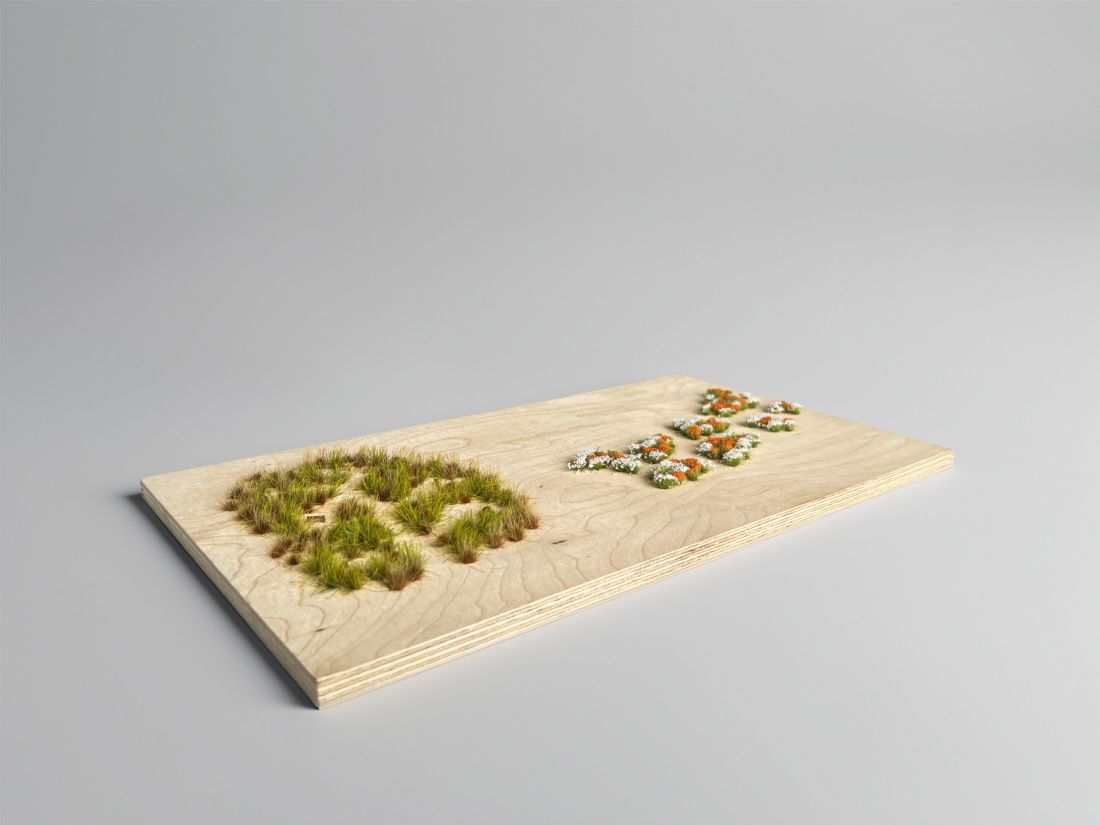
młynówka
© Zofia Saługa
A key aspect of this reflection is the shift in how space is designed. In the past, the creative process was based on direct contact with the site, observation, and sensory experience.Today, it is increasingly being replaced by digital images and algorithmically generated inspirations, which—though visually appealing—may be detached from the actual characteristics of the space. During my stay in Madrid, it became apparent that similar phenomena occur regardless of cultural context, indicating the global nature of the problem.
modrzejówka
© Zofia Saługa
architecture as a practice of re-rooting
Architecture is understood here as a practice of re-rooting, involving the conscious interpretation of the layers of a place’s memory and their contemporary reinterpretation. It is not about reconstructing the past, but about creating conditions in which the user can experience a relationship with the place through movement, the senses, and presence. In this context, design becomes a process of restoring the sensitivity of space, rather than merely shaping form.
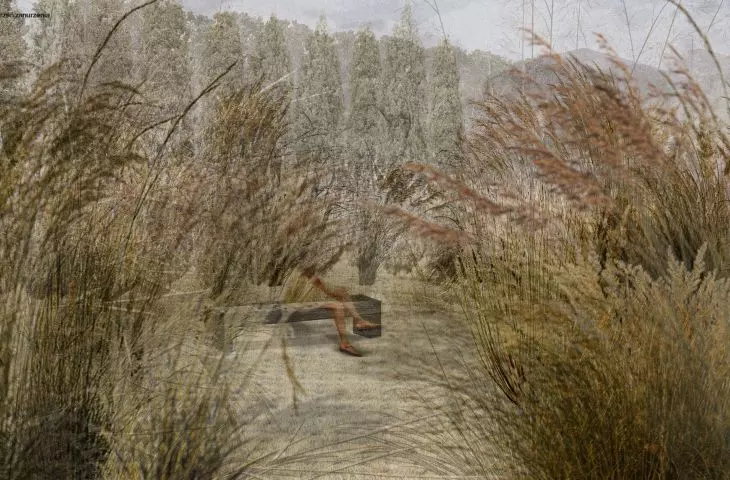
an enclave of silence
© Zofia Saługa
Traces of (Absence). Revitalizing the Memory of the Royal Mill Site
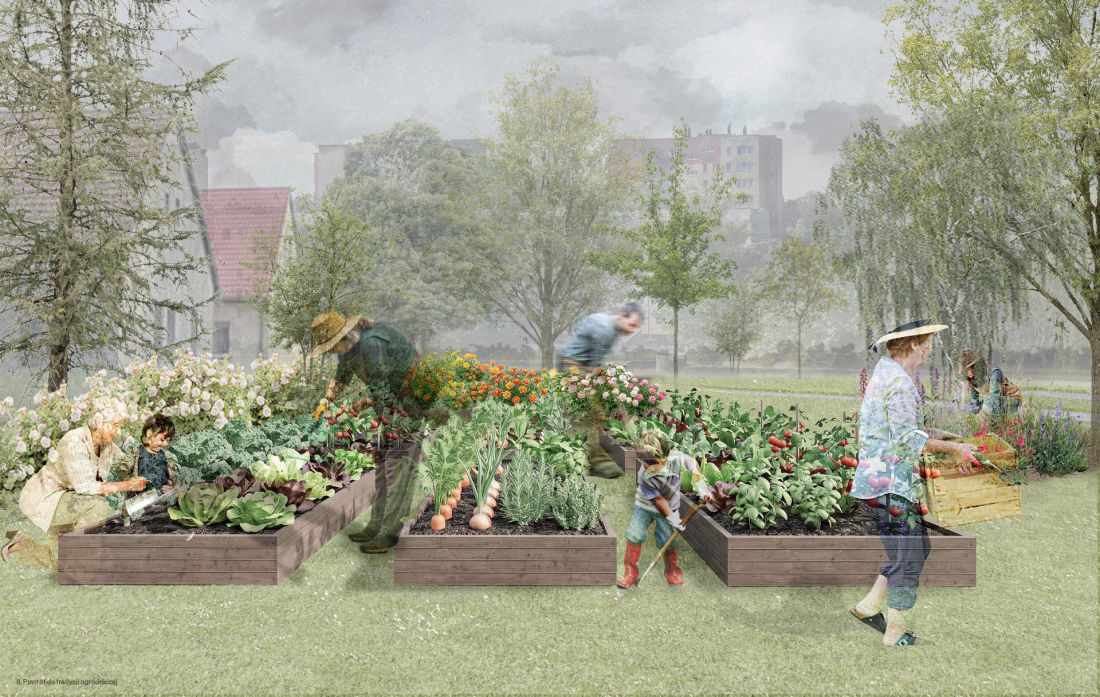
Zofia Saługa’s thesis, “Traces of (Absence) Presence. Revitalizing the Memory of the Młynówka Królewska Site” focuses on the Krowodrza district of Kraków, specifically the section along Aleja Grottgera with Villa Modrzejówka as the central point of the site. This area has a severely eroded identity resulting from intensive urbanization processes that led to the disappearance of the former landscape of gardens, orchards, and the Młynówka Królewska water system. The historic Rudawa canal, which once served as the organizing structure of the neighborhood’s life, now exists only as a trace in the urban landscape.
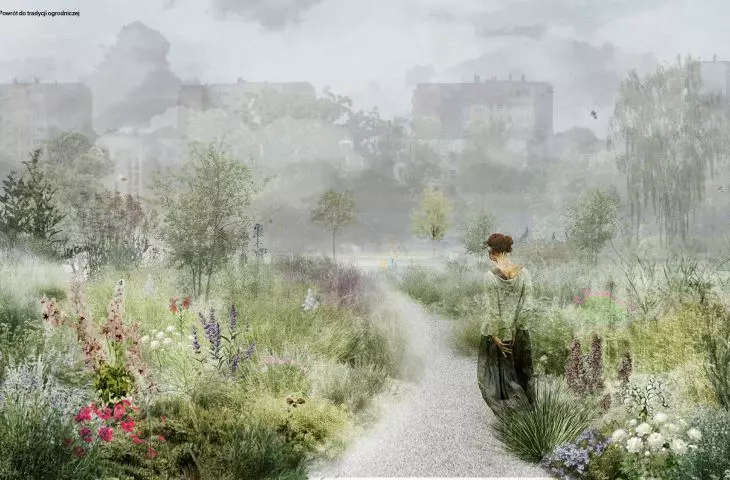
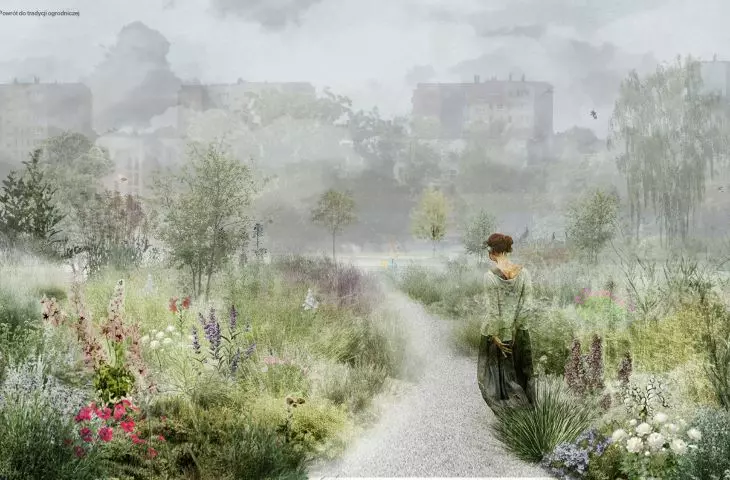
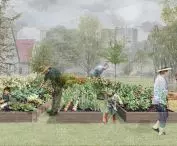
A Return to Gardening Traditions
© Zofia Saługa
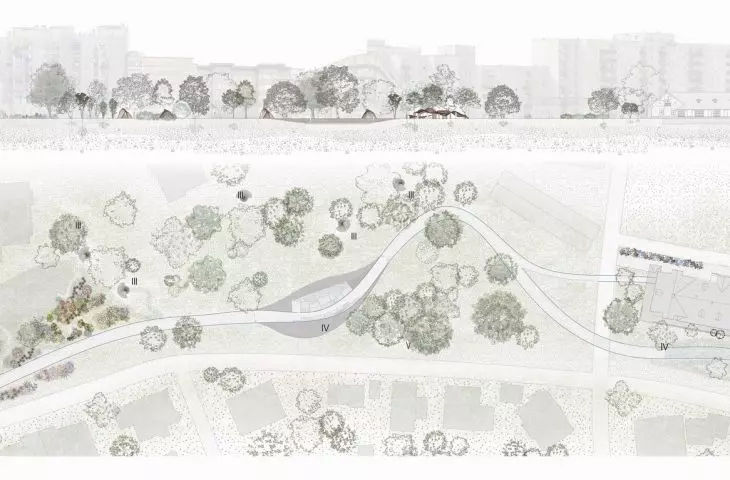
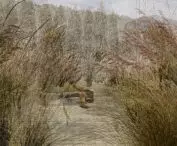
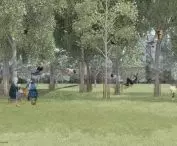
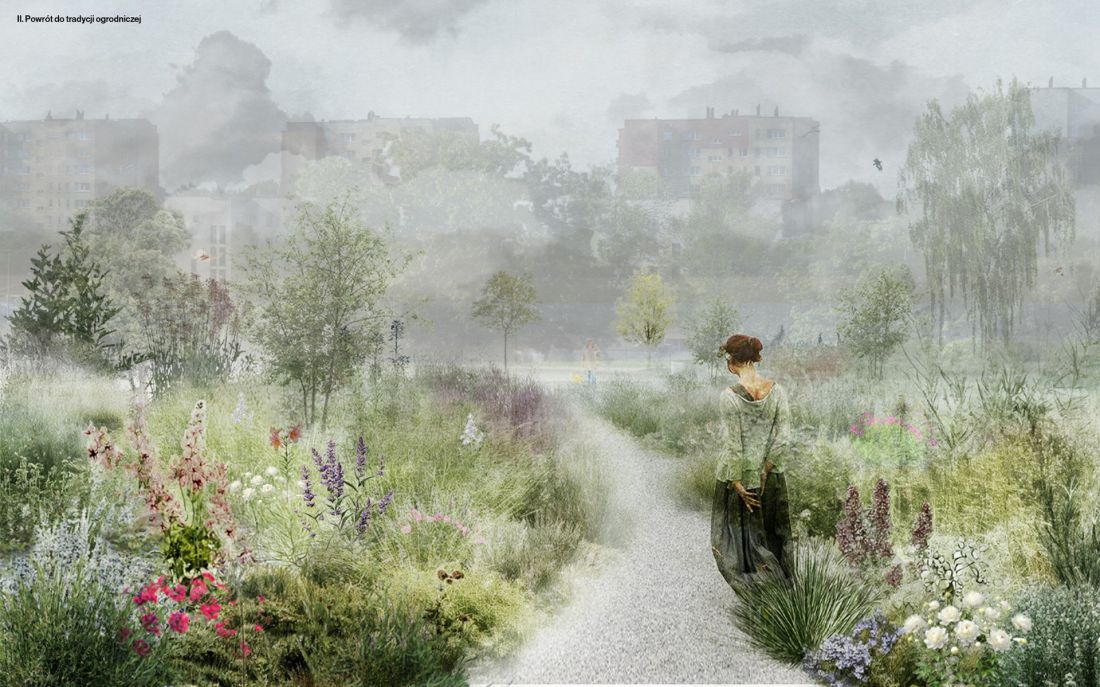
The project is based on the concept of performative memory, in which the user co-creates the meaning of the space through movement and experience. Based on archival maps, the course of the Młynówka has been reconstructed in the form of a contemporary interpretation. Water appears at specific points as a medium revealing the river’s former presence, rather than as a literal reconstruction of it. At selected points, the landscape is transformed so that the user can experience changes in ground level and a symbolic “entry” into the historical watercourse.
Landscape Structures and Sensory Experience
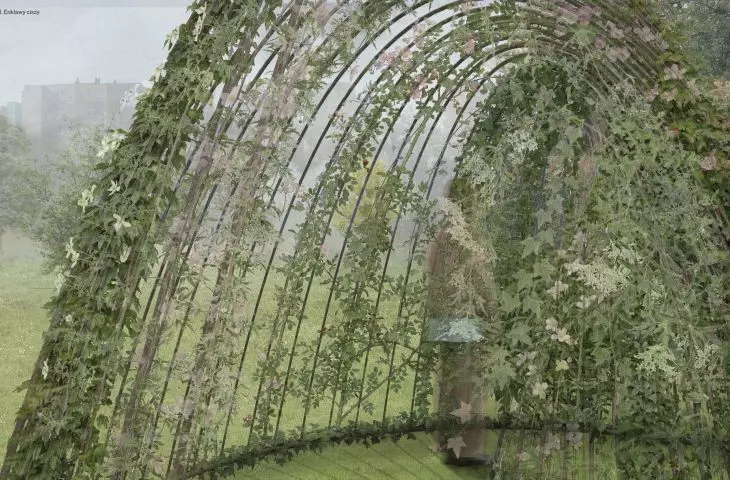
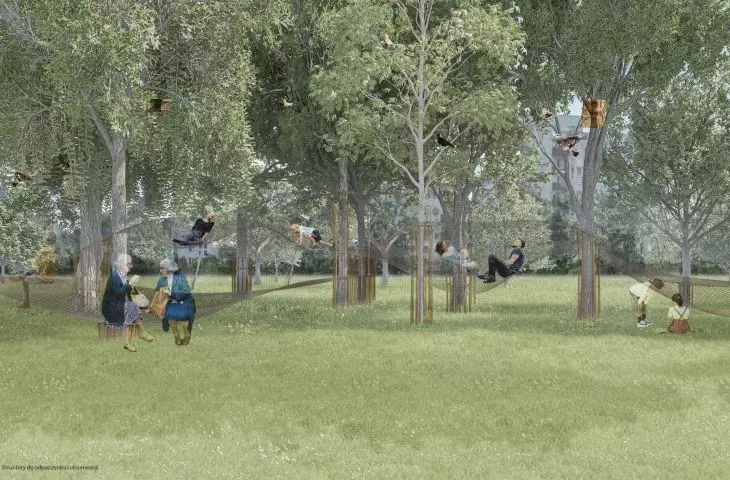
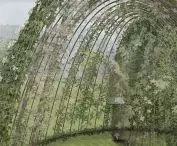
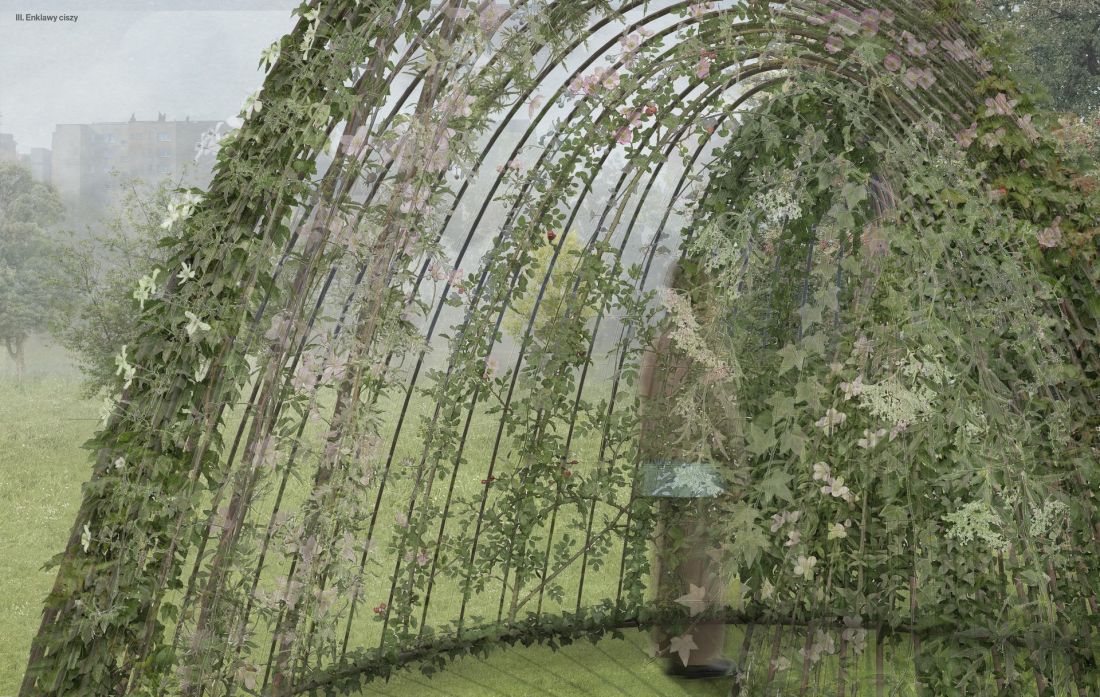
As part of the Trail of Remembrance, lightweight observation and resting structures have been designed around the existing greenery. Their form does not interfere with the trees’ root systems but creates an openwork setting that allows for various ways of perceiving the landscape. These are complemented by flexible spatial networks and bio-architectural structures that, over time, become overgrown with vegetation, integrating the architecture into the process of growth and change. Another key element is the soundscape, where tall vegetation limits visual contact with the city, directing attention toward the sense of hearing and the experience of the intangible aspects of space.
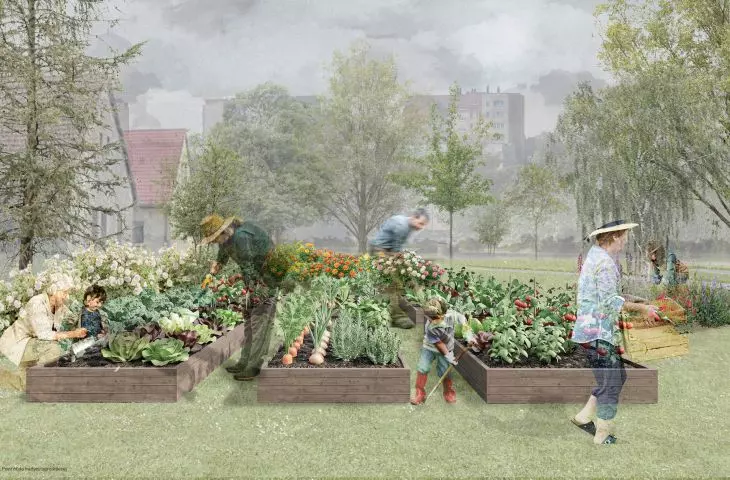
vegetable gardens
© Zofia Saługa
Modrzejówka Villa as a Center of Memory
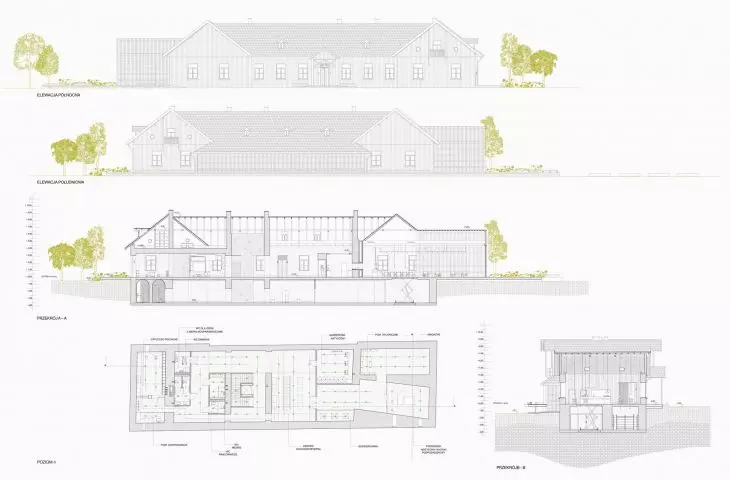
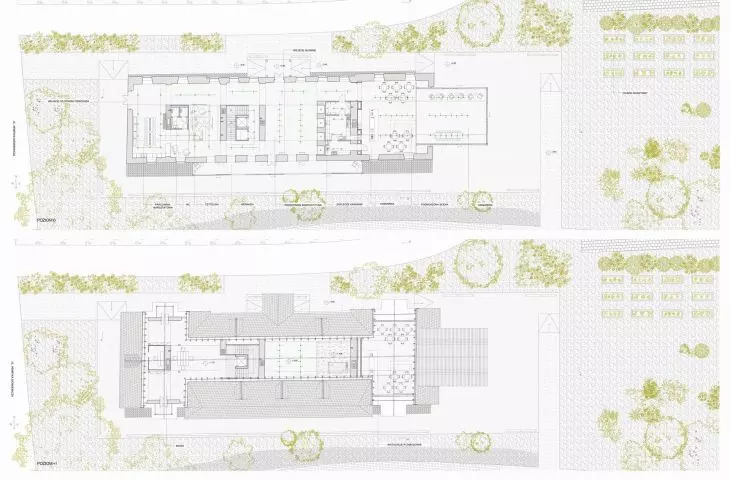
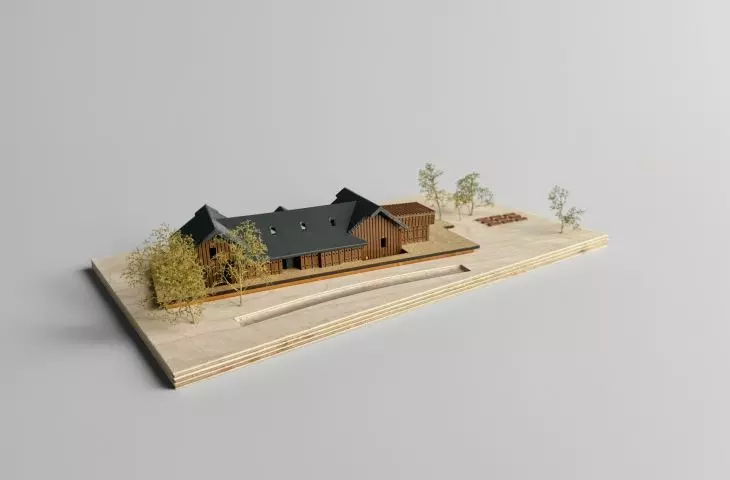
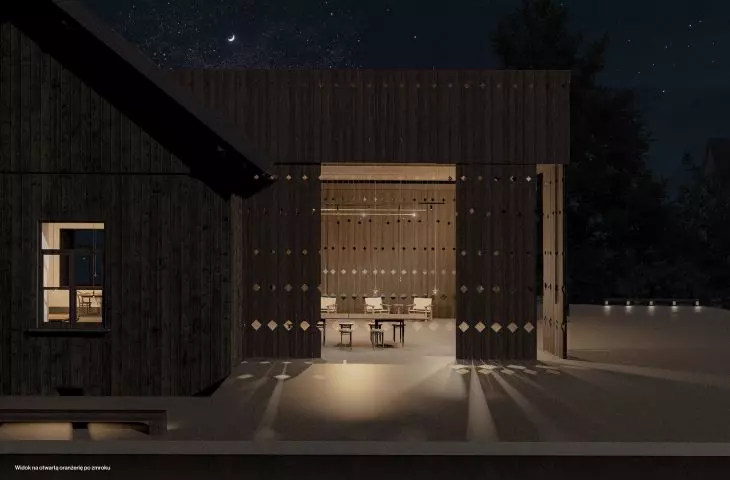
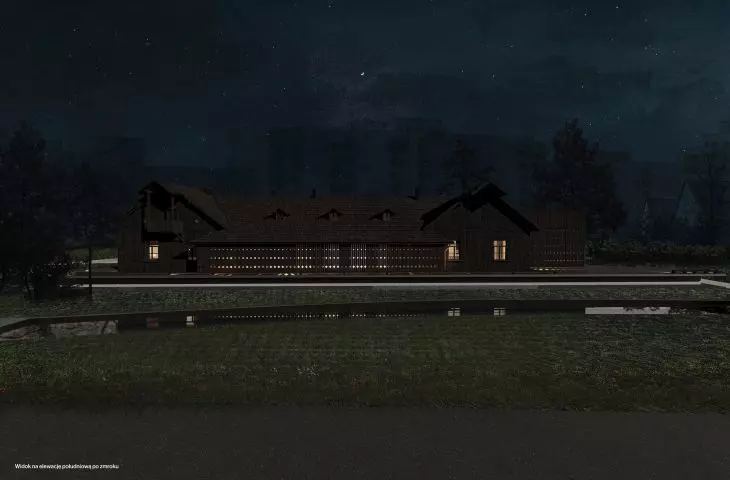
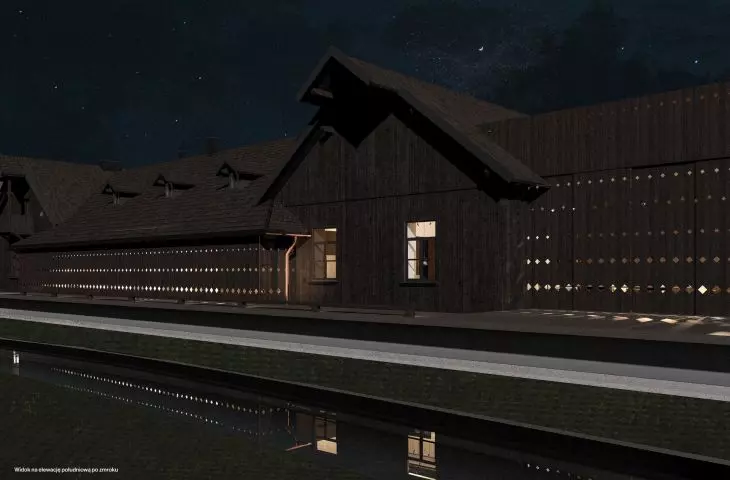
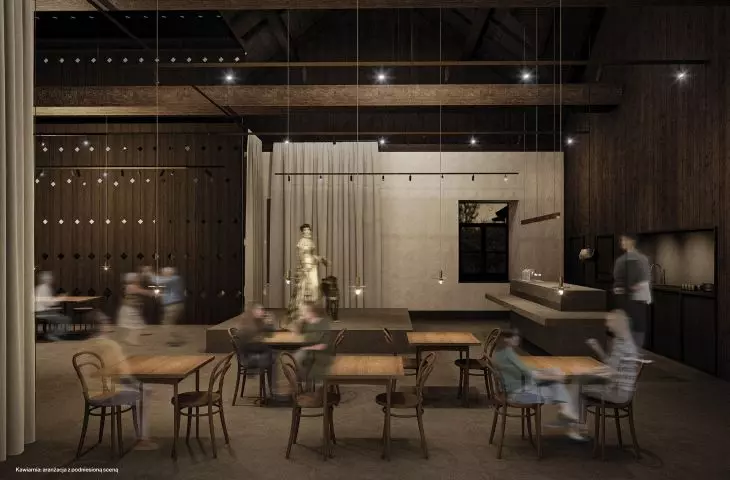
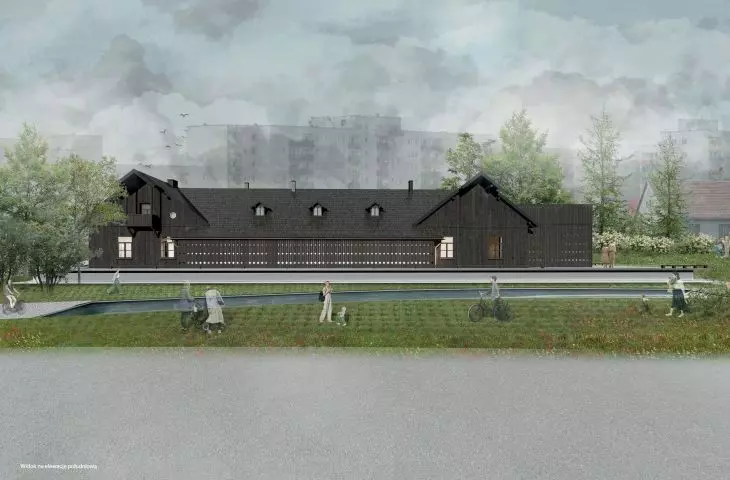
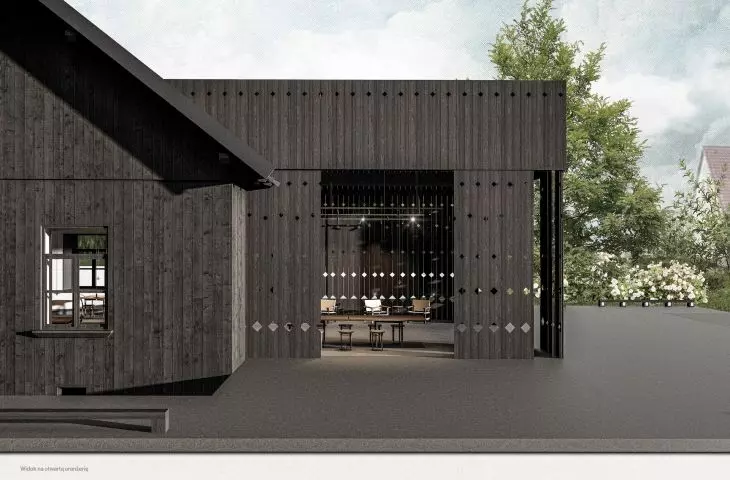
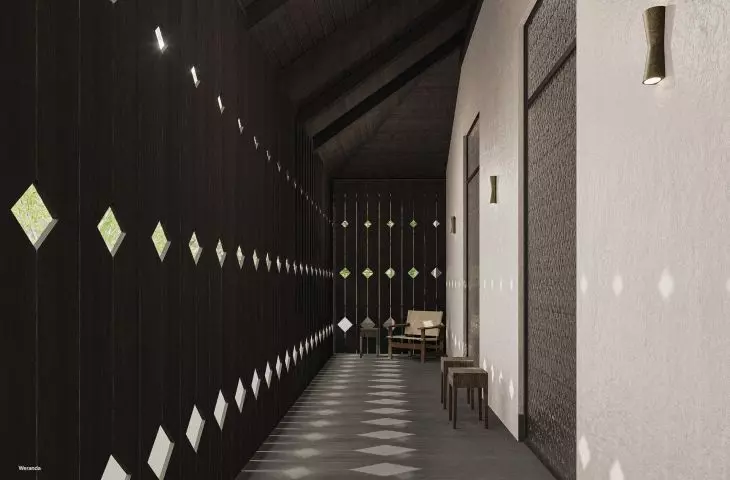
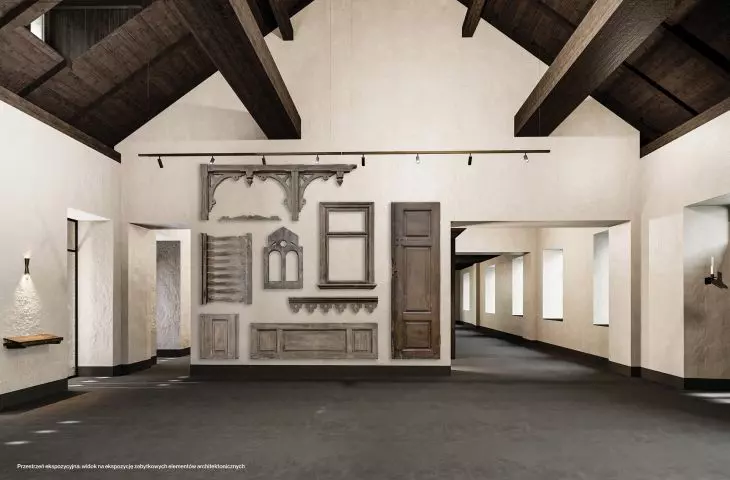
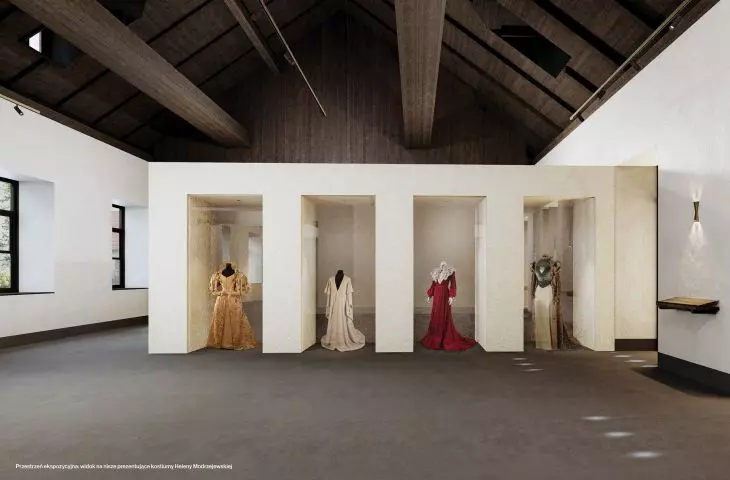
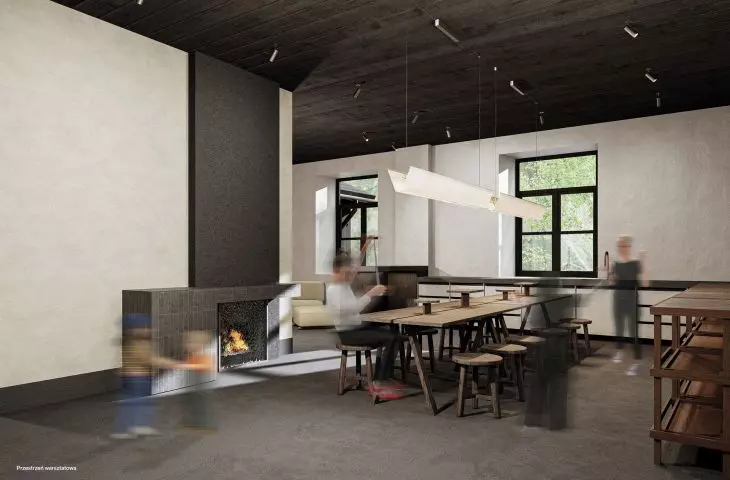
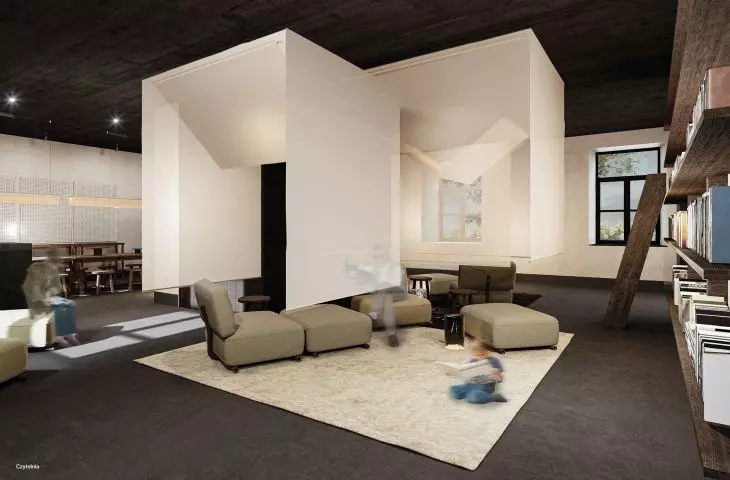
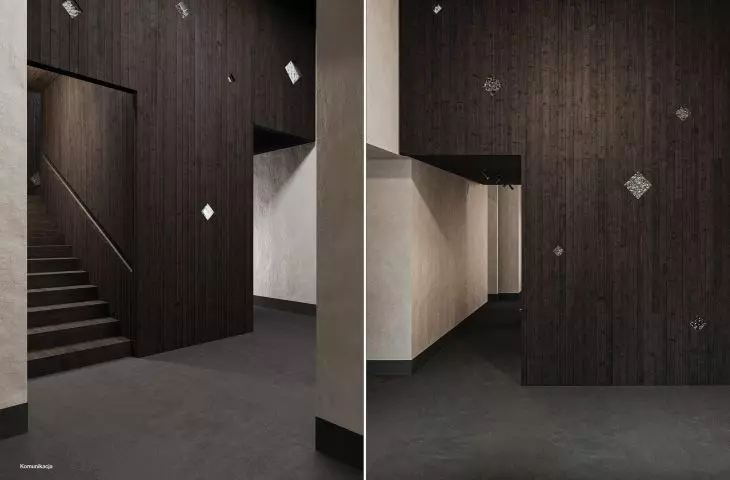
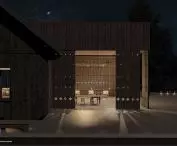
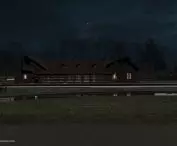
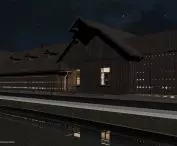
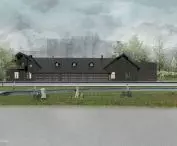
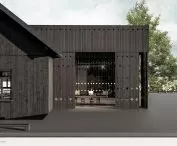
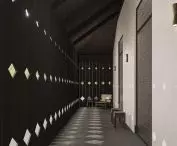
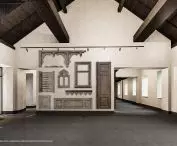
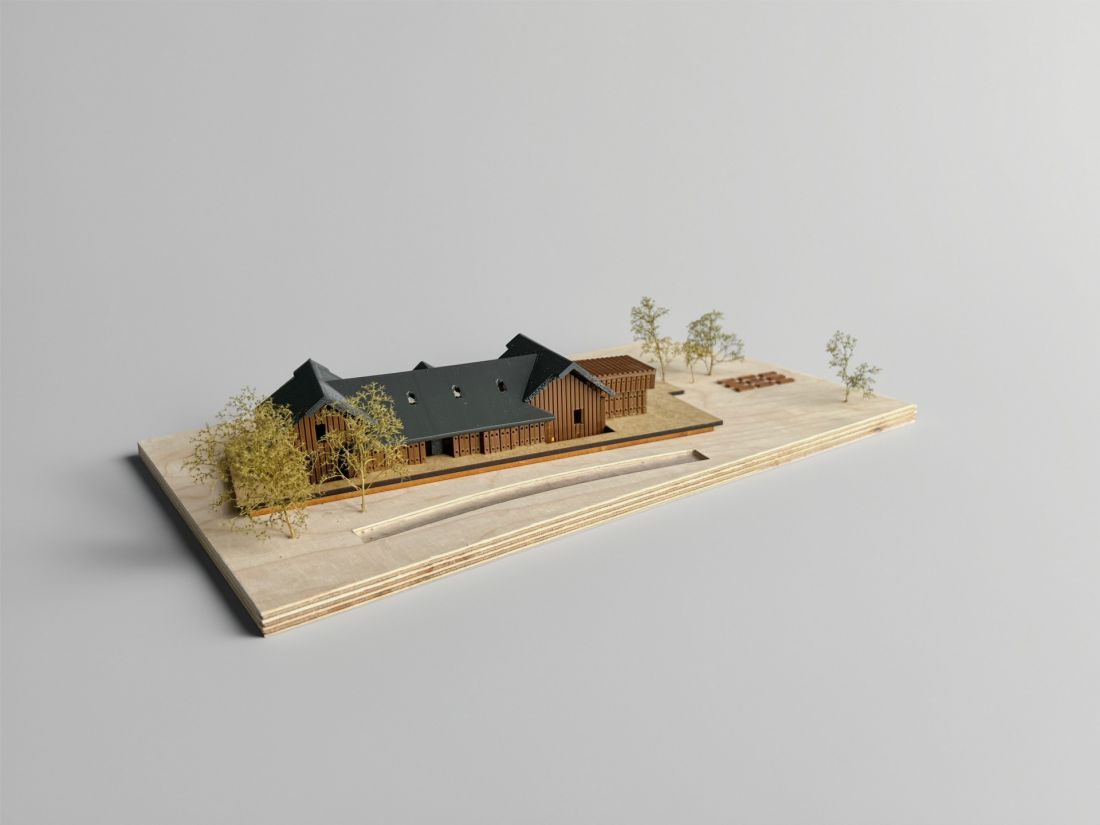
Modrzejówka Villa serves as the focal point of the complex and a space where all layers of the site’s memory converge. The renovation design is based on preserving the legibility of the historical structure and highlighting the wooden framework. The building is transformed into an “Open House,” where social, cultural, and educational functions intertwine with everyday living spaces. The Trail of Remembrance runs through the interior and the garden, blurring the boundary between architecture and landscape.
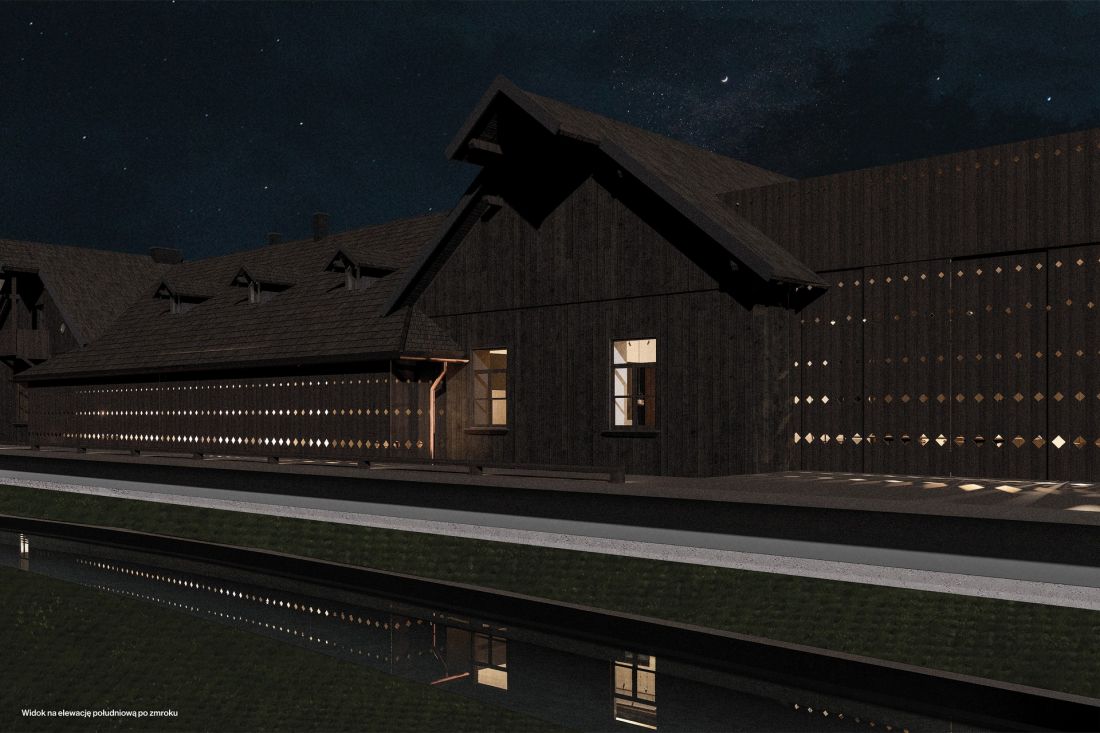
the south facade after dark
© Zofia Saługa
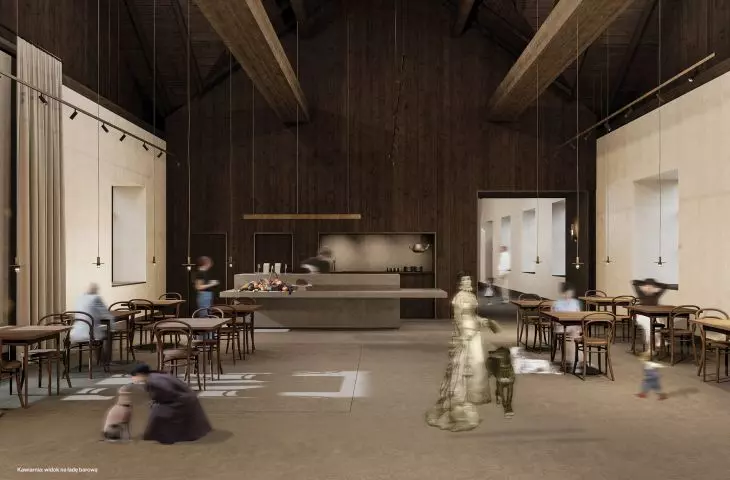
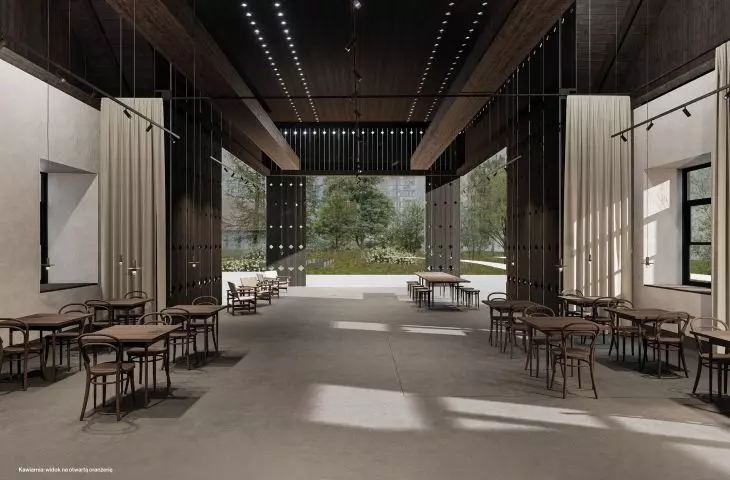
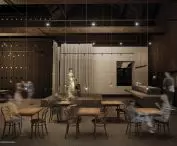
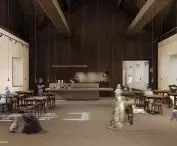
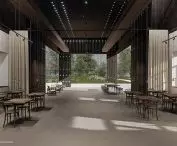
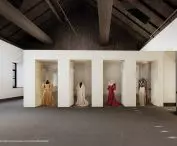
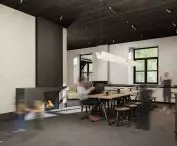
The villa includes workshop spaces, a reading room, a café, and areas for social gatherings. The functional layout was designed to be flexible and adaptable, allowing for various usage scenarios. On a technical and functional level, the space is adapted to contemporary needs while preserving the building’s historical character.
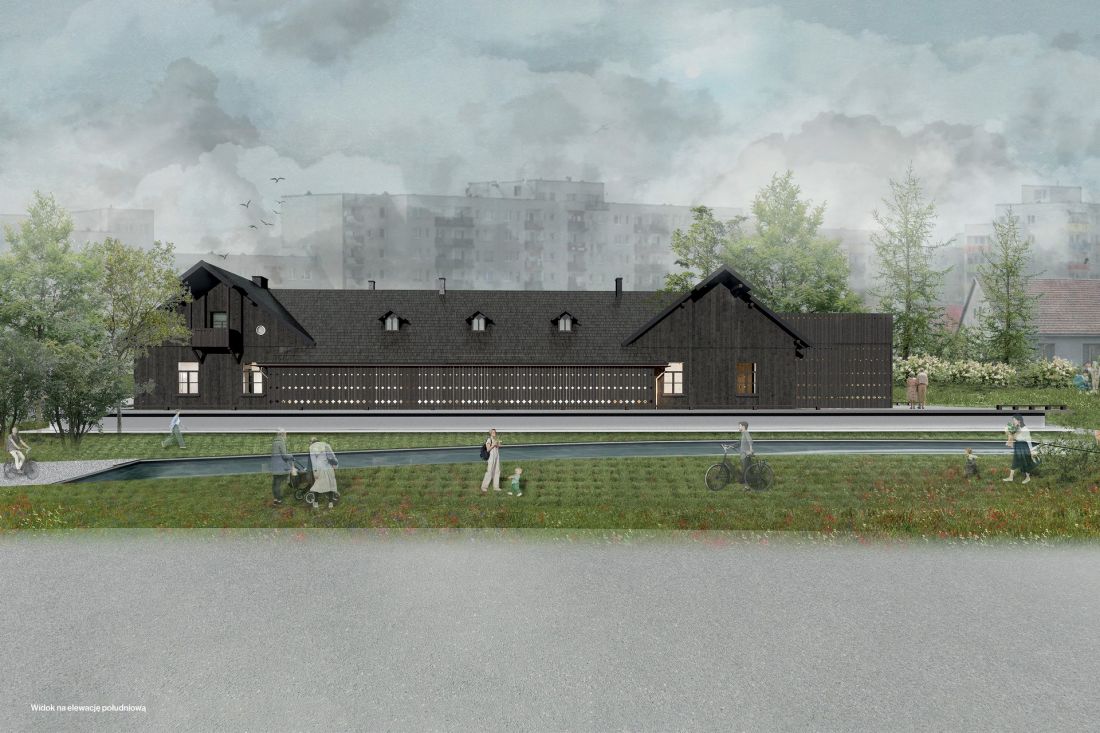
North facade
© Zofia Saługa
In this context, architecture becomes a practice of restoring a place’s sensibility and a tool for re-rooting it in its context. Zofia Saługa’s work contributes to the discussion on the role of memory, landscape, and sensory experience in the design of contemporary spaces, treating architecture as a process of continuous interpretation and reinterpretation of place.