





Residential architecture is returning to the center of the European urban debate today. Questions of accessibility, quality and the social role of habitable space are becoming one of the key challenges of contemporary architecture. Increasingly, it is multifamily housing that is becoming a field of urban and social experimentation - a place where new models of community, shared space or more sustainable forms of urban development are being tested. The best projects in this area will be awarded the European Collective Housing Award for the second time .
The European CollectiveHousing Award is a European prize honoring the most interesting collective housing projects. The call for entries for the next edition of the competition is open until the end of March. The award was established by the Basque Architecture Institute (EAI) and the arc en rêve center d "architecture in Bordeaux, with the support of the Department of Territorial Planning, Housing and Transport of the Basque Government. Its goal is to recognize projects that convincingly combine high quality architecture with a response to contemporary social, urban and environmental challenges.
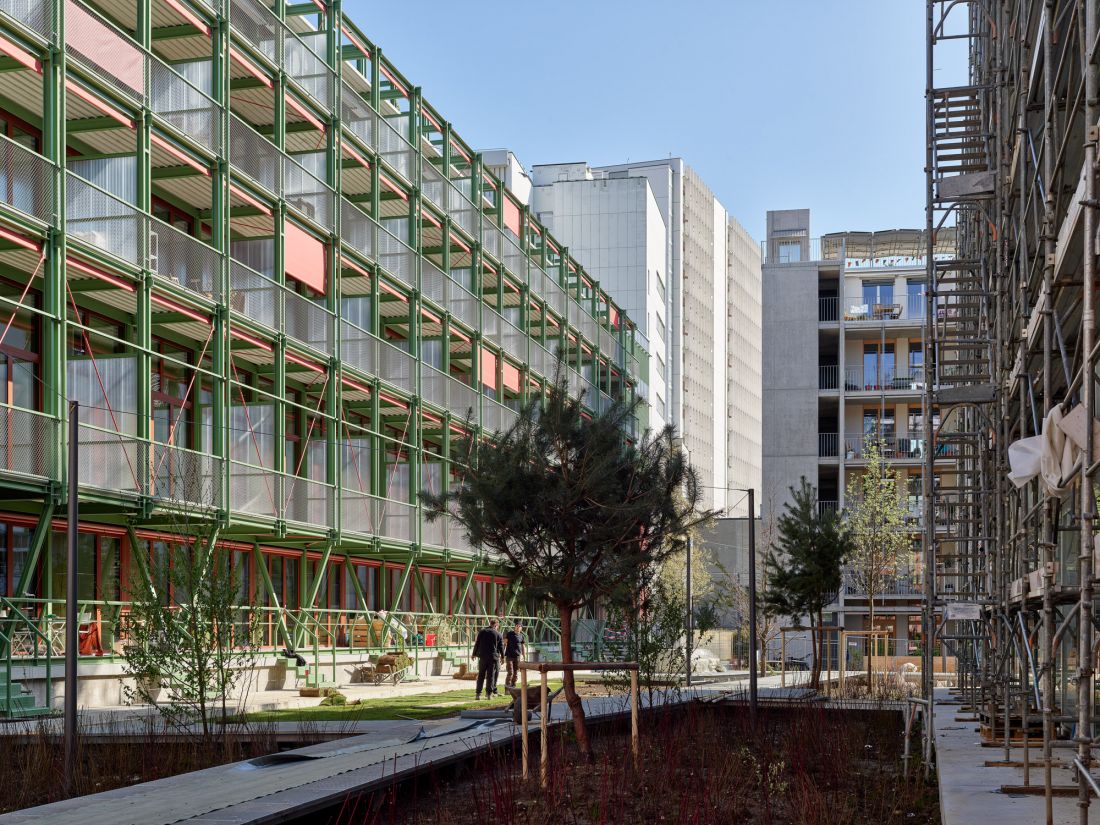
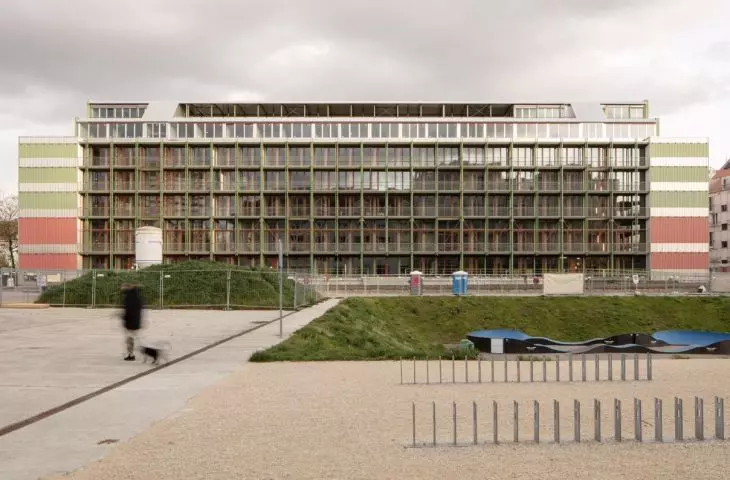
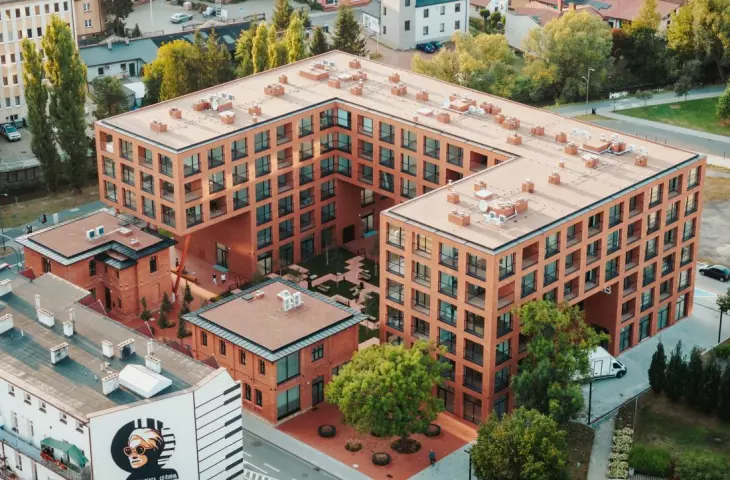
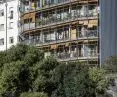
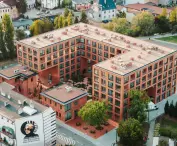
Redevelopment of a former wine warehouse in Basel, Switzerland, proj. Esch Sintzel Architekten - winner of the European Collective Housing Award 2024 in the Renovation category
Philip Heckhausen | European Collective Housing Award
Multi-family housing is one of the most distinctive elements of European urban culture. The history of architecture shows that it was in this area that the most influential urban and social experiments were created - from the utopian visions of Charles Fourier to the modernist experiments of Weissenhof Siedlung or Le Corbusier 's Unité d "Habitation. Contemporary projects increasingly attempt to redefine the relationship between dwelling, community and city. They seek models of habitation that foster social inclusion, reduce urban sprawl and create more sustainable living environments.
architecture that builds community
The European Collective Housing Award is meant to recognize projects that creatively address these challenges. The organizers emphasize that the award is not only about the architecture of the buildings themselves, but also about their impact on the lives of residents and the functioning of the city. What matters is the projects' ability to build community, create accessible common spaces and strengthen social relations.
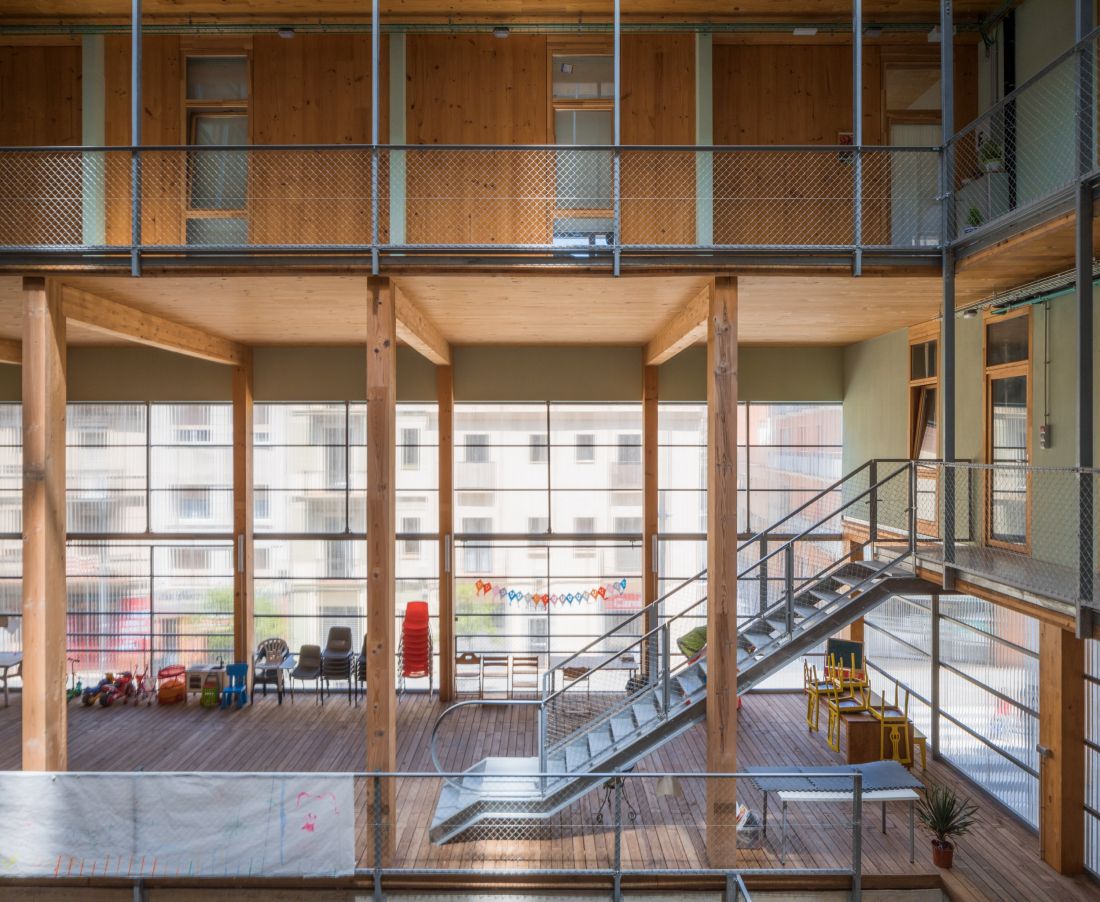
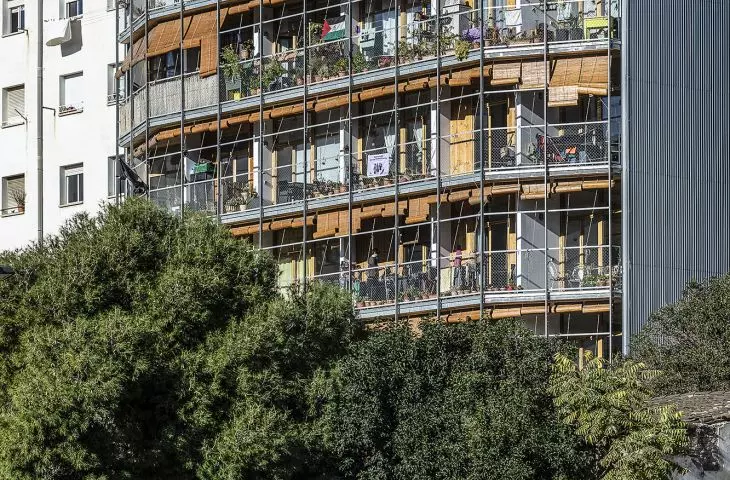
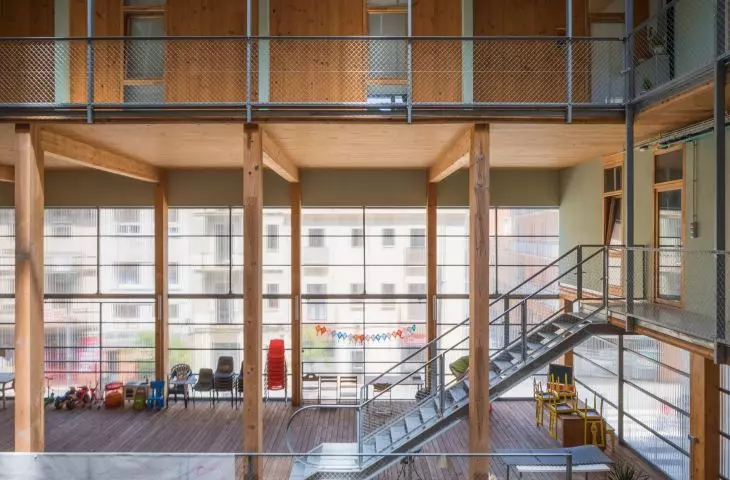
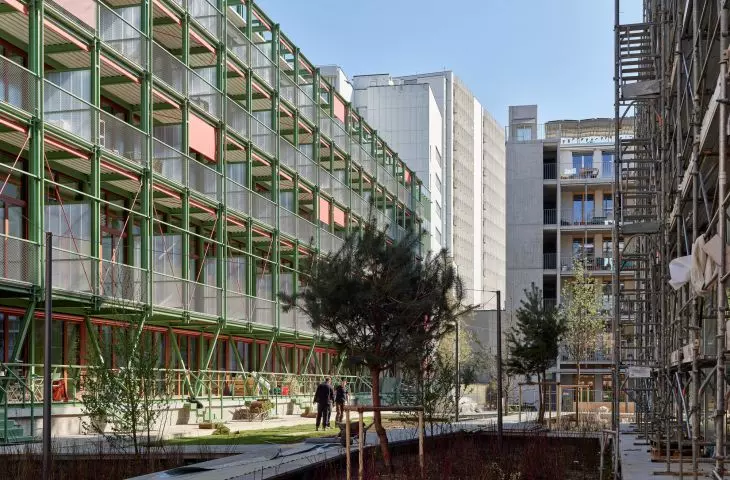
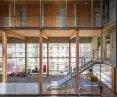
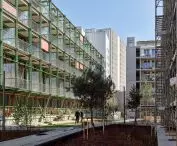
La Borda cooperative building in Barcelona, designed by Lacol - winner of the European Collective Housing Award 2024 in the New Construction category.
Lluc Miralles | European Collective Housing Award
The competition is open to submissions of both new developments and upgrades of existing housing complexes - public and private - from all over Europe. Among the things that will be judged are the architectural and urban quality of the project, its relationship to the social and spatial context, and the ability of architecture to support a more sustainable model of urban development. The award has an honorary character, but each edition is accompanied by a program of exhibitions and debates to build an international platform for discussing the future of housing.
housing at the center of european architecture
The importance of residential architecture can also be seen today in major European architectural awards. Among the projects nominated in the last edition of the EU Mies Award - one of the most important architectural prizes in Europe - about one in ten was a residential building. The crisis in this area is forcing the search for new forms of habitation - from cooperative and cohousing models, to social housing, to new spatial solutions in the architecture of the buildings themselves.
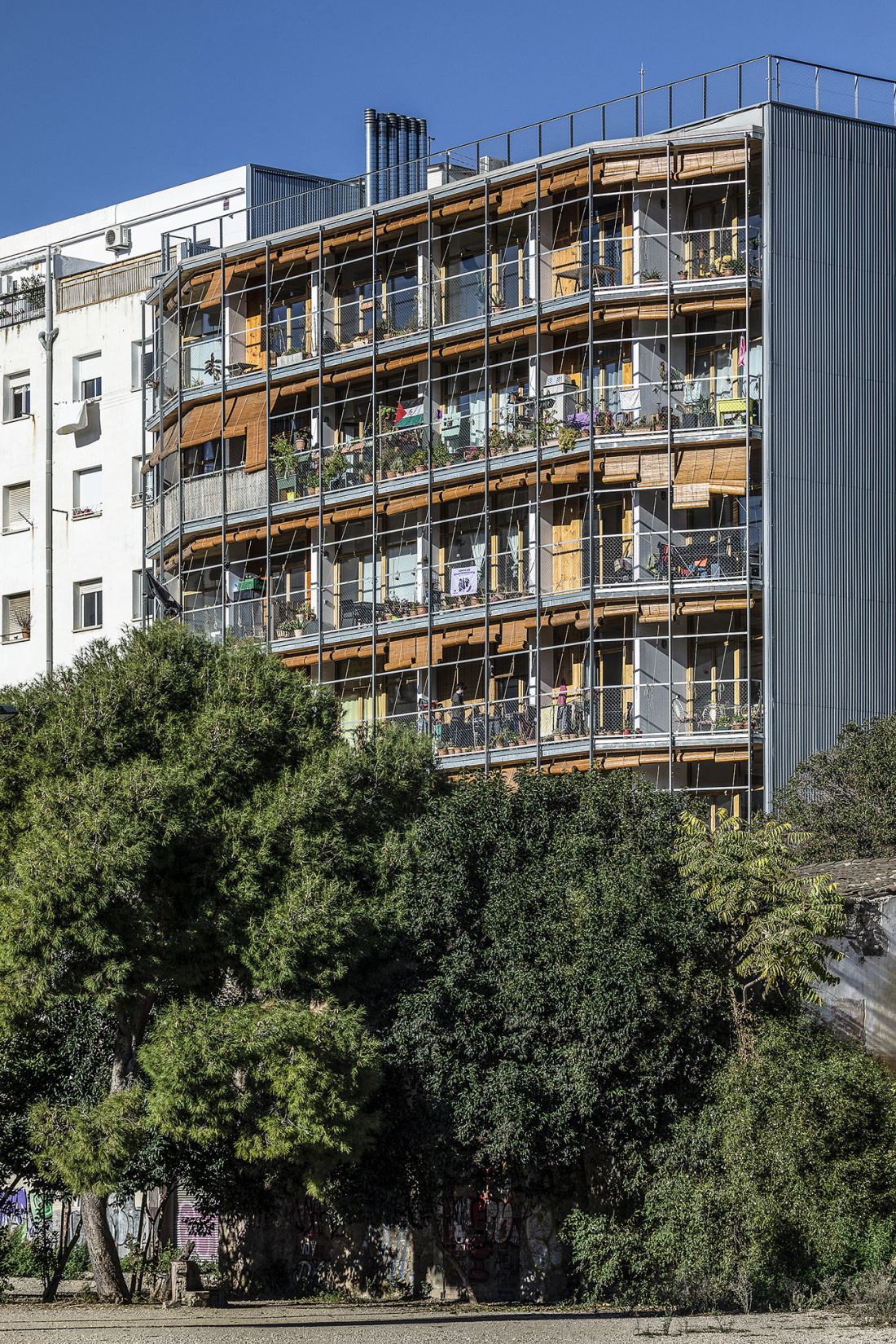
La Borda cooperative building in Barcelona, designed by Lacol - winner of the European Collective Housing Award 2024 in the New Development category
Baku Akazawa | European Collective Housing Award
The debate about new housing models also concerns Poland. Increasingly, one can point to interesting realizations of urban, communal or TBS housing. In the "Hits and Kits of Architecture and Business 2025" list, we drew attention to, among others, the TBS in Warsaw's Falenica (designed by OPA Architekci) or the building on Mariacka Street in Katowice (designed by OVO Grąbczewscy Architekci). A good example of this change is also the TBS "Ajnfart" in Rybnik designed by SLAS Architekci. The project has been widely appreciated in Polish competitions - it won, among others, the Grand Prix of the Architectural Award of "Polityka" and the SARP Award of the Year in the category of multi-family residential building. Such realizations show that also in Poland residential architecture is beginning to be treated as an important field of urban and social experiments.
recruitment for the 2026 edition
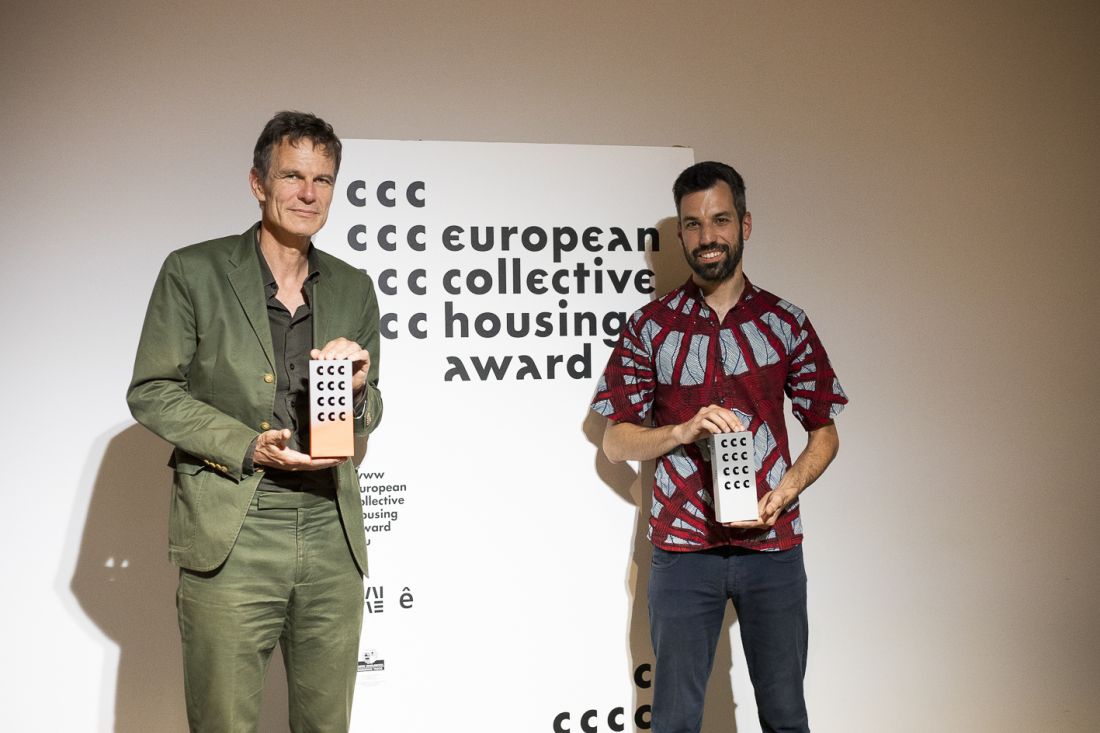
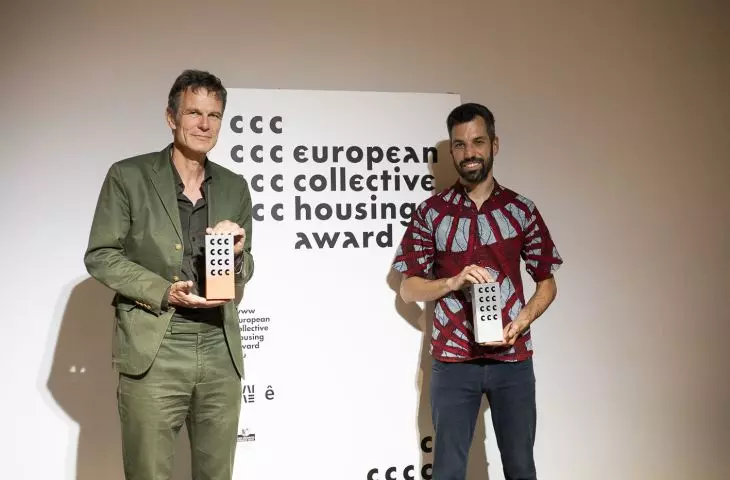
Winners of the first edition of the
European Collective Housing Award
Applications for the European Collective Housing Award 2026 can be submitted until March 31, 2026 (19:00 CET). The competition is open to projects completed in European countries in recent years - both public and private investments.
Detailed information, rules and regulations and an application form are available on the competition website:
www.europeancollectivehousingaward.eu.