
















On October 10, in the post-industrial spaces of the Rothera Mills, the Bydgoszcz Design Days will begin for the fourth time. This year's festival, under the motto RE:, focuses on reuse - not only of resources, but also of spaces or ideas. "Design must become a critical practice, capable of stopping the logic of overproduction and directing attention to what we already have," - says Mila Burchart, responsible for conceptualizing the event.

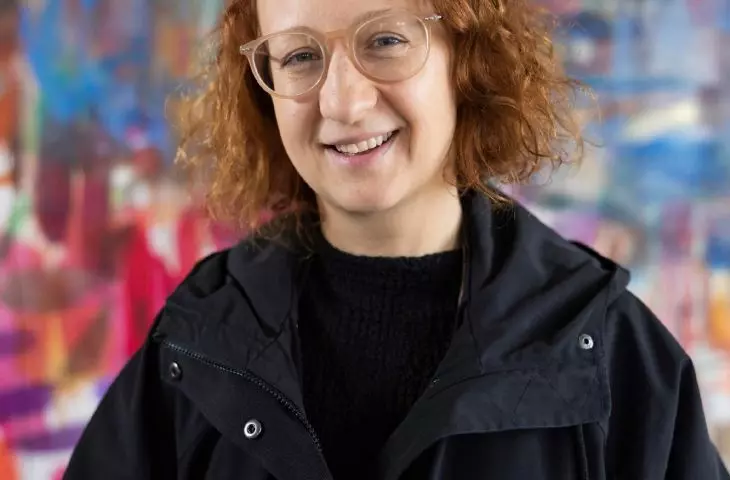
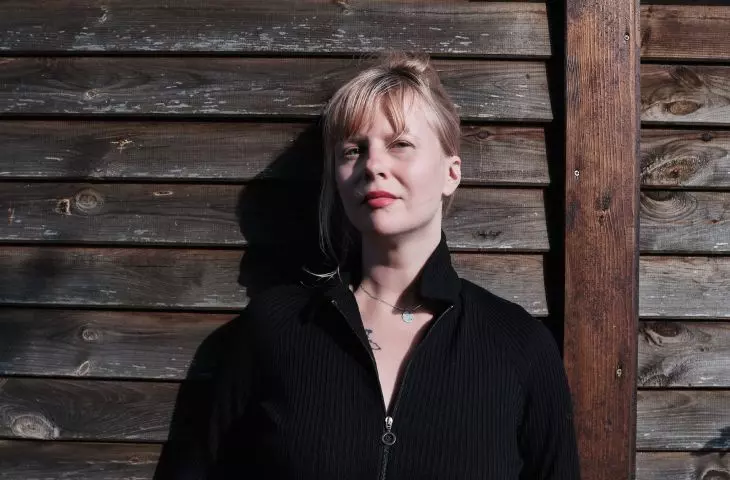
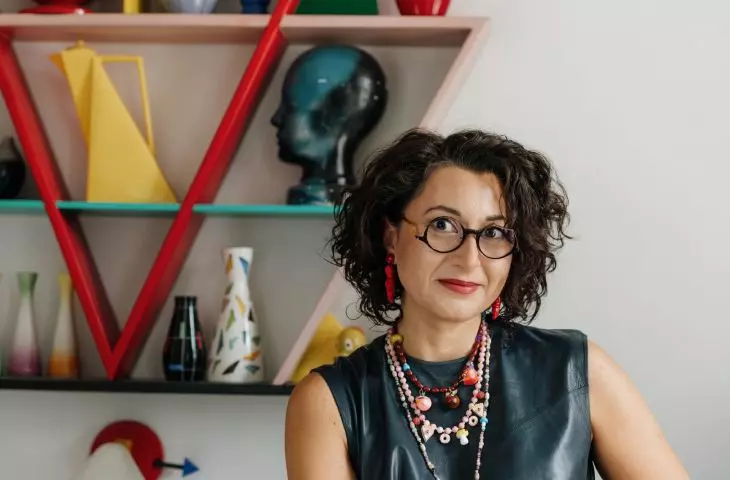
Mila BURCHART - considers design not only as the creation of forms and meanings, but also as a tool for critical analysis of power relations and social narratives. She is interested in how design affects the way we share resources, tell stories and organize shared space. She has been creating art festivals, narrative exhibitions and accessibility solutions for cultural institutions, memorials and NGOs for a decade. She studied comparative literature in Krakow, Vilnius, Vienna and Tartu. She is currently affiliated with the Institute of Applied Social Sciences at the UW. She has worked with the Independent Cultural Venue SODAS2123, the Latvian National Art Museum and the Museum of Jewish Refugees in Shanghai, among others.
Ola Kloc: The slogan for this year's Bydgoszcz Design Days is RE:, referring to the reuse of resources, spaces and ideas. What ideas should we take a fresh look at?
Mila Burchart: Through RE: we wanted to invite our guests to look at the creation of new things through the prism of the ability to reinterpret. The most interesting design processes today do not begin with a blank sheet of paper, but with a confrontation with what already exists: with a building that has layers of time, with a material that bears traces of previous use, with a space that has managed to grow into social meanings. Adaptations of former halls or factories are laboratories of new possibilities - places where design takes on the role of translator between past and future. This can be seen in realizations that consciously preserve fragments of structures, textures or urban layouts, treating them as active elements of a new order.
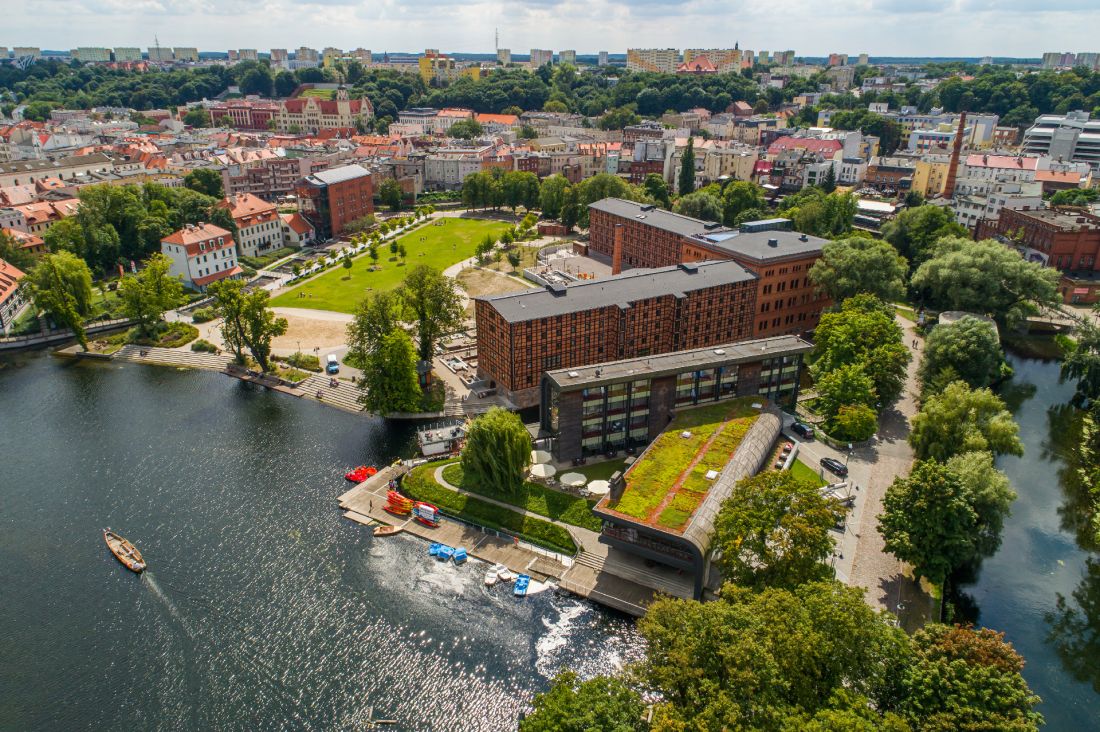
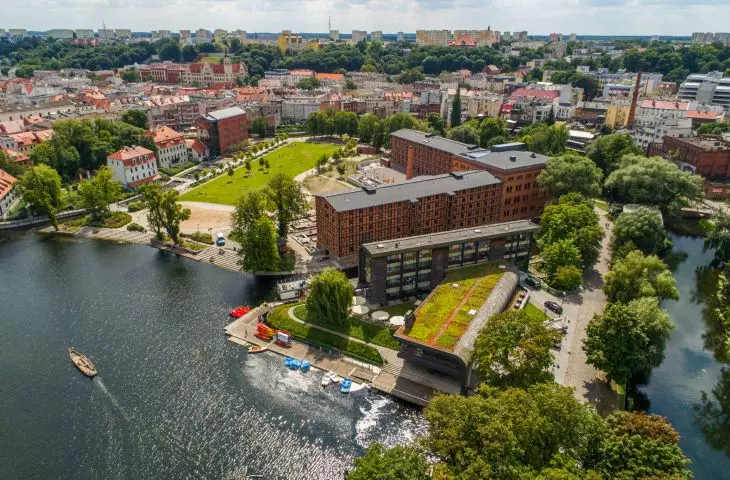
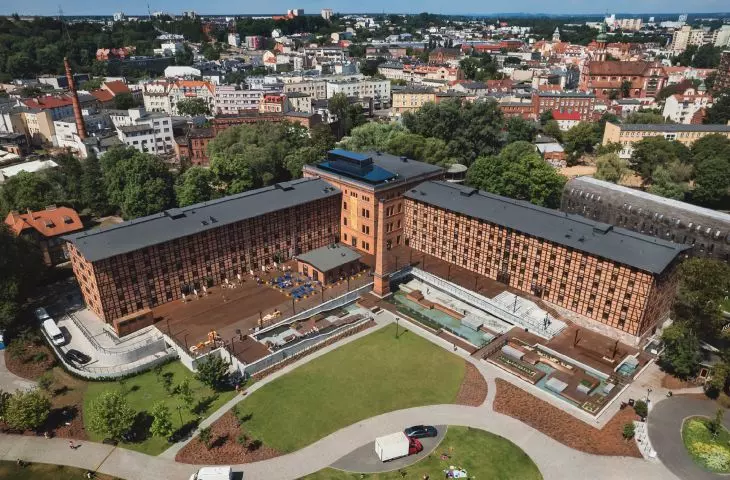
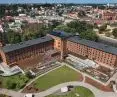
Mill Island in Bydgoszcz
Photo: Marcin Zaborowski © organizers' archives
Arjun Appadurai wrote about the biographies of objects and how their status changes depending on circulation. A thing that functioned as a tool of production can be "particularized" as a carrier of memory or a symbol of community. We will discuss how objects, but also buildings, are subject to processes that give them a new identity. These practices lead to questions of relationality.
Design is no longer just a functional form, but a medium that binds users, places and things into a dynamic network. It is not about the dimension of emotional connection, but about the realization that it is continuity and the ability to transform that give objects their social permanence. An artifact that can be transformed is more resilient than one that, by definition, assumes a short life cycle. In this sense, design is not so much about creating a new form as it is about constructing the conditions for long duration - both material and cultural.
We ask about the future in our daily choices. Climate and social crises mean that design must become a critical practice, capable of stopping the logic of overproduction and redirecting attention to what we already have. But this doesn't mean abandoning innovation - on the contrary, it requires creative imagination to see in the existing the potential for transformation. It is in working with inherited resources that today lies the greatest field of experimentation.
Ola Kloc: From the 3R principle (Reduce, Reuse, Recycle), which we are slowly starting to implement in our consumer reality, we should start moving to the 10R principle (Refuse, Rethink, Reduce, Reuse, Repair, Refurbish, Remanufacture, Repurpose, Recycle, Recovery) - how do we persuade society to make such changes when it is often cheaper and faster to buy a new product instead of repairing an old one, or erect a new building instead of renovating the existing one?
Mila Burchart: Probably a lot would be facilitated by such ready-made prescriptions. What the 10R principle proposes to us is essentially a blueprint for a new social contract. Because, after all, it's not just about waste management techniques, but about changing the way we think about relationships with things, spaces and resources. Each "R" can be read as a kind of call to reformulate our practices and perceptions.
When we talk about the first steps of the 10Rs, i.e. Refuse and Rethink, we are in fact talking about rejecting the illusion of cheapness (as discussed, for example, by Raj Patel and Jason Moore in "A History of the World in Seven Cheap Things") and thinking about whether we really need more new objects or buildings. These are cultural decisions that can shape entire societies: ones that learn that prosperity is not about an endless stream of novelties. Changing this thinking, however, doesn't happen through simple slogans, but through a long-term process of shifting the imagination: when architecture begins to show that adaptation is more beautiful than new construction, when advertising stops glorifying novelty and art talks about the value of lasting. This slow shift in emphasis means that the abandonment of excess begins to be seen not as a limitation, but as an aspiration, and perhaps even - a survival strategy.
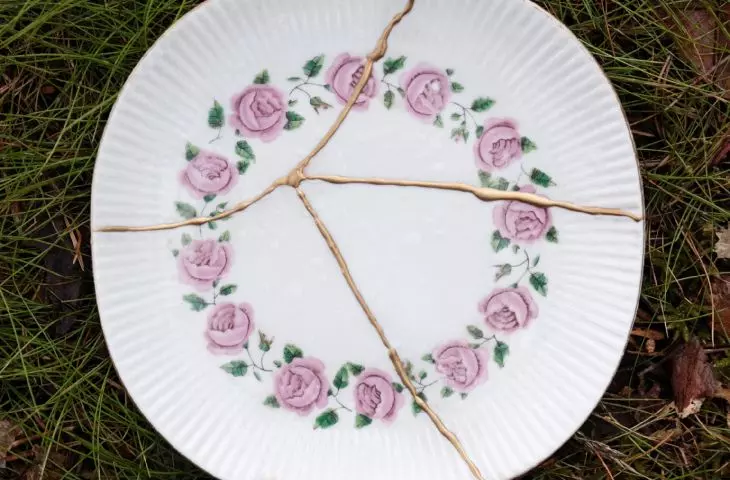
David Graeber wrote that the foundation of social life is commitments. If we translate this into the language of architecture, then repair and renovation is not just a simple economic calculation, but a form of responsibility. It is a gesture that says: things and buildings are not disposable, but enter into a long-term relationship with us that we must nurture. Renovating existing buildings happens to be a more sustainable strategy than demolishing them and replacing them with new structures - and not just for environmental reasons, but also for social and cultural ones. Renovation becomes part of the circular economy, rather than an alternative to new construction. In this sense, Repair and Refurbish are not just technical operations, but processes that change our idea of value. Renovation becomes an act of care for common resources and a testament to cultural continuity. It is not a gesture of nostalgia, but a new way of designing the future based on what we already have. From this perspective, repair or renovation is not so much an economic choice as a form of repayment of a debt to the community and the world. David Harvey wrote that the right to the city means the right to "remake ourselves by remaking our cities": transforming it in the spirit of the common good, not just capital accumulation. This is especially true in architecture: revitalization and adaptation not only protect the environment, but also become a political gesture, an opposition to the logic of disposability and exclusion.
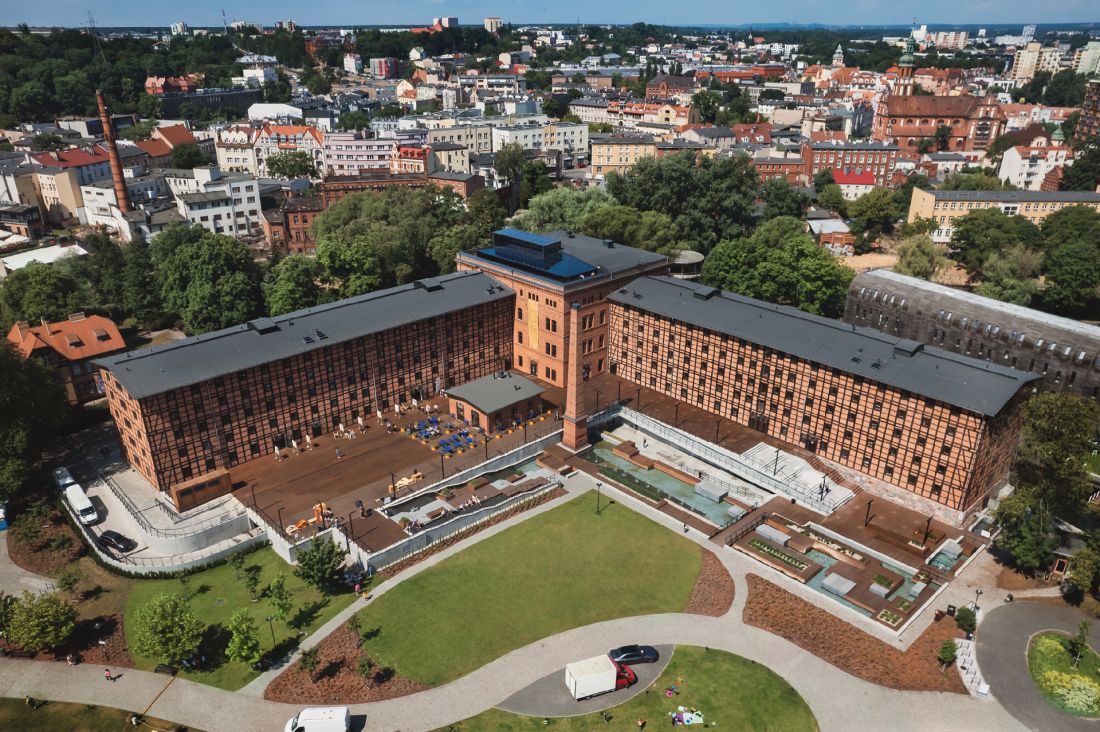
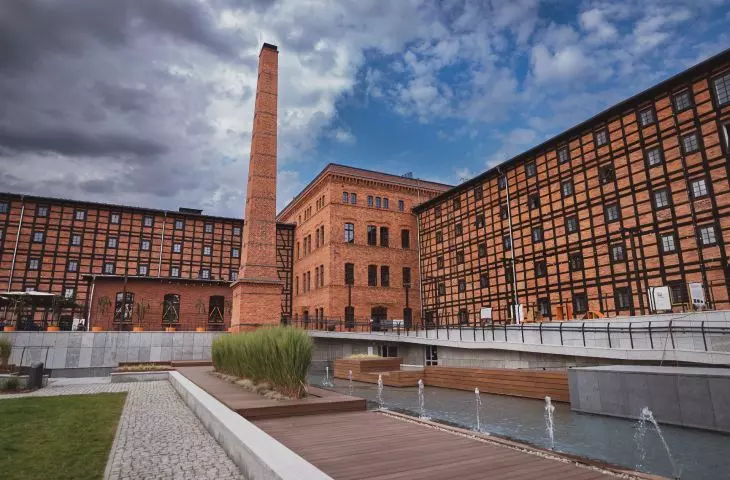
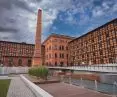
Rothera Mills
Photo: Aneta Pawska © organizers' archives
And we could go on and on like this, showing that another "re-" or "re-" can be a way to heal the urban communities we live in. Repairs, repurposing or recycling make sense when we see them as community actions, rooted in concern for the city and the planet. The 10Rs require a reformulation of the logic of the entire system: from regulation (right-to-repair, mandatory availability of spare parts, resource taxes), to business innovation ( product-as-a-service model, service economy), to cultural and urban practices that reinforce the idea of commons. Then the R's become more than technology - they become part of a new culture of living and design.
Ola Kloc: How is Bydgoszcz Design Days different from other design-related festivals?
Mila Burchart: We want to unseal the conversation about design. Bydgoszcz Design Days puts the meta-perspective and the everyday side by side: philosophy, literature, anthropology, because design doesn't end up in the studio of an architect, urban planner, designer, it organizes how we live, remember and interact. The program has a strong core of discussion "from the big stage," but is also embedded in the city. We use Bydgoszcz as a reading room: its layers, scars, good practices and stumbles. That's why our walks are not a nostalgic tour de force, but a reading of the life cycle: how former factories transition into culture and services, how hotels become apartments (or vice versa), and warehouses become workshops and stores. We want to look at when flexible design allows buildings to get a second (and subsequent) life, and when rash decisions lock them into the future. At the scale of urbanism, we look at entire streets and quarters, the slow geology of the city, and ask which historical layouts still control daily life, and how deindustrialization and demographics are re-writing the meaning of old plans for new needs.
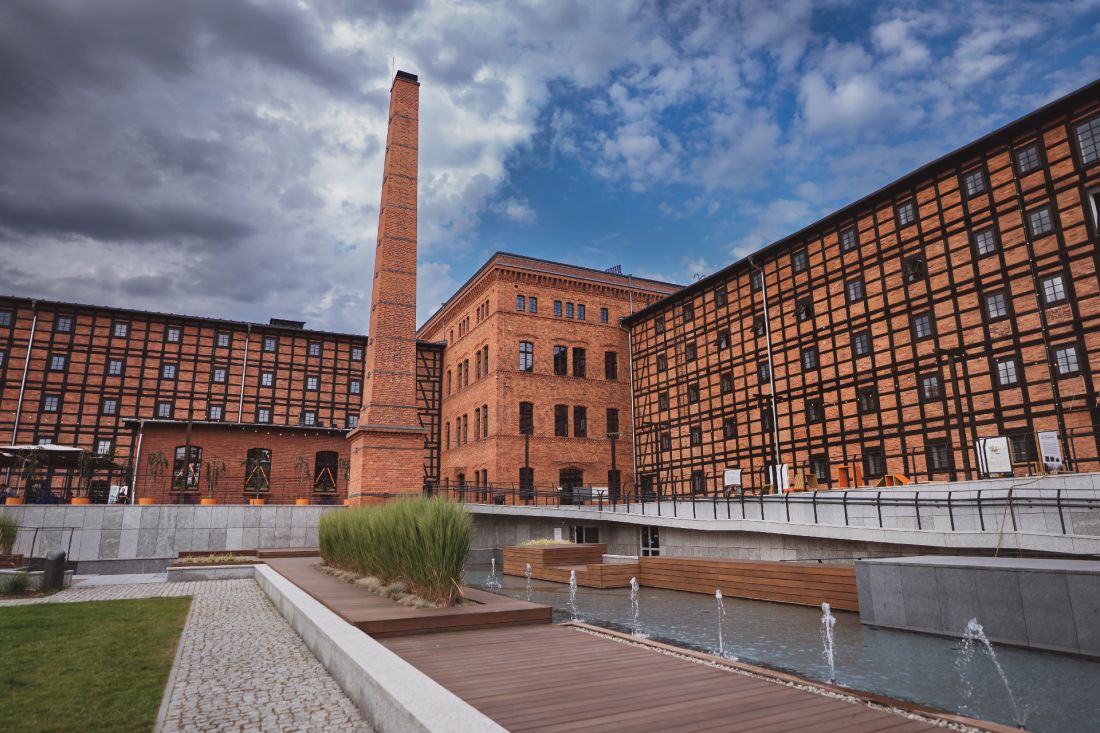
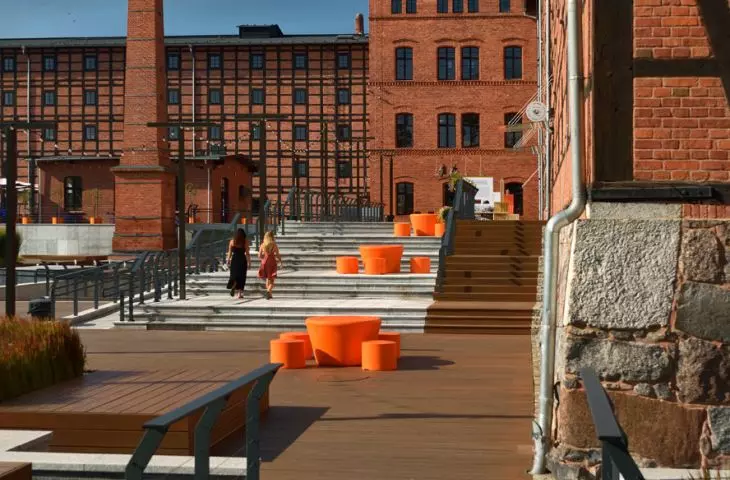
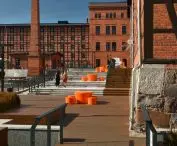
Rothera Mills
Photo: Aneta Pawska © organizers' archives
We are committed to contextualization. We're working with SARP, the professional and academic community (also hosting a meeting of young U40 architects on the same days), not to run away from the realities of the industry and standards - just to bounce from them to conversations about what's next for design in the age of RE:.
We are also committed to reaching different audiences. We have a path for young people: prepared in a participatory way, with questions like "what really works in our city?" and classes for children, because design sensibility is best forged in contact with material and movement, not in a slide presentation. In addition to debates, we offer workshops: from "surgery" on details, to talks on collecting, to exercises in upcycling - practices that combine aesthetics with the economy of circulation. And if someone needs a more "theoretical elevator," they'll find it in panels on design as a language of memory and anthropological and philosophical themes that weave boldly with practice.
Bydgoszcz Design Days are three days in which the city becomes a laboratory for design thinking - from philosophy and literature to work on material and 1:1 scale. With us, theory does not hang in the air: it descends to the sidewalk, to the neighborhood and to the building. We learn new ways of looking: how to extract value, meaning and longevity from the resources we already have. We want to talk about agility.
Ola Kloc: What points in this year's program are particularly worth noting?
Mila Burchart: Ahead of us are conversations about trend recycling, the challenges of circular architecture, and the eco-friendliness of second-run fashion. Our guests will include Nikodem Pręgowski, Karolina Leśnik-Patelczyk, Ariel Śliwiński, Ada Nawrocka, Zofia Jaworowska, Petro Vladimirov, Joanna Kądziołka, Magdalena Milert, Jakub Elwertowski, Paweł Górny, Beata Bochińska, Julia Kromolicka, Kornelia Trzcionkowska, Paulina Strusińska or Karolina Sulej-Kubik. We cooperate with the Association of Polish Architects, Bydgoszcz University of Technology, Dreslow, Bydgoszcz Industrial Cluster or Association of Applied Graphic Designers, KRAINA Foundation, Polish Zero Waste Association, Brda Foundation or Green Group Association.

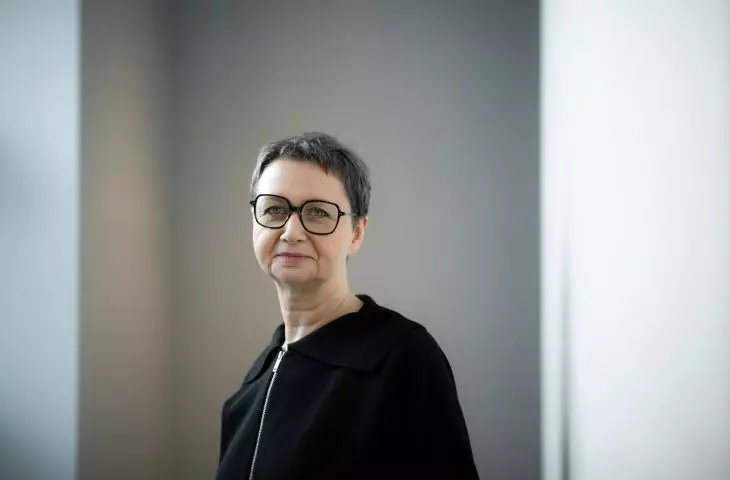
Magdalena Milert will talk about her book "For whom is the city? How to create a space that cares about us".
Photo: Adrianna Soltys
We will meet with Magda Milert to talk about her fresh book "For Whom is the City? How to create a space that cares about us" (Poznan Publishing House, 2025). Her combination of research, urban observation and simple, implementable solutions - from micro-interventions to systemic changes - allows us to ask what is appealing about design: who really uses space, what the market and habits cut out of it, and how to design cities that "care" instead of just "function." We'll talk about the city as an ecosystem of care: sidewalks and schools that shorten distances, safe access instead of "visual designs," and practices of other cities that - perhaps - can be translated to our immediate neighborhood.
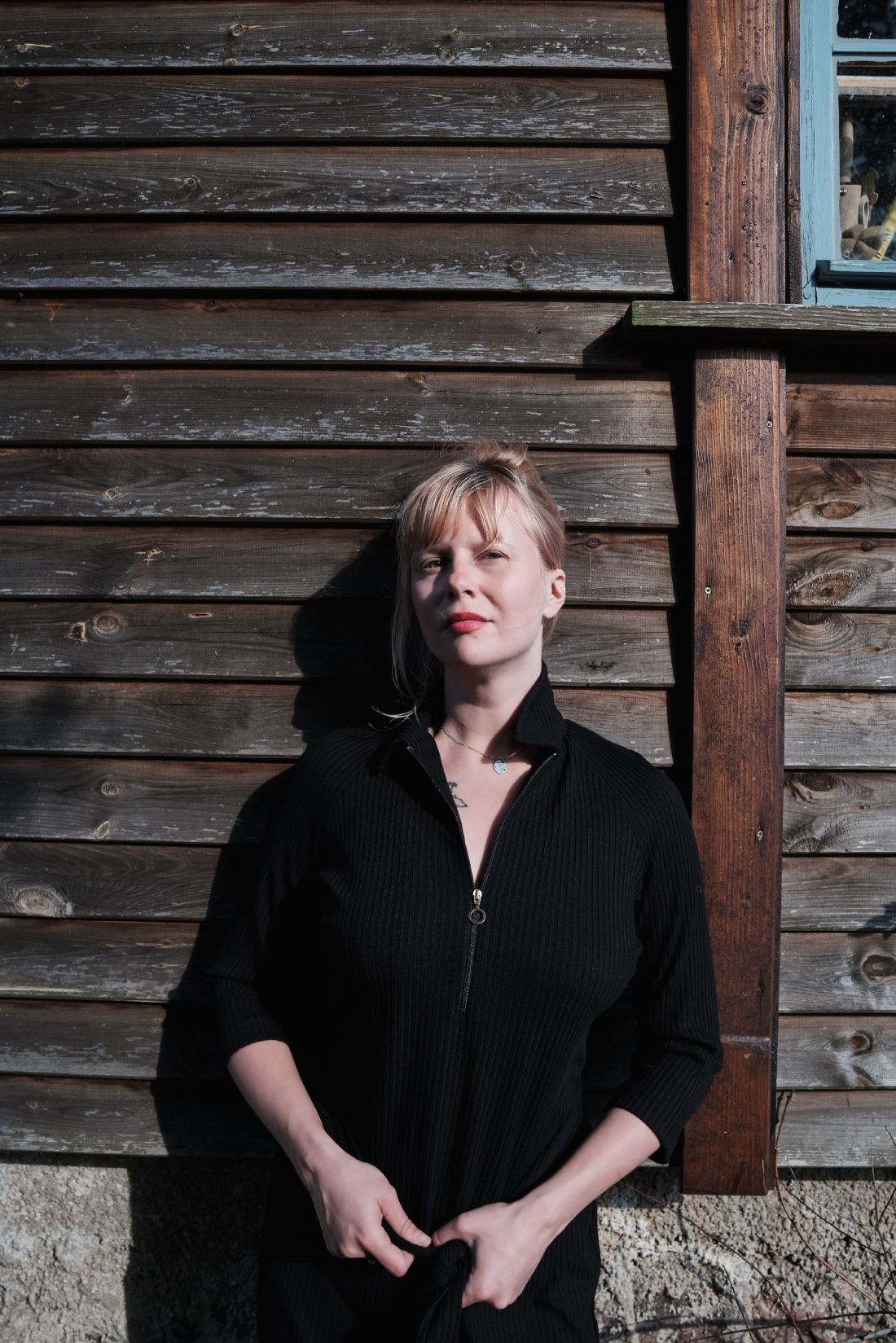
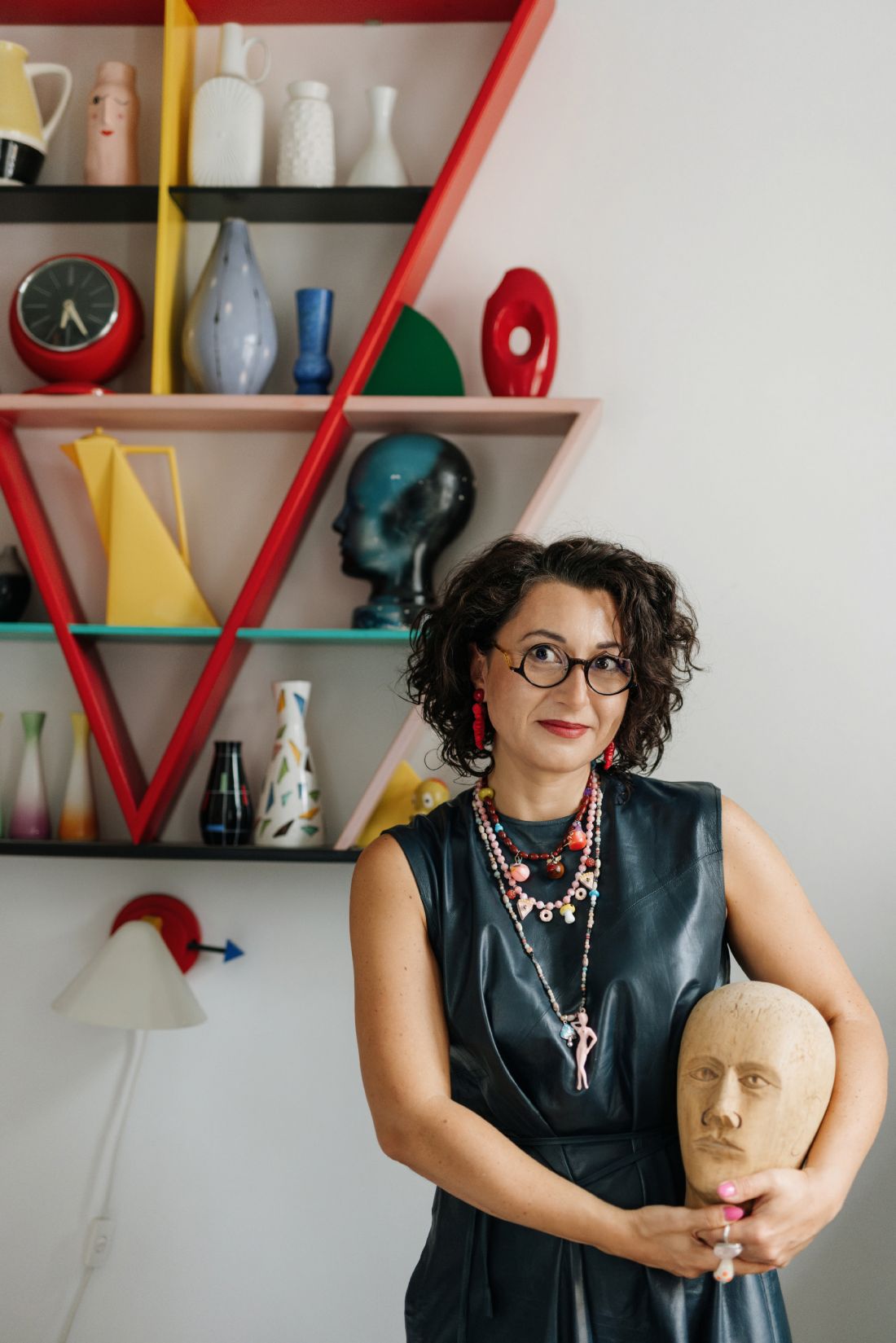
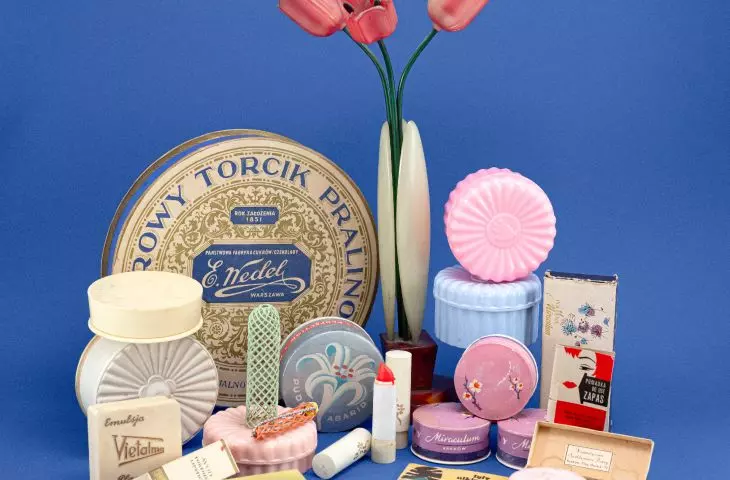
"On the intimate history of objects" is the title of a meeting with writer Karolina Sulej-Kubik | the festival will also be accompanied by an exhibition "These are not my things" by Kora Tei Kowalska.
© organizers archive
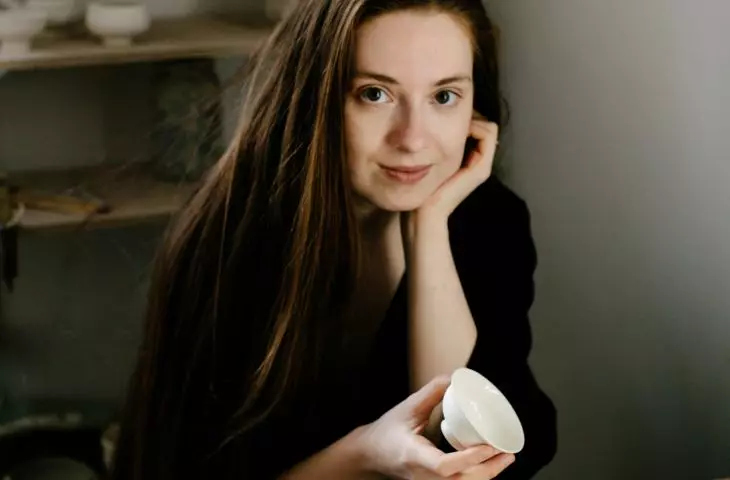
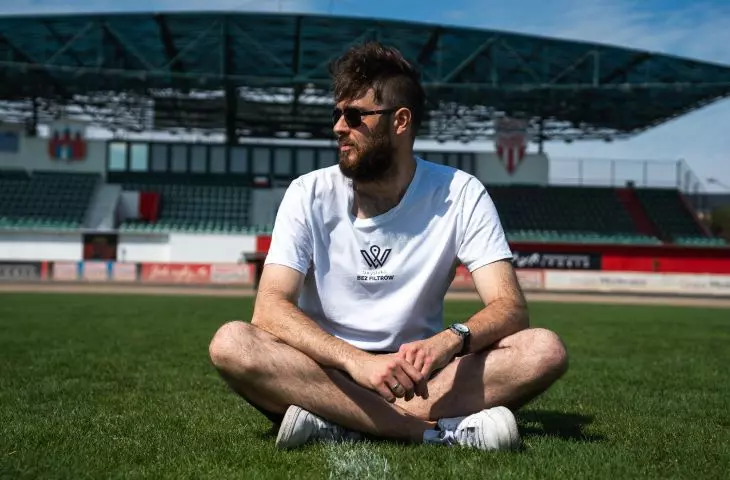
We will consider what words we use to describe our relationship with objects: we will talk about the intimate life of objects with Karolina Sulej-Kubik and Kora Tea Kowalska in the context of her Nike-nominated essay "Look under your feet. On collecting things." We will consider why certain small things captivate us as much as the things "in between" - inconspicuous, overlooked - carry traces of the past and desires, acting on us like windows to an old world. We will also practice. We have planned a peculiar author's meeting on the road: we will go with Dorota Kotas to a lumberyard.
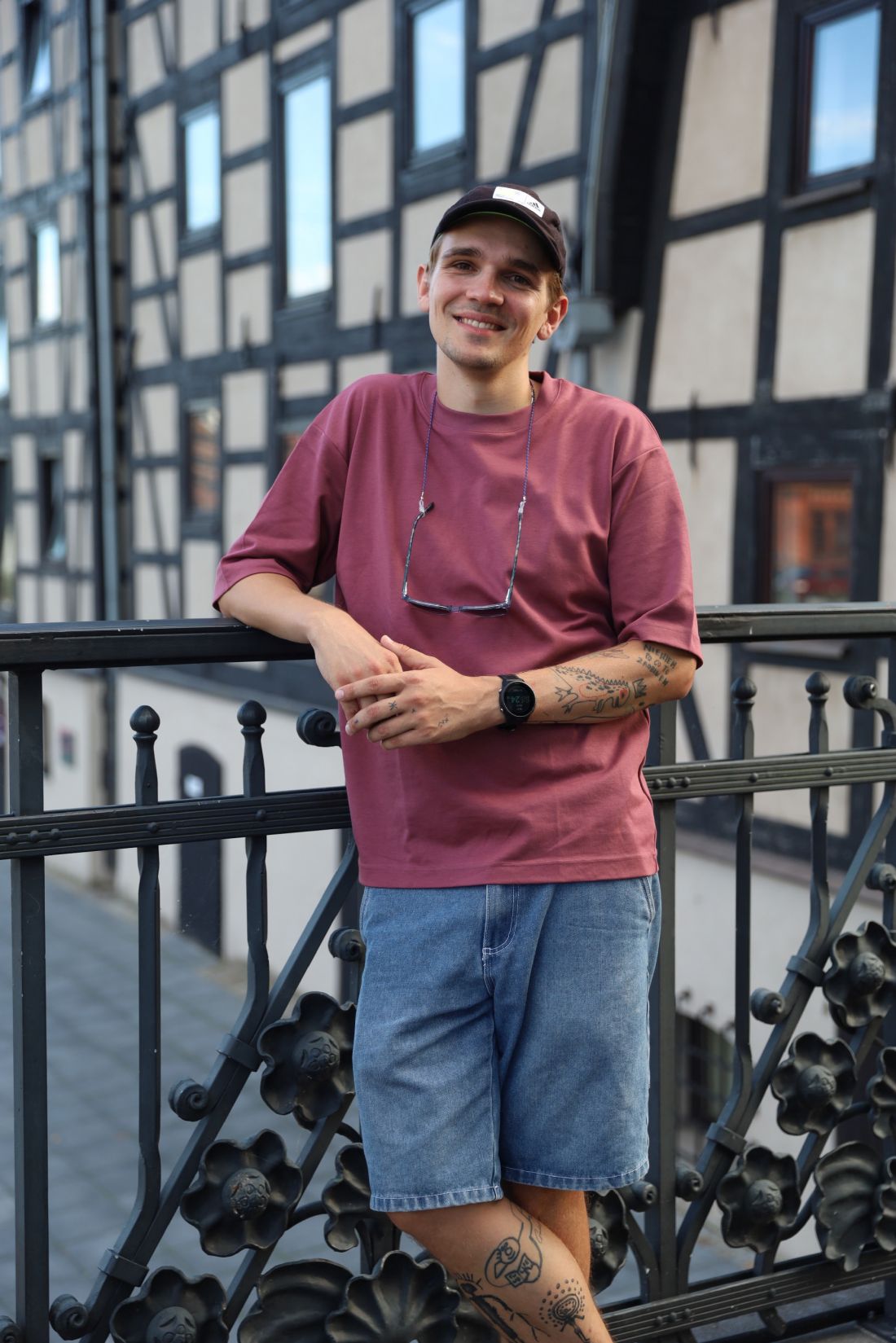
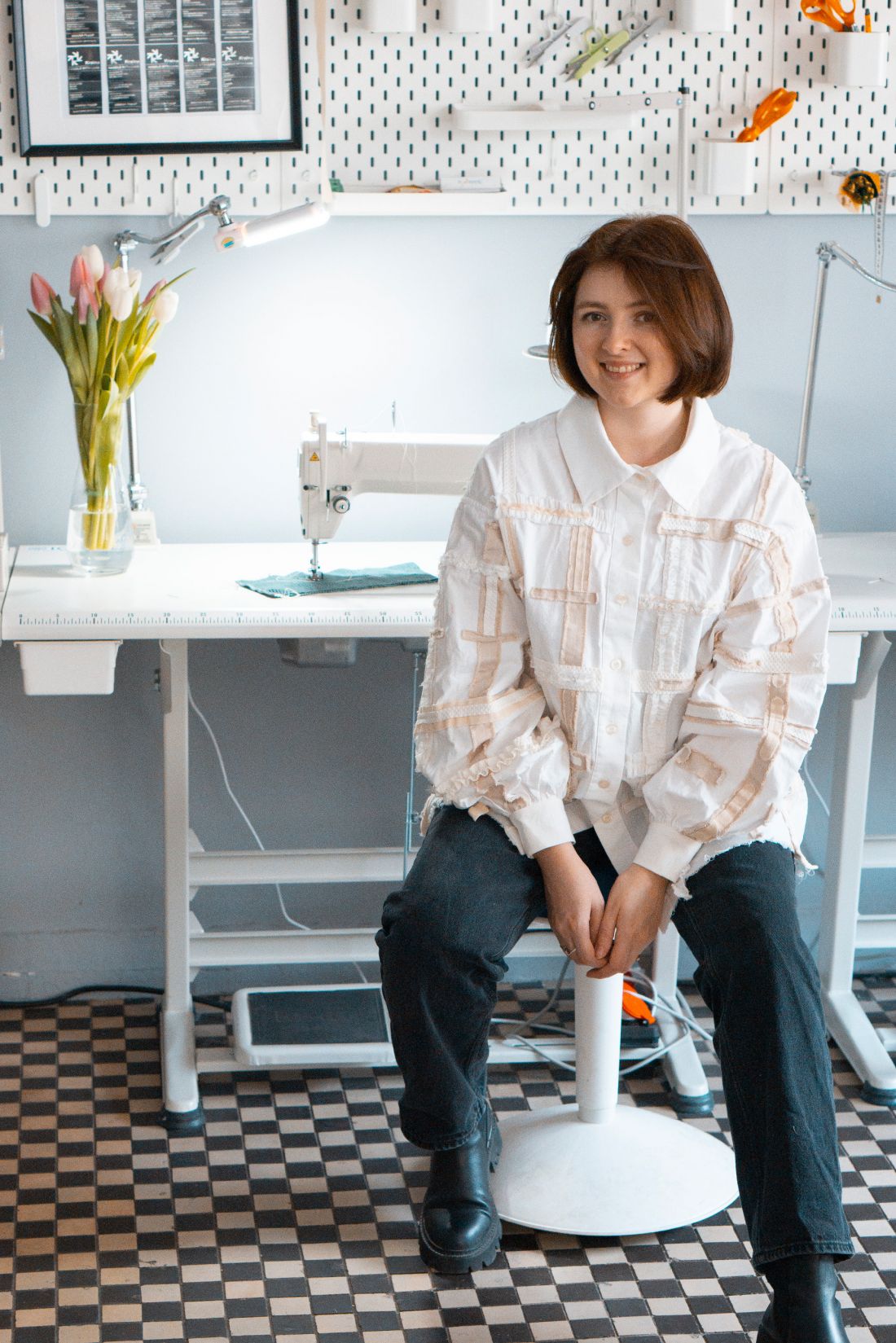
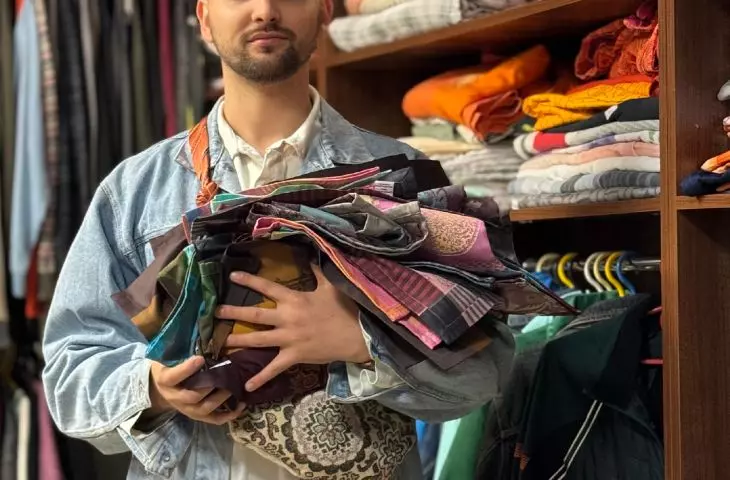
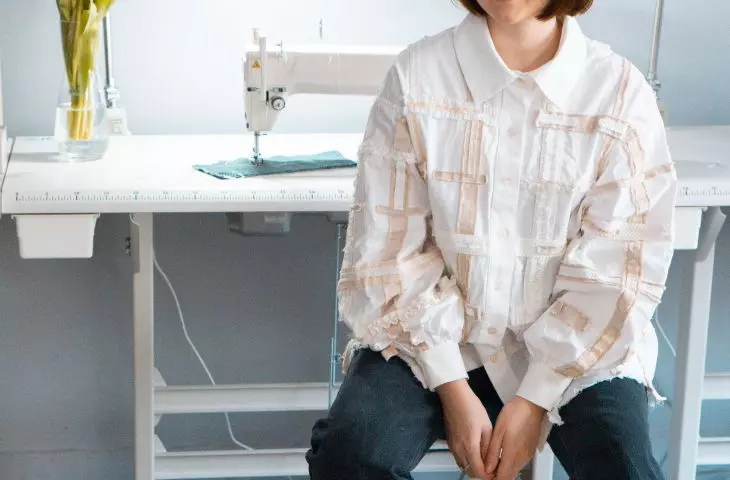
Mikolaj Buzala, a guide to Bydgoszcz, will talk about urban transformations during the walk, and Yana Bezdushna will conduct a workshop "New life of an old jacket".
© organizers archive
The Partner Zone will also be a special place, where - also in action - you will be able to see people, brands, entities, implementing their "R" in their daily work: VIVE Texcellence, Malachite Minds, Solar Weave, Craft Academy, Grey Crows, Agatoro. It will be possible to simply join many of them in a joint activity, and - giving new life to already used objects - to try out various reinterpretations of "re" with your own hands as well.
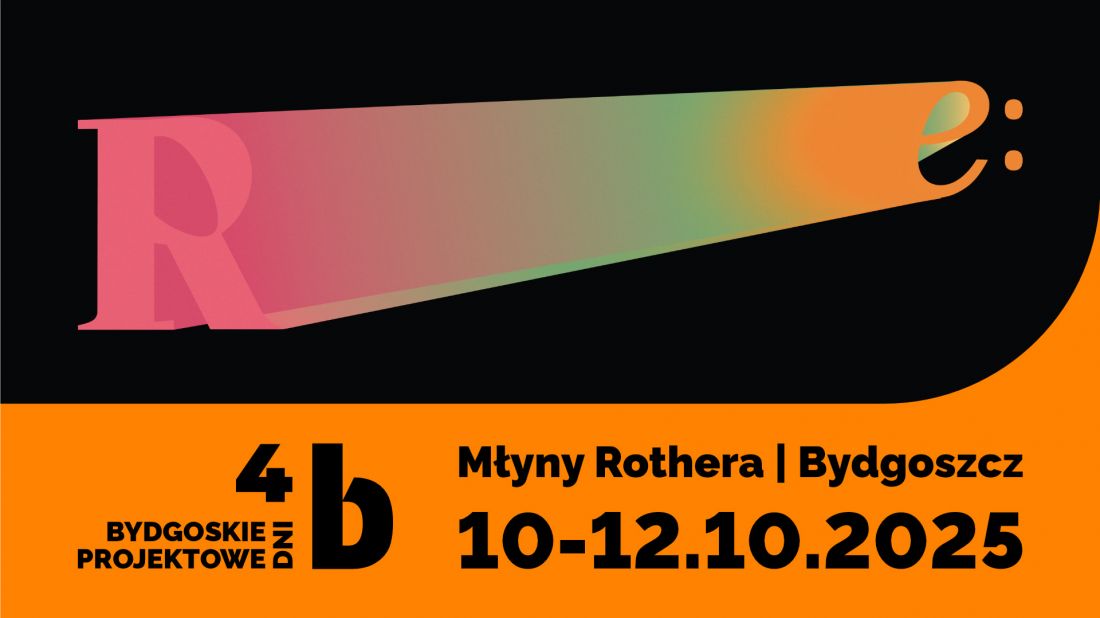
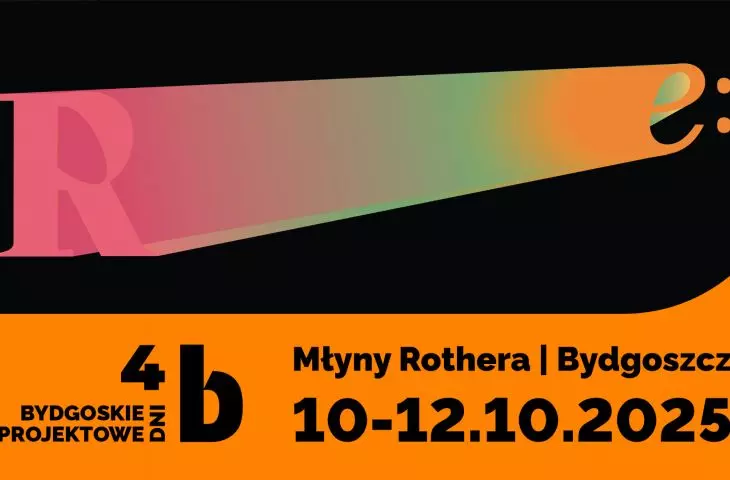
event poster
© organizers archive
A detailed program of the event is available on the website of Bydgoszcz Design Days.