







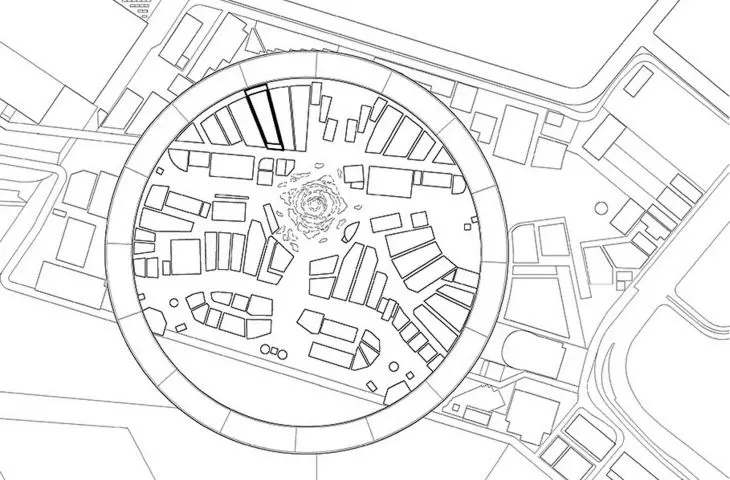

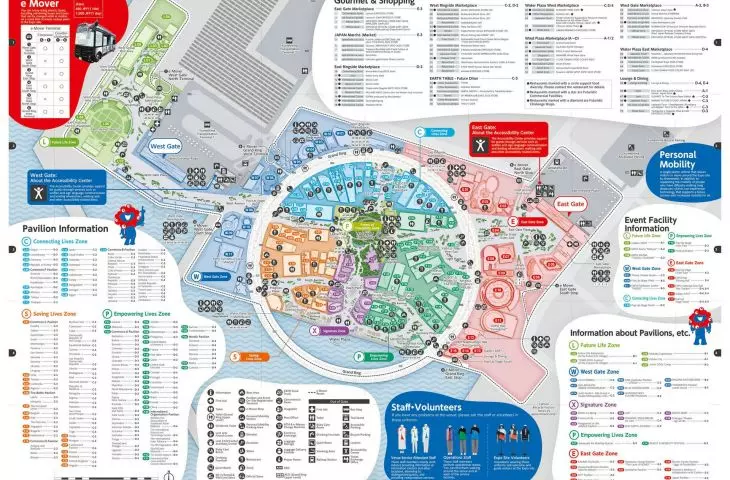



















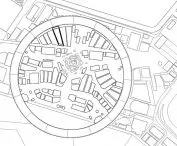



Paris without the Eiffel Tower, Brussels without the Atomium or Seattle without the Space Needle? It's hard to imagine today. None of these iconic buildings, however, would have been built if not for... the Expo. Osaka beat Russia's Yekaterinburg and Azerbaijan's capital Baku in the race for this year's World Expo. Expo '25 takes place in a picturesque setting - on the artificial island of Yumeshima (translated as Dream Island), mounded at the mouth of the Yodo River into Osaka Bay. Its centerpiece and highlight is the giant Grand Ring installation by Sou Fujimoto. The distinctive ring-shaped structure is impressive in size - it is as much as twenty meters high and has a circumference of more than two kilometers.
The official history of these events dates back to the first Great Exhibition in London in 1851. Since then, the periodically held expositions have been a place for the presentation of culture, technology and science of individual countries. Since 1928, the organization of these events has been coordinated by the International Bureau of World Expositions (BIE), based in Paris. Nowadays, Expo is no longer just a main festival held every five years, but also smaller specialty or horticultural shows.
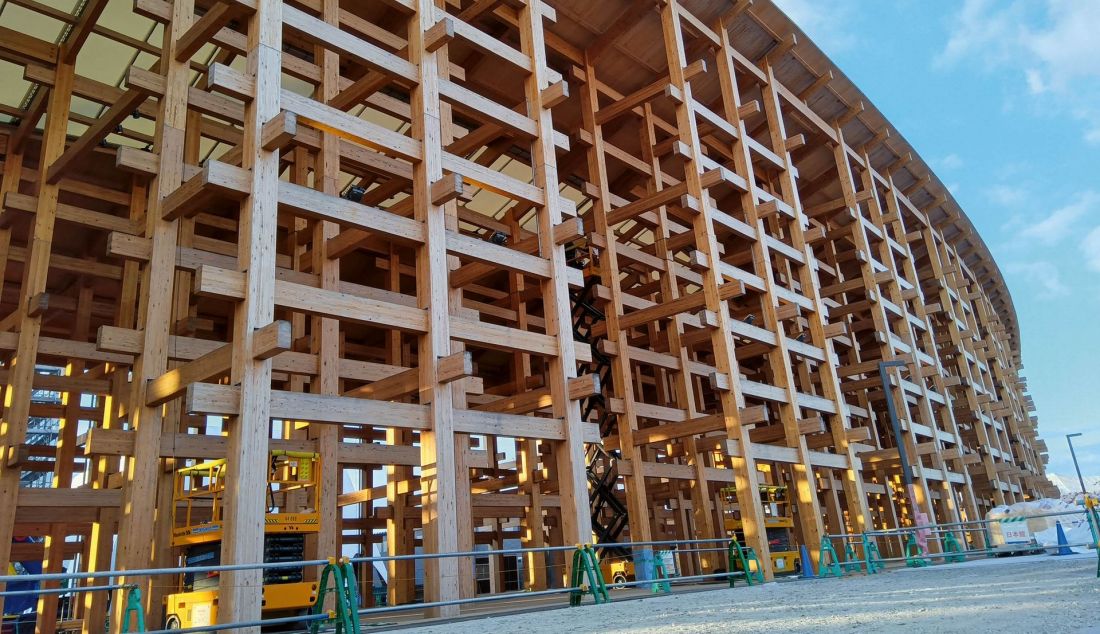
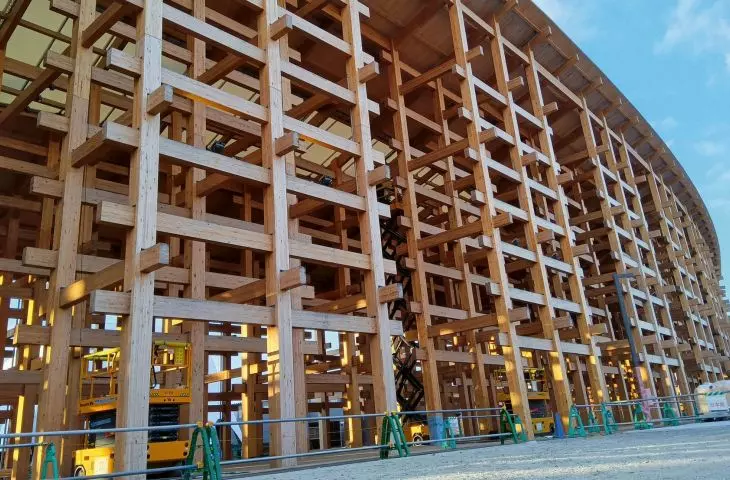
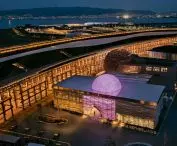
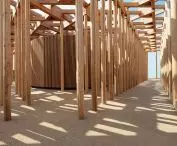
Expo 2025 in Osaka - details of the Grand Ring structure, design: Sou Fujimoto
© Expo 2025
Poland's presence at these events has a long and beautiful tradition - suffice it to mention the numerous awards won by our compatriots at successive exhibitions, starting from the late 19th century. During the communist period, however, our country did not participate in Expo for political reasons. Since the exhibition in Seville in 1992, Poland has again hosted BIE expositions, each time presenting an ambitious and diverse program in terms of form and content.
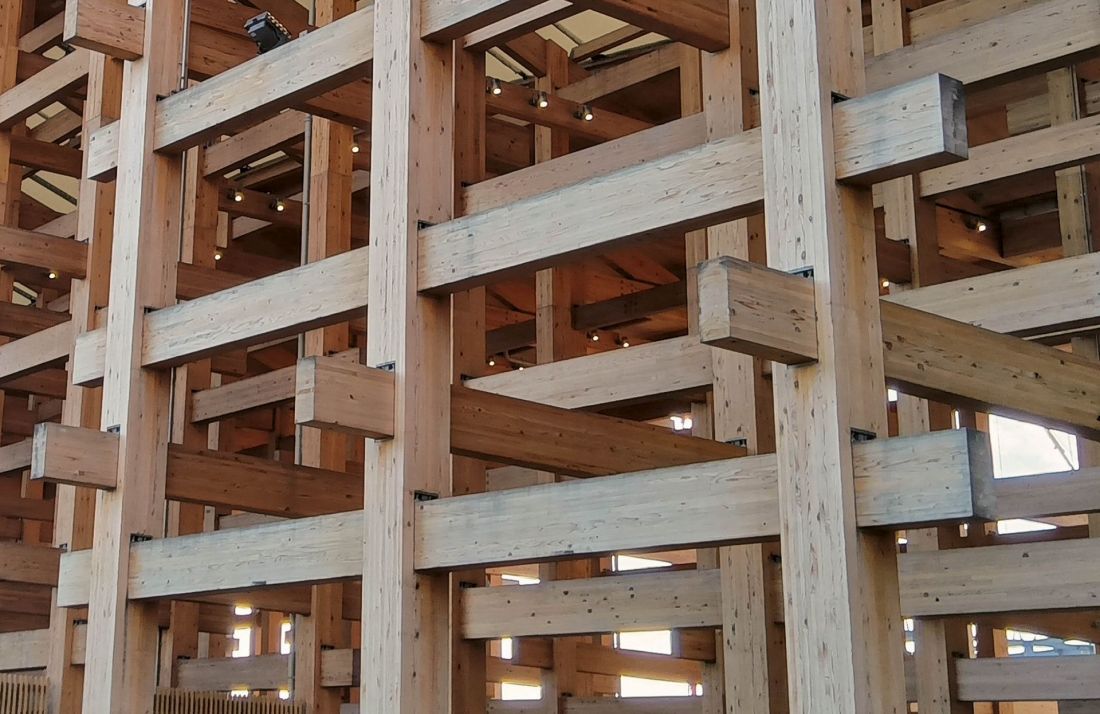
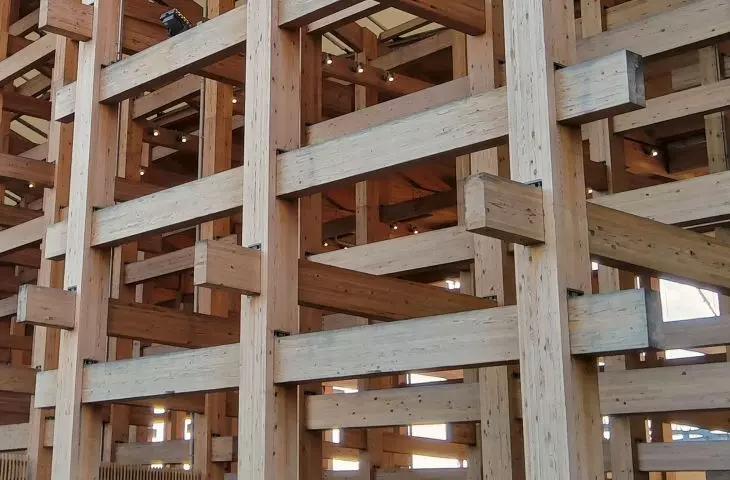
Expo 2025 in Osaka - details of the Grand Ring structure, design: Sou Fujimoto
© Expo 2025
Interestingly, the Expo was not far from coming to Poland as well. Our country has applied three times to host exhibitions: in 2010, 2012 (both times in Wroclaw) and 2022 (in Lodz). It's especially a shame about the last chance, when the Polish city lost the rivalry by a hair to Argentina's capital, Buenos Aires, which, due to a pandemic and a local financial crisis, eventually abandoned the event. Neither in Europe nor America, however, are world exhibitions as popular as in the Land of the Cherry Blossom. That's probably because Japan, like the Expo, is an unusual blend of tradition and modernity.
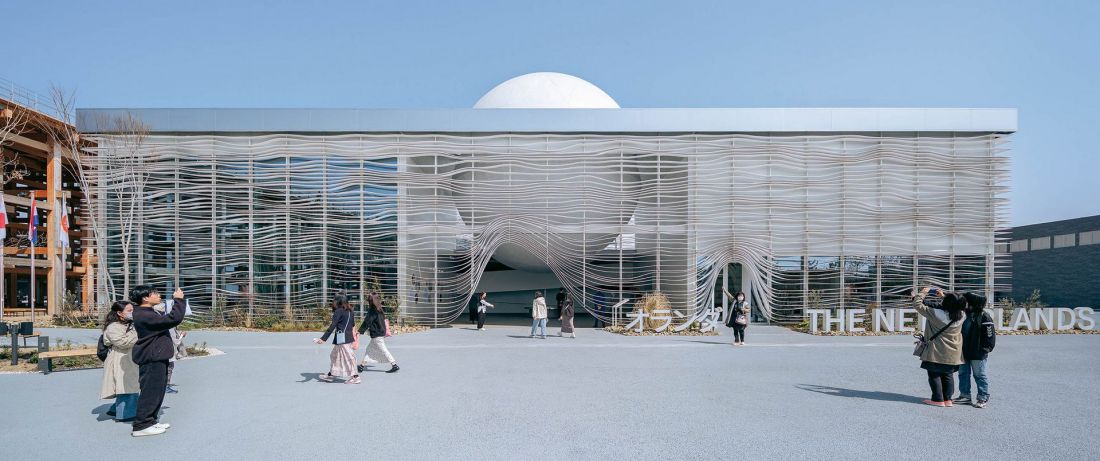
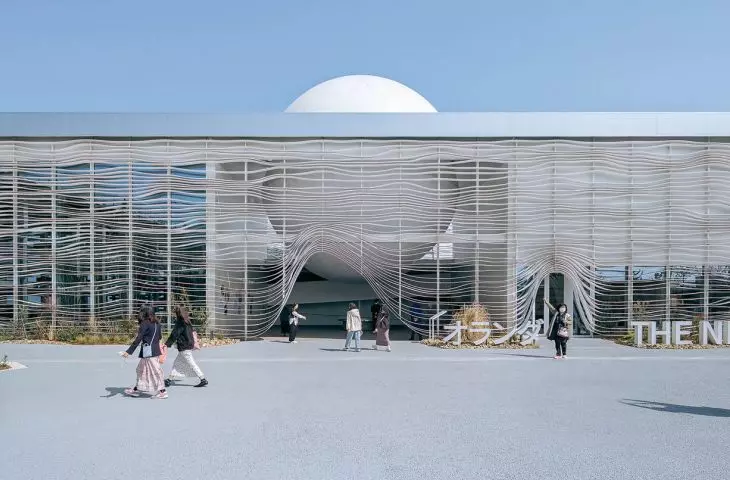
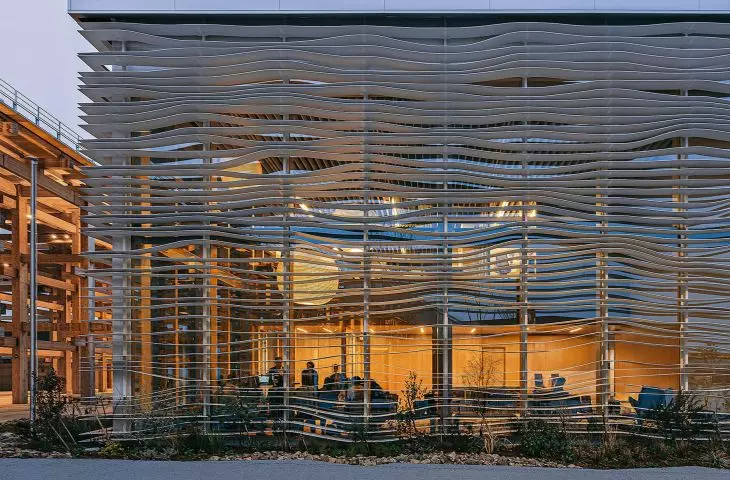
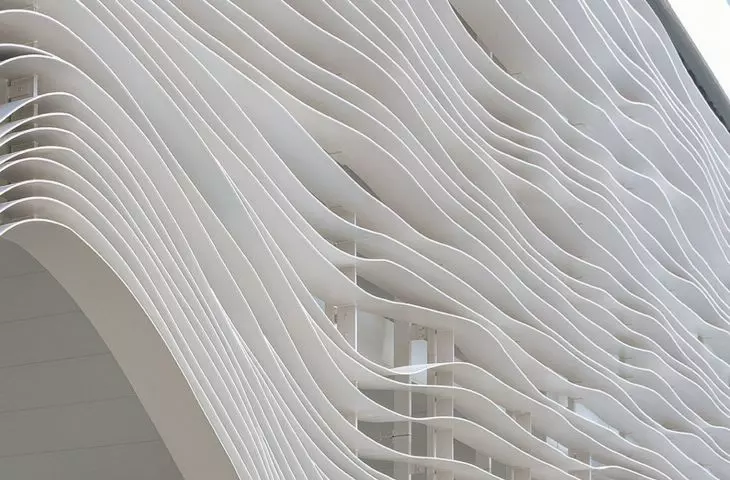
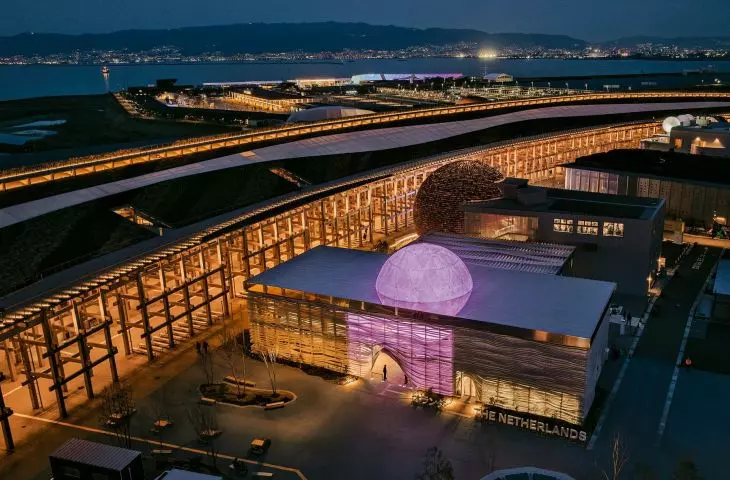
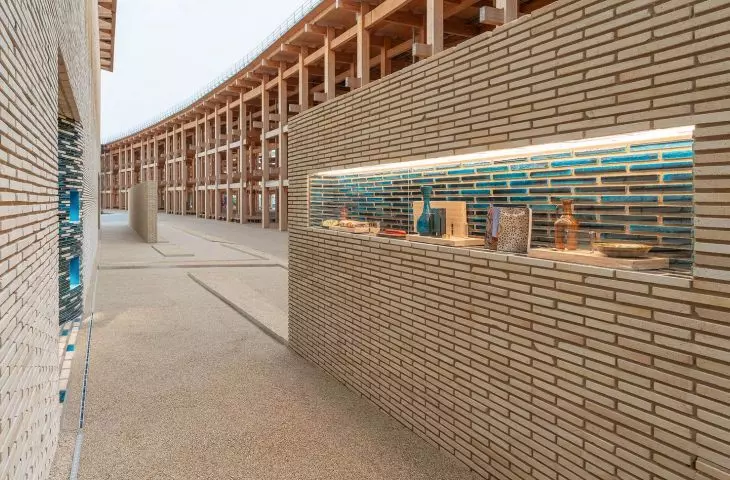
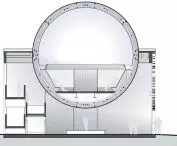
Expo 2025 in Osaka - pavilion of the Netherlands, proj.: RAU Architects
photo: Zhu Yumeng © RAU Architects
The history of world exhibitions in Japan dates back to 1970. At that time, the first Asian Expo was held on the northern outskirts of Osaka under the slogan "Progress and Harmony for Humanity." The masterplan for that exhibition was developed by Kenzō Tange himself, winner of the Pritzker Prize in 1987 (as the first winner from the Land of the Rising Sun). His work also included the design of the emblematic canopy for the exposition's central plaza, the Big Roof. Expo '70 proved to be an incredible success (64 million visitors) and a symbol of the transformation of an empire defeated in World War II into a new technological and economic power. After the event, a sprawling park and amusement park were built on the post-exhibition grounds around the famous avant-garde sculpture "Tower of the Sun" by Tarō Okamoto.
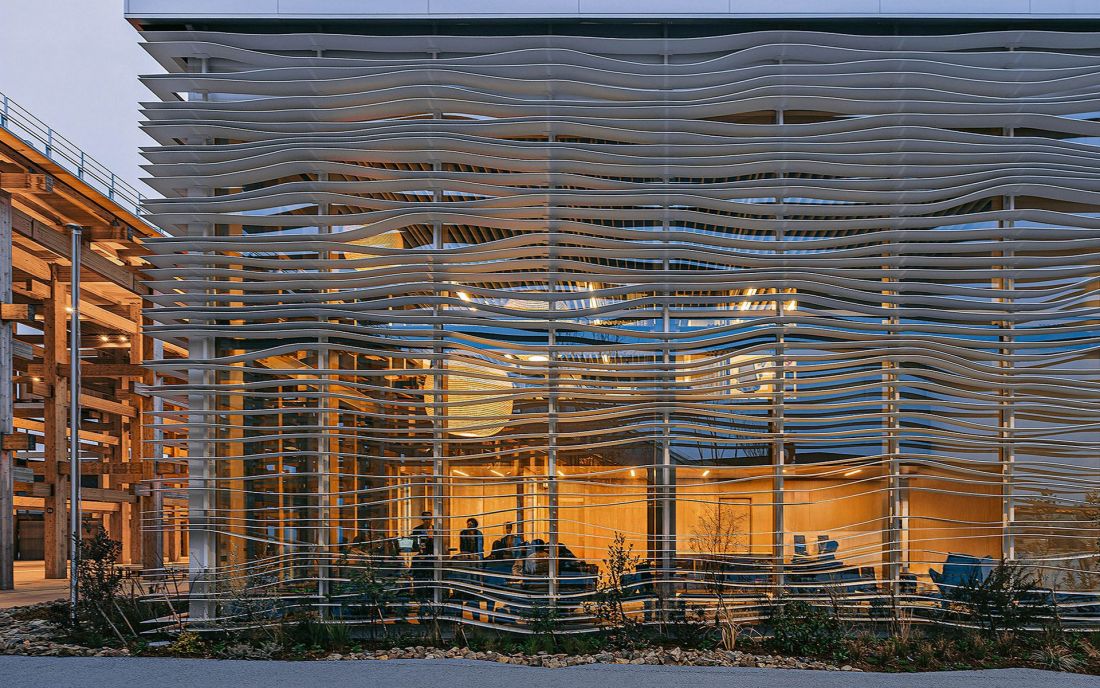
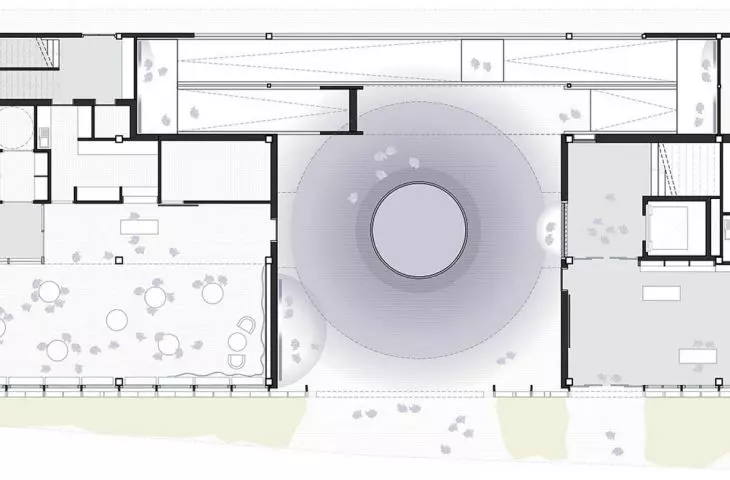
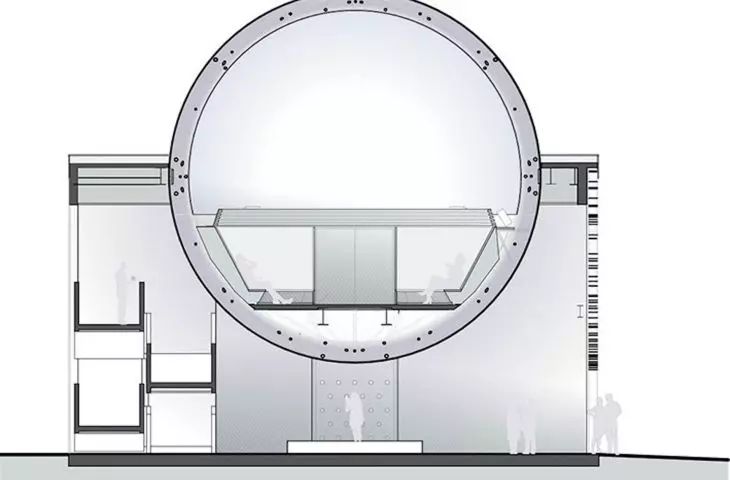
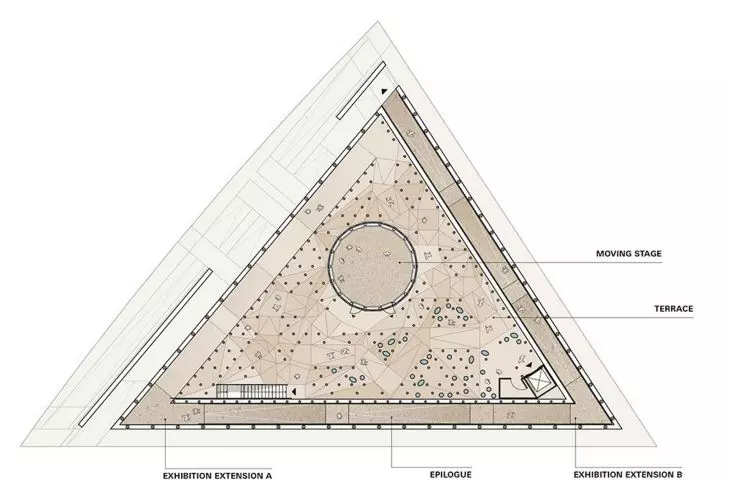
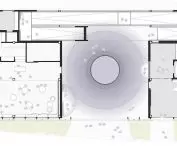
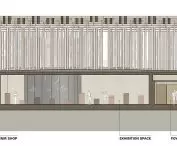
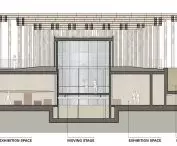
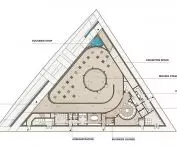
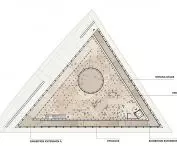
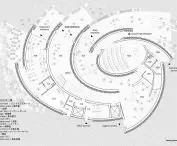
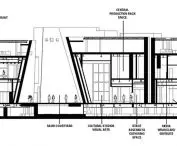
Expo 2025 in Osaka - the Netherlands pavilion (first floor plan), proj.: RAU Architects
photo: Zhu Yumeng © RAU Architects
In subsequent years, Japan also hosted smaller BIE expositions. In 1975, Okinawa hosted a thematic Expo devoted to oceans with a memorable futuristic settlement on water called Aquapolis (designed by Kiyonori Kikutake), while in 1985 the Tsukuba Science Town, near Tokyo, hosted an exhibition devoted to the impact of technological innovations on human daily life. Osaka itself became the arena for a specialized Expo - a horticultural exhibition in 1990.
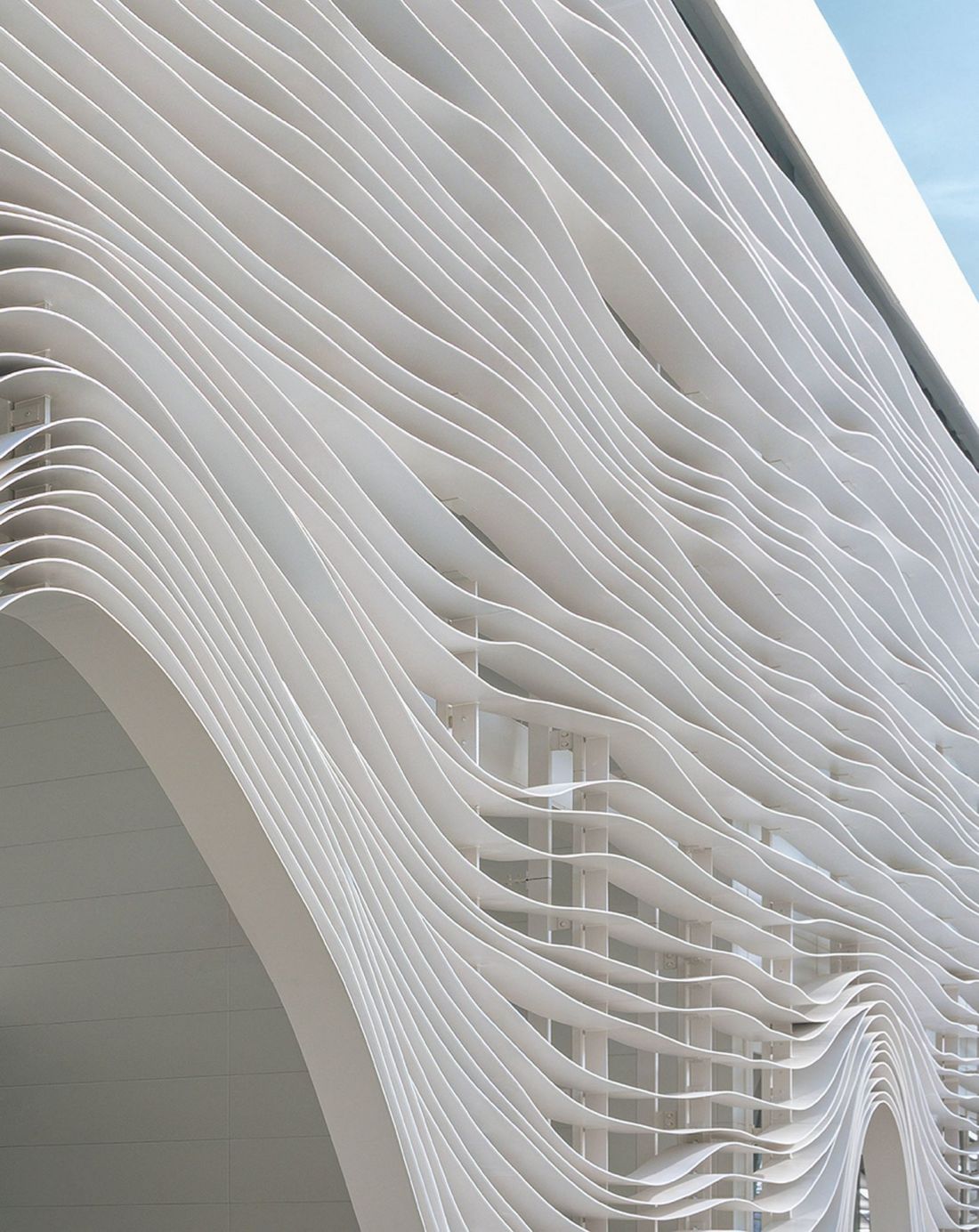
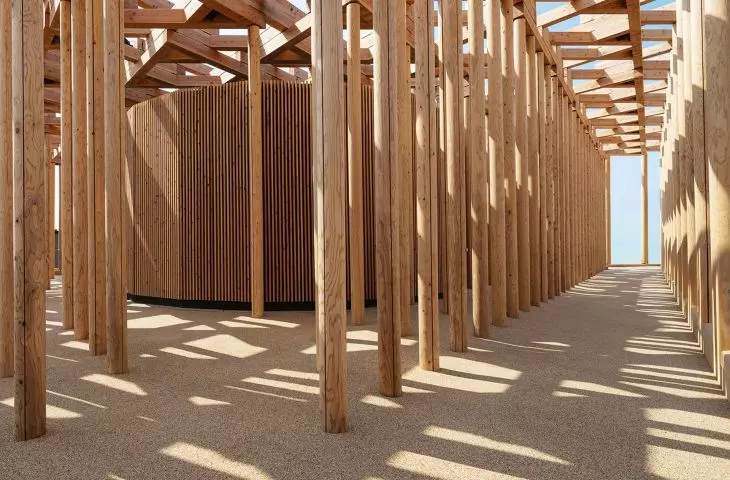
Expo 2025 in Osaka - pavilion of the Netherlands, proj.: RAU Architects
Photo: Zhu Yumeng © RAU Architects
BIE's main event came to Japan again in 2005, this time to Aichi Prefecture, with Nagoya as its capital. At the time, the pro-environmental exhibition under the slogan "The Wisdom of Nature" was visited by 22 million visitors, and one of the most interesting presentations of that exhibition was the wicker-wrapped Polish Pavilion (designed by Ingarden & Ewý). Two decades after that event and fifty-five years after the first Japanese Expo, the world exhibition returned to Osaka.
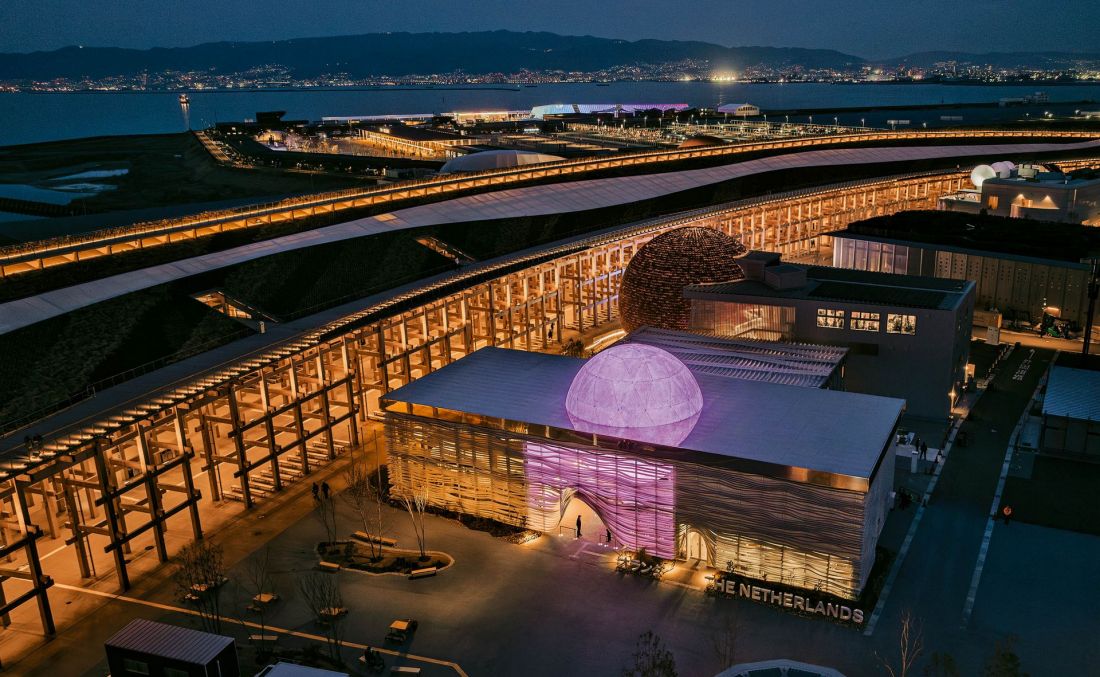
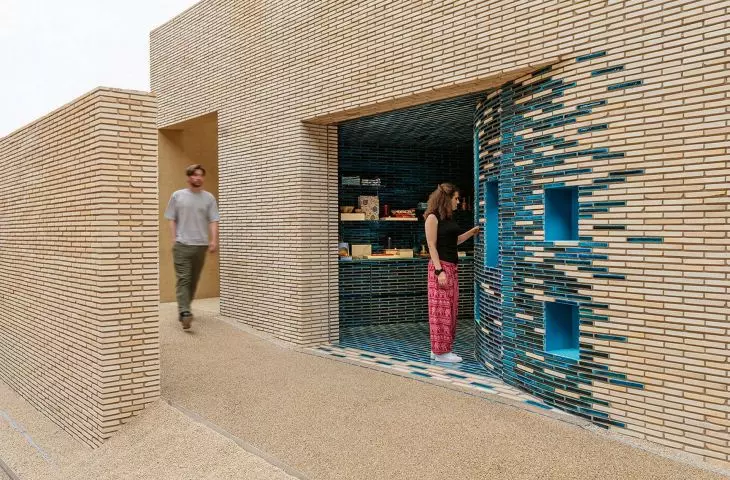
Expo 2025 in Osaka - pavilion of the Netherlands, proj.: RAU Architects
Photo: Zhu Yumeng © RAU Architects
Osaka is one of Japan's most important metropolises and the tenth most populous urban complex in the world. It is the center of the Keihanshin conurbation of nearly 20 million people, which also includes Kobe and Kyoto. The city is located on the western side of Honsiu Island, at the junction of the Pacific Ocean and the Seto Inner Sea. It is an important economic center that is home to many global corporations and a real mecca for gourmets of Asian cuisine (local specialties include takoyaki and choya, for example).
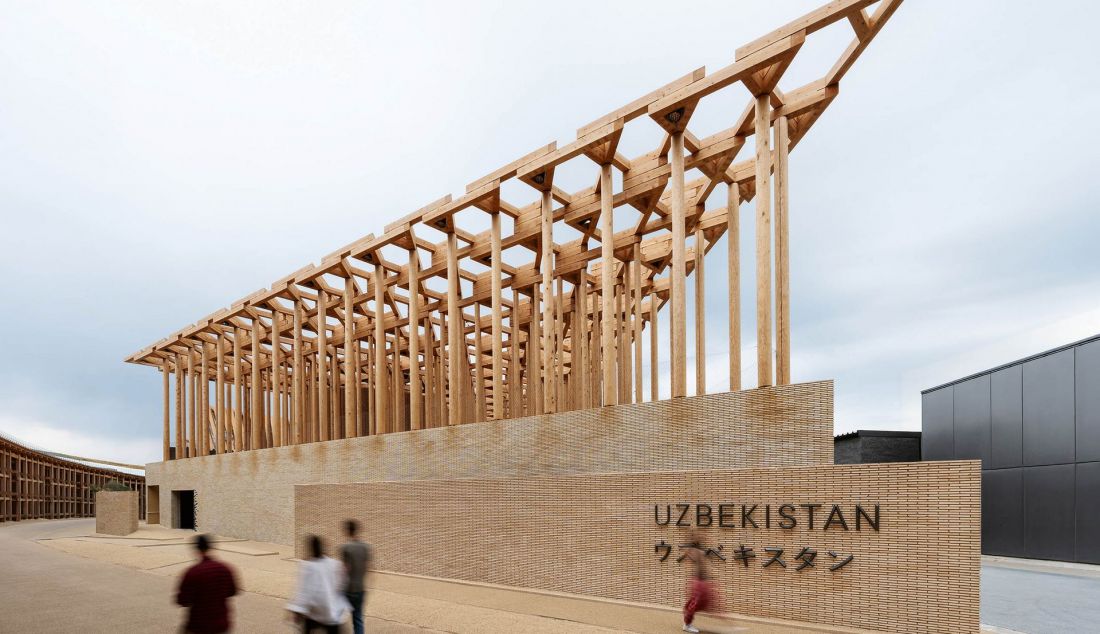
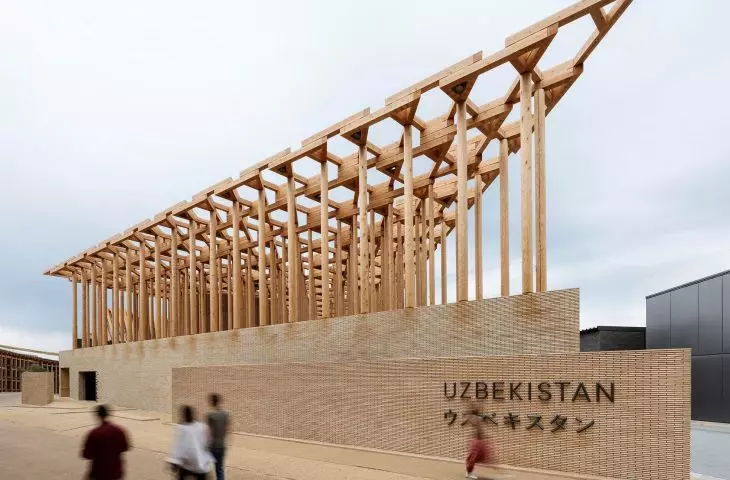
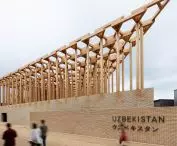
Expo 2025 in Osaka - Uzbekistan pavilion, design: Atelier Brückner
Photo: Josef Šindelka © Atelier Brückner
Due to the extensive destruction of World War II, however, Osaka lacks historical landmarks; even the famous local castle is a 20th-century reconstruction. Not surprisingly, the city has consistently prioritized the development of modern attractions. Among the most important of these are the giant Kaiyukan aquarium (one of the few centers showcasing whale sharks - the largest fish in the world) or the Universal Studios theme park.
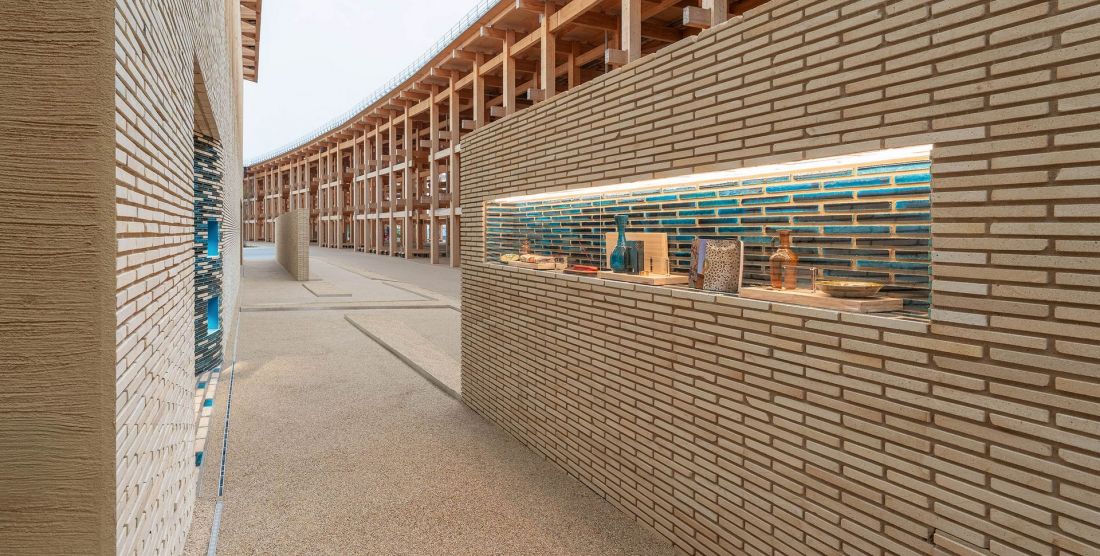
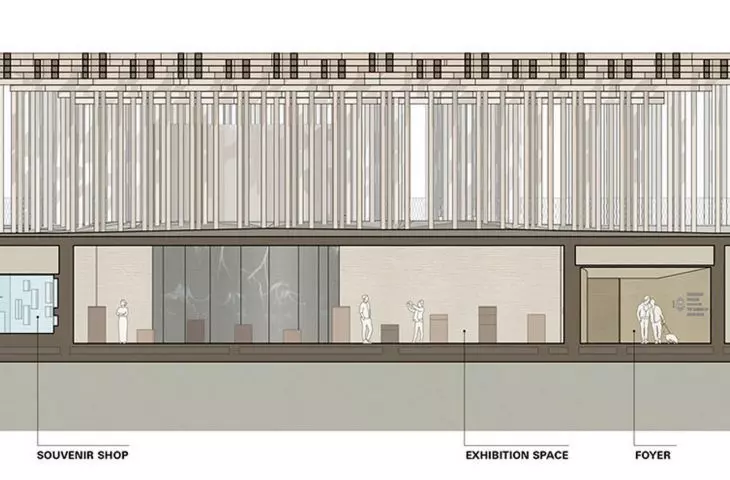
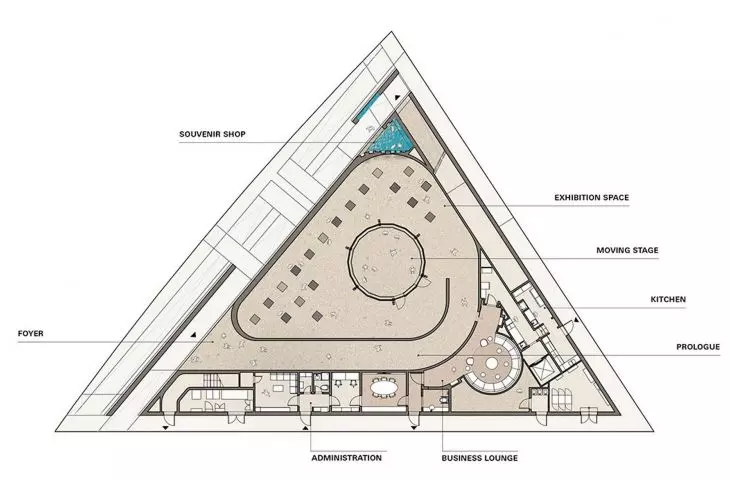
Expo 2025 in Osaka - pavilion of Uzbekistan, design: Atelier Brückner
Photo: Josef Šindelka © Atelier Brückner
In Osaka and its surroundings we can also easily find interesting examples of contemporary architecture. These include the Umeda Sky Building skyscraper (designed by Hiroshi Hara) and Japan's second tallest building, the Abeno Harukas (designed by Pelli Clarke & Partners). The local Kansai Airport (designed by Renzo Piano Building Workshop), built on an artificial island, is also impressive. Perhaps Japan's most famous architect, Tadao Andō, also has his studio in Osaka. It is also where his landmark works such as the Azuma House, the Church of Light and the Sayamaike Museum were built. The trend of promoting the city through architecture is also perfectly in line with the organization of Expo '25.
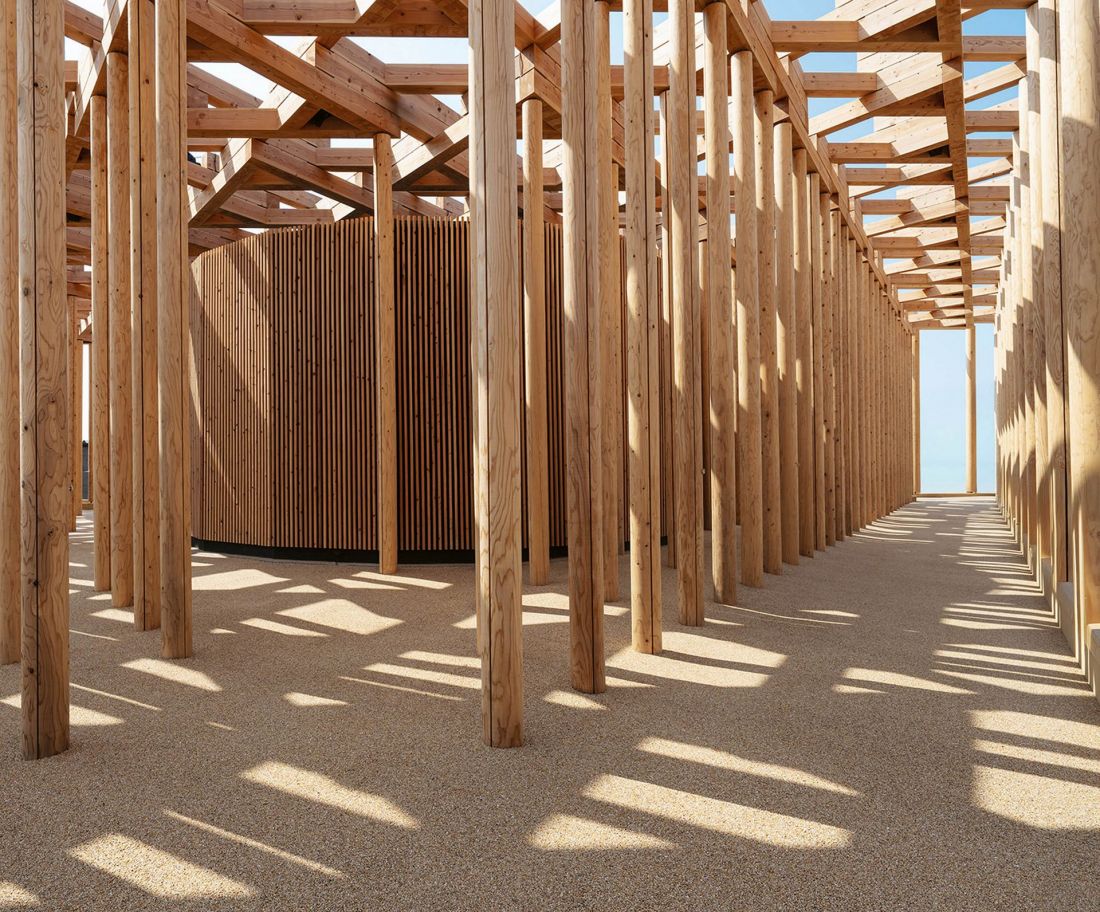
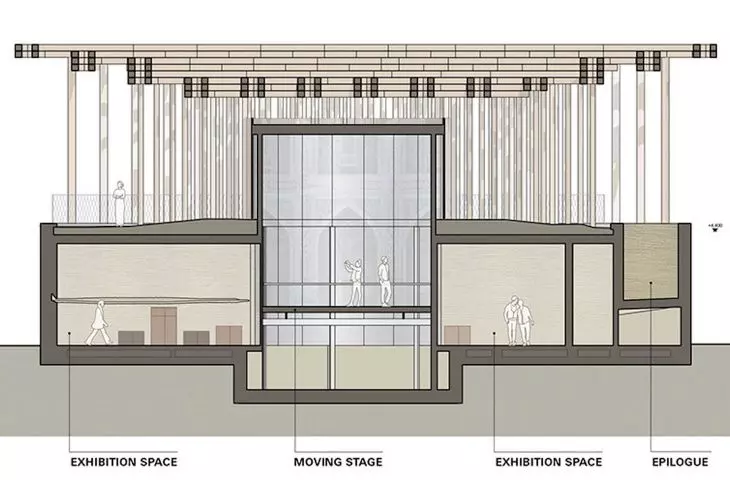
Expo 2025 in Osaka - pavilion of Uzbekistan, design: Atelier Brückner
Photo: Josef Šindelka © Atelier Brückner
Osaka beat Russia's Yekaterinburg and Azerbaijan's capital Baku in the race for this year's World Expo. Expo '25 was officially inaugurated on April 13. The event is taking place in a picturesque setting - on the artificial island of Yumeshima (translated as Dream Island), created by refining, mounded at the mouth of the Yodo River into Osaka Bay. Interestingly, there were earlier plans to build an Olympic village on the site in case the Japanese metropolis won the competition for the 2008 Summer Olympics (the Olympics were eventually held in Beijing). In recent years, the place has been known mainly for logistics - as a sizable container port has been built here.
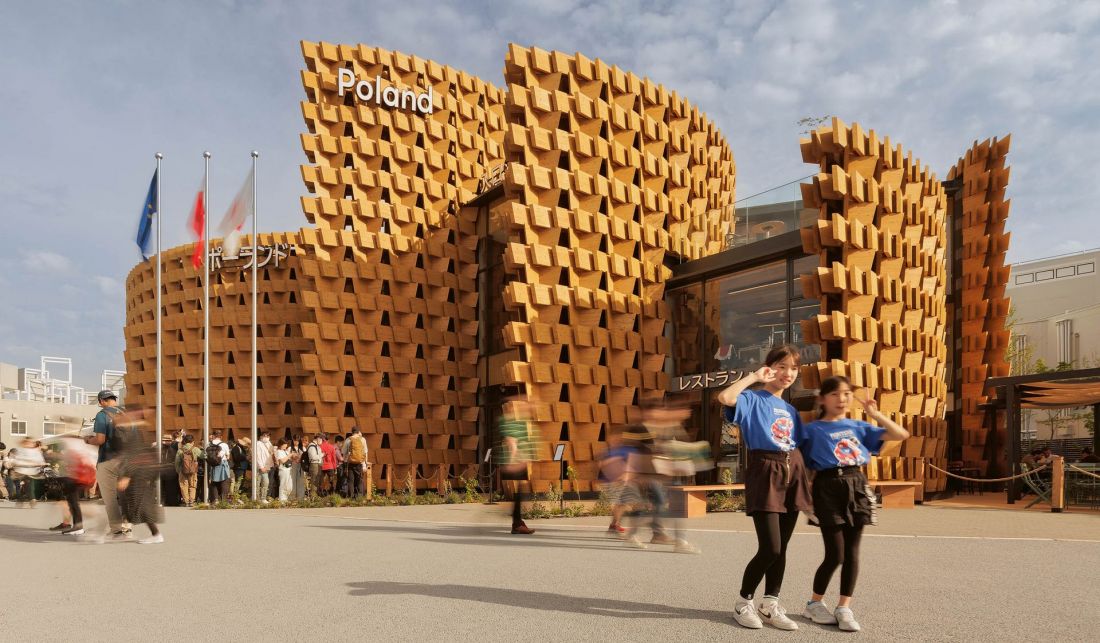
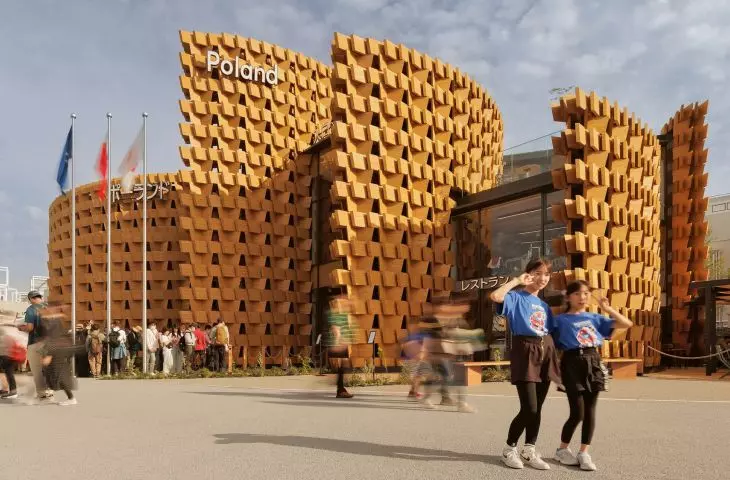
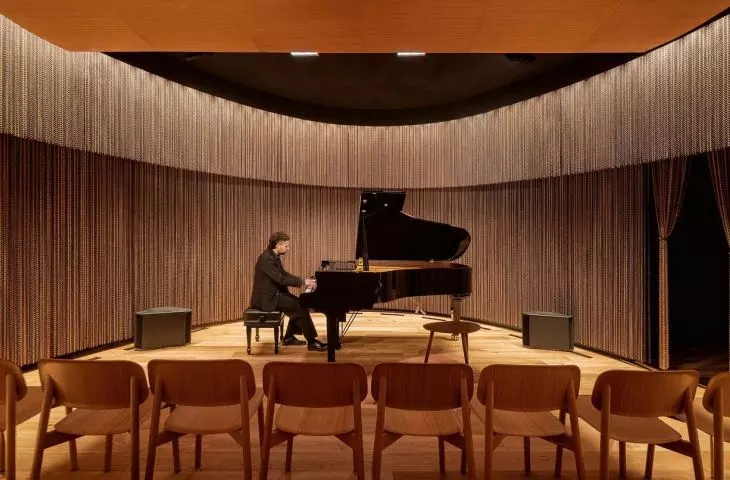
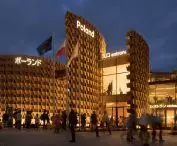
Expo 2025 in Osaka - Polish pavilion, design: Interplay Architects.
photo: Fernando Guerra © Interplay Architects
The real impetus for the island's development, however, is to be provided by Expo '25. Its central and most important point is the giant Grand Ring installation by Sou Fujimoto. The distinctive ring-shaped structure is impressive in size - it is as much as 20 meters high and has a circumference of more than 2 kilometers. At the top of the structure is the Skywalk, a spectacular viewing promenade accessible by escalators and elevators. The entire structure was made of wood (cryptomeria, cypress and pine) using traditional Japanese craft techniques. It is the largest wooden structure in the world, as confirmed by a corresponding entry in the Guinness Book of World Records.
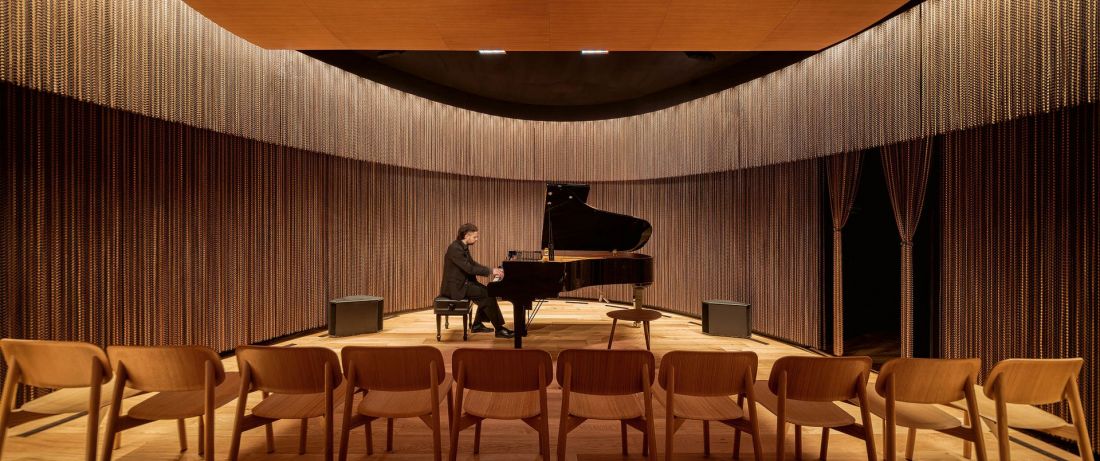
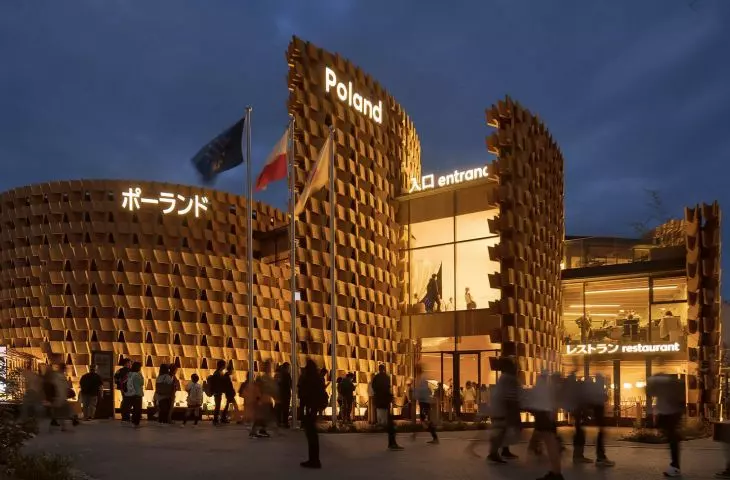
Expo 2025 in Osaka - Polish pavilion, proj.: Interplay Architects
photo: Fernando Guerra © Interplay Architects
Exhibition pavilions are spread out inside and around the Grand Ring. Most of them house national presentations, but there are also expositions of international organizations, regions or corporations. Traditionally, some countries (as a rule, the richer ones) have opted for grand free-standing structures, while others (especially in the Global South) have limited themselves to arranging stands in pre-prepared halls.
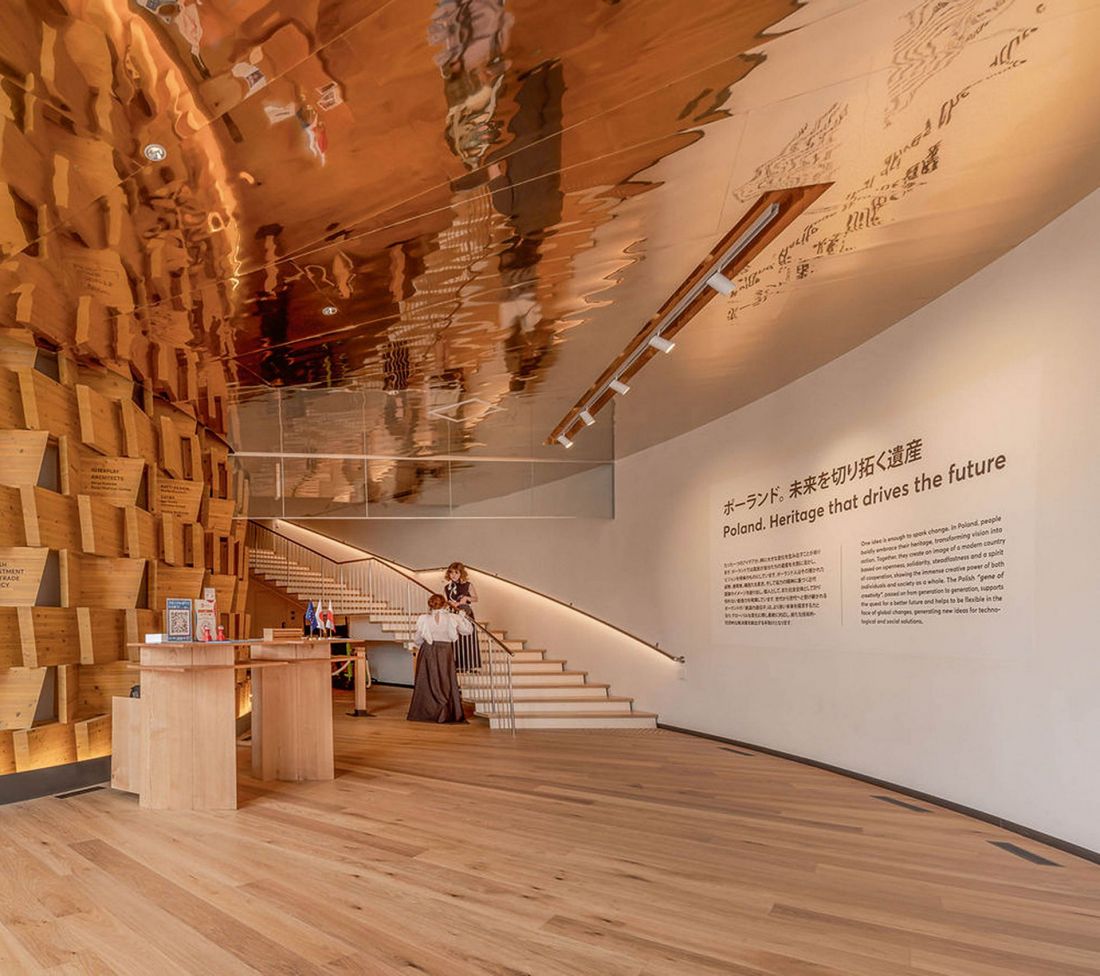
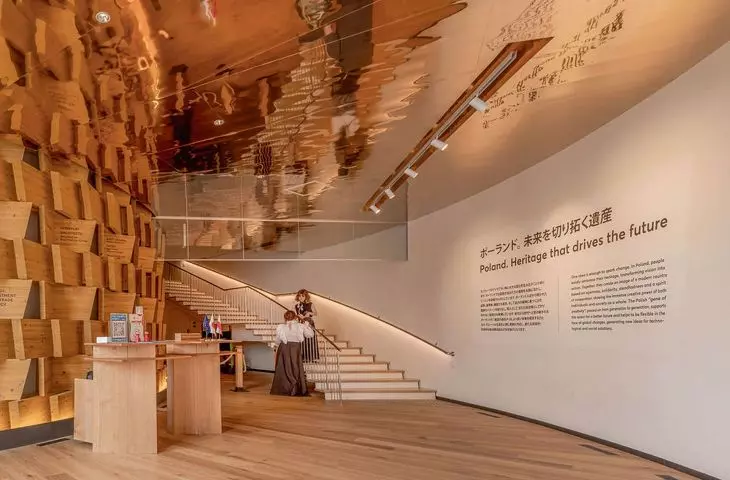
Expo 2025 in Osaka - Polish pavilion, proj.: Interplay Architects
photo: Fernando Guerra © Interplay Architects
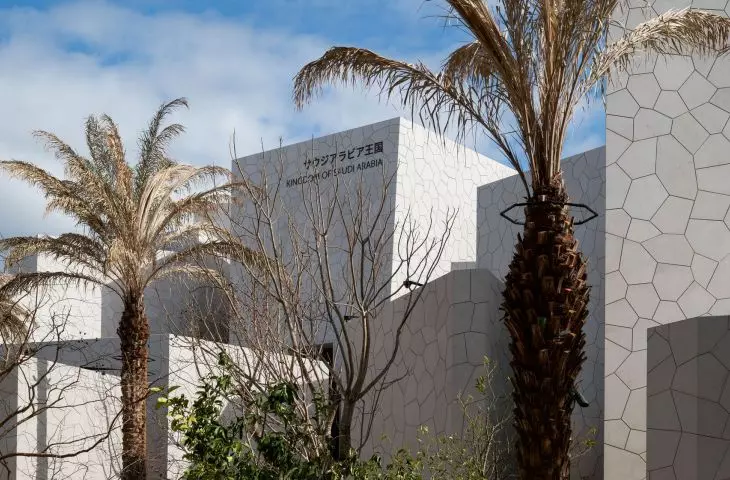
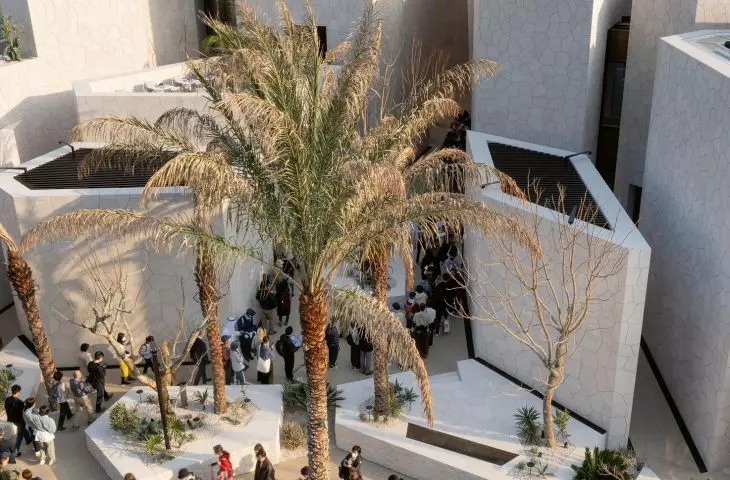
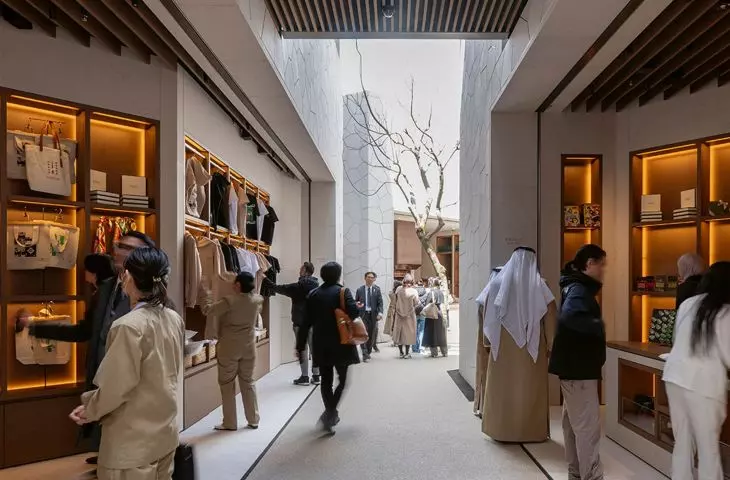
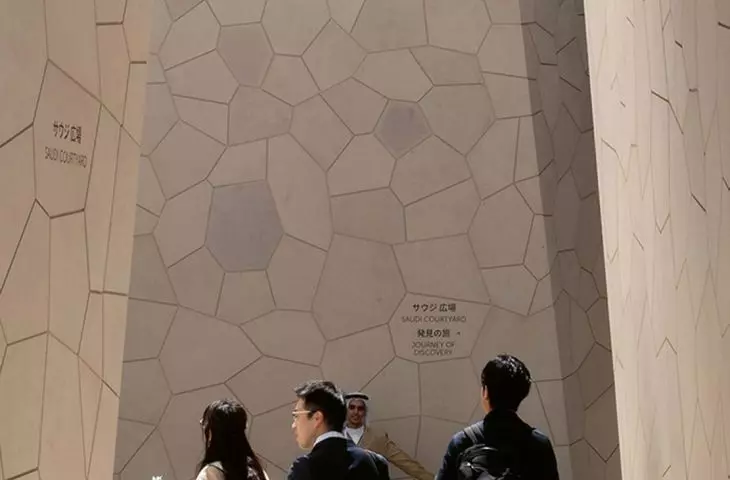
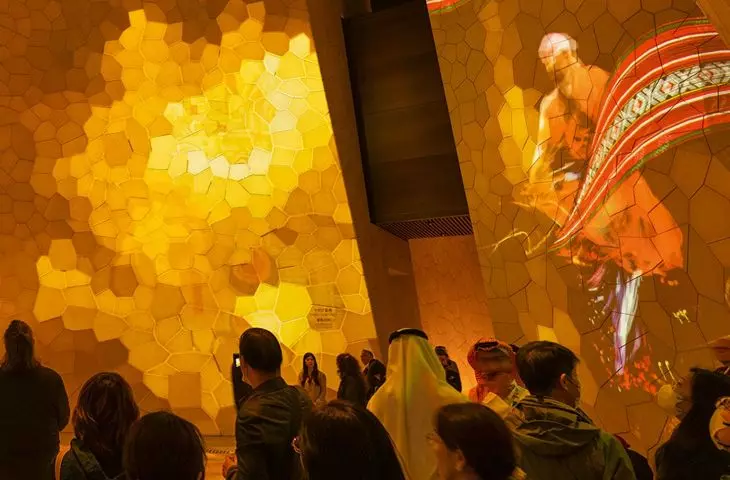
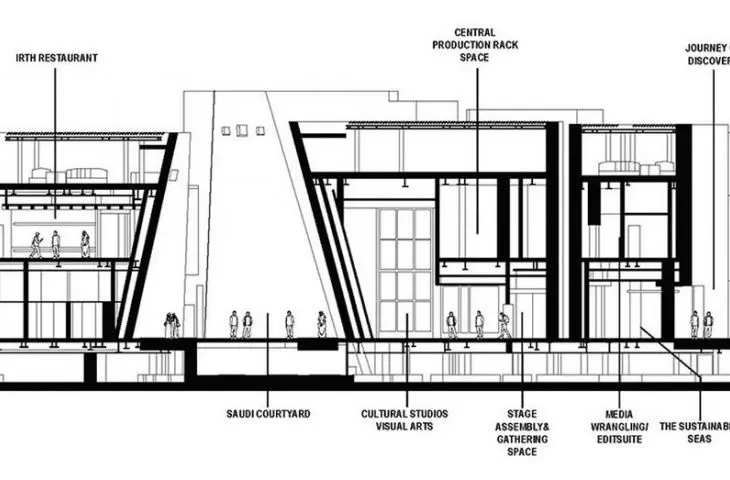
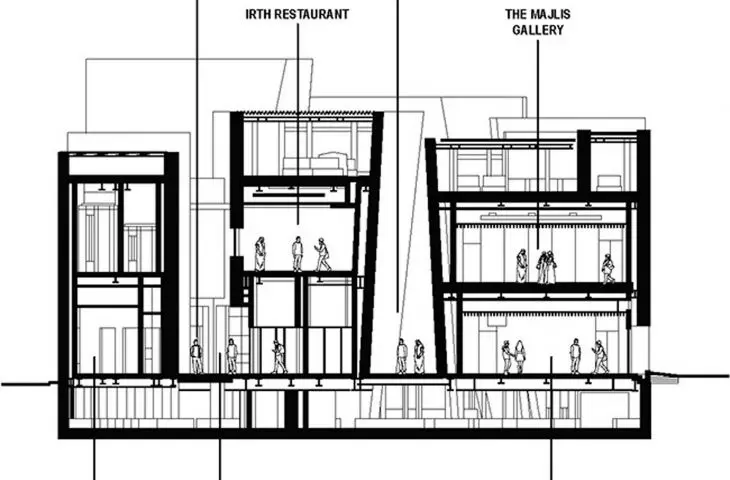
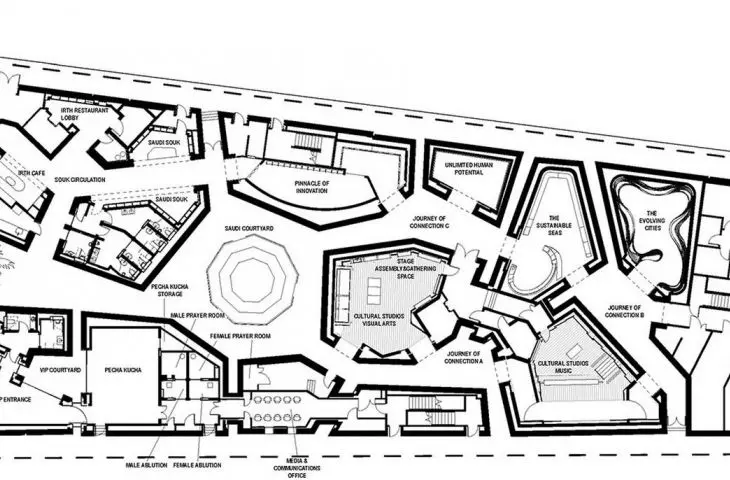
Among objects of various sizes, one can find real gems, sometimes signed by well-known architects. An example is the Saudi Arabian pavilion created by Foster + Partners, which evokes the atmosphere of oriental medinas. Also noteworthy is certainly the design of three interconnected domes - Blue Ocean Dome by Shigeru Ban.
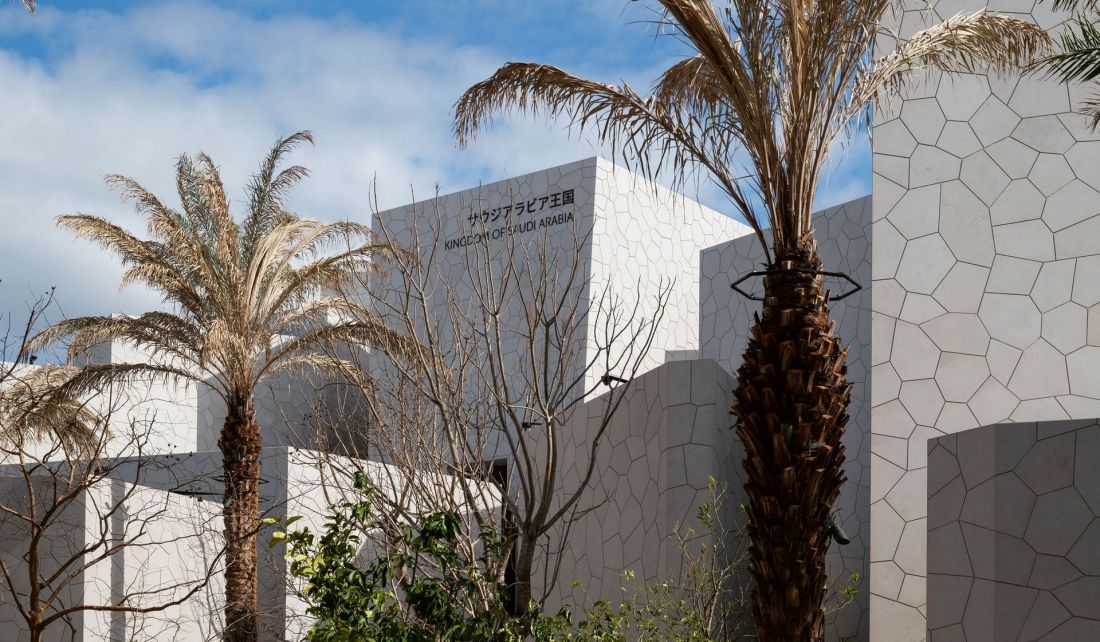
Expo 2025 in Osaka - pavilion of the Kingdom of Saudi Arabia, proj.: Foster + Partners
photo: Nigel Young © Foster + Partners
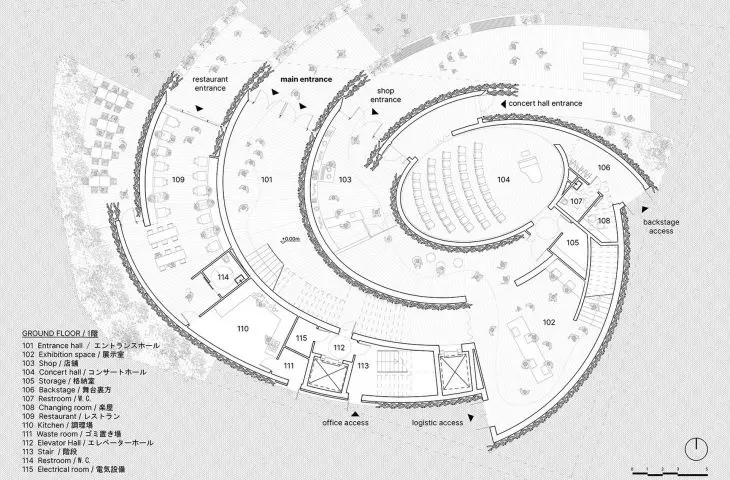
Pro-environmental presentations were also prepared by Kengo Kuma - for Portugal (facade made of fishing nets) and Malaysia (facade made of bamboo). His work also includes Qatar's pavilion with a design reminiscent of traditional dau fishing boats. This motif also inspired Lina Ghotmeh in a design created for Bahrain. The spirit of classical elegance can be found in the wooden pavilions of Poland (designed by Interplay Architects) or Uzbekistan (designed by Atelier Brückner).
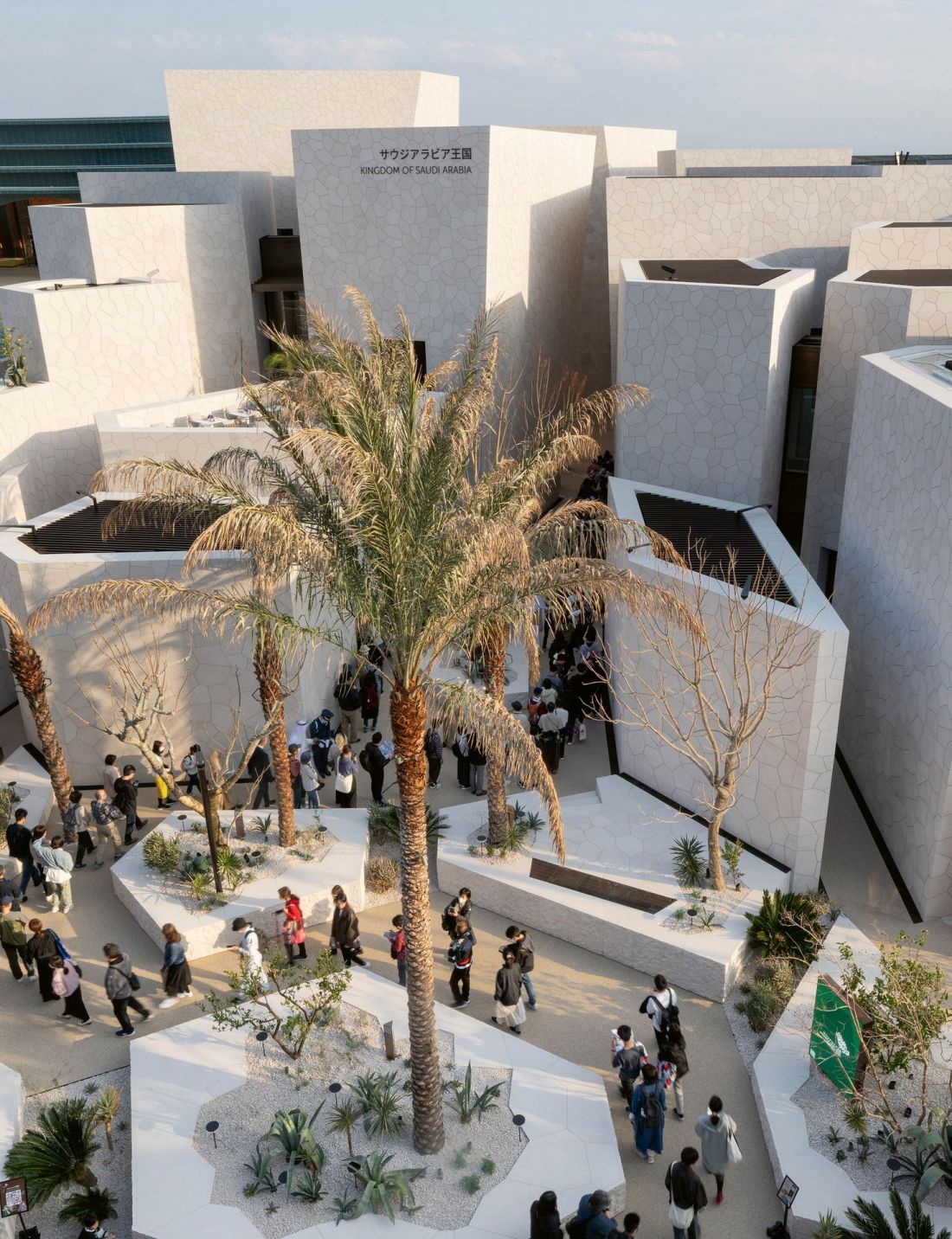
Expo 2025 in Osaka - pavilion of the Kingdom of Saudi Arabia, design: Foster + Partners
photo: Nigel Young © Foster + Partners
The host site (proj. Nikken Sekkei, Oki Sato), full of innovations, is also kept in a similar style. Undoubtedly, however, the most photographed building of the exhibition is the Expo Hall pavilion by Toyo Itō, popularly known as the Shining Hat. Meanwhile, in the flurry of attractions and experiences offered by the Expo, respite is provided by the openwork spatial installation "Better Co-being" (designed by SANAA, Hiroaki Miyata), surrounded by greenery.
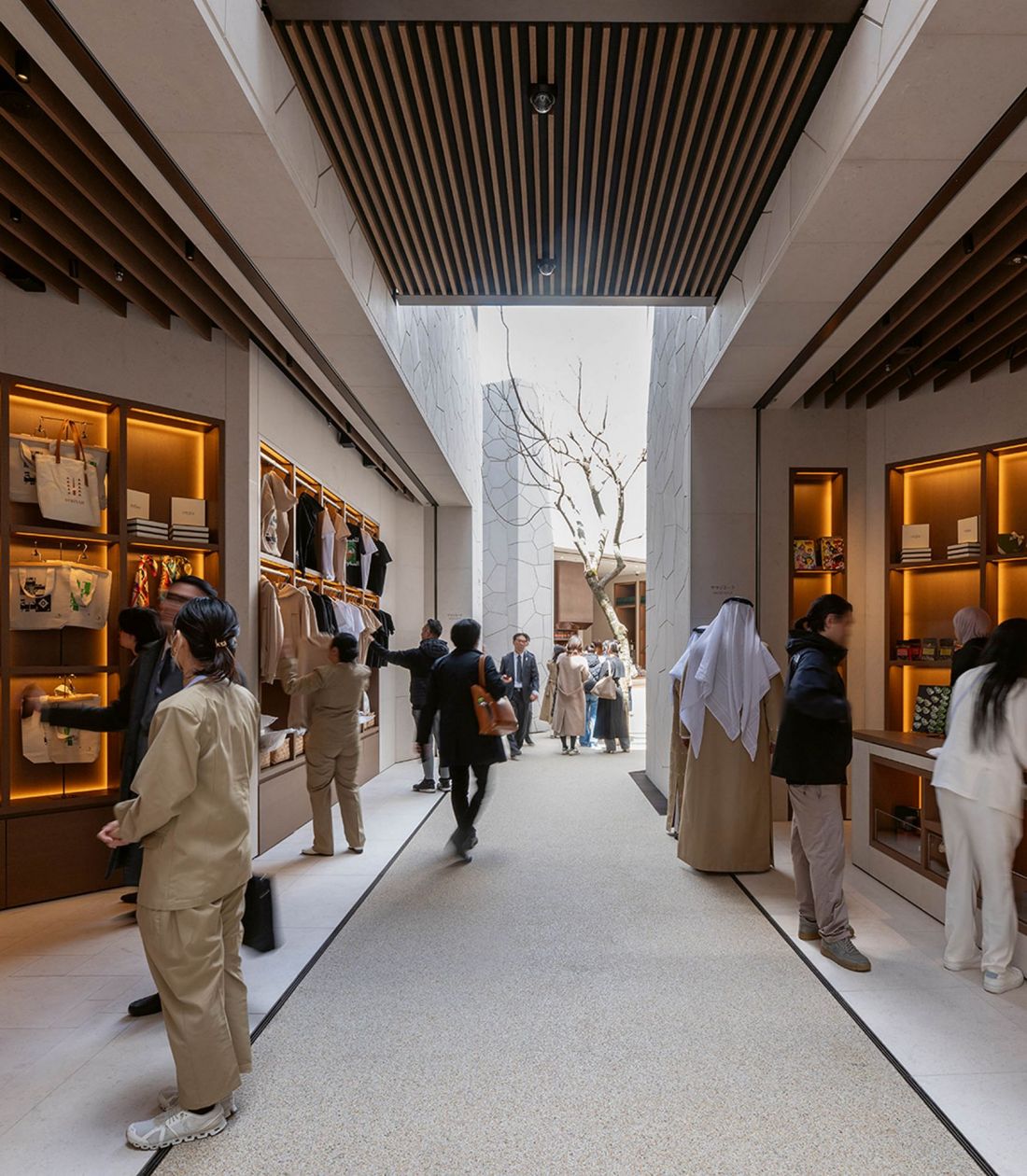
Expo 2025 in Osaka - pavilion of the Kingdom of Saudi Arabia, design: Foster + Partners.
photo: Nigel Young © Foster + Partners
This year's Expo in Osaka will last six months and end on October 13, 2025. The expo is projected to attract 28 million visitors, mostly from Japan and countries in the Far East. The event will certainly contribute to the development of tourism, badly strained by the pandemic. The festival will also be a great opportunity for meetings, dialogue and exchange of experiences in a world so strongly divided today. Traditionally, some of the technical innovations presented here will also in the future enter our daily lives. However, critics of the event point to the high cost of organizing Expo '25 reaching $1.6 billion. They also rightly cast doubt on the plan to develop the area after the exhibition (a huge casino on the scale of facilities known from Macau or Las Vegas is to be built near the demolished pavilions).
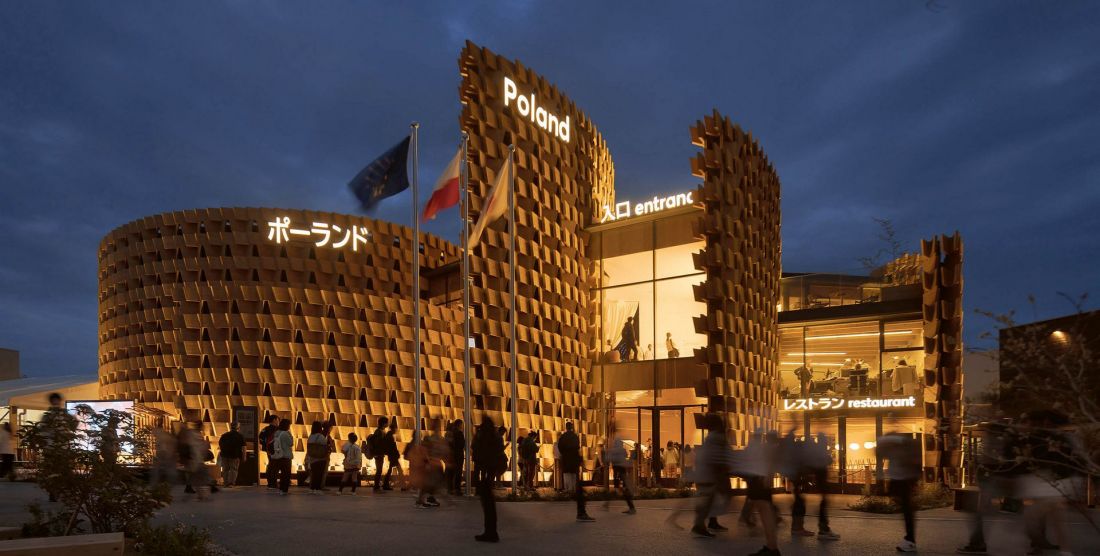
Expo 2025 in Osaka - Polish pavilion, design: Interplay Architects.
Photo: Fernando Guerra © Interplay Architects
Regardless of opinions, the question arises about the sense of organizing such events today. In an era of increasing globalization and the ubiquity of the Internet, are world exhibitions still necessary? Organizers of the next Expo in 2030 in Saudi Arabia's capital Riyadh seem to have no doubts....
Michal HADUCH, Bartosz HADUCH
Architects, travelers, photographers, publicists, authors of books. They run NArchitekTURA studio combining urban planning, architecture, interiors, design and graphic design activities.
Illustrations provided courtesy of Expo 2025 organizers and participants.
Read more: A&B 6/2025 - WARSAW,
download free e-publications of A&B