




#Architects' rates
Minimum rates for architectural projects in Poland - what do architects think about them? Are they needed, how should they be charged, and how much could they be? We asked representatives of studios, both small, medium and large, developers and lecturers. One of those who shared their opinion is Hubert Trammer.
The dire situation of architectural offices in Poland is a fact. In the worst position are medium and small studios, whose profitability and viability are often on the verge of survival. At the same time, investments, especially from the residential sector, are increasing, which means there is something to design. In January 2025, more apartments were completed than a year ago, also the number of those whose construction has begun is higher (CSO data). However, the average quality of what is being built is not satisfactory. It is being built quickly, most often at a low cost, but at a record high profit. So why are architects one of the lowest-paid links in the industry?
When we discussed at this year's Budma what the quality of residential architecture in Poland depends on, the topic of architects' salaries dominated the debate. Mateusz Mastalski, a partner at the Danish studio Henning Larsen, who was present at the meeting, pointed out that in Denmark quality is due not only to tradition, good architectural education of the society or professional solidarity of architects, but also to the fact that they have more time for designing than in Poland and are better paid for their work. This correlation seems obvious.
So we continue the debate on architects' salaries in Poland and ask Hubert Trammer about architects' earnings.
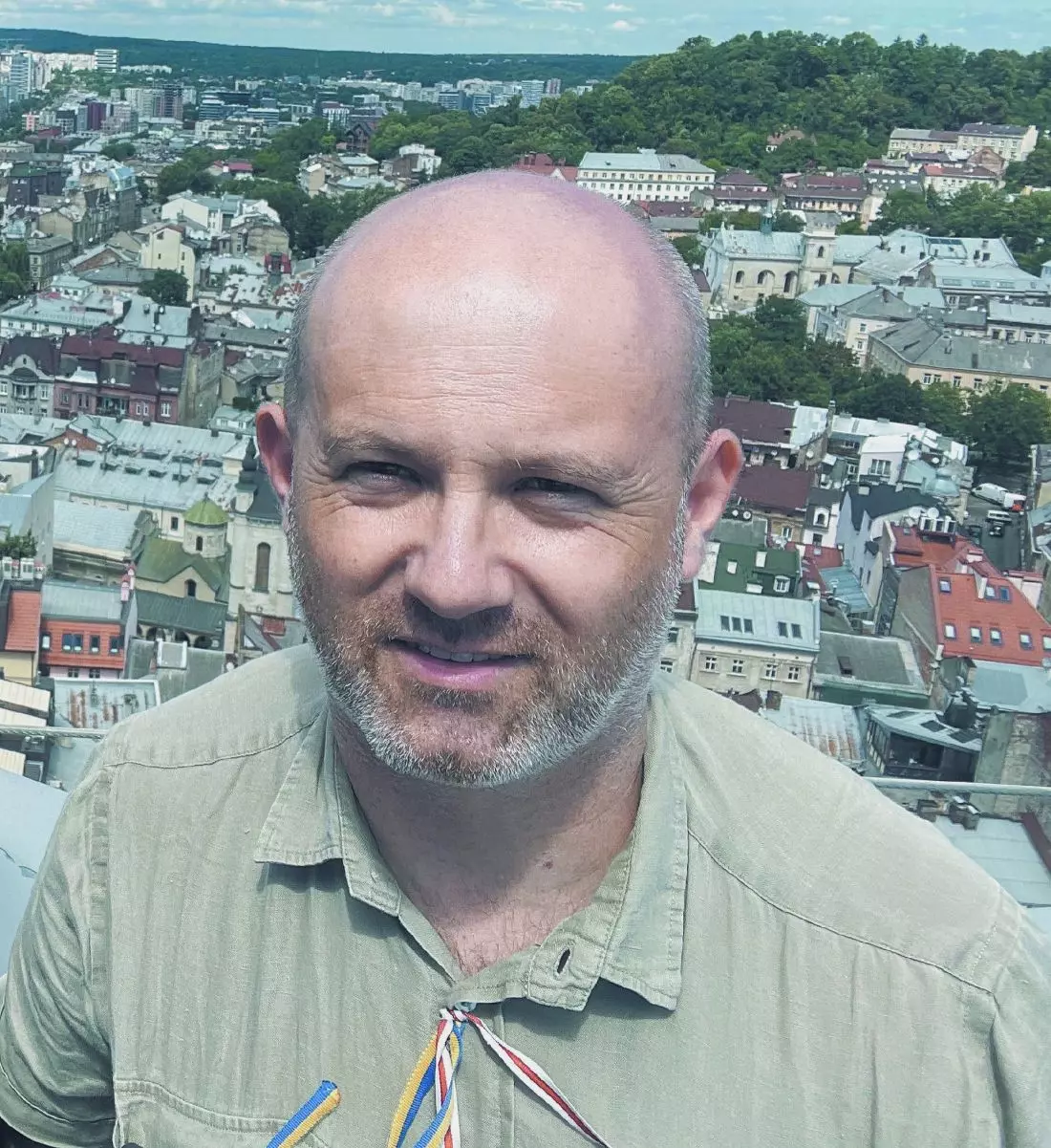
Hubert TRAMMER - architect, participant in the New European Bauhaus Round Table. Associate of the National Institute of Architecture and Urbanism. Teacher at the Faculty of Building and Architecture of Lublin University of Technology. Nominating expert for the 2015, 2019 and 2022 editions of the Ludwig Mies van der Rohe European Union Architecture Prize. Judge of architectural competitions. He has given guest lectures, and conducted architectural tours and workshops for various institutions and universities.
Should there be a guaranteed minimum rate per square meter of design? Please briefly justify your answer.
When addressing the topic of remuneration, architects often portray themselves as an exceptional group, which paradoxically can undermine their position and miss opportunities for change. Many of us wrongly think that only architects are willing to work for free, which sets us apart from other professions. Rather than isolating ourselves by telling such tales, we should be seeking alliances and allying ourselves with other groups who are also struggling with similar issues. Building broader coalitions could strengthen our cause. In Poland, many still dream of a completely free market, while in Germany there are regulated rates - for example for book prices. The question is how to translate this into architecture: should minimum rates be set on the basis of square metres or perhaps the scale of the investment? Square metre to square metre is unequal, so it's not that simple. Creating awareness - both among architects and clients - is key. It is also worth touching on a taboo subject: it is not uncommon for architects to take commissions from material suppliers, hoping that the client will be more willing to pay if the cost is hidden in this way. This shows how much we need an open discussion about remuneration and clear rules in our industry.
Hubert Trammer
architect
more: A&B 4/2025 - RE-USE + architects' rates,
download free e-publications of A&B