




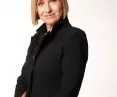
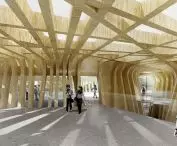
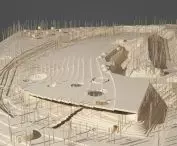
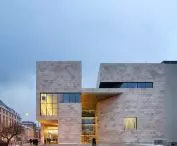
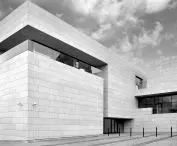
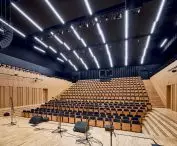
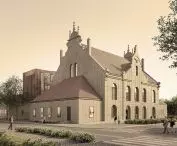
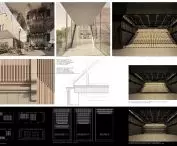

The SARP 2025 Honorary Award was given to an architectural and family trio from Krakow. Marek Kozień, Magdalena Kozień-Wozniak and Katarzyna Kozień-Kornecka, who have co-founded the Kozień Architekci studio for thirty years, were recognized for their outstanding architectural work, teaching achievements, scientific accomplishments and attitude. "This year's laureates are true role models for younger generations of representatives of our profession and the association," the statement reads. - reads the justification. What was their path like?
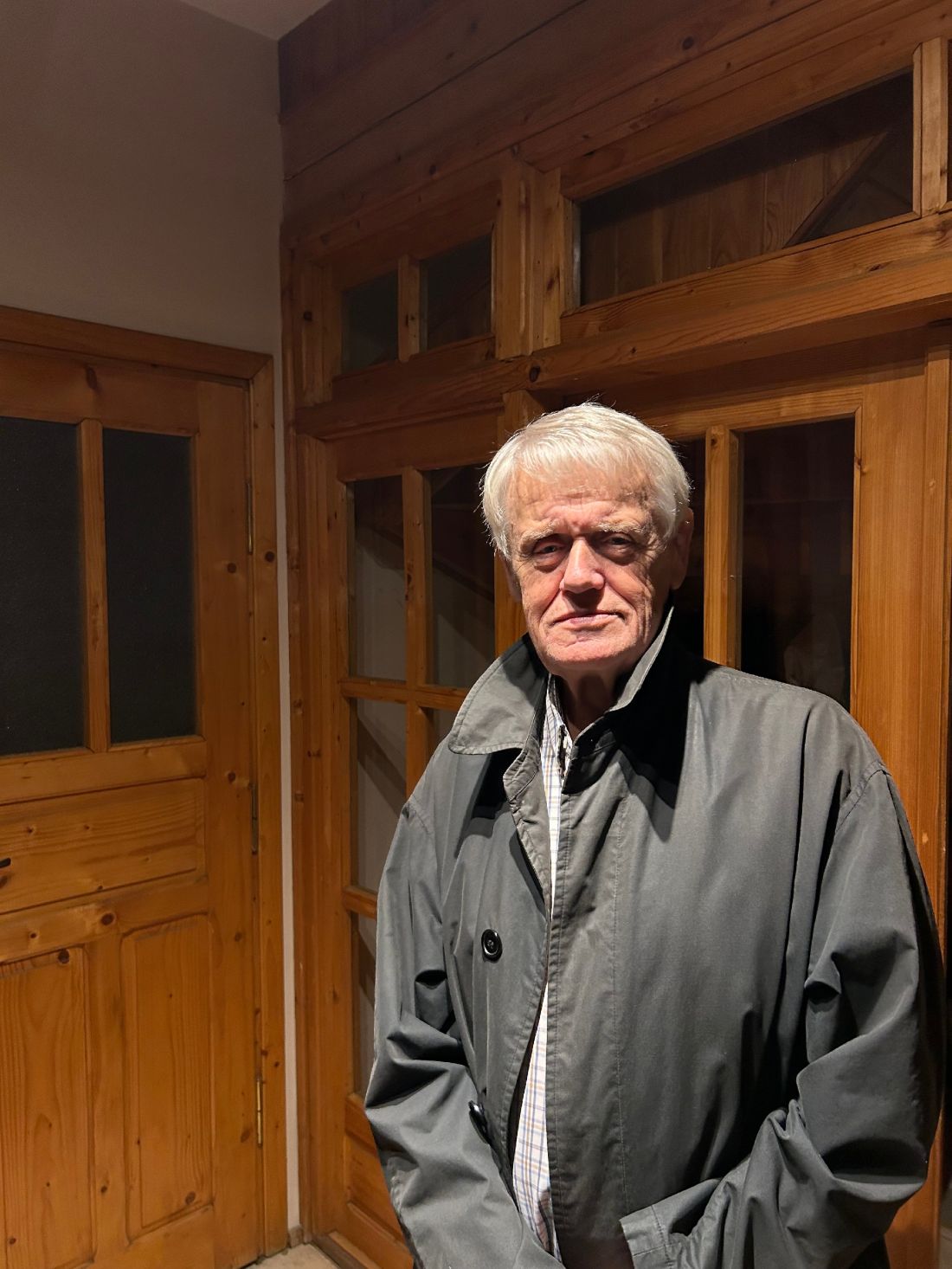
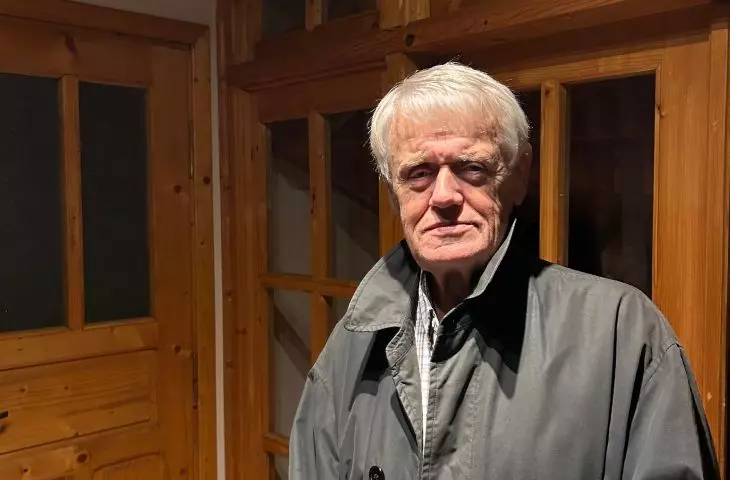
Marek KOZIEŃ - a graduate of the Faculty of Architecture at Krakow University of Technology, a long-time research and teaching employee of WA PK. Recipient of the Golden Cross of Merit, Golden Badge "For Social Work for the City of Cracow". Recipient of awards from the Minister of Higher Education and Technology, the Award of the City of Krakow for architectural work. He was chairman of the Review Committee at the SARP Krakow Branch, a member of the Branch's Competition Judges' Board, a long-time member of the Municipal Urban Planning and Architectural Commission in Krakow and the Municipal Conservation Commission.
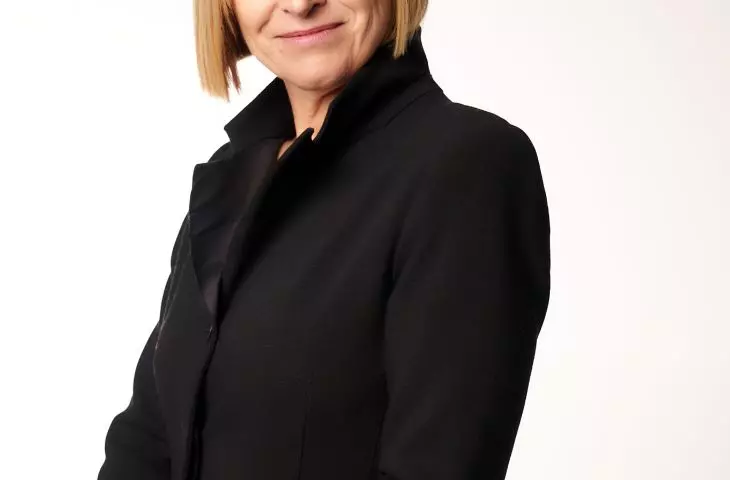
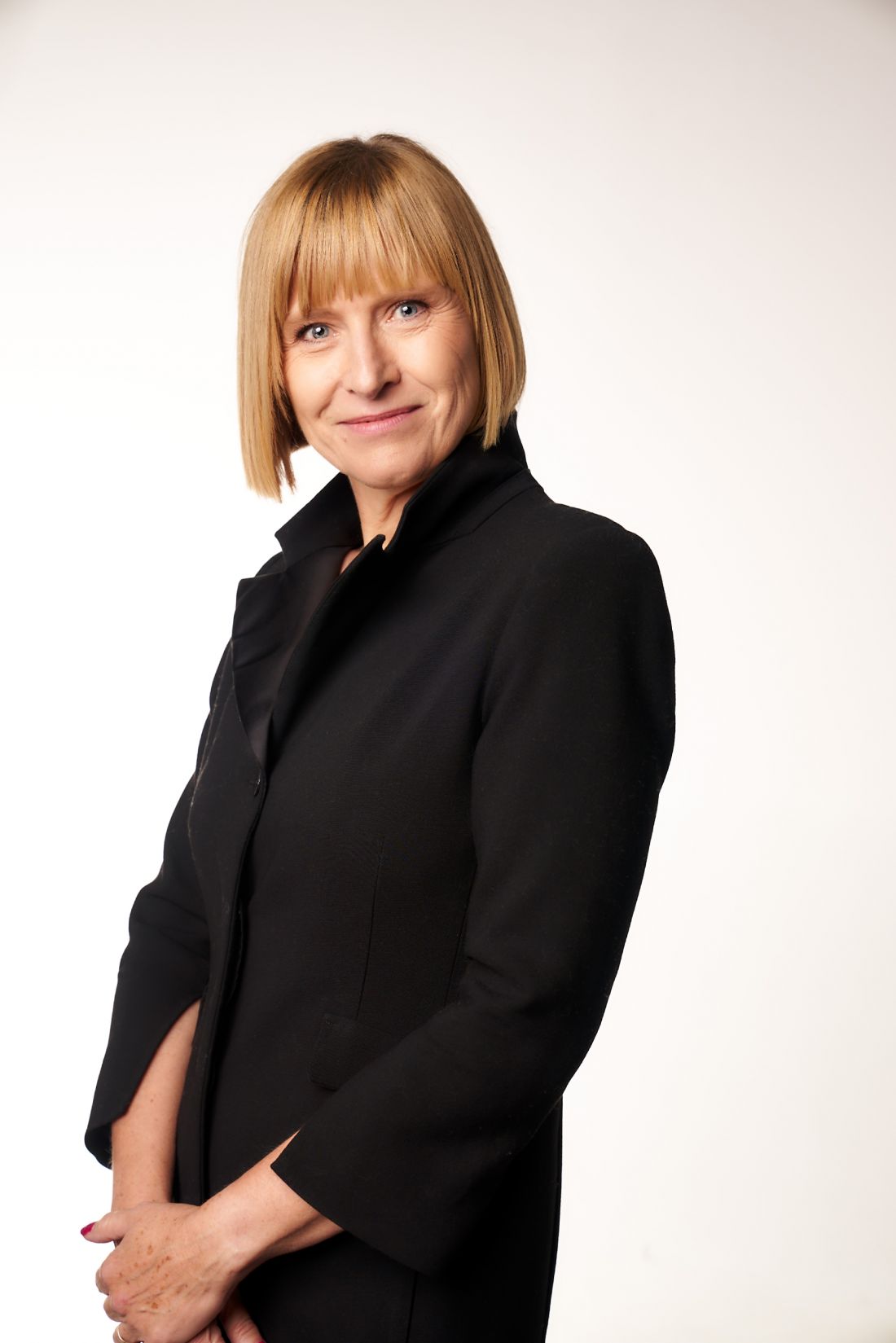 Magdalena KOZIEŃ-WOŹNIAK - graduate of the Faculty of Architecture at the Cracow University of Technology. Professor, dean and chairwoman of the Scientific Council of WA PK. Member of, among others, the Gdansk Architecture Council, the Committee on Architecture and Urban Planning of the Polish Academy of Sciences, the Municipal Urban Planning and Architectural Commission in Krakow, the Scientific and Technical Council for the Construction of the Metro in Krakow. She has been awarded the Silver Cross of Merit, the Gold Badge of the Cracow University of Technology and the Gold Badge of SARP.
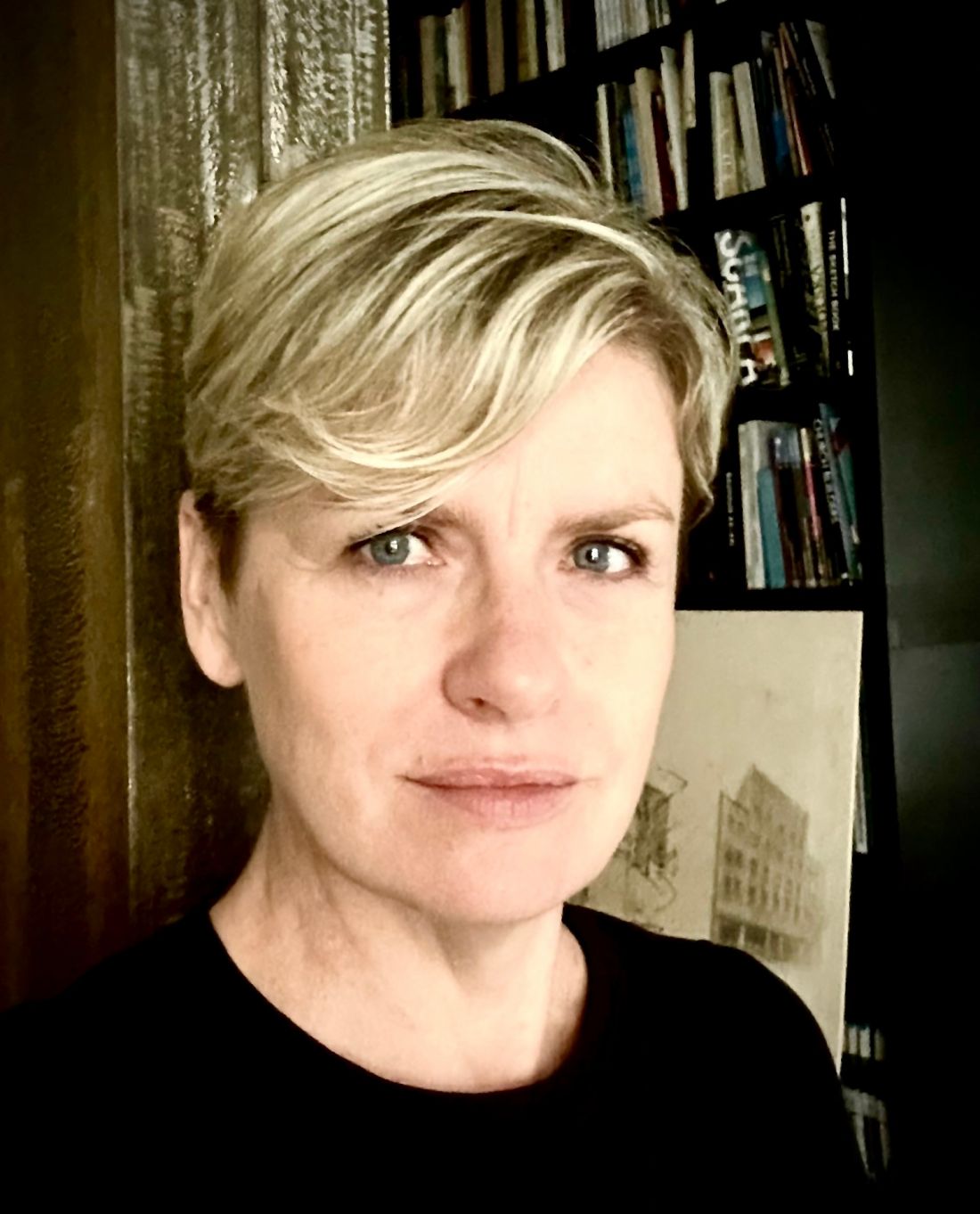 Katarzyna KOZIEŃ-KORNECKA - graduate of the Faculty of Architecture at the Cracow University of Technology. In 2003 she received the Creative Scholarship of the City of Cracow in the field of architecture. Since 1996 co-owner of the architectural studio Kozień Architekci. Since 2006 she is a member of the Malopolska Regional Chamber of Architects. Member of the Association of Polish Architects. Many times, as a member of the SARP Competition Judges College, she has served as a judge and referee in architectural competitions.
Wojciech Fudala: Mr. Marek, what were the beginnings of your professional path like?
Marek Kozien: I graduated in 1966, and right after that there was an opportunity to stay on at the faculty with my supervisor, Professor Witold Korski, co-founder of the Lodz Opera House and, by the way, winner of the 1990 SARP Honorary Award. Initially we were on a one-year internship together with my colleague Andrzej Kadłuczka, now a professor at the Cracow University of Technology. Later he went to Professor Wiktor Zin, while I stayed with Professor Korski, having already started teaching.
Wojciech Fudala: Did you work exclusively as a didactician then?
Marek Kozien: Throughout my professional life I was associated with the Faculty of Architecture at the Cracow University of Technology. I earned my doctorate there and became an assistant professor there. However, working as a didactician, a person must look for his place in the profession, because didactics alone does not develop architecture as a practice. One has to find a space where this profession can be realistically practiced. Over time, I learned that projects can also be carried out within the department. I participated in many competitions, mainly in Professor Korski's team, in this way I gradually matured as an architect. I also carried out many small commissions, such as designs for stores, small service outlets or small architectural forms. These were seemingly minor things, but they provided an important opportunity to learn how to function among contractors, principals and investors. It was a largely craft-based learning and gained, as it were, by the way, because my primary occupation remained the education of students.
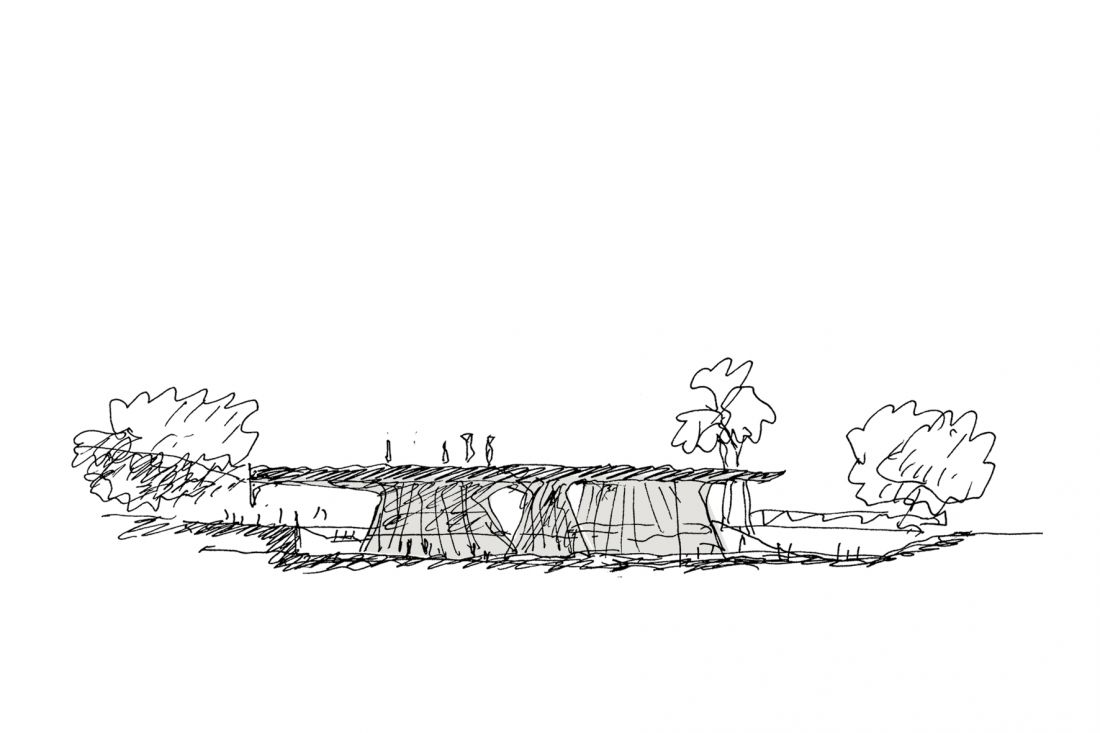
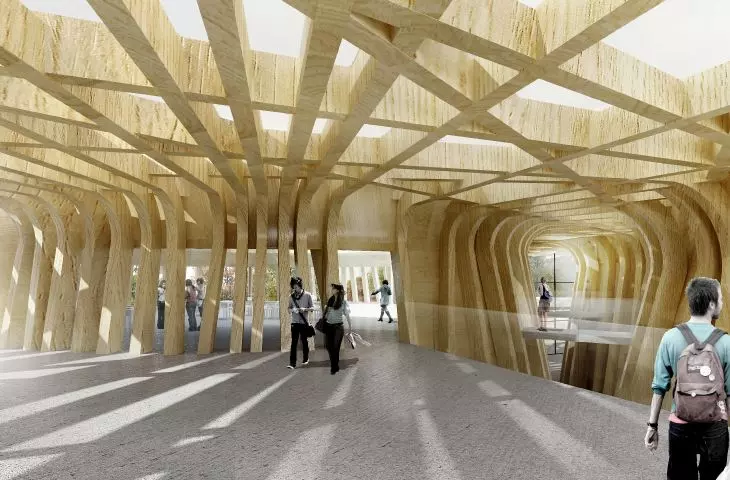
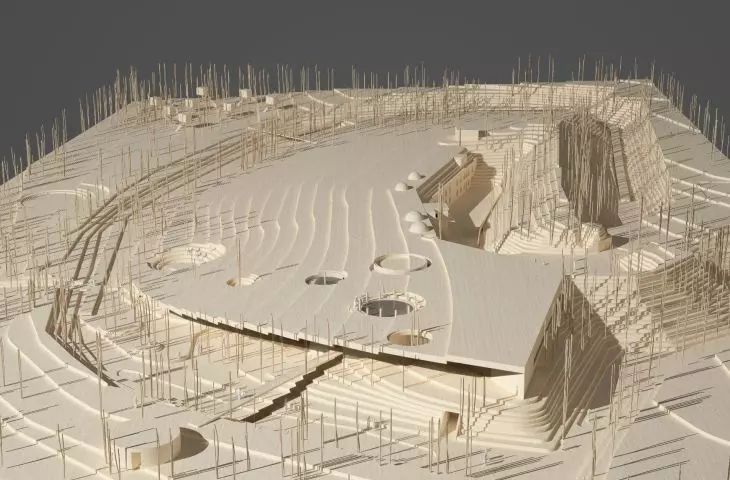
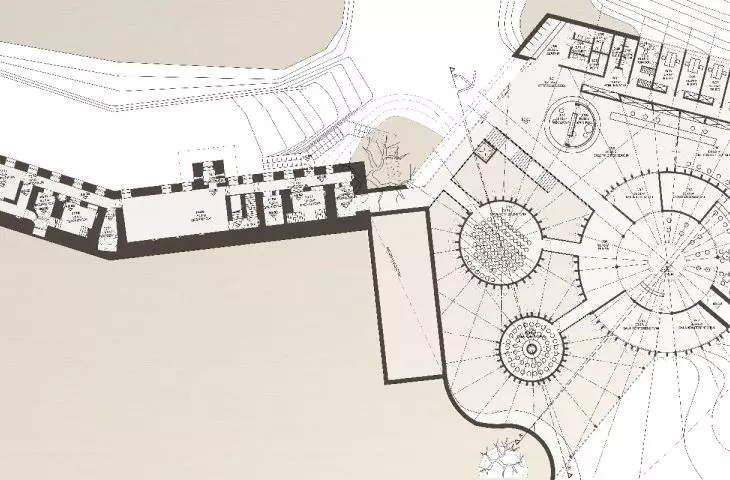
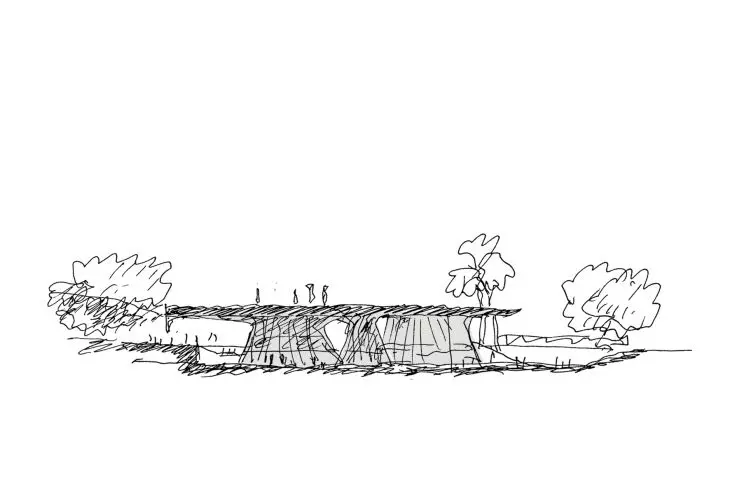
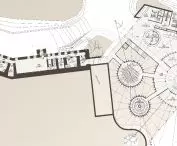
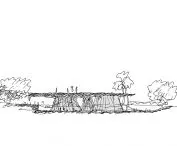
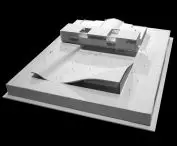
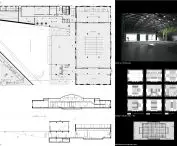
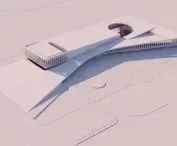
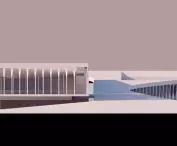
Museum of the Scout Movement at Fort No. 52 "Łapianka", Cracow, competition project (3rd prize): 2011
© Kozień Architekci
Wojciech Fudala: What did the close cooperation with Professor Korskigive you ?
Marek Kozien: He was a man with extremely broad interests. He dealt not only with architecture, but also with sculpture and medals. When I started working for him, he was finishing the realization of the Grand Theater in Lodz, designed together with his father Józef Korski. I, fresh from my diploma, was something of a companion to him. I traveled with him to construction sites, participated in supervision and helped technically. This allowed me to observe the entire project cycle, to learn what it was all about and how to get there. In retrospect, I think it was a complement to my studies and an excellent introduction to the profession.
Wojciech Fudala: Did your father in any way influence you in your choice of profession?
Magdalena Kozien-Wozniak: We always treated this decision as our autonomous one. There was never any persuasion, suggestion or encouragement from our parents, instead there was a very natural encouragement arising from everyday life. Since we were children we were in contact with various commissions, which Dad, already as a mature architect, carried out in teams with Jan Rąty, Wiesław Glos and the aforementioned Professor Korski. Although they were working within the Visual Arts Studio at the time, in reality the work took place at home.
Marek Kozien: It's important to remember that in the 1970s the model of work was completely different than today. Everything took place in private, small studios, and we had such a studio in an apartment. Downstairs were the rooms where we and the children lived, upstairs was the studio, where we sat and worked from early afternoon until late at night, sometimes until the last streetcar going to the center. We drew, of course, in conditions that were far from sterile. Drawing tables stood in the main area, and children sat next to them and watched everything from the side.
Magdalena Kozien-Wozniak: The house was, in a sense, connected to the studio, so you could say we grew up in it.
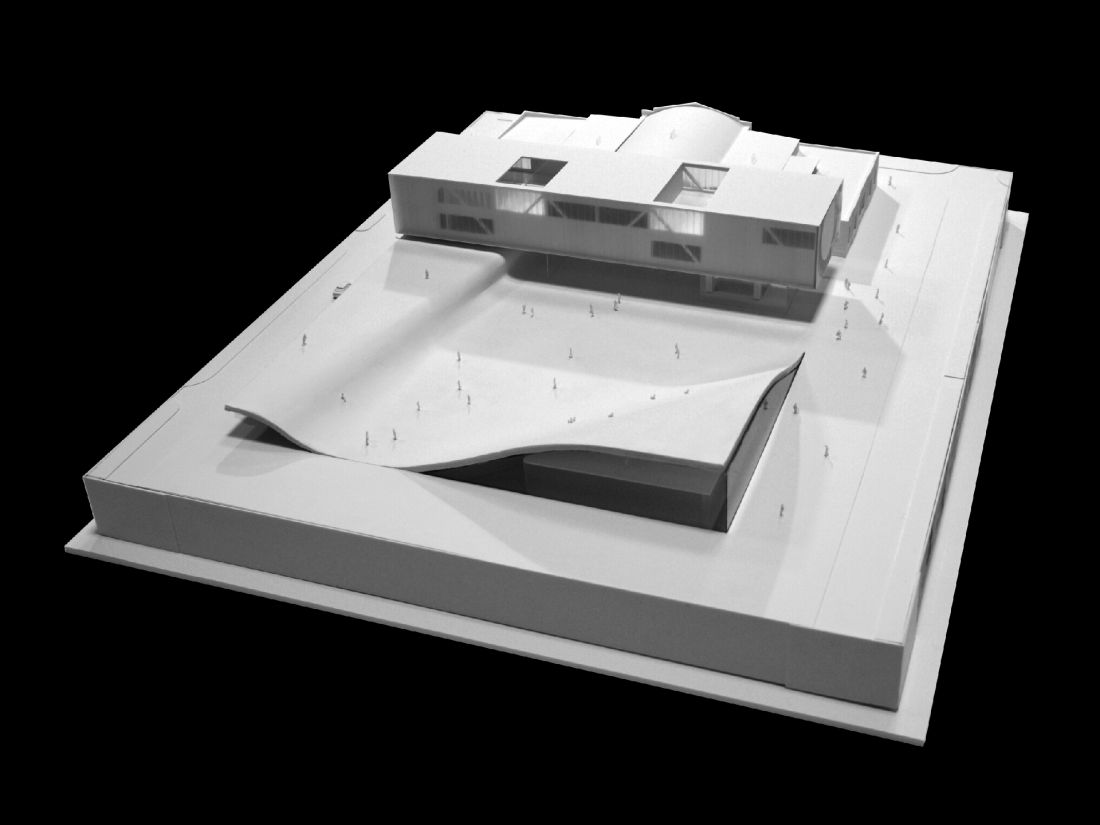
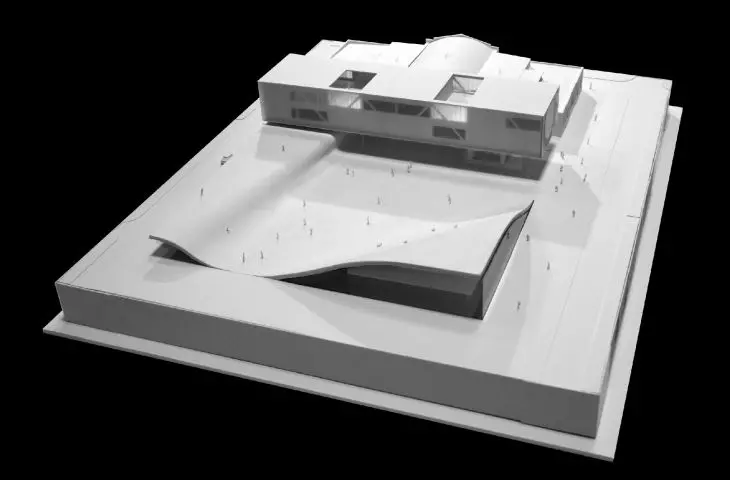
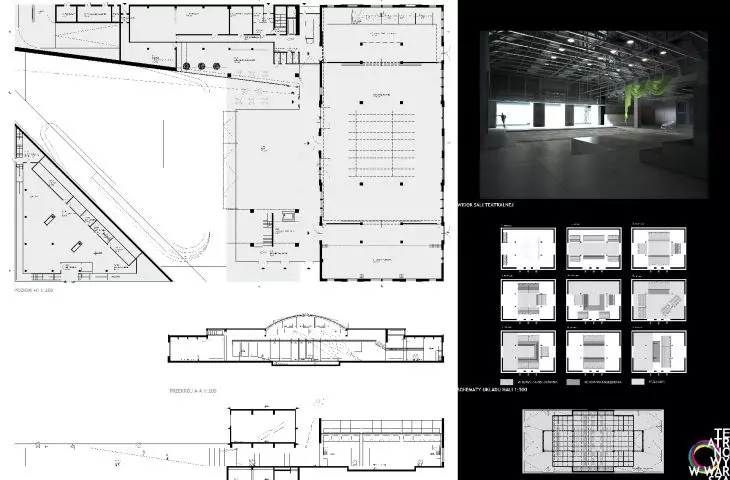
New Theater, Warsaw, competition project (1st prize): 2009
© Kozień Architekci
Wojciech Fudala: So it is natural that you decided to follow your father's path.
Magdalena Kozien-Wozniak: The love for the world of architecture took root in us very deeply. At home there were a lot of books, albums, literature. We looked at them, we read a lot. I was particularly interested in archaeology.
Marek Kozien: I would also add that it was always a child-friendly home. Drawing was not forbidden here, even on the walls.
Magdalena Kozien-Wozniak: Today, when I look at it, it's hard for me to imagine that you could draw on the walls and that it was all so natural.
Marek Kozien: It wasn't until the second half of the 1980s that the possibility of establishing an author's studio called the Academic Architecture Studio appeared. It was formed by an independent team of architects, with me as the general designer, with Jan Rąty and Ryszard Aleksandrowicz in charge of administrative management. As part of this team, we carried out a project for an opera house in Krakow, which was to be built at the Grunwald traffic circle, where the ICR Congress Center stands today. The project was already well advanced, and in the late 1980s we even entered the construction site, beginning preparations for implementation. Suddenly, however, came the crisis accompanying the changes in the political system, and the project collapsed, even though it was almost ready for implementation. For the needs of the Academic Architecture Studio, we had already rented a special large studio. The home office was no longer so intensively used then, but it always existed.
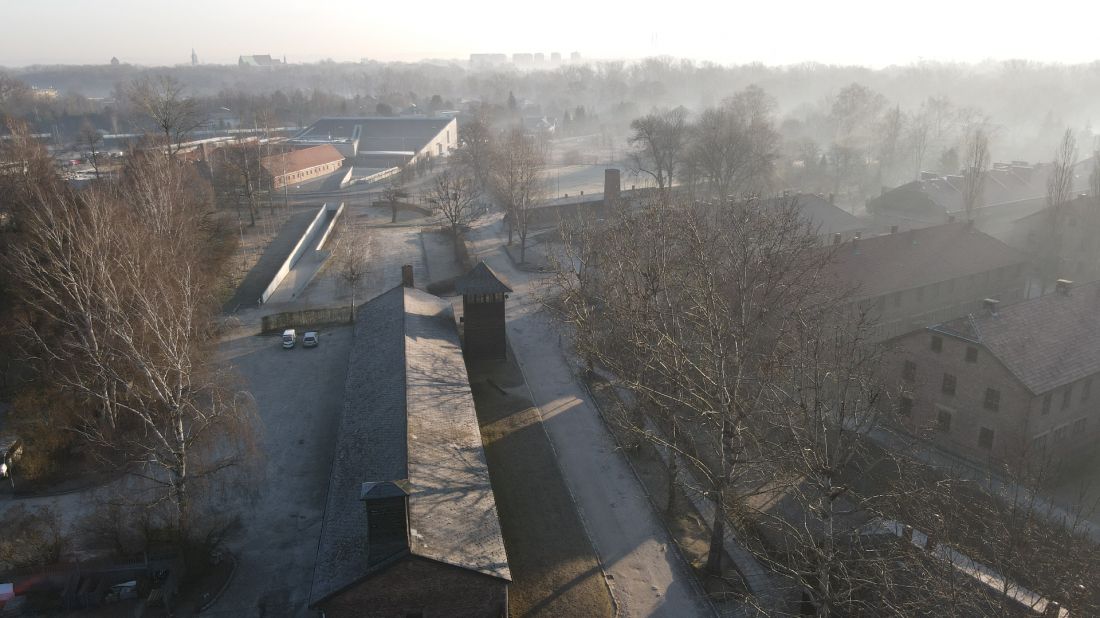
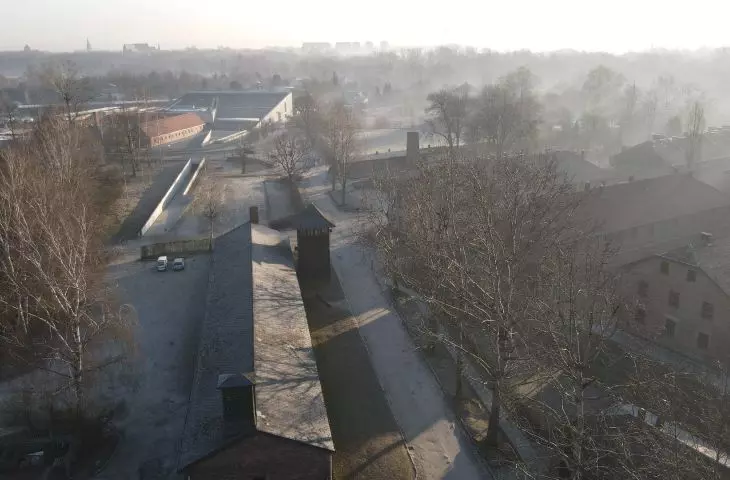
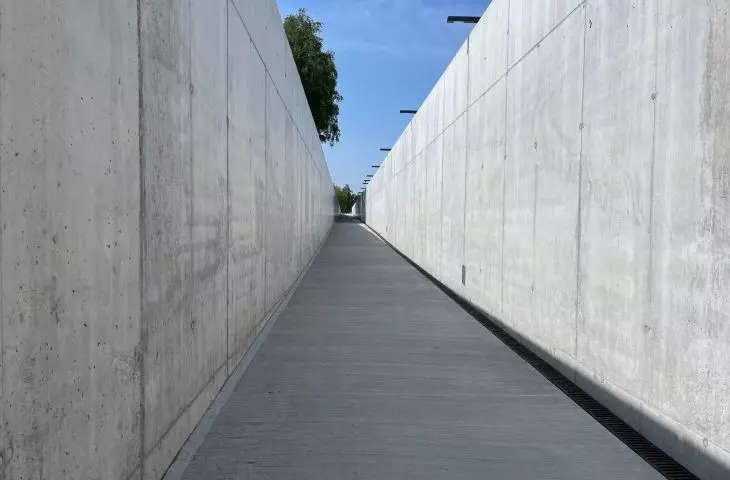
Visitor Service Center of the Auschwitz-Birkenau State Museum, Oświęcim, competition project (1st prize): 2010
© Kozień Architekci
Wojciech Fudala: Your authorial studio Kozień Architekci was founded in 1996. How did it come about ?
Magdalena Kozień-Wozniak: When Kasia and I were entering the profession, while still in college, my father and I competed in competitions. The first competition was Radio Krakow, in which we received an honorable mention. We thought then: "Since we succeeded now, why don't we try again?". The next was a contest for Radio Koszalin - we won it. And since we won, it was necessary to set up a company and implement the project. Radio Koszalin became our first serious order.
Katarzyna Kozien-Kornecka: At the time, Father's Academic Architecture Studio was still functioning. Although the subject of opera ceased to exist, other major works were being carried out, such as the project for the revaluation of the Słowacki Theater. We, with Magda, established our own company in 1996 as a completely independent business. Thus, at that time, two studios were operating in parallel - Kozień Architekci and Akademicka Pracownia Architektury. At some point, however, we asked my dad to work with us and not with that team. Thus, the company returned to the apartment.
Magdalena Kozien-Wozniak: Sometimes I wonder what would have happened if we hadn't won that competition back then. Everything could have turned out completely differently. Maybe we would have worked at the Academic Architecture Studio together with my father, or maybe we wouldn't have worked together at all. Maybe we would have traveled the world?
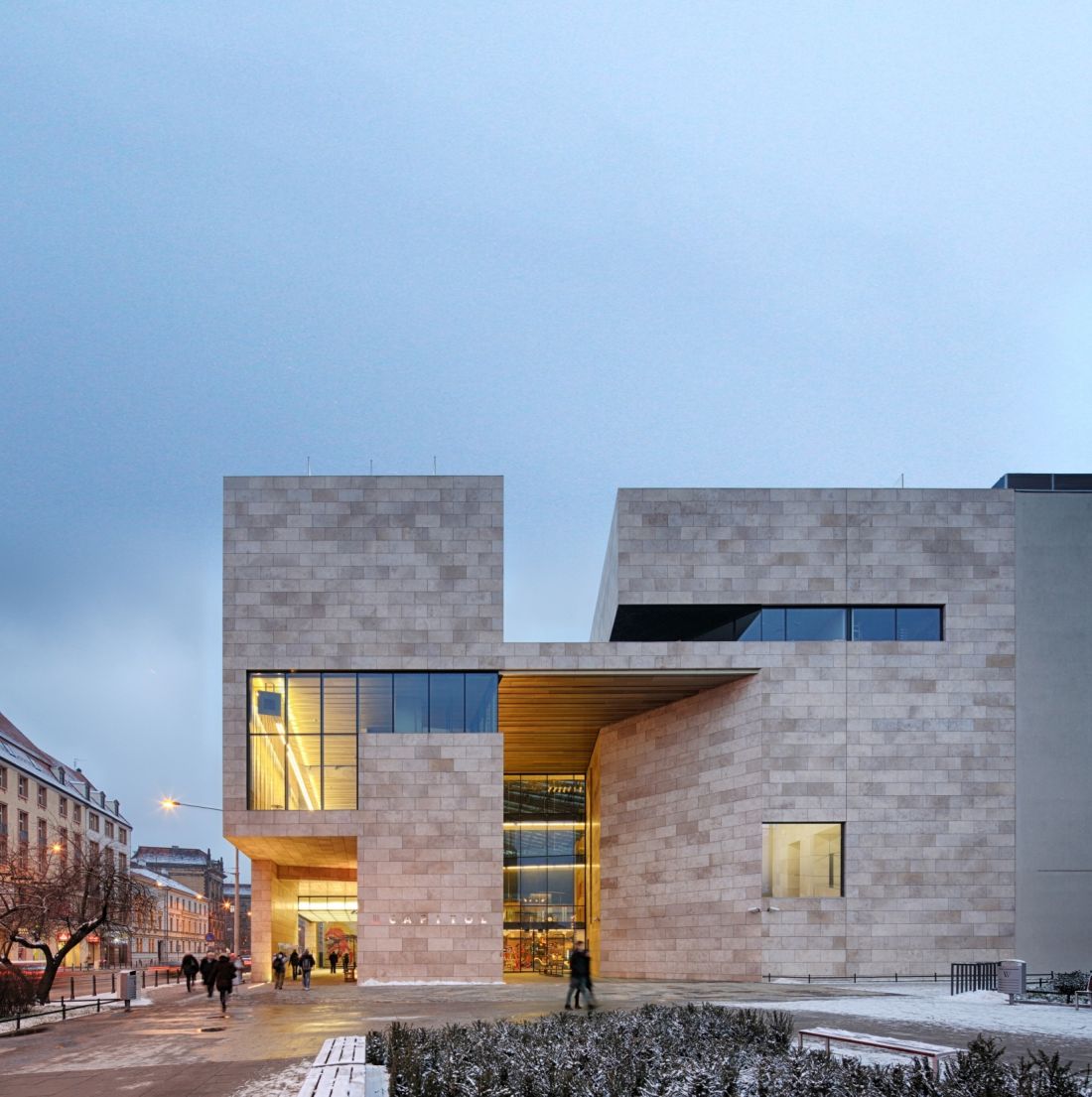
Capitol Musical Theater, Wroclaw, competition project (first prize): 2005
ot.: Bartosz Makowski
Wojciech Fudala: The realizations crowned with the SARP Honorary Award prove that it was worth it. And did you and your fatheralways get along well in your design work ? Was there no conflict of generations?
Katarzyna Kozien-Kornecka: We were young, but we understood how much we needed his experience. We were both just out of college at the time, and without his support we would not have been able to realize the buildings. We badly needed experience and inspiration, and our father, as a didactician, was fascinated by the thinking of young people and simply wanted to teach us a trade. Such a combination of forces proved to be very valuable.
Magdalena Kozien-Wozniak: There was no conflict here in the family sense. If there was a rebellion, it was only a creative, intergenerational rebellion of different design attitudes.
Katarzyna Kozien-Kornecka: It was a mutual creative rebellion. Sometimes we rebelled, sometimes dad rebelled. This often happens when young creative thinking clashes with experience, but this is what built the quality of the projects.
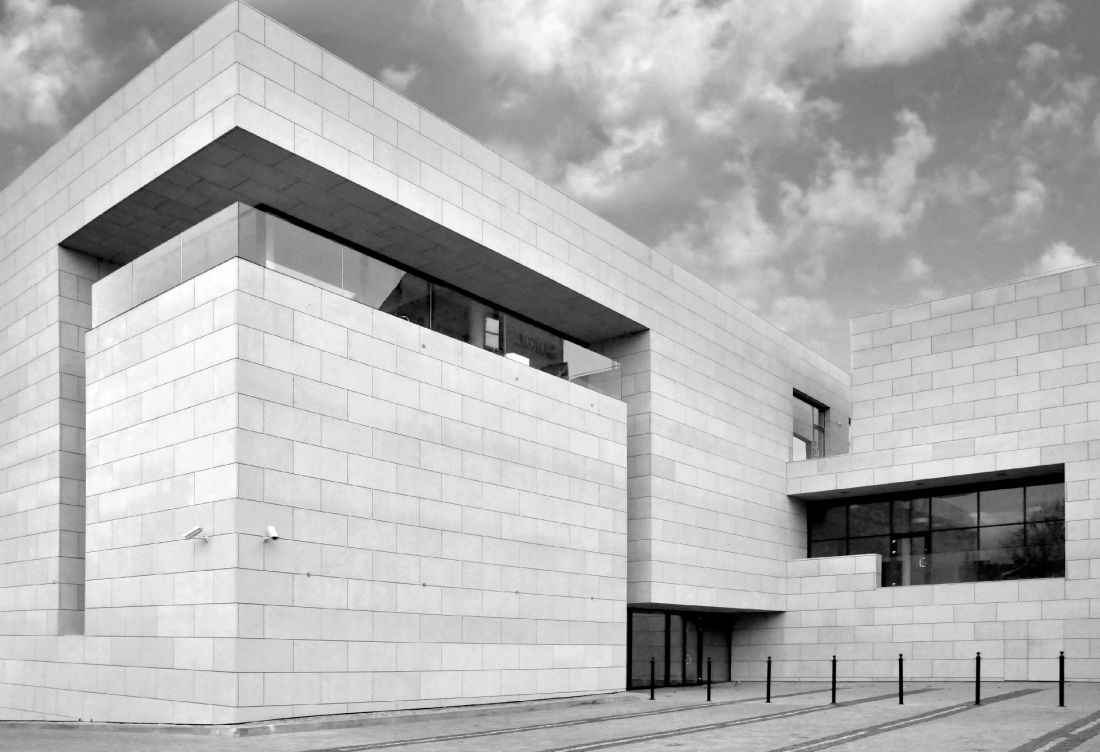
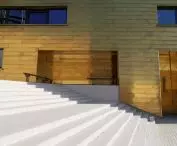
Gallery of Contemporary Art at MCK "Sokol", New Sącz, realization: 2010
© Kozień Architekci
Wojciech Fudala: How do you acquire orders?
Magdalena Kozień-Woźniak: In principle, all of our larger projects, such as the National Museum of the Przemysl Region in Przemyśl, the Auschwitz-Birkenau Visitor Service Center or the expansion of the Capitol Musical Theater in Wroclaw, are the result of competitions.
Wojciech Fudala: Are competitions today still a good career path for young architects? Is it worthwhile to competein them ?
Marek Kozien: I can say that I was brought up on competitions, because as young teaching staff we had no other chance to appear on the market. Within the Visual Arts Studio, we only had access to small commissions; competitions gave us a chance to finally start designing something full-scale.
Magdalena Kozien-Wozniak: The profession requires years of learning and gaining experience. This can be done in various ways, and one of them is just entering competitions. Equally valuable is practice in studios, as well as travel. We did not have the opportunity to travel the world or work in foreign offices. Today, a young architect has a huge advantage over his older colleagues in this regard. What remains unchanged, however, is that this profession requires patience.
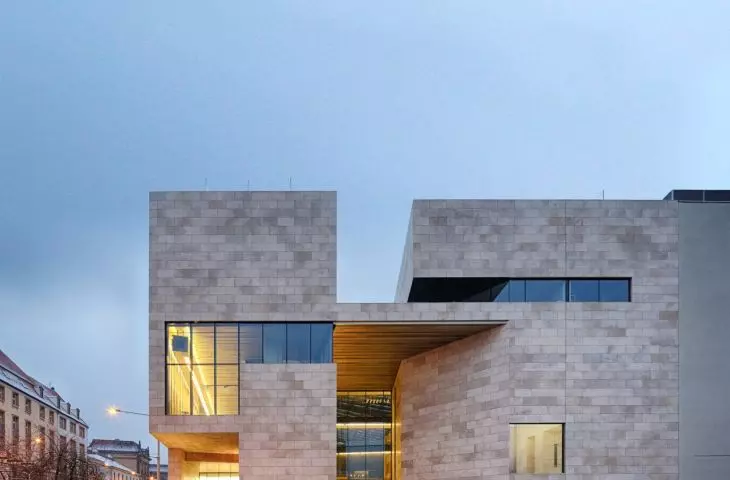
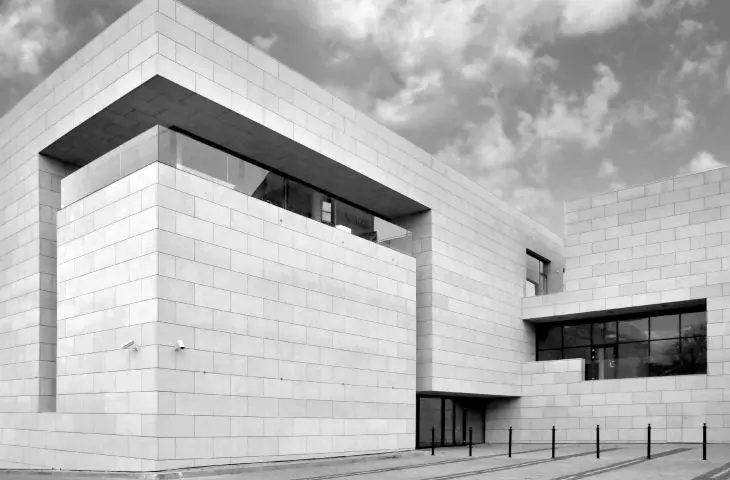
Wojciech Fudala: Let's now turn to your projects. Kozien Architekci studio is known for its very recognizable style. You like to play with form, the buildings are very geometric , and you often use stone as a finishing material . Is this "recognizability" intentional?
Magdalena Kozien-Wozniak: I would call it a kind of "creative attitude". I think it all started already with the project of the National Museum of the Przemysl Region. This is the first project of this nature, the previously mentioned Radio Koszalin, however, was designed according to other principles.
Katarzyna Kozień-Kornecka: This "playing with form" and assembling solids started at the National Museum of the Przemysl Land, which was designed on a model. Subsequent realizations grew out of the need to explore geometry and express ideas and thoughts through it.
Marek Kozień: However, it should be emphasized that our projects have always also been characterized by a very good functional solution. On the occasion of winning competitions, we often encountered the jury's opinion that we didn't win just because of our attractive form, but because the designs were extremely coherent. They had a very strong architectural expression and, at the same time, a great spatial-functional discipline. It was the spatial arrangement that always became the impetus for building the form.
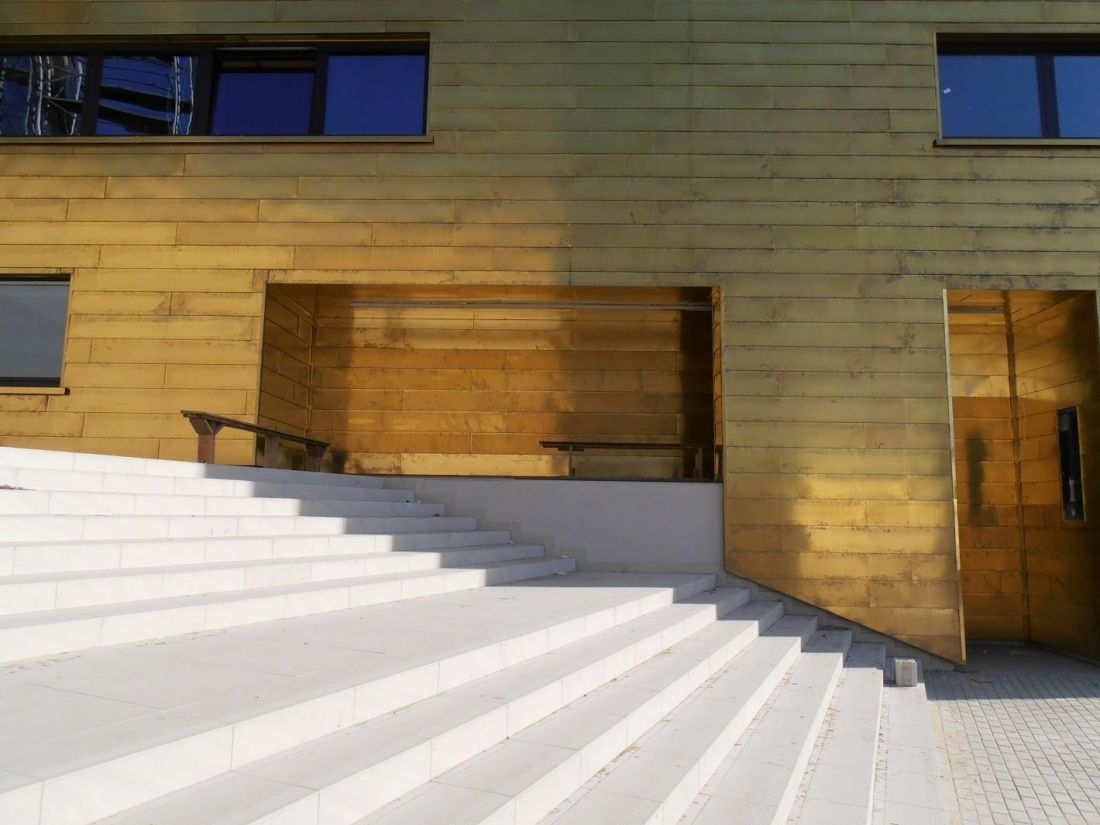
Extension of the State Higher School of Theater Arts, Wroclaw, competition project (1st prize): 2007
© Kozień Architekci
Magdalena Kozień-Wozniak: With us, these two things were always developed in parallel. Certain spatial-functional arrangements created guidelines for the form, and then this form became a tool for further shaping of the space. We believe that function is not just a two-dimensional guideline. It is also relationships, connections, heights and spatial sequences. Most often we design public buildings, and they offer great opportunities for complex handling of form to build functional-spatial relations.
Katarzyna Kozien-Kornecka: Many of our projects are also reconstructions and extensions of existing buildings. In the case of the State Higher School of Theater Arts in Wroclaw, shaping the form was not about sculpting a block from scratch, but rather "surrounding" the existing form with a band of new architecture.
Magdalena Kozień-Woźniak: The BWA building in Nowy Sącz, on the other hand, was being built in the very center of the city. This intervention was formally very radical, while at the same time it was a conscious response to the context. Despite its abstractness, it resulted precisely from the conditions of the place.
Katarzyna Kozien-Kornecka: As for the stone on the facades: very often this stone was originally supposed to be concrete. However, it ended with stone, because both users and contractors preferred stone.
Wojciech Fudala: You have an office in Cracow, but all ofyour realizations were made outside this city. What is the reason for this?
Magdalena Kozień-Woźniak: It's simple. We have not won any competitions in Cracow, although we have competed in several. We won third prize in the competition for the ICE Conference and Congress Center, as well as third prize in the competition for the Music Center at Błonia. However, we never managed to realize anything. We also have to admit that we chose such topics that suited us, i.e. cultural facilities. These are not buildings that you put up on every corner, so we looked for where themes that were interesting to us appeared, regardless of the location.
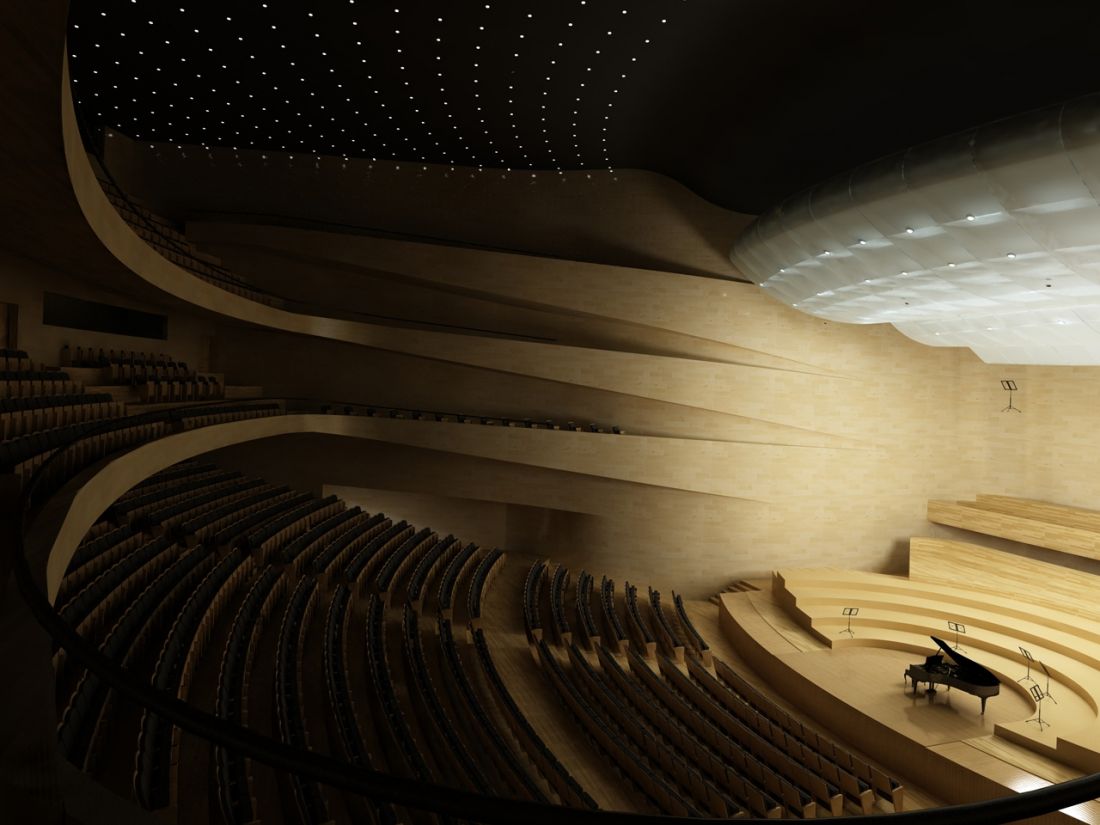
Congress Center, Krakow, competition project (third prize): 2007
© Kozień Architekci
Katarzyna Kozień-Kornecka: We were quite lucky in that we started with objects that were really interesting, which from today's perspective may seem very elaborate. When we started our work, everything was based on our father's knowledge gained from designing the opera house. Thanks to this, and thanks to many years of cooperation with Professor Korski, he had a great deal of experience with theater architecture in terms of acoustics, knowledge of the relationship between the spectator area and the backstage area, awareness of the existence of certain elements and their interrelationships. The fact that today we are engaged in such architecture is the result of many years of passed experience.
Wojciech Fudala: How does your work look logistically? Does the author's supervision far from Krakow not take its toll on free time?
Magdalena Kozien-Wozniak: I think we inherited from the older generation the specificity of perception of time and work itself. During the period of political transition, we worked a lot, and I sometimes have the reflection that we fought to get out of that system precisely in order to be able to work differently. Today people talk about work life balance, but this is in a way bought by hard work in the 1990s, a generation that got its chance and wanted to make the most of it.
Katarzyna Kozien-Kornecka: We worked twelve hours a day on Saturdays and Sundays. I had a guilty conscience when I wasn't at work on Sunday. We were workaholics, but workaholics with passion. We went to work with enthusiasm. That's probably why the long commute doesn't bother us at all today.
Marek Kozien: When we realized Radio Koszalin, three of us drove to the construction site. Each of us drove for several hours at a time, and the commute took a lot of time, because in the late 1990s there were still no roads like today. Sometimes we drove to Koszalin in a day, were on supervision and returned to Cracow.
Katarzyna Kozien-Kornecka: Today we drive to the Philharmonic in Bydgoszcz. As with Przemyśl, it takes six hours one way to get there. We get up at five in the morning, go to supervision and come back. It goes like this.
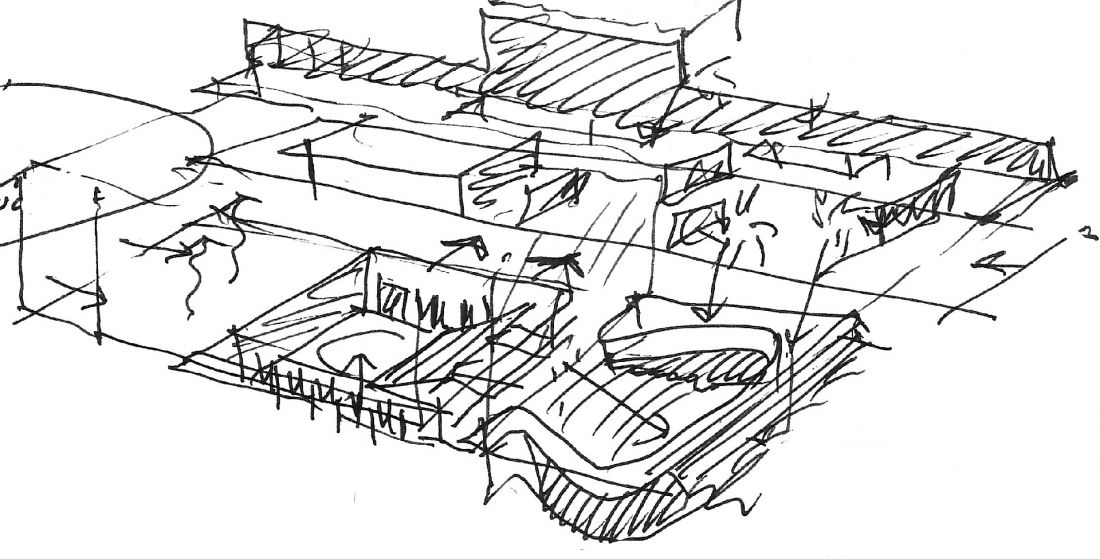
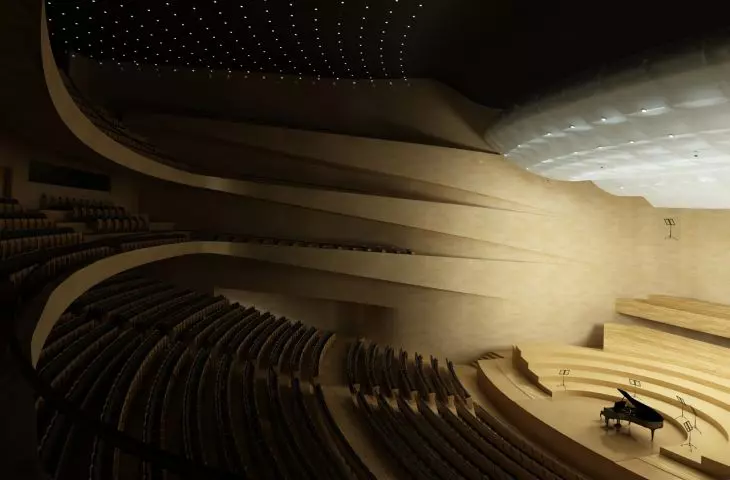
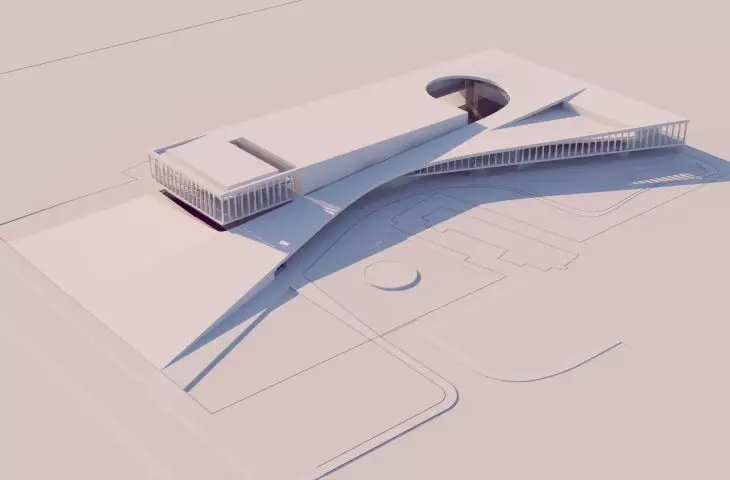
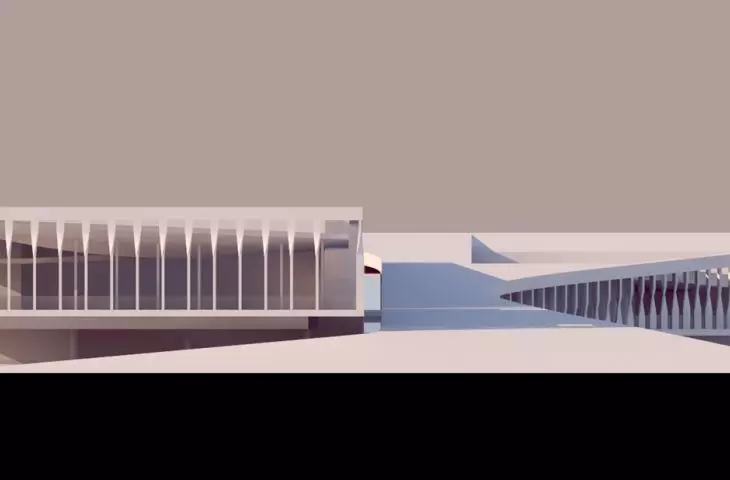
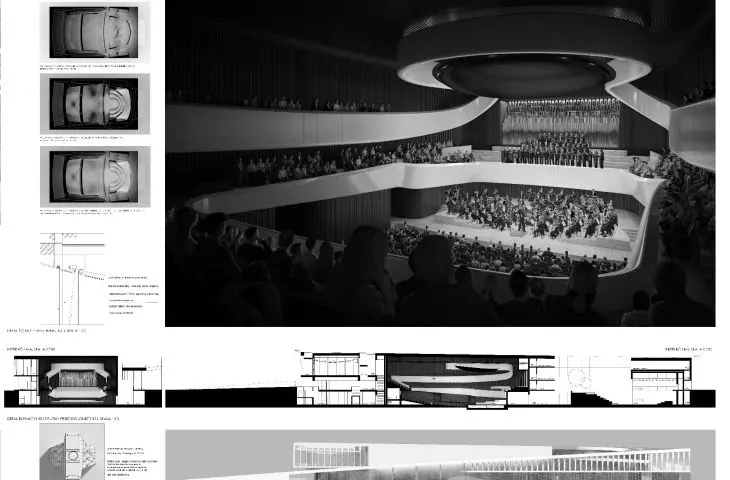
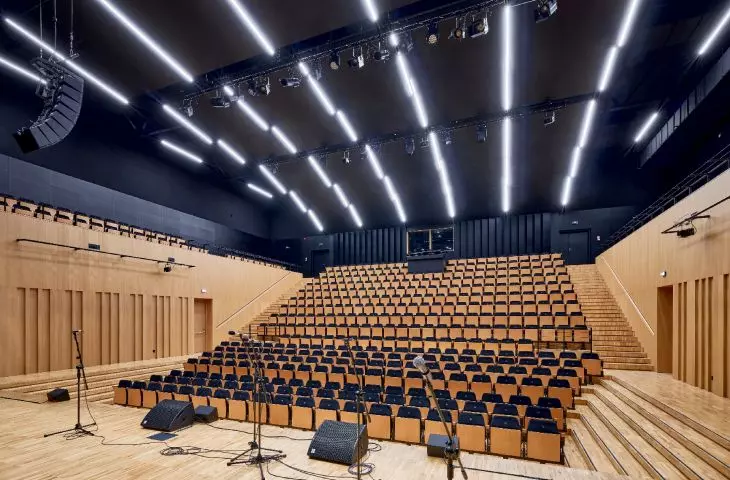
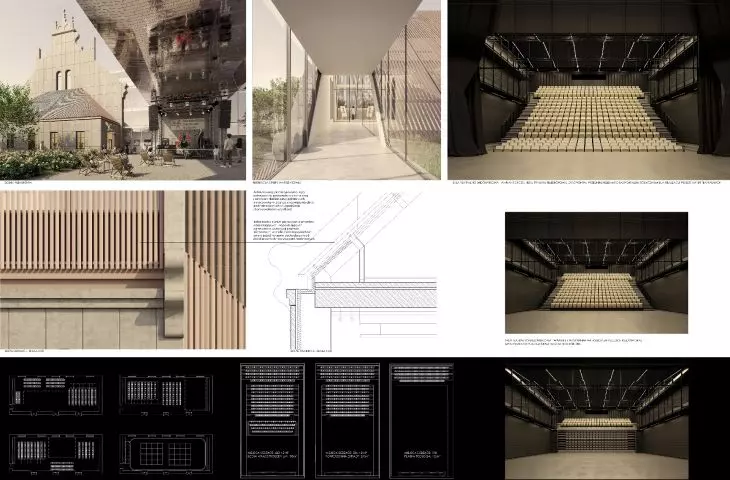
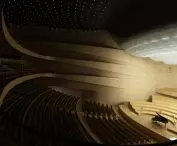
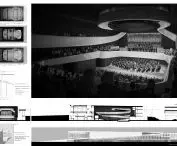
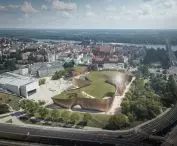
Ignacy Paderewski Pomeranian Philharmonic, Bydgoszcz, competition design (first prize): 2019
© Kozień Architekci
Wojciech Fudala: In addition to your practical experience, you are also associated with didactics. If you had to point out one thing that architecture students should take from classes with you, what would it be?
Magdalena Kozien-Wozniak: This is a very difficult question, if I am to answer honestly, first of all I expect students to think creatively. Contrary to appearances, it is not at all obvious, because young people after high school have a problem with opening their minds and believing in themselves.
Marek Kozien: Studying architecture is not about just learning something or learning to draw. The essence is to learn to use your own creative invention. Students acquire design knowledge so that they can use it creatively and innovatively.
Magdalena Kozien-Wozniak: Today's climate crises, migration crises, war or pandemic have made us even more aware of the need for creative thinking. The world is changing, and so are the needs. Established architectural types are no longer enough. Added to this is technology along with artificial intelligence. Suddenly, office buildings are largely unnecessary because you can work from home. If we go back to offices, it's to meet and have coffee, not to work. That's why we need architects who understand that everyone is special and that as an architect they will create in response to the changing world.
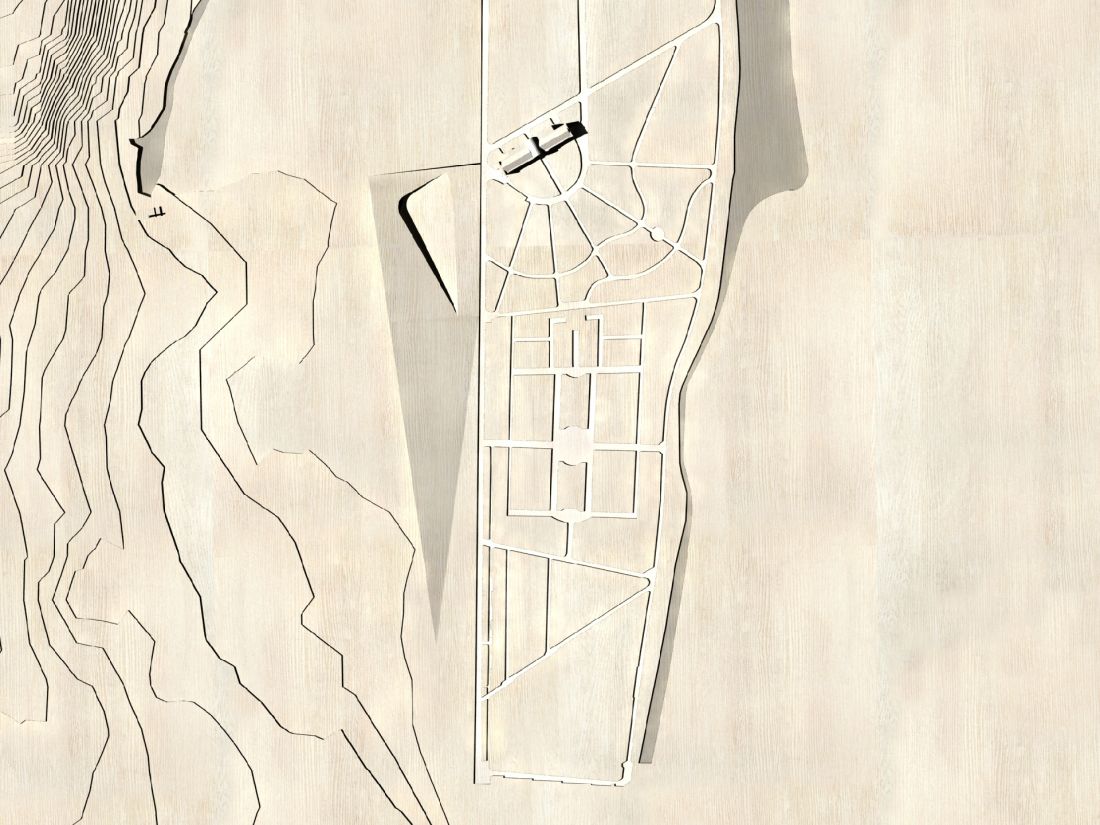
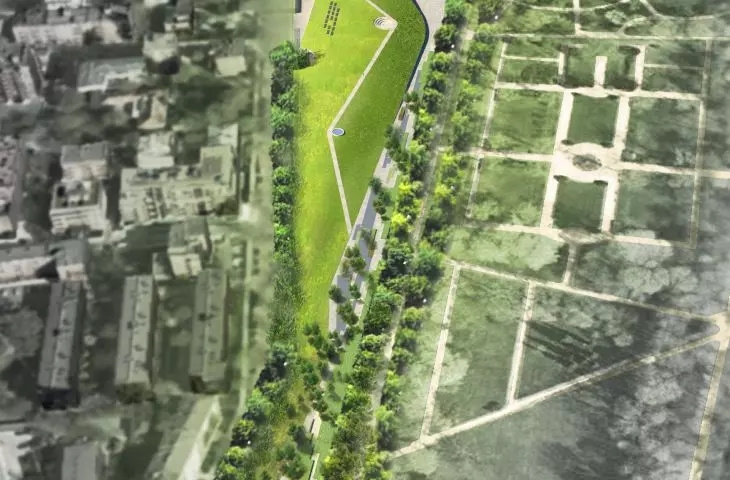
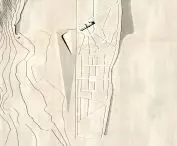
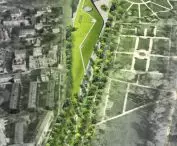
Garden of the 21st Century at the Royal Lazienki Museum, Warsaw, competition project (honorable mention): 2013
© Kozień Architekci
Katarzyna Kozień-Kornecka: Our design for the Visitor Service Center in Oświęcim looks just like this, because it was created in a very specific spatial and historical context. It is an awareness of the place, and it is difficult and sad.
Magdalena Kozien-Wozniak: Students learn how to become aware of places. Architecture is always contextual, it must respond to the place, the purpose and the character of the surroundings.
Marek Kozien: Every city is different and every place is different. Every user is different, with different needs and goals. This all overlaps and requires the architect to be able to understand and respond to these differences. If there was no context, architectural studies would be unnecessary. It would be enough to make one set of projects and "seal" the entire country with them. Context is key: historical, spatial and cultural.
Wojciech Fudala: We are meeting on the occasion of theSARP Honorary Award , so I would like to ask you about the Association of Polish Architects itself. You are its members. When and why did yousign up for SARP?
Marek Kozien: I signed up in order to have contact with the environment in which I function. Without this, a person would be like a lonely
sailor sailing on the great ocean, who doesn't really know what's going on around him. And the basic thing, however, is to be aware of the fact that one lives in a certain environment, in a specific place and in a certain cultural zone.
It was also a matter of prestige for me. I don't know how it is today, but back then, SARP membership was a form of ennoblement. By joining SARP, I was able to meet people I had previously known only by their names and realizations. Architects who already had a huge body of work. It was a kind of club, in the best sense of the word.
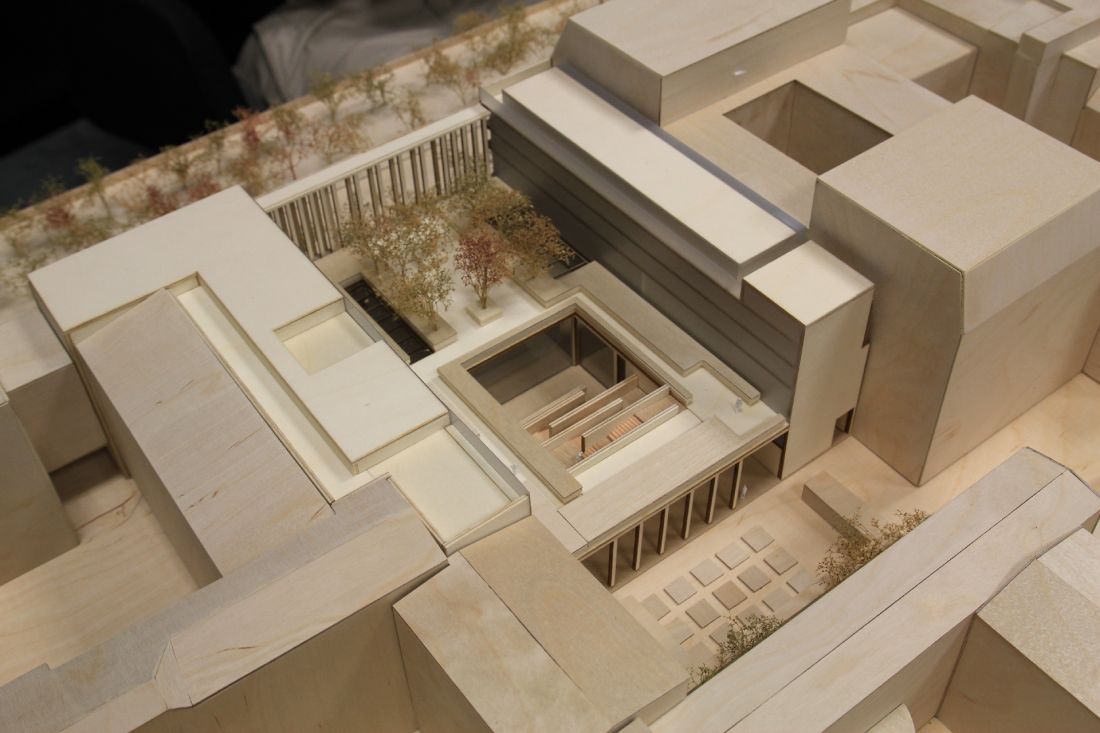
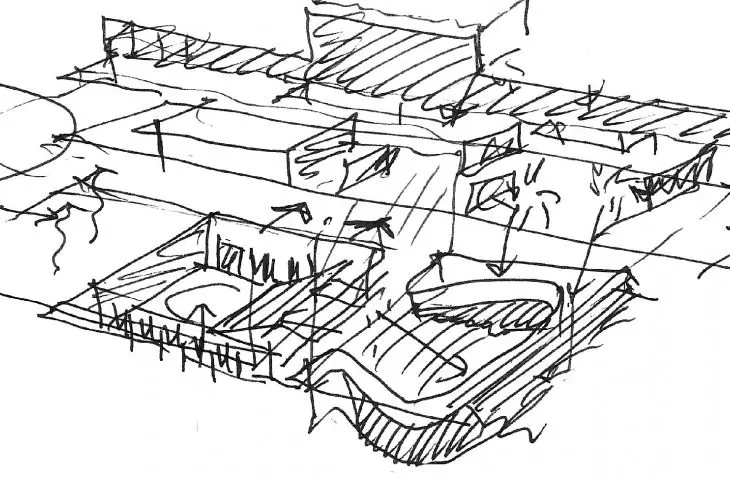
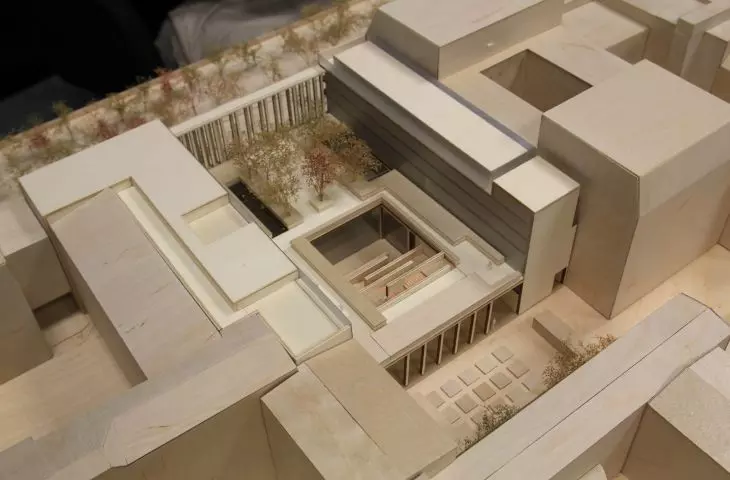
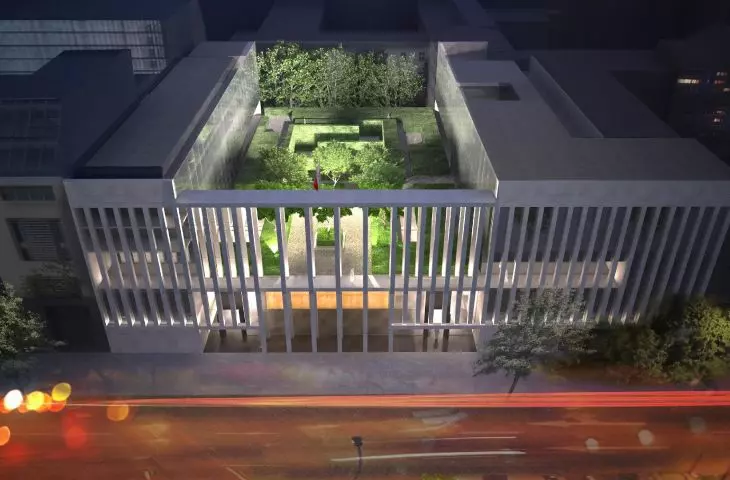
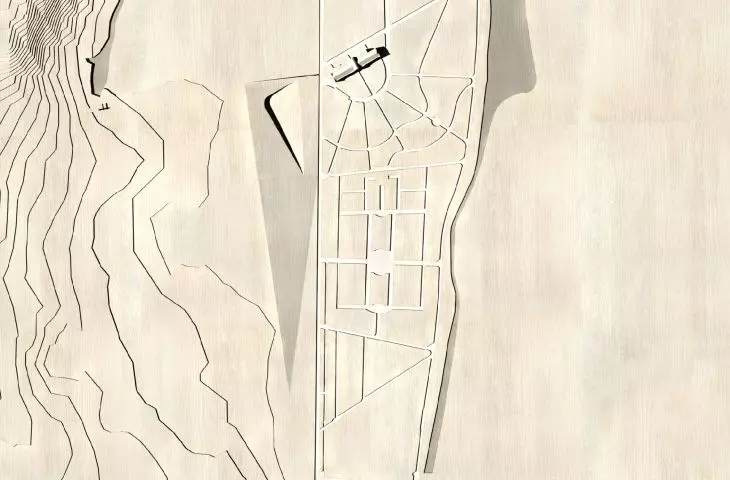
Embassy of the Republic of Poland, Berlin, competition project (honorable mention): 2012
© Kozień Architekci
Magdalena Kozien-Wozniak: I've always been a community person. For me it was natural to be in the environment, to meet people, to participate in professional life. My first impulse, however, was very practical. Professor Wojciech Bulinski, the dean of our faculty, under whom I wrote my master's and doctoral thesis, was associated with the organization of competitions. In the mid-1990s, he was to be involved in a competition for the Polish Embassy in Berlin. A secretary for the competition was needed, and naturally it fell on me, because I was something like an assistant professor "for everything." There was one condition: I had to be a member of SARP. So I was signed up and actually immediately thrown in at the deep end. Suddenly I found myself among presidents, professors and the most prominent figures in Polish architecture.
Wojciech Fudala: How do you look at today's SARP and its functioning?
Magdalena Kozień-Woźniak: SARP found itself in a completely new situation when the Chamber of Architects was founded. The Chamber has an official character , and in order to be an architect, you have to be a member. SARP, on the other hand, has a more social , community, social character. In its nature, it should care about the quality of architecture and space. It functions in the role of an organization that prepares competitions, gives opinions on spatial solutions and speaks in the debate about the city.
Marek Kozien: I look at it from a different perspective. When I entered the profession, there was no Chamber of Architects. There was a Chamber of Engineers that brought together designers and builders. SARP was the only institution that grouped architects. Later there were organizational, legal, administrative changes. And all of a sudden the Chamber became crucial from a formal point of view, and SARP began to be seen as something extra. There was no longer a real need to belong to SARP. I'm out of the market now, so perhaps it looks different today, but when I ended my active association with SARP, it was clear that its role had been relegated to that of a discussion circle. You can meet and talk, but the real impact on the space is no longer there.
Magdalena Kozień-Woźniak: To a large extent, competitions have also gone away. Admittedly, SARP still organizes them, but there are also a great many competitions run outside of it.
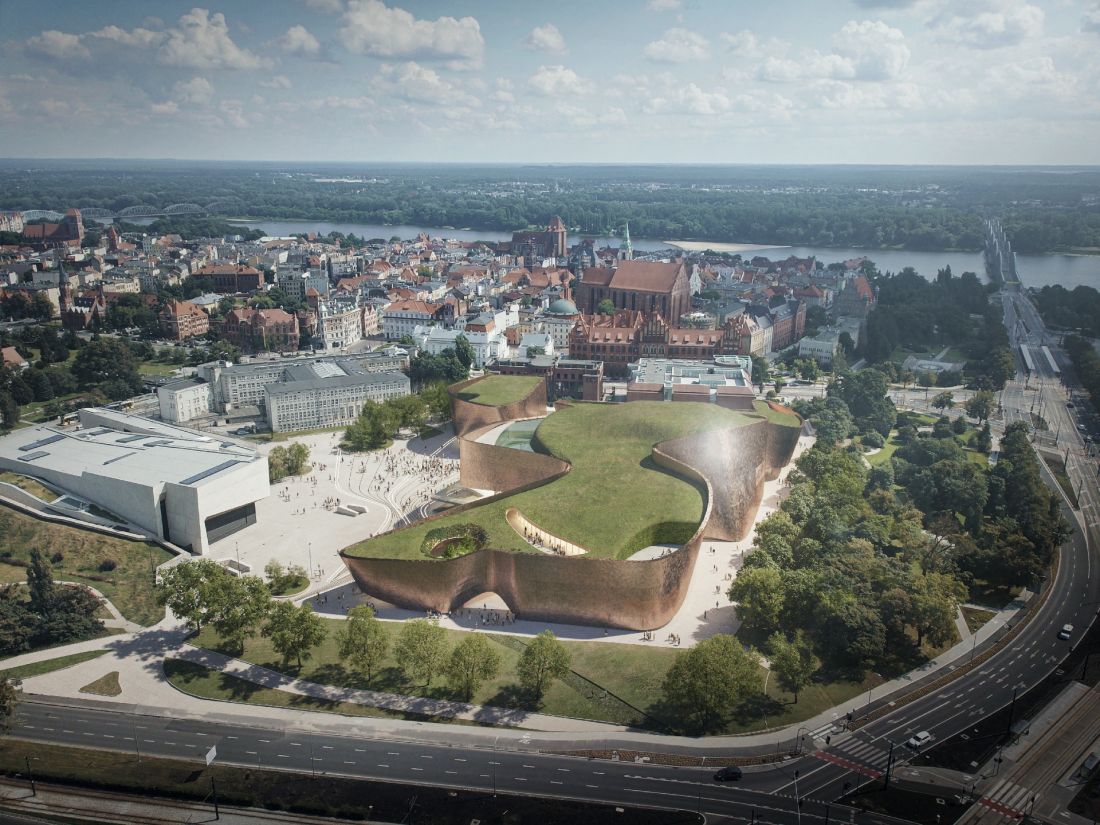
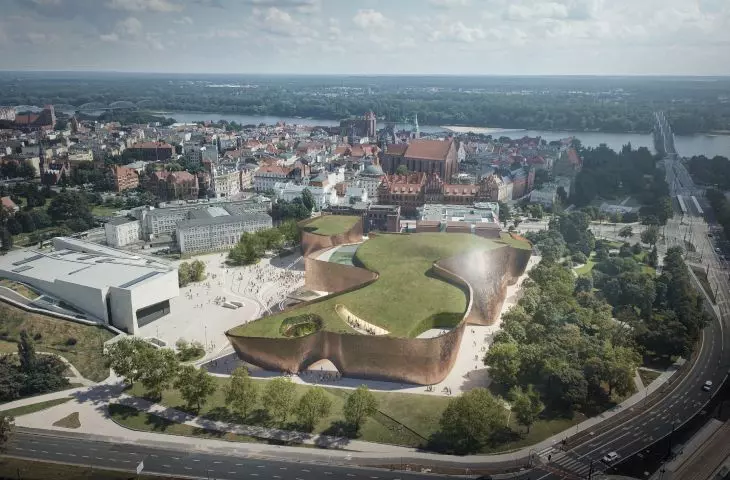
Camerimage European Film Center, Torun, competition project (honorable mention): 2021
© Kozień Architects
Marek Kozien: In the "old" SARP there was a hierarchy, not an administrative one, but a natural one, resulting from awareness of the achievements of individuals. There were big names that set the tone, everyone wanted to be among them. Not to have a stamp, as in the Chamber, but to belong to the environment.
Katarzyna Kozien-Kornecka: And today young people would probably want to be in SARP precisely for this reason - to meet architects who create architecture of the highest quality. But often these biggest names are not active in the structures of the Association.
Wojciech Fudala: As dean of the Faculty of Architecture, do you encourage young people to sign up for SARP?
Magdalena Kozień-Woźniak: SARP should be the kind of institution you want to belong to, not one you have to persuade someone to join. Today, however, young people shy away from SARP, this is logical, because the Chamber gives them a guarantee of functioning in the market. It is from the Chamber that they get the authorizations, the documents, the seal, the formal opportunity to work and carry out projects.
Marek Kozien: The question is, why shouldn't young people be in this "company"? If only to be able to talk. Relationships at the university are completely different. You talk differently with a professor in a design class, differently in a promoter-graduate relationship, which is very special, and in SARP the relationship is collegial. We are professional colleagues, we call each other "you." It's not professor and student, but architect and architect. You can ask, you can give an opinion, including a critical one, and that opinion will be accepted. It's about talking and discussing architecture.
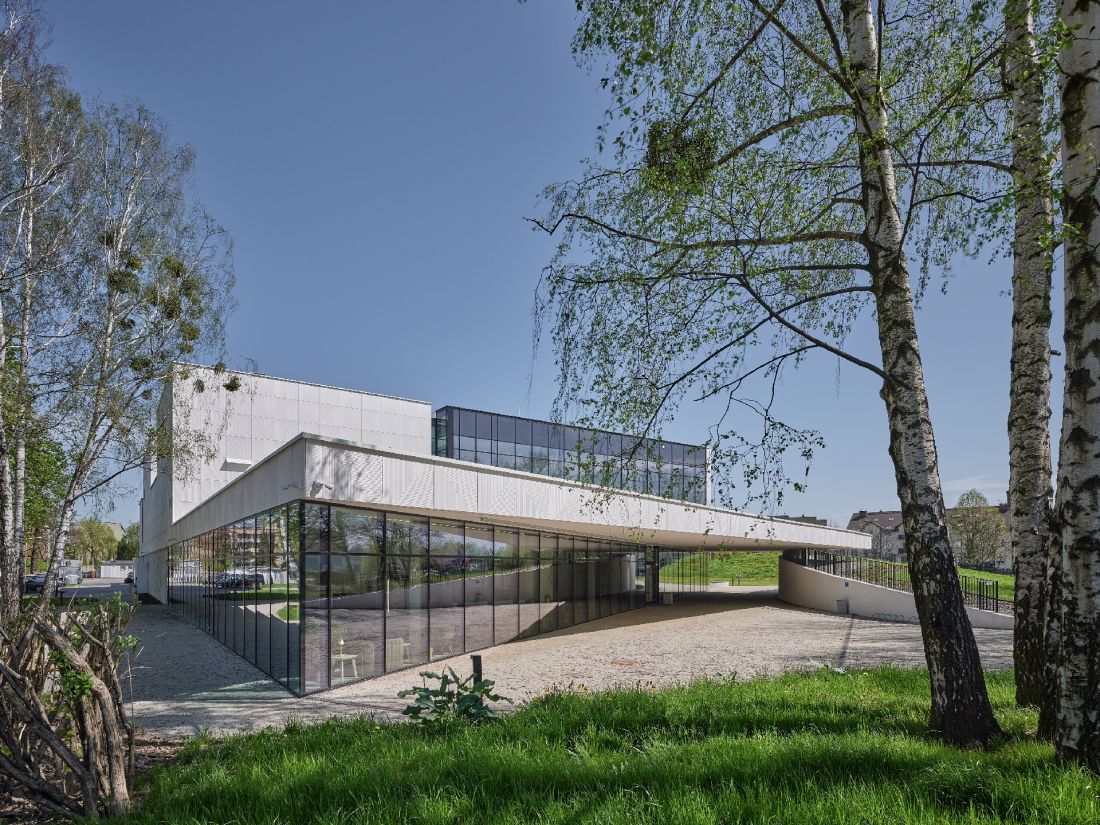
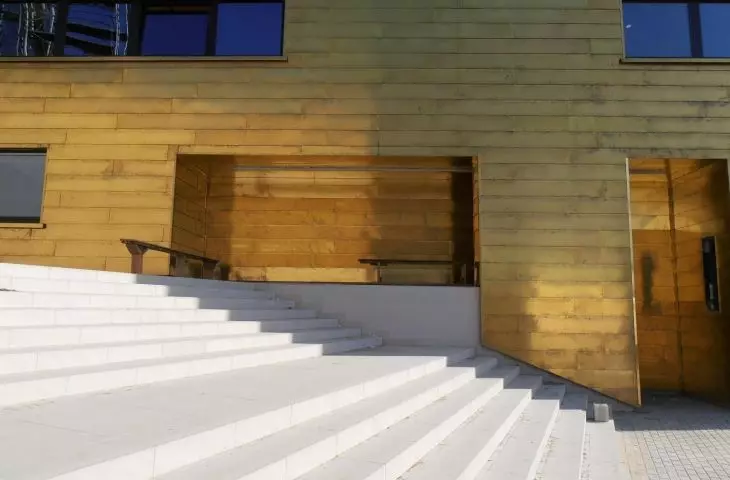
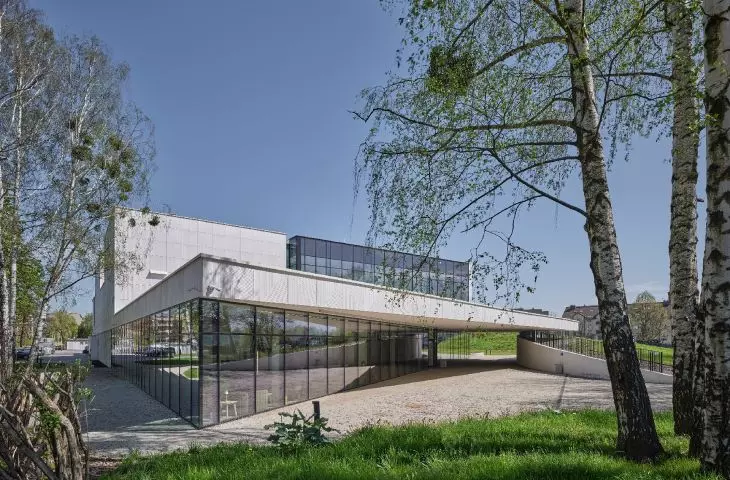
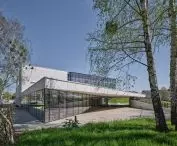
Pszczyna Cultural Center, Pszczyna, realization: 2023
photo: Marcin Czechowicz
Katarzyna Kozien-Kornecka: It's also worth considering what kind of alternative SARP is today, for example, to social media? Ever since the Chamber was founded, SARP has had trouble defining its role, and today a whole different set of challenges has come into play. On social media, you can talk to whoever you want, but there is also a lot of chaos and unnecessary information in this digital world. How about having a place where you really talk about architecture? Not even necessarily with the elderly, just the young among themselves. Let's meet, let's talk, let's do something together. Maybe the young should take responsibility for change in SARP, instead of just asking what SARP can give them?
Wojciech Fudala: You have received the SARP Honorary Award, which is the highest honor in Polish architecture. What does this award mean to you?
Magdalena Kozień-Woźniak: There have been times when this award was given to young architects who have already done a lot, but there have also been times when it was given to mature artists, as an honor to their entire body of work. We are in between, although from a creative perspective we are closer to the latter group. We are no longer young, promising architects, as a team we have been working together for thirty years. So this is a summary of our professional path, many years of work and creativity.
Katarzyna Kozien-Kornecka: We do not treat this award as "cutting coupons". This is not an award for which there is a queue. It's an award that relies solely on the fact that someone notices our architecture and says: "this is important." The reception after receiving the award, by the way, was extraordinary. A lot of people called us, not only from SARP, but also from outside the community. Many of them said that they identified with the award, that they were happy. That was probably the most beautiful thing.
Magdalena Kozień-Woźniak: The SARP Honorary Award is also a commitment to make sure that everything we do next is worthy of the award.
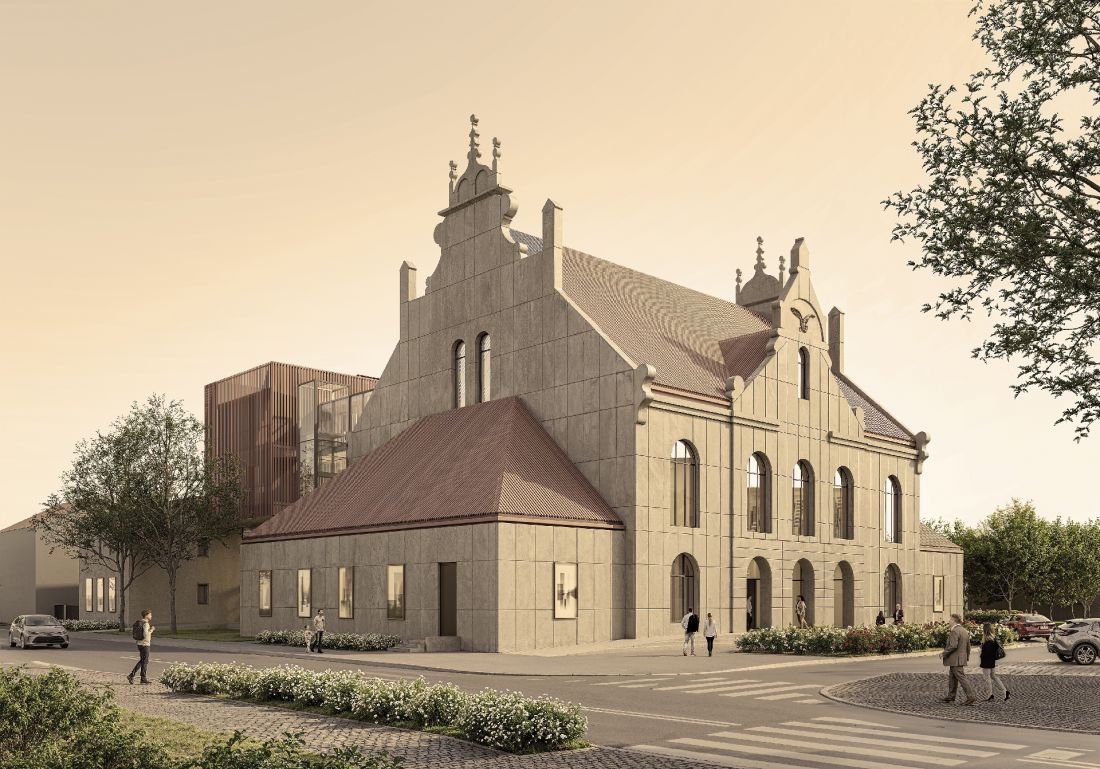
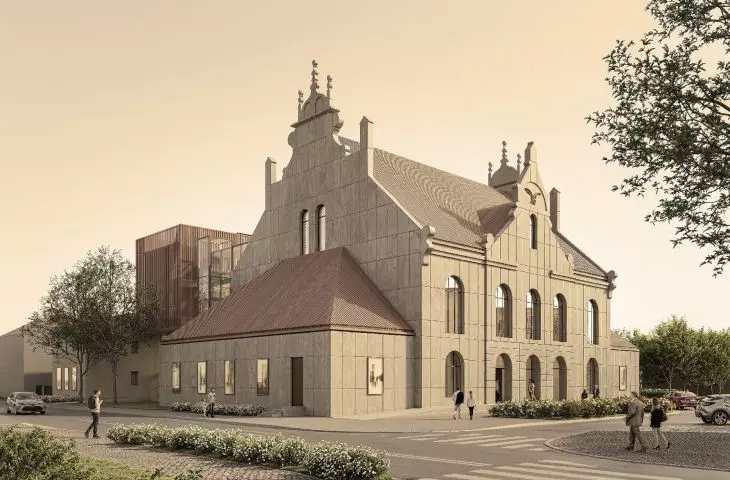
Wadowice Cultural Center, Wadowice, competition project (1st prize): 2025
© Kozień Architekci
Marek Kozien: We have always tried to do it this way. When you enter a competition, you are lined up with other architects, but that doesn't mean you are competing directly with them. If someone did a better design, we were always able to acknowledge that. There were times when I took my hat off to whoever won. In every case, however, we were able to say that in a given competition we did what we thought was right, and to the best of our ability. There is no sense of being worse or better than others. It's always about giving as much of yourself as you can at any given time.
Wojciech Fudala: Thank you for the interview.
interviewed: Wojciech Fudala
Illustrations provided courtesy of Kozien Architects.
Read more: A&B 3/2026 - The new Swiss wave,
download free e-publications of A&B