












Seventy years after discussions began and more than two decades after the first referendum, plans for the Krakow subway are being concretized. At a press conference on September 24, 2025, the city authorities presented the "Study of directions for the development of the Krakow subway," i.e. new plans for high-speed transportation in the capital of Malopolska. Which way and when will the Krakow subway go? We know the stations!
More than a year has passed since the term of the new Kraków local government began. During this time, intensive work has been going on to prepare the "Study of directions for the development of the Krakow subway," which was presented at a special press conference at Krakow's ICE congress center. From the very beginning, one can talk about a double surprise - as compared to earlier concepts and predictions, not only the route has changed (the subway will not go to Bronowice), but also the number of subway lines. At what stations will the Krakow subway stop ?
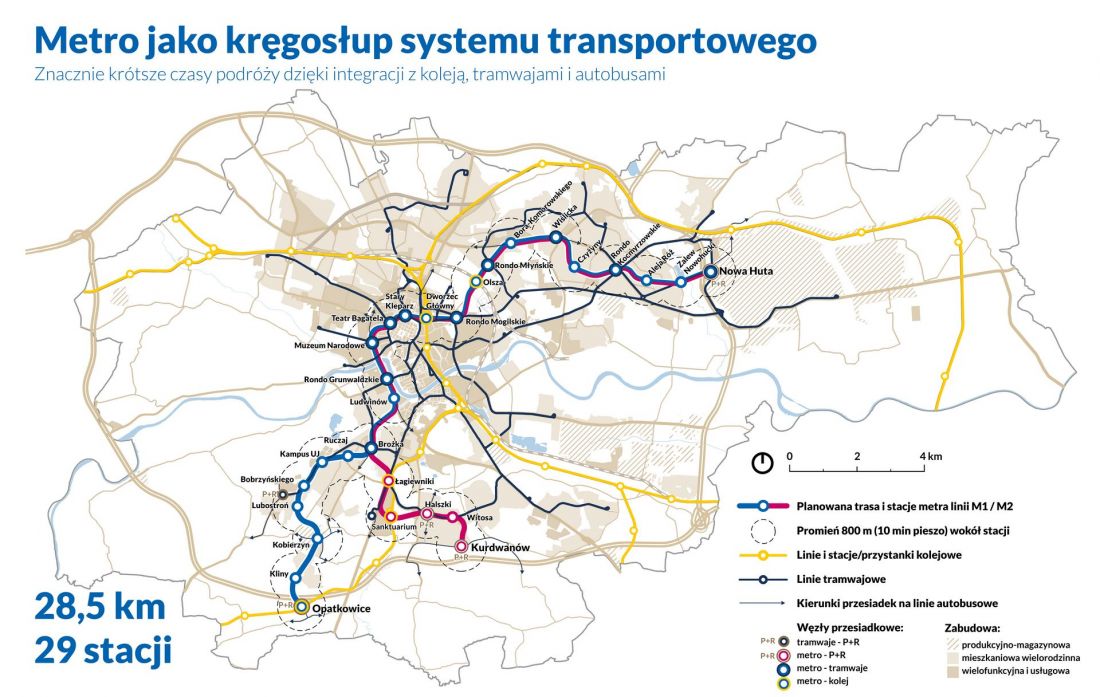
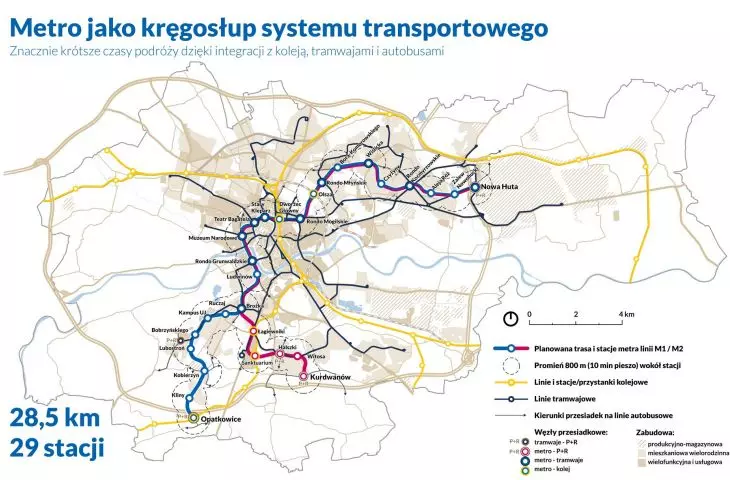
The metro as the backbone of Krakow's transportation
© UMK
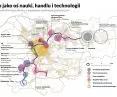
The course of the subway in Krakow
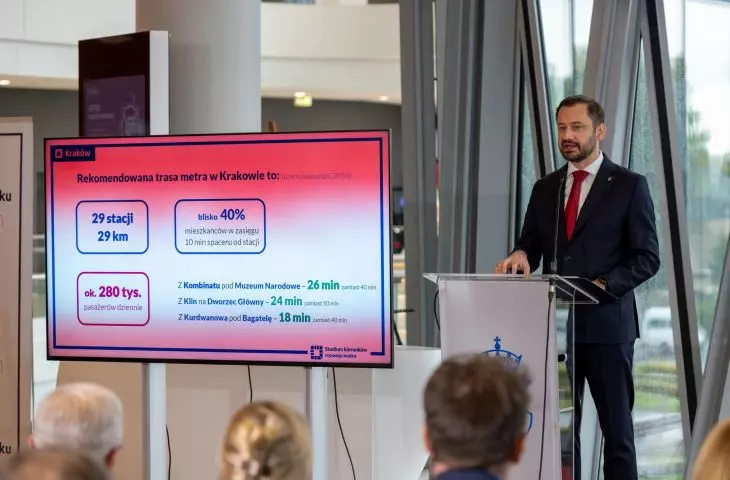
What will be the stations of Krakow's subway lines? The Krakow Metro Study envisages the creation of 29 metro stations, which will be distributed along a route with a total length of almost 29 kilometers.
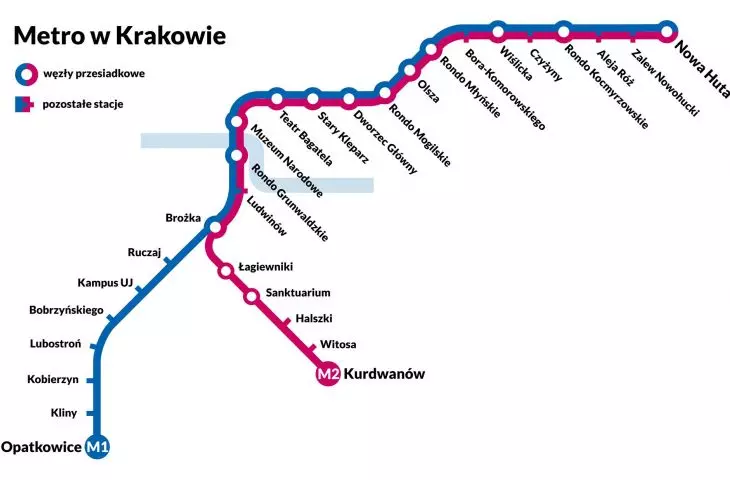
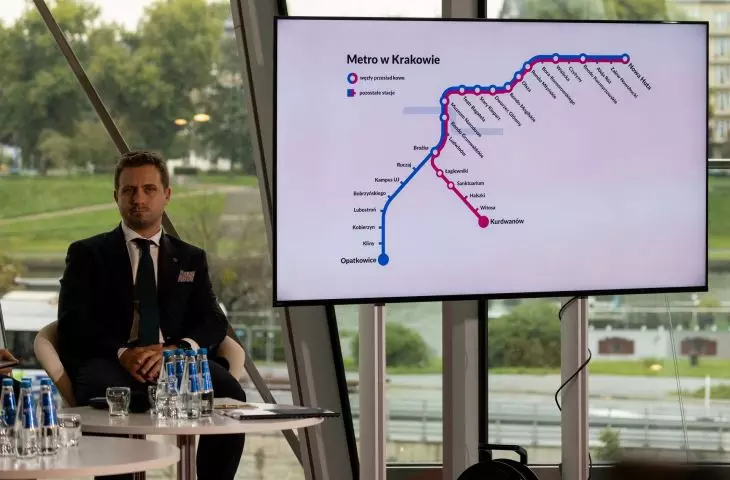
The first lines of the Krakow Metro will begin their course at Nowa Huta. They will then travel together all the way to the station planned for Brożka Street, before splitting into two separate lines. The first of the subway lines - M1 - will lead to Kliny with a terminus station in Opatkowice. The second of the lines, starting at the Brożka Street stop M2, will run all the way to Kurdwanow.
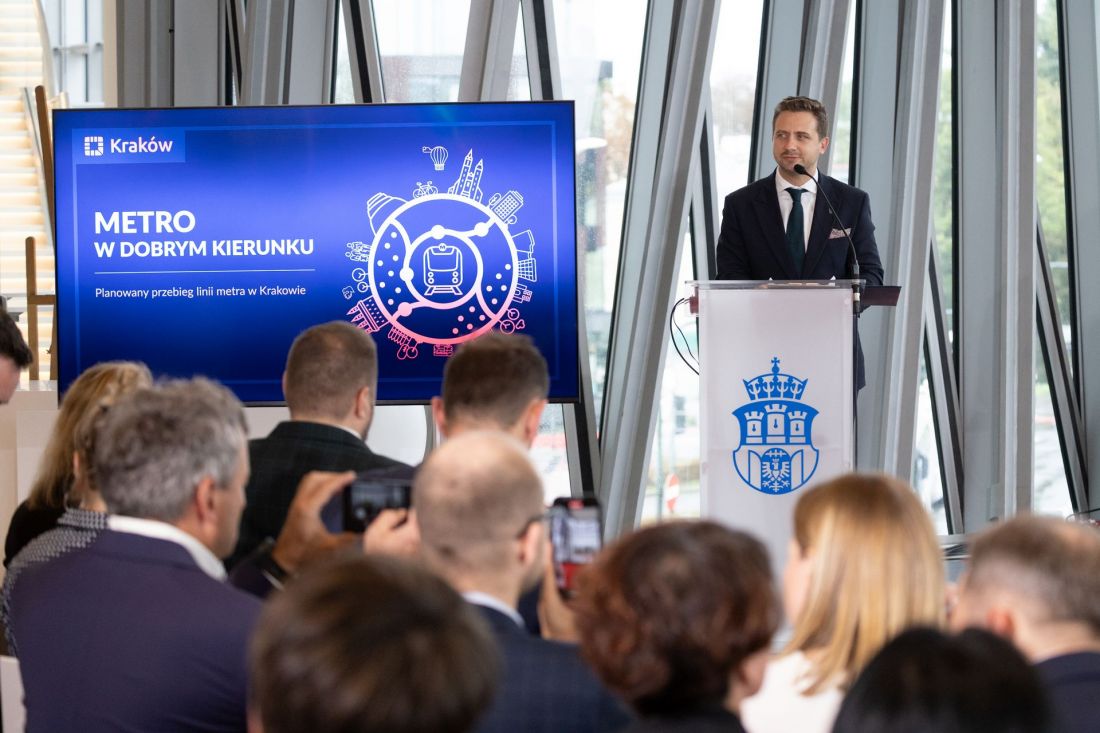
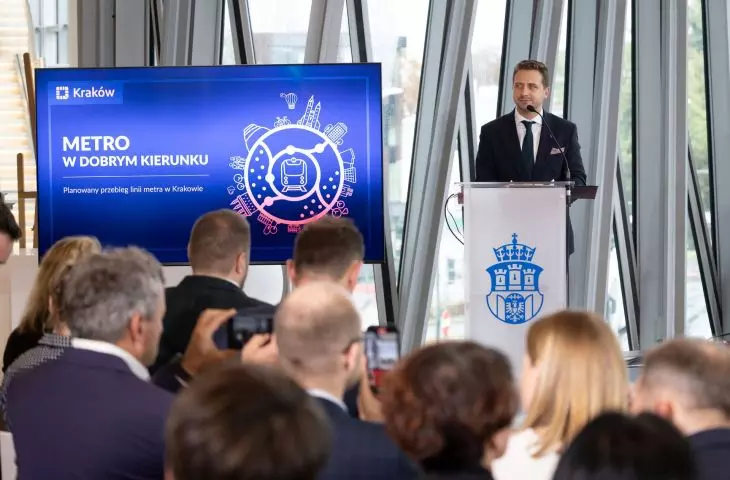
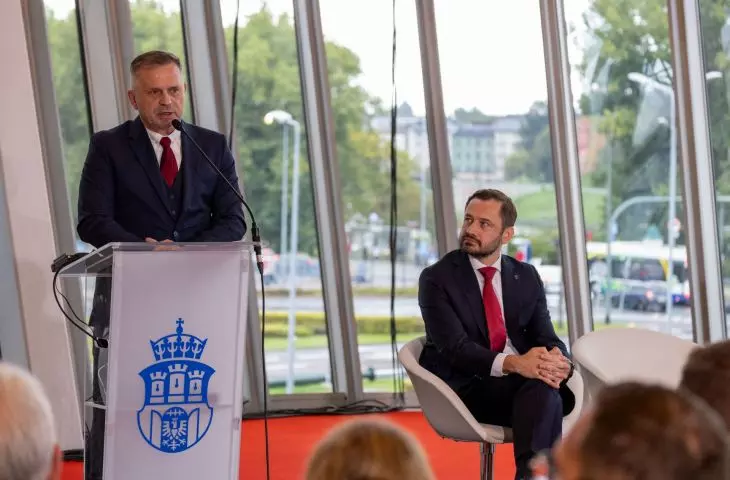
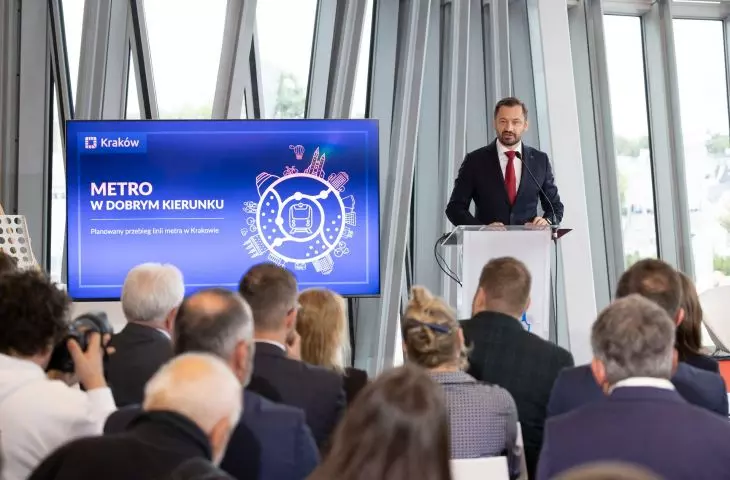
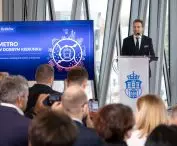
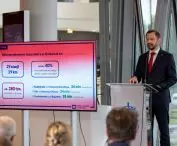
During the press conference, the "Study of directions for the development of the subway in Krakow" was presented.
photo: Boguslaw Swierzowski | UMK
Between Nowa Huta and Brożka stations, the subway will run every 2 minutes. From there, individual trains will head alternately to Kliny and Kurdwanów, reaching the final stations every 4 minutes. According to the Cracow magistrate and the team appointed to develop the Study, Krakow's subway will serve 280,000 people each day, and half of them will cross the Vistula River through the underground tunnel.
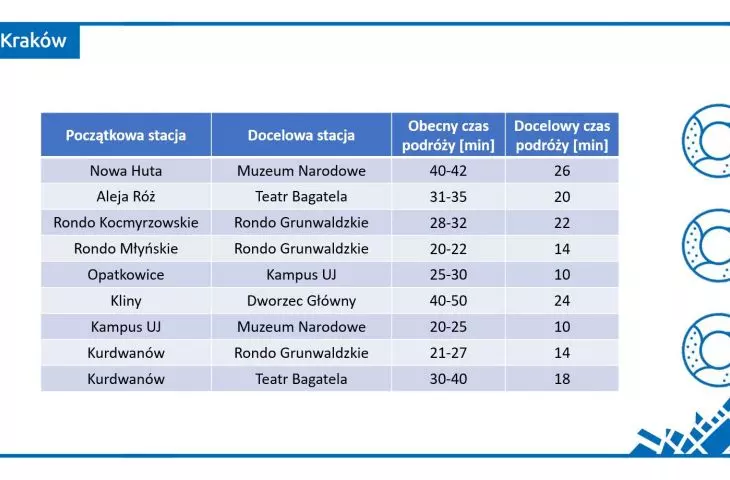
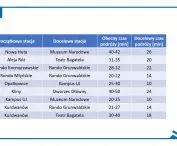
The subway is expected to significantly reduce travel time from the most distant points in Krakow. For example, a trip from Nowa Huta to the National Museum by subway will take about 26 minutes (now 40-42 minutes), from Kliny to the Central Station 24 minutes (now 40-50 minutes) and from Rondo Młyńskie to Rondo Grunwaldzkie only 14 minutes (now about 22 minutes).
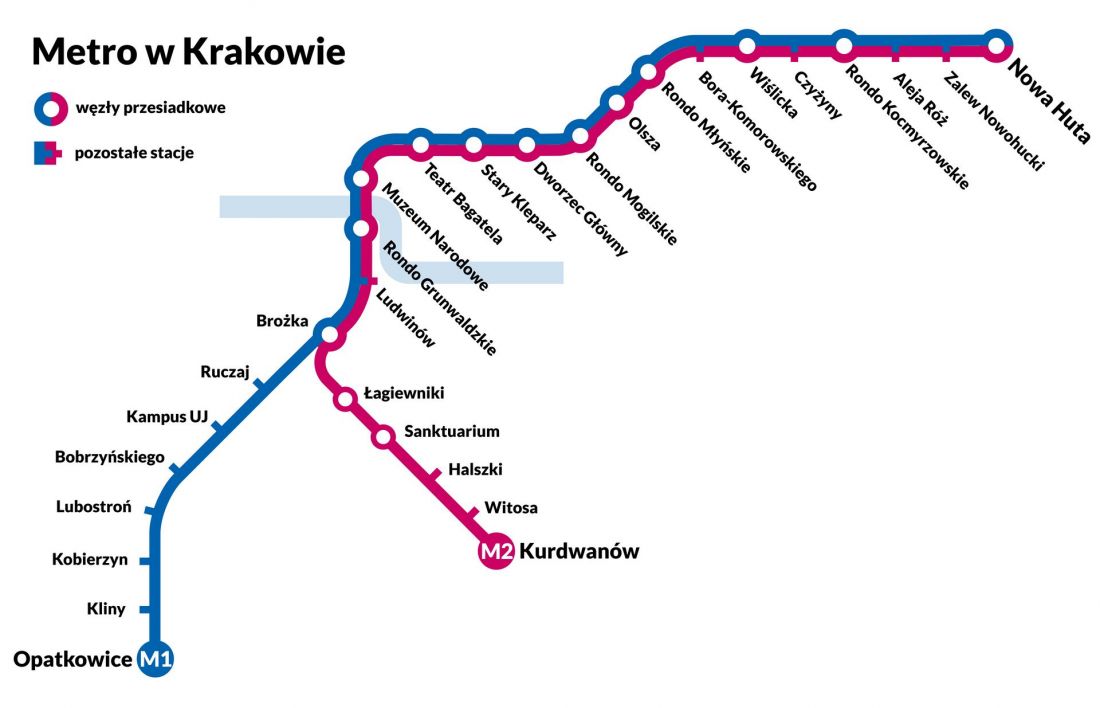
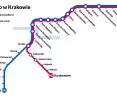
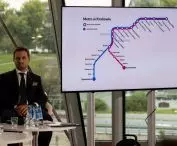
Schematic of the subway route
© UMK
We already know the exact route of both metro lines in Krakow:
M1 and M2:
-
Nowa Huta
-
Nowa Huta Reservoir
-
Aleja Róż
-
Kocmyrzowskie Roundabout
-
Czyżyny
-
Wiślicka
-
Bora-Komorowskiego
-
Młyńskie Roundabout
-
Olsza
-
Mogilskie Roundabout
-
Main Railway Station
-
Stary Kleparz
-
Bagatela Theater
-
National Museum
-
Grunwaldzkie Roundabout
-
Ludwinów
-
Brożka
M1 line:
-
Brożka
-
Ruczaj
-
Jagiellonian University campus
-
Bobrzyńskiego
-
Lubostroń
-
Kobieryn
-
Kliny
-
Opatkowice
M2 line:
-
Brożka
-
Łagiewniki
-
Sanctuary
-
Halszki
-
Witosa
-
Kurdwanów
The location of the starting station at the Nowa Huta stop was dictated by the development plans the city has for the Combine area. The entire course of the subway was divided into three sections: the eastern section, the central section and the southern section.
Why will the subway go to Kliny?
As transport analyst Michal Miroslaw mentioned during the presentation, the determination of the course of the eastern section was obvious - it is between Nowa Huta, through Czyżyny and the Młyńskie Roundabout area to the center that the largest passenger streams run, which is due to the function and intensity of high development in the eastern and northeastern areas of Krakow.
The designation of the central section serving the Old Town region assumed a high density of stations (Main Station, Stary Kleparz or Bagatela Theater) in order to reduce the number of passengers served by a single interchange, as well as to serve the Avenue of the Three Hustlers, which will be realized by building an interchange station near the National Museum.
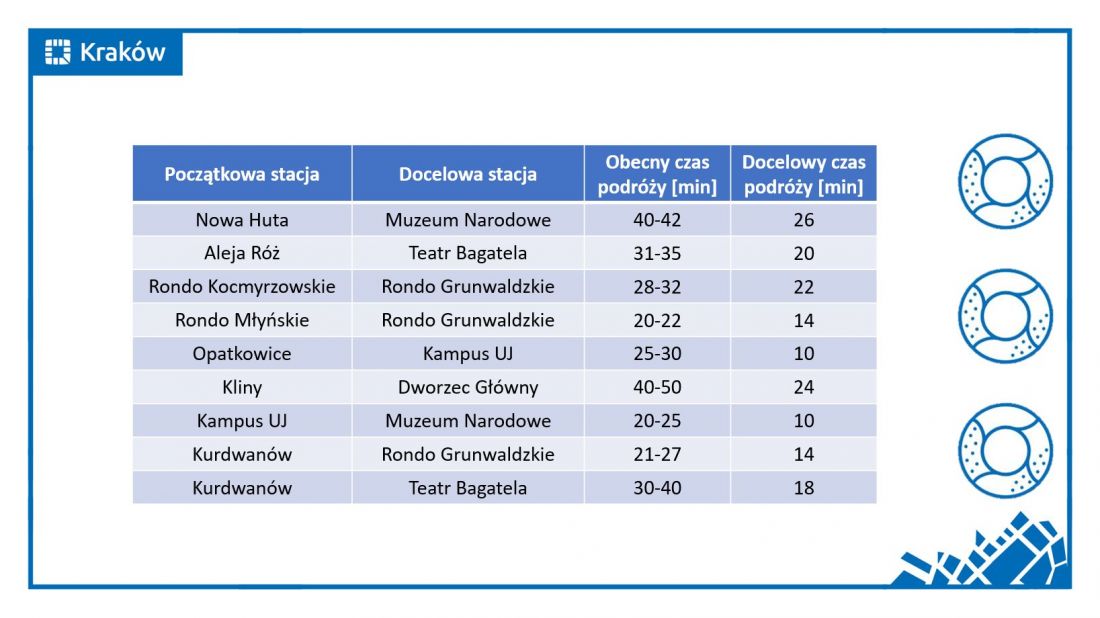
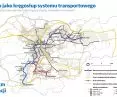
Table of trips
© UMK
Subway to Rybitwy and Bronowice not this time
The team had the biggest problem with selecting the route of the southern (formerly western) part - several variants appeared here. A variant assuming running the subway line westward to Bronowice, which today - more than 20 years after the referendum on the subway in Krakow - is no longer on the route of the most important passenger streams, was rejected out of hand. In the end, the decision was made to run the subway in a southerly direction - a route ending in Plaszow and Rybitwy was considered, among others (rejected due to thecircular route of the subway), running through the area of Matecznego Roundabout (ruled out due to the presence of underground water in the area) or towards Bieżanów and Podgórze Duchackie.
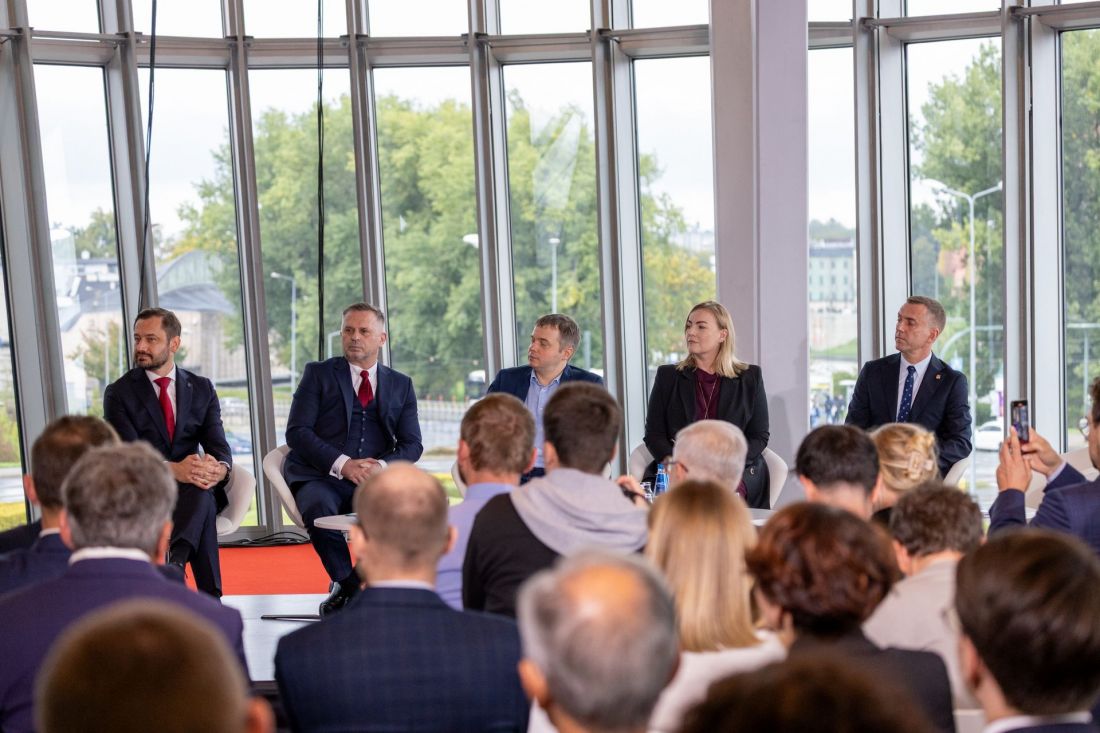
During the press conference, the "Study of directions for the development of the subway in Krakow" was presented.
photo: Boguslaw Swierzowski | UMK
In the end, it was decided on the variant leading through the intensively developing Ruczaj towards Kliny, which was later - as a result of analyses - enriched with a bifurcation, running through 5 additional stations towards Kurdwanow. Thanks to the splitting of the southern part of the subway route into two lines, it will be possible to balance passenger flows moving on the eastern and southern sections.
During the press conference, the "Study of directions for the development of the subway in Krakow" was presented.
photo: Boguslaw Swierzowski | UMK
The great shelter in Krakow
What will the Krakow subway be like? First of all, autonomous, thanks to which delays per year are to be counted in seconds. What's more, it will also be a safe place, including during the occurrence of various types of threats. The Krakow subway is to be a great urban shelter:
Stations and tunnels will be designed to function as shelters in emergency situations. In practice, this means that the entire underground system will become a kind of linear shelter, where protection can be provided for thousands of residents in the event of an emergency. This is an additional dimension of the investment - the subway will not only relieve congestion on the streets and shorten travel times, but will also increase Krakow's resilience in emergency situations
- says 1st Deputy Mayor of the City of Krakow Prof. Stanislaw Mazur.
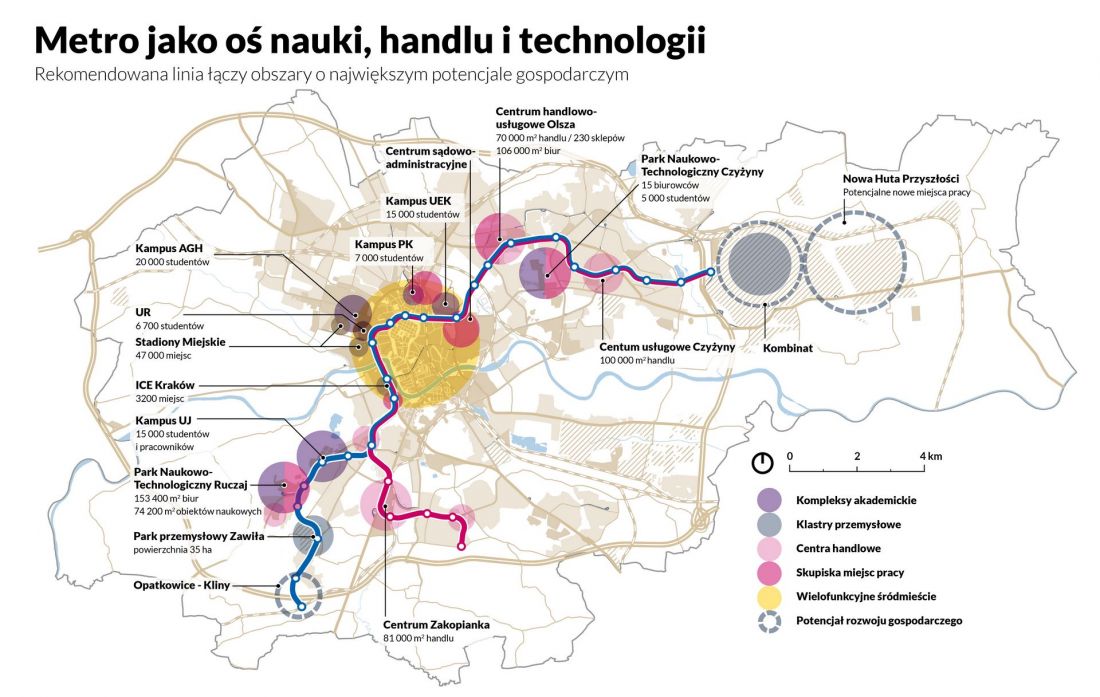
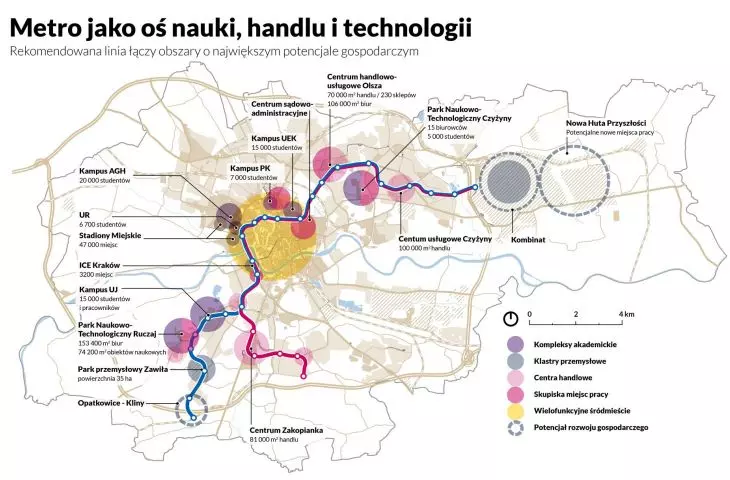
Metro as an axis of science, commerce and technology
© UMK
Dates, decisions and money for Krakow's metro
How to finance the project? Exact sources of funding were not presented, but 1st Deputy Mayor of Krakow Prof. Stanislaw Mazur pointed to the recently published document of the Polish Development Strategy, which lists the metro as one of the investments requiring central funding. And how are the administrative matters progressing? The environmental decision for the first 6 kilometers is still being processed, but, as 1st Deputy Mayor of Krakow Prof. Stanislaw Mazur mentioned during the conference - its issuance may not be necessary, as the Krakow authorities intend to apply for a new environmental decision, updated along the entire course of the currently proposed subway variant, and using the 3-kilometer section that is being evaluated at the moment.
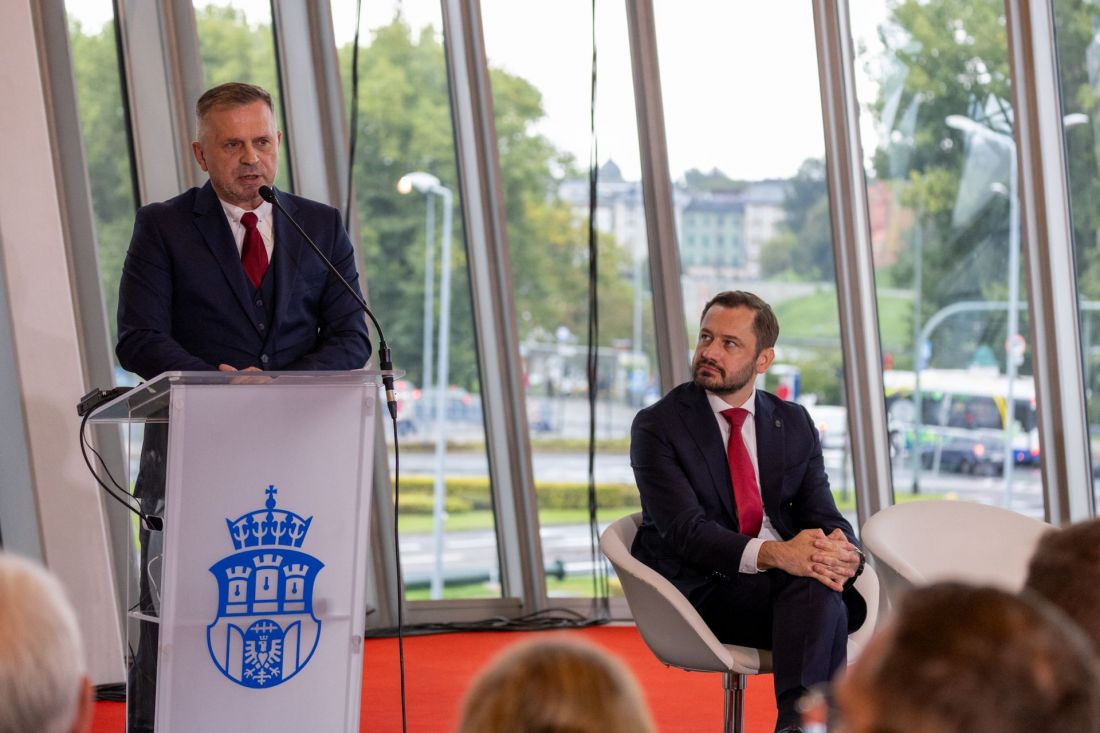
During the press conference, the "Study of directions for the development of the subway in Krakow" was presented.
photo: Boguslaw Swierzowski | UMK
When will Krakow's subway be ready?
Krakow Mayor Aleksander Miszalski reveals that his plan is to open the first subway line after a decade. So it can be said that if everything goes according to plan, the Krakow subway will be ready in 2035. A tender for the technical documentation and feasibility study is to be issued next year, 2026, while construction work would start in 2030 at the latest.
Together with the Council's experts, we tried to answer a wide range of questions and doubts of the city authorities related to such a complicated project as the construction of the subway. We worked in a reliable, objective manner, in accordance with the latest knowledge and our competence based on, among other things, international engineering practice. We were aware that this stage of substantive discussion about the Krakow subway is crucial, because it defines the main directions not only of the investment process, but also of the long-term development of the city. Krakow needs a subway that will respond precisely to the needs of the city and its residents. It is a metro that is city-forming, intelligent, technologically advanced, and at the same time integrated into the architectural and urban heritage. And a metro that is close - not only in terms of spatial accessibility for residents, the time in which the project is to be implemented, but also public acceptance of such a challenge. Such a metro is an ambitious challenge not only for the city authorities, but also for all its residents. As representatives of the community of Polish scientists and engineers, we are ready to continue supporting Krakow in this civilization project. It will not be easy, but it is certainly necessary for the future of the city, and therefore worth the effort.
- Concludes Rector of the Cracow University of Technology Prof. Andrzej Szarata.