



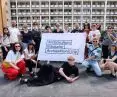
"The need for widespread education about the built environment should become an indispensable element in the formation of an informed, civil society." This is the motto of the next, fifth edition of the postgraduate course called "Archi:Culture. Architectural educator". They are organized by the National Institute of Architecture and Urban Planning and the faculties of architecture of the Technical Universities in Krakow and Gdansk. We talk about the studies with Katarzyna Domagalska - substantive manager of the studies on behalf of the NIAIU.
Jakub Glaz: Architectural education is very much needed in Poland, but is there a demand for educators?
Katarzyna Domagalska: The target audience of our studies is primarily architectural educators imparting knowledge and conducting workshops, but an architectural educator is also a facilitator. We are now putting more and more emphasis on architectural mediation, that is, the ability to communicate space issues and talk about them. So we have two paths: architectural education and conducting mediation. In both, skills are needed to raise awareness of where we live and how the surrounding space affects us. In mediation, on the other hand, competencies that facilitate the mitigation or avoidance of conflicts arising from plans to reshape common space are important. People working in city and municipal offices simply often don't know how to act: from negotiating and informing about planning documents, to explaining the processes that occur in a given space, to consulting on local government intentions. Therefore, the ability to mediate seems to be a priority need in local government operations.
Jakub Glaz: In theory - yes. And in practice? Do you know of such professional mediators working in local governments? Has anyone already used the knowledge and skills acquired during previous postgraduate courses in this way?
Katarzyna Domagalska: Unfortunately, we have not yet recorded such full-scale cases. Nonetheless, people who apply for the studies do not only want to supplement their knowledge. They see in an architectural educator or mediator their future profession. They are business-oriented. We see that our students or graduates later lead topics related to architectural education. We have an example of a graduate who successfully runs a foundation dealing with accessibility for different user groups. During the course of our studies, we show examples from outside Poland where such a mediating function works well, and we want it to be so in our country. One of our lecturers is architect Monika Arczynska, who works with local governments conducting design-participatory activities . So she conveys practical knowledge very well. She is also the main consultant for the diplomas of those of our students who are interested in mediation and participation.
Jakub Glaz: You have divided these studies into several blocks. Which are the leading ones?
Katarzyna Domagalska: First of all, methodology, mediated participation and accessibility. The focus here is on practice based on elements of theory. The most important thing, however, is action. In terms of methodology, our specialist is Beata Cyboran, a great educator, a specialist in working with children and young people. Also important is the culture of building, a kind of introduction to architecture and planning. This year we are also starting a new major theme: understanding the urban landscape through the lens of nature.
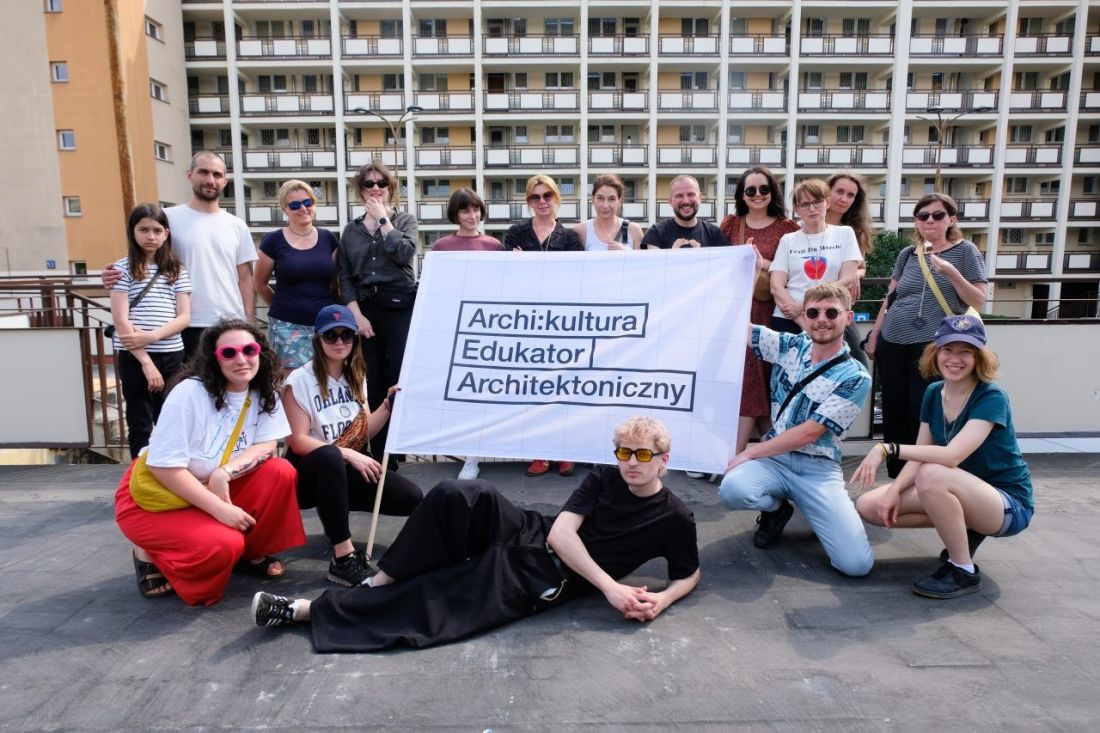
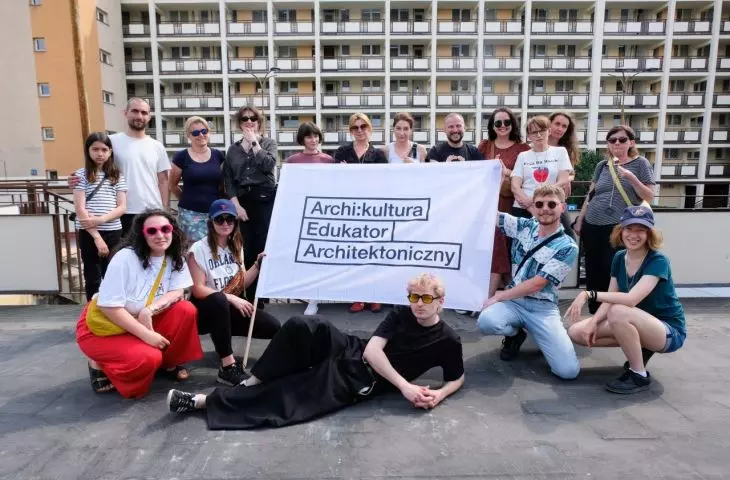
The postgraduate course "Archi:culture. Architectural Educator"
© National Institute of Architecture and Urban Planning, source: niaiu.pl
Jakub Głaz: Who has applied to you for these studies so far? Primarily teachers, civil servants, representatives of developers?
Katarzyna Domagalska: Well, no. Mainly architects have applied for the first year . Looking for a slightly different career path, they saw themselves as educators sharing their practical experience at the same time. Given that architects predominate among the students we truncated the teaching of the basics of architecture in favor of other topics in subsequent years. When we started these studies, however, we thought that many teachers would enroll, but this did not happen. In subsequent years, on the other hand, we had lawyers who were probably more interested in mediation than in pedagogy and education. There was a sociologist. People from cultural institutions interested in teaching children and young people applied. It turned out that our studies foster networking. Their participants then act together, exchange experiences related to architectural education and archiculture [ we published a broader description of the term archiculture two years ago - ed. note]. This is a great value.
Jakub Glaz: Is the term archiculture catching on? I have the impression that for now it has not made a stunning career.
Katarzyna Domagalska: In fact, this term enters the language with reluctance. Also in the architectural community, since we keep talking about the need to build spatial order, but we don't use words and phrases that are related to the creation of architectural culture or building culture. We still have a lot of work to do.
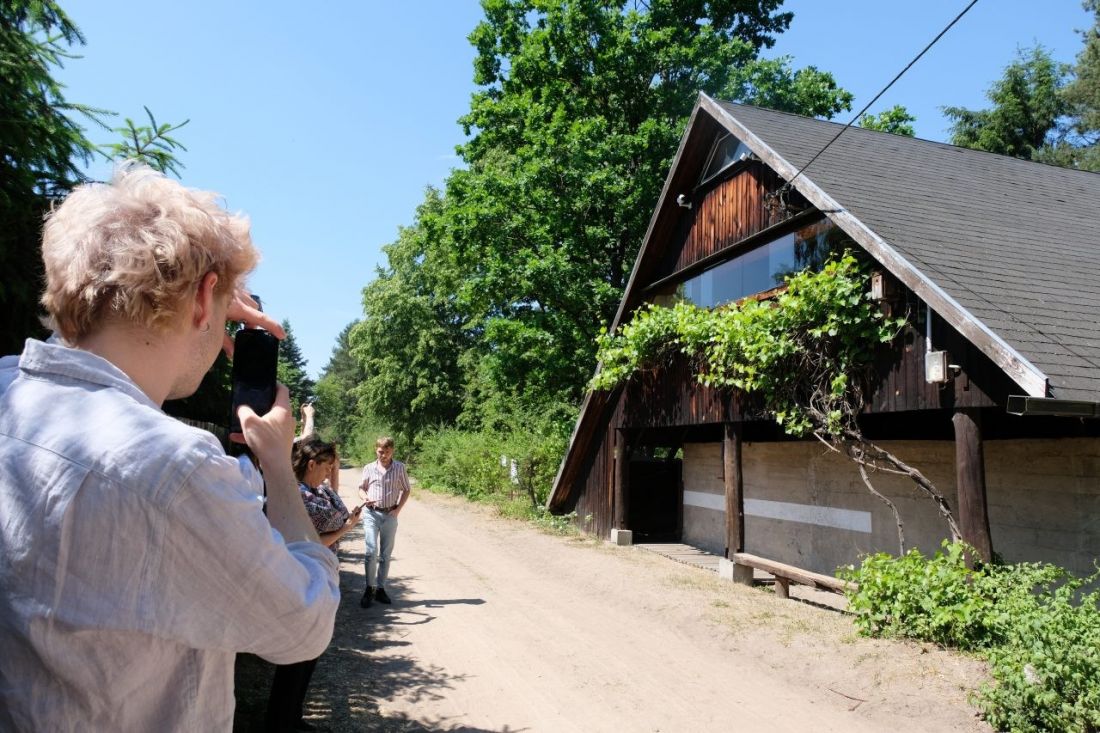
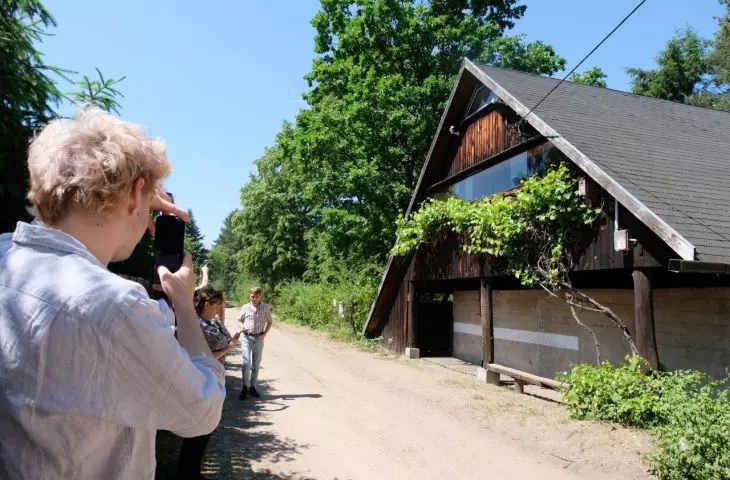
The postgraduate course "Archi:culture. Architectural Educator"
© National Institute of Architecture and Urbanism, source: niaiu.pl
Jakub Glaz: Time for practical matters. How many students will you accept this year? How are the classes held?
Katarzyna Domagalska: The lower limit is 20 people. The maximum: 30. The reunions are held mainly online in a hybrid way, but three two-day meetings will be stationary: at our Institute in Warsaw and at the offices of the institutions that co-found the study: Faculties of Architecture in Krakow and Gdansk. Moreover, online meetings are not only lectures, but above all exercises and workshops, the effects of which we verify later during the stationary meetings.
Jakub Glaz: Practice is very important. What kind of exercises do the students include? What do they have to do besides the thesis, which they defend at the end in the presence of all the students?
Katarzyna Domagalska: We develop communication skills, especially during urban field research, the topic of which is, among other things, accessibility for people with other needs. This theme is strongly discussed and developed with us. It is dealt with primarily by Professor Marek Wysocki, the main consultant on disability and accessibility in the development of government projects. We also discuss the practices of Oskar and Sophie Hansen, and test their methods of communicating and "talking" through architecture.
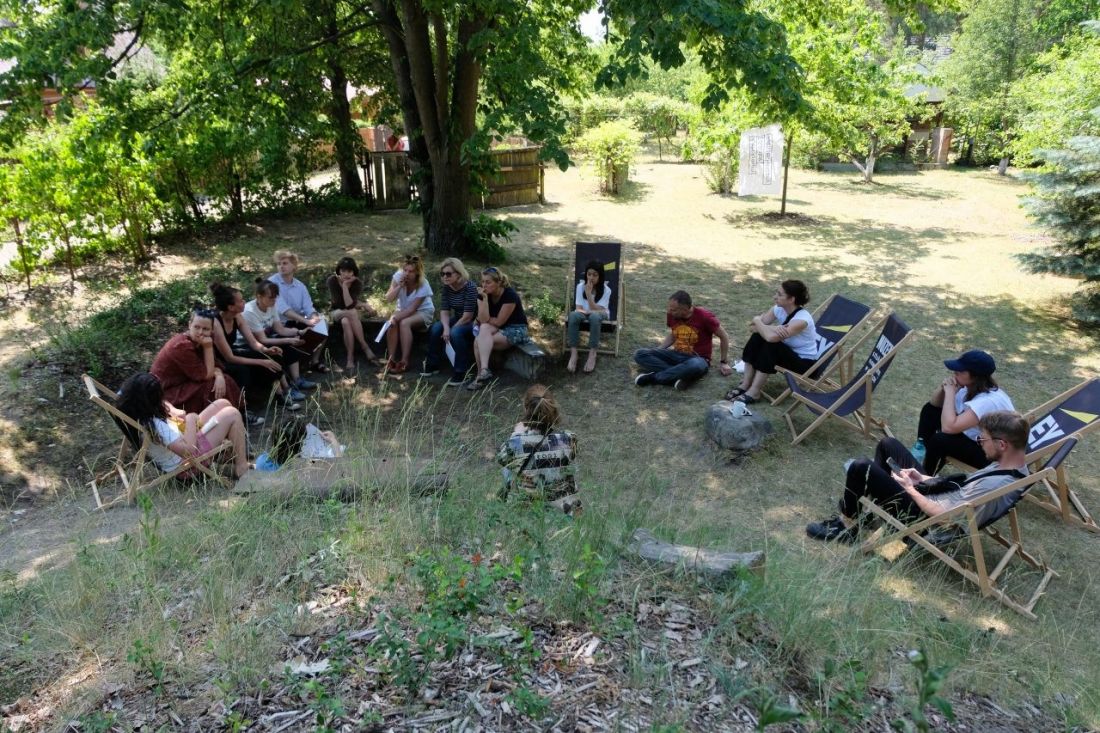
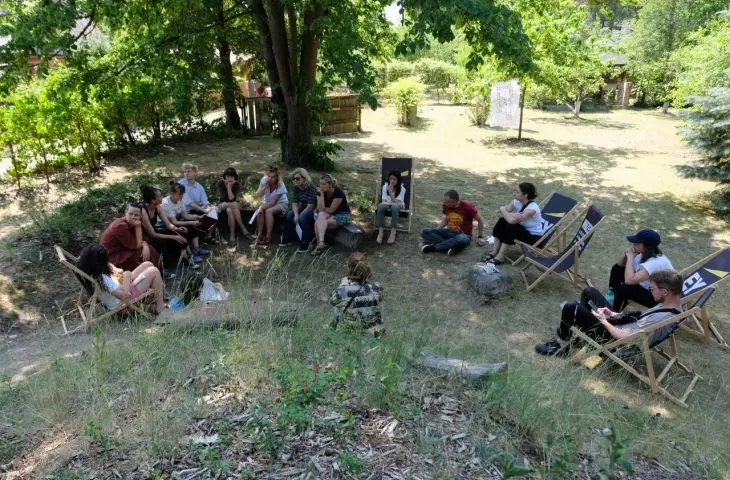
The postgraduate course "Archi:Culture. Architectural Educator"
© National Institute of Architecture and Urbanism, source: niaiu.pl
Jakub Glaz: I feel that the language you use when talking about architecture is also extremely important. As part of these exercises, do you have someone who emphasizes how to speak to the broadest audience without losing sight of the substance of the issue?
Katarzyna Domagalska: We have a block of classes called "interpersonal communication." In it we take up such themes, we teach what words to use so that the message reaches the recipient. It is very important that we work with practitioners who conduct educational activities, for example, in cultural institutions. Their experiences are a help and inspiration. The verification of whether our students use communicative language is the way they defend their theses. These, in turn, can be devoted to either education or participation.
Jakub Glaz: School is one thing, but there are also new media. In reaching the audience, channels on Instagram, TikTok, Youtube are very important. Do you show how to develop your competence in this area?
Katarzyna Domagalska: We are piloting exercises on these skills this year. So far we have not been active in this area, but new technologies are not alien to us. We have already worked with tools such as VR (virtual reality), which allows us to track real, rather than declared, emotions and interest in specific elements of the observed public space. We are developing these issues together with the Faculty of Architecture at the Cracow University of Technology, which has a curriculum related to new technologies.
Jakub Glaz: Do you accept everyone, or do you conduct a pre-selection?
Katarzyna Domagalska: First come, first served. We accept applications until September 30. Classes start in late October/early November. I strongly encourage you to do so, because this is a great opportunity to co-create a growing network of people involved in education and mediation. Our experience shows that students later form support and exchange groups, work together and implement more and more interesting projects for better architecture and space.