




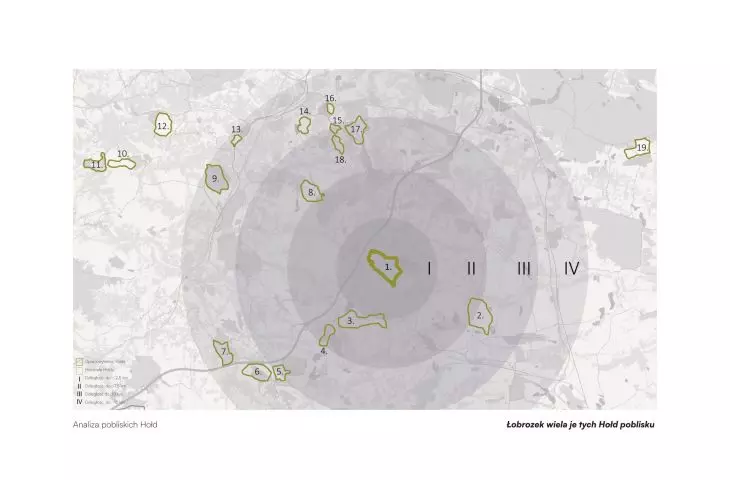
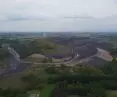

The project "Holda-Re-activation" by Hanna Sobocik is an attempt to redefine one of the most characteristic elements of the Silesian landscape - a post-mining heap. Located on the border of Jastrzębie-Zdrój and the municipality of Świerklany, this space remained excluded from everyday use for years, despite its huge environmental and social potential. The project, carried out under the supervision of Dr. Anna Szczegielniak at the Faculty of Construction and Architecture at Opole University of Technology, shows that a degraded landscape can become an active part of the local community's life, without having to erase its history.
Importantly, the concept has been recognized in the architectural community, winningan honorable mention in the Best Diploma of the Year competition of the SARP Opole Branch and First Prize in an international competition at the university in Lviv.
© Hanna Sobocik
"Our tribute" - architecture rooted in identity
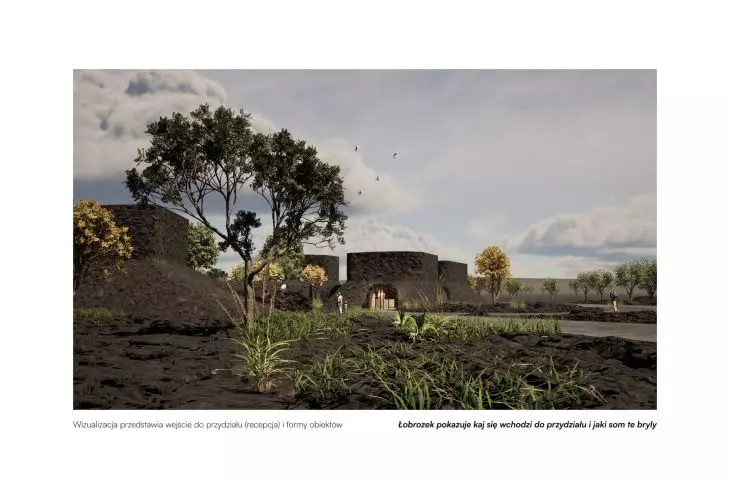
The starting point for the concept was the recognition of the heap not as a problem, but as a carrier of memory and identity of the place. It is a space "kero fed our old men". - a symbol of labor, history and local culture.
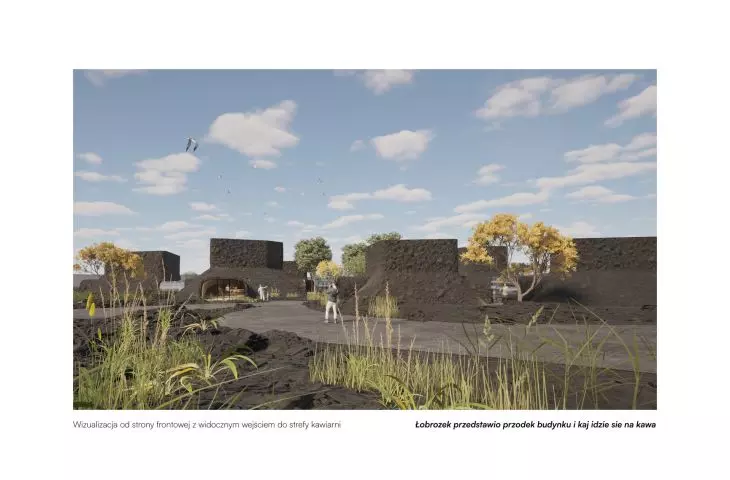
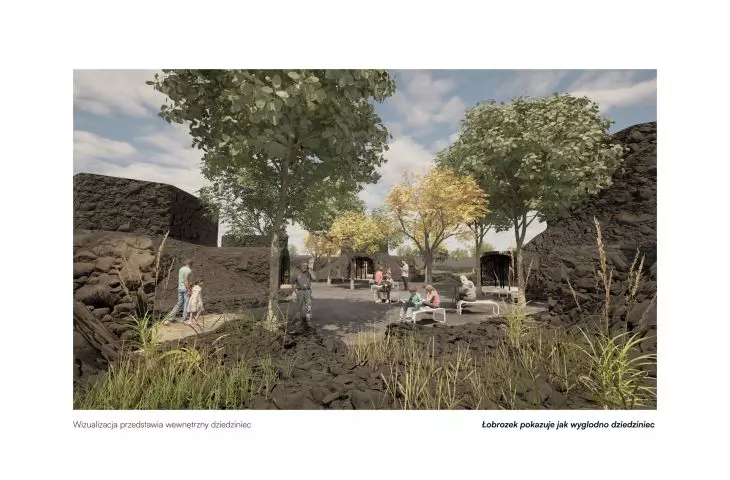
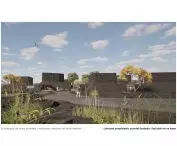
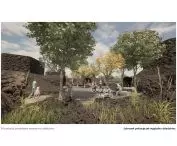
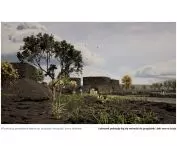
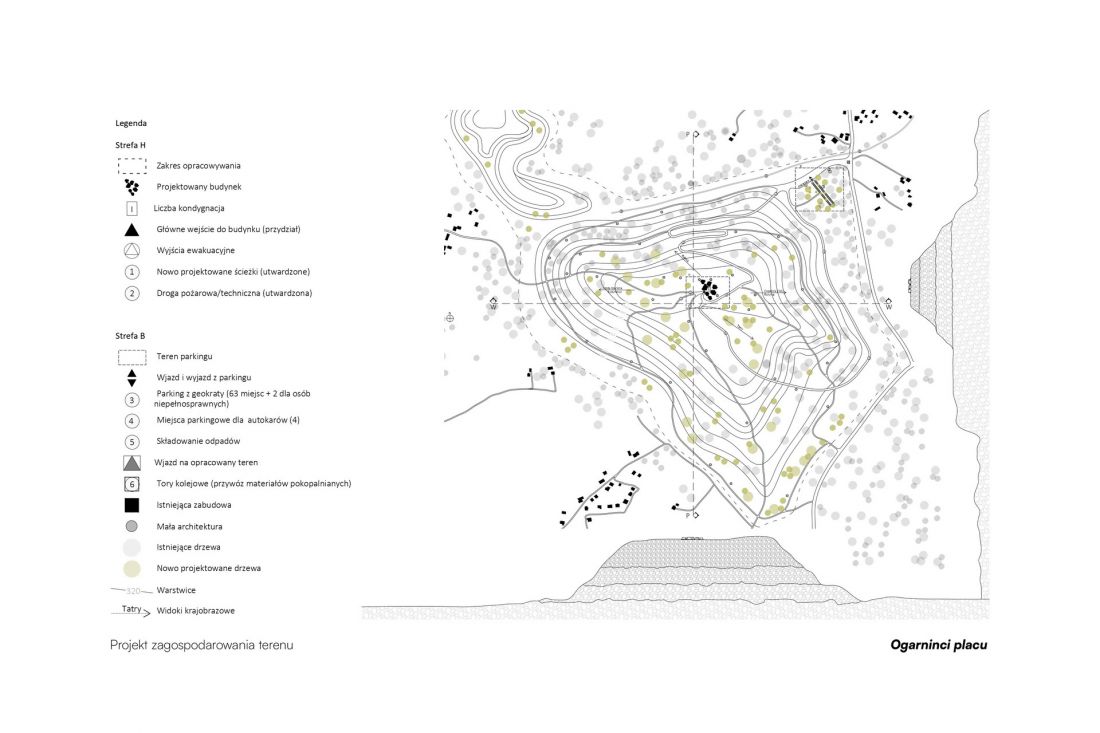
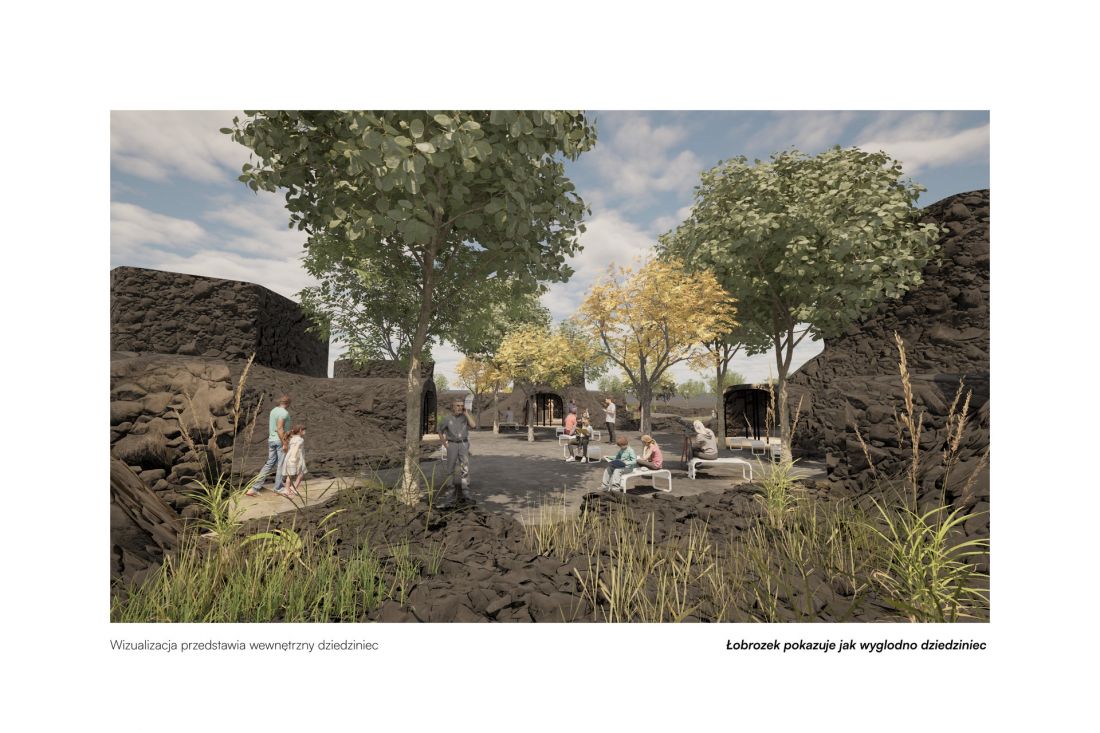
Instead of masking or removing it, the author proposes its adaptation and taming, creating a place "in our way" - close to the residents, natural and accessible. The project transforms the heap into a center of local activities, where meetings, recreation, cultural events and the daily presence of nature become possible.
© Hanna Sobocik
minimal interference, maximum effect
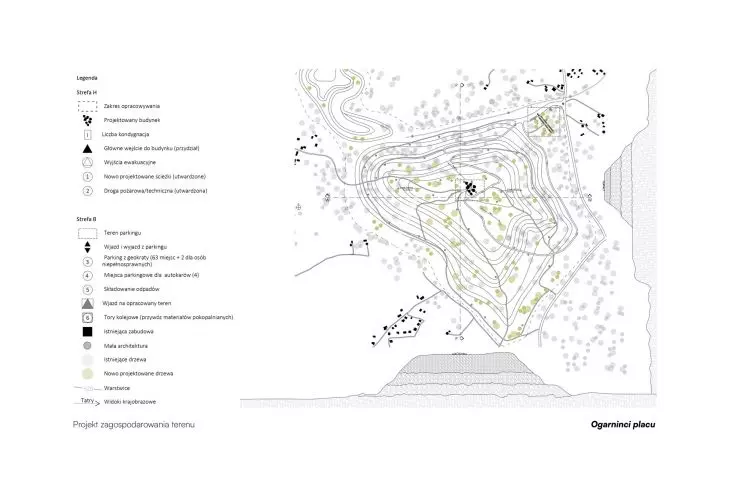
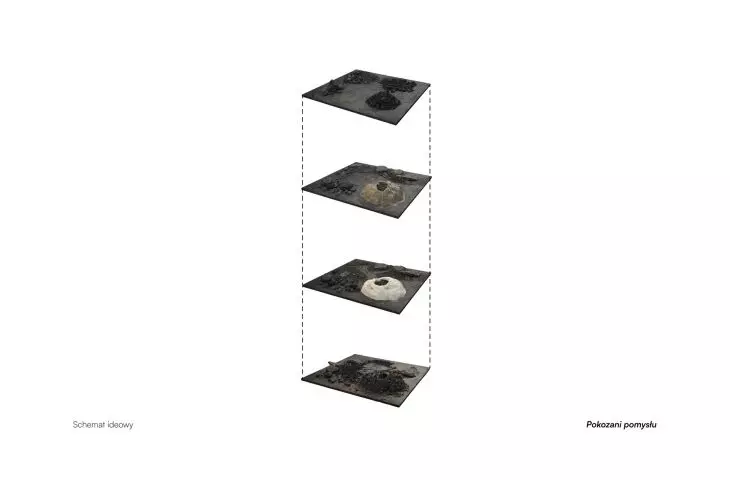
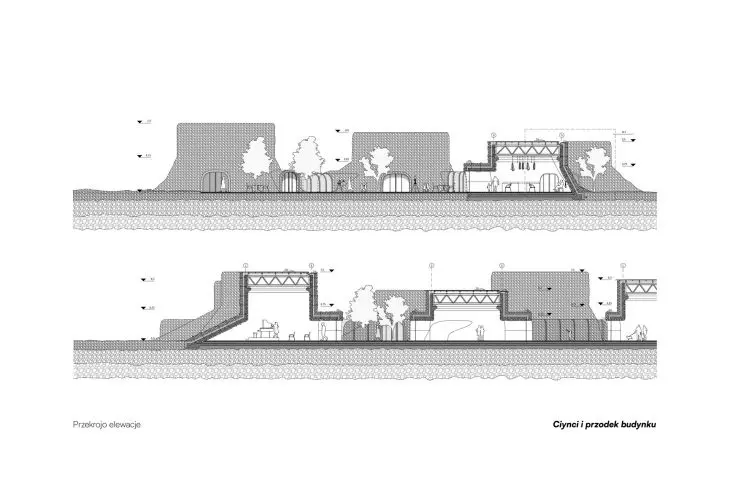
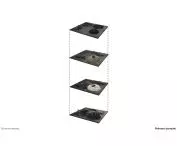
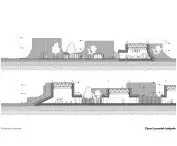
One of the most important assumptions is to preserve the existing structure of the site. The shape of the heap has not been changed, but used as a base for new functions.
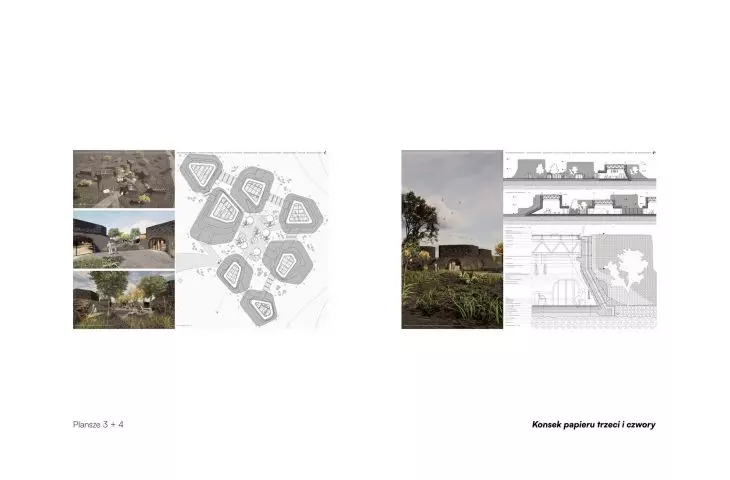
More than 98% of the area remains biologically active, which promotes water retention, reduces overheating and promotes biodiversity. The introduced plantings stabilize the ground and improve the microclimate, making the project part of sustainable development.
© Hanna Sobocik
materials from the site - circular architecture
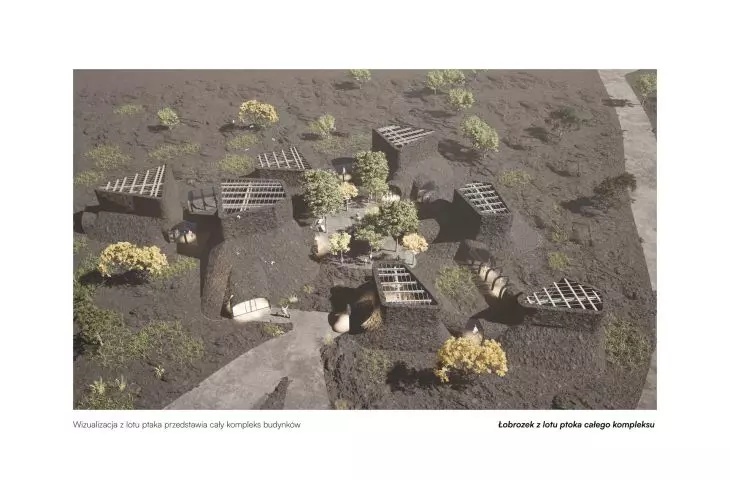
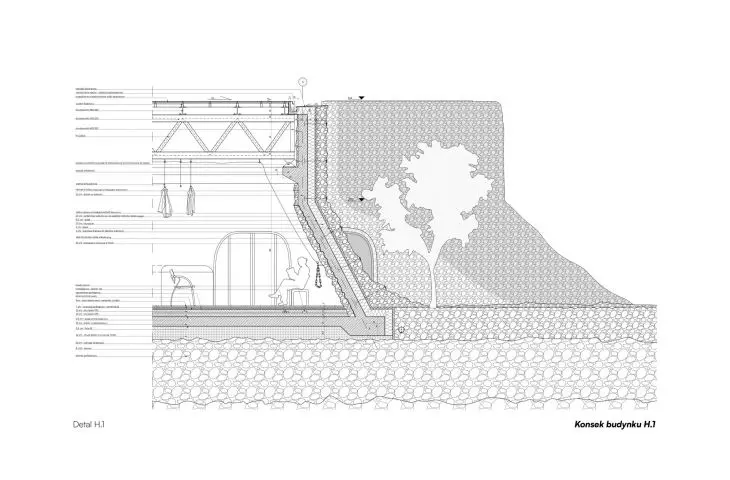
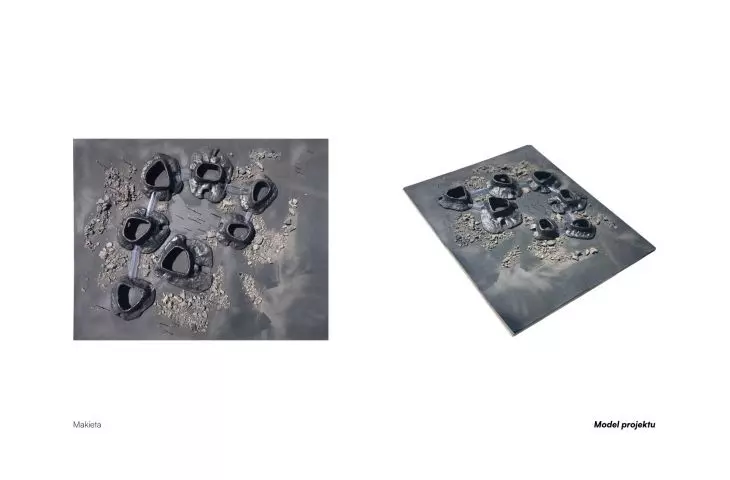
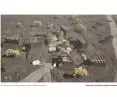
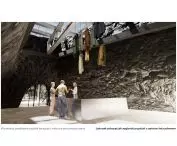
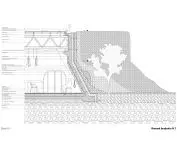
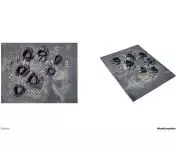
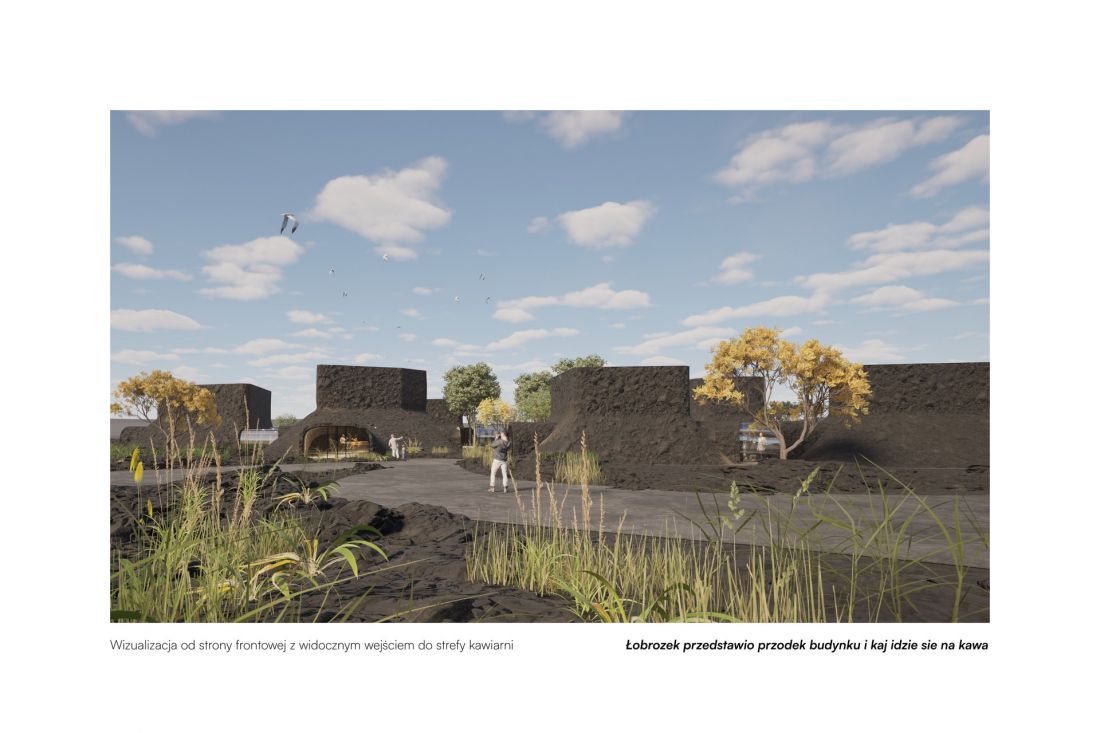
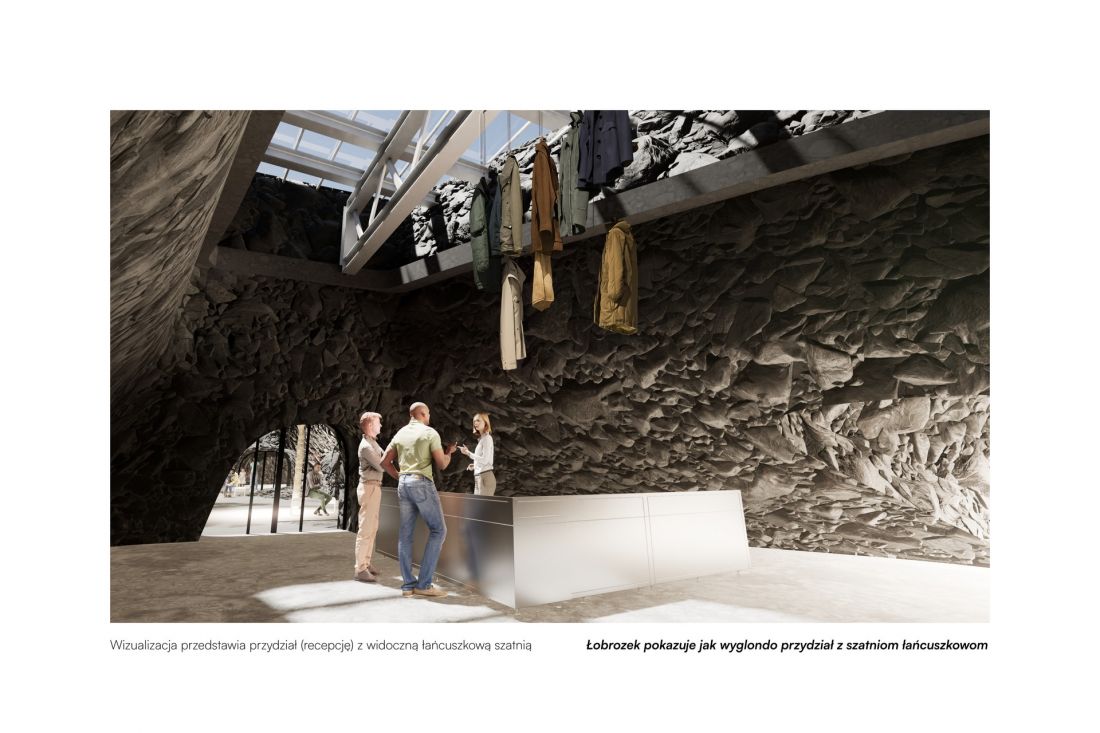
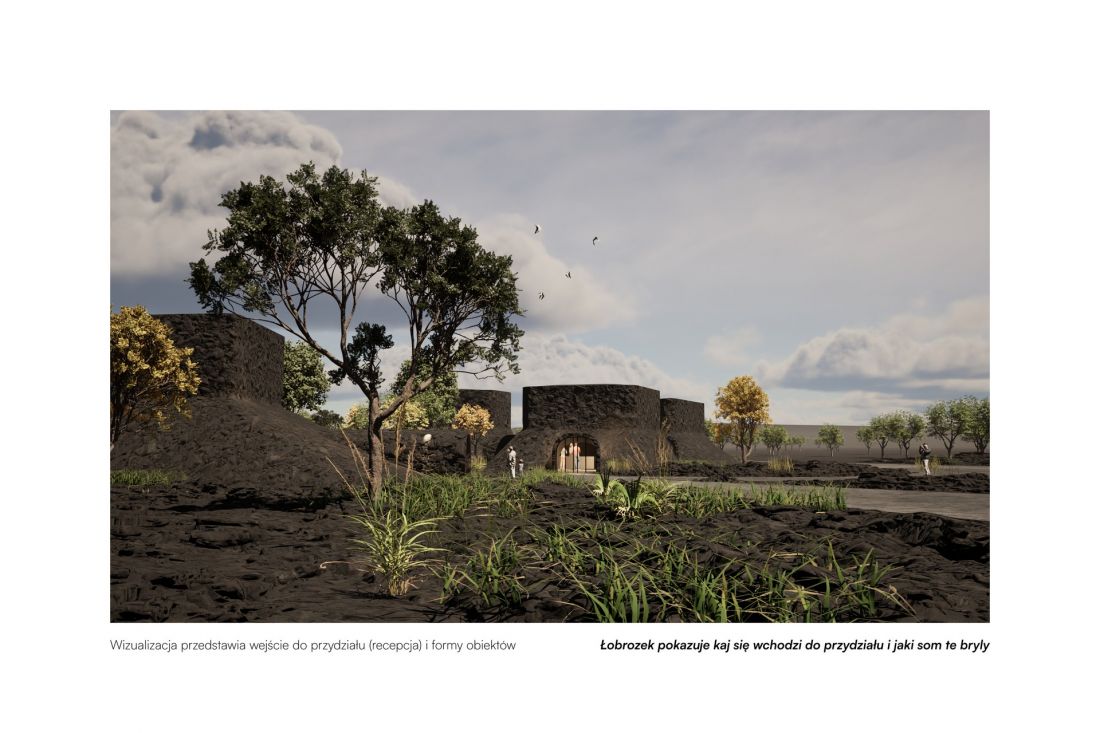
An important element of the concept is the use of tailings, or post-mining waste, as the main building material.
This approach is in line with the idea of circular economy - the degraded material gains new value, both technical and symbolic. Architecture thus becomes a direct extension of the landscape, rather than an alien element imposed from outside.
© Hanna Sobocik
form inspired by "fedrunk"
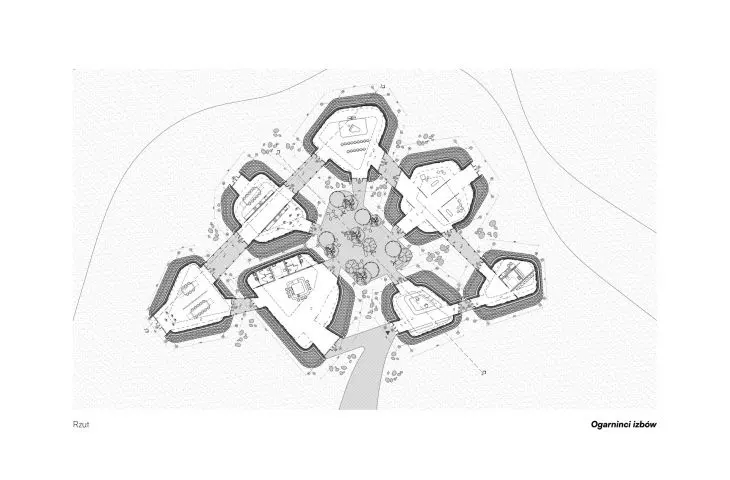
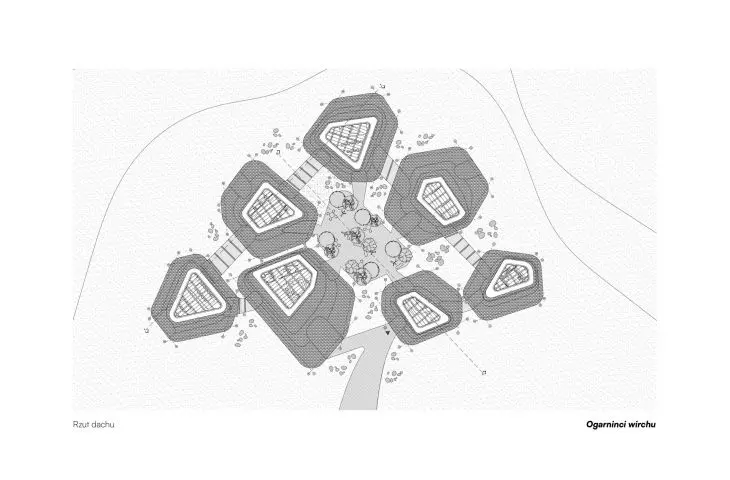
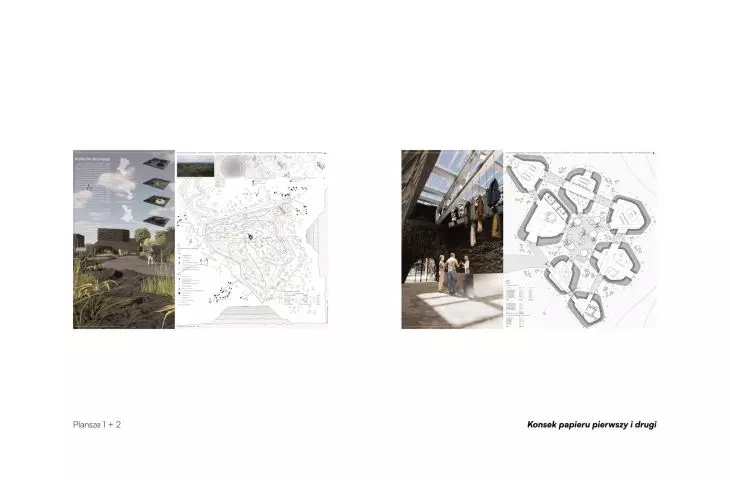
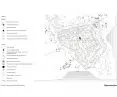
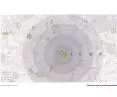
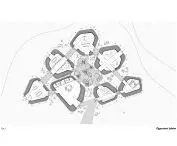
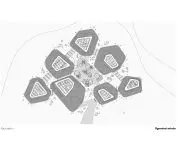
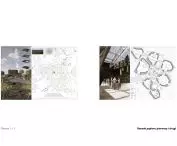
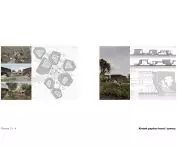
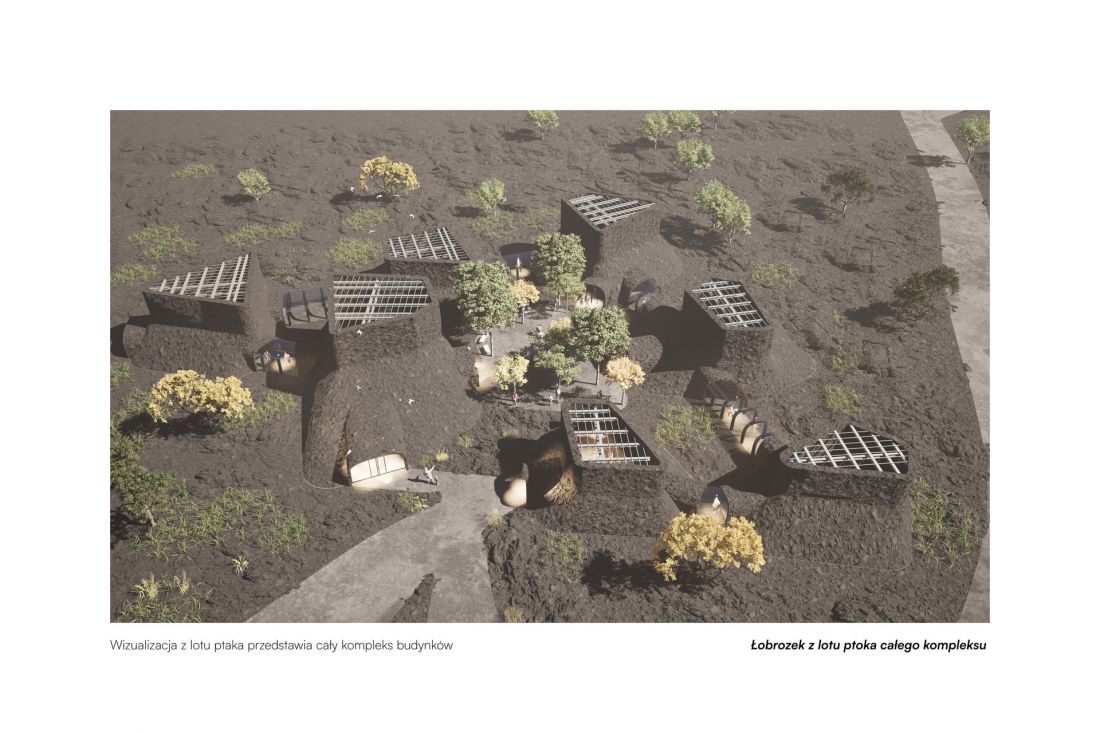
The complex of designed buildings has a dispersed, organic character, subordinated to the topography of the heap. The buildings have been divided into smaller blocks corresponding to their functions, and their layout is inspired by the structure of underground mining corridors - the so-called fedrunk. The network of paths and passageways creates a clear spatial structure, which simultaneously refers to the history of the place and builds a new user experience.
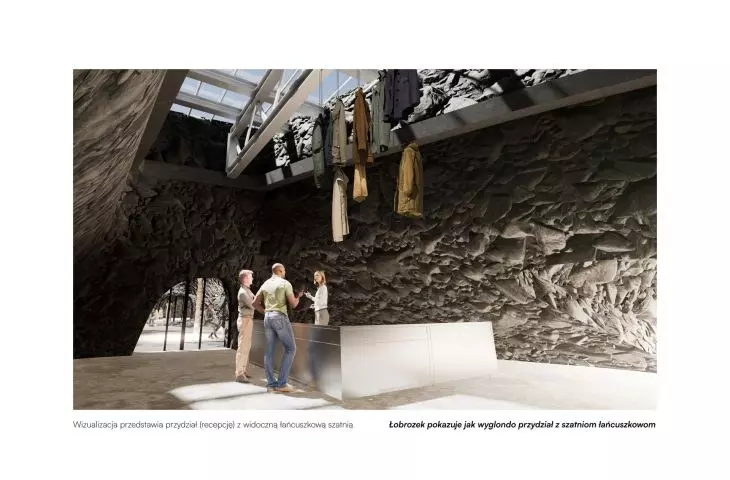
The project also draws on local symbolism and artistic activities, including the work of Ludwik and Agnieszka Holesz and the significance of the "Well" as a spiritual place. Thanks to the handling of light, material and form, a space with an emotional and identity dimension is created, which goes beyond purely functional assumptions.
© Hanna Sobocik
a model for the future of post-industrial regions
"Holda-Re-activation" shows that degraded areas need not remain empty vestiges of the past. They can become active, inclusive and sustainable spaces that connect people, nature and history.
The author received two prestigious awards for her concept - a distinction from the SARP Opole Branch and first prize in an international competition in Lviv, highlighting the importance of the project in the context of contemporary debates about the future of post-industrial sites.
© Hanna Sobocik
This is a project in which fedrunk turns into a meeting, and memory turns into life.